
Tag Archives: September

Loading
loading..

Pros and Cons of Owning A Dog During College

Getting a dog during college can be an exciting thought for many students who are leaving home and are experiencing their first taste of true freedom; However, many young adults fail to consider the responsibilities and obligations that come with owning a dog while in school.

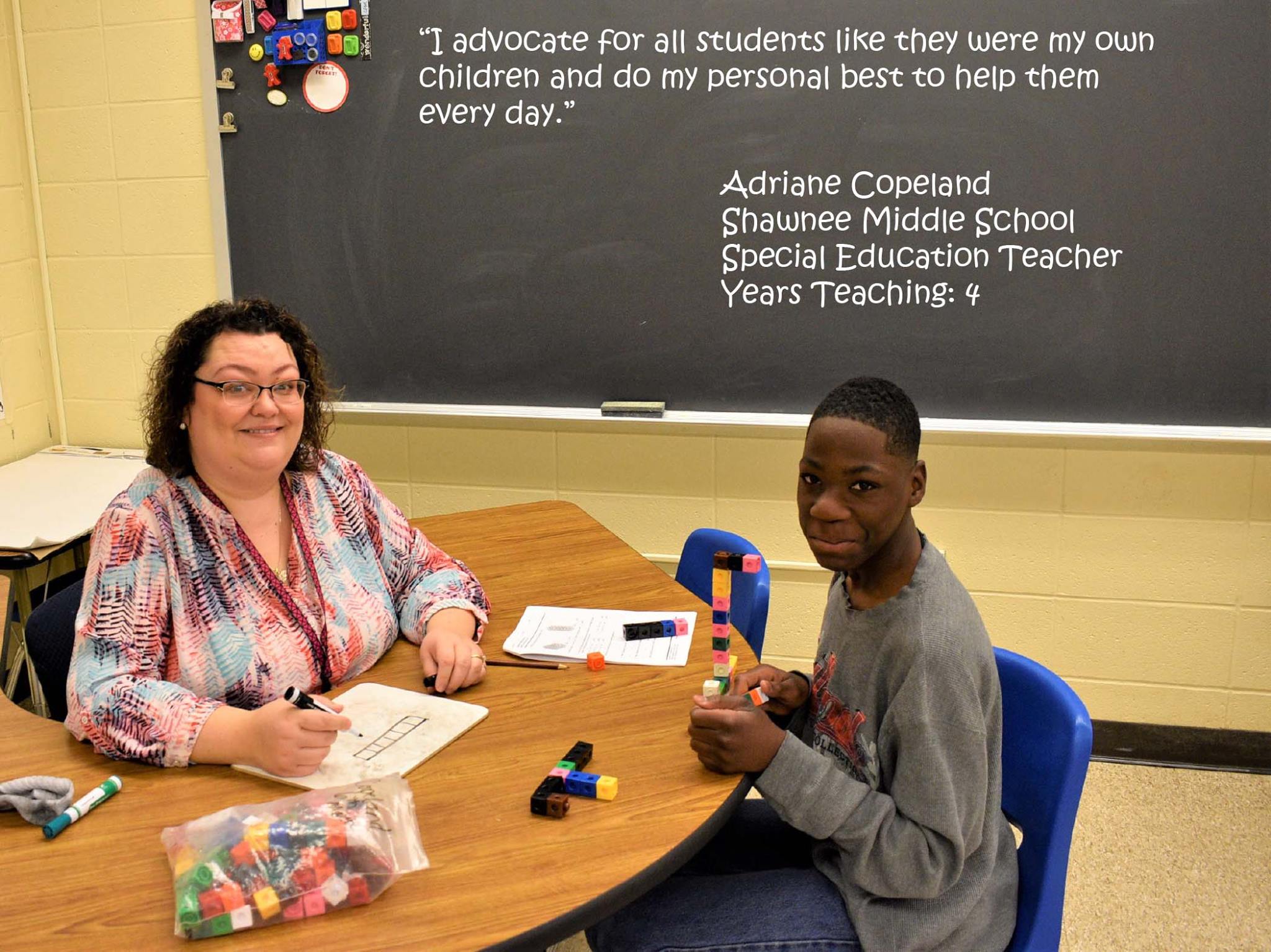
Apart from the necessity as companions for students with disabilities; consider the following:

Pros:

They can lead to decreased stress.

Dogs have the incredible ability to make you feel more relaxed and less stressed. A study actually found that when people took care of dogs for just three months, they showed significant drops in blood pressure and reactivity to stress. There’s no better feeling than coming home after a long day to your furry best friend who’s thrilled to see you.

They help motivate you to exercise.

Daily exercise is an essential part of a dog’s well-being and absolutely cannot be neglected. However, this requirement becomes mutually beneficial because it also ensures that you’re getting outside daily, intaking sunlight, and getting your own exercise. Even if you’re having a rough day and don’t feel like doing much, your dog will make sure that you go outside and get moving.

They make great companions if you live alone.

Dogs can be fantastic companions for students who choose to live alone. Living by yourself can be lonely. Your pet can serve as a companion to keep you occupied, as well as a solid guard dog when needed (or you can at least let them think they are).

Cons:

They require a time and patience.

If you’re thinking about getting a dog in college, be prepared to commit tons of time and attention to them. Training sessions will be vitally important in ensuring that your dog is potty-trained, can behave on a leash, and can be trusted around other dogs. You’ll also have to make time for vet appointments, play time, and letting them out on a consistent basis.

They can be expensive.

Dogs can be extremely expensive. Between vet bills, food, toys, and general dog supplies, the costs can quickly add up. Assessing your financial situation beforehand and determining whether or not now is the right time for you to get a dog, is absolutely essential.

They can cut into your social life; although can expand your social life with a starting point for common conversation with other dog lovers.

Like it or not, having a dog will cut into your social time with your friends. Staying out until 4 am on the weekends or being away from your house for 12 hours at a time is no longer feasible when your pet is waiting for you at home. Plan to make arrangements to fit your dog’s needs, which may mean missing out on social activities from time to time.


Readings

University of Michigan: Animals on Campus

North Central Michigan College

20 Pet Friendly Colleges

Standards Michigan: Animals

“Nipper” RCA Victor

Horologiorum

“Gather Ye Rosebuds While Ye May” John Herrick | John William Waterhouse

“The Sound of Noon” on the Charlottesville Campus

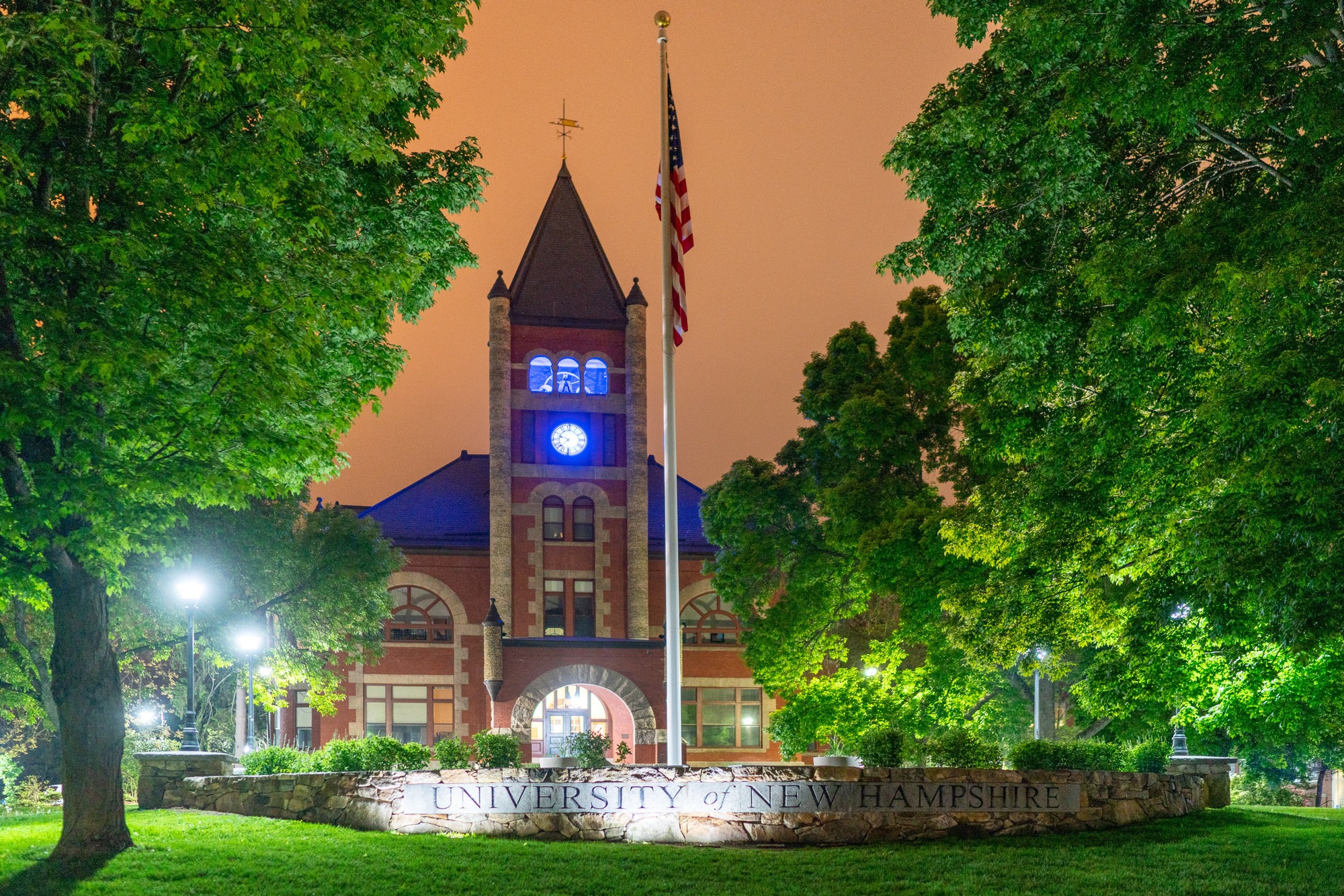
University of New Hampshire

Westminster Chimes at Rockefeller Memorial Chapel

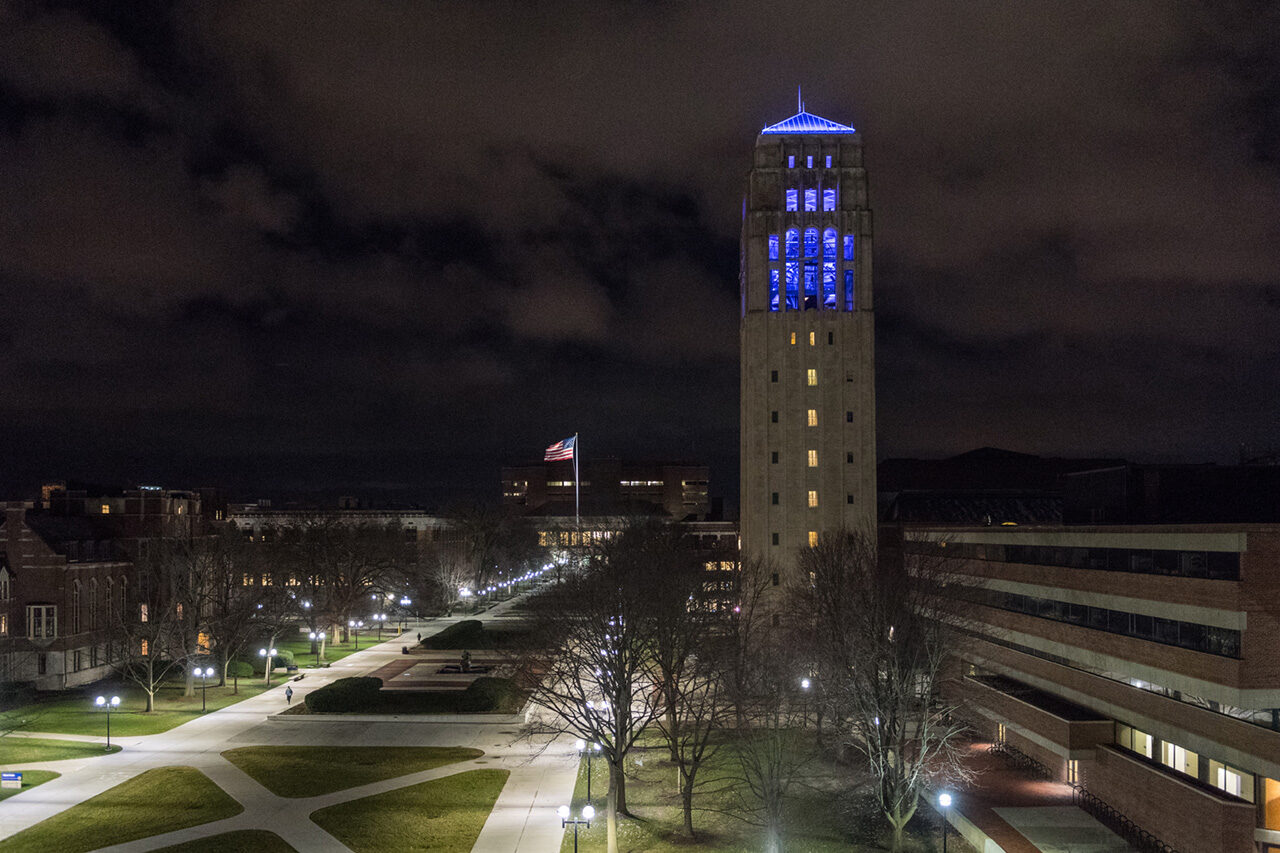
University of Michigan

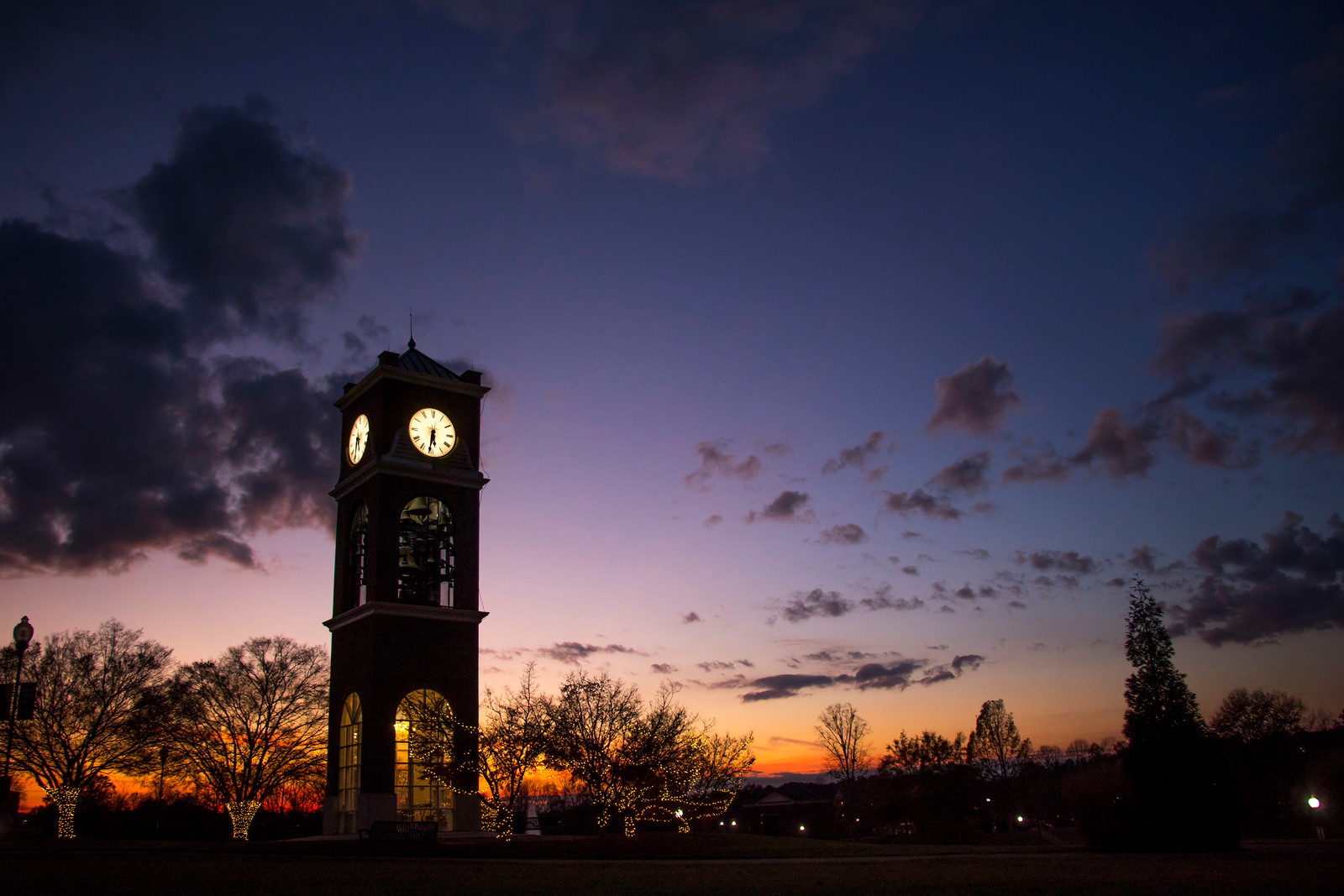
Hayes Clock Tower

Ars Sonora Bell Tower

Western University Ontario

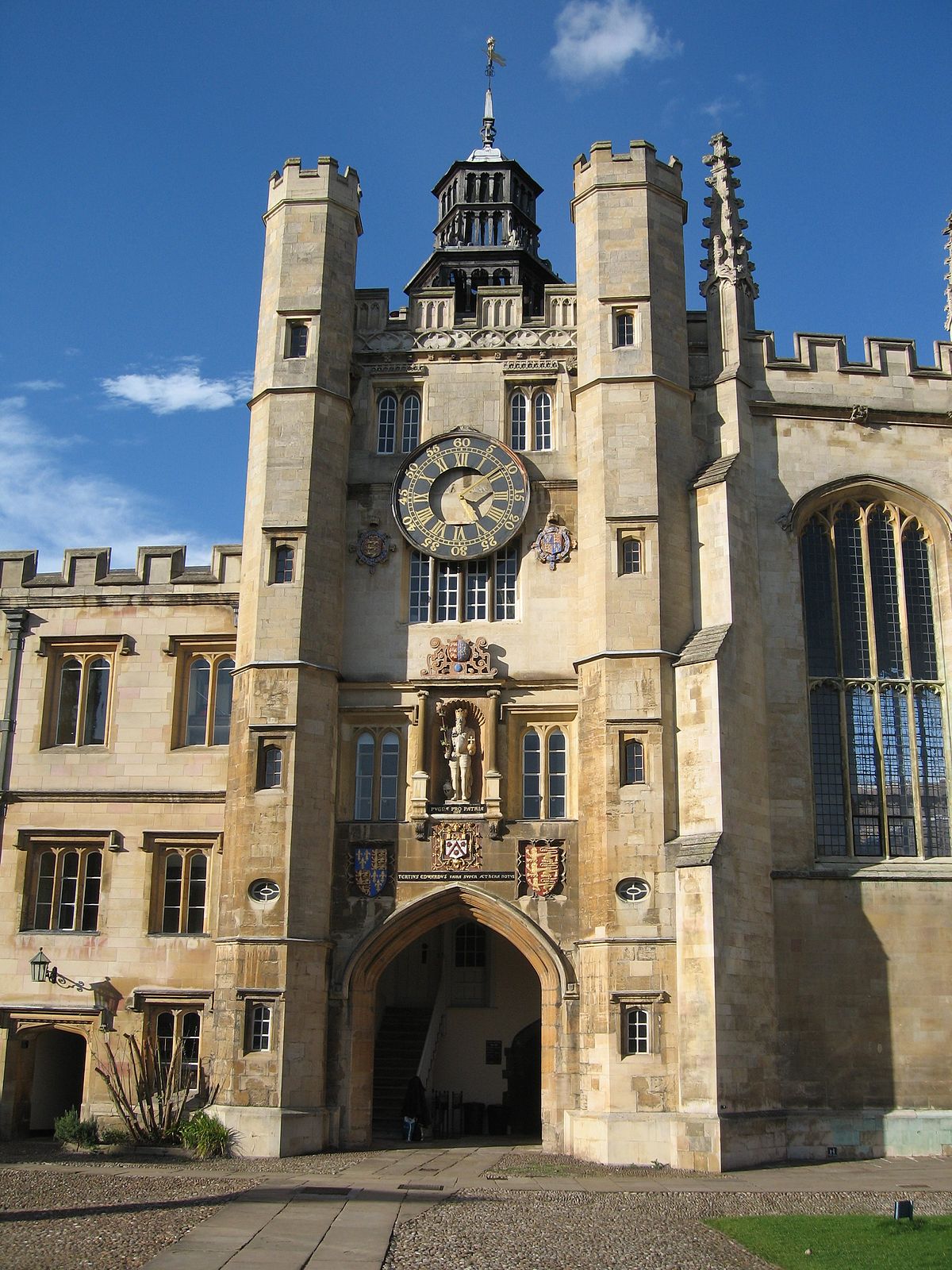
Trinity College

Mississippi State University

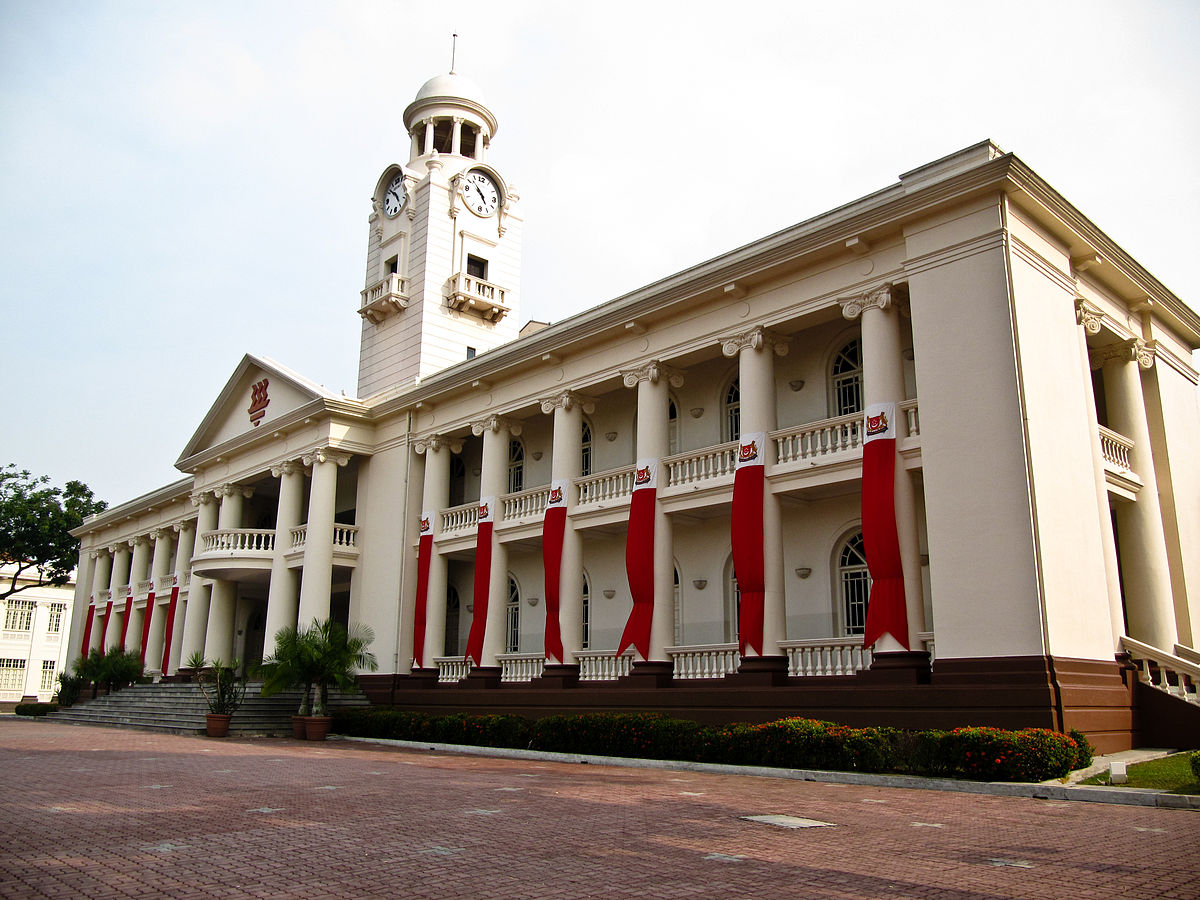
南洋華僑中學

Shelton State Community College Alabama

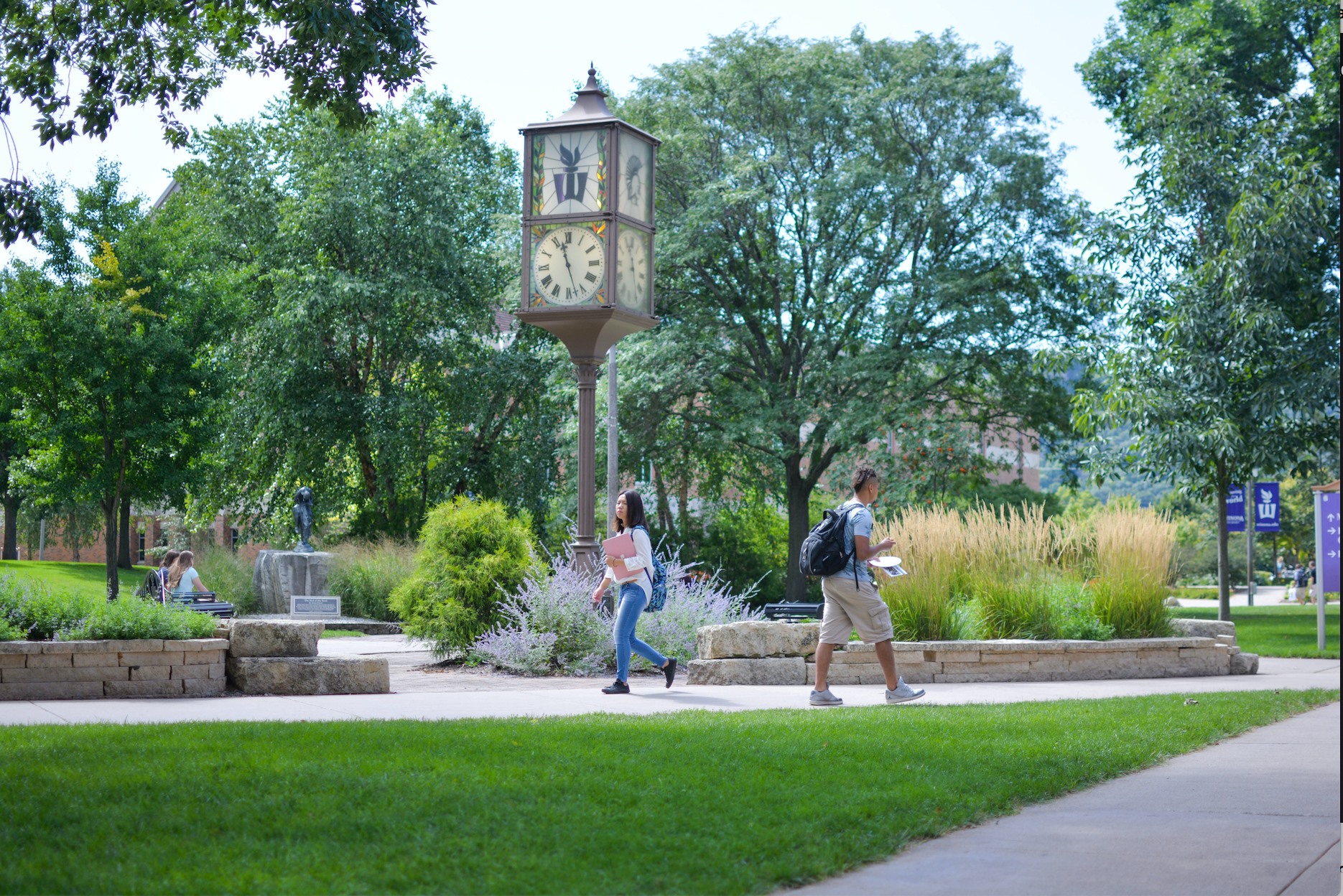
Winona State University

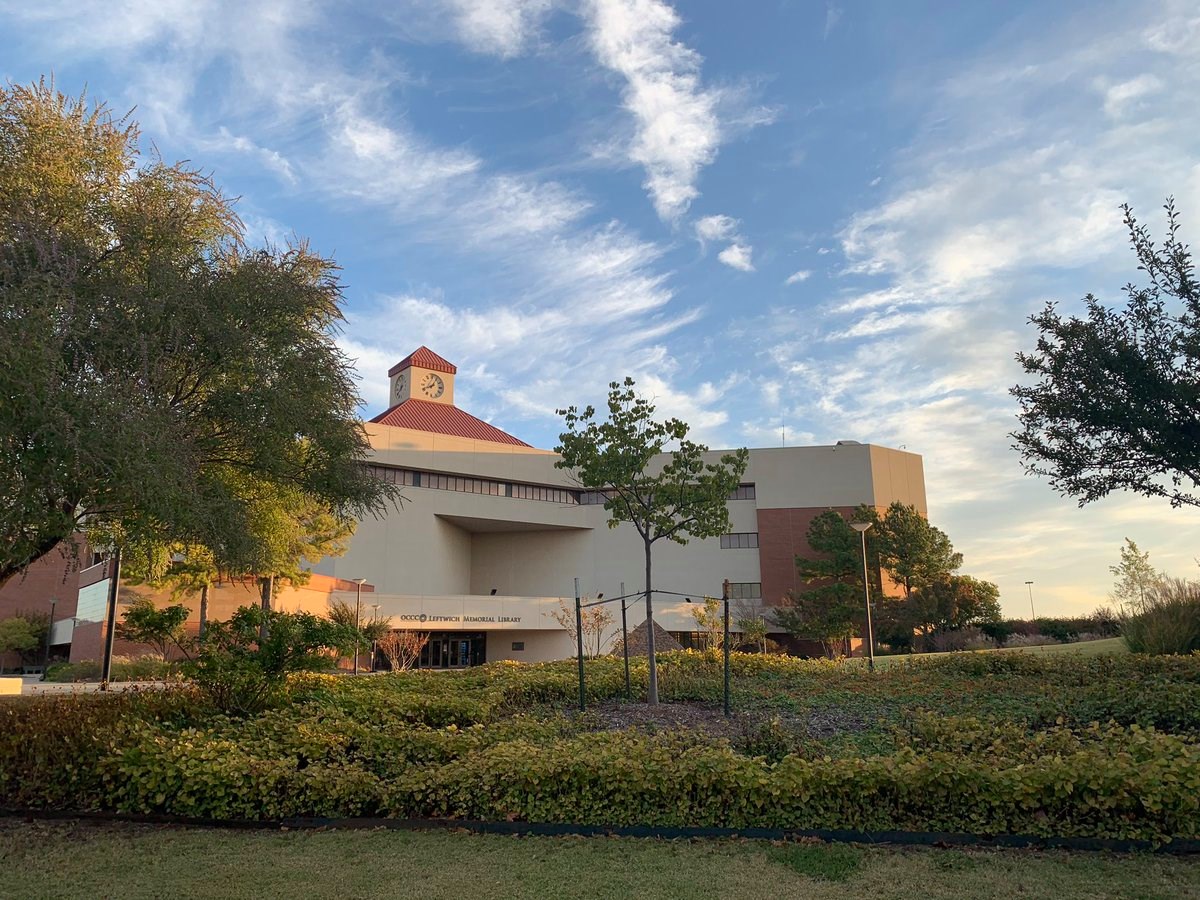
Oklahoma City Community College

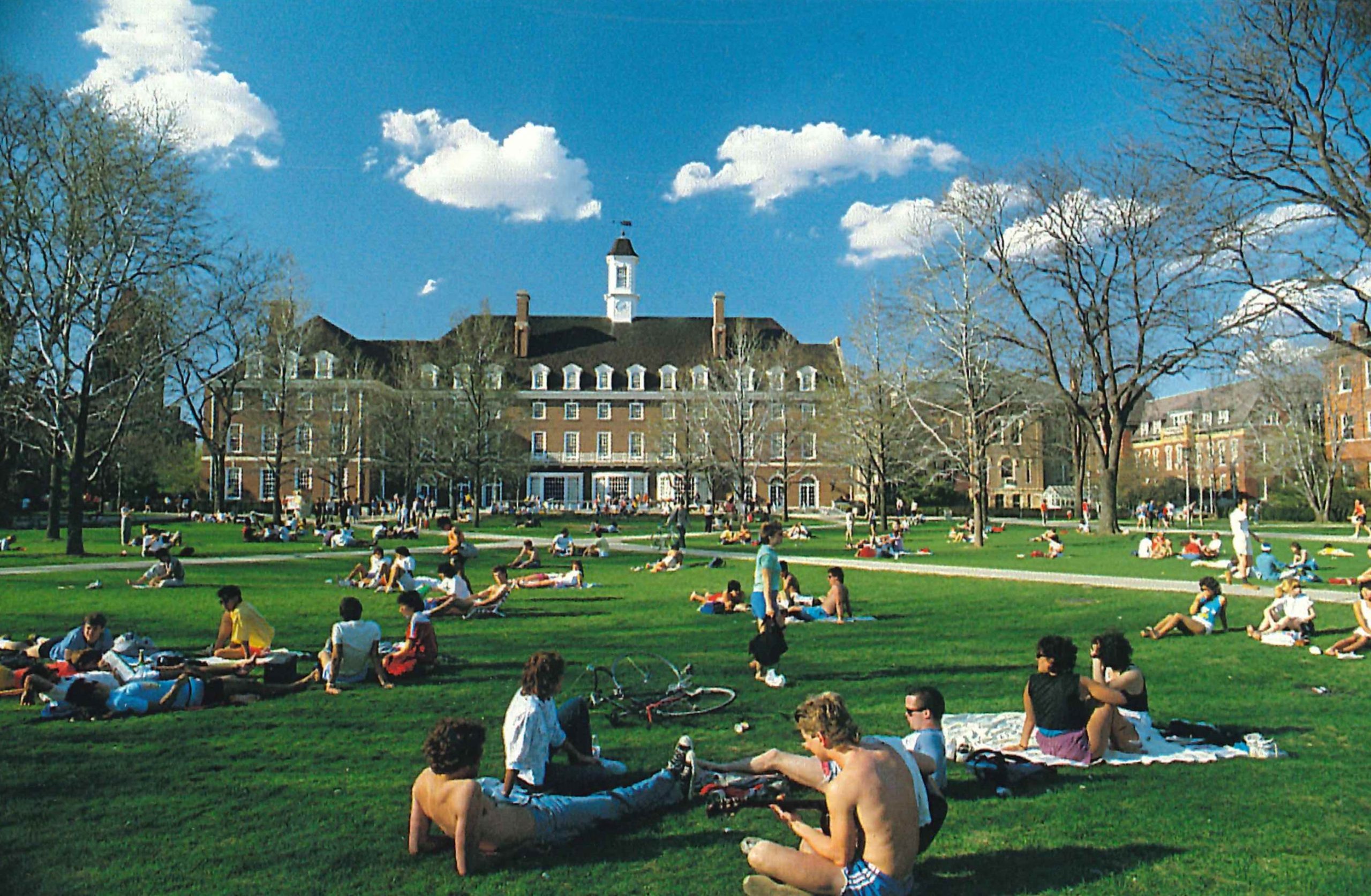
University of Illinois

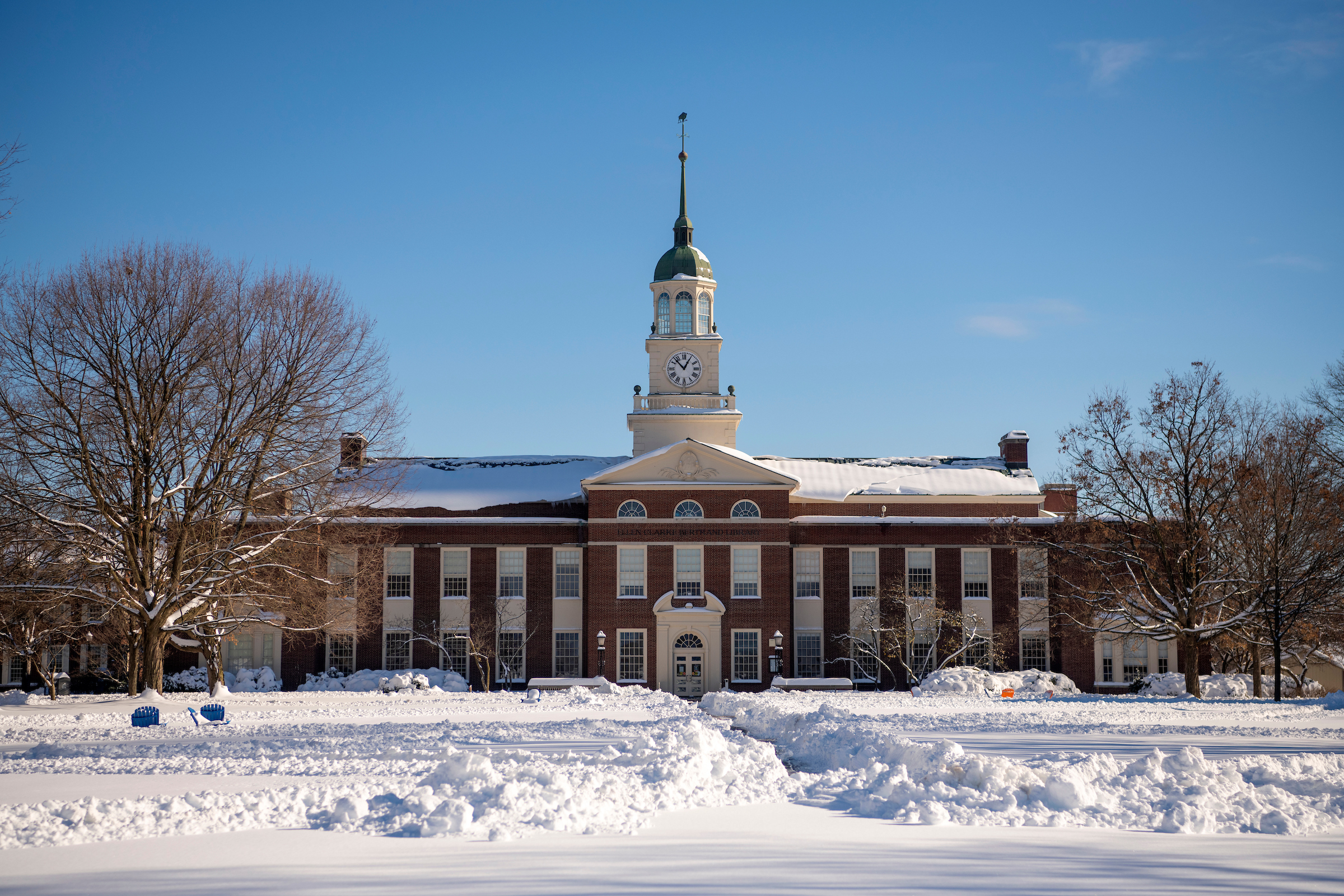
Bucknell University Pennsylvania

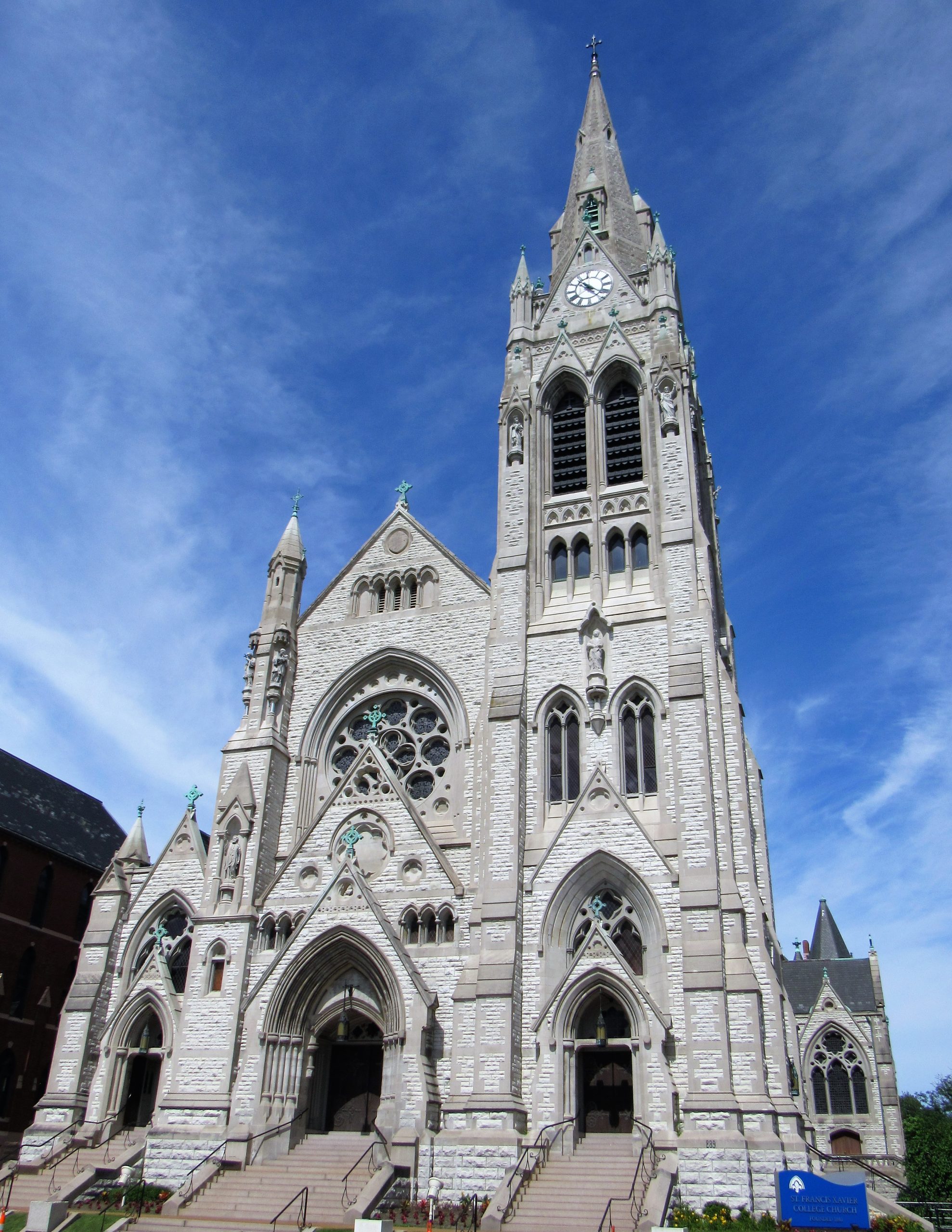
St. Francis Xavier College Missouri

University of Mississippi

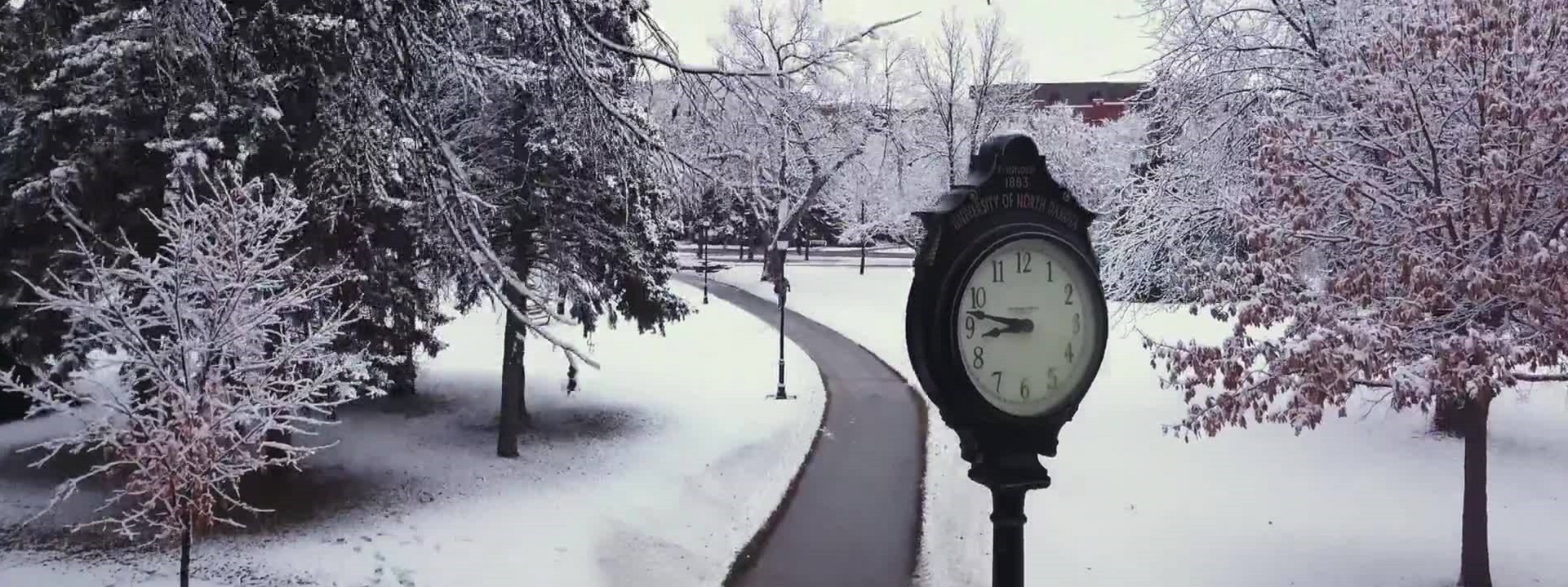
University of North Dakota

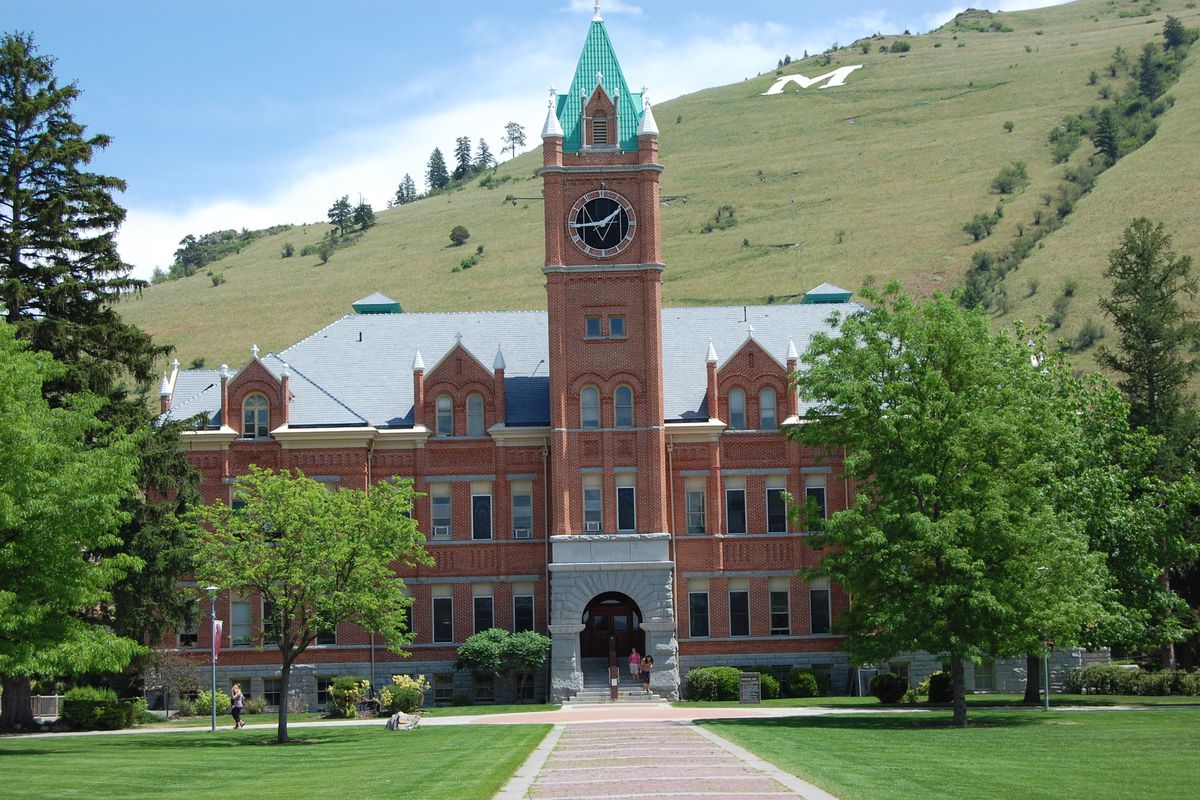
University of Montana

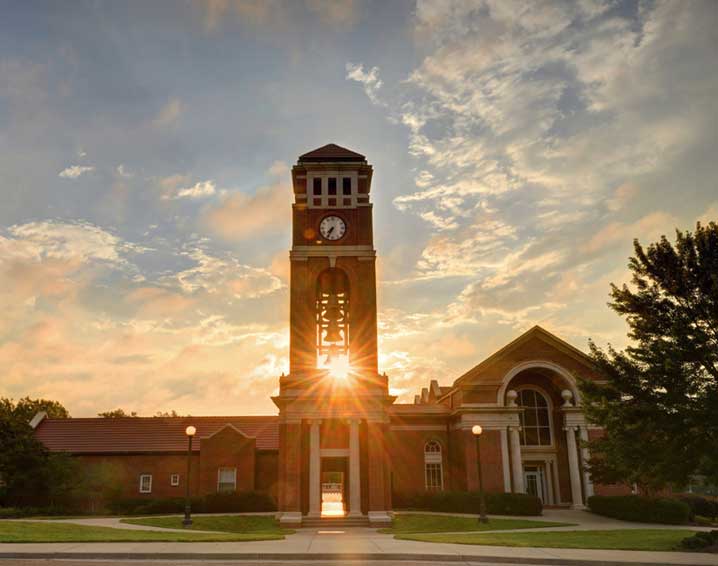
Gardner-Webb University North Carolina

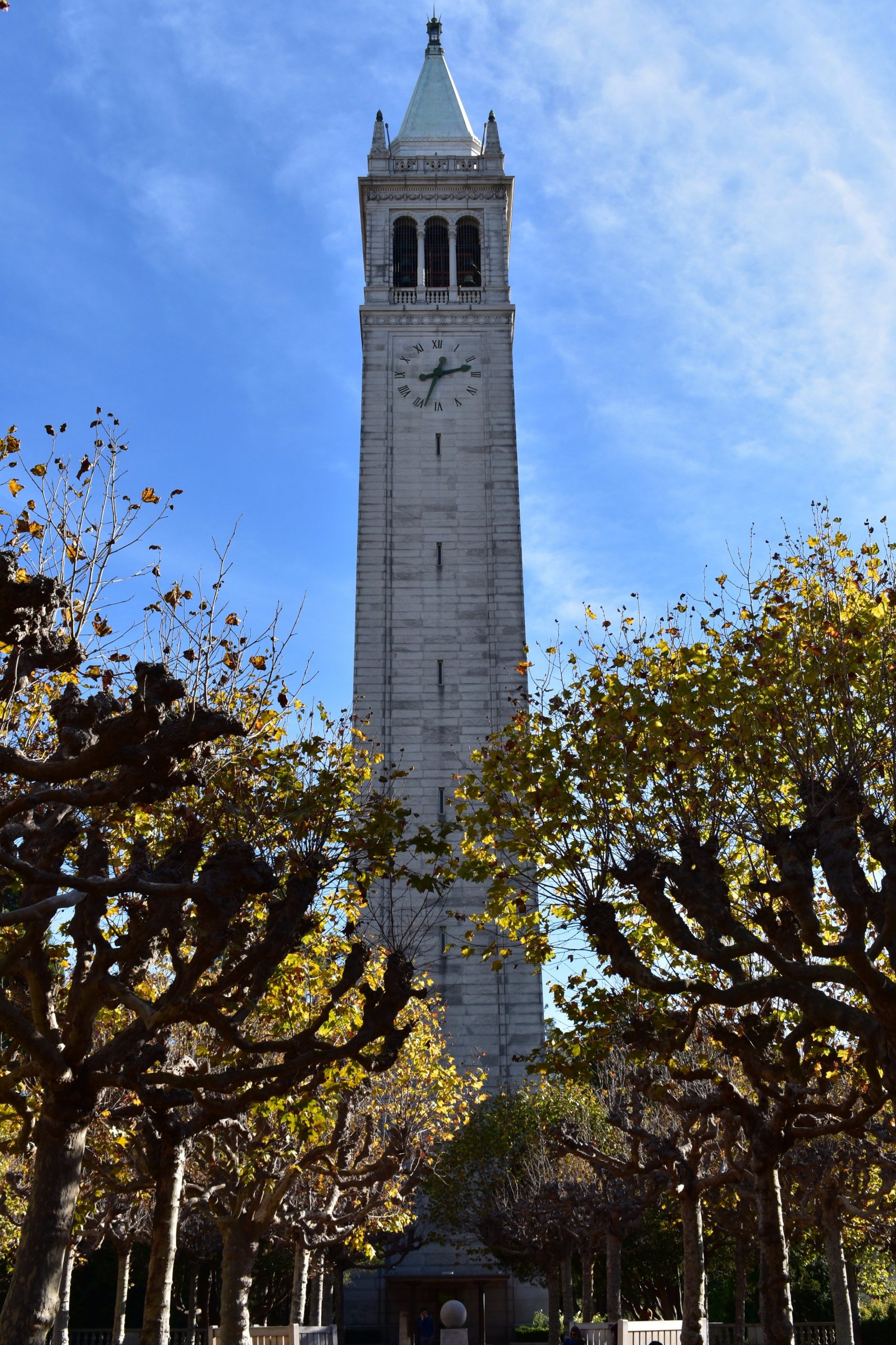
University of California Berkeley

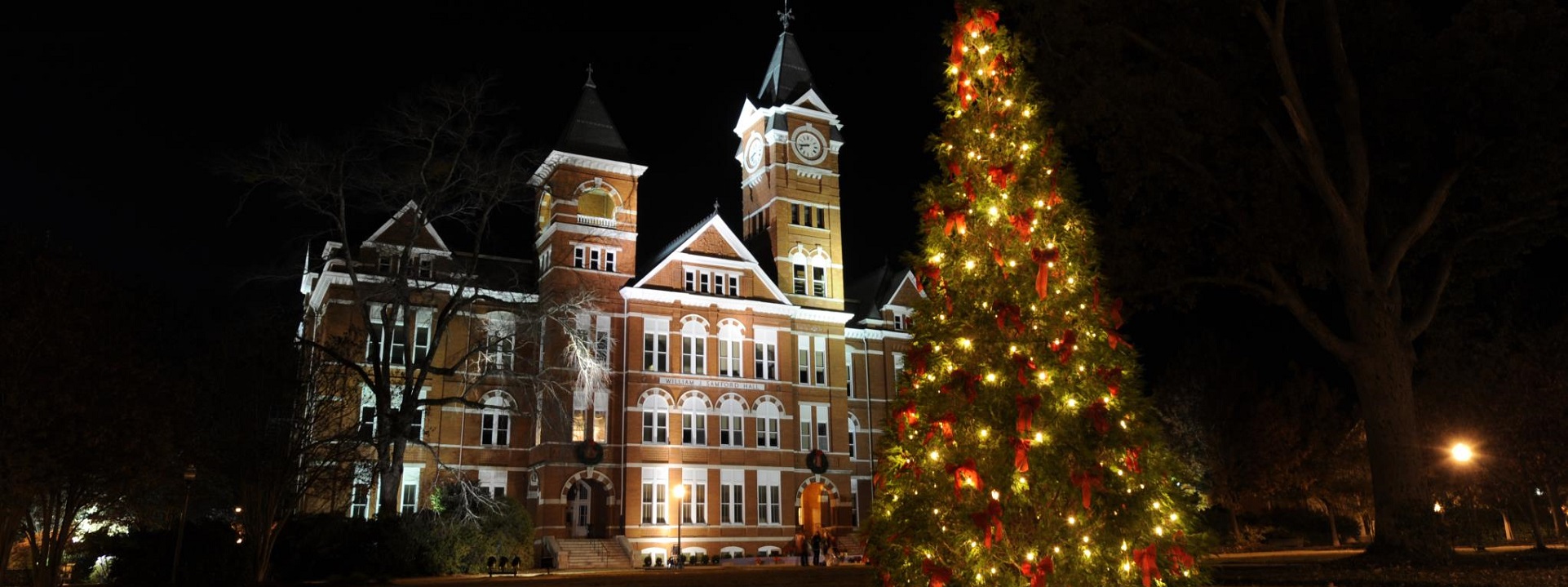
Auburn University Alabama


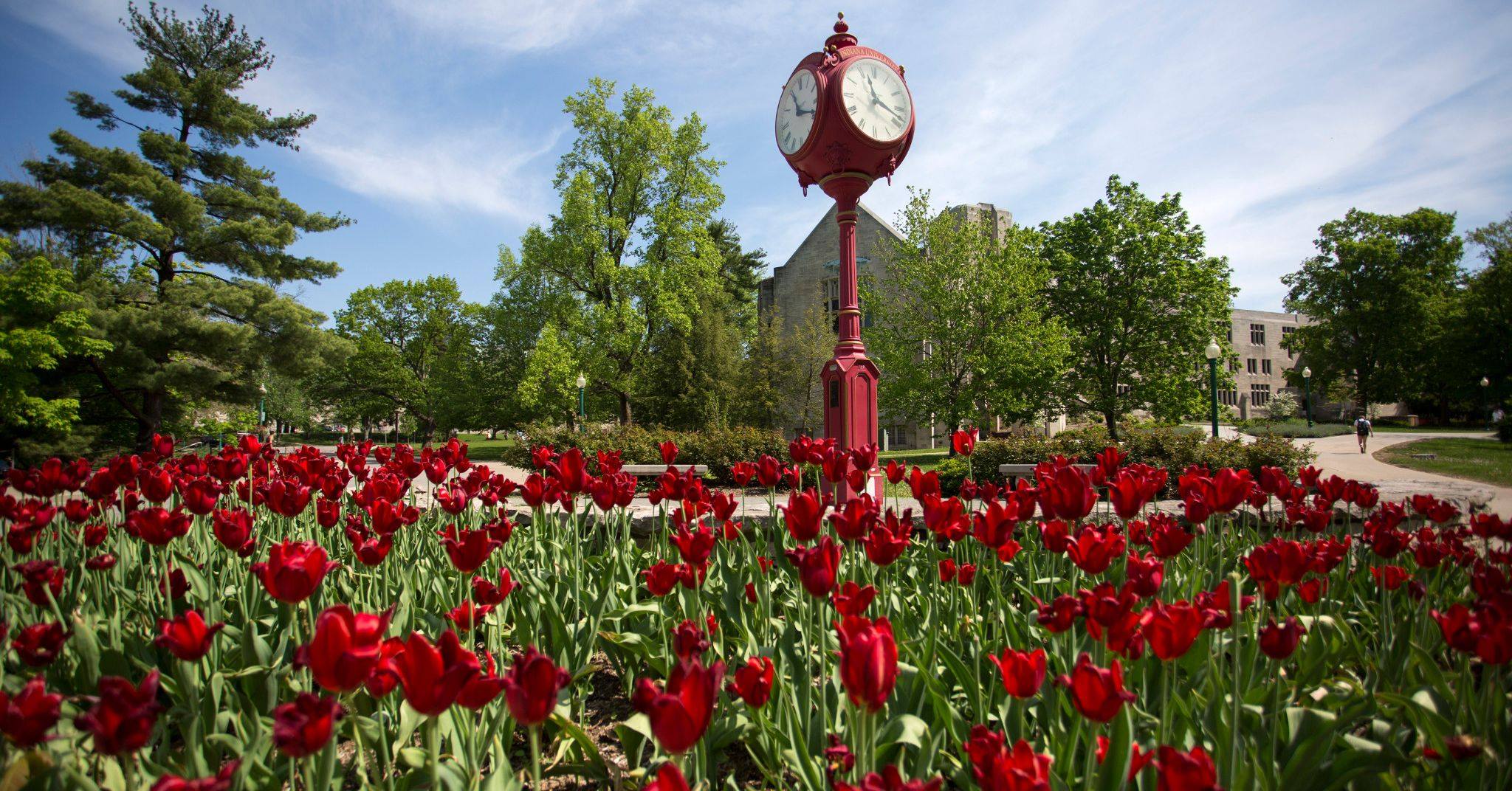
Indiana University

Sam Houston State University Texas

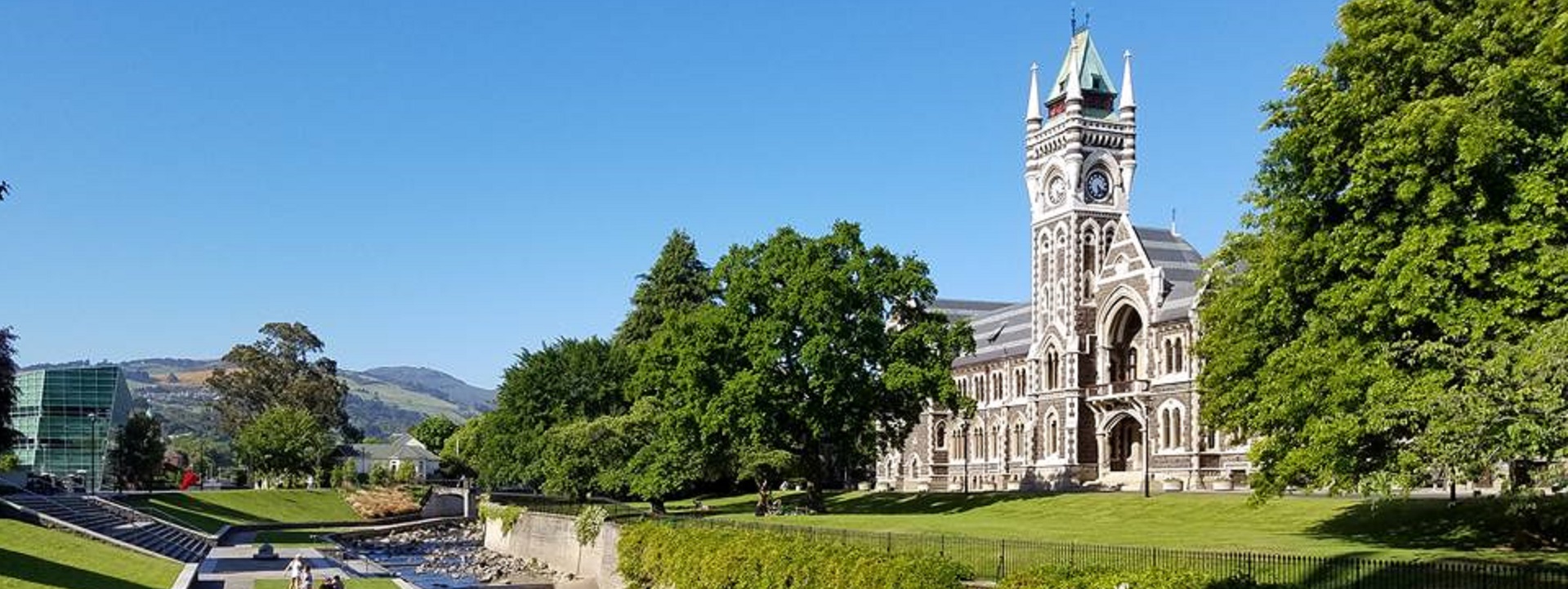
Otago University New Zealand

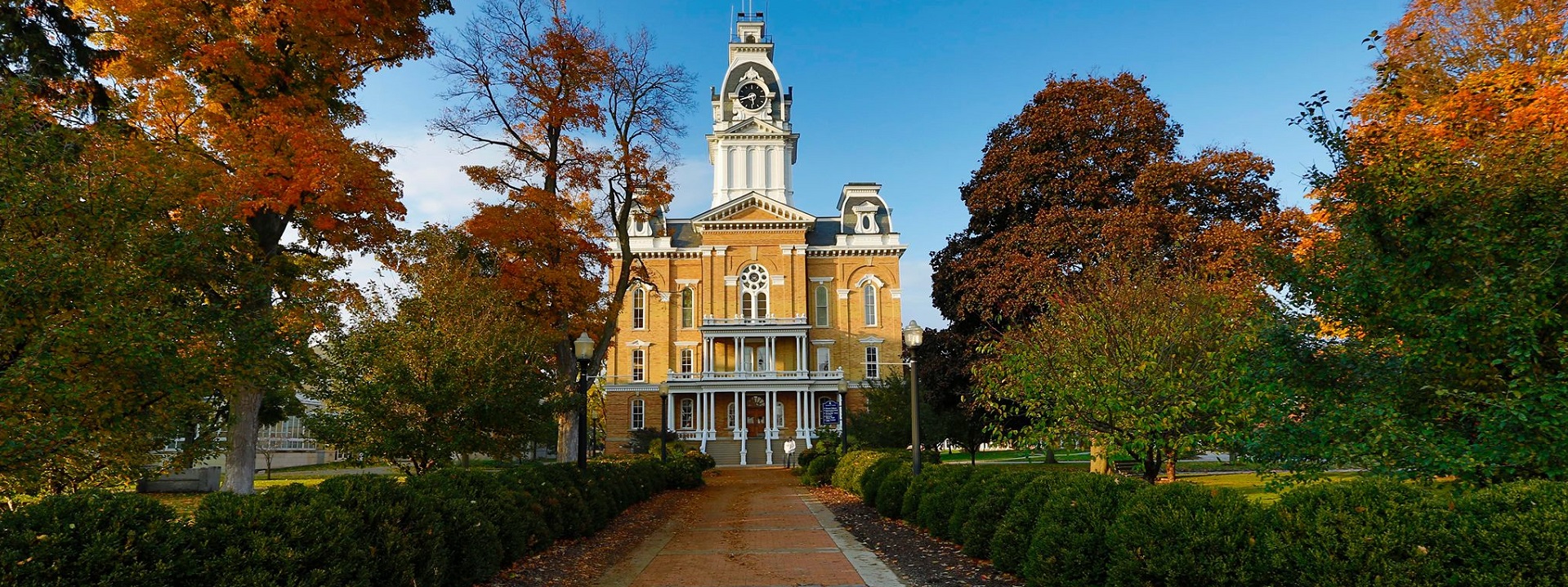
Hillsdale College Michigan


More

ISO 8601:2004 Data elements and interchange formats — Information interchange — Representation of dates and times
National Institute of Science & Technology: Time and Frequency

National Institute of Science & Technology: Current Reliability of the WWVB Time Code

NFPA 72 National Fire Alarm & Signaling Code Chapter 23: Protected Premises Alarm and Signaling Systems

Infotech 100

“The more abundant the information in the world,

the more economics becomes the science of allocating attention.”

— George Gilder

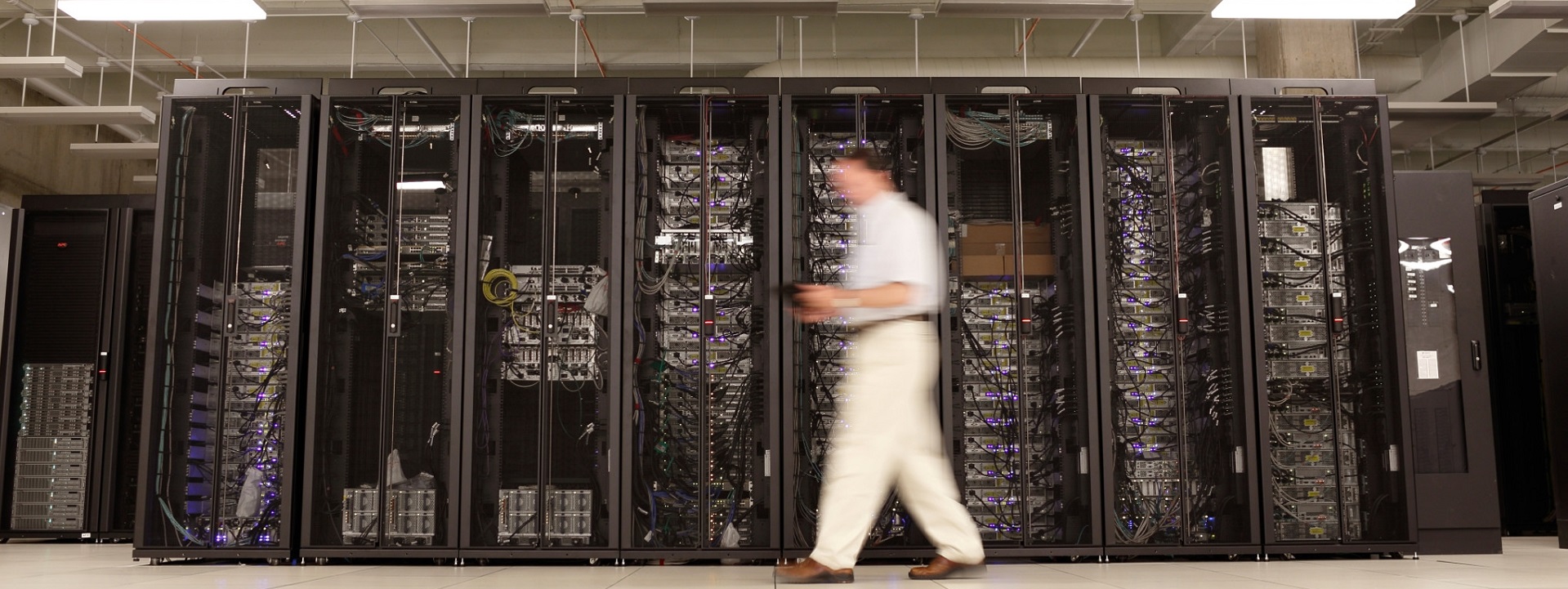
Today we break down the literature for building, maintaining and supporting the computing infrastructure of education communities.  We use the term “infotech” gingerly to explain action for a  broad span of technologies that encompass enterprise servers and software, wireless and wired networks, campus phone networks, and desktop computers that provide administrative services and career tech video production.   The private sector has moved at light speed to respond to the circumstances of the pandemic; so have vertical incumbents evolving their business models to seek conformance revenue in this plasma-hot domain.

Starting 2023 we break down the topic accordingly:

Infotech 100: Survey of the principal standards developing organizations whose catalogs are incorporated by reference into federal and state legislation.  Revision cycles.

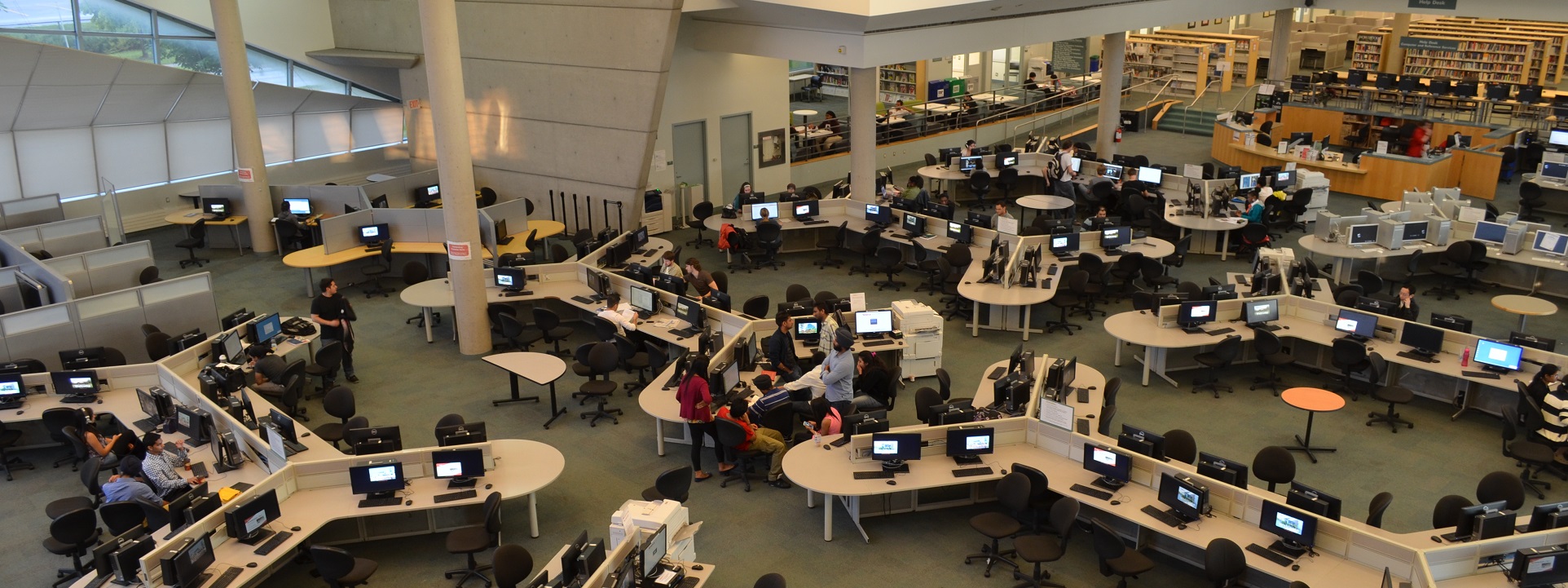
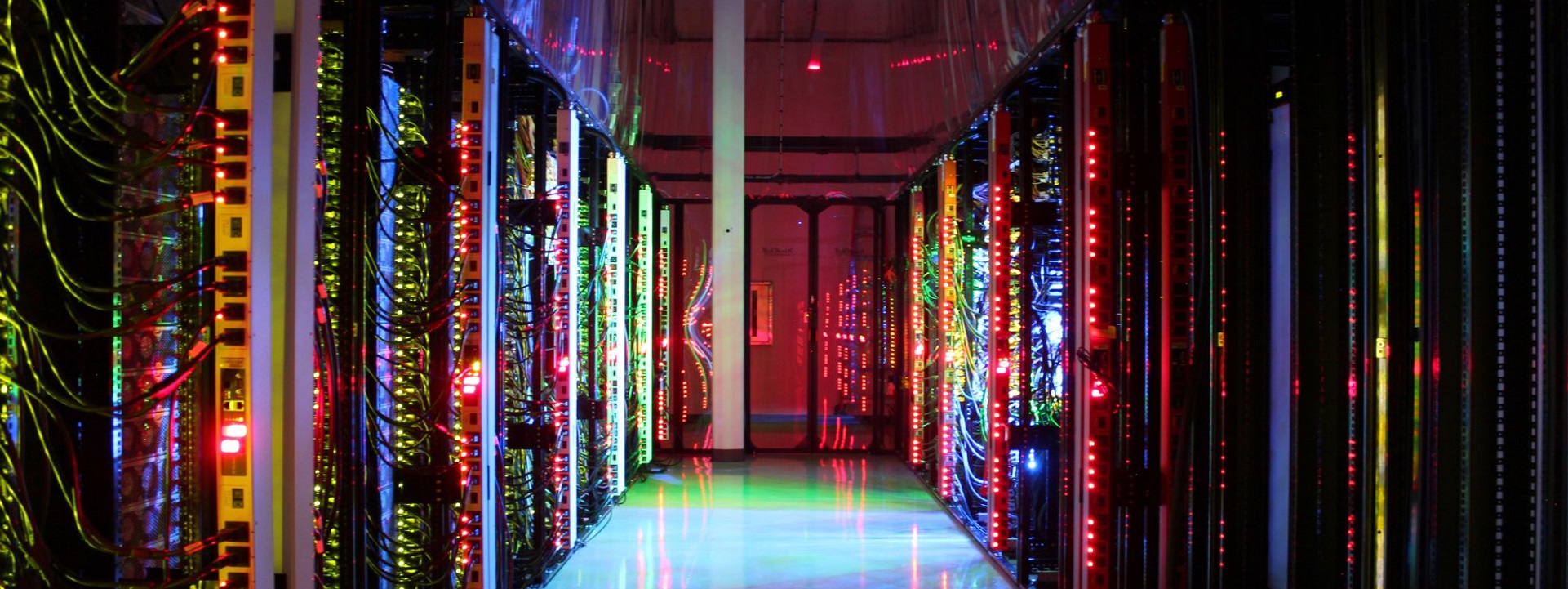
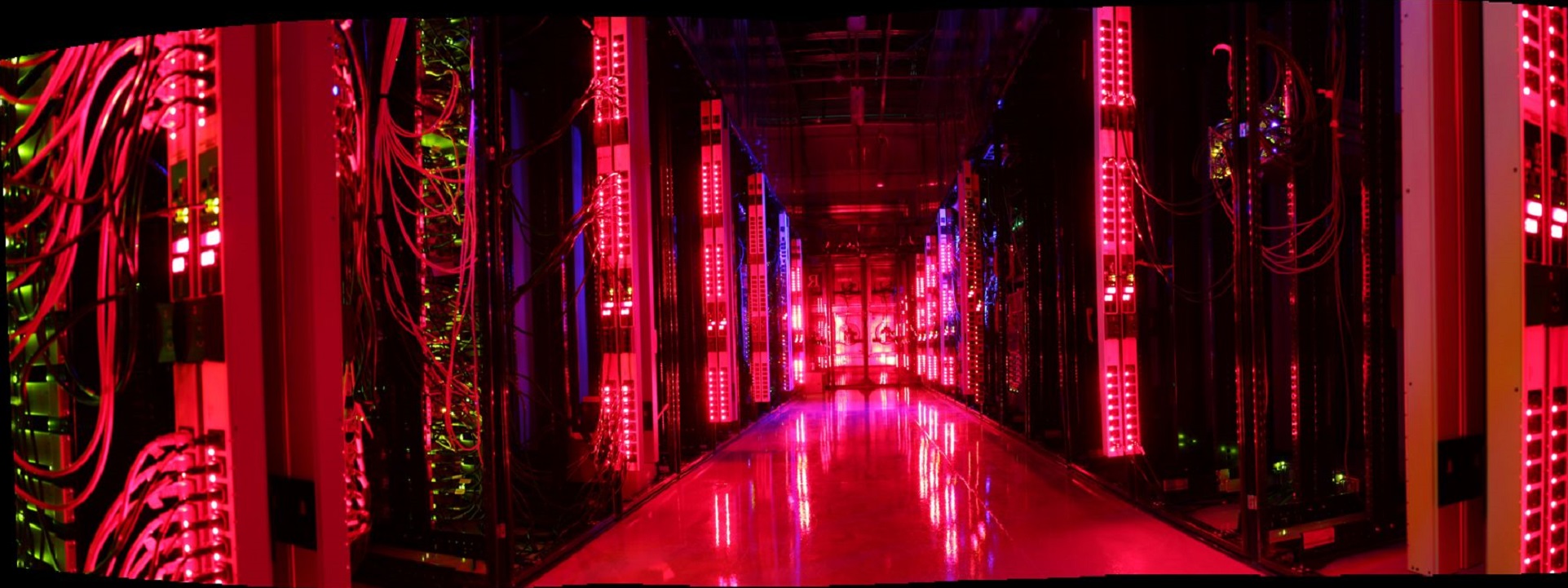
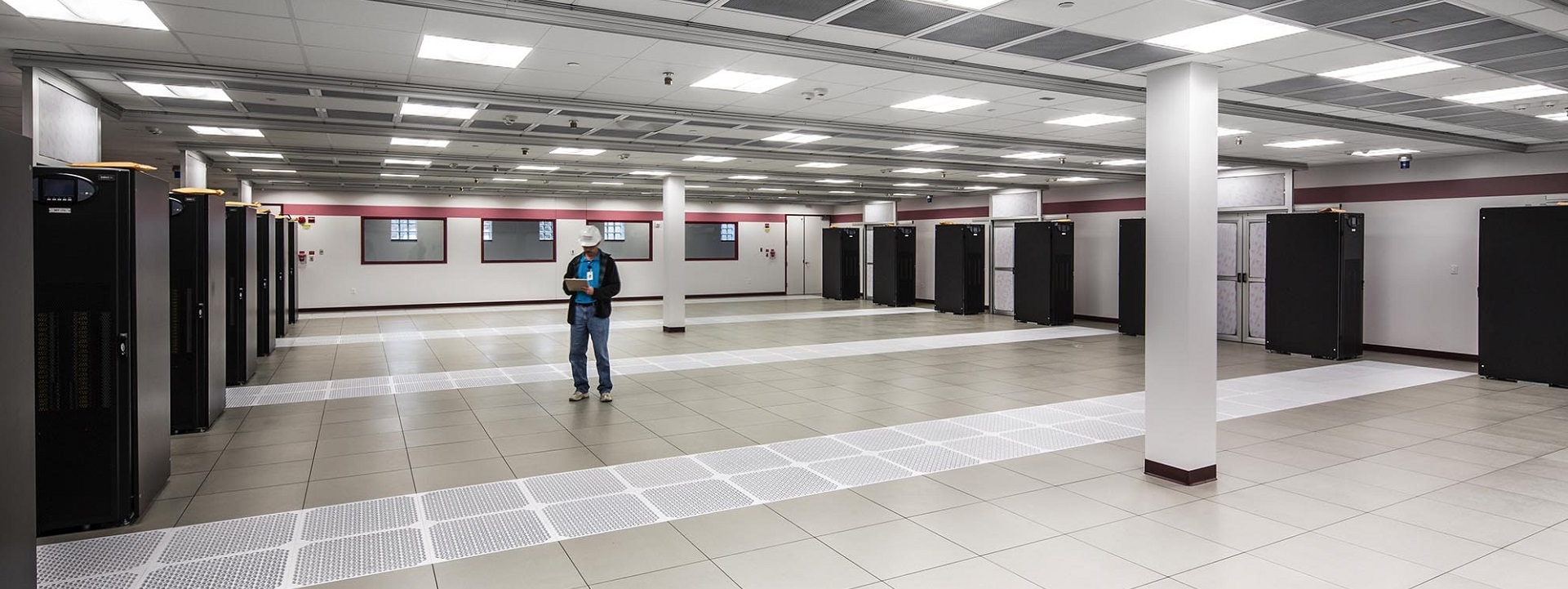
Infotech 200: Campus computing facilities for research and education

Infotech 300: Communication networks, wired and unwired at the demarcation point; crucial for defining the responsibilities and boundaries between the service provider and the customer.

Infotech 400:  System, middleware and application for education and research

We have begun to track case studies of satellite-based internet services to rural and remote schools and community colleges.

Throughout 2025 we will expand our inquiry in this time slot.  There are obvious global security issues to enlighten approaches to assuring communication security if, for example, undersea cables are maliciously destroyed.


The literature radiates continually by consortia, open-source, or ad hoc standards-setting domains rather than the private standards system administered by global and standards setting bodies; to wit:

International:

IEC (EN 50600), IET, ISO, ITU

Vocabulary

Freely Available ICT Standards

IEEE Communications Society

United States:

ASHRAE,

Energy Standard for Data Centers

ATIS


BICSI

Information and Communication Technology Systems Design and Implementation Best Practices for Educational Institutions and Facilities

Information Communication Technology Systems Design and Implementation Best Practices for Healthcare Institutions and Facilities

Data Center Operations and Maintenance Best Practices


INCITS, NFPA, NIST, TIA (942)

Everywhere else:

3GPP & 3GPP2,  Apache Software Foundation,  ISTE,  OneM2M,  Uptime Institute

The ICT domain is huge, replacing physical libraries.  The foregoing is a highly curated sample.

We continue to include teaching and learning media standards on our colloquia however it is likely that will break up this topic into at least two related colloquia as 2023 proceeds; with primary focus on the design, construction and maintenance of the physical ICT infrastructure.  Much depends upon the interest of our clients, colleagues and other stakeholders.  We collaborate closely with the IEEE Education and Healthcare Electrotechnology Committee.

Use the login credentials at the upper right of our home page.

"One day ladies will take their computers for walks in the park and tell each other, "My little computer said such a funny thing this morning" - Alan Turing

A Study of Children’s Password Practices


Fire Drills

This content is accessible to paid subscribers. To view it please enter your password below or send mike@standardsmichigan.com a request for subscription details.

Structures

9-11 Commission

Today we examine best practice literature for education building structures developed by accredited and consortia standards developers such as ASCE, ACI, AISC, ASTM, AWS, CRSI, ICC, NFPA and IEEE.   The US education industry among the top three largest building construction markets; with annual new and renovated building construction running close to $100 billion annually.

We limit our coverage to low-risk regions in the US, such as areas with minimal seismic activity, low risk of flooding and moderate weather conditions.  Another huge topic which we will likely break up into separate modules in the fullness of time.  For now, we sweep through the basics:

Foundation

  1. Site Analysis:
    • Conduct soil testing to determine its bearing capacity and composition.
    • Ensure the site is properly graded and drained to prevent water accumulation.
  2. Foundation Type:
    • Slab-on-Grade: Common in residential buildings. A concrete slab is poured directly on the ground.
    • Basement: Provides additional living space and storage, common in residential buildings.
  3. Design and Preparation:
    • Use rebar reinforcement to strengthen the concrete.
    • Install vapor barriers to prevent moisture from seeping through the foundation.
    • Properly compact the soil to prevent settling and shifting.
  4. Concrete Pouring:
    • Use high-quality concrete mix suitable for the local climate.
    • Ensure proper curing of the concrete to achieve maximum strength.
    • Use expansion joints to accommodate temperature changes and prevent cracking.
  5. Waterproofing and Insulation:
    • Apply waterproofing membranes or coatings to protect the foundation from water damage.
    • Insulate the foundation to improve energy efficiency and prevent frost heave in colder climates.

Ironwork

  1. Materials:
    • Use high-quality steel that meets industry standards (e.g., ASTM specifications).
    • Ensure the steel is properly treated to resist corrosion, especially in humid or coastal areas.
  2. Design:
    • Follow structural engineering guidelines and building codes for the specific type of building.
    • Use appropriate load calculations to determine the size and placement of steel beams, columns, and reinforcements.
  3. Fabrication and Assembly:
  4. Erection:
    • Use proper lifting equipment and techniques to safely erect steel structures.
    • Align and level steel components accurately before final fastening.
    • Use bolted connections where possible for ease of assembly and future maintenance.
  5. Inspection and Quality Control:
    • Conduct regular inspections throughout the construction process to ensure compliance with design specifications and building codes.
    • Perform non-destructive testing (e.g., ultrasonic testing) on critical welds and connections.
  6. Protective Coatings:
    • Apply protective coatings (e.g., galvanization, epoxy paint) to steel components to prevent corrosion.
    • Maintain the protective coatings over the lifespan of the building.

Use the login credentials at the upper right of our home page.


Related:

Category Archive

Post 9-11 Standards

Following the September 11, 2001 attacks on the World Trade Center, U.S. standards developers — the International Code Council (ICC) and the National Fire Protection Association (NFPA) topmost among them — responded with revisions to technical standards based on thirty findings of the National Institute of Standards and Technology (NIST). These changes aimed to enhance structural integrity, fire safety, and evacuation procedures in high-rise buildings.

Increased Structural Robustness: Codes were updated to improve resistance to progressive collapse, where the failure of one structural element spreads to others. This included increasing the minimum thickness of steel beams and columns and adding more connections between structural elements.

Concrete Reinforcement: Structures like One World Trade Center adopted reinforced concrete cores and thicker structural elements to withstand extreme events.

Fire SafetyEnhanced Fire Resistance: Higher standards for fire-resistant materials were introduced, including mandates for fire sprinklers and smoke alarms in high-rise buildings.

Fire Protection Systems: Improved requirements for active fire protection systems, such as sprinklers, to mitigate fire spread.

Egress and EvacuationElevator Requirements: Elevators are now required in high-rise buildings over 120 feet tall to aid firefighters in accessing upper floors without climbing stairs with heavy equipment.

Additional Stairways: High-rises over 420 feet must include an extra stairway to ensure multiple egress paths.

Exit Path Markings: Self-luminous or photoluminescent exit path markings were mandated to guide occupants to exits during low-visibility emergencies, applied to both new and existing high-rise buildings.

Increased Exit Spacing: Exit enclosures must be spaced farther apart to prevent a single event, like a fire, from blocking multiple exits.

Emergency Communication and PreparednessImproved Communication Systems: Codes now require better communication systems for emergency responders to coordinate during crises, addressing the breakdown in communication during 9/11.

Evacuation Procedures: Elevators can now be used for evacuation in some fire scenarios, a shift from the traditional reliance on stairs, improving evacuation efficiency.

Blast-Resistant Features: Designs for high-profile buildings, like One World Trade Center, incorporated blast-resistant bases (e.g., a 185-foot concrete base) to protect against street-level attacks.

Changes were debated to balance safety with construction costs, with some measures (like exit markings) having minimal cost but significant benefits.  Not all proposals were adopted due to cost concerns or feasibility, but they spurred further structural design advancements.  These changes reflect a shift toward designing buildings to withstand extreme, unpredictable events like terrorist attacks, beyond traditional natural disaster scenarios.

Our work in the NFPA catalog | Our work in the ICC catalog | Our work in the ASCE catalog

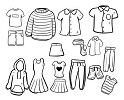
What Are People Wearing?

“What you wear is how you present yourself to the world, especially today,

when human contacts are so quick. Fashion is instant language.”

Miuccia Prada

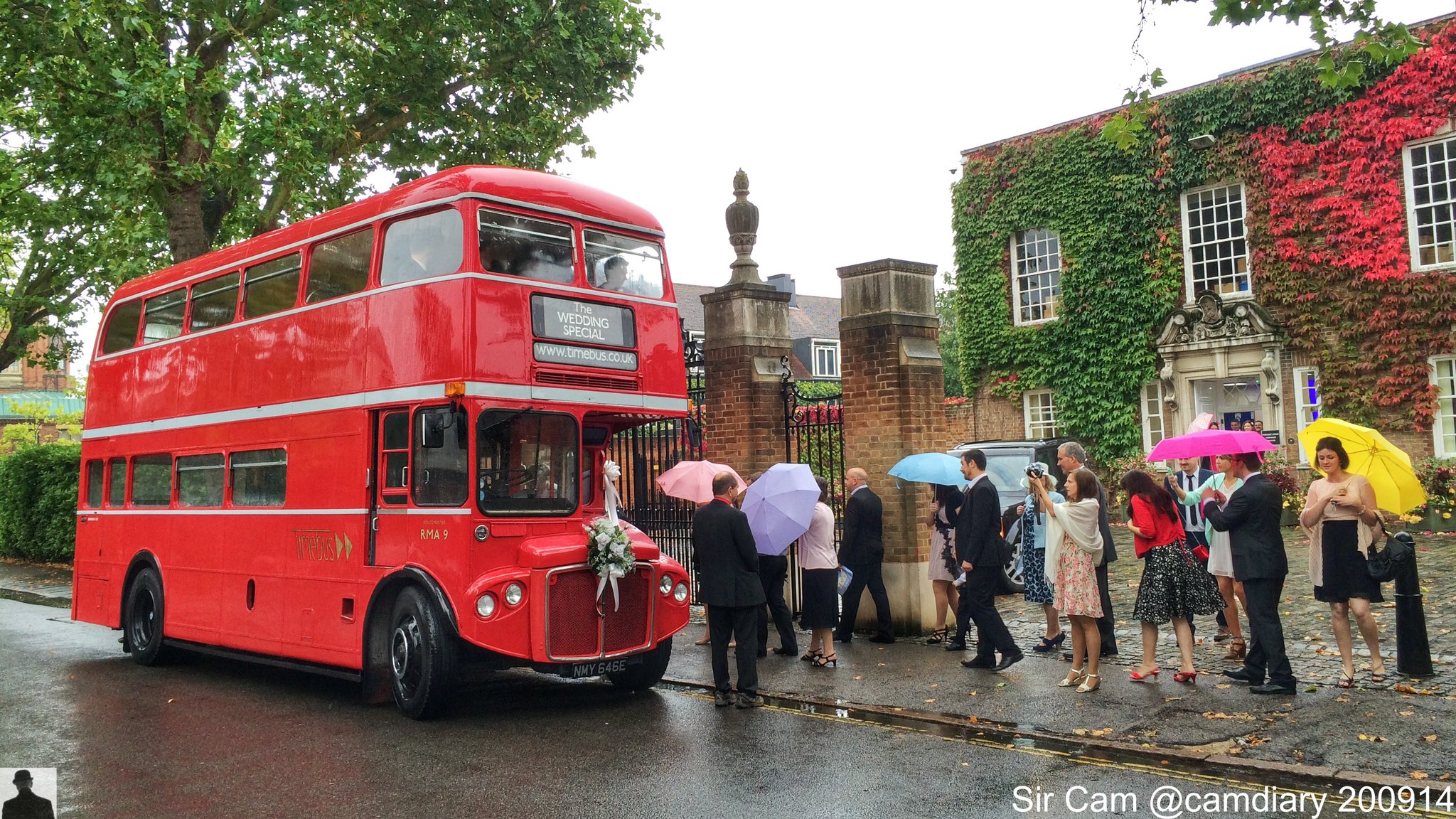
May Ball


University of Cambridge Estates Division

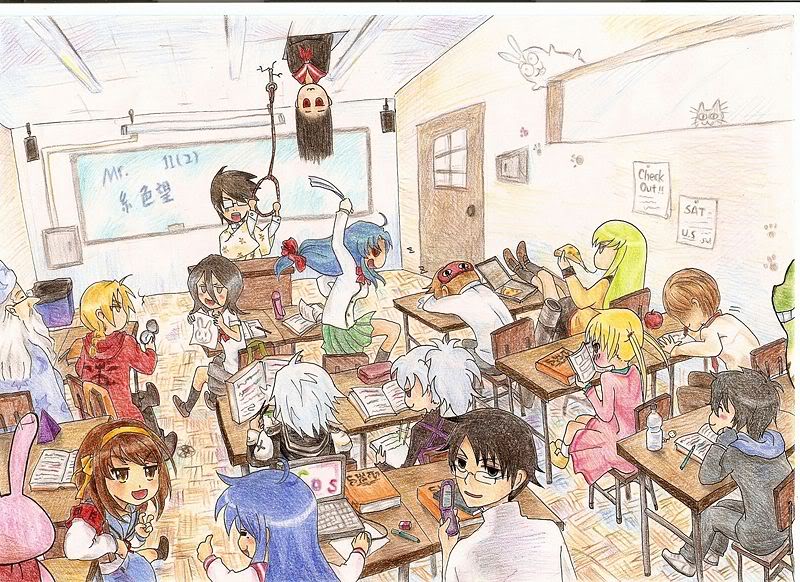
First Day of School

Donegan Acoustics

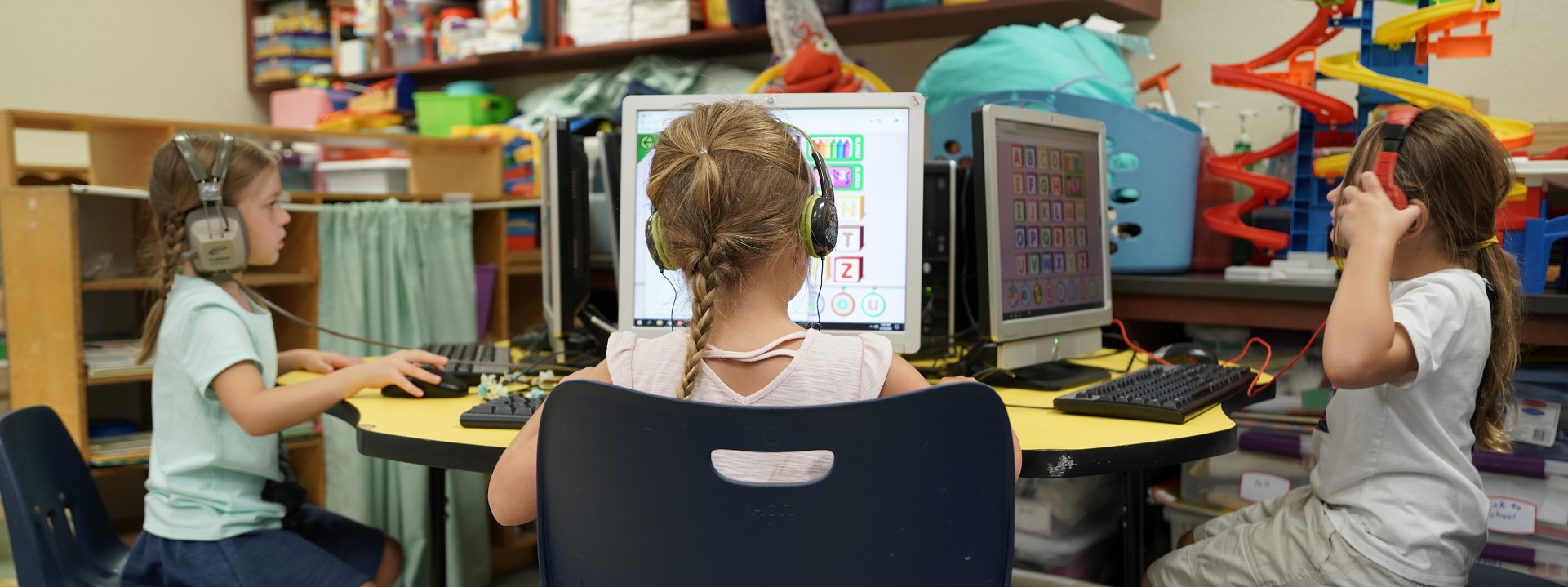
Today we take a cross cutting review of all the literature (codes, standards, guidelines, laws)  that informs safe and sustainability occupancy load, means of egress, illumination, ambient air, plumbing, electric, communication and acoustics in classrooms.

1. Building Codes

  • International Building Code (IBC): Adopted by most states, it provides guidelines for the design and construction of buildings, including schools.
  • International Existing Building Code (IEBC): Provides standards for the renovation and repair of existing school buildings.
  • State and Local Building Codes: Many states and municipalities have additional or modified codes that must be followed.

2. Fire and Life Safety Codes

  • National Fire Protection Association (NFPA) Codes:
    • NFPA 101: Life Safety Code – Sets requirements for egress, fire protection, and emergency planning.
    • NFPA 13: Installation of Sprinkler Systems – Specifies standards for automatic fire sprinkler systems.
    • NFPA 72: National Fire Alarm and Signaling Code – Covers fire alarm system installation and maintenance.
    • NFPA 70: National Electrical Code (NEC) – Outlines electrical wiring standards to prevent fire hazards.

3. Accessibility Standards

  • Americans with Disabilities Act (ADA):
    • ADA Standards for Accessible Design – Ensures that school facilities are accessible to individuals with disabilities.
  • Architectural Barriers Act (ABA): Requires accessibility in buildings constructed with federal funds.

4. Environmental and Health Standards

Thermal Environmental Conditions for Human Occupancy

  • Environmental Protection Agency (EPA) Regulations:
    • EPA Lead and Asbestos Regulations: Governs the handling of lead and asbestos in school buildings.
    • EPA’s Indoor Air Quality Tools for Schools: Provides guidelines to manage air quality.

5. Structural Standards

  • American Society of Civil Engineers (ASCE):
    • ASCE 7: Minimum Design Loads and Associated Criteria for Buildings and Other Structures.
  • American Concrete Institute (ACI):
    • ACI 318: Building Code Requirements for Structural Concrete.

6. Plumbing and Mechanical Codes

  • International Plumbing Code (IPC): Provides guidelines for plumbing system design and installation.
  • International Mechanical Code (IMC): Sets standards for heating, ventilation, and air conditioning (HVAC) systems.

7. Electrical Standards

  • Institute of Electrical and Electronics Engineers (IEEE) Standards: Includes various electrical safety and installation standards relevant to school facilities.

8. Educational Specifications and Guidelines

  • Council of Educational Facility Planners International (CEFPI) Guidelines: Provides best practices for school design that promote effective learning environments.
  • State-Specific Educational Specifications: Many states have their own guidelines for the design of educational facilities to meet state-specific educational needs.

9. Safety and Security Standards

  • Crime Prevention Through Environmental Design (CPTED) Guidelines: Suggests design strategies to enhance security in school environments.
  • School Safety and Security Standards (state-specific): Some states have additional requirements for school security measures.

10. Sustainable Design Standards

  • LEED (Leadership in Energy and Environmental Design) for Schools: Provides a framework for building green and energy-efficient schools.
  • Green Building Initiative (GBI) Standards: Focuses on sustainable and energy-efficient building practices.

11. Maintenance Standards

  • International Property Maintenance Code (IPMC): Provides guidelines for the maintenance of buildings, ensuring they remain safe and functional over time.

12. Other Relevant Standards

  • Federal Emergency Management Agency (FEMA) Guidelines: Provides standards for building schools in disaster-prone areas (e.g., tornadoes, earthquakes).
  • Occupational Safety and Health Administration (OSHA) Standards: Ensures workplace safety, including in schools, covering areas like chemical safety, electrical safety, and more.

Local Considerations

  • Local Zoning Laws and Ordinances: Schools must also comply with local land use regulations, which may affect building placement, size, and use.

Classroom Acoustics


Evensong “Last Rose of Summer”

Wisconsin

Layout mode
Predefined Skins
Custom Colors
Choose your skin color
Patterns Background
Images Background
Standards Michigan
error: Content is protected !!
Skip to content