
Author Archives: mike@standardsmichigan.com
- Home
- Articles posted by mike@standardsmichigan.com (Page 79)



National Electrical Code CMP-8 & 9
Transcripts for Today:
CMP-8 Public Input Report: Wiring Methods and Materials Heavy product standard changes, largely administrative
CMP-9 Public Input Report: Overcurrent Protection…et. al
Use the login credentials at the upper right of our home page.
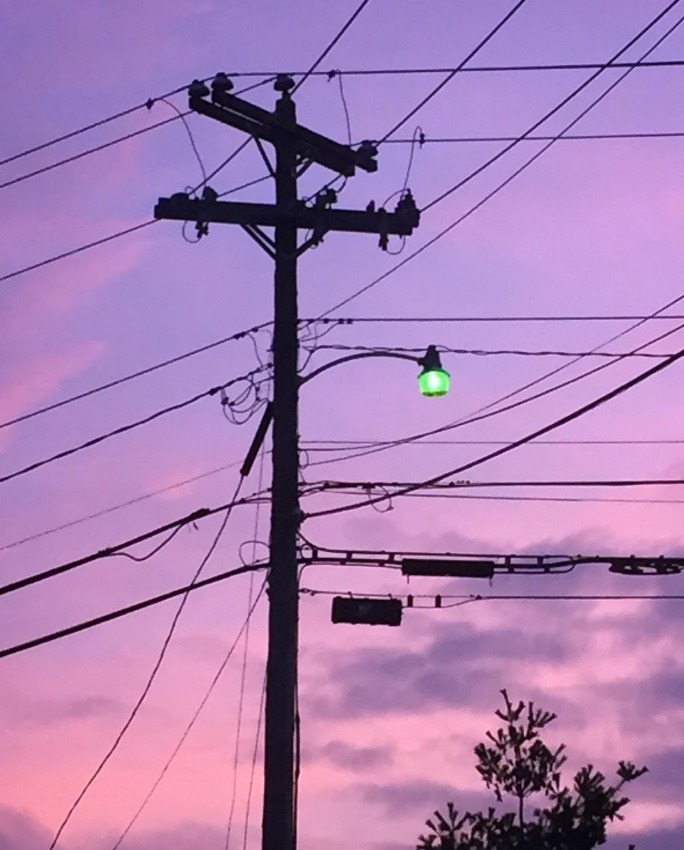
Photo by a friend of Mike Anthony (Thalassa Raasch, Harvard 2010)



Healthcare Occupancies
DECEMBER 2025 ICC COMMITTEE ON HEALTHCARE Minutes
2025 REPORT OF THE COMMITTEE ACTION HEARINGS

Safety and sustainability for any facility, not just university-affiliated healthcare facilities, usually begin with an understanding of who, and how, shall occupy the built environment. University settings, with mixed-use occupancy arising spontaneously and temporarily, often present challenges and they are generally well managed.
First principles regarding occupancy classifications for healthcare facilities appear in Section 308 of the International Building Code, Institutional Group I; linked below:
2021 International Building Code Section 308 Institutional Group I

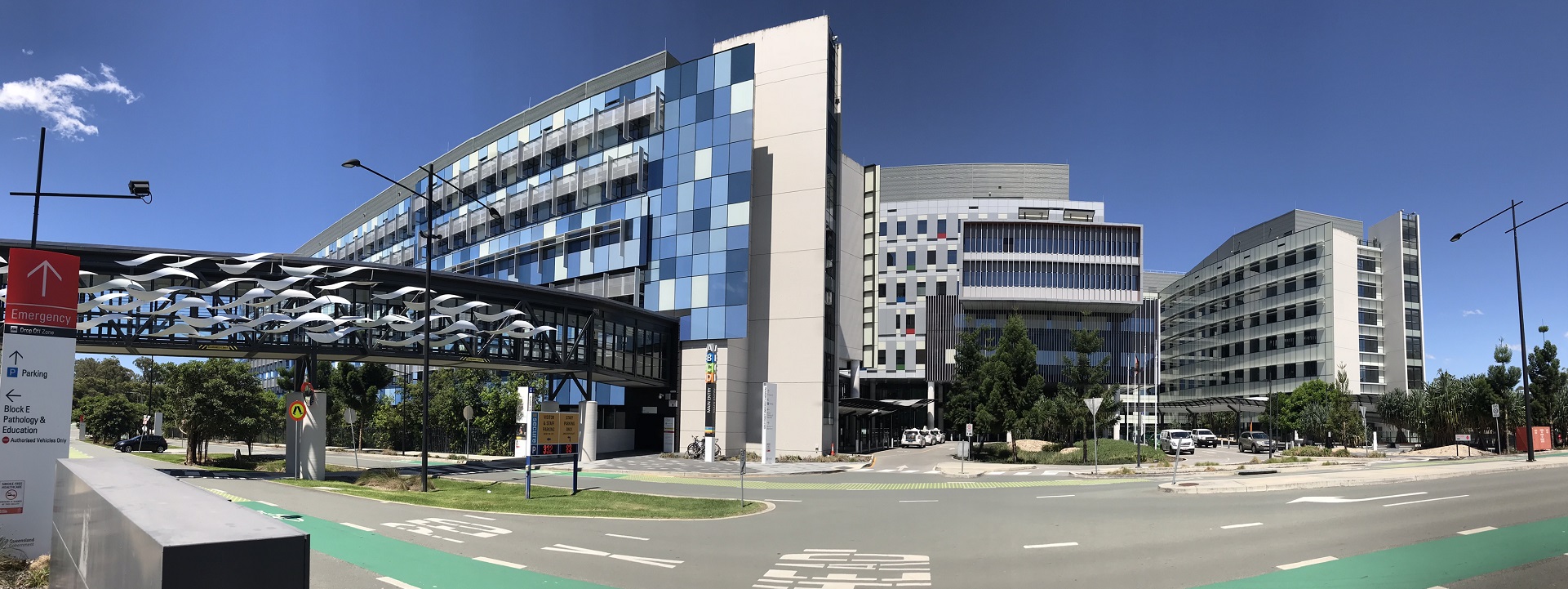
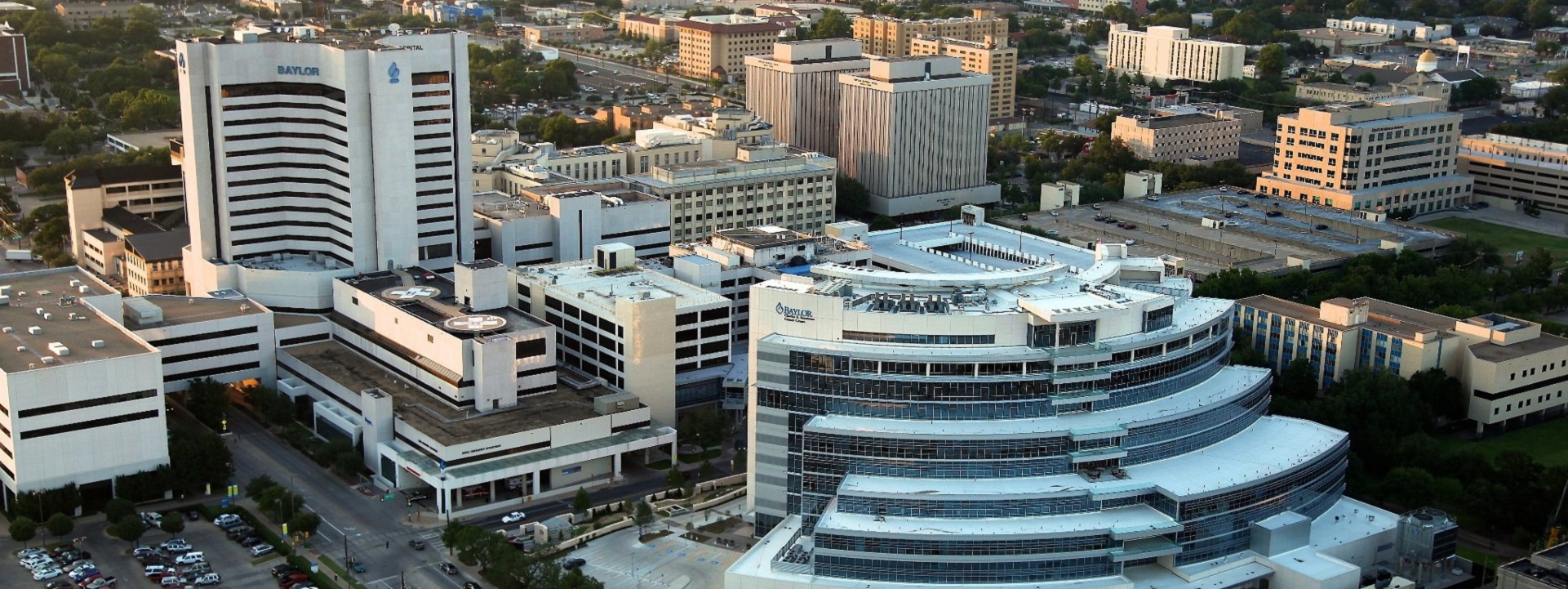
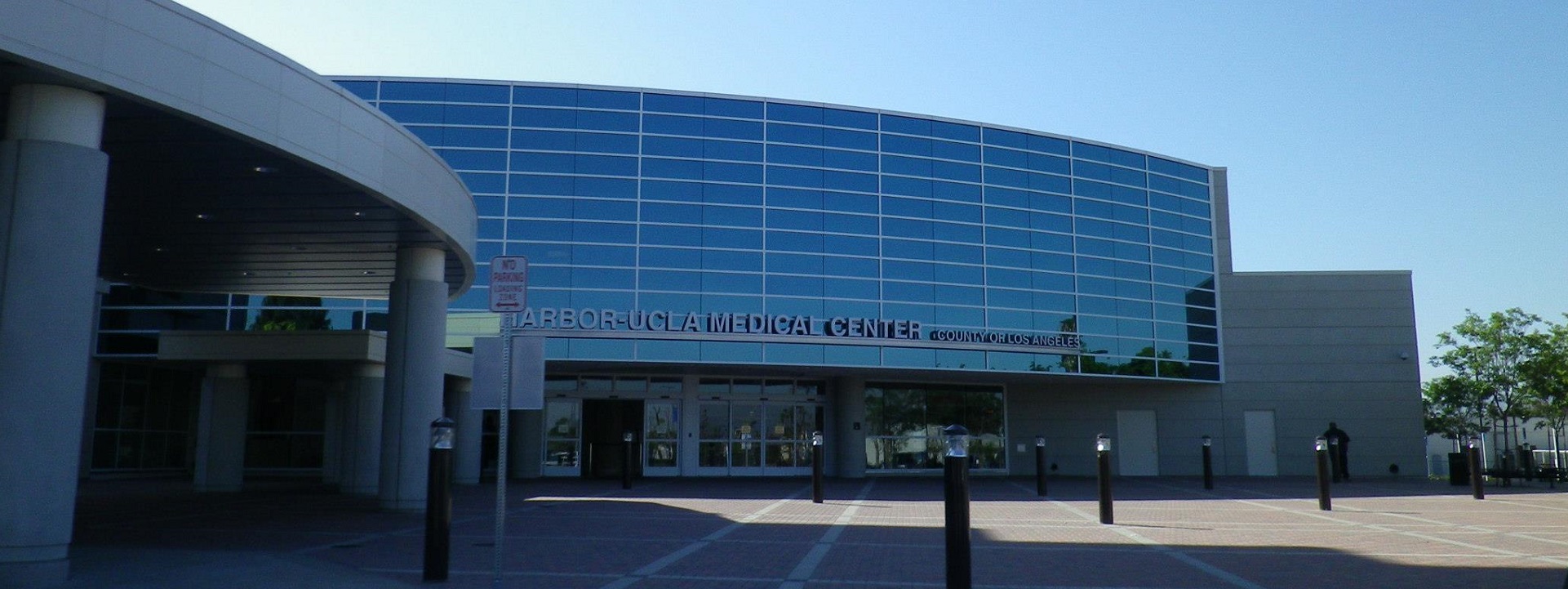
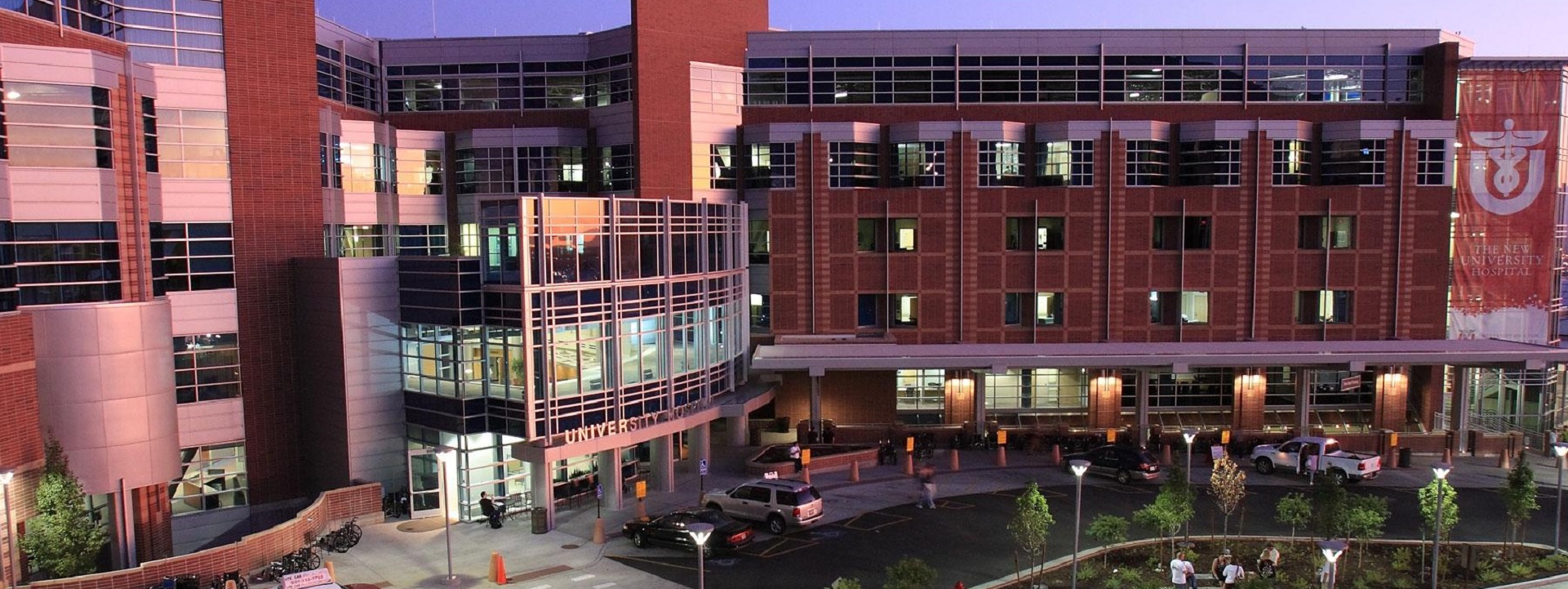
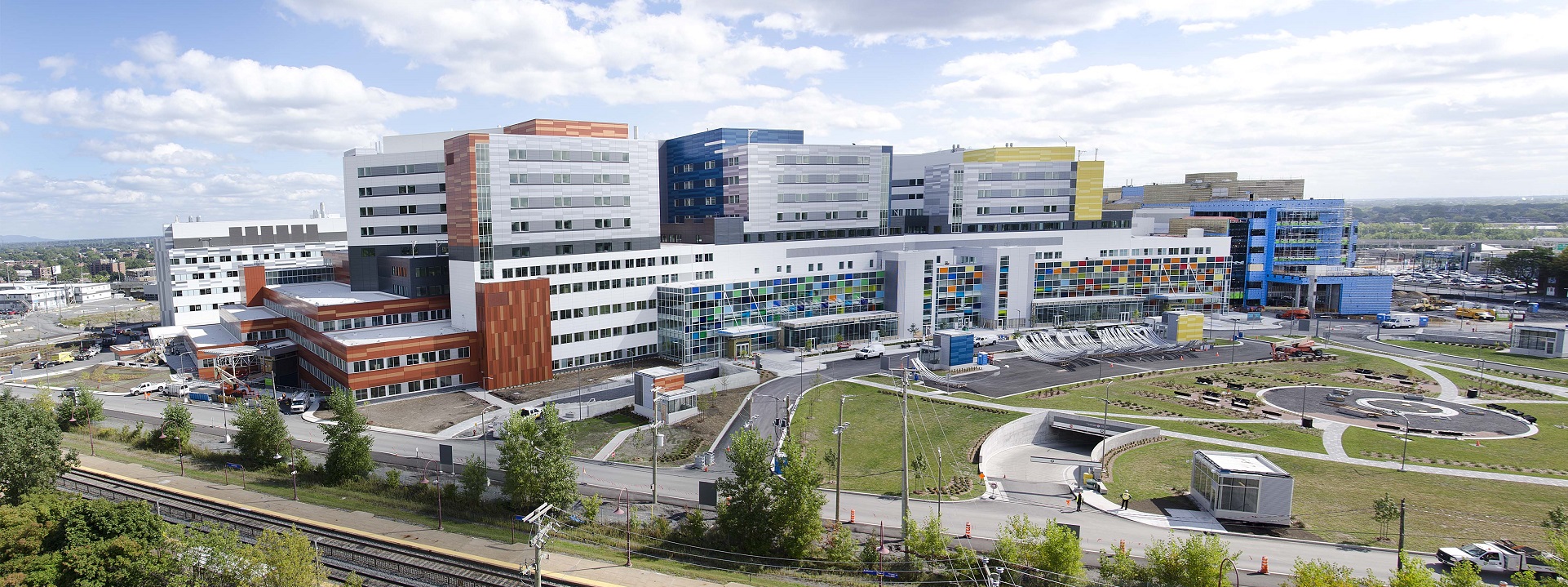
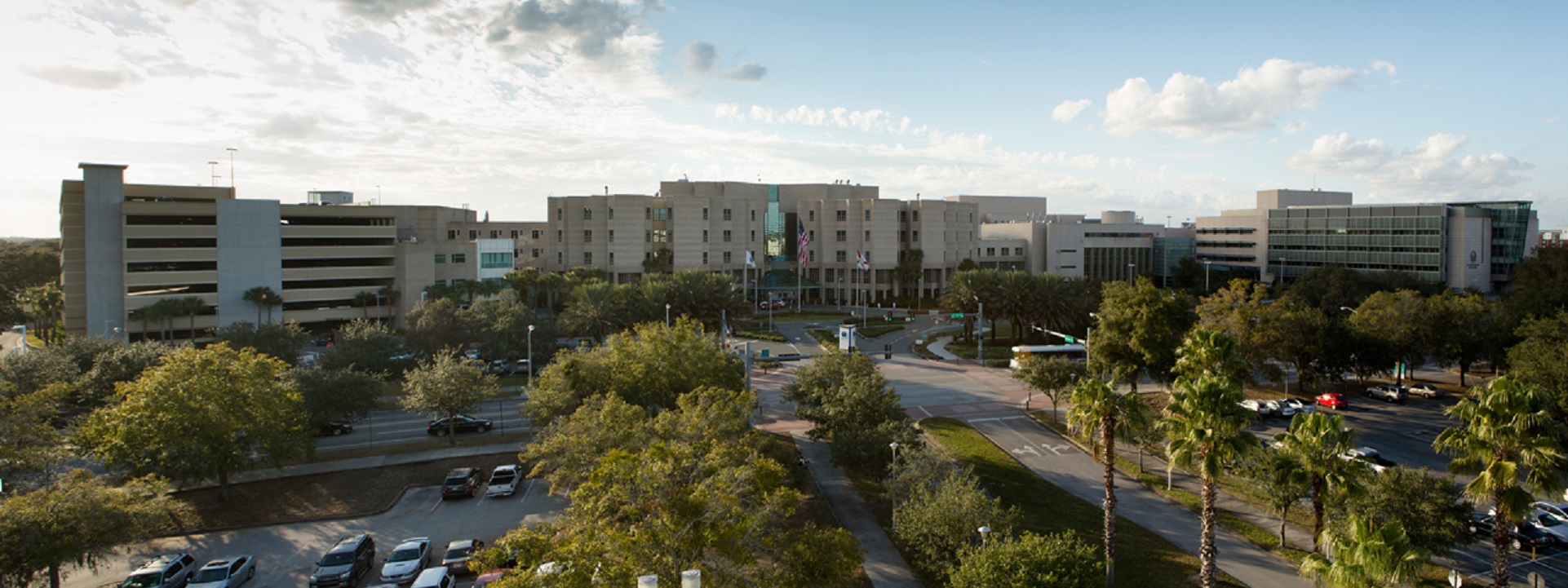
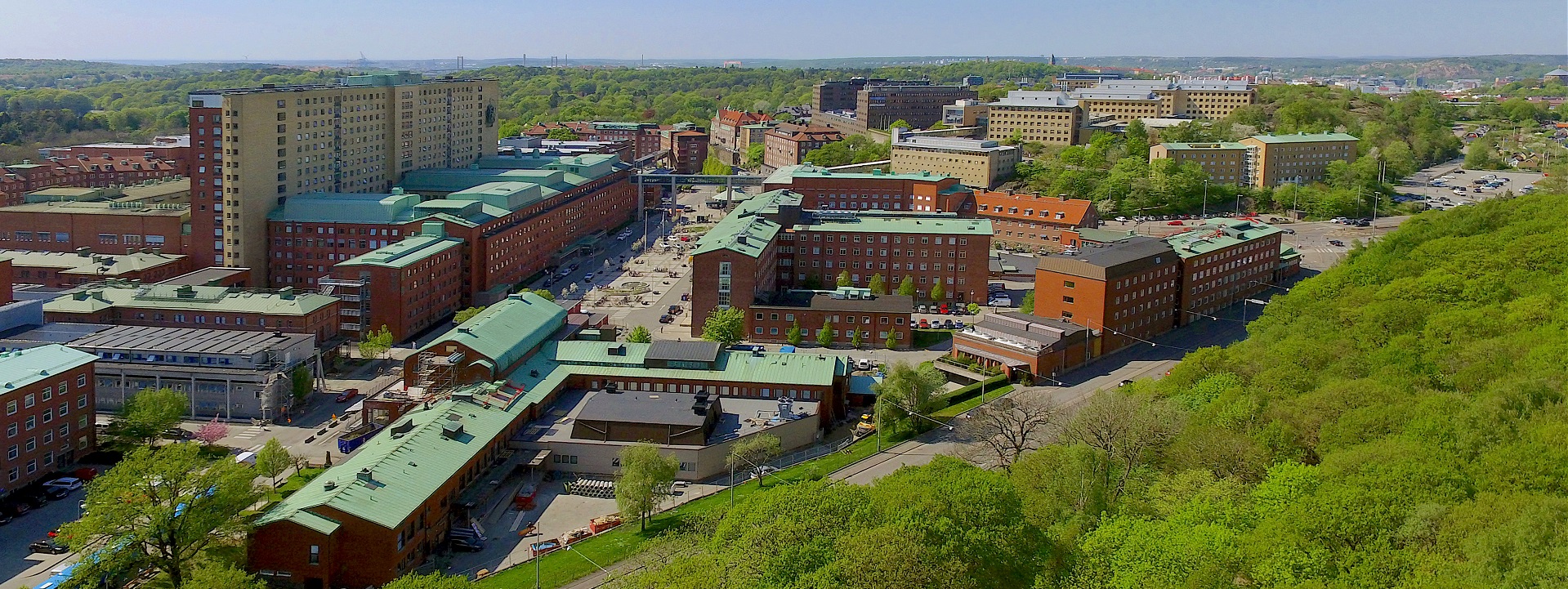
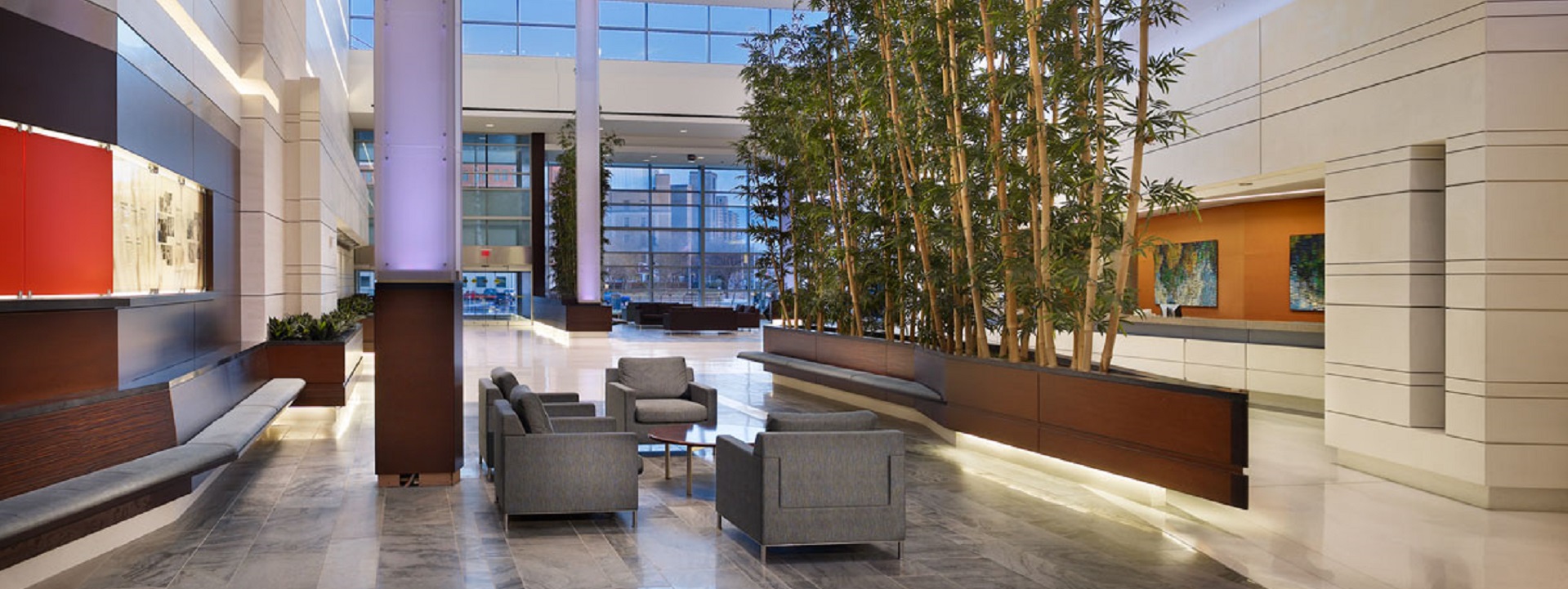
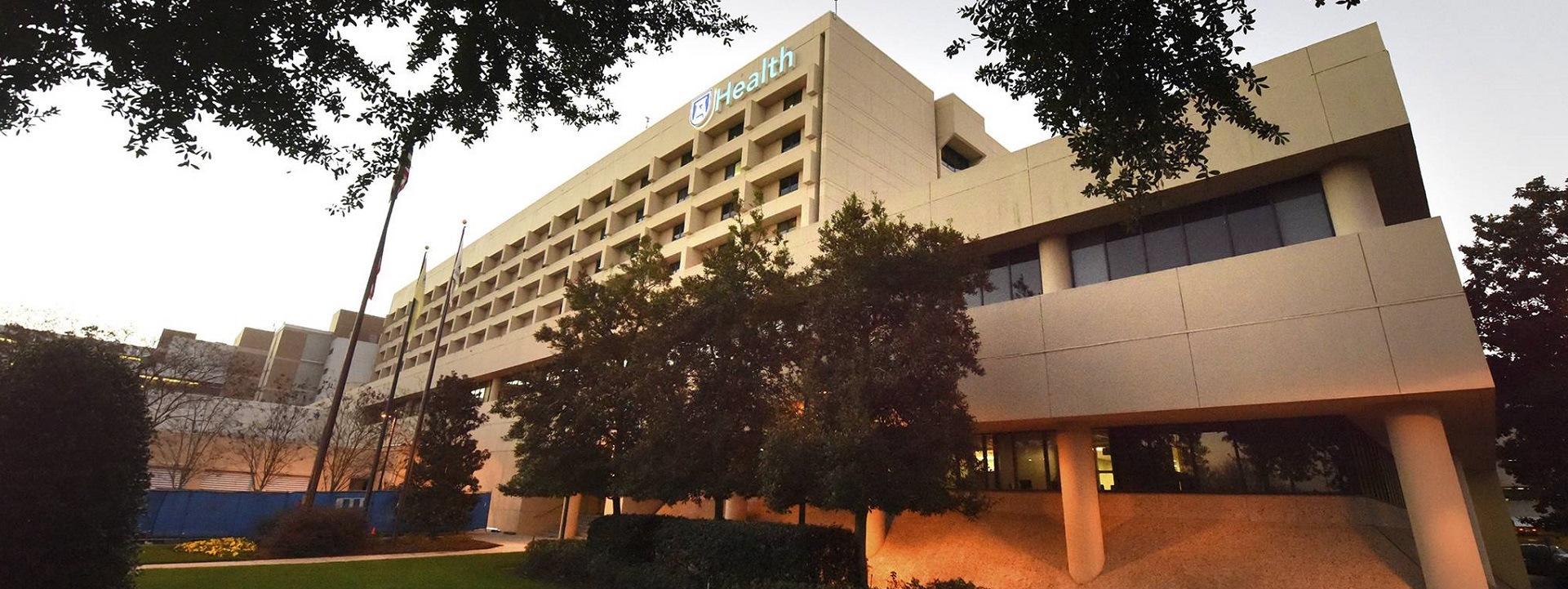
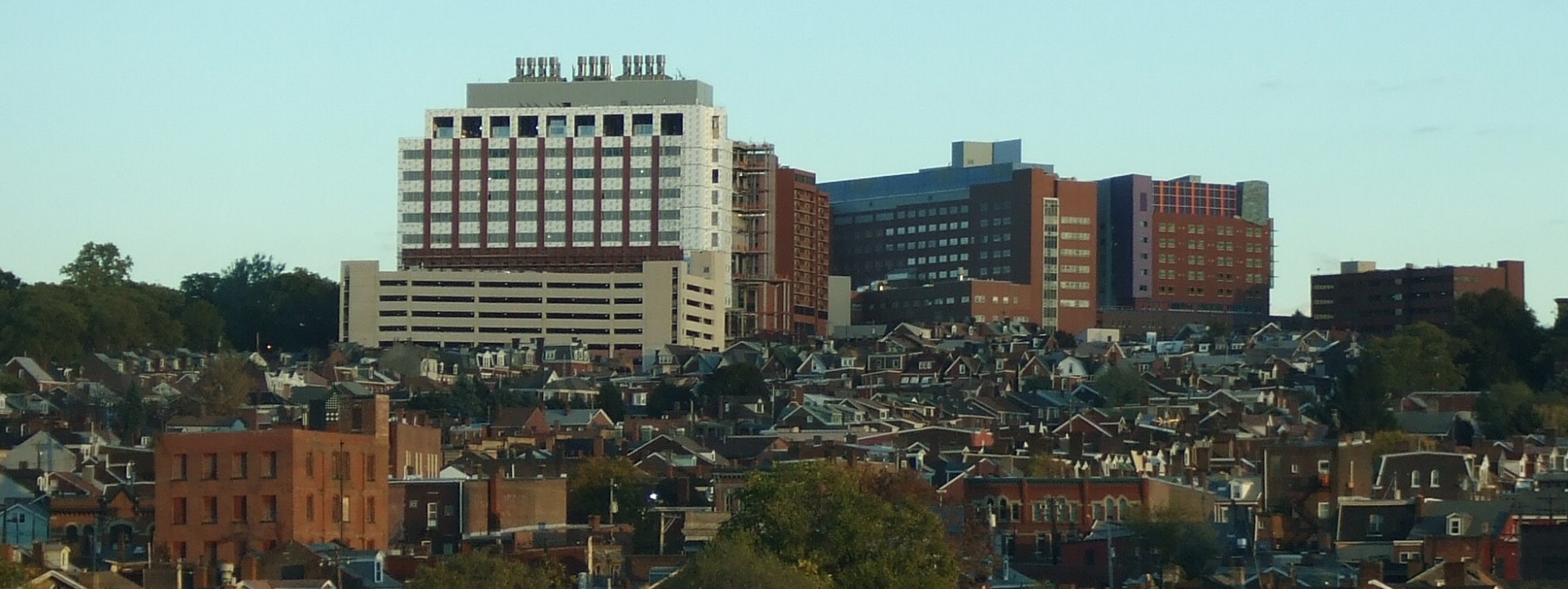
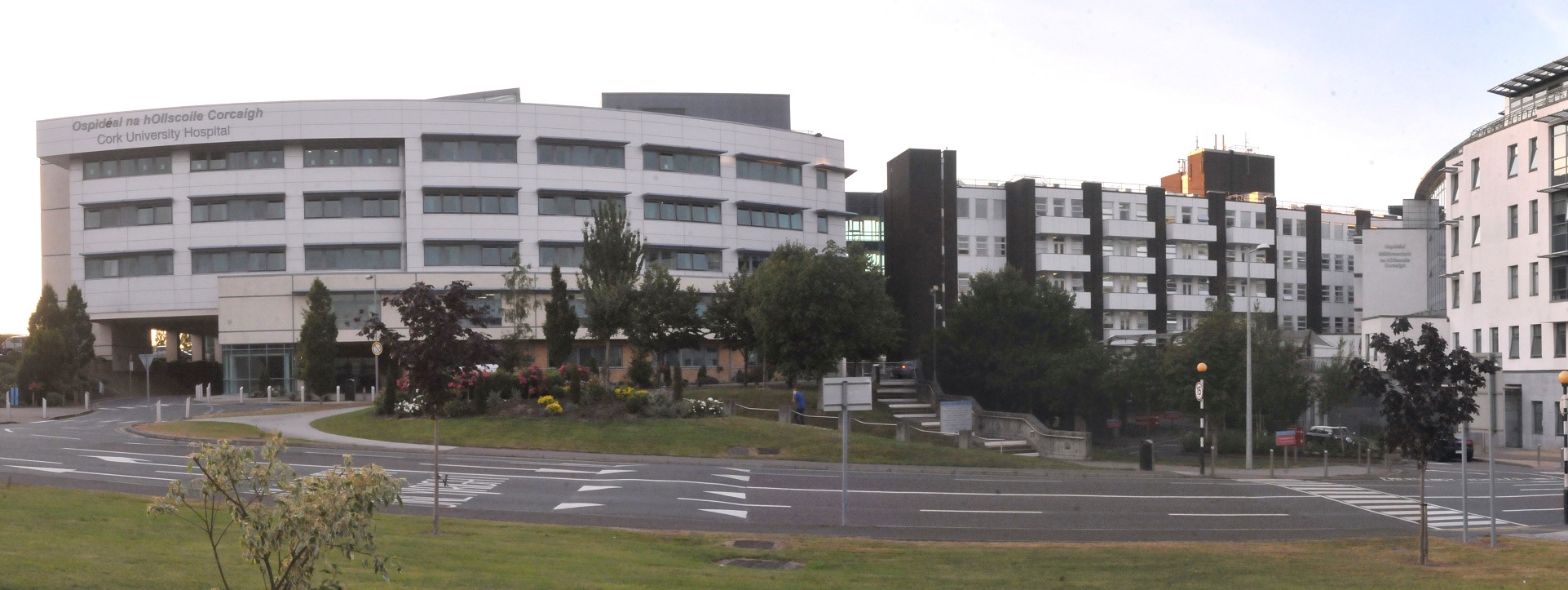
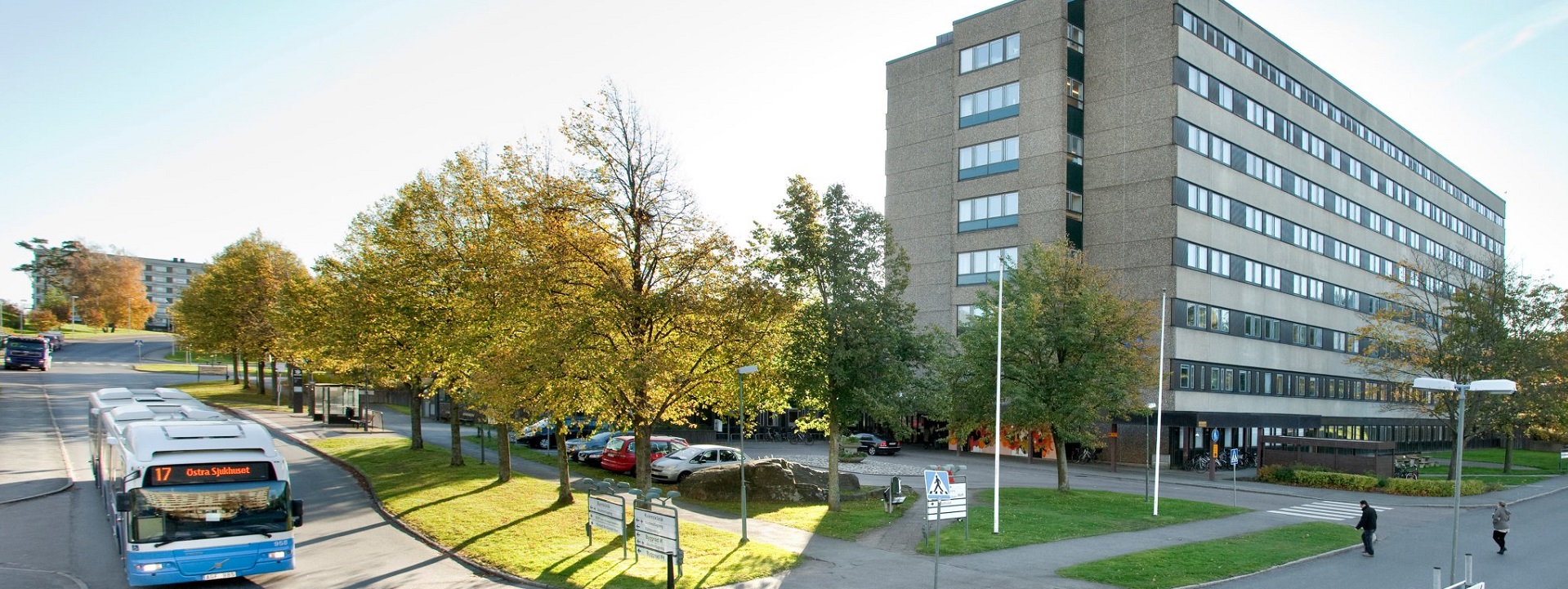

There are thousands of healthcare code compliance functionaries and instructors; most of them supported by trade associations and most of them authoritative. Hewing to our market discipline to track only the concepts that will affect university-affiliated healthcare enterprises only. There are a few noteworthy differences between corporate healthcare businesses and university affiliated healthcare enterprises (usually combined with teaching and research activity) that we identify on this collaboration platform.
We collaborate closely with the IEEE Education & Healthcare Facilities Committee which takes a far more global view of the healthcare industry. That committee meets online 4 times monthly in European and American time zones.
Finally, we encourage our colleagues to participate directly in the ICC Code Development process. Contact Kimberly Paarlberg (kpaarlberg@iccsafe.org) for more information about its healthcare committees and how to participate in the ICC code development process generally. Tranches of ICC titles are developed according to the schedule below:
2024/2025/2026 ICC CODE DEVELOPMENT SCHEDULE
Issue: [18-166]
Category: Architectural, Healthcare Facilities, Facility Asset Management
Colleagues: Mike Anthony, Jim Harvey, Richard Robben
More
The ICC Code Development Process
Charlton Heston Academy
This content is accessible to paid subscribers. To view it please enter your password below or send mike@standardsmichigan.com a request for subscription details.

Abiit sed non oblitus | Houghton County Michigan
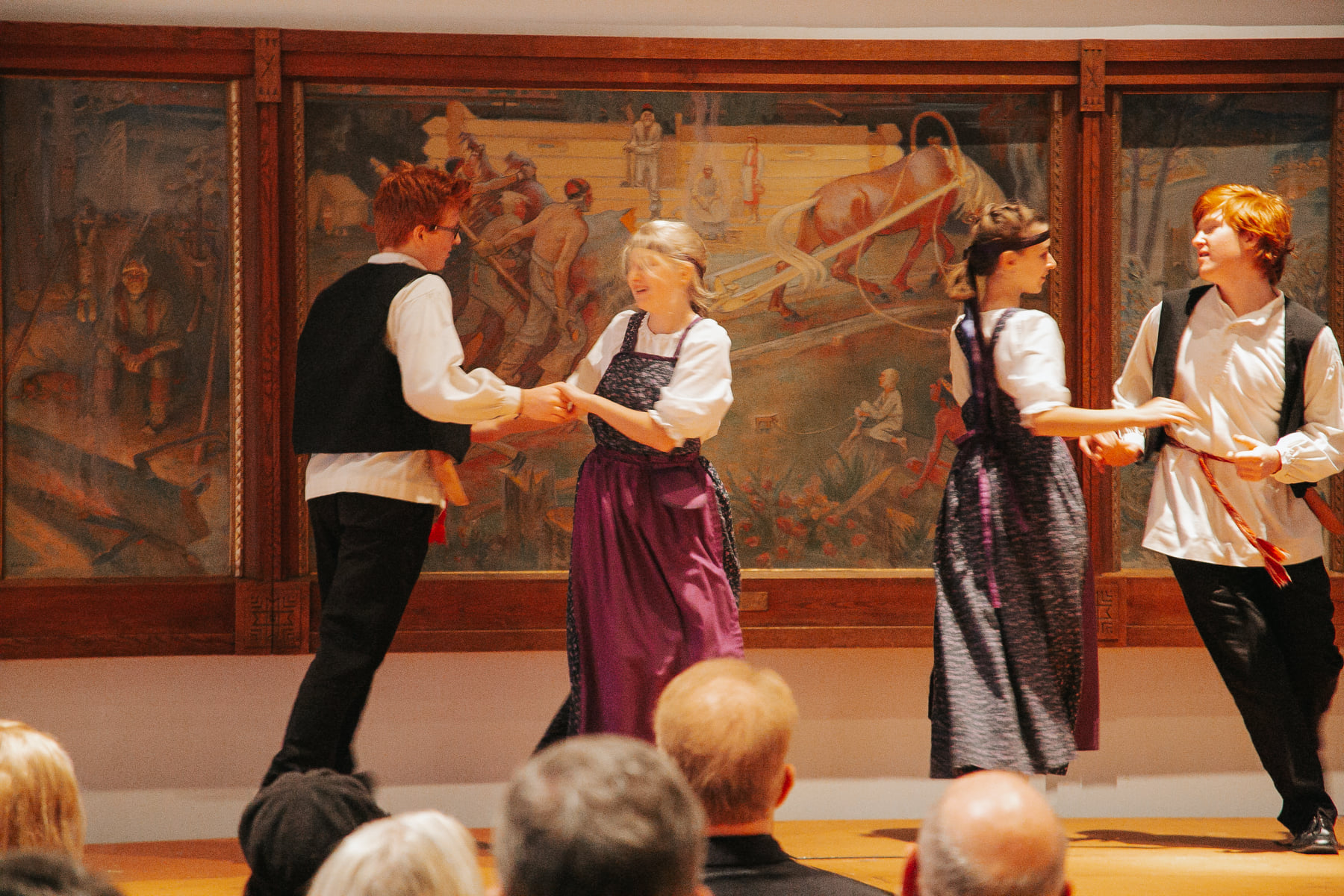
One-hundred-twenty-five years ago, hardy and hard-working Finnish Lutheran immigrants founded a school in Michigan’s Upper Peninsula. Their lives were marked by a gritty quality captured in the Finnish term, sisu – grit and perseverance in the face of adversity. Citing financial difficulties related to demographic changes, the Board of Trustees announced that the Class of 2023 was Finlandia’s final graduating class.
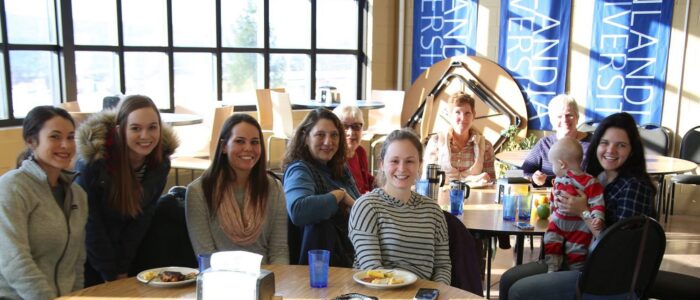
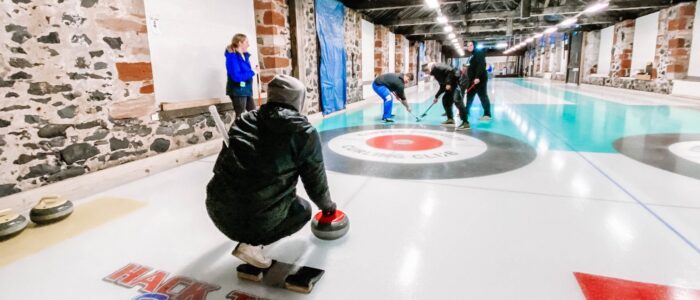
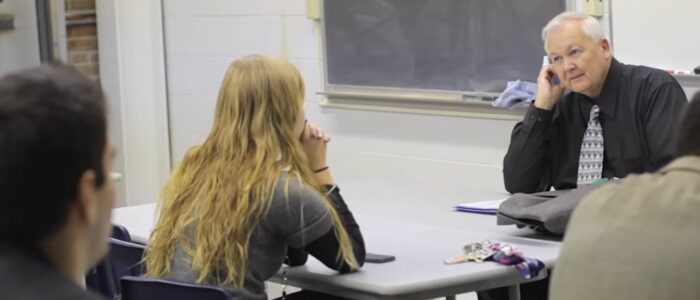
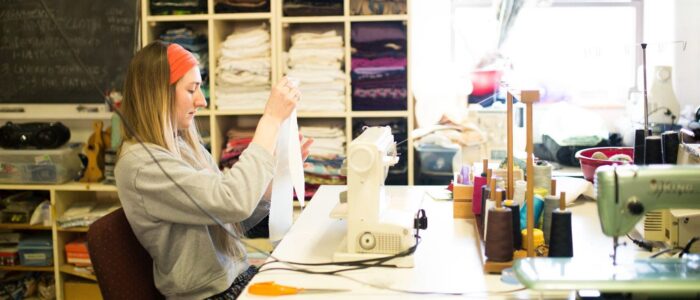

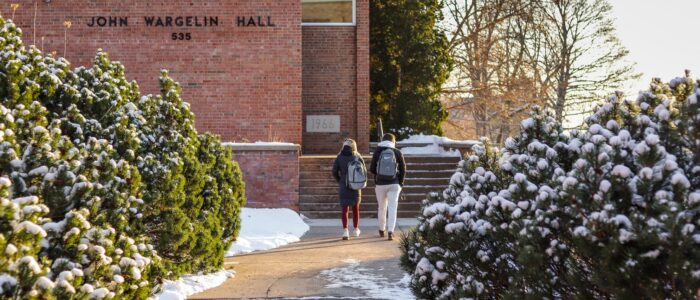
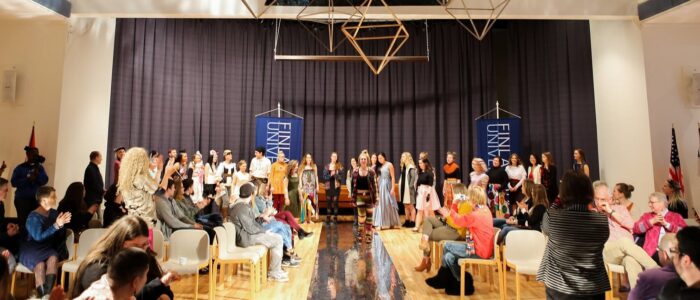
“The Board of Trustees and University President Timothy Pinnow stated the extremely difficult decision is the result of an intensive analysis of Finlandia’s operations after exploring all potentially feasible strategic alternatives, including the rigorous search for new partnerships and reorganization of the institution’s finances. With financial challenges impacting liberal arts colleges throughout the country, Finlandia is no exception….
The combination of demographic changes, with fewer high school graduates available, a steep decrease in interest in going to college among those graduates, a dwindling endowment, and an unbearable debt load have made Finlandia no longer viable…
…Finlandia University has finalized eight Teach-Out Agreements with Adrian College, Bay College, Michigan Technological University, Northeast Wisconsin Technical College, Northern Michigan University, University of Dubuque, Waldorf University, and Wartburg College. Several non-partnering institutions have also made commitments to supporting FinnU students in incredible ways…”
Board of Trustees vote to dissolve University wind up affairs in orderly manner
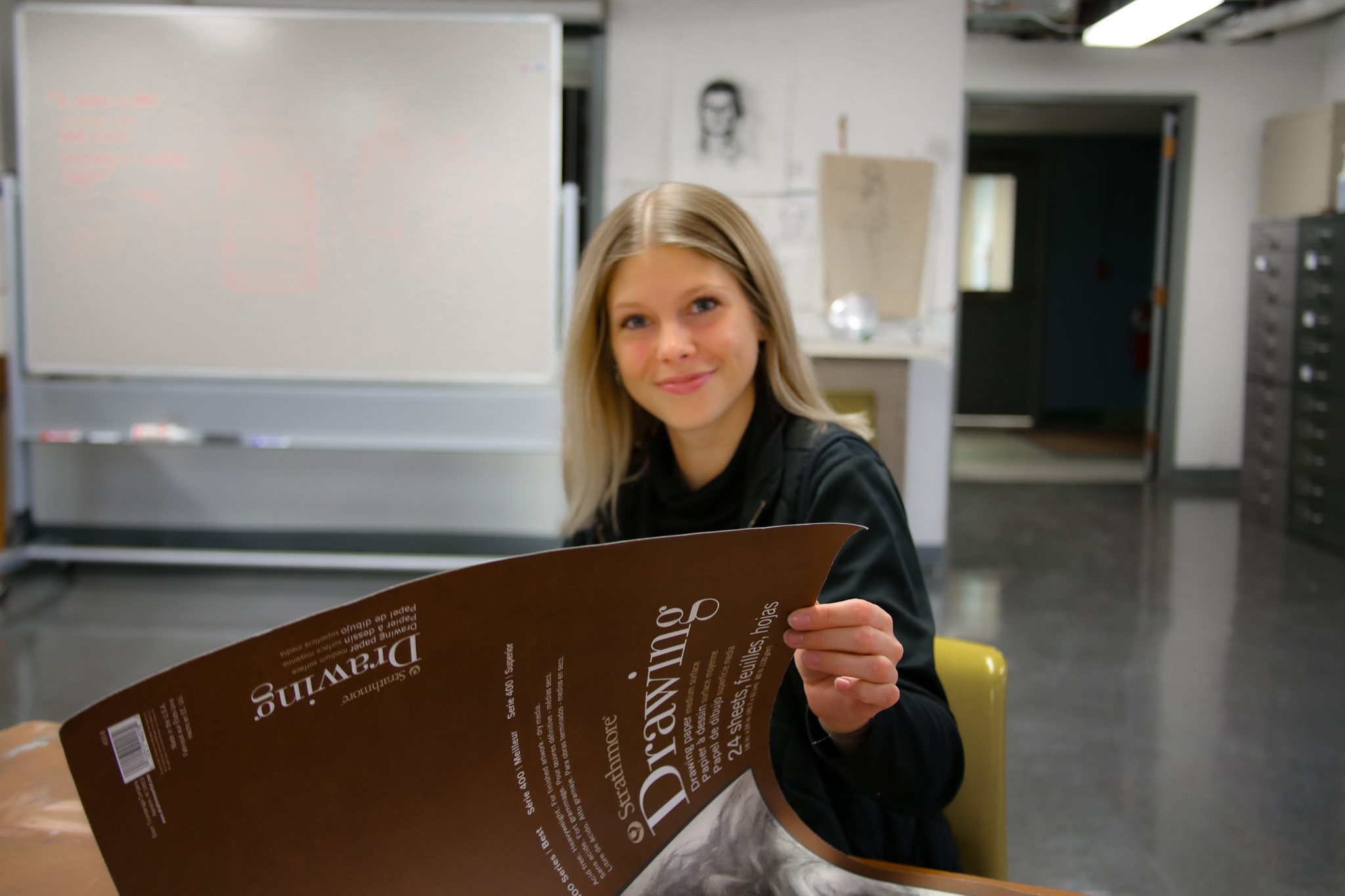
Last year, Finlandia University awarded over 3 million dollars to dreamers, achievers and future entrepreneurs. See if you qualify for Finlandia’s Rise Together Free Tuition Scholarship by visiting https://t.co/7Mbd7e6iLS pic.twitter.com/09LBPPg8cG
— Finlandia University (@FinlandiaU) February 15, 2023
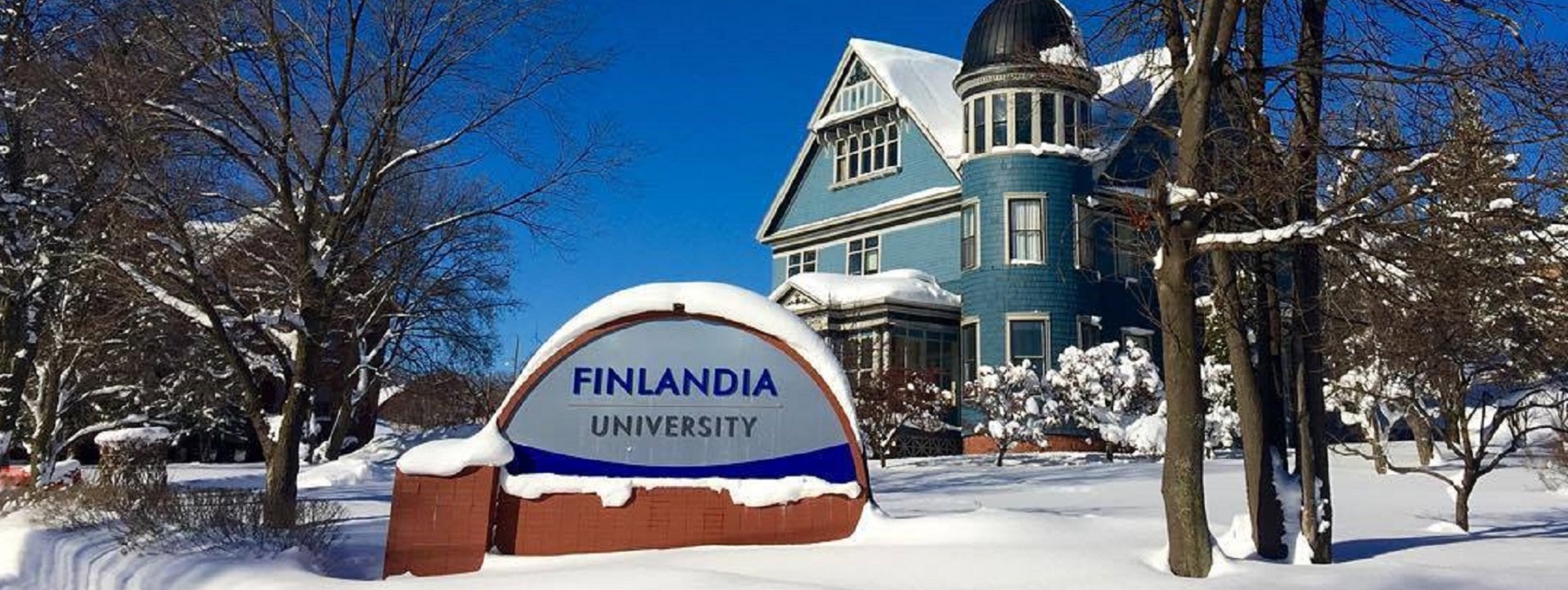
“History of the Finns in Michigan” 2001 | Armas K. E. Holmio
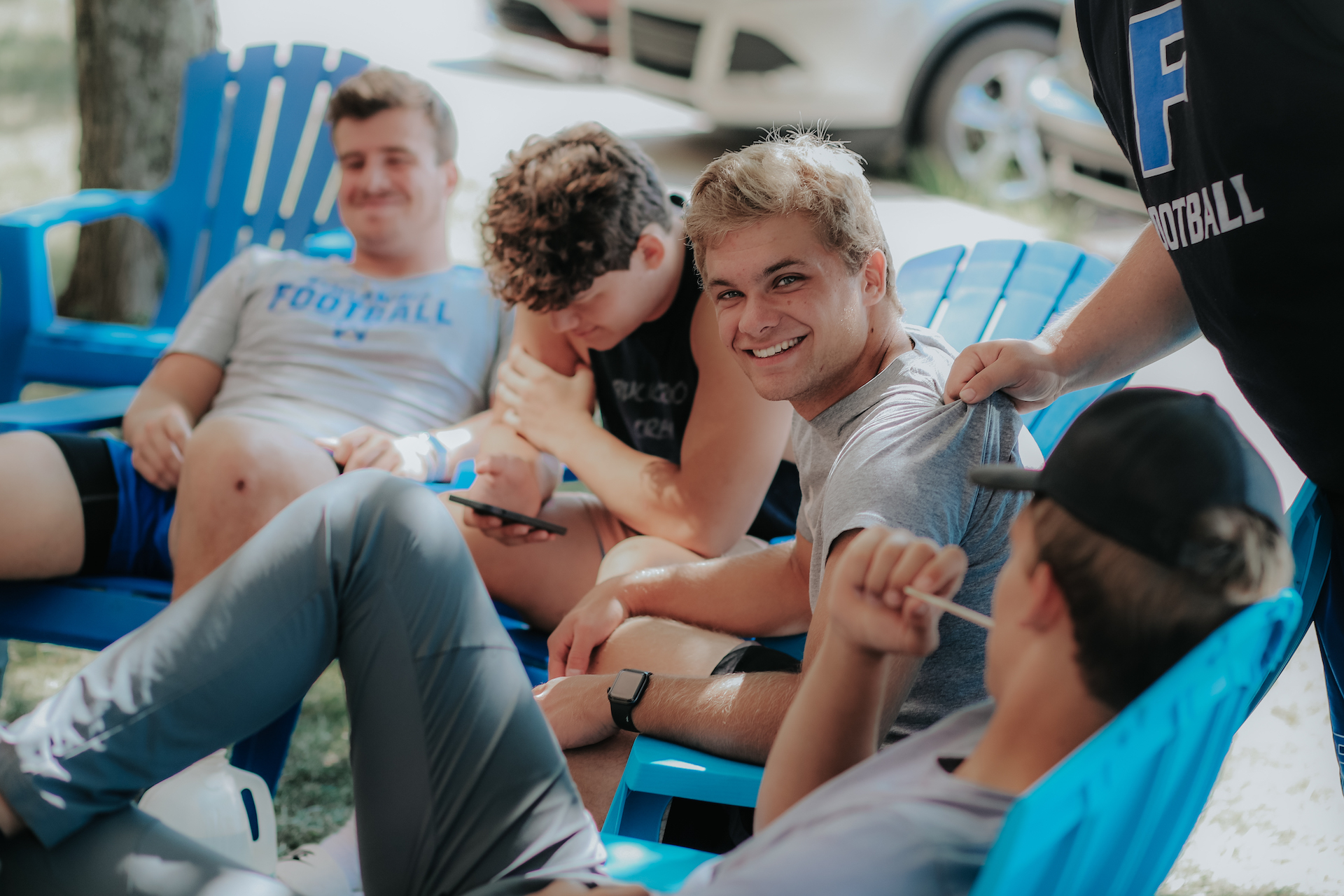
Finlandia University’s Baccalaureate and Commencement activities for the Class of 2023 are scheduled for Sunday, May 7.
To see the full Spring 2023 Commencement Weekend schedule, visit the link below! 🎓🎓https://t.co/n49yPJoimn pic.twitter.com/aJvRHjarLa
— Finlandia University (@FinlandiaU) April 24, 2023
Join us next Tuesday for the 5th annual #Kalevala reading marathon! Pop in and listen or even read a rune! For more info and to register, fill in this form: https://t.co/LH8Pj4IMjV pic.twitter.com/koBXXBisu9
— Finlandia University Finnish & Nordic Studies (@FinlandiaNordic) February 24, 2023
Solar Energy in Cold Climates
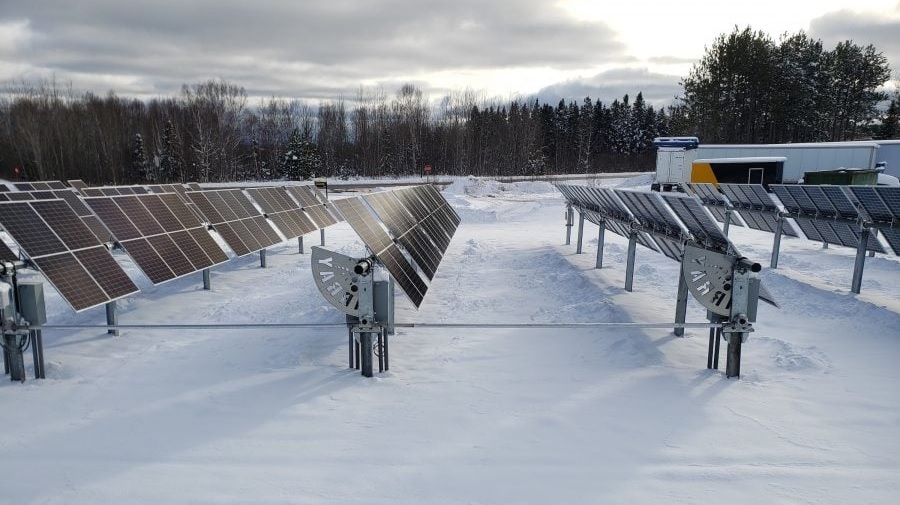
IEEE Explore: Michigan Regional Test Center
Solar Energy in Cold Climates: What are you doing for supper this Mon. 2/20 at 6 pm? Join Ana Dyreson @michigantech on Zoom. Learn about making sunshine into energy, even in places w/ snow (a lot of snow). #energy #sustainabilty #solar #Engineering #snow pic.twitter.com/bVvUwG8bpx
— MTU Engineering (@mtu_engineering) February 15, 2023
More:
Question: How many households can be supplied with 1 megawatt of power and how large would the solar panel be?
The number of square meters of solar panels required to generate 1 megawatt (MW) of power depends on several factors, including the efficiency of the solar panels, the amount of sunlight available in the location where the solar panels are installed, and the specific technology used.
On average, solar panels have a conversion efficiency of about 15-20%, which means that for every square meter of solar panel area, you can expect to generate between 150 and 200 watts of power in direct sunlight.
So, to generate 1 MW of power, you would need between 5,000 and 6,667 square meters of solar panels (assuming an average efficiency of 17.5%).
There are 2.58999 square meters in one square mile.
To convert 6,667 square meters to square miles, we can divide 6,667 by 2,589.99:
6,667 sq meters / 2,589.99 sq meters/sq mile = 2.572 square miles (rounded to three decimal places).
Answer: Therefore 2.572 square miles of solar panels are required to supply 9345 household of power for 1 hour.
The number of households that can be supplied by 1 megawatt of power depends on a variety of factors, including the amount of electricity each household consumes, the time of day, and the season.
However, as a rough estimate, the US Energy Information Administration (EIA) reports that in 2020, the average US household consumed about 9,369 kilowatt-hours (kWh) of electricity per year, which is equivalent to an average of 0.107 MW of power.
Based on this average, 1 MW of power could supply approximately 9,345 households (1,000,000 watts / 0.107 MW per household) with electricity for one hour, assuming that all households are consuming the average amount of electricity.
Again, this is a rough estimate, and the actual number of households that can be supplied by 1 MW will depend on various factors such as the region, the time of day, and the actual energy consumption of each household.
Discussion: A typical residential lot is one-half acre. Rounding 9345 households to 10,000 households; the households themselves have a footprint of 7.8125 square miles; with 1/3rd of the 2.572 square miles for 1 megawatt taken up by the panels.

First Friday Coffee & Conversations
Standards South Carolina | Clemson University Net Position 2024 ($1.089B) | Page 37
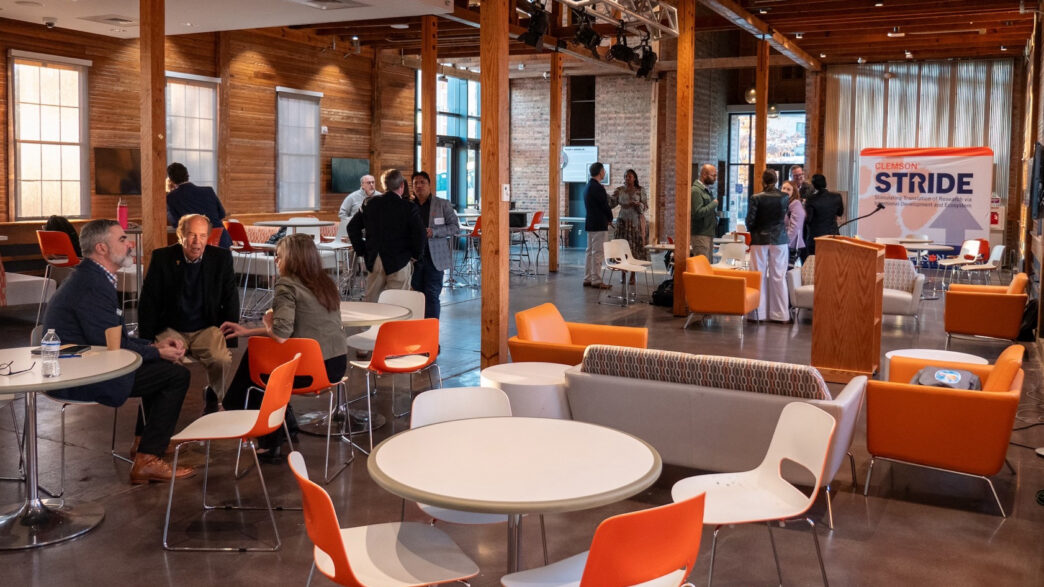
Late night reflections at Cooper Library. 🧡 pic.twitter.com/I6s5aUgc7q
— Clemson University (@ClemsonUniv) January 14, 2026

Friday Coffee Talk
This content is accessible to paid subscribers. To view it please enter your password below or send mike@standardsmichigan.com a request for subscription details.
New update alert! The 2022 update to the Trademark Assignment Dataset is now available online. Find 1.29 million trademark assignments, involving 2.28 million unique trademark properties issued by the USPTO between March 1952 and January 2023: https://t.co/njrDAbSpwB pic.twitter.com/GkAXrHoQ9T
— USPTO (@uspto) July 13, 2023
Standards Michigan Group, LLC
455 East Eisenhower Parkway, Suite 300
Ann Arbor, MI 48108 USA
888-748-3670
DIRECTIONS
 |
 |
|
 |
 |
|
 |
 |