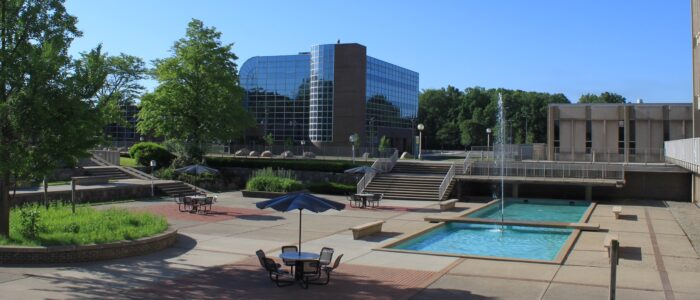
Loudoun County, Virginia has the largest concentration of data centers in the United States, with approximately 200 operational facilities.
This significantly surpasses neighboring counties in Northern Virginia:
Prince William County: ~44 data centers
Fairfax County: ~20 data centers
Primary energy utility supplying this region (including most data centers) is Dominion Energy.
Contracted peak power (nominal, or “nameplate” power is about 6,000 MW; driven by AI hyperscalers, cloud computing and general internet traffic growth.
“Natural Bridge Virginia” 1880 David Johnson
We continue roll out of our collaboration platform for “code writers and vote-getters” begun at the University of Michigan in 1993. We are now drilling down into state and local adaptations of nationally developed codes and standards that are incorporated by reference into public safety and sustainability legislation.
Standards Michigan remains the “free” home site but state-specific sites such as Standards Virginia will be accessible to clients. Please send bella@standardsmichigan.com a request to join one of our mailing lists appropriate to your interest for #SmartCampus standards action in the great State of Virginia.
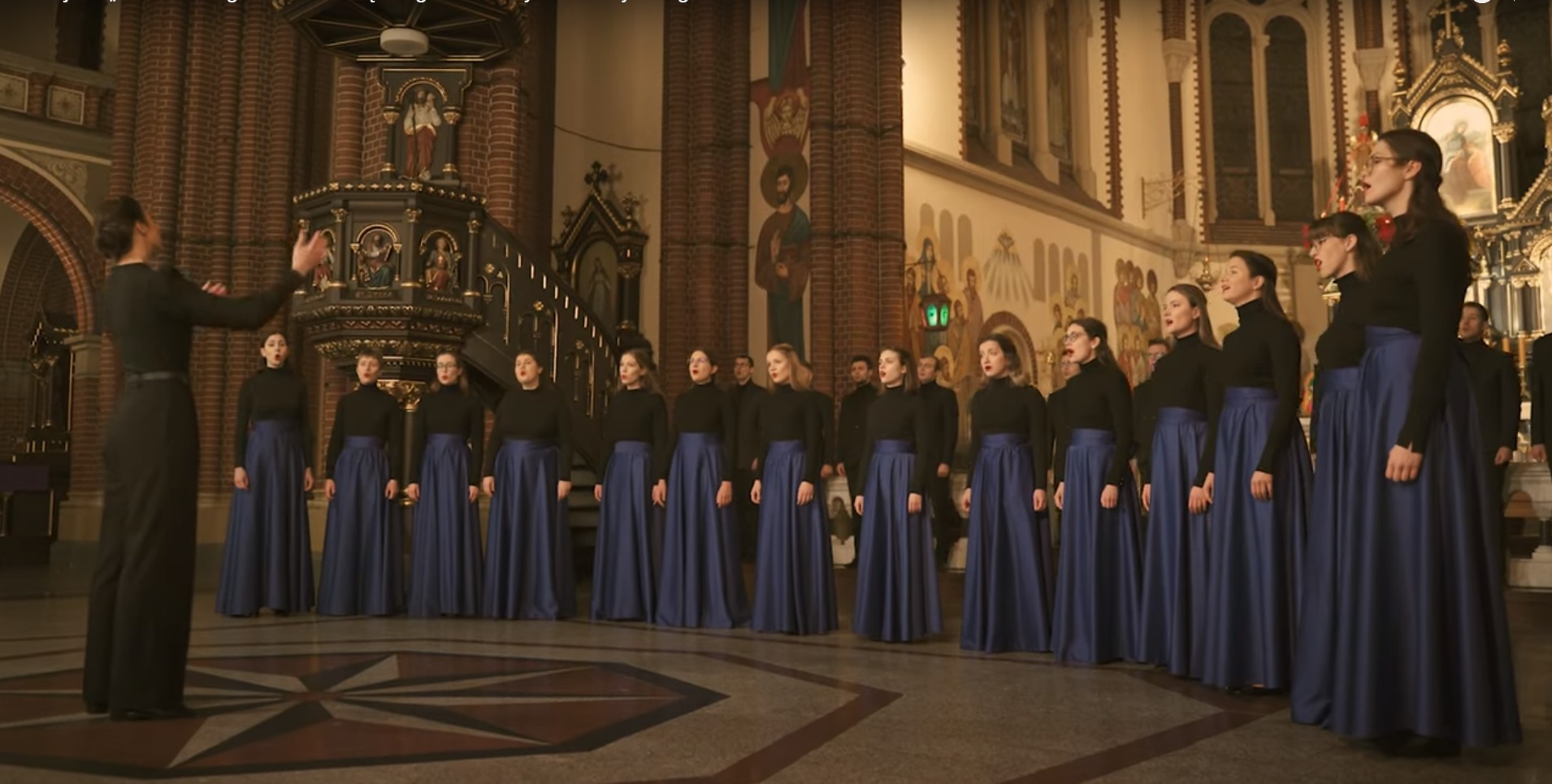
Chór Śląskiego Uniwersytetu Medycznego w Katowicach
This is a choral composition that falls within the genre of modern classical music. Ola Gjeilo is a Norwegian composer and pianist known for his engaging and atmospheric choral works; here inspired by the Aurora Borealis.
The text is the Latin Pulchra es, amica mea, from Song of Solomon:
Thou art beautiful, O my love, sweet and comely as Jerusalem, terrible as an army set in array. Turn away thy eyes from me, for they have made me flee away.
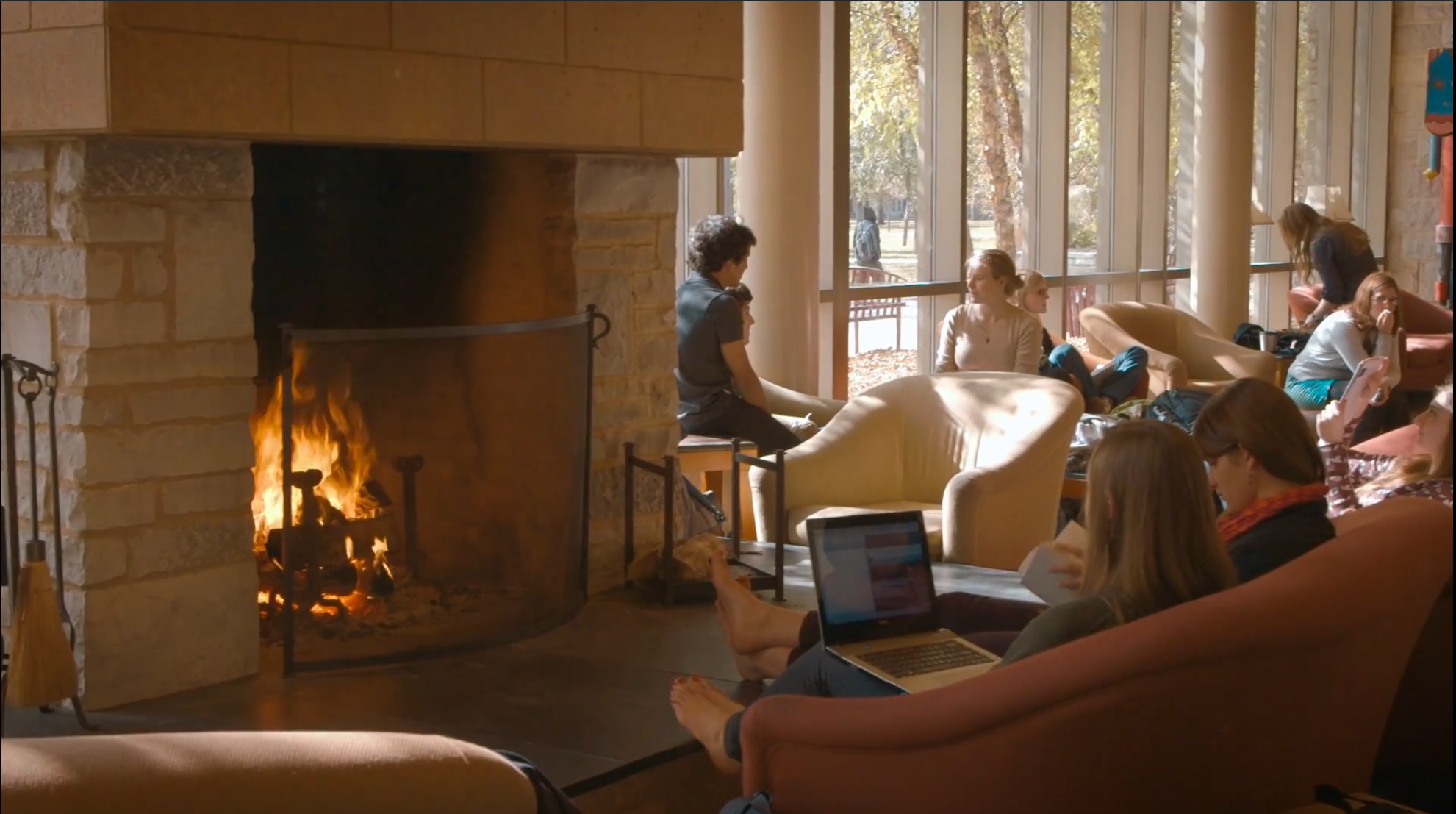
Many accommodations such as dormitories, fraternities and sororities have working fireplaces — wood burning and natural gas. Community spaces such as student unions, libraries and recreation spaces also have fireplaces as a central feature.
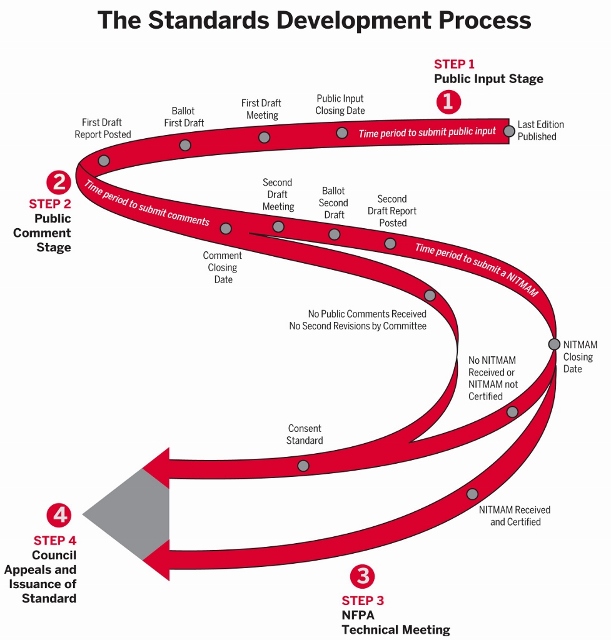
The purpose of NFPA 211 is to reduce fire hazards by discovering and promulgating best practice for the safe removal of flue gases, the proper installation of solid fuel-burning appliances, and the correct construction and installation of chimneys, fireplaces, and venting systems. The current 2019 Edition is linked below:
The 2024 has been released. To guide our inquiry into safety and sustainability concepts for the 2027 Edition we like review the developmental transcripts of previous edition:
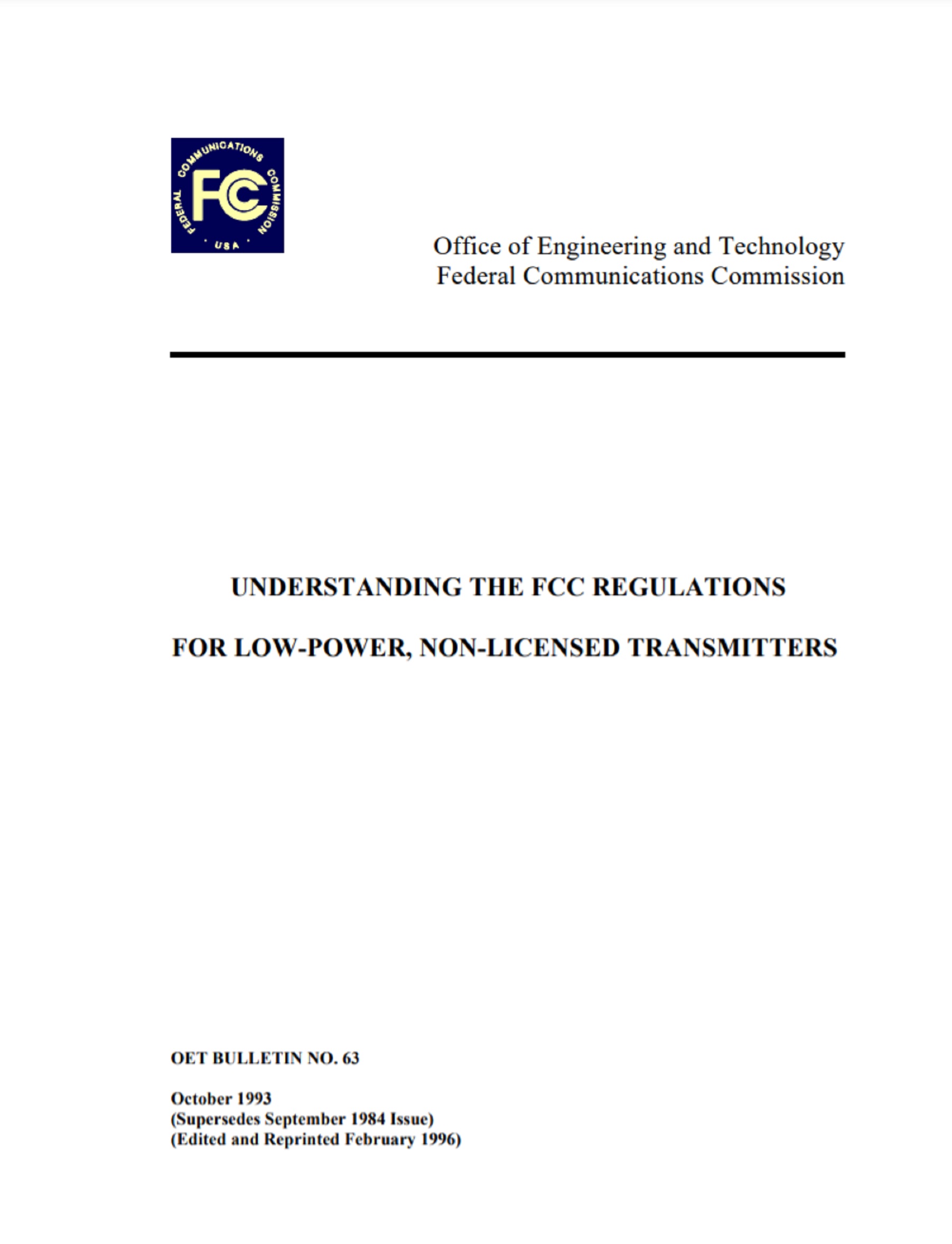
Abstract. The analysis presented in this paper indicates that the FM radio spectrum is underutilized in the areas of the continental United States that have a population of 100000 or less. These locations have vacant FM radio spectrum of at least 13 MHz with sufficient spectrum spacing between adjacent FM radio channels. The spectrum spacing provides the required bandwidth for data transmission and provides enough bandwidth to minimize interference introduced by neighboring predicted and unpredicted FM radio stations and other low-power short-range Internet of Thing (IoT) devices. To ensure that low-power short-range IoT devices maintain reliable communications vacant radio spectrum, such as the FM radio spectrum in these areas, will need to be used through cognitive radio.
Pennsylvania’s school building codes are an adaptation of the stack developed by the International Code Council. The most recent update includes enhanced requirements for safety (e.g., emergency escape paths, smoke alarms, surge protection), structural design (e.g., decks, snow loads), and energy efficiency, applying to new school construction, additions, and major renovations.
The requirement for a licensed electrician and a certified inspector to perform and certify any electrical work above $100 is prohibitive for homeowners and facility managers. To the best of our knowledge, no other US state imposes this requirement. There are more efficacious approaches to supporting effective public electrical safety services.
Of considerable importance is the criteria set by this board to determine whether a journeyman electrician is permitted to practice his or her trade in the State of Michigan.
We have been advocating for changes to the State of Michigan Electrical Administrative Act that currently requires all electrical work valued above $100 to be installed by a licensed journeyman electrician and inspected by an accredited electrical inspector. The $100 threshold was set decades ago and has never been challenged by another other advocacy enterprise representing the user interest. Almost all of the stakeholders on the present Electrical Administrative Board are stakeholders who benefit economically from the $100 threshold. Much of the reason for the apparent imbalance of interests lies in tradition; but also because no user interest has been present to advocate for an update of the formal, fee schedule.
This advocacy priority was on the Do-List of the original University of Michigan codes and standards advocacy enterprise which was focused on strengthening the voice of the user/owner/final fiduciary in the promulgation of regulations affecting Michigan educational facilities (CLICK HERE for link to the legacy Advocacy Project 14-1). Of all the trades covered in the parent legislation — Stille-Derossett-Hale Single State Construction Code Act (Act 230 of 1972)— the electrical power discipline is the only discipline in Michigan building technology regulations that sets a dollar criteria for electrical work to be performed and inspected. While we recognize the need for safe installation of the electrical power chain within a building; we propose another criteria for establishing the requirement for a licensed electrician and a licensed inspector should be determined (as it is in all other construction disciplines administered by the Bureau of Construction Codes, a division of the Department of Licensing and Regulatory Affairs).
As a consequence of former Governor Snyder’s Office of Regulatory Reinvention significant changes to both the Bureau of Construction Codes, a division of the Department of Licensing and Regulatory Affairs) have taken place within the past twelve months; which make us optimistic about political support for our proposals. We will be collaborating with our colleagues at Michigan State University to make necessary legislative changes we believe will lower the #TotalCostofOwnership of education facilities in the State of Michigan.
We will refer the Michigan Electric Code, and other state electrical codes to the IEEE Education and Healthcare Facilities Committee which hosts bi-weekly breakout teleconferences with electrical professionals in the education facilities industry as required by the demand for them.
The next meeting of the Michigan Electrical Board is November 2nd. We have been attending the meetings in Lansing and have made our proposal to revisit the dollar criteria known to the entire board. We hope the Electrical Administrative Board will develop another criteria; inspired by the electrical administrative boards of other states.
Issue: [14-1]
Contact: Mike Anthony, Jack Janveja, Richard Robben, Kane Howard
Most people step into morning shower and pour their first drink take as read the water and energy standards that assure safety and reliability. Today at the usual hour we refresh our understanding of the relatively stable stack of standards that are treated as given. With links to the Alice Parker invention of home heating. Use the login credentials at the upper right of our home page.
ASSE 1016/1017 mixing valves to prevent scalds, and temperature guidelines balancing burn risks (max ~120°F at fixtures) against Legionella growth (storage ≥140°F).
Today we slice horizontally through several vertical catalogs that interact, cross reference and are fairly dynamic in their best practice discovery and promulgation.
Plumbing and sanitation systems in educational settlements – especially those with healthcare and research enterprises are intricately linked, ensuring clean water supply, waste removal, and public health. Plumbing systems deliver potable water to dormitories, academic buildings, dining halls, and recreational facilities through a network of pipes, pumps, and valves. (Kitchens). These systems source water from municipal supplies or campus wells, often treated to meet safety standards (Backflow Prevention). Hot water heaters and pressure regulators maintain consistent supply for showers, sinks, and laboratories.
Sanitation systems, conversely, manage wastewater and sewage. They collect used water from toilets, sinks, and showers, channeling it through drainage pipes to campus treatment facilities or municipal sewer systems. Advanced campuses may employ on-site wastewater treatment plants, using processes like sedimentation and biological treatment to reduce environmental impact. Regular maintenance, including pipe cleaning and septic tank pumping, prevents blockages and contamination.
The interaction requires precise coordination. Plumbing systems must avoid cross-contamination with sanitation lines, using backflow preventers and proper pipe insulation.
Sanitation systems rely on plumbing’s water flow to transport waste efficiently. On large campuses, high demand during peak hours challenges both systems, necessitating robust infrastructure. Sustainable practices, like low-flow fixtures and greywater recycling, enhance efficiency, reduce costs, and align with campus environmental goals, ensuring a hygienic and functional environment.
Join us today at 11 AM when we sort through the settled science and unsettled standards of care. Use the login credentials at the upper right of our home page.
New update alert! The 2022 update to the Trademark Assignment Dataset is now available online. Find 1.29 million trademark assignments, involving 2.28 million unique trademark properties issued by the USPTO between March 1952 and January 2023: https://t.co/njrDAbSpwBpic.twitter.com/GkAXrHoQ9T