
Leers Weinzapfel Associates: Complete Project Prospectus 2021
Harvard Capital Project Vitals



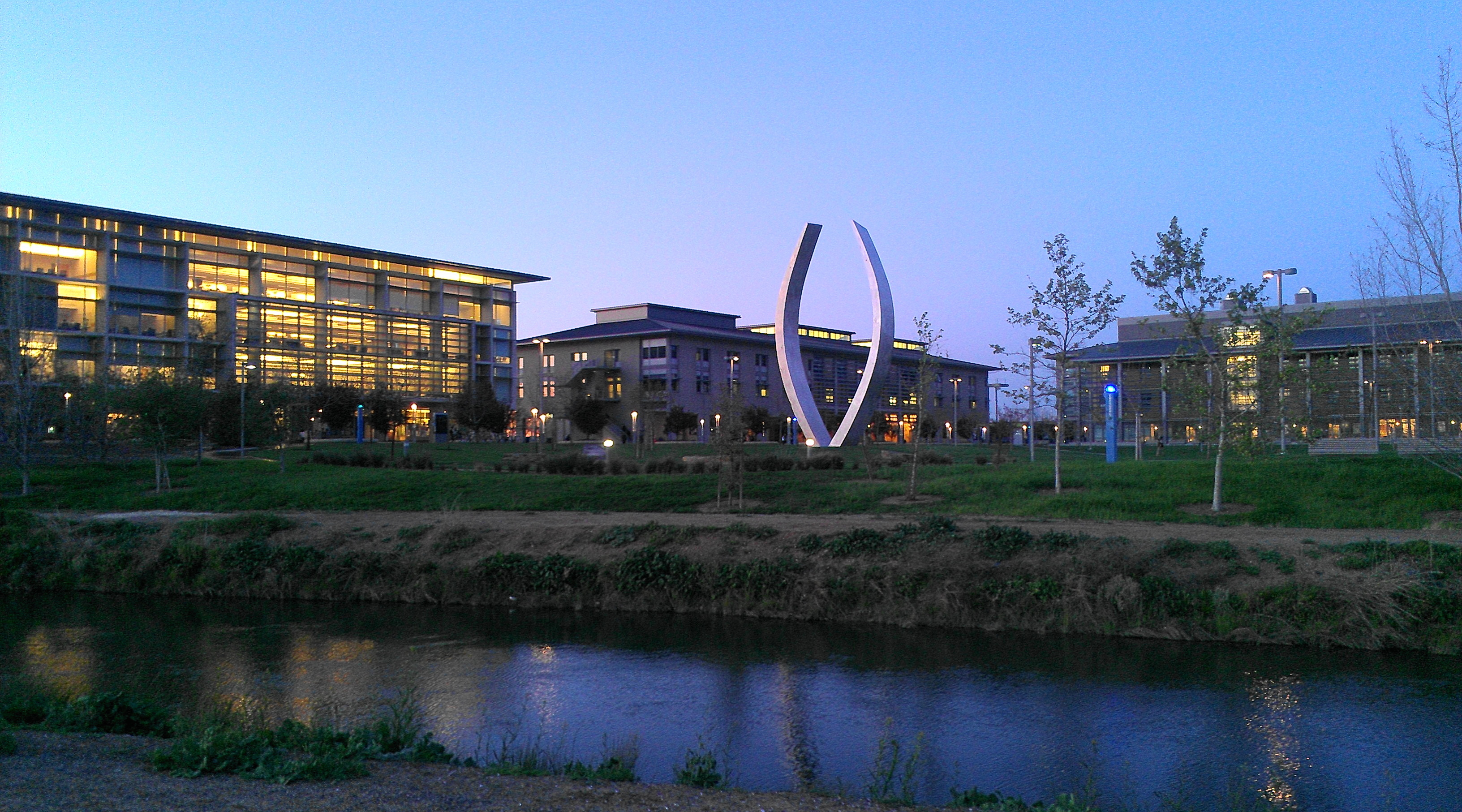
University of California Merced
Lucas Hyman is the co-author of “Sustainable On Site CHP Systems: Design, Construction and Operations” published by McGraw-Hill 2010 ISBN 978-0-07-160317-1, Co-Editor Martin Meckler is a graduate of the University of Michigan. Mike Anthony contributed Chapter 23 — Government Mission Critical – A combined FMECA and time value of money study on Critical Operations Power Systems.
Goss Engineering was one of the engineers for the University of California Merced; the first university campus with an energy infrastructure begun from “scratch”. Here, Lucas offers his insight into the subtle energy economic trade-offs between centralized and de-centralized systems.
LEARN MORE:
Backgrounder from 2007 ASHRAE conference presentation by Goss Engineering: Designing Sustainable CHP Systems
Standards Minnesota | Tax-Exempt Bond Compliance
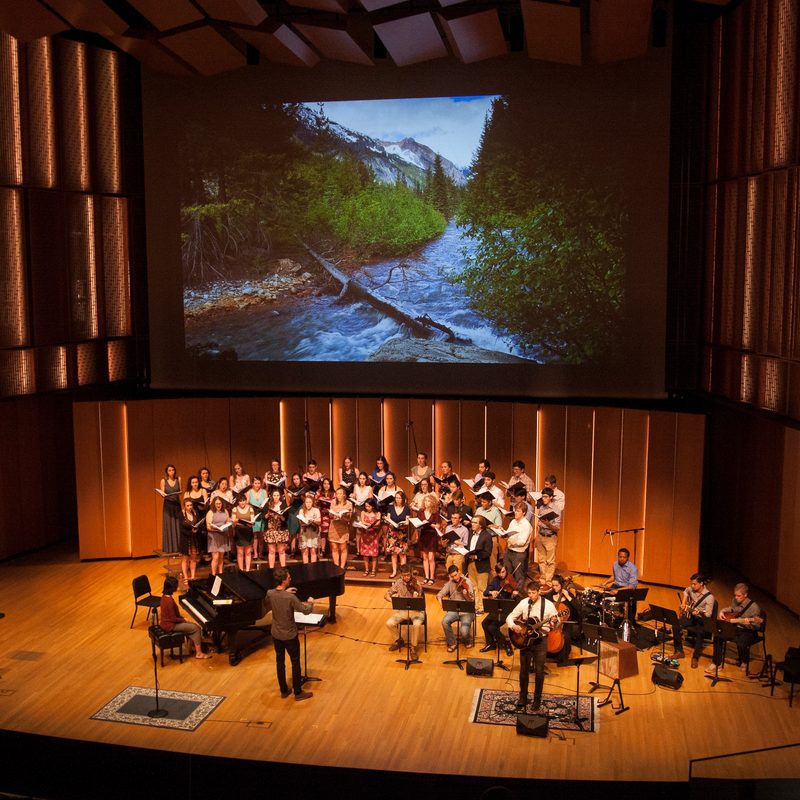

From picnics on the Bald Spot to campus architecture tours to a newly dedicated football field, this year’s Family Weekend was one to remember! Here are just a few of our favorite moments 💛💙https://t.co/gSFXmYwCVp pic.twitter.com/KvFFrtqKnc
— Carleton College (@CarletonCollege) October 19, 2022

This content is accessible to paid subscribers. To view it please enter your password below or send mike@standardsmichigan.com a request for subscription details.
This content is accessible to paid subscribers. To view it please enter your password below or send mike@standardsmichigan.com a request for subscription details.
This content is accessible to paid subscribers. To view it please enter your password below or send mike@standardsmichigan.com a request for subscription details.
This content is accessible to paid subscribers. To view it please enter your password below or send mike@standardsmichigan.com a request for subscription details.
https://sousafoundation.net/
Your hypothesis is a good one, but with one important qualification.
If by “most saturated” you mean the greatest concentration of NPR-affiliated stations per square mile, then Michigan’s Lower Peninsula is certainly among the most densely served regions in North America, especially because so many stations are licensed to universities. However, it is probably tied with or slightly behind a few regions such as New England and parts of North Carolina.
Within a day’s drive you can receive programming from numerous university-affiliated public radio stations, including:
| Station | University |
|---|---|
| WUOM / Michigan Public | University of Michigan |
| WFUM | University of Michigan-Flint |
| WVGR | University of Michigan network |
| WKAR | Michigan State University |
| WEMU | Eastern Michigan University |
| WMUK | Western Michigan University |
| WCMU | Central Michigan University |
| WNMU | Northern Michigan University (Upper Peninsula) |
| WUCX | Delta College |
| WGVU | Grand Valley State University |
| Interlochen Public Radio | Interlochen Center for the Arts (educational institution) |
Michigan Public itself operates a five-transmitter network serving roughly 80% of the population in the southern Lower Peninsula.
Some other areas rival Michigan:
Michigan differs from most states because so many NPR member stations originated at public universities. The combination of:
creates one of the largest concentrations of higher-education public broadcasting in the United States.
For your StandardsMich readership, an interesting observation is that this concentration reflects Michigan’s long-standing investment in public higher education. Few other states have such a dense network of university-affiliated public radio stations whose coverage areas overlap across a single peninsula. While it is difficult to declare a single “most saturated” NPR region without a formal coverage analysis, the Lower Peninsula of Michigan is a strong candidate and is almost certainly among the top few regions in North America.
If you’re describing the unusually high concentration of public radio services in a region, especially one dominated by university licensees, here are several terms of art and coined phrases that could work for a StandardsMich article. Some are technical, while others are more journalistic or descriptive.
| Term | Style | Meaning |
|---|---|---|
| Public Radio Corridor | Technical | Continuous band of overlapping public radio coverage. |
| NPR Belt | Journalistic | Region with an unusually high concentration of NPR stations. |
| Public Broadcasting Corridor | Planning | Geographic corridor with dense public broadcasting infrastructure. |
| University Radio Belt | Higher education | Area where universities dominate public radio broadcasting. |
| Broadcast Saturation Zone | Engineering | Region with extensive signal overlap from multiple stations. |
| Educational Broadcast Cluster | Academic | Concentration of educational broadcast licensees. |
| Public Media Cluster | Communications | Regional grouping of public media organizations. |
| Academic Broadcasting Network | Descriptive | Informal network created by numerous university stations. |
| Higher Education Radio Ecosystem | Contemporary | Emphasizes collaboration and institutional relationships. |
| Scholarly Airwaves | Literary | Highlights the educational and cultural character of the broadcasts. |
For StandardsMich, I think these are particularly strong:
You might also consider some Great Lakes-themed phrases that fit your site’s focus:
Among these, University Radio Belt is probably the most immediately understandable to readers, while Public Radio Corridor has a more formal, infrastructure-oriented feel that aligns well with your writing on standards, utilities, and higher education.
New update alert! The 2022 update to the Trademark Assignment Dataset is now available online. Find 1.29 million trademark assignments, involving 2.28 million unique trademark properties issued by the USPTO between March 1952 and January 2023: https://t.co/njrDAbSpwB pic.twitter.com/GkAXrHoQ9T
— USPTO (@uspto) July 13, 2023
Standards Michigan Group, LLC
455 East Eisenhower Parkway, Suite 300
Ann Arbor, MI 48108 USA
888-748-3670
 |
 |
|
 |
 |
|
 |
 |