Category Archives: Coffee

Loading
loading...

Notre Dame in Ireland: Chef David’s Scones

“…I have spread my dreams under your feet;

Tread softly because you tread on my dreams.”

–W.B. Yeats | ‘He Wishes for the Cloths of Heaven’

The history of scones is believed to have originated in Scotland. The name “scone” is said to come from the Dutch word “schoonbrot,” which means “beautiful bread.” Scones have a long and interesting history that dates back several centuries.

Originally, scones were not the sweet, buttery treats we know today. Instead, they were simple unleavened oatcakes or griddle cakes made from barley, oats, or wheat. These early scones were baked on griddles or stovetops rather than being oven-baked.

As time went on, the recipe for scones evolved, and they became more commonly associated with Scotland and England. The Scottish version of scones was typically round and made with oats. They were cooked on a griddle or in a pan and then cut into triangular sections, which were known as “bannocks.” These bannocks were the ancestors of the modern scone.

In the 19th century, with the advent of baking powder and modern ovens, scones began to be baked instead of griddle-cooked. The addition of baking powder allowed scones to rise and become lighter and fluffier. The ingredients were refined to include flour, butter, milk or cream, and a leavening agent like baking powder. This marked the shift from the traditional oat-based scone to the more recognizable wheat-based scone we know today.

Scones’ popularity spread beyond Scotland and England, and they became a common teatime treat across the United Kingdom and other English-speaking countries. The addition of raisins, currants, or other dried fruits, as well as sugar, transformed scones into the sweet delicacies that are commonly enjoyed today, often served with clotted cream and jam in the classic English afternoon tea.

In the United States, scones have also become popular, with various regional and cultural variations. American scones may be larger, sweeter, and have a wider variety of flavor options, such as blueberry, cranberry-orange, or chocolate chip.  Today, scones continue to be beloved treats enjoyed for breakfast, brunch, afternoon tea, or as a delightful snack with a cup of tea or coffee. Their history reflects centuries of evolution and cultural influence, making them a delightful and enduring part of baking traditions worldwide.

The University of Notre Dame stands as the preeminent center of Christian faith in higher education across the American Midwest. Founded in 1842 by the Congregation of Holy Cross in northern Indiana, it was established explicitly as a Catholic institution to serve immigrant communities and promote intellectual and moral formation rooted in the Gospel.

Its identity is embodied in iconic landmarks like the Basilica of the Sacred Heart, the Grotto of Our Lady of Lourdes, and the Golden Dome, which visibly integrate faith into campus life. With roughly 80-85% Catholic undergraduates, daily Masses, vibrant chaplaincy, and theology programs of national distinction, Notre Dame cultivates a disciplined synthesis of academic excellence and Catholic witness.

Under leaders like Theodore Hesburgh, it grew into a top-tier research university while remaining deeply committed to its religious mission. As the flagship Catholic institution in the heartland, Notre Dame influences regional Catholic education, ethics, and culture, offering a powerful model of faith-informed scholarship that attracts students nationwide.

May be a graphic of text that says 'Euler diagra diagram-map of the British Isles. British Isles British Islands United Kingdom Ireland (island) Great Britain Northern Ireland Ireland (state) (state) Scotland England Wales Isle of Man Guernsey Jersey'

Ireland

National Standards Authority of Ireland

Standard Scone Recipe

The standard scone is a simple and versatile preparation that can be customized with various additions, such as dried fruits, nuts, or chocolate chips, to suit different tastes.

Here is a basic recipe for making standard scones:

Ingredients:

  • 2 cups all-purpose flour
  • 1/4 cup granulated sugar
  • 1 tablespoon baking powder
  • 1/2 teaspoon salt
  • 1/2 cup cold unsalted butter, cut into small cubes
  • 1/2 cup milk (plus more for brushing on top)
  • 1 large egg
  • Optional: 1 teaspoon vanilla extract or other flavorings (e.g., almond extract, lemon zest)
  • Optional: Additions such as dried fruits, chocolate chips, or nuts (about 1/2 cup)

Instructions:

  1. Preheat your oven to 400°F (200°C) and line a baking sheet with parchment paper.
  2. In a large mixing bowl, whisk together the flour, sugar, baking powder, and salt until well combined.
  3. Add the cold butter cubes to the flour mixture and use a pastry cutter or your fingers to work the butter into the flour until the mixture resembles coarse crumbs. The butter should be well distributed but still in small pieces.
  4. If you’re adding any optional flavorings or additions, mix them into the dry ingredients at this stage.
  5. In a separate small bowl, whisk together the milk, egg, and optional vanilla extract (or other flavorings) until well combined.
  6. Create a well in the center of the dry ingredients and pour the wet mixture into it. Gently stir the ingredients together until just combined. Be careful not to overmix; the dough should be slightly crumbly but hold together.
  7. Transfer the dough onto a lightly floured surface and shape it into a round disk, about 1 inch (2.5 cm) thick.
  8. Use a sharp knife or a biscuit cutter to cut the dough into wedges or rounds, depending on your preference. Traditionally, scones are cut into triangular shapes.
  9. Place the scones on the prepared baking sheet, leaving some space between them.
  10. Brush the tops of the scones with a little milk to give them a nice golden color when baked.
  11. Bake the scones in the preheated oven for about 15-20 minutes or until they are lightly golden on top.
  12. Remove from the oven and let them cool slightly before serving. Scones are best enjoyed fresh and can be served with butter, clotted cream, jam, or any other toppings of your choice.

This standard scone recipe provides a classic and delicious base that you can experiment with by adding various flavors and mix-ins to create your own unique variations. 


Morning Tea

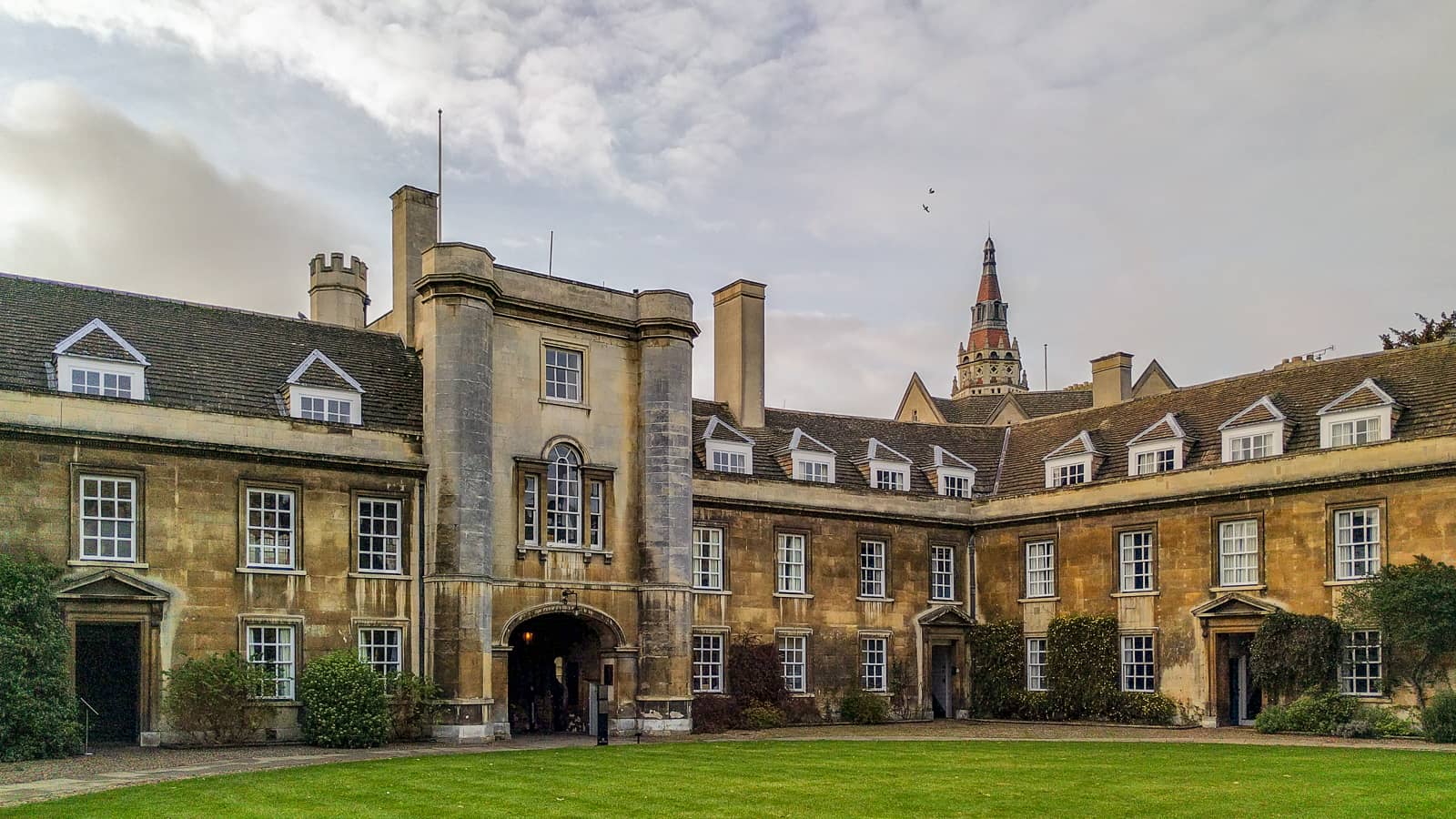
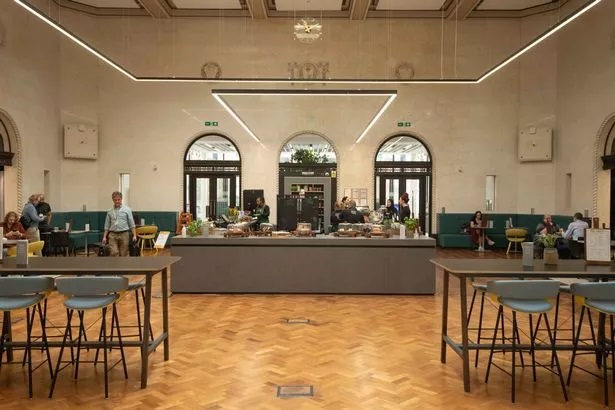
Cafe 1894

University of Canterbury Annual Reports | Group Assets $2.2B


UCSA EATS | Lunchtime? Cafe 1894 is ready for you! 📍The Undercroft #ucsa #ucsaeats #universityofcanterbury | Instagram

Standards New Zealand

Languages in Aotearoa New Zealand

English as a lingua franca

No photo description available.

No photo description available.


Electric Vehicle Charging

Global Café

Standards Iowa | Homophily Iowa

Net Position 2024: $2.785B | Comprehensive Campus Master Plan


1014063 01 N280 medium


Two students stand at a bar that has coffee creamers another items, while a third stands at the counter of a kiosh that has a metal sign reading Global Cafe

Built within the 2019 Humanities and Social Studies Center renovation the Administration named its on-campus café the “Global Café” to reflect its menu of internationally inspired foods and drinks while advancing the school’s commitment to global awareness and cultural exchange in a small Iowa town.  USA college marketing departments, generally, persist in the hard sell of “globalism”.

Young people in their 20s prolong adolescence by moving to major cities because urban environments reward and enable delayed adulthood. High living costs, intense job markets, and abundant career opportunities push graduates to prioritize education, networking, and climbing professional ladders over settling down. Cities offer endless stimulation—nightlife, cultural events, dating apps, co-living spaces, and transient social circles—that make life feel like an extended gap year rather than a transition to responsibility.

In contrast, small or medium-sized towns such as Grinnell Iowa encourage earlier family formation. Lower costs of living, tighter-knit communities, and stronger social expectations create pressure to marry and have children by the mid-20s. Jobs are often more stable but less glamorous, leaving room (and necessity) for traditional milestones like buying a home or starting a family. Dating pools are smaller, and community oversight discourages prolonged “finding yourself” phases.

Big cities provide anonymity and optionality: one can reinvent identity, chase experiences, and defer commitments without immediate judgment. This environment sustains a psychologically adolescent state—exploration, low-stakes risk-taking, and self-focus—well into the late 20s or early 30s, while small-town life accelerates the shift to provider and parent roles. The result is a clear geographic divide in life timing.

English Rosie

This content is accessible to paid subscribers. To view it please enter your password below or send mike@standardsmichigan.com a request for subscription details.

One Bike Coffee

Standards Alabama

No photo description available.

Net Position $2.128B | Capital Master Plan | Alabama General Free Revenue Bonds

No photo description available.

Auburn Coffee Shop Round Up

One Bike Coffee | Auburn AL

Traditions accumulate one ordinary morning at a time.  

Auburn University was inspired by Methodist traditions. Chartered in 1856 as East Alabama Male College, it opened in 1859 as a private liberal arts school sponsored by the Methodist Episcopal Church, South. The first president, Reverend William J. Sasnett, and many trustees were Methodist clergy. Local Methodist leaders and the Auburn Methodist Church played key roles in its founding.

The college emphasized Christian moral education alongside classical studies. After the Civil War, financial difficulties led the Methodist Church to transfer control to the state in 1872, creating Alabama’s first land-grant university—later renamed Auburn University.

Though now a public, non-sectarian university, its Methodist heritage endures through campus traditions, the nearby Auburn United Methodist Church, and the active Wesley Foundation ministry.


Cafes at Saint George

University of Toronto Asset Management Corporation Report | $8.2B


Jordan Peterson was a Professor at the University of Toronto St. George


Facilities & Services | Campus Master Plan | 2025 update to U & T building design standards

Job Site

This content is accessible to paid subscribers. To view it please enter your password below or send mike@standardsmichigan.com a request for subscription details.

Strawberry Iced Latte

Cal Poly: University Budget 2024-2025 *

Facilities Management & Development | $1.2B Student Housing Expansion

Animal science student and barista Lola Coetzee is on the opening shift at Scout Coffee. Photo by Joe Johnston/University Photographer/Cal Poly 11-20-24

Scout Coffee

College of Agriculture, Food and Environmental Sciences 

Do you remember the Shire, Mr. Frodo? It’ll be spring soon. And the orchards will be in blossom. And the birds will be nesting in the hazel thicket. And they’ll be sowing the summer barley in the lower fields… and eating the first of the strawberries with cream. Do you remember the taste of strawberries?” — Sam Gamgee (J.R.R. Tolkien (from ‘The Return of the King’ 1955)


* Why is the Net Position number so elusive in college and university financial statements?  Short answer: So goes the nature of non-profit organizations.  More.
Layout mode
Predefined Skins
Custom Colors
Choose your skin color
Patterns Background
Images Background
Standards Michigan
error: Content is protected !!
Skip to content