Today we dwell on titles that inform management of the education industry in the United States specifically; but also more generally in global markets where the education industry is classified as a Producer and a User of human resources. It is an enormous domain; likely the largest.
Human Resources 100 covers skilled trade training in all building construction disciplines.
Human Resources 200 covers the range of skills needed to manage the real assets of educational settings — school district properties, college and university campuses
When you’re an elementary school principal, you can play at recess any time you want!
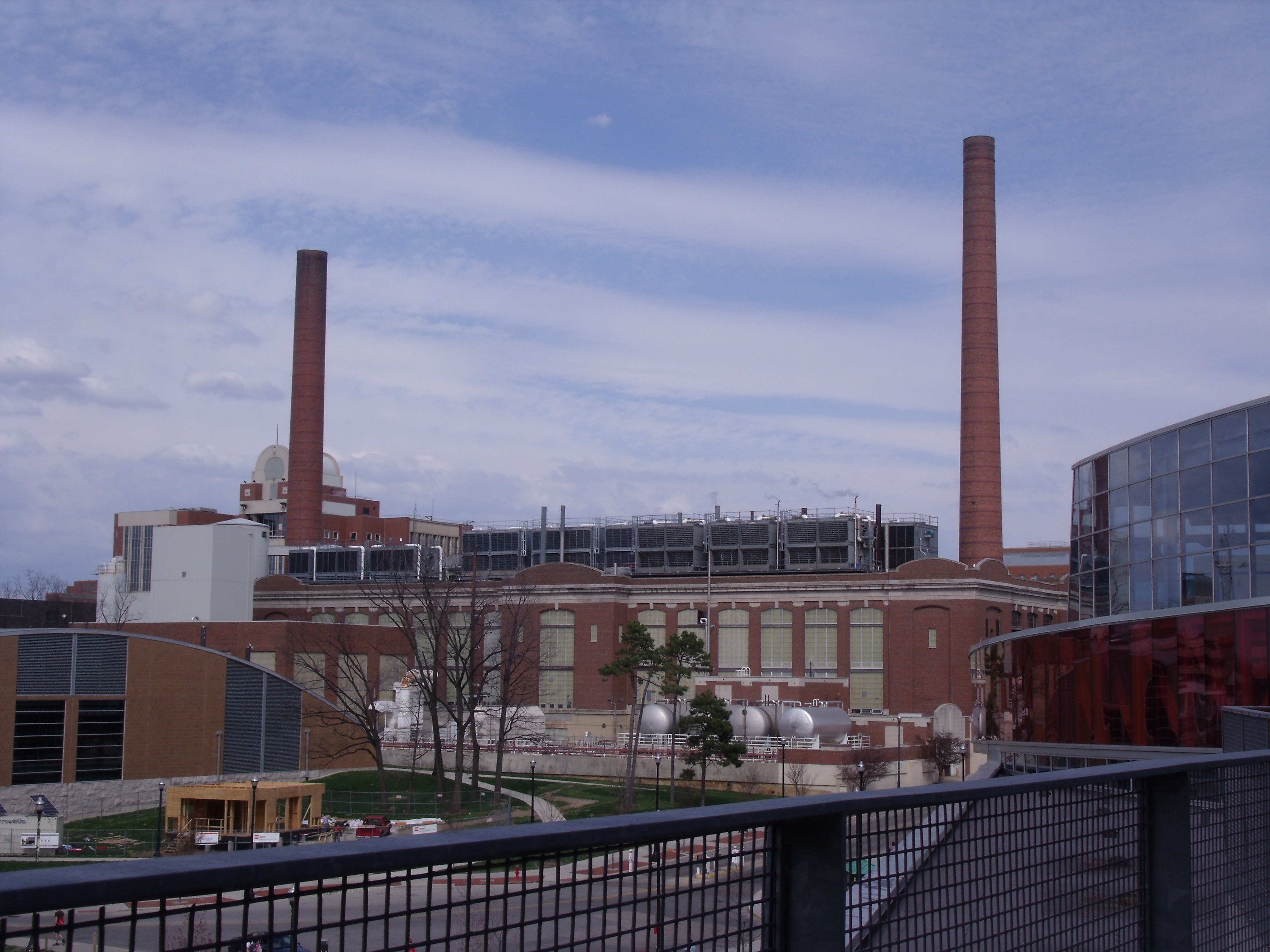
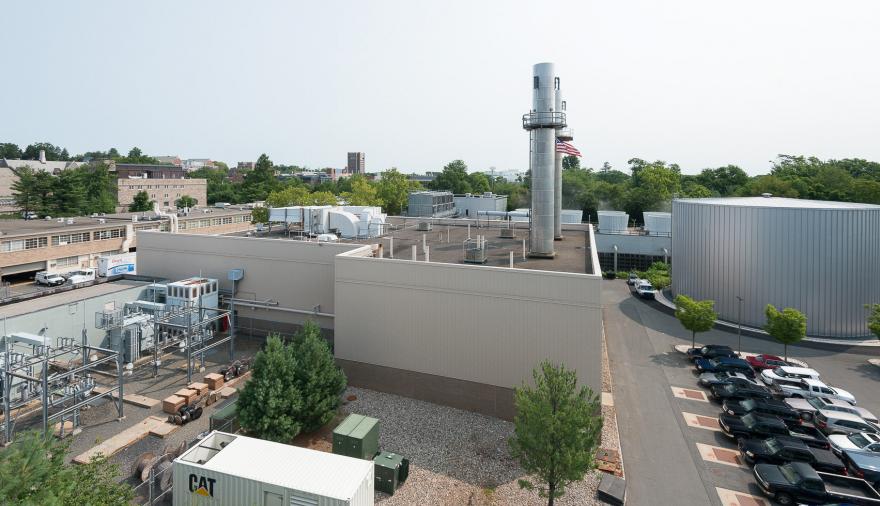
Should every campus building generate its own power? Sustainability workgroups are vulnerable to speculative hype about net-zero buildings and microgrids. We remind sustainability trendsniffers that the central feature of a distributed energy resource–the eyesore known as the university steam plant–delivers most of the economic benefit of a microgrid. [Comments on Second Draft due April 29th] #StandardsMassachusetts
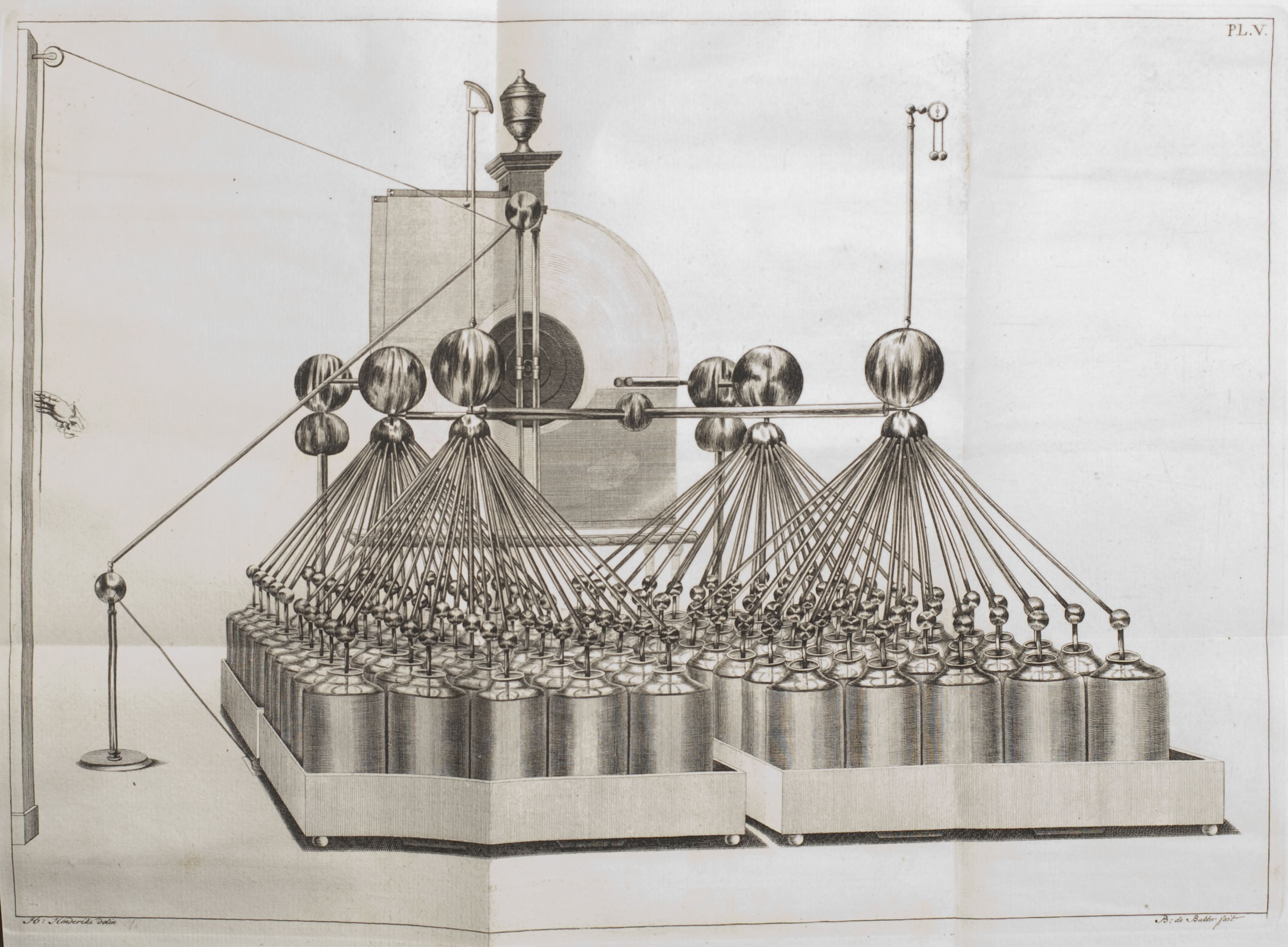
“M. van Marum. Tweede vervolg der proefneemingen gedaan met Teyler’s electrizeer-machine, 1795” | An early energy storage device | Massachusetts Institute of Technology Libraries
We have been following the developmental trajectory of a new NFPA regulatory product — NFPA 855 Standard for the Installation of Stationary Energy Storage Systems — a document with ambitions to formalize the fire safety landscape of the central feature of campus microgrids by setting criteria for minimizing the hazards associated with energy storage systems.
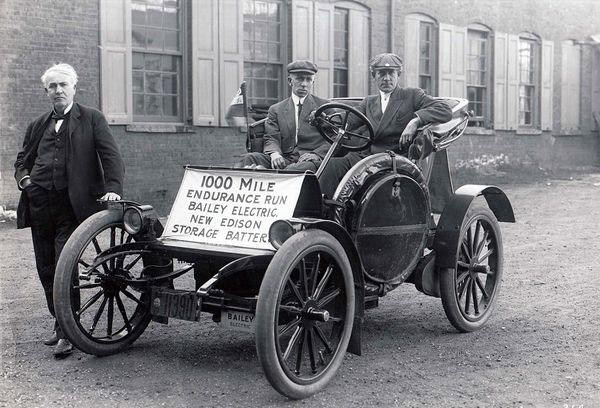
The fire safety of electric vehicles and the companion storage units for solar and wind power systems has been elevated in recent years with incidents with high public visibility. The education industry needs to contribute ideas and data to what we call the emergent #SmartCampus;an electrotechnical transformation — both as a provider of new knowledge and as a user of the new knowledge.
Transcripts of technical deliberation are linked below:
Comment on the 2026 revision received by March 27, 2025 will be heard at the NFPA June 2025 Expo through NFPA’s NITMAM process.
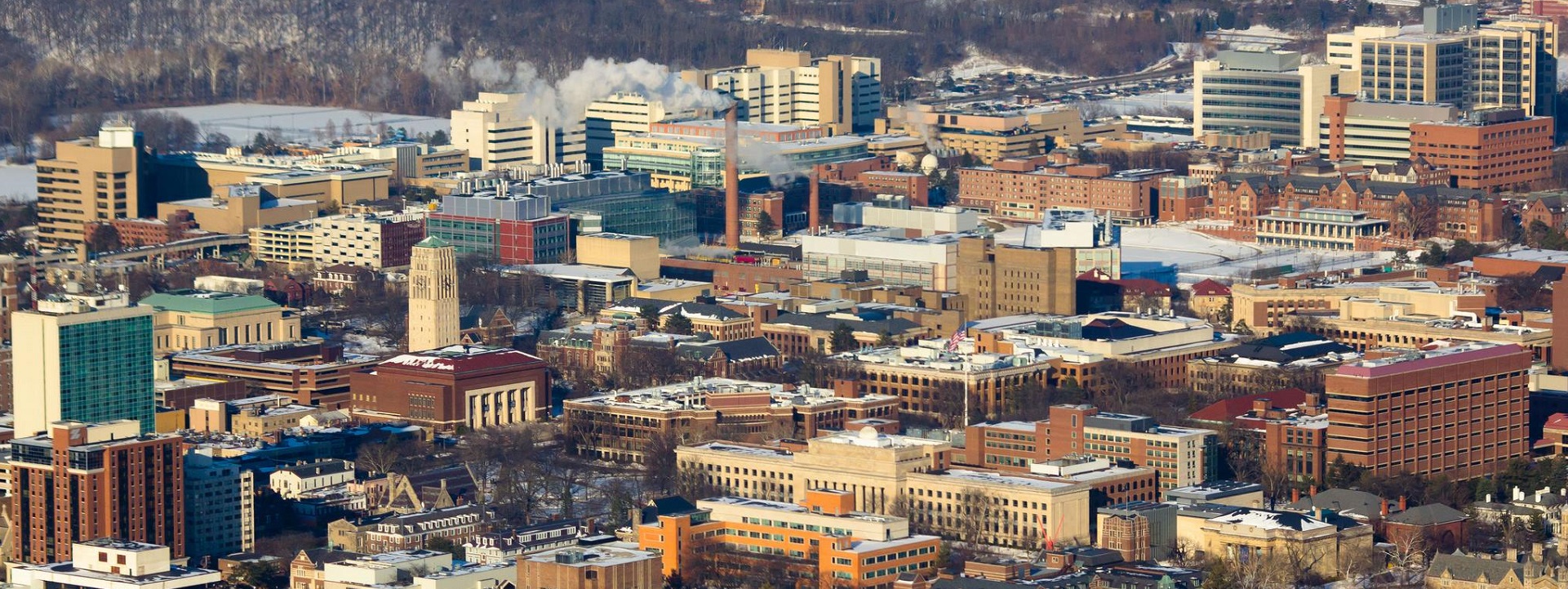
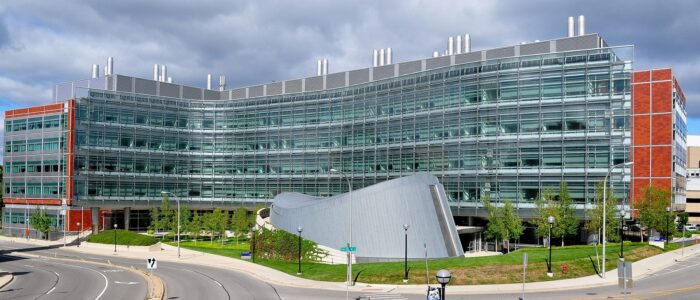
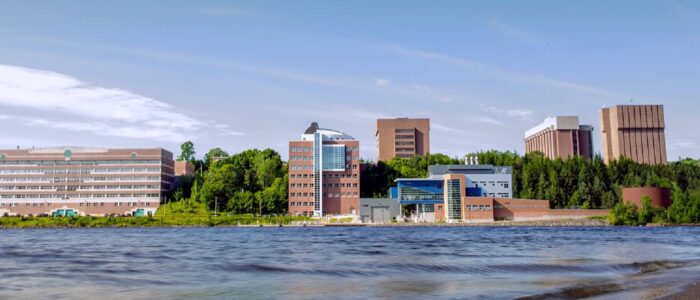
University of Michigan | Average daily electrical load across all Ann Arbor campuses is on the order of 100 megawatts
A fair question to ask: “How is NFPA 855 going to establish the standard of care any better than the standard of care discovered and promulgated in the NFPA 70-series and the often-paired documents NFPA 110 and NFPA 111?” (As you read the transcript of the proceedings you can see the committee tip-toeing around prospective overlaps and conflicts; never a first choice).
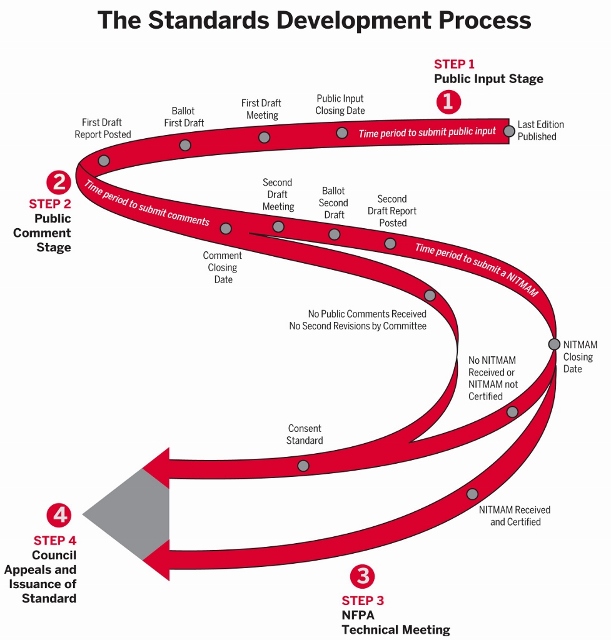
Suffice to say, the NFPA Standards Council has due process requirements for new committee projects and, obviously, that criteria has been met. Market demand presents an opportunity to assemble a new committee with fresh, with new voices funded by a fresh set of stakeholders who, because they are more accustomed to advocacy in open-source and consortia standards development platforms, might have not been involved in the more rigorous standards development processes of ANSI accredited standards developing organizations — specifically the NFPA, whose members are usually found at the top of organization charts in state and local jurisdictions. For example we find UBER — the ride sharing company — on the technical committee. We find another voice from Tesla Motors. These companies are centered in an industry that does not have the tradition of leading practice discovery and promulgation that the building industry has had for the better part of two hundred years.
Our interest in this standard lies on both sides of the education industry — i.e. the academic research side and the business side. For all practical purposes, the most credible, multi-dimensional and effective voice for lowering #TotalCostofOwnership for the emergent smart campus is found in the tenure of Standards Michigan and its collaboration with IEEE Education & Healthcare Facilities Committee (E&H). You may join us sorting through the technical, economic and legal particulars and day at 11 AM Eastern time. The IEEE E&H Committee meets online every other Tuesday in European and American time zones; the next meeting on March 26th. All meetings are open to the public.
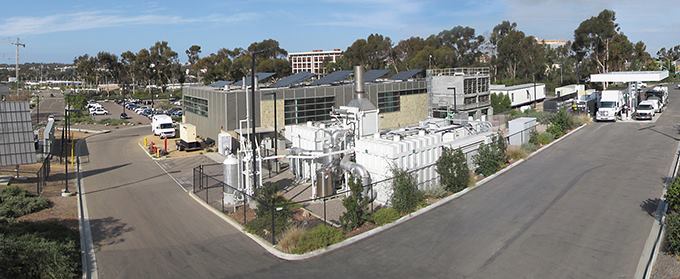
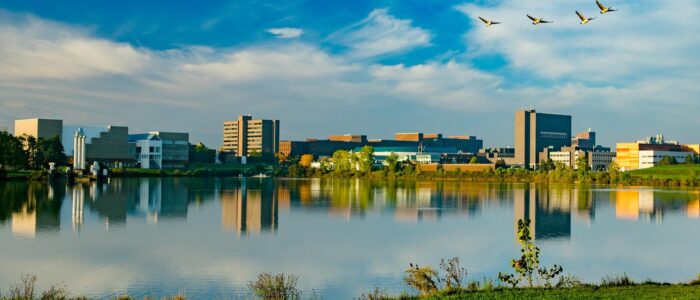
University of California San Diego Microgrid
You are encouraged to communicate directly with Brian O’Connor, the NFPA Staff Liaison for specific questions. We have some of the answers but Brian is likely to have all of them. CLICK HERE for the NFPA Directory. Additionally, NFPA will be hosting its Annual Conference & Expo, June 17-20 in San Antonio, Texas; usually an auspicious time for meeting NFPA staff working on this, and other projects.
The prospect of installing of energy storage technologies at every campus building — or groups of buildings, or in regions — is clearly transformational if the education facilities industry somehow manages to find a way to drive the cost of operating and maintaining many energy storage technologies lower than the cost of operating and maintaining a single campus distributed energy resource. The education facility industry will have to train a new cadre of microgrid technology specialists who must be comfortable working at ampere and voltage ranges on both sides of the decimal point that separates power engineers from control engineers. And, of course, dynamic utility pricing (set by state regulatory agencies) will continue to be the most significant independent control variable.
Finding a way to make all this hang together is the legitimate work of the academic research side of the university. We find that sustainability workgroups (and elected governing bodies) in the education industry are vulnerable to out-sized claims about microgrids and distributed energy resources; both trendy terms of art for the electrotechnical transformation we call the emergent #SmartCampus.
We remind sustainability trendsniffers that the central feature of a distributed energy resource — the eyesore known as the university steam plant — bears most of the characteristics of a microgrid. In the videoclip linked below a respected voice from Ohio State University provides enlightenment on this point; even as he contributes to the discovery stream with a study unit.
Ohio State University McCracken Power Plant
Issue: [16-131]
Category: District Energy, Electrical, Energy, Facility Asset Management, Fire Safety, Risk Management, #SmartCampus, US Department of Energy
Colleagues: Mike Anthony, Bill Cantor (wcantor@ieee.org). Mahesh Illindala
Electric vehicle charging stations are addressed in the 2024 International Energy Conservation Code (IECC) within two specific appendices:
Appendix RE: This appendix provides detailed requirements for electric vehicle charging infrastructure, focusing on both residential and commercial buildings. It includes definitions and infrastructure standards to ensure that new constructions are equipped to support electric vehicle charging
Appendix CG: This appendix offers guidance on electric vehicle power transfer and charging infrastructure, emphasizing the integration of EV-ready requirements into building designs. It outlines the necessary provisions for installing and managing EV charging stations, ensuring compliance with energy conservation standards
.These appendices are part of the broader efforts to incorporate EV infrastructure into building codes, promoting energy efficiency and supporting the transition to electric vehicles.
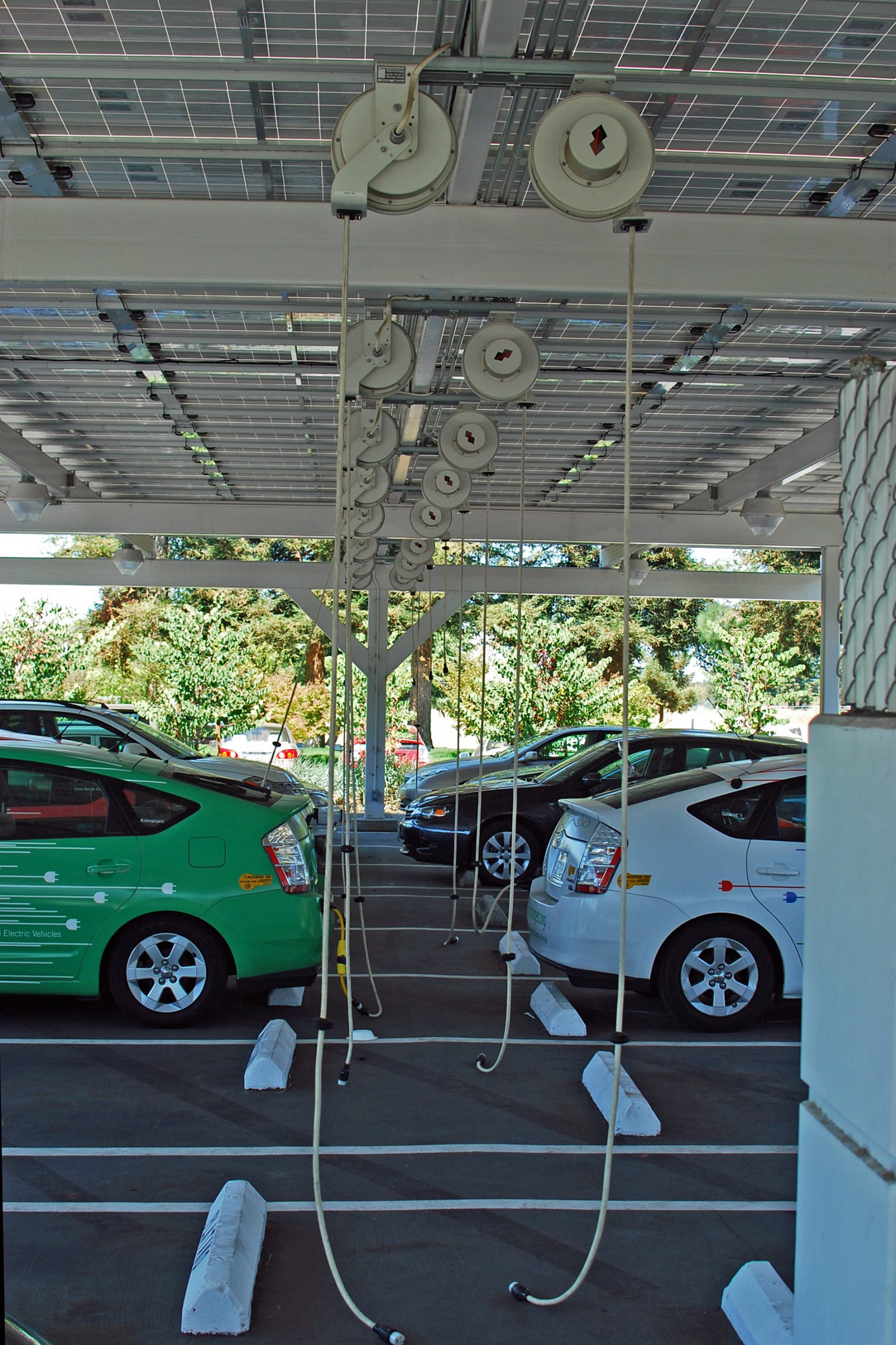
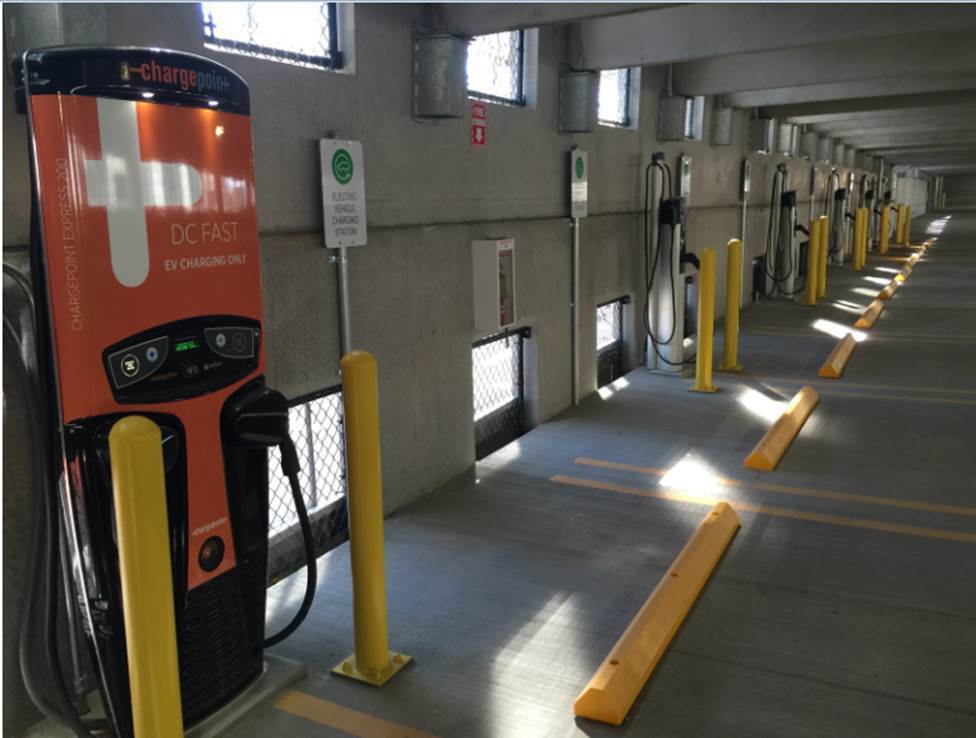
Recharging infrastructure at at Google’s Mountain View (California) campus | Pretty ugly, eh?
“Gas” 1940 Edward Hopper
This standard will be updated within a reconfigured code development cycle linked below:
Keep in mind that many electric vehicle safety and sustainability concepts will track in other titles in the ICC catalog. It is enlightening to see other energy related proposals tracking in the most recent Group A code revision cycle
The following proposals discussed during the Group A Hearings ended earlier this month are noteworthy:
R309.6 Electric vehicle charging stations and systems. Where provided, electric vehicle charging systems shall be installed in accordance with NFPA 70. Electric vehicle charging system equipment shall be listed and labeled in accordance with UL 2202. Electric vehicle supply equipment shall be listed and labeled in accordance with UL 2594.
IBC 406.2.7 Electric vehicle charging stations and systems. Where provided, electric vehicle charging systems shall be installed in accordance with NFPA 70. Electric vehicle charging system equipment shall be listed and labeled in accordance with UL 2202. Electric vehicle supply equipment shall be listed and labeled in accordance with UL 2594. Accessibility to electric vehicle charging stations shall be provided in accordance with Section 1108.
TABLE R328.5 MAXIMUM AGGREGATE RATINGS OF ESS (Energy Storage Systems) – PDF Page 1476
Incumbents are socking in EV concepts all across the ICC catalog. We refer them to experts in the Industrial Applications Society IEEE E&H Committee.
One of the more spirited debates in recent revision cycles is the following:
Who shall pay for electrical vehicle charging infrastructure?
The underlying assumption is that the electrification of the global transportation grid has a net benefit. We remain mute on that question; the question of net gain.
Of course, many proposals pointed the finger at the stakeholder with the deepest pockets. Accordingly, new commercial building owners will be required to install charging stations for new buildings. During 2018 and 2019 we tracked the action in the workspace below so that we could collaborate with the IEEE Education & Healthcare Facilities Committee:
Given that most higher education facilities are classified as commercial, the cost of charging stations will be conveyed into the new building construction budget unless the unit takes an exception. Generally speaking, most colleges and universities like to display their electric vehicle credentials, even if the use of such charging stations remains sparse.
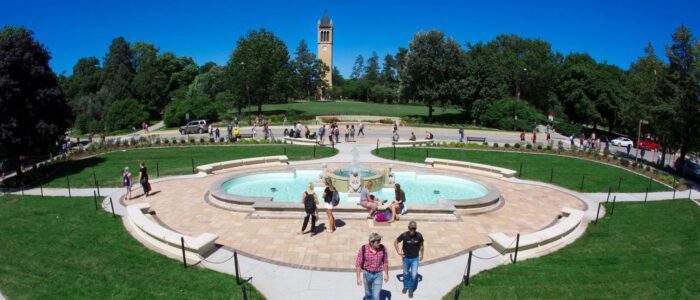
Cornell University
Issue: [11-40]
Category: Electrical, #SmartCampus
Colleagues: Mike Anthony, Jim Harvey
* The education industry has significant square footage this is classified as residential; particularly on the periphery of large research campuses.
Since the advent of scientific management in the late 19th century, investors have remained unpersuaded if not dismissive of human capital measures when determining the cumulative financial value of publicly traded companies. This reluctance stems from a perceived arbitrariness and empirical uncertainty that has attached to the measurement of workforce contributions to organizational value. Past critics of the use of human capital metrics frequently claim these measures are unproven, unserious, and immaterial disclosures that fail to meet the standard of relevant information for investors to consider. Contemporary management and investment experts challenge that reasoning and offer a more expansive and inclusive perspective of what investors need to know to make informed decisions. The publication of ISO 30414:2018 Human resource management* recommends that stakeholders revisit the relevance of human capital measurement in both American and international board rooms, investment banks, regulatory agencies, and security markets. These stakeholders now have the means to explore whether human capital measures can provide faithfully and rigorously derived material information for investors.
The internationalization of the education industry continues at a brisk pace and so do the enterprises that support the primary business of learning, teaching and discovering. Educational campuses, and related university-affiliated medical research and healthcare enterprises, represent one of the largest assets owned and operated by any state.
In a state such as the State of Michigan, for example, with a gross state product of about $500 billion, the value of public real property assets may be on the order of $50 billion*. If taking 2 percent off the cost owning, operating and maintaining those assets every year resulted in a savings of $1 billion million every year simply because conformance to a standard that reduced destructive competition and redundancy is meaningful, then those agencies should pay attention. Alas, they do not, or not yet; a condition we describe in our ABOUT.
There is no reason to believe that internationalization of campus facility management practices cannot be as transformative to an industry as the ISO 9000 catalog of management standards were to, say, to the Michigan automobile industry 50-odd years ago. In other words, the Michigan experience with globalization of its core industry was hastened precisely because of the conformance template that the ISO-9000 suite provided.
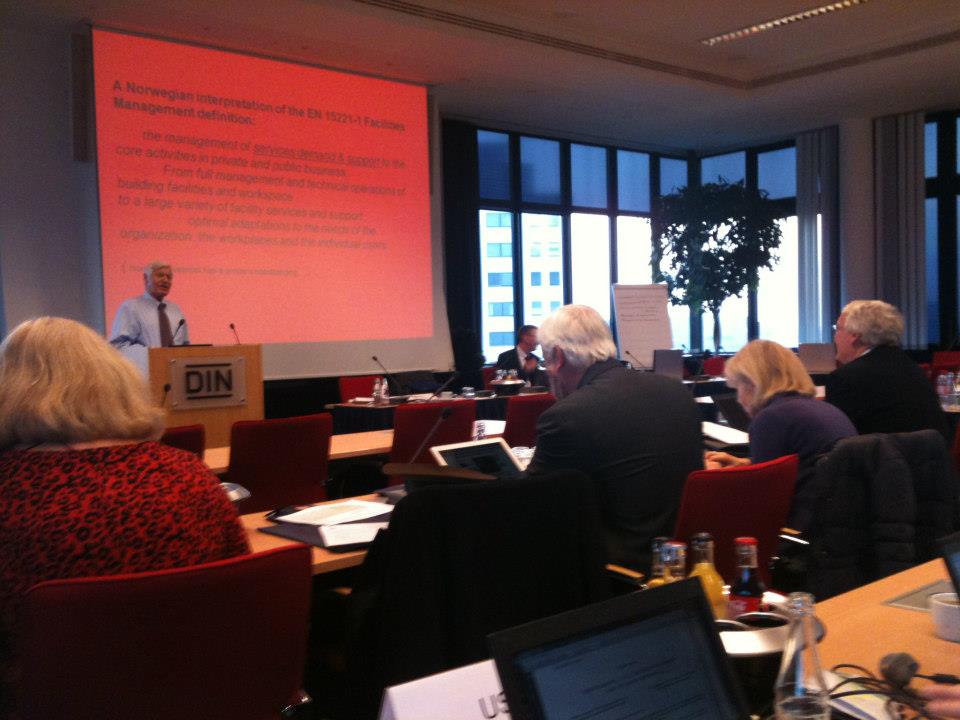
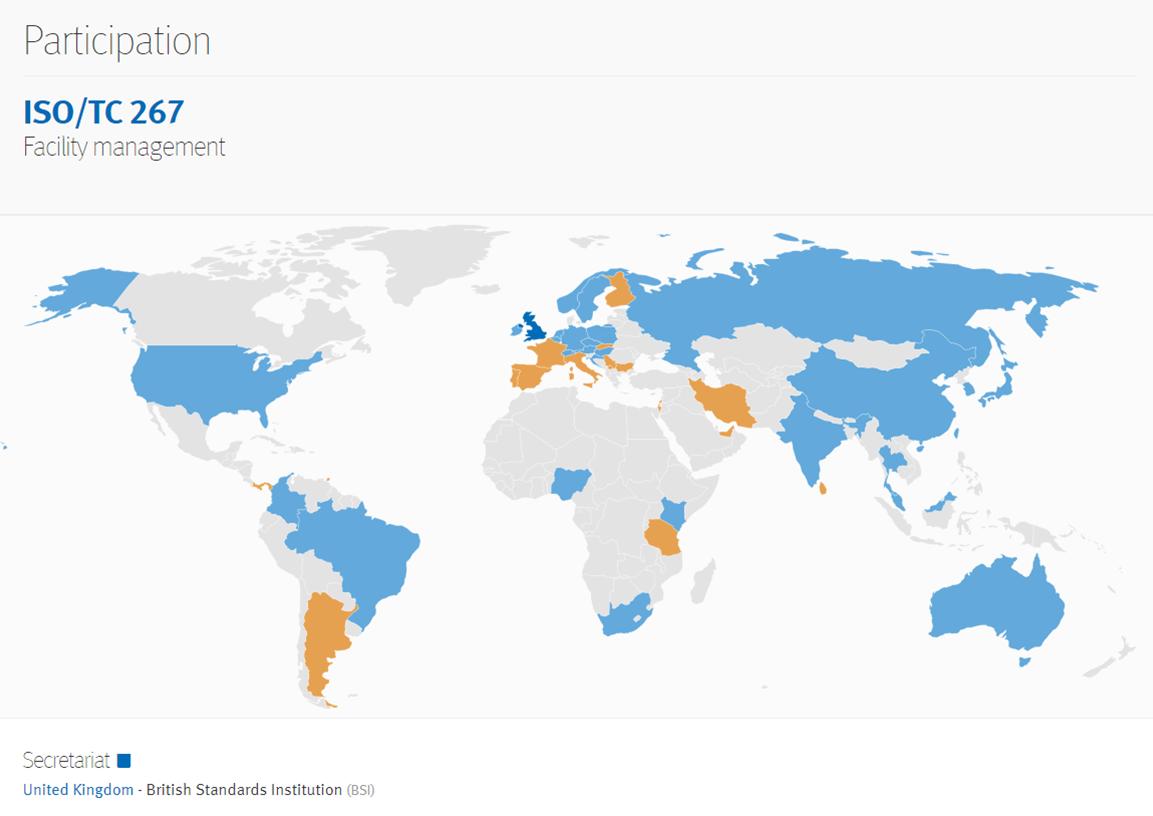
ISO/TC 267 Project Kickoff Meeting | Berlin 2012 | The University of Michigan was the first US university to participate in the launch of this standard and acted as a technical liaison for IFMA.
The business plan for this committee is linked below and provides a high level overview of committee goals and organization:
At the moment ANSI has identified the US TAG Administrator as the International Facility Management Association however direct management of the US delegation is also being supported by ANSI staff. You are encouraged to communicate directly with ANSI’s US Technical Advisory Group leader to TC 267. Contacts at ANSI are Jason Knopes <JKnopes@ansi.org> and Rachel Hawthorne <rhawthorne@ansi.org>.
We place ISO/TC 267 consensus products on each of our monthly Management, and International Standards. See our CALENDAR for next online meetings, open to everyone.
Issue: [11-33]
Category: Facility Asset Management, International
Colleagues: Mike Anthony, Christine Fischer, Jack Janveja, Richard Robben
Because of the robustness of the environmental safety units in academia we place this title in the middle of our stack of priorities. Laboratory safety units are generally very well financed because of the significance of the revenue stream they produce. We place higher priority on standby power systems to the equipment and, in many cases, the subjects (frequently animals)
Chemical laboratory, Paris. 1760
We were advocating #TotalCostofOwnership concepts in this document before our work was interrupted by the October 2016 reorganization (See ABOUT). Some of that work was lost so it may be wise to simply start fresh again, ahead of today’s monthly teleconference on laboratory safety codes and standards. The scope of NFPA 45 Standard on Fire Protection for Laboratories Using Chemicals is very large and articulated so we direct you to its home page.
Suffice to say that the conditions under which NFPA 45 may be applied is present in many schools, colleges and universities — both for instructional as well as academic research purposes. Some areas of interest:
Laboratory Unit Hazard Classification
Laboratory Unit Design and Construction
Laboratory Ventilating Systems and Hood Requirements
Educational and Instructional Laboratory Operations
We find considerable interaction with consensus documents produced by the ICC, ASHRAE and NSF International.
It is noteworthy that there are many user-interest technical committee members on this committee from the State University of New York, the University of Kentucky, West Virginia University, the University of Texas, University of California Berkeley and the University of Texas San Antonio; thereby making it one of only a few ANSI accredited standards with a strong user-interest voice from the education. Most of them are conformance/inspection interest — i.e. less interested in cost reduction — but they are present nonetheless. We pick our battles.
The 2023 revision is in an advanced stage of development and on the agenda of the June 2023 Technical Standards Agenda. It will likely be approved for release to the public later this year.
We always encourage direct participation. You may communicate directly with Sarah Caldwell or Laura Moreno at the National Fire Protection Association, One Batterymarch Park, Quincy, MA 02169-7471 United States. TEL: 1 800 344-3555 (U.S. & Canada); +1 617 770-3000 (International)
This standard is on the standing agenda of our periodic Laboratory standards teleconference. See our CALENDAR for the next online meeting; open to anyone.
Nikola Tesla, with his equipment / Credit: Wellcome Library, London
We collaborate closely with the IEEE Education & Healthcare Facilities Committee which meets 4 times monthly in European and American time zones. Risk managers, electrical safety inspectors, facility managers and others are welcomed to click into those teleconferences also. We expect that concepts and recommendations this paper will find their way into future revisions of US and international electrical safety codes and standards. There is nothing stopping education facility managers from applying the findings immediately.
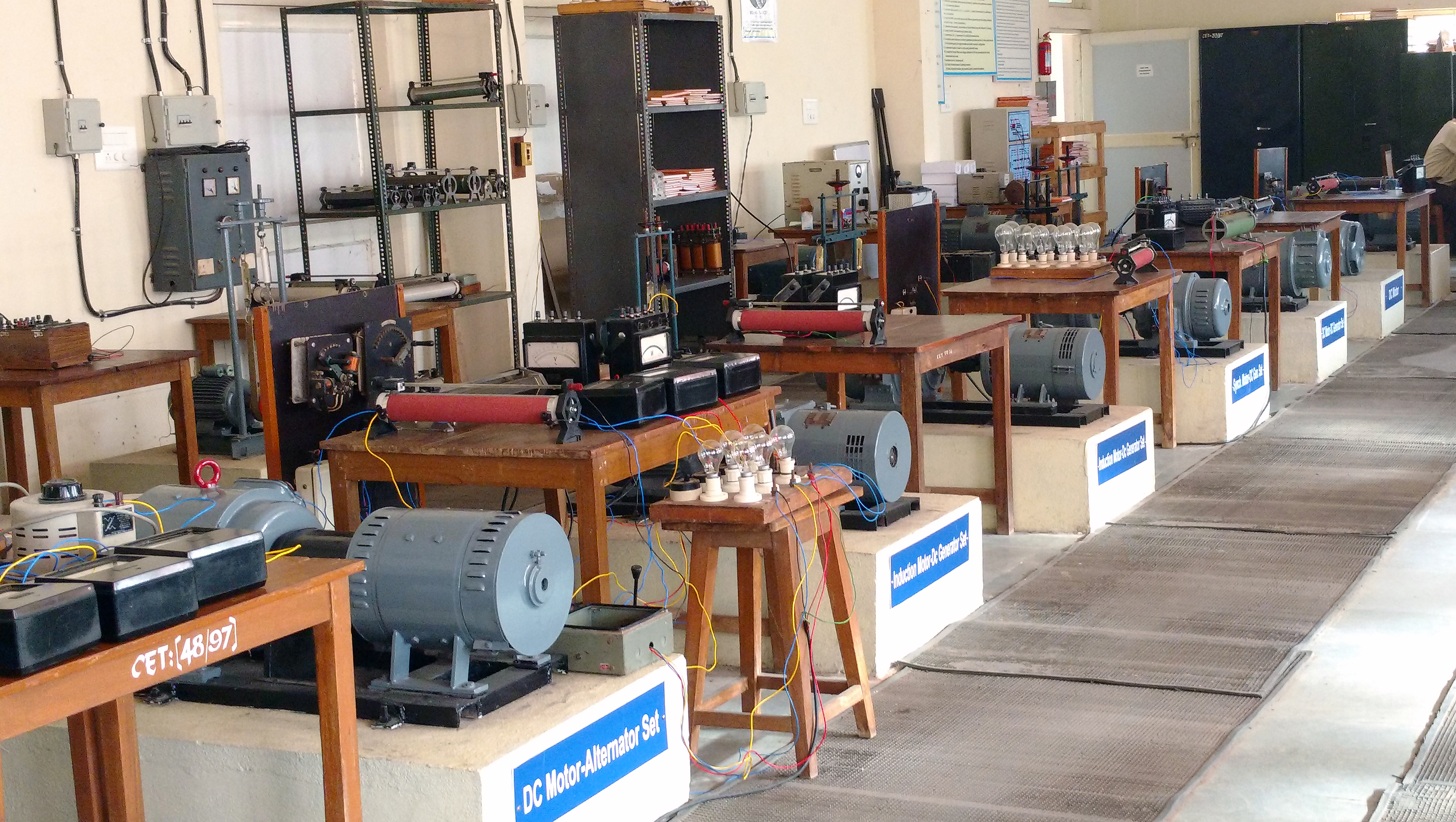
College of Engineering and Technology, Bhubaneswar India
Presented at the 55th IEEE Industrial Applications Society I&CPS Technical Conference | Calgary, Alberta Canada | May 6-9, 2019
Ω
Rodolfo Araneo, University of Rome “La Sapienza” | rodolfo.araneo@ieee.org
Payman Dehghanian, George Washington University | payman@gwu.edu
Massimo Mitolo, Irvine Valley College | mitolo@ieee.org
Abstract. Academic laboratories should be a safe environment in which one can teach, learn, and conduct research. Sharing a common principle, the prevention of potential accidents and imminent injuries is a fundamental goal of laboratory environments. In addition, academic laboratories are attributed the exceptional responsibility to instill in students the culture of the safety, the basis of risk assessment, and of the exemplification of the prudent practice around energized objects. Undergraduate laboratory assignments may normally be framed based upon the repetition of established experiments and procedures, whereas, academic research laboratories may involve new methodologies and/or apparatus, for which the hazards may not be completely known to the faculty and student researchers. Yet, the academic laboratory should be an environment free of electrical hazards for both routine experiments and research endeavors, and faculty should offer practical inputs and safety-driven insights to academic administration to achieve such a paramount objective. In this paper, the authors discuss the challenges to the electrical safety in modern academic laboratories, where users may be exposed to harmful touch voltages.
I. INTRODUCTION
A. Electricity and Human Vulnerabilities
B. Electrical Hazards in Academic Laboratories
II. ELECTRICAL SEPARATION
III. SAFETY IN ACADEMIC LABORATORIES WITH VARIABLE FREQUENCY DRIVES
IV. ELECTRICAL SAFETY IN ACADEMIC LIGHTING LABORATORIES
V. ACADEMIC RESEARCH LABORATORIES
A. Basic Rules of Engagement
B. Unidirectional Impulse Currents
VI. HAZARDS IN LABORATORIES DUE TO ELECTROMAGNETIC FIELD EXPOSURE
VII. WARNING SIGNS AND PSYCHOLOGICAL PERCEPTION OF DANGER
VIII. CONCLUSION
Safety is the most important practice in an academic laboratory as “safety and productivity are on the same team”. Electrical measurement and electrically-powered equipment of various brands and models are common in both teaching and research laboratories, highlighting the need to maintaining them continuously in an electrically-safe status. Annual reports on the occurrence of electrical hazards (i.e. shocks and injuries) in academic laboratory environments primarily discover the (i) lack of knowledge on using the electrical equipment, (ii) careless use of the energized electric facilities, and (iii) faulty electrical equipment or cords. The above does call for the establishment of safety-driven codes, instructions, and trainings for the academic personnel working with or near such devices for teaching, learning, experiments, and research. This paper provided background information on the concept of electrical safety in the academic laboratories, presented the safety challenges of modern academic laboratories, and offered solutions on how enhance the lab environment and research personnel safety awareness to avoid and control electrical hazards.
Issue: [19-129]
Category: Electrical, Facility Asset Management, Fire Safety, International
Colleagues: Mike Anthony, Rodolfo Araneo, Payman Dehghanian, Jim Harvey, Massimo Mitolo, Joe Tedesco
Harvard University Art Museum | In the Sierras, Lake Tahoe | Albert Bierstadt
Best is water
— Pindar 476 B.C.
The American Water Works Association (AWWA) has an extensive catalog that sets the standard of care for water quality and piping systems running through all communities.
We approach them from the point of view of education communities; some with agriculture, vast hospital systems heavily dependent upon a higher level of water quality and district energy plants. Like most every technology in the United States, water issues enliven political discourse. Essential features of water supply — such as backflow protection, separation, piping systems to playground water fountains, etc. — are subordinated to fury over to access and tariff issues. For the moment we steer away from them.
The landing page for the AWWA standardization enterprise is linked below:
The original University of Michigan standards advocacy enterprise engaged in some back-and-forth with the backflow and cross-connection technical committees. It found ambiguity in the language found in AWWA C510-C511-C512 covering reduced pressure zone (RPZ) values that caused some education facility units to over-specify RPZ valves for all facility classes. Many research universities have enterprises that create toxic water waste which must be blocked from entering the municipal water supply. Some of that back-and-forth is recounted in the workspace linked below.
We found that minimum requirements for backflow prevention technology was easier managed at state level plumbing safety administrative boards.
Several AWWA standards are now open for public review; AWWA G430 Security Practices for Operation and Management among them. We point you toward them; though, in the interest of resource conservation, we will follow but not advocate user-interest in this product at the moment. It appears to have stabilized compared with other standards in the water safety domain (though that could change).
Comments due August 9th.
We find AWWA best practice literature heavily referenced in school district, college and university design guidelines and construction contracts. We do a status check of the AWWA suite every month during our Water teleconferences. See our CALENDAR for the next online meeting; open to everyone.
#Backflow Incident: A winery in a small town of Italy, backpressures 1,000 liters of wine into the water supply. The cause, a faulty valve.https://t.co/pFMIUSfwfp
The role of the education industry in the Internet of Things (Iot) zietgeist can be understood in terms of its stakeholder position in each of the three interest categories identified in a document at the foundation of the US standards system; one that bears similarity to due process requirements for technological transformation in other nations*:
Producer. As a provider of basic and applied research in the IoT transformation. Expert faculty is recruited to respond to the demand for networking knowledge.
General Interest: As an educator that trains the workforce to manage connectivity and data exchange in the IoT transformation.
User: As a consumer of the products and systems that depend upon connectivity and data exchange in the embedded technologies of the #SmartCampus. (The weakest of all stakeholders in the global standards system and where StandardsMichigan places its resources)
These organizations provide a template for the development of IoT strategy for every member nation, for every industry; including the education industry. No government regulations in any nation or any industry will be crafted without the foundation they assemble
In prospect IoT still seems a gauzy, abstract conception for the #SmartCampus but in retrospect we already see it in power-over-ethernet lighting systems, for example (CLICK HERE). We see it in micro-transportation, campus security surveillance systems, massive open online curriculum and the like. We collaborate most closely with the IEEE Education & Healthcare Facilities Committee (IEEE E&H) to develop opportunities to lower #TotalCostofOwnership as this transformation gathers pace. As always, we hunt down cost-saving opportunities that appear on building construction bid tabs and per-square-foot operation and maintenance costs.
This standard defines an architectural framework for the Internet of Things (IoT), including descriptions of various IoT domains, definitions of IoT domain abstractions, and identification of commonalities between different IoT domains. The architectural framework for IoT provides a reference model that defines relationships among various IoT verticals (e.g., transportation, healthcare, etc.) and common architecture elements. It also provides a blueprint for data abstraction and the quality “quadruple” trust that includes protection, security, privacy, and safety.” Furthermore, this standard provides a reference architecture that builds upon the reference model. The reference architecture covers the definition of basic architectural building blocks and their ability to be integrated into multi-tiered systems. The reference architecture also addresses how to document and, if strived for, mitigate architecture divergence. This standard leverages existing applicable standards and identifies planned or ongoing projects with a similar or overlapping scope.
This project was launched in 2015 but has been revised by the IEEE Standards Association this month and has been posted for public comment. It will be referred to the IEEE E&H Committee hosted every other week in Europe and the Americas. Those teleconferences — one at 15:00 Central European Time and 3:00 PM Eastern time in the Americas, are open to anyone. CLICK HERE for login credentials. Of course, we are happy to discuss IoT in general terms any day at 11 AM Eastern time during our standing daily teleconferences. Use the login credentials at the upper right of our home page.
Issue: [16-118]
Category: Administration & Management, Electrical, Information and Communications Technology, Facility Asset Management, Information, International, Telecommunications, US Department of Energy
Colleagues: Mike Anthony, Jim Harvey, Kane Howard, Chad Jones
New update alert! The 2022 update to the Trademark Assignment Dataset is now available online. Find 1.29 million trademark assignments, involving 2.28 million unique trademark properties issued by the USPTO between March 1952 and January 2023: https://t.co/njrDAbSpwBpic.twitter.com/GkAXrHoQ9T