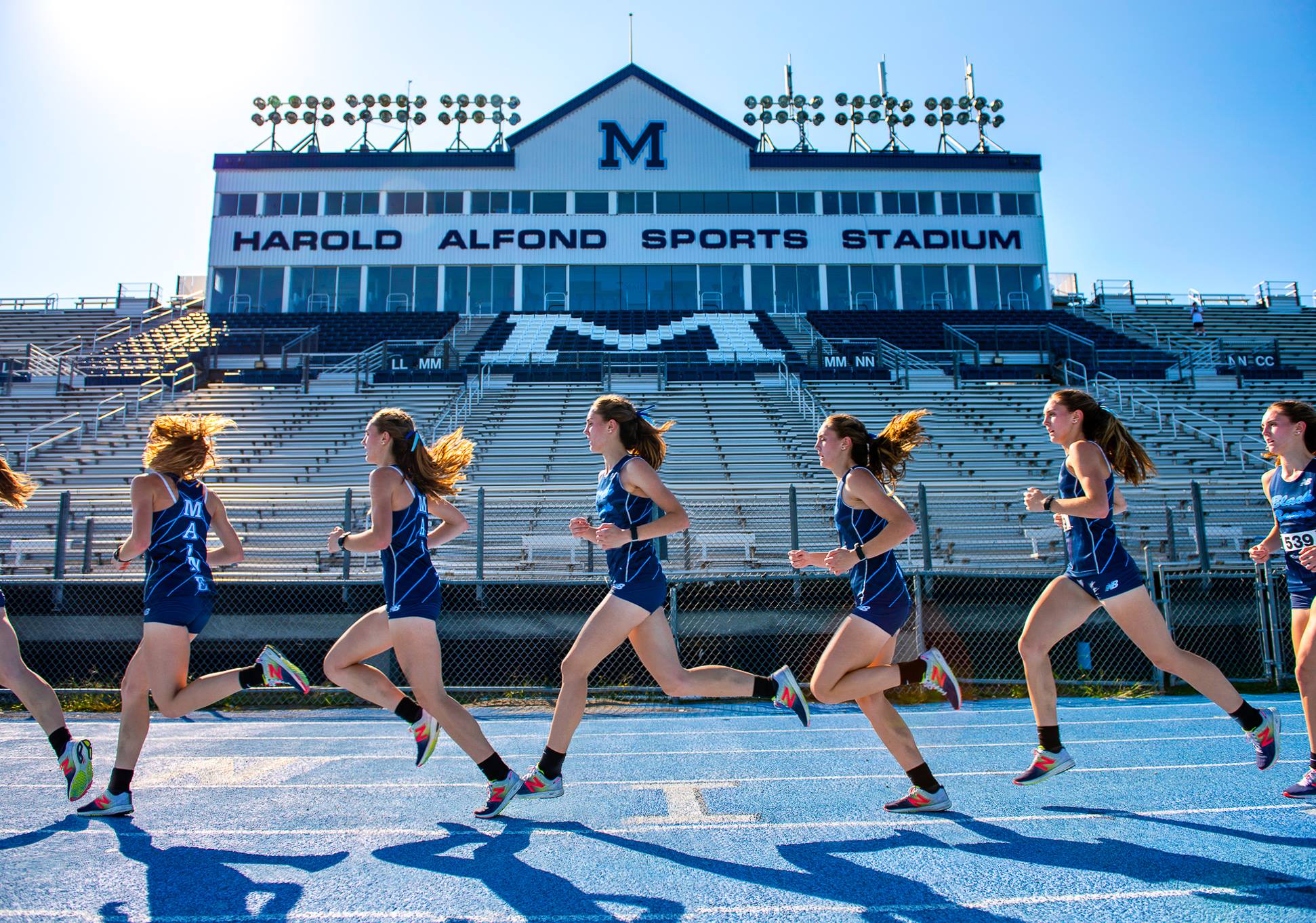
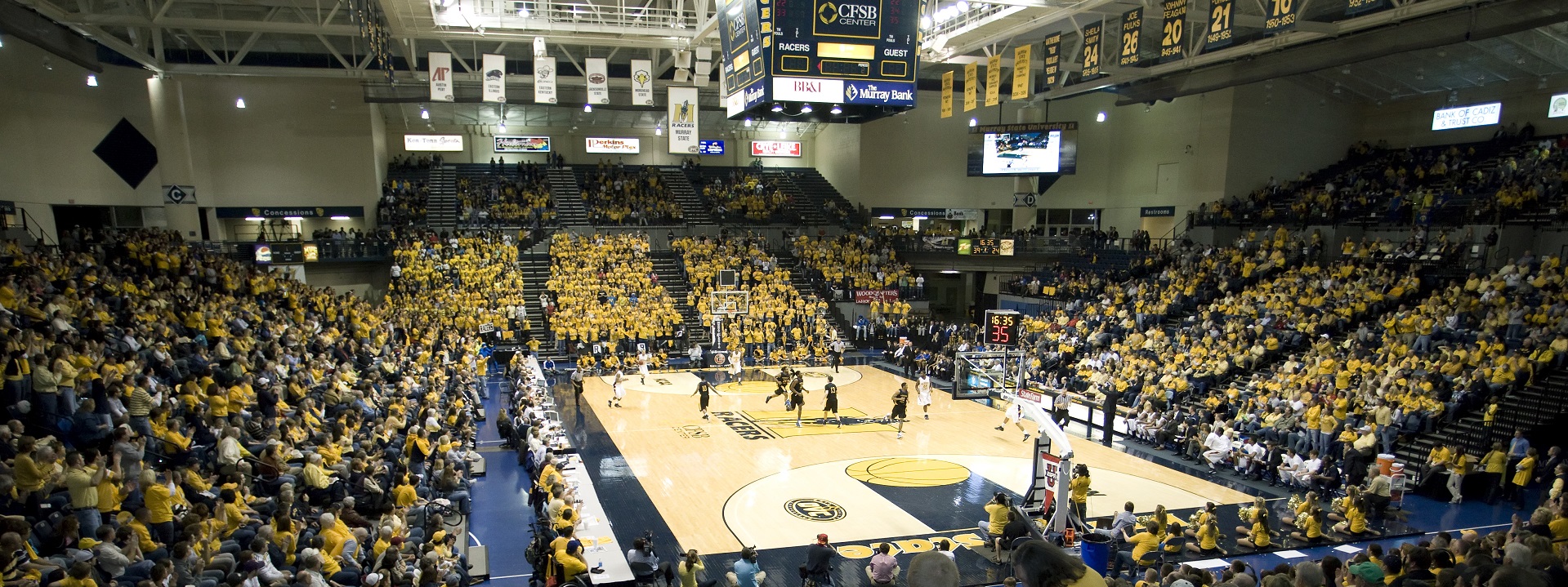
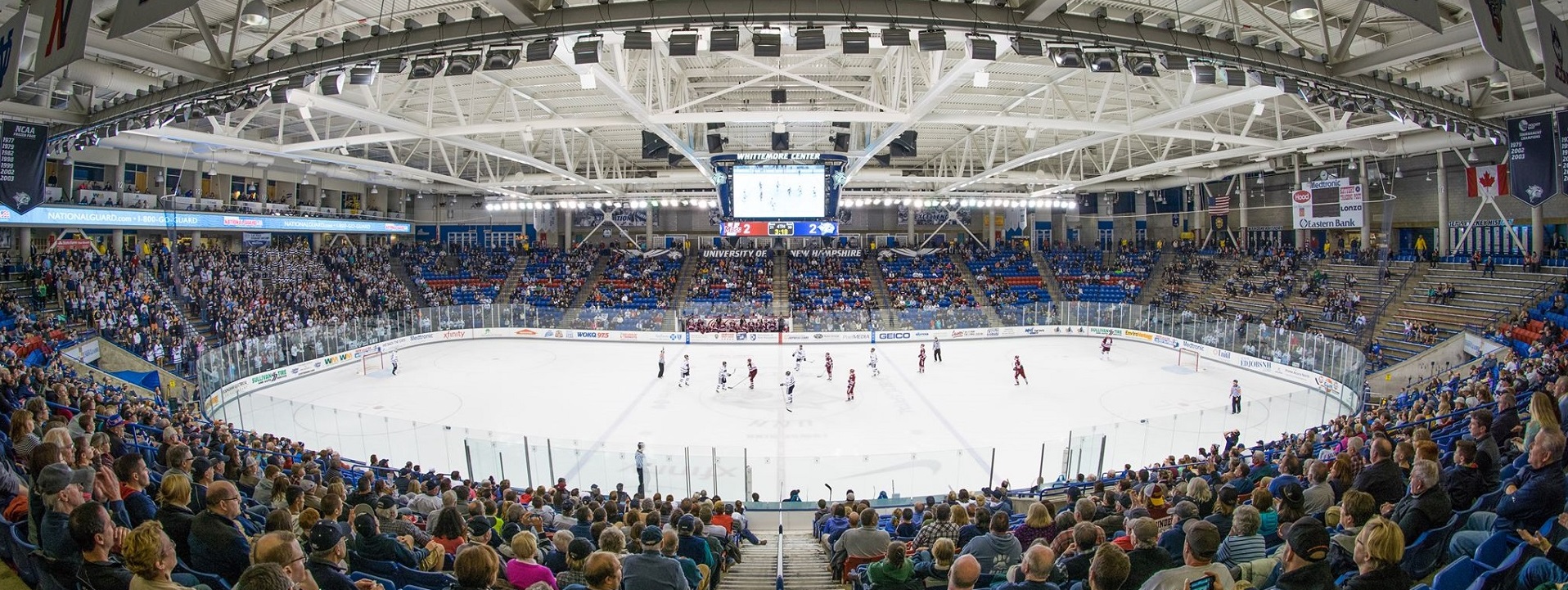
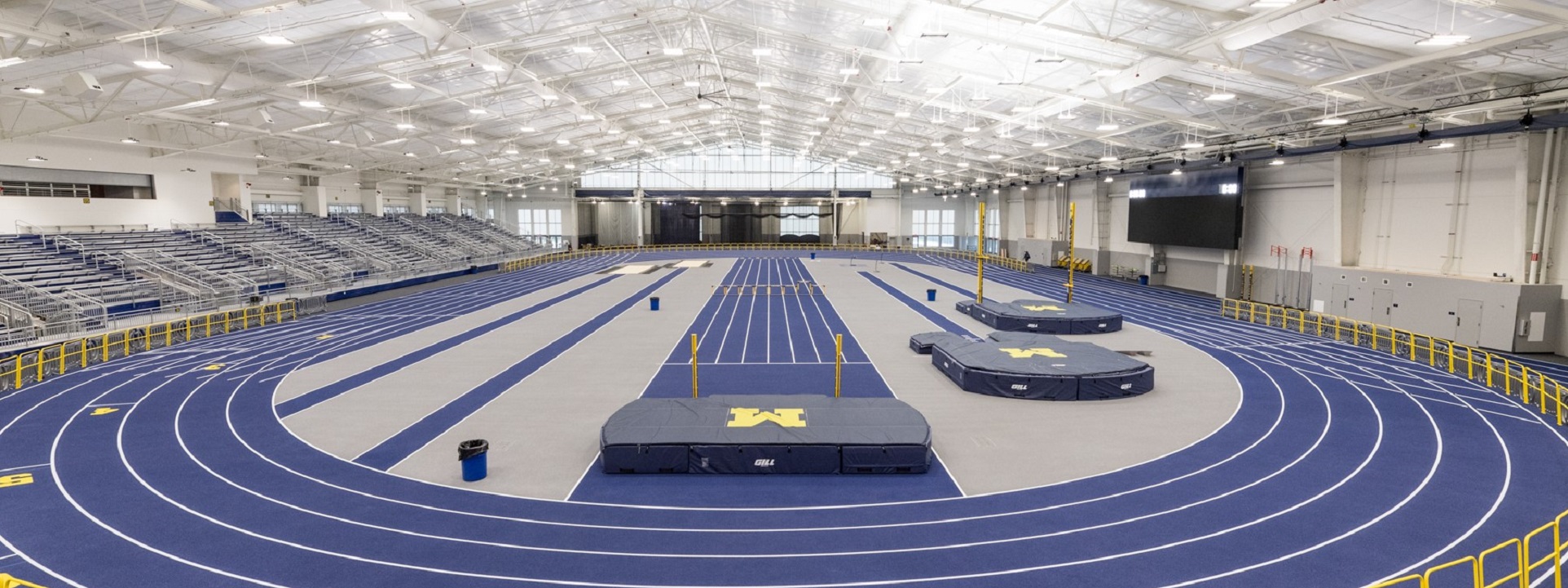
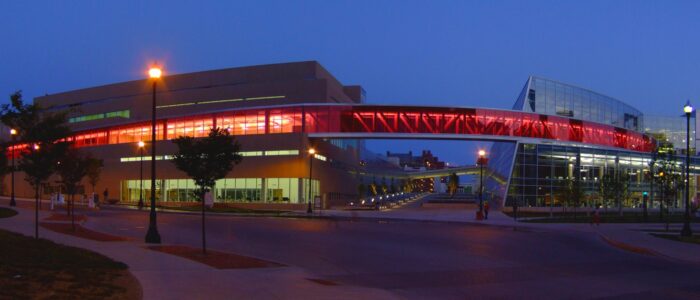
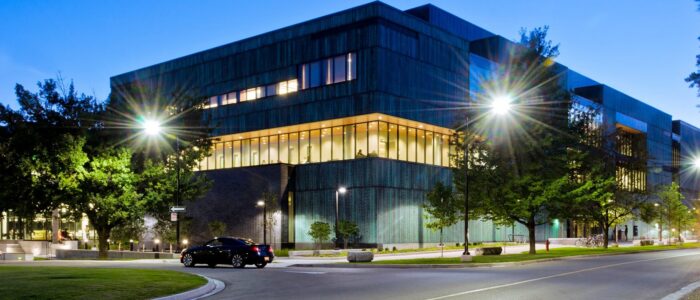
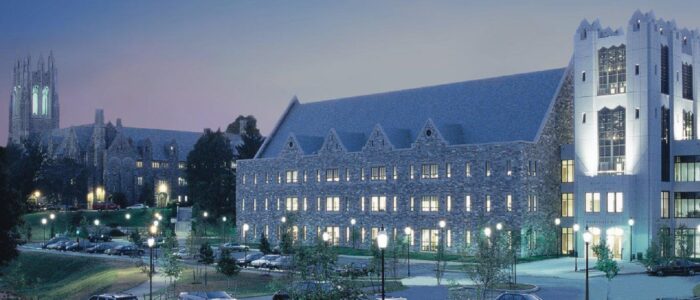
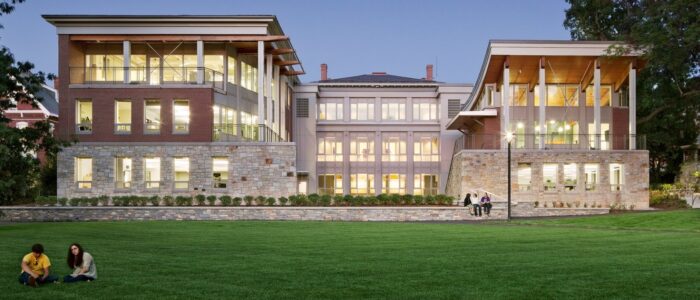
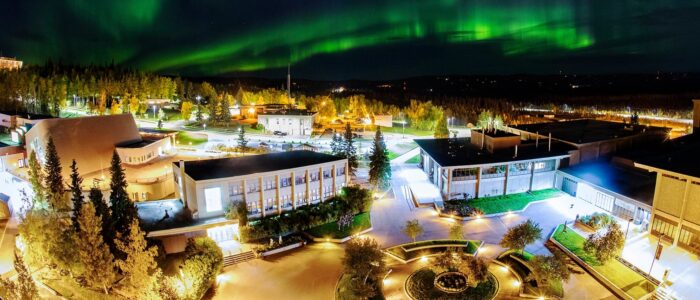
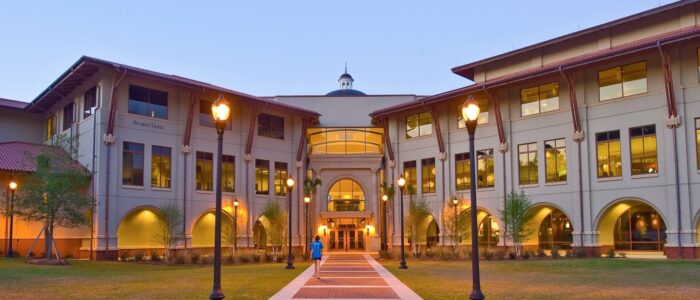
Sport programs, facilities and equipment support one of the most visible and emotionally engaging enterprises in the education communities. These programs are central to the brand identity of the community and last, but not least, physical activity keeps our young people healthy in body and mind.
ASTM International is one of the first names among the 300-odd ANSI accredited standards setting organizations whose due processes discover and promulgate the standard of care for the design, construction, operations and maintenance of the facilities that support these enterprises. The parent committee is linked below:
While ASTM bibliography is largely product-oriented, there are many titles that set the standard of care for sport enterprises and the accessories to these enterprises. To identify a few:
When the General Requirements of an athletic facility construction project indicates: “Conform to all applicable standards” then, in the case of an sport facility, the ASTM title is likely the document that defines the standard of care from a product standpoint. Interoperability of the products in a sport setting are quite another matter.
The ASTM standards development process depends heavily on face-to-face meetings — typically two times per year – in different parts of the United States. The benefit of this arrangement lies in the quality of discussion among subject matter experts that results produced from face-to-face discussion. The price to pay for this quality, however, lies in the cost of attendance for the user-interest in the education industry. Relatively few subject matter experts directly employed by a school district, college or university who are charged with lowering #TotalCostofOwnership can attend the meetings. Many of the subject matter experts who are in attendance at the ASTM meetings from the education industry tend to be faculty who are retained by manufacturers, insurance, testing laboratories, conformity and compliance interests. (See our discussion of Incumbent Interests)
That much said, ASTM welcomes subject matter experts on its technical committees (Click here) We encourage participation by end users from the education industry — many of them in the middle of athletic facility management organization charts. The parent committee meets twice a year; after which we usually find public review redlines developed during those meetings to hit our radar. The link to the schedule of face-to-face meetings appears below:
Note that the August 2020 cancelled but the November 2020 meeting still appears on the schedule. It is likely that much of the committee work will be done online.
We are required to review draft ASTM consensus products with some care — owing to copyright restrictions — so we do it interactively online during teleconferences devoted to Sport. See our CALENDAR for the next online meeting; open to everyone.
Today at 15:00 UTC we will review the latest in best practice literature for air conditioning systems. Note that we have broken out this topic from the standing Mechanical colloquia. Our approach features interoperability and system considerations. Catalogs on the agenda:
The American Society of Heating, Refrigerating, and Air Conditioning Engineers (ASHRAE) is an ANSI-accredited continuous-maintenance standards developer (a major contributor to what we call a regulatory product development “stream”). Continuous maintenance means that changes to its consensus products can change in as little as 30 days so it is wise to keep pace.
Among the leading titles in its catalog is ASHRAE 90.1 Energy Standard for Sites and Buildings Except Low-Rise Residential Buildings. Standard 90.1 has been a benchmark for commercial building energy codes in the United States and a key basis for codes and standards around the world for more than 35 years. Free access to ASHRAE 90.1 version is available at the link below:
Redlines are released at a fairly brisk pace — with 30 to 45 day consultation periods. A related title — ASHRAE 189.1 Standard for the Design of High Performance Green Buildings — first published in 2009 and far more prescriptive in its scope heavily references parent title 90.1 so we usually them as a pair because 189.1 makes a market for green building conformance enterprises. Note the “extreme prescriptiveness” (our term of art) in 189.1 which has the practical effect of legislating engineering judgement, in our view.
Education estate managers, energy conservation workgroups, sustainability officers, electric shop foreman, electricians and front-line maintenance professionals who change lighting fixtures, maintain environmental air systems are encouraged to participate directly in the ASHRAE consensus standard development process.
We also maintain ASHRAE best practice titles as standing items on our Mechanical, Water, Energy and Illumination colloquia. See our CALENDAR for the next online meeting; open to everyone.
Issue: [Various]
Category: Mechanical, Electrical, Energy Conservation, Facility Asset Management, US Department of Energy, #SmartCampus
Colleagues: Mike Anthony, Larry Spielvogel, Richard Robben
* Many standards-developing organizations aim to broaden their influence by entering the product standard and certification domain. Although our primary focus is on interoperability standards (within a system of interoperable products), we also consider market dynamics when product performance specifications are incorporated by reference into public law.
To paraphrase Marc Andreessen: “Building standards are eating the world and ASHRAE is eating building standards” (– Mike Anthony, University of Michigan). Just when you thought ASHRAE’s claim to energy regulation could not get any larger, it has recently appropriated everything *between* buildings in its scope — that means all above-ground pathway lighting, steam, hot water communication cabling tunnels, water pumps, fire protections systems; among others.
We are observers in the development of a new ANSI accredited electronic equipment recycling standard produced with the leadership of NSF International; a Michigan-based standards developer (founded at the University of Michigan) not far from our own offices and one of the largest in the world.
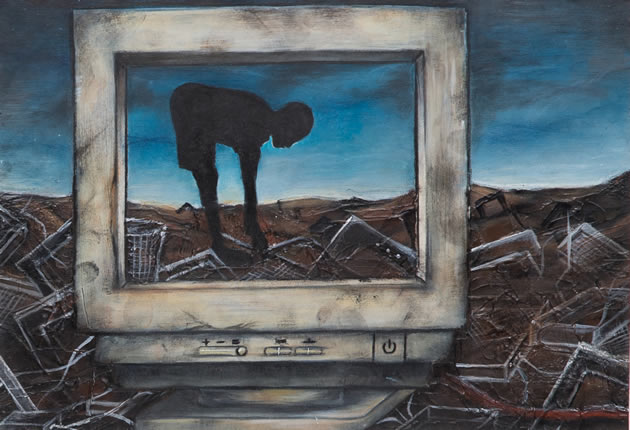
The electronic recycling space is growing quickly — reaching far upstream the value chain into how electronic equipment is designed in the first place. An overview of the project is available in the link below:
This standard moved swiftly to market under NSF International’s continuous maintenance process. We bring it to the attention of the education facilities industry as a recommendation for lowering #TotalCostofOwnership. Participation as a User interest in American national standards development reduces “wheel reinvention” in which many recycling workgroups unnecessarily start from scratch, eliminates the need to attend costly workshops hosted by trade associations and significantly minimizes destructive competition.
This title is on the standing agenda of our Redivivus colloquium. Since our interest lies primarily with electrotechnology we collaborate with the IEEE Standards Association. See our CALENDAR for the next online meeting; open to everyone.
In stabilized standards, it is more cost effective to run the changes through ANSI rather than a collaborative workspace that requires administration and software licensing cost. Accordingly, redlines for changes, and calls for stakeholder participation are released in ANSI’s Standards Portal:
Send your comments to Dave Panning. (See Dave’s presentation to the University of Michigan in the video linked below.
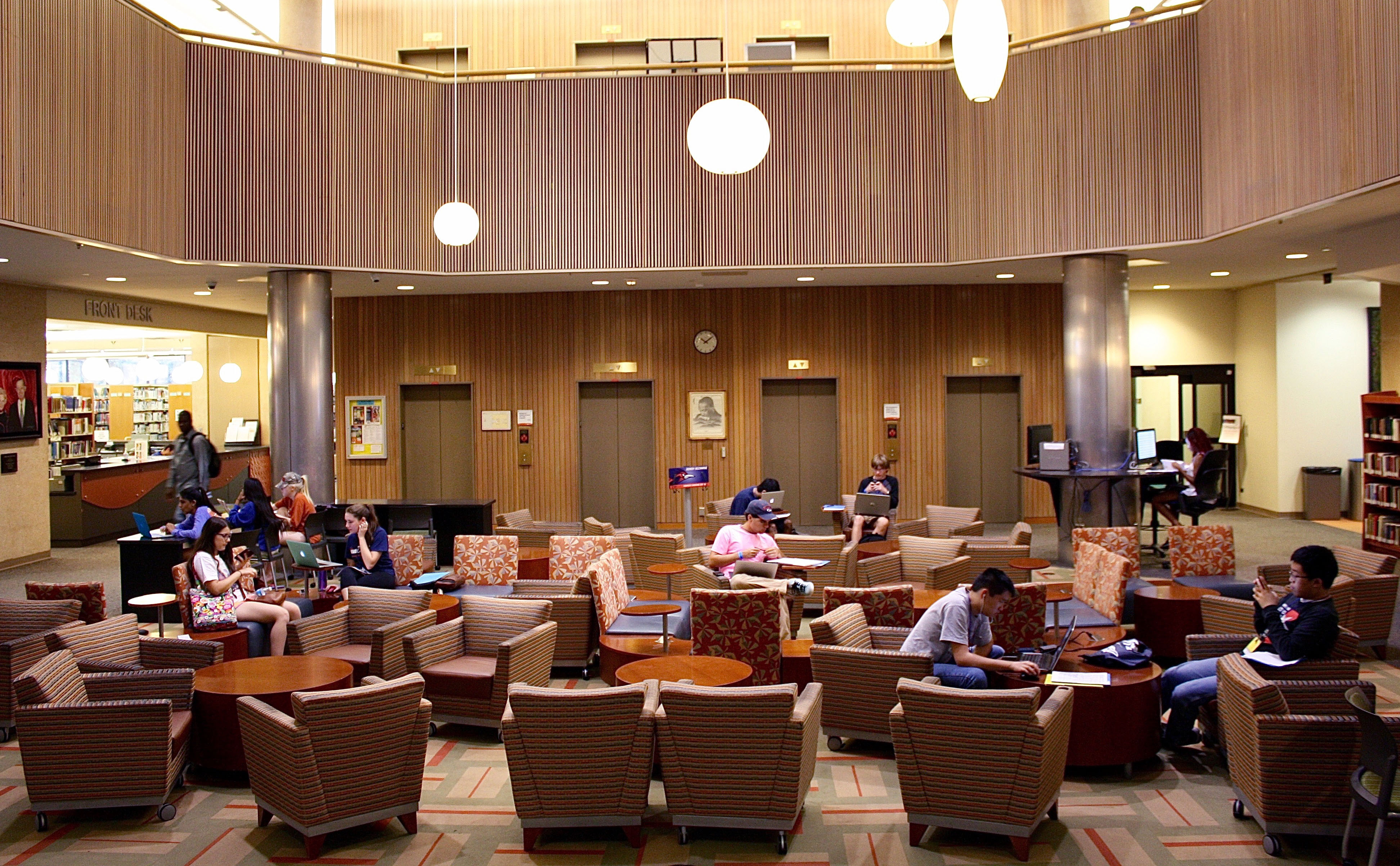
John Peace Laptop Library Lounge | University of Texas, San Antonio
We find a great deal of interest in sustainable furniture climbing up the value chain and dwelling on material selection and manufacture. We encourage end-users in the education industry — specifiers, department facility managers, interior design consultants, housekeeping staff and even occupants — to participate in BIFMA standards setting. You may obtain an electronic copies for in-process standards from David Panning, (616) 285-3963, dpanning@bifma.org You are encouraged to send comments directly to BIFMA (with copy to psa@ansi.org). David explains its emergent standard for furniture designed for use in healthcare settings in the videorecording linked below:
Issue: [15-267]
Contacts:Mike Anthony, Christine Fischer, Jack Janveja, Dave Panning
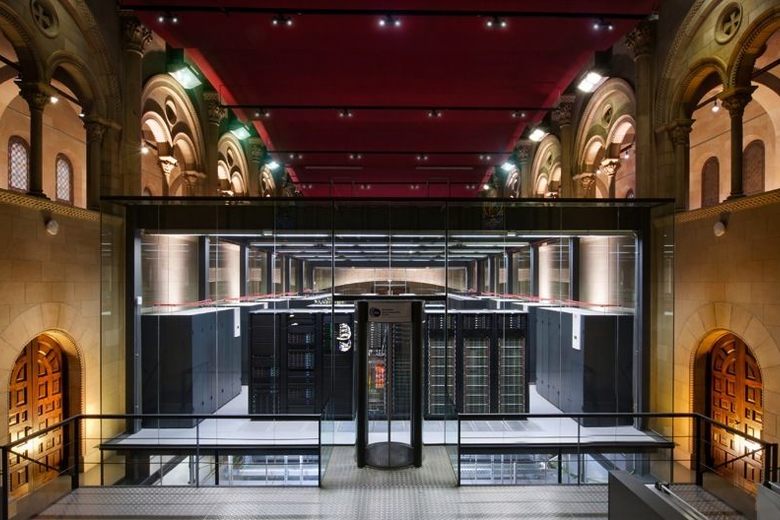
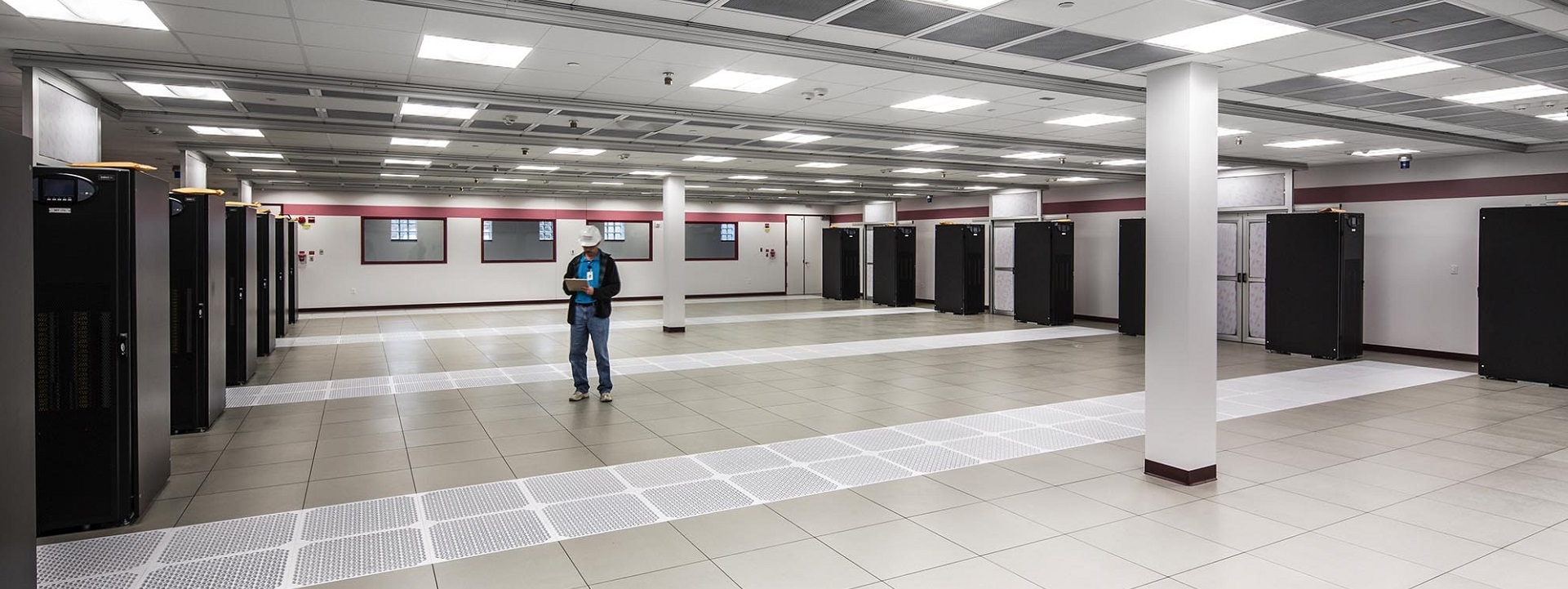
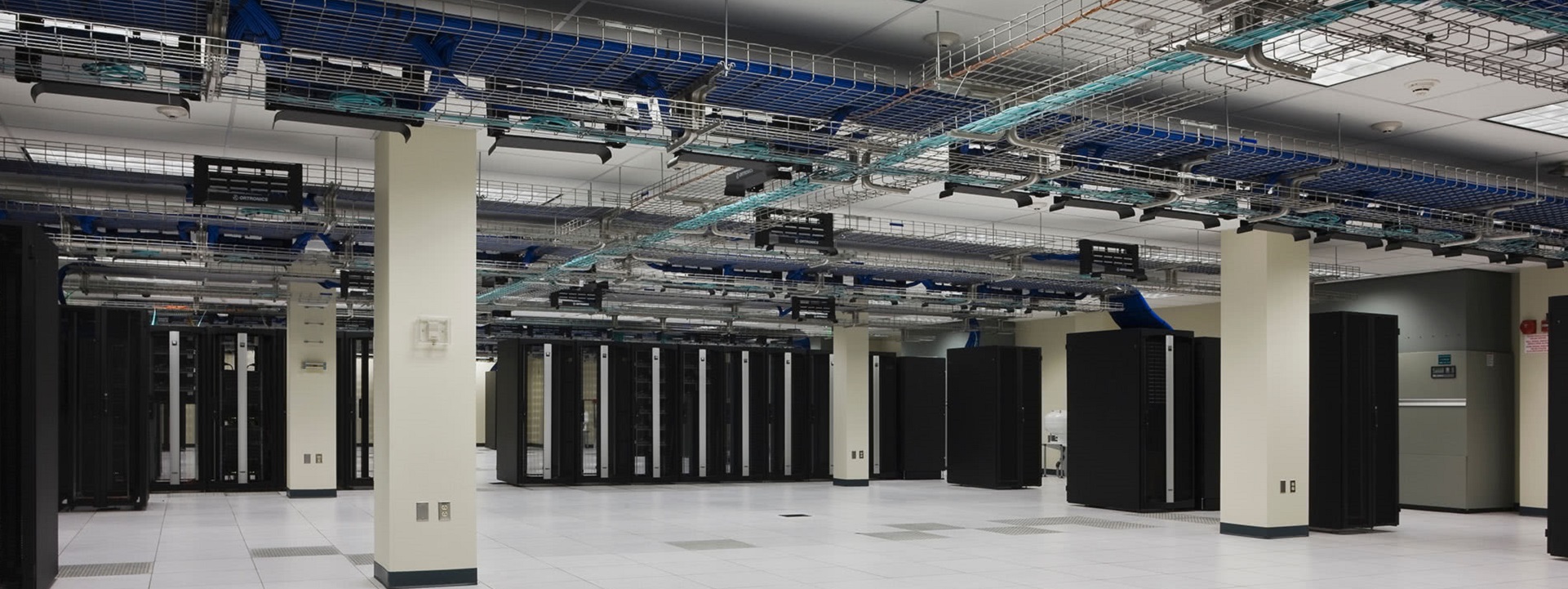
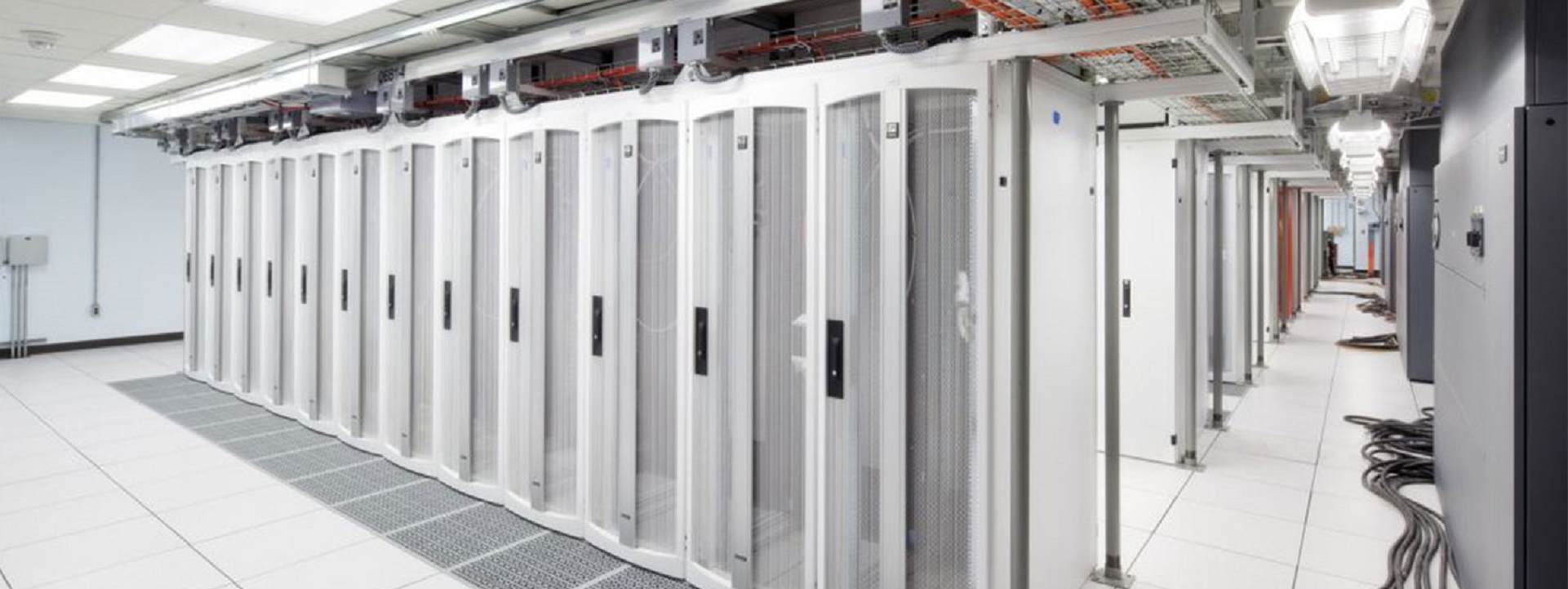
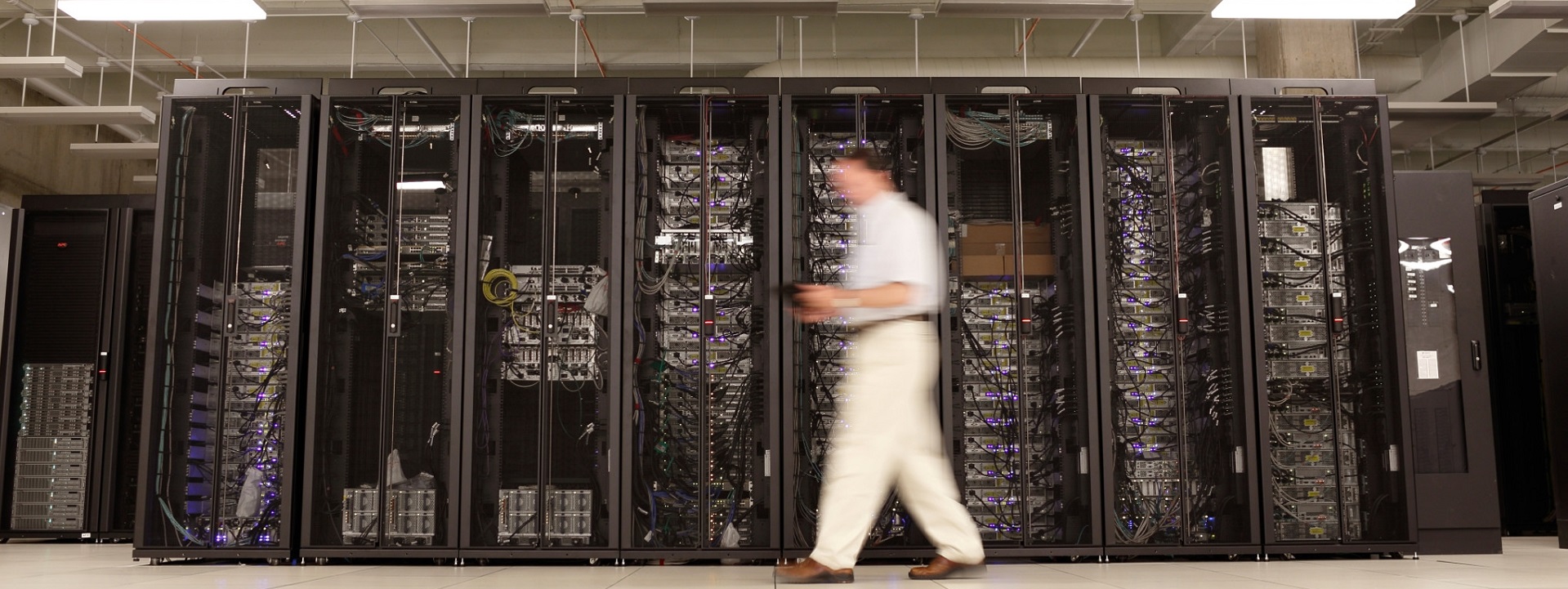
The fourth edition of ASHRAE Standard 90.4 was published in late 2025 (superseding the 2022 edition) and it provides leading practice for smaller enterprise level data centers as well as hyperscale campuses.
Key Highlights of the 2025 Edition
Establishes minimum energy efficiency requirements for the design, construction, operation, and maintenance of data centers.
Expanded sustainability scope: Goes beyond pure energy efficiency to explicitly include greenhouse gas emissions, water use, and broader resource impacts.
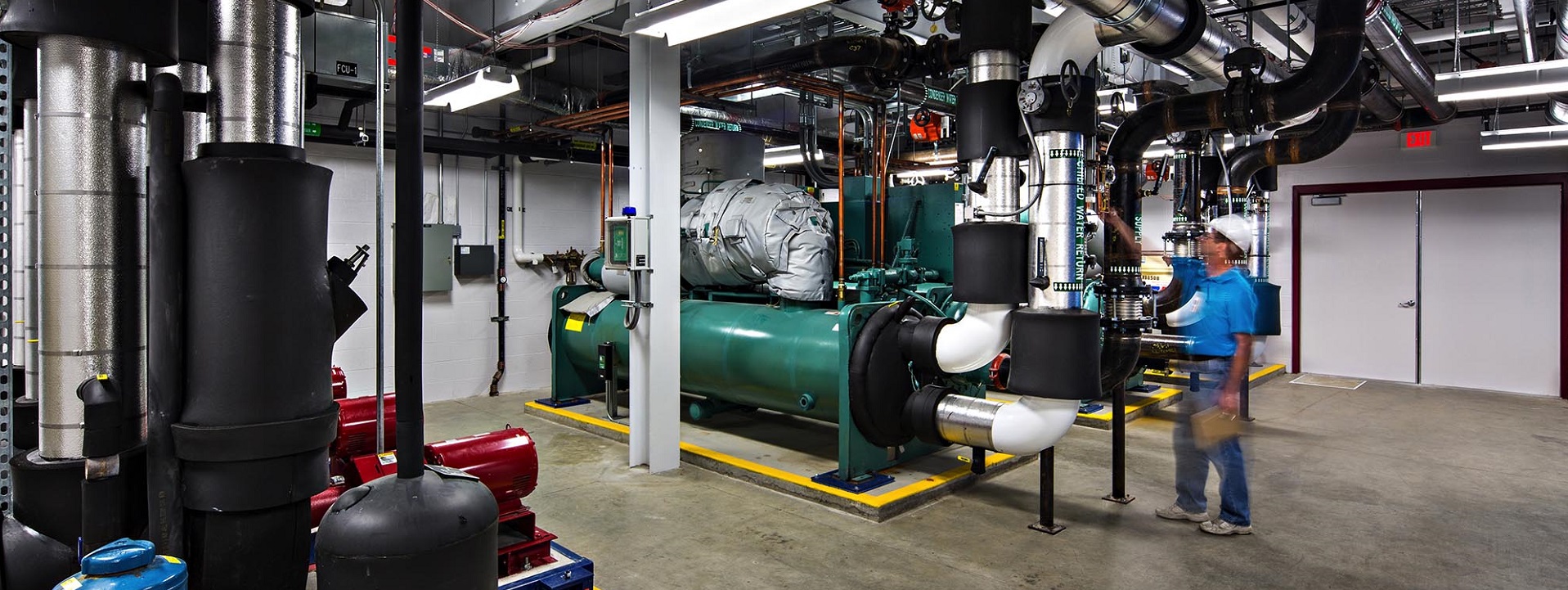
Maintains the performance-based approach using metrics like the Mechanical Load Component (MLC) and Electrical Loss Component (ELC), with refinements to make requirements more stringent.
Applies primarily to data centers with power density >20 W/ft² and IT loads >10 kW. It references ASHRAE 90.1 for non-data-center elements (envelope, lighting, etc.).
This marks a clear evolution toward decarbonization and resource efficiency, especially important for AI-driven hyperscale data centers.
Recent Developments (2025–2026)
Addendum b to the 2022 edition was approved in September 2025, providing clarifications for phased or modular data center designs.
The 2024 IECC now references ASHRAE 90.4-2022 (Sections 6 and 8) as a compliance path for data centers.
ASHRAE continues to advocate for wider adoption of 90.4 in state and local energy codes.
The Standing Standard Project Committee (SSPC 90.4) remains active with working groups on mechanical, electrical, ESG, and marketing aspects.
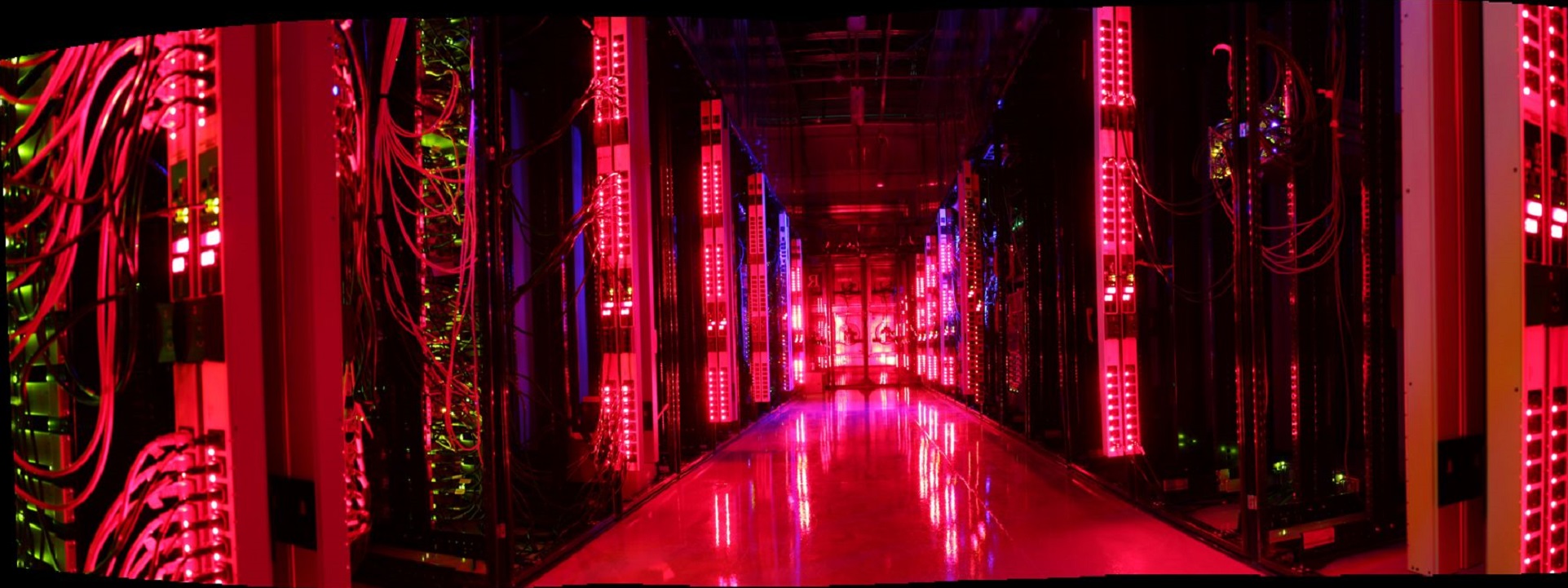
Data centers are among the fastest-growing energy consumers globally due to AI, cloud computing, and digital infrastructure. ASHRAE 90.4 was created because traditional building codes do not adequately address their unique high-density, mission-critical nature.
The 2025 edition’s inclusion of emissions and water use reflects increasing industry and regulatory pressure on data center environmental footprints.
This title establishes minimum energy efficiency requirements for data centers; a permanent fixture in all education communities now undergoing a virtual +∞ asymptotic spike in generative intelligence transformation in ℝ³. At the moment this title is stable but can be revised in 30-90 day consultation cycles which will make it the dominant standard compared with IEEE and NFPA titles which move on a 3 to 5 year revision cadence.
ASHRAE 90.4 defines an alternate compliance path, specific to data centers, while the compliance requirements for “non-data center” components are contained in ASHRAE 90.1 . The 90.4 structure also streamlines the ongoing maintenance process as well ensures that Standards 90.1 and 90.4 stay in their respective lanes to avoid any overlap and redundancies relating to the technical and administrative boundaries. Updates to ASHRAE 90.1 will still include the alternate compliance path defined in ASHRAE 90.4. Conversely the 2022 Edition of 90.4-2022 refers to ASHRAE 90.1-2022; cross-referencing one another synchronously
Links to noteworthy coverage from expert agencies on the 2022 revisions:
This title resides on the standing agenda of our Infotech 400 colloquium; hosted several times per year and as close coupled with the annual meetings of ASHRAE International as possible. Technical committees generally meet during these meetings make decisions about the ASHRAE catalog. The next all committee conference will be hostedJanuary 20-24, 2024 in Chicago. As always we encourage education industry facility managers, energy conservation workgroups and sustainability professionals to participate directly in the ASHRAE consensus standard development process. It is one of the better facilities out there.
Proposed Addendum g makes changes to definitions were modified in section 3 and mandatory language in Section 6 to support the regulation of process heat and process ventilation was moved in the section for clarity. Other changes are added based on comments from the first public review including changes to informative notes.
Consultation closes June 4th
Update: February 10, 2023
The most actively managed consensus standard for data center energy supply operating in education communities (and most others) is not published by the IEEE but rather by ASHRAE International — ASHRAE 90.4 Energy Standard for Data Centers (2019). It is not required to be a free access title although anyone may participate in its development. It is copyrighted and ready for purchase but, for our purpose here, we need only examine its scope and purpose. A superceded version of 90.4 is available in the link below:
It is likely that the technical committee charged with updating this standard are already at work preparing an updated version that will supercede the 2019 Edition. CLICK HERE for a listing of Project Committee Interim Meetings.
We maintain many titles from the ASHRAE catalog on the standing agenda of our Mechanical, Energy 200/400, Data and Cloud teleconferences. See our CALENDAR for the next online meeting; open to everyone.
Originally posted Summer 2020.
ASHRAE International has released four new addenda to its energy conservation consensus document ASHRAE 90.4-2016 Energy Standard for Data Centers. This document establishes the minimum energy efficiency requirements of data centers for design and construction, for the creation of a plan for operation and maintenance and for utilization of on-site or off-site renewable energy resources.
It is a relatively new document more fully explained in an article published by ASHRAE in 2016 (Click here). The addenda described briefly:
Addendum a – clarifies existing requirements in Section 6.5 as well as introduce new provisions to encourage heat recovery within data centers.
Addendum b – clarifies existing requirements in Sections 6 and 11 and to provide guidance for taking credit for renewable energy systems.
Addendum d – a response to a Request for Interpretation on the 90.4 consideration of DieselRotary UPS Systems (DRUPS) and the corresponding accounting of these systems in the Electrical Loss Component (ELC). In crafting the IC, the committee also identified several marginal changes to 90.4 definitions and passages in Section 8 that would add further clarity to the issue. This addendum contains the proposed changes for that aim as well as other minor changes to correct spelling or text errors, incorporate the latest ELC values into Section 11, and to refresh information in the Normative Reference.
Addendum e adds language to Section 11 intended to clarify how compliance with Standard 90.4 can be achieved through the use of shared systems.
Comments are due September 6th. Until this deadline you may review the changes and comment upon them by by CLICKING HERE
Education facility managers, energy conservation workgroups and sustainability professionals are encouraged to participate directly in the ASHRAE standard development process. Start at ASHRAE’s public commenting facility:
The ASHRAE catalog is a priority title in our practice. This title appears on the standing agenda of our Infotech sessions. See our CALENDAR for the next online meeting; open to everyone.
“One of the Family” 1880 | Frederick George Cotman
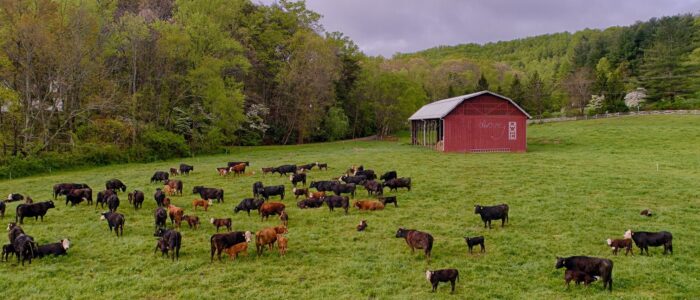
NFPA 150 Fire and Life Safety in Animal Housing Facilities Code has entered its s025 revision cycle. Many education communities are responsible for animal safety in academic units, research enterprises. museums and even — as in the United Kingdom — large farm animals that wander freely on campus with students, faculty and staff. The number of colleges and universities that permit students to live with their pets has expanded; and with it the responsibilities of university administration.
From the document scope:
This standard shall provide the minimum requirements for the design, construction, fire protection, and classification of animal housing facilities. The requirements of NFPA 150 recognize the following fundamental principles:
(1) Animals are sentient beings with a value greater than that of simple property.
(2) Animals, both domesticated and feral, lack the ability of self-preservation when housed in buildings and other structures.
(3) Current building, fire, and life safety codes do not address the life safety of the animal occupants. The requirements found in NFPA 150 are written with the intention that animal housing facilities will continue to be designed, constructed, and maintained in accordance with the applicable building, fire, and life safety codes.
The requirements herein are not intended to replace or rewrite the basic requirements for the human occupants. Instead, NFPA 150 provides additional minimum requirements for the protection of the animal occupants and the human occupants who interact with those animals in these facilities.
A full description of the project is linked below:
We provide the transcript of the back-and-forth on the current 2022 edition to inform how education communities can contribute to the improvement of this title; a subject that stirs deep feelings about animal safety in research enterprises.
Public comment on the Second Draft of the 2025 Edition will be received until March 27, 2024.
We have been advocating risk-informed animal safety concepts in this document since the 2013 Edition and have found that it is nearly impossible to overestimate the sensitivity of educational communities to the life safety of animals — either for agriculture or medical research.
We maintain the entire NFPA catalog on the standing agenda of our Prometheus colloquia. See our CALENDAR for the next online meeting; open to everyone.
Category: Fire Protection, Facility Asset Management, Academic, Risk Management
Colleagues: Mike Anthony, Josh Elvove, Joe DeRosier
More:
”Create in me a pure heart, O God, and renew a steadfast spirit within me.„ Psalms 51:10
Have a blessed Sunday all who feed humanity! #dairy#beef … pic.twitter.com/BG68A4Sn5h
The mission of the National Floor Safety Institute (NFSI) is to aid in the prevention of slips, trips-and-falls through education, research, and standards development. NFSI provides a wide range of services including independent product testing and certification, educational training, and standards development. Its consensus product library is linked below:
At the moment the 2012 edition linked above appears to be the current version. User-interests in the education facility industry — custodial mangers and staff, for example –are encouraged to communicate directly with Russell Kendzior at NFSI, P.O. Box 92607, Southlake, TX 76092, (817) 749-1700, russk@nfsi.org.
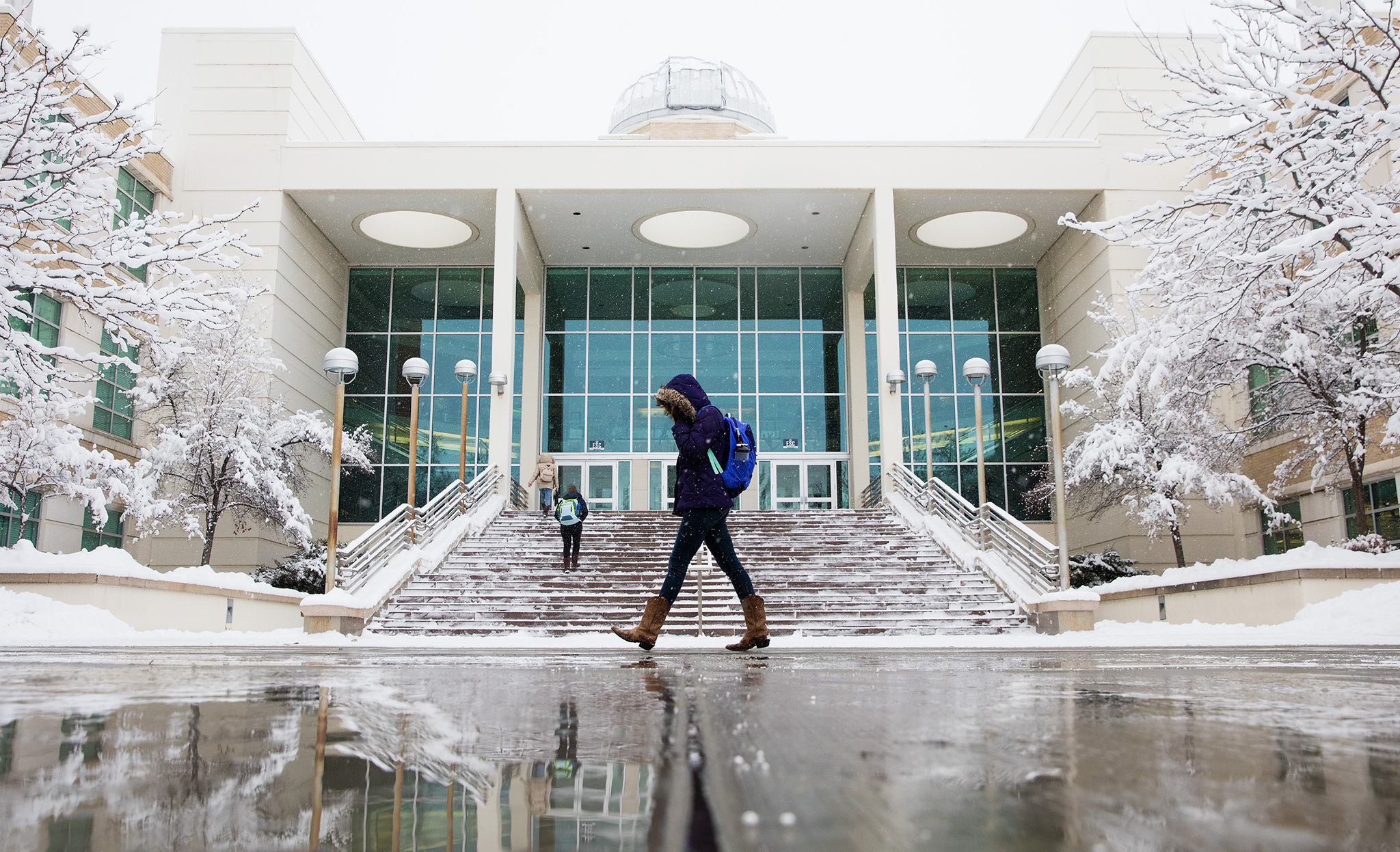
Brigham Young University
There are several accredited standards developers in this space and our algorithm tracks them all. We place this product suite on the standing agenda of our monthly Interior Fixture & Hygiene online meeting; open to everyone. Use the login credentials at the upper right of our home page to log in.
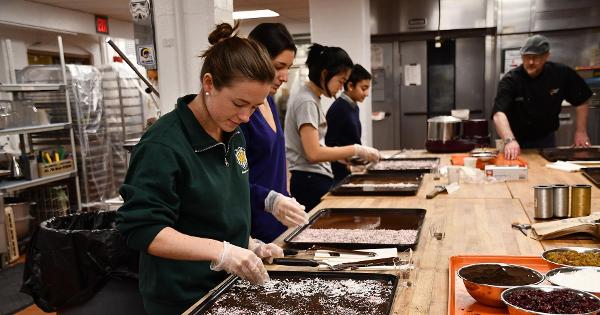
One of the concentrated risk aggregations in any school district, college, university and technical school, athletic venues and university-affiliated healthcare systems, rests in the food preparation units. On a typical large research university there are hundreds of kitchens in dormitories, student unions, athletic venues, hospitals and — to a surprising degree — kitchen facilities are showing up in classroom buildings. Kitchens that used to be located on the periphery of campus and run by private industry are now moving into instructional spaces and operated by private food service vendors.
Food preparation facilities present safety challenges that are on the same scale as district energy plants, athletic concession units, media production facilities and hospital operating rooms. There are 20 accredited standards setting organizations administering leading practice discovery in this space. Some of them concerned with fire safety; others concerned with energy conservation in kitchens, still others concerned with sanitation. The International Kitchen Exhaust Cleaning Association is one of the first names in this space and maintains an accessible standards development home page; linked below:
The IKECA catalog of titles establish a standard of care for cleaning activity that fills gaps in related ASHRAE, ASME, ICC and NFPA titles. For example:
IKECA I10 Standard for the Methodology for Inspection of Commercial Kitchen Exhaust Systems
IKECA C10 Standard for the Methodology for Cleaning Commercial Kitchen Exhaust Systems
We encourage subject matter experts in food enterprises in the education industry to communicate directly with John Dixon at IKCEA (jdixon@fernley.com) or Elizabeth Franks, (215) 320-3876, information@ikeca.org, International Kitchen Exhaust Cleaning Association, 100 North 20th Street, Suite 400, Philadelphia, PA 19103.
We are happy to get specific about how the IKECA suite contributes to lower education community cost during our Food teleconferences. See our CALENDAR for the next online meeting; open to everyone.
“…LIGHT + DESIGN was developed to introduce architects, lighting designers, design engineers, interior designers, and other lighting professionals to the principles of quality lighting design. These principles; related to visual performance, energy, and economics; and aesthetics; can be applied to a wide range of interior and exterior spaces to aid designers in providing high-quality lighting to their projects.
Stakeholders: Architects, interior designers, lighting practitioners, building owners/operators, engineers, the general public, luminaire manufacturers. This standard focuses on design principles and defines key technical terms and includes technical background to aid understanding for the designer as well as the client about the quality of the lighted environment. Quality lighting enhances our ability to see and interpret the world around us, supporting our sense of well-being, and improving our capability to communicate with each other….”
Illumination technologies run about 30 percent of the energy load in a building and require significant human resources at the workpoint — facility managers, shop foremen, front-line operations and maintenance personnel, design engineers and sustainability specialists. The IES has one of the easier platforms for user-interest participation:
Because the number of electrotechnology standards run in the thousands and are in continual motion* we need an estimate of user-interest in any title before we formally request a redline because the cost of obtaining one in time to make meaningful contributions will run into hundreds of US dollars; apart from the cost of obtaining a current copy.
We maintain the IES catalog on the standing agendas of our Electrical, Illumination and Energy colloquia. Additionally, we collaborate with experts active in the IEEE Education & Healthcare Facilities Committee which meets online 4 times monthly in European and American time zones; all colloquia online and open to everyone. Use the login credentials at the upper right of our home page to join us.
New update alert! The 2022 update to the Trademark Assignment Dataset is now available online. Find 1.29 million trademark assignments, involving 2.28 million unique trademark properties issued by the USPTO between March 1952 and January 2023: https://t.co/njrDAbSpwBpic.twitter.com/GkAXrHoQ9T