Category Archives: Health

Loading
loading...

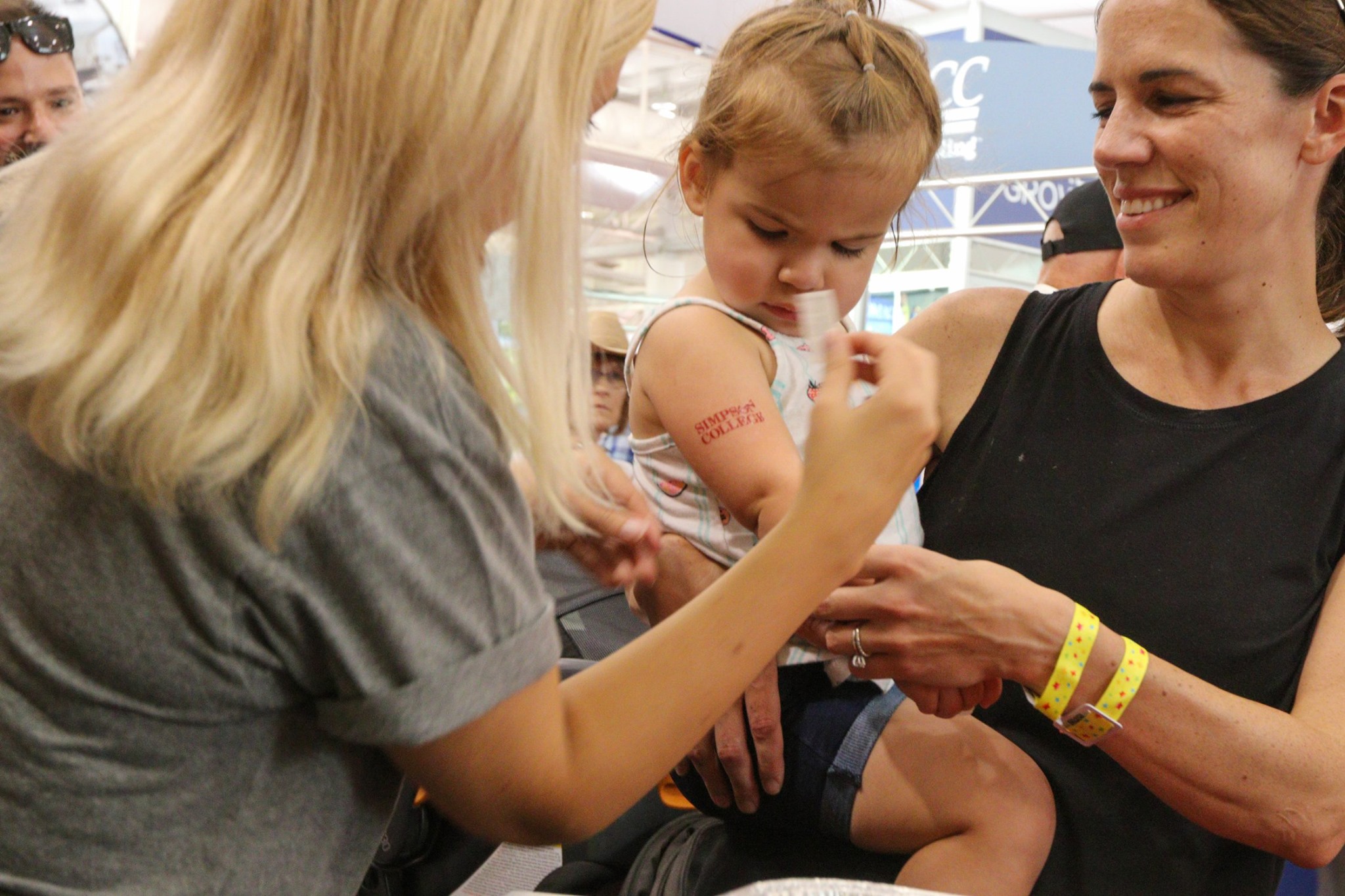
Pediatric & Daycare

“Kindergarten” 1885 Johann Sperl

Join us today when we examine the state of the literature that governs the safety and performance of occupancies designed and operated for the care of children specifically; family support generally.  There is a fair amount of overlap in the safety and performance principles in the titles which frequently reference each other; all of them responding to unintended incidents, innovation and new discoveries.

In hospitals and clinics, the titles we follow — and engage with proposed revisions — are listed below:

  1. NFPA 99: Health Care Facilities Code: NFPA 99 provides specific requirements for the safe and effective operation of healthcare facilities, including those serving pediatric patients.
  2. American Academy of Pediatrics Guidelines: While not legally binding, guidelines provided by organizations like the AAP offer best practices for pediatric care, including safety considerations.
  3. The Joint Commission Standards for the Accreditation of Children’s Hospitals: The Joint Commission sets standards for healthcare organizations and programs in the United States. Compliance with these standards ensures the safety and quality of care provided to pediatric patients.
  4. ISO Healthcare Organization Management 
  5. International Building Codes
  6. IEEE Education & Healthcare Facilities Committee

Since the ASHRAE catalog is growing to encompass every occupancy on earth; we keep pace with it;  There’s never not something happening there is not relevant to our work:

Energy Standard for *Sites* and Buildings

Day Care

Hoover Institution: The De-Population Bomb

To repeat a statement made throughout the Standards Michigan facility: We place the Underwriters Laboratory and ASTM International best practice catalogs at a lower priority because the business models of those organizations deal primarily with product standards — not interoperability standards.   You will see UL and ASTM labels on many, many products within pediatric and daycare environments but, as a user-interest, we do not have the resources to engage with the UL and ASTM suite product-by-product; essential as they may be.

Ensuring the safety of children in daycare centers involves compliance with various codes and standards in the United States. Here are some key ones:

  1. International Fire Code (IFC): The IFC includes provisions for fire prevention and protection measures in buildings, including daycare centers. It addresses fire detection, alarm systems, fire extinguishing equipment, and evacuation planning.
  2. Americans with Disabilities Act (ADA): The ADA sets requirements for accessibility in public accommodations, including daycare centers. It includes provisions for accessible routes, entrances, restrooms, and other facilities to accommodate children with disabilities.
  3. National Fire Protection Association (NFPA) 101: Life Safety Code: NFPA 101 provides requirements for the design, construction, and operation of buildings to protect occupants from fire and other hazards. It covers aspects such as means of egress, fire protection systems, and emergency planning.
  4. NFPA 1: Fire Code: NFPA 1 addresses fire prevention measures in various occupancies, including daycare centers. It includes requirements for fire alarm systems, fire extinguishers, emergency lighting, and other fire safety features.
  5. ASTM F2373 – Standard Consumer Safety Performance Specification for Public Use Play Equipment for Children 6 Months through 23 Months: This standard specifies safety requirements for play equipment commonly found in daycare centers, ensuring the safety of young children during play activities.
  6. National Association for the Education of Young Children (NAEYC) Standards: While not legally binding, NAEYC sets voluntary accreditation standards for childcare programs, focusing on quality, safety, and child development.

Governmental agencies at all levels incorporate these titles — partially or whole cloth — present additional, typically more rigorous requirements.

Of course, the primary hazard we address is the presence of reliable of safe and economical electricity.  All of the foregoing titles depend upon electricity so we deal with the technical literature on electricity on a near-continuous basis.

Use the login credentials at the upper right of our homepage.



American College of Obstetricians and Gynecologists

Founded in 1951, ACOG is a membership organization for obstetrician–gynecologists. The College produces practice guidelines for health care professionals and educational materials for patients, provides practice management and career support, facilitates programs and initiatives to improve women’s health, and advocates for members and patients.

It provides several educational tracks for member certification and licensing largely derived from federal regulations. It also invites proposals from members about organizational priorities; one such linked below:

Abortion Misinformation Campaign

The link above also proves that no matter how well educated an organization’s members, the leadership of the organization is capable of shenanigans with federal law that leaves the regulation of abortion to states; closer to the cultural norms of local communities.

Related:

“A half truth is a full lie” — so goes the adage.  In service of telling the full story — only half of which is told in the RFP linked above — a map of states is linked below.

Interactive Map: Abortion Laws by State


Kahn Health Care Pavilion

Our tenure in the 2026 National Electrical Code will result in at least a 10 percent reduction in the cost of building premise wiring — (mostly in the feeder power chain) — in healthcare facilities; based on the results of last month’s meeting of Code Making Panel 15.

Assuming electrical power infrastructure is 15 percent of in a $920 million facility like this (excluding interior moveable fixtures), that would have meant an approximate $14 million reduction in cost.  That cost savings cannot be realized because it was designed to an earlier version of the National Electrical Code.

Facilities and Operations

National Electrical Code CMP-15

Healthcare Facilities Code

Hospital Plug Load


Related:

New University of Michigan hospital to be named after philanthropists D. Dan and Betty Kahn

ORT America

$920M Michigan Medicine tower tops out, targets 2025 opening


Health 300

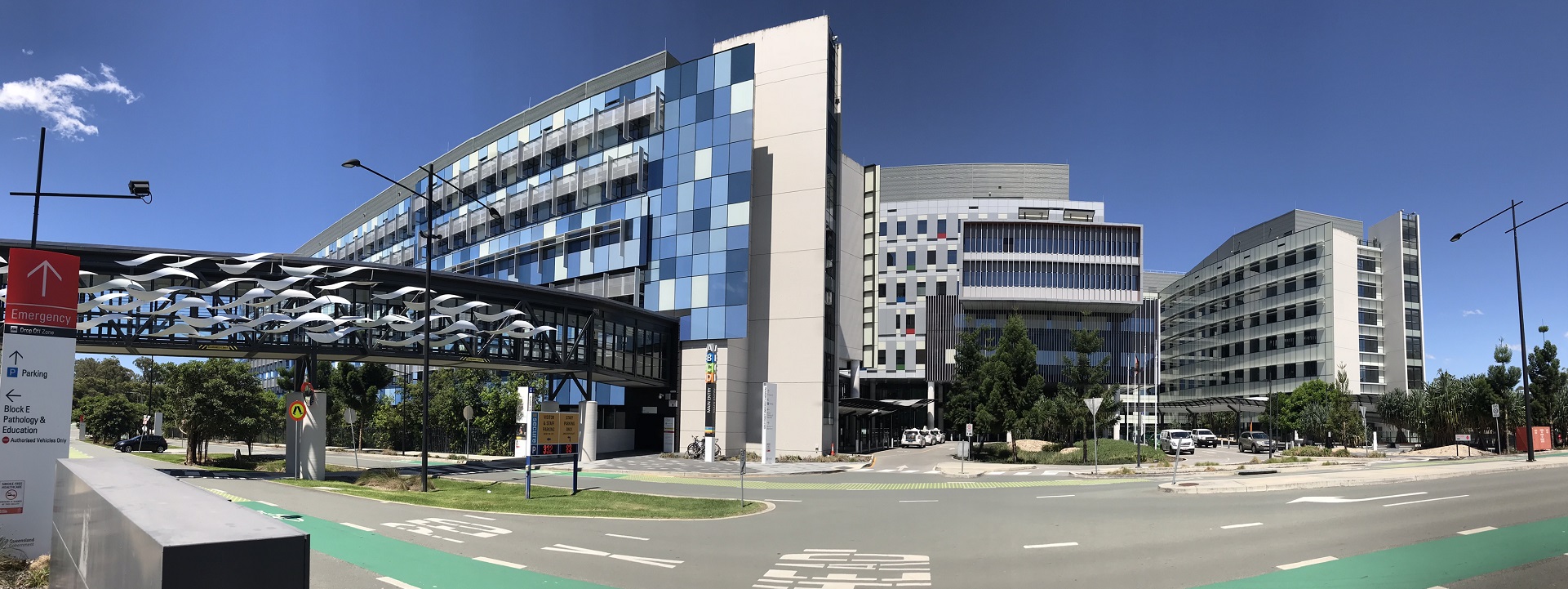
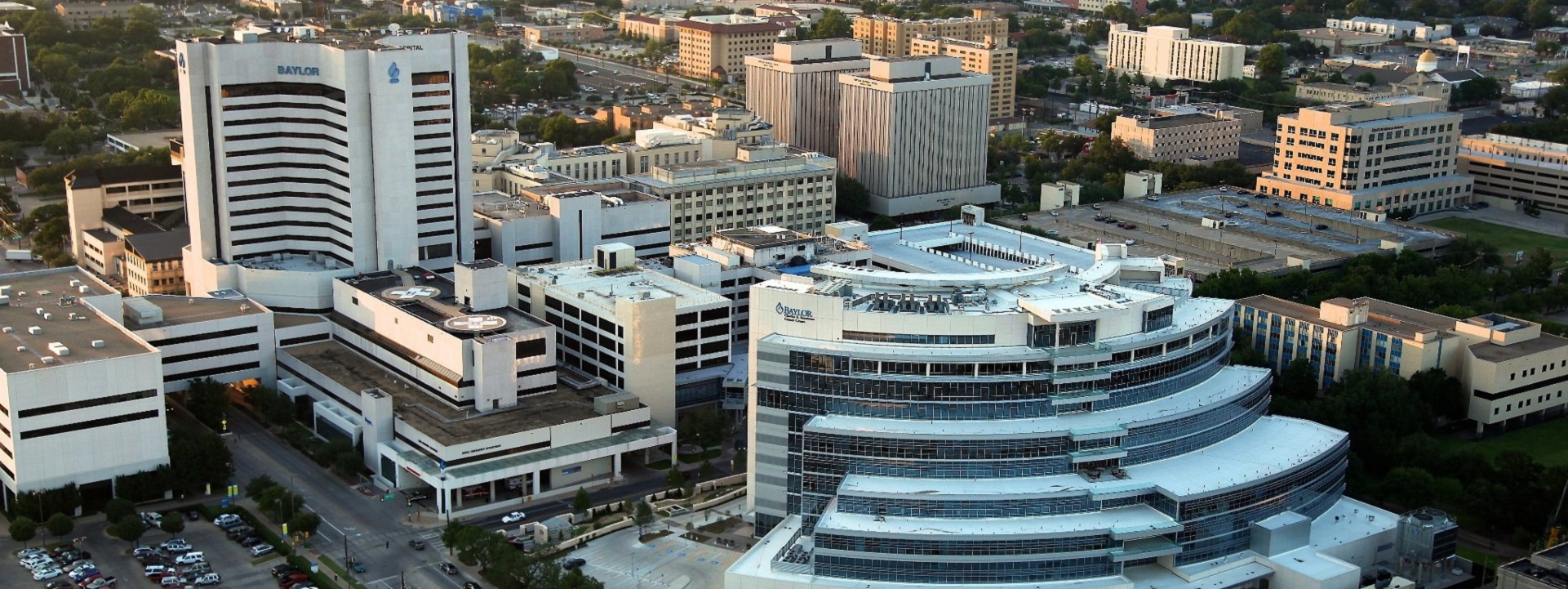
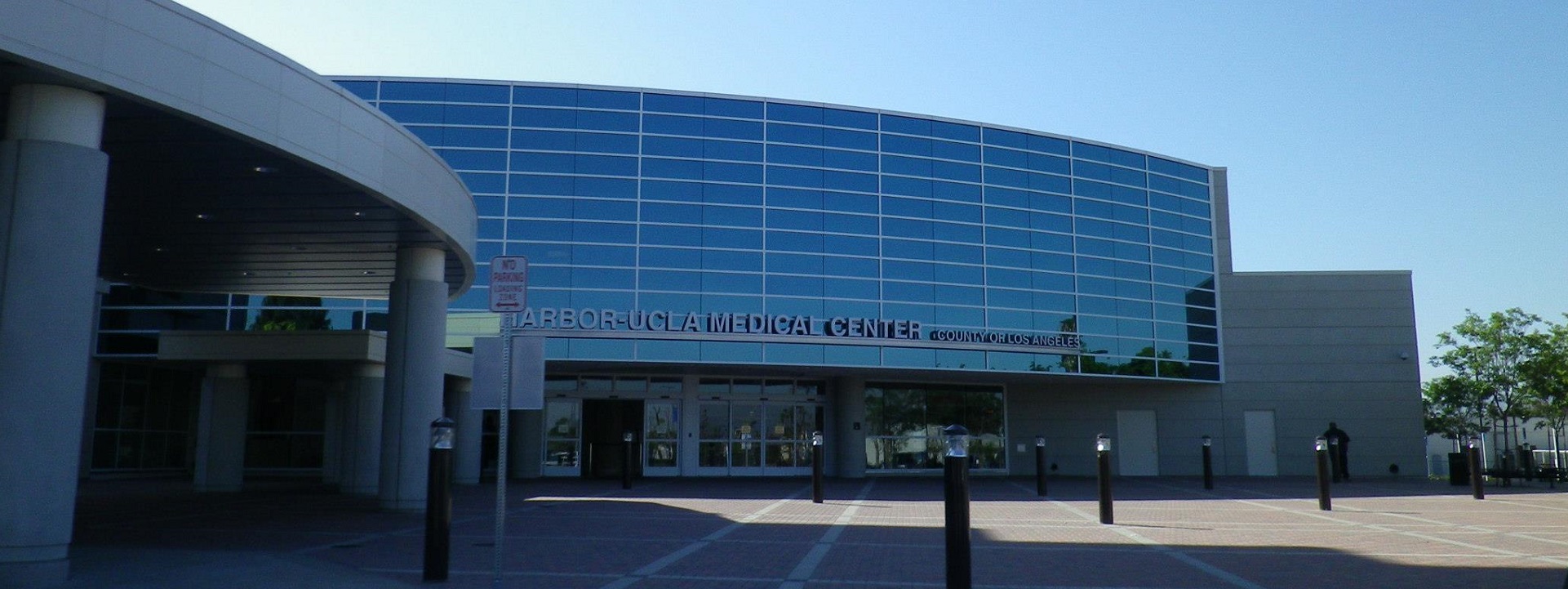
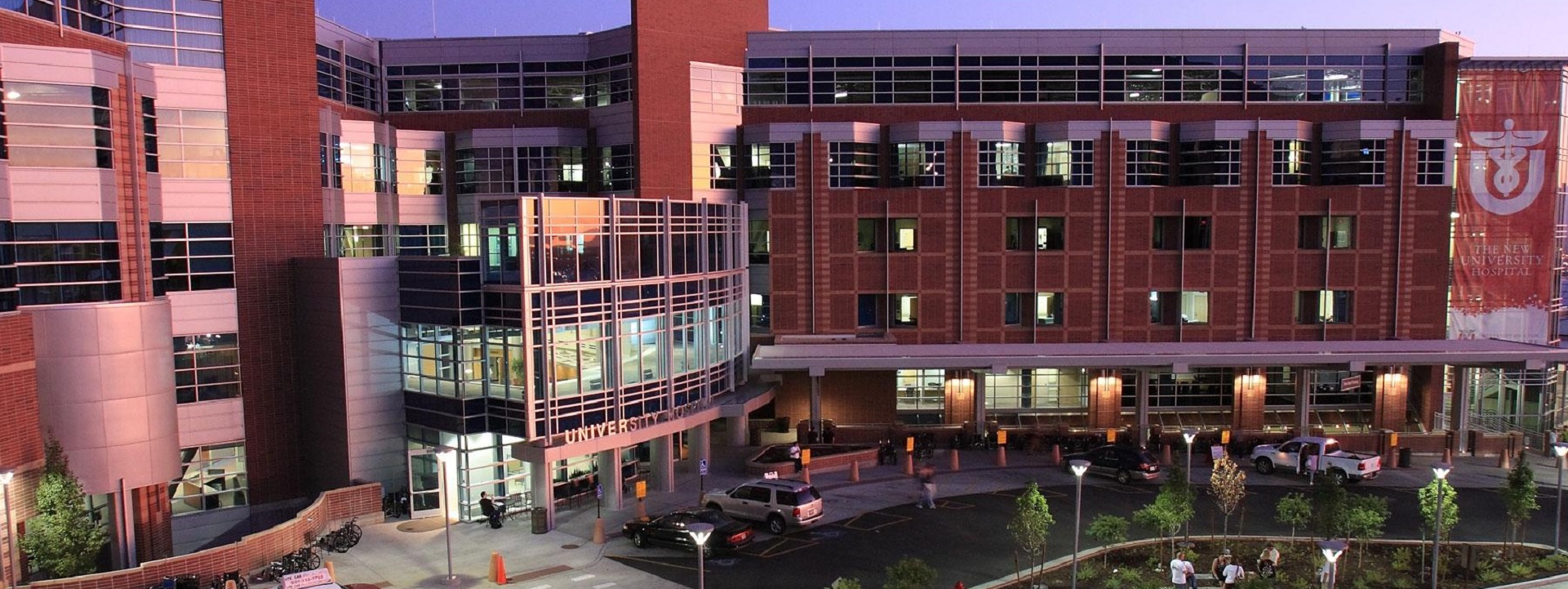
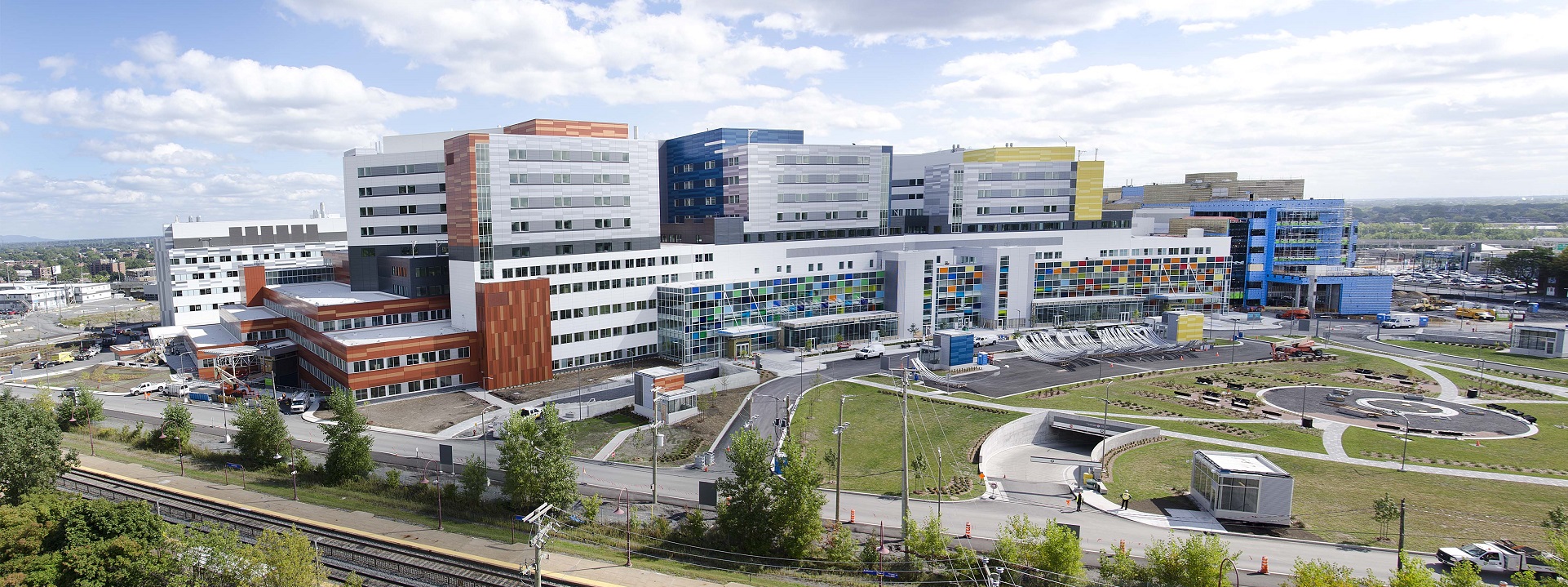
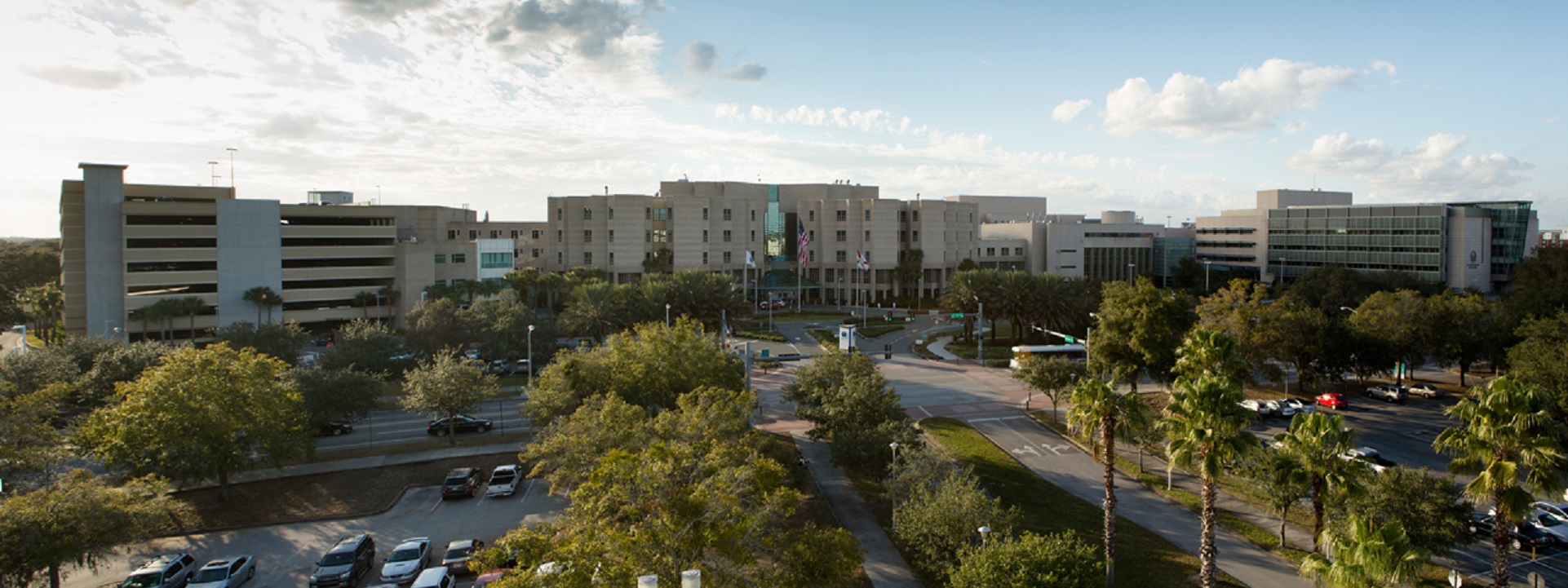
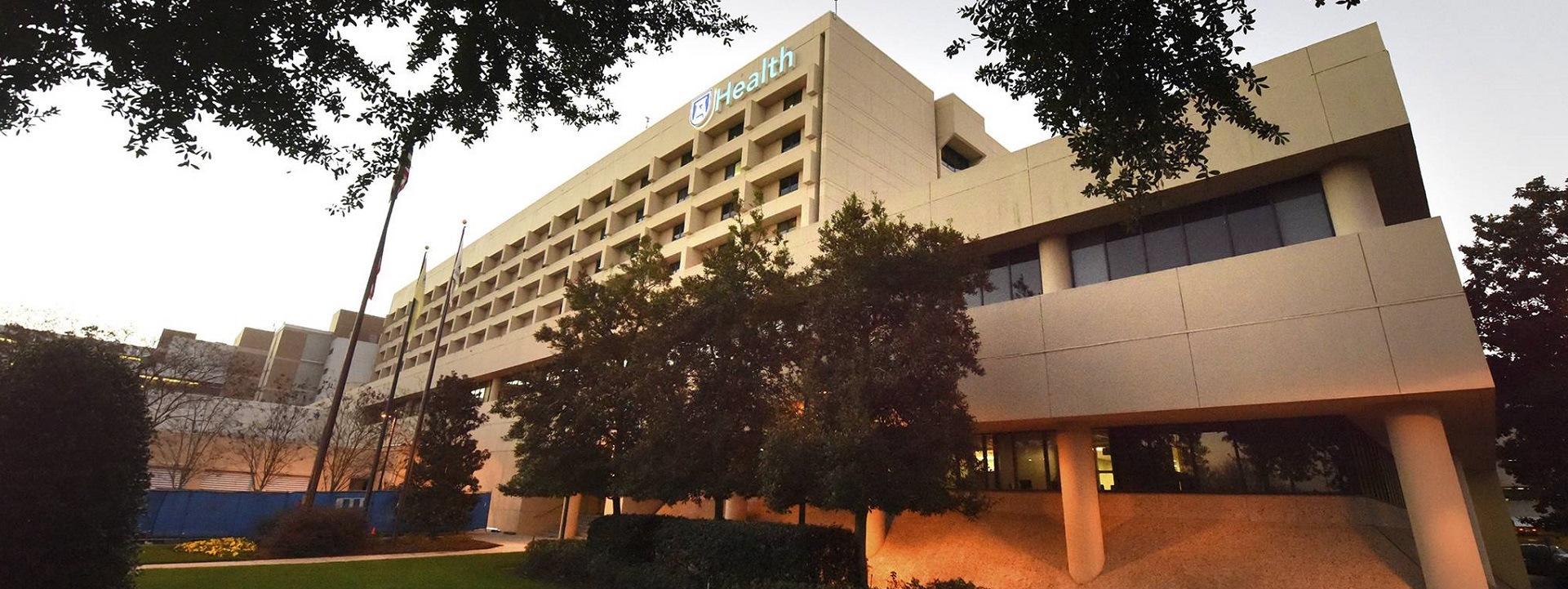
Today we break down regulations, codes, standards and open-source literature governing the safety and sustainability of university-affiliated medical research and healthcare delivery facilities.   In large measure, the safety and sustainability agenda of the university-affiliated healthcare system infrastructure coincides with the private sector.   Accordingly, we confine our interest to systems — water, power, telecommunication and security; for example — that are unique to campus-configured, city-within-city risk aggregations.

We usually start with a scan of the following titles:

International Building Code (with particular interest in Section 308 Institutional Group I)

K-TAG Matrix for Healthcare Facilities

NFPA 70 National Electrical Code Article 517

NFPA 99 Healthcare Facilities Code

NFPA 101 Life Safety Code Chapters 18 & 19

ASHRAE 170 Ventilation of Healthcare Facilities

ASHRAE 189.3: Design, Construction and Operation of Sustainable High Performance Health Care Facilities

Some of the content in the foregoing links need weekly refresh.  We’ll get to that, time permitting.

Starting 2023 we break down our coverage of standards thus:

Health 200 Clinical delivery

Health 400 Research

We will thumb through the titles published by HL7 and NSF International — both Ann Arbor-based organizations.  A surprising number of medical data companies are domiciled in Ann Arbor; not far from our own offices on State Street.   We will also see if any bills and resolutions introduced into the 117th Congress will make into public law.

Finally, we collaborate with the IEEE E&H Committee on the following IEC committee projects from IEC/TC 62 Electrical equipment in medical practice.

– Common aspects of electrical equipment used in medical practice

– Diagnostic imaging equipment

– Equipment for radiotherapy, nuclear medicine and radiation dosimetry

– Electromedical equipment


As covered in previous posts, the original University of Michigan standards enterprise was one of the founding members of what has become ISO/TC 304 Healthcare organization management — following the lead set by Lee Webster at the University of Texas Medical Branch.  Since last month’s colloquium ISO TC/304 there has been a fair measure of the usual back-and-forth that we will cover in today’s colloquium.  We will examine the ideas in play in the links below today and try to organize them ahead of balloting:

ISO/TC 304 Catalog status

Legacy Workspace  (N.B. We are still in the process of uploading content onto the new University of Michigan Google Site facility)

Open to everyone.  Use the login credentials at the upper right of our home page.


Standing Agenda / Healthcare Facilities Monthly

More

Journal of Healthcare Management Standards: Operational Resilience of Hospital Power Systems in the Digital Age

Health Insurance Portability and Accountability Act (HIPAA)

Health care cost as percentage of Gross Domestic Product for six representative nations.

Association of Academic Health Centers

International Conference on Harmonization: The ICH guidelines provide guidance on the development of pharmaceuticals and related substances, including clinical trials, drug safety, and efficacy.

Animal Welfare Act and the Institutional Animal Care and Use Committee

Good Laboratory Practice: GLP is a set of principles that ensure the quality and integrity of non-clinical laboratory studies. It ensures that data generated from non-clinical laboratory studies are reliable, valid, and accurate.

International Code Council Representation of Interests

Drinking Water Quality

Human Anatomy Learning Platform for Medical Students


Evianita Dewi Fajrianti

Sritrusta Sukaridhoto – Muhammad Udin Harun Al Rasyid – Rizqi Putri Nourma Budiarti

Ilham Achmad Al Hafidz – Naufal Adi Satrio – Ardiman Firmanda


Department of Electrical Engineering, Politeknik Elektronika Negeri Surabaya, Indonesia


Abstract:   Augmented Intelligence technology was introduced for the task of helping improve human work in various fields, one of which is education. Several problems in the learning process, which are currently completely virtual, raise new problems, especially related to practicums which require teaching modules as guidelines for practicum implementation but still maintain the impression of interactive learning. For this reason, Augmented Reality technology is applied as a solution to build a practical human anatomy module, then called AIVE Platform embedded in smartphones to provide informative and immersive learning that can be run indoors or outdoors so that it is not limited by space and time. This platform can run on Android and iOS which is built on the AR Foundation framework to work across platforms. This module has followed the rules of the anatomical atlas that include labels on each part, there is also a login system to store student usage history, as well as the choice of learning mode. This module has been licensed to operate from a teaching doctor in anatomy to be used as a teaching module. The PIECES framework used to analyze the importance and satisfaction level of the platform gives score 4.085 out of 5 on and 4.081 out of 5 respectively.

CLICK HERE to order complete paper

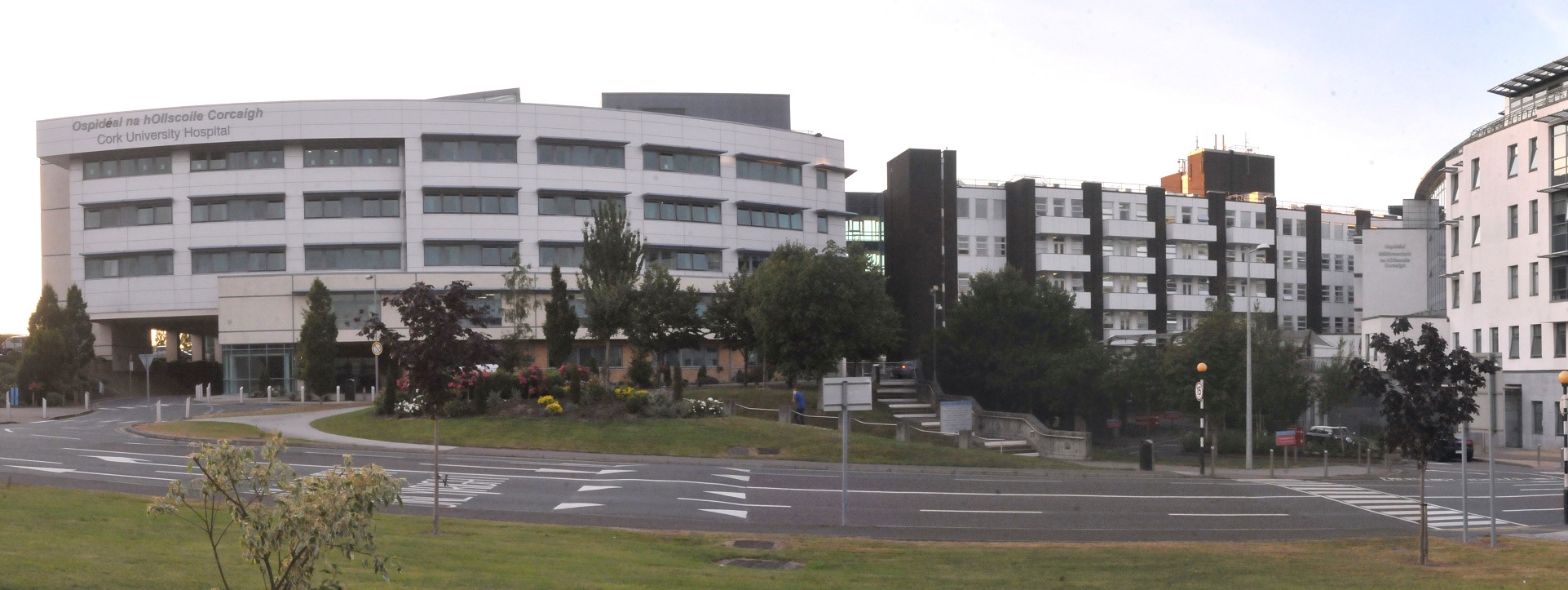
Electromagnetic Interference in the Intensive Care Units of a University Hospital


Electromagnetic Interference in Hospital Environment:

Case Study of the Intensive Care Units of a University Hospital

Victoria Souza Fernandes

Raquel Aline A. R. Felix – Agatha Eyshilla Da Paz Correia – Alexandre Henrique de Oliveira

Federal University of Campina Grande, Campina Grande, Brazil


Abstract:  Electromagnetic (EM) sources are abundant in the routine of a hospital. Such sources can be for personal use, be part of the set of electromedical equipment or the building structure. This article presents the verification of electromagnetic interference between field sources and hospital devices, since electromagnetic interference is a factor that puts the correct functioning of these equipments at risk. As a consequence, patient’s lives are also put at risk. Since in many cases, the vitality of the patient depends exclusively on medical devices, electromagnetic fields were measured inside and outside the intensive care units (ICUs) of the University Hospital Alcides Carneiro (UHAC) with all hospital devices working normally. The electromagnetic field values obtained at the hospital were compared with the values imposed by the International Electrotechnical Commission (IEC).

Layout mode
Predefined Skins
Custom Colors
Choose your skin color
Patterns Background
Images Background
Standards Michigan
error: Content is protected !!
Skip to content