
Category Archives: @NFPA
- Home
- Archive by category "@NFPA" (Page 9)

Fire Safety in the United States since 1980
This content is accessible to paid subscribers. To view it please enter your password below or send mike@standardsmichigan.com a request for subscription details.
Electrical System Resiliency in Disasters
This content is accessible to paid subscribers. To view it please enter your password below or send mike@standardsmichigan.com a request for subscription details.
ARCHIVE / Life Safety Code 2003 – 2018

“Reading Boy” | Eastman Johnson (1863)
The Life Safety Code addresses those construction, protection, and occupancy features necessary to minimize danger to life from the effects of fire, including smoke, heat, and toxic gases created during a fire. It is widely incorporated by reference into public safety statutes; typically coupled with the consensus products of the International Code Council. It is a mighty document — one of the NFPA’s leading titles — so we deal with it in pieces; consulting it for decisions to be made for the following:
(1) Determination of the occupancy classification in Chapters 12 through 42.
(2) Determination of whether a building or structure is new or existing.
(3) Determination of the occupant load.
(4) Determination of the hazard of contents.
There are emergent issues — such as active shooter response, integration of life and fire safety systems on the internet of small things — and recurrent issues such as excessive rehabilitation and conformity criteria and the ever-expanding requirements for sprinklers with which to reckon. It is never easy telling a safety professional paid to make a market for his product or service that it is impossible to be alive and safe. It is even harder telling the dean of a department how much it will cost to bring the square-footage under his stewardship up to current code.
The 2018 edition is the current edition and is accessible below:
NFPA 101 Life Safety Code Free Public Access
The original University of Michigan codes and standards advocacy enterprise has been advocating in NFPA 101 since the early 2000’s. Since late 2016 most of the expertise remains with the reconstructed enterprise described in our ABOUT.

Since the Life Safety Code is one of the most “living” of living documents — the International Building Code and the National Electric Code are also moving continuously — we can practically start anywhere and anytime and still make meaningful contributions to it. Sample transcripts of activity relevant to education communities are linked below:
Transcript: 2021 Life Safety Code Public Input
Transcript: 2021 Life Safety Code Public Comment
This is just one chapter. Note the concern for classroom door locking systems. Chapters involving daycare, places of assembly, healthcare and laboratory settings. All of these occupancy classes are common in education communities. Titles developed to meet market demand for building safety at the international level originate from ISO Technical Committee 92 Fire Safety.
We are neither primarily code instructors nor code evangelists so we place NFPA 101 farther down our priority ranking until the beginning of the 2024 revision cycle; sometime early in 2021. The best time to prepare suggestions for improvement, however, are at the end of a revision cycle such as we are now. Until then we deal with it in pieces by maintaining live public consultation notices on the standing agendas of our Housing, Prometheus and Security teleconferences. See our CALENDAR for the next online meeting; open to everyone.
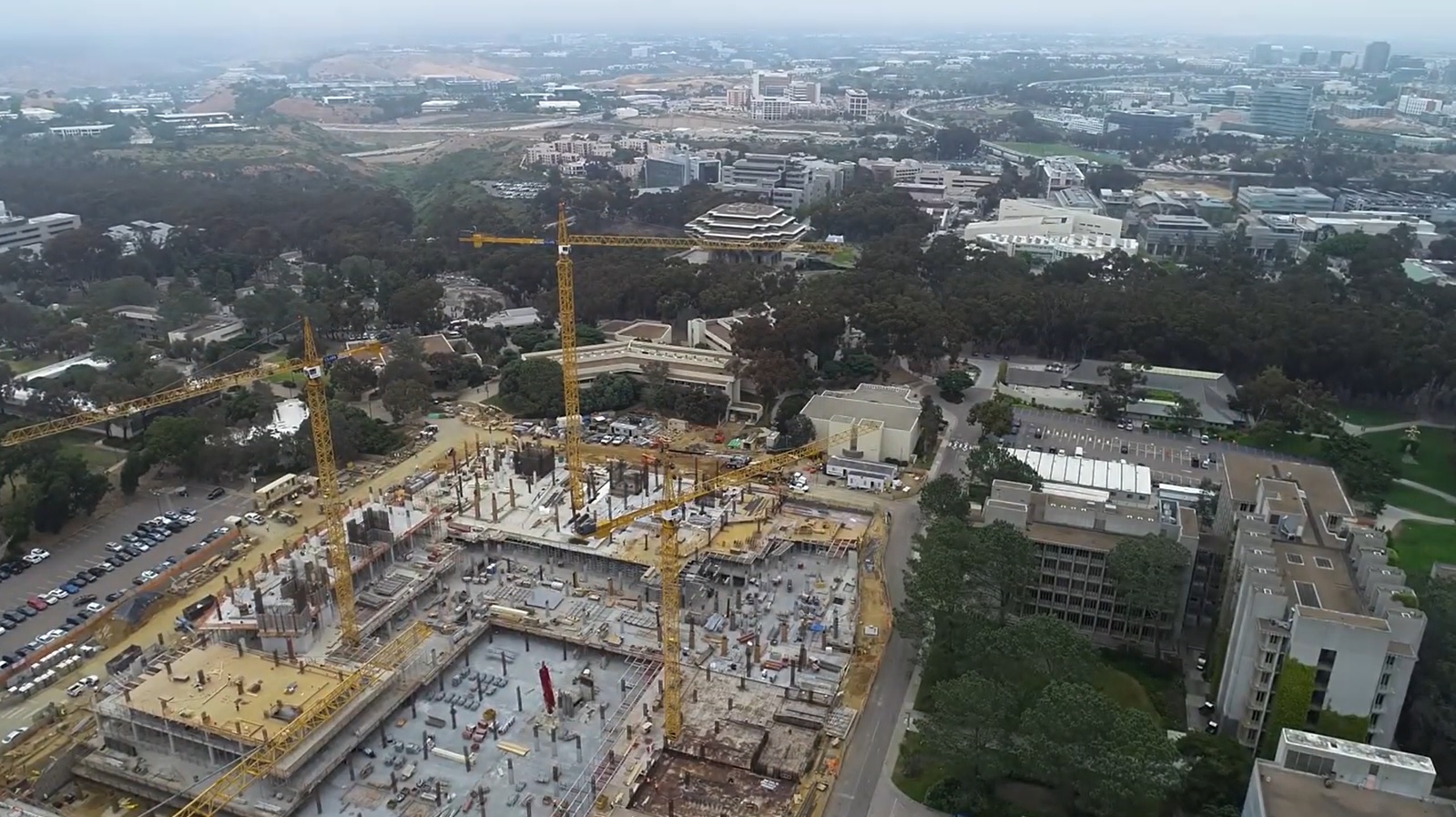
University of California San Diego Living & Learning Neighborhood | CLICK ON IMAGE TO LAUNCH VIDEO
Posted April 15, 2019
As described in previous posts, the first stage of Life Safety Code development was completed on June 26th. The second stage begins on February 27, 2019 with the formal release of the First Draft Report on February 27, 2019; according to the developmental schedule linked below:
2021 NFPA 101 Life Safety Code Development Schedule
We have been following the flow of concepts and have identified several from Chapter 14 (New Education Facilities) that should be high on the agenda of the education facilities industry. Note that most of them propose preventive remedies for active shooter casualties.
NFPA 101 Public Input No. 288-NFPA 101-2018 [ New Section after 14.3.4.3.1.3 ]
NFPA 101 Public Input No. 44-NFPA 101-2018 [ Sections 14.3.4.2, 14.3.4.3 ]
NFPA 101 Public Input No. 415-NFPA 101-2018 [ Section No. 14.1.2.4 ]
NFPA 101 Public Input No. 218-NFPA 101-2018 [ New Section after 14.2.2.2.3.3 ]
NFPA 101 Public Input No. 187-NFPA 101-2018 [ Section No. 14.2.2.2.4 ]
NFPA 101 Public Input No. 217-NFPA 101-2018 [ Section No. 14.2.2.2.4 ]
There are others. Note that most of the public input in related Chapter 15 (Existing Education Facilities) track the concepts that appear in Chapter 14. Comments are due May 8, 2019.

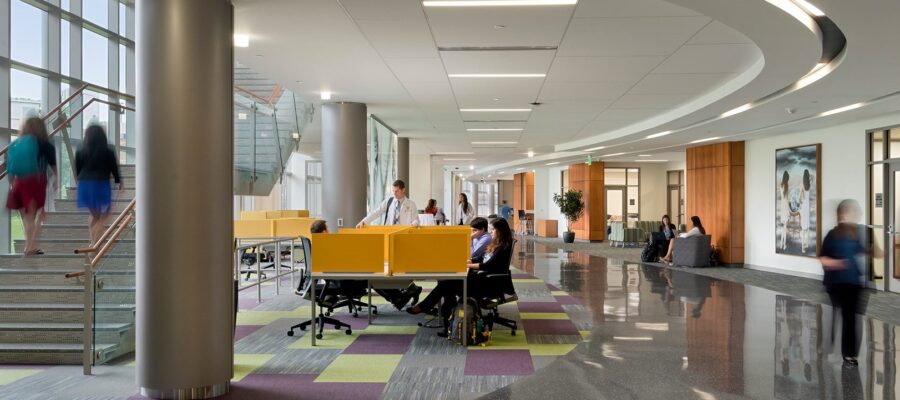

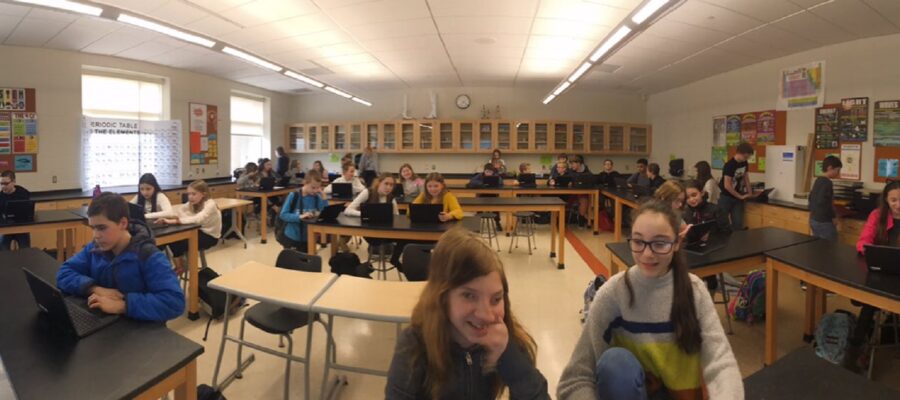

The original University of Michigan standards advocacy enterprise began leading advocacy in NFPA 101 in the 2009 revision cycle. Tenure in the standards space is significant because many life safety concepts, even when original, take 6 to 9 years to be accepted and, in many states, take another 3 to 12 years to become incorporated by reference into enforceable public safety law in all 50 states. We advocate in nearly 100 standards suites and in 1000 individual documents developing globally and we find NFPA 101 among those standards that are remarkable for the “long runway” of its safety concepts.
It is worthwhile noting the breakdown of education industry presence on NFPA 101 technical committees (i.e. individuals who are on the direct payroll of a school district, college or university):
University of Texas at Austin (User)
Drexel University (Enforcement)
University of Maryland (Enforcement & Special Expert)
Oklahoma State University (Special Expert).
University of Kentucky (User)
John Jay College of Criminal Justice (Special Expert)
University of Michigan (User)
Indiana University (User)
Emory University (Enforcement)
Some universities are large enough that they have both a User Interest and an Enforcement interest which can lead to challenges in reconciling safety and cost issues within the same university. In any case, investment in expertise in contributes to the long term safety and sustainability goals of the largest non-residential building construction market in the United States — the US education industry.
Because of the sudden disruption of the standards advocacy enterprise in July 2016 (See ABOUT), we were only able to a limited number of proposals; most of which focused on structural changed to the Education Facility chapters. Access to the Standards Michigan NFPA workspace is available to subscribers. (Contact bella@standardsmichigan.com). We are happy to share these proposals online any day during our standing 11 AM live access teleconference, or again during our monthly fire protection meeting, See our CALENDAR for the next teleconference; always at the same time (11:00 AM Eastern Time); always with the same login credentials at the upper right of our home page; and always open to everyone.
The NFPA Annual Conference happens in San Antonio, Texas; June 17-20. Many technical committees meet during this conference and we encourage our colleagues in the region to attend.
Issue: [18-90]
Category: Fire Safety, Public Safety
Colleagues: Mike Anthony, Josh Elvove, Joe DeRosier
Link to legacy workspace: Fire Protection for the Education Facilities Industry
When lives are at stake, alternative approaches are welcome. #LifeSafety #AlternativeApproaches #Code #NFPA101 @NFPA
https://t.co/JvWyyZtuLP— ANSI (@ansidotorg) December 20, 2018
Posted June 1, 2018
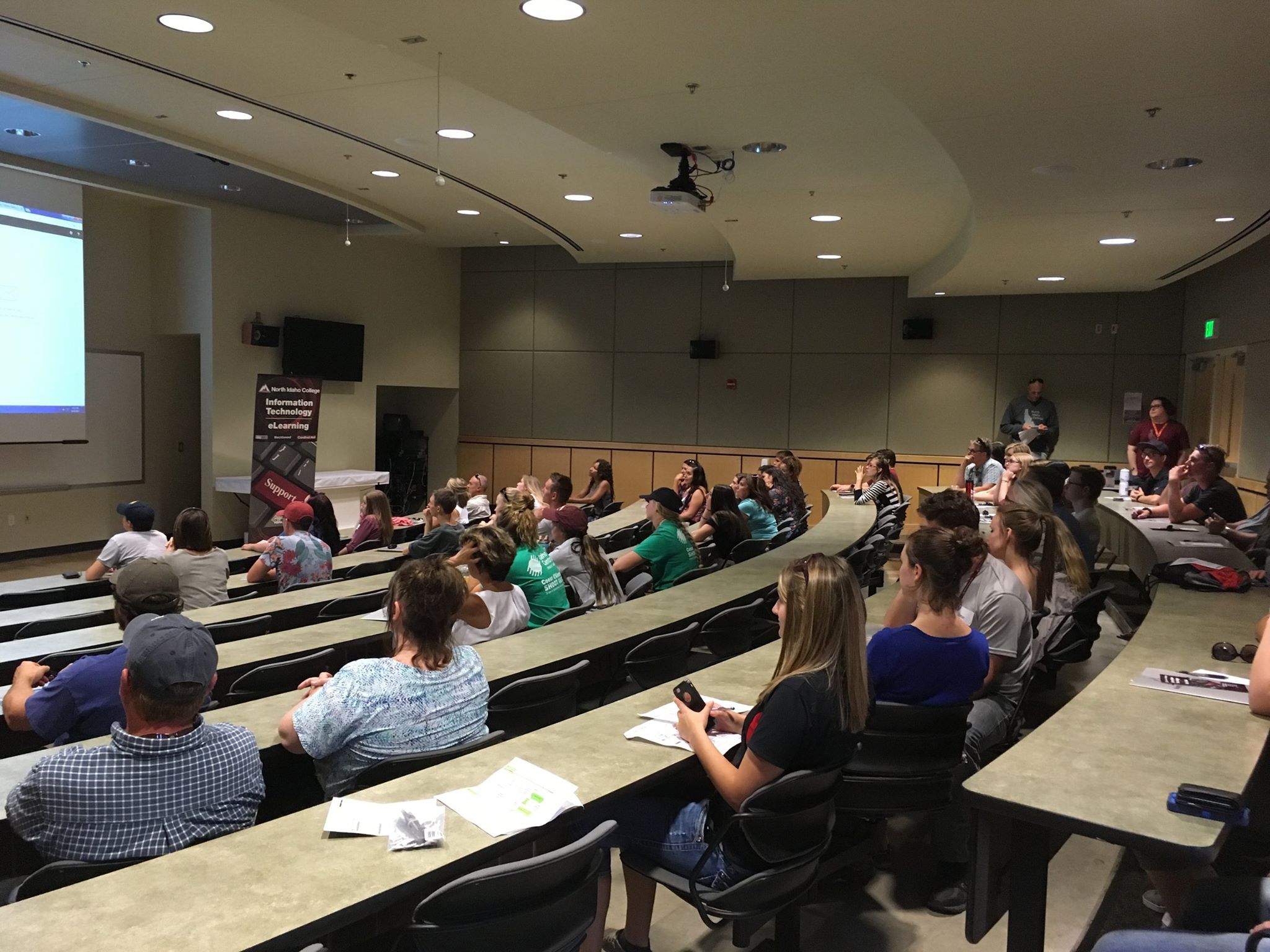
North Idaho College
The Life Safety Code — a regulatory product developed by the National Fire Protection Association — is the most widely used source for strategies to protect people based on building construction, protection, and occupancy features that minimize the effects of fire and related hazards. It is the only document that covers life safety in both new and existing structures. It forms the template for another NFPA product — NFPA 5000: Building Construction and Safety Code — which is a competitor product to the International Code Council’s flagship document: International Building Code.
The education industry is the largest non-residential building construction market in the United States (LEARN MORE HERE) — logging in about $80 billion annually in construction spend; a number that may be confirmed anecdotally with the unending presence of cranes and construction crews on US campuses all year long.
With our tenure in education facility codes and standards advocacy for over 20 years (see ABOUT) we continue to advocate in both the ICC and NFPA standards suites. We encourage all other education industry trade associations to support subject matter experts (front line working point professionals in the life safety disciplines) to contribute.
We have been advocating in this document since the 2003 edition in which we submitted candidate code changes such as the following:
• Student residence facility life safety crosswalk between NFPA 101 and IBC
• Refinements to Chapters 14 and 15 covering education facilities
• Identification of an ingress path for rescue and recovery personnel toward electric service equipment installations.
• Risk-informed requirement for installation of grab bars in bathing areas
• Modification of the 90 minute emergency lighting requirements rule for small buildings and for fixed interval testing
• Modification of emergency illumination fixed interval testing
• Table 7.3.1 Occupant Load revisions
• Harmonization of egress path width with European building codes
There are others. It is typically difficult to make changes to any consensus standard though some of the concepts were integrated by the committee into other parts of the NFPA 101 in unexpected, though productive, ways.
Public input is due June 27, 2018. We reach out to facility managers, subject matter experts and trade associations — collaborating where possible – but at least reporting on the progress made on behalf of the user/owner/final fiduciary in this industry. This document is a standing item on our weekly (Wednesday 11 AM Eastern) Open Door teleconference to which everyone is welcomed. Click here to log in.
Issue: [18-90]
Category: Fire Safety, Public Safety
Colleagues: Mike Anthony, Josh Elvove, Joe DeRosier
Link to legacy workspace: Fire Protection for the Education Facilities Industry
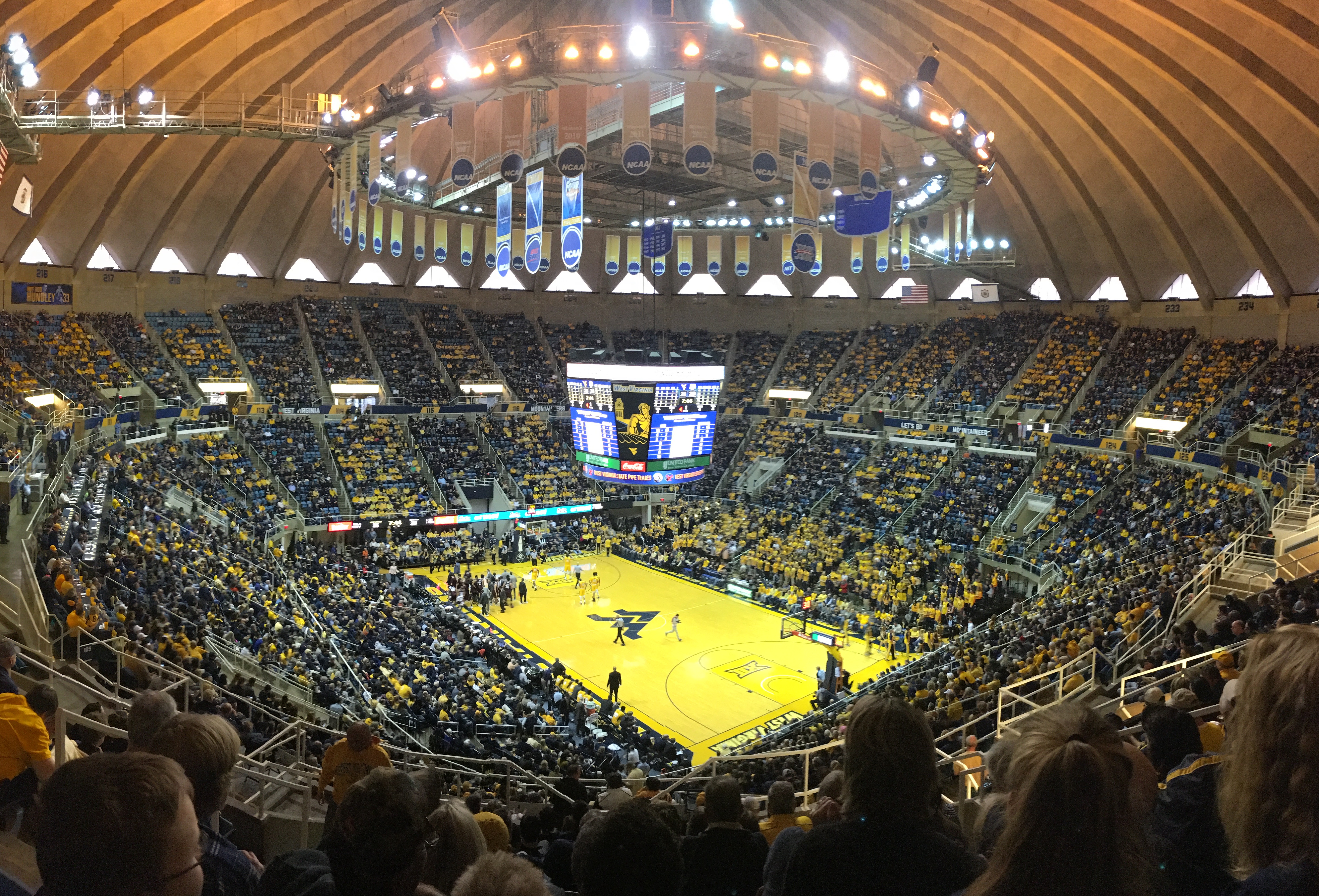
Standard for Wildland Firefighting
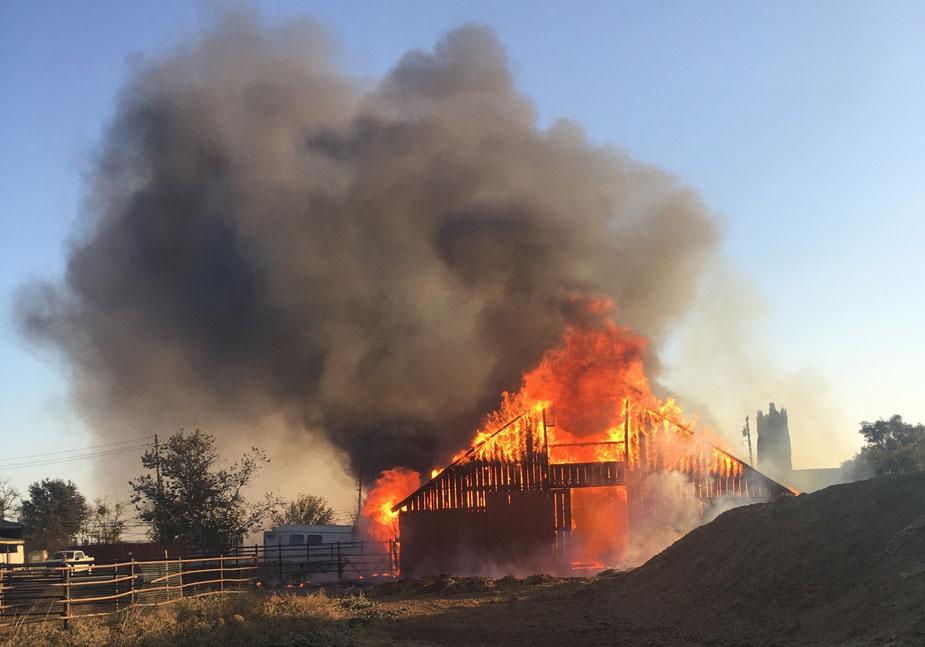
University of California Davis | Fire Halted Outside Primate Center’s Fence Line
As “cities-within-cities” college and universities present a risk aggregation that cannot be de-coupled from the host municipality. Most large universities depend upon municipal fire safety infrastructure — i.e. the local “water grid”. For physical assets that are located far off-campus, however; the university either has a safety infrastructure relationship with another unit of government — a township or a village — or the educational institution must build its own on-site fire protection system.
As with fire safety practice on the central campus; fire prevention in off campus facilities is the first step. The backdrop of chronic, seasonal wildfires in north and southern hemisphere inspire a revisit of NFPA 1143 Standard for Wildland Fire Management, a consensus document that has evolved from leading practice discovery dating back to 1934. It is a management document and, as such, expectations for technical specifics regarding planning, design, construction, operations and maintenance should be limited. The substance of legacy NFPA consensus products — Standard for Wildfire Control and Standard for Protection of Life and Property from Wildfire — have been conveyed into a configured product NFPA 1140 Standards for Wildland Firefighting.
Public input for the next edition is linked below:
There are no user interests in any of the technical panels affiliated with education communities. Some of the concepts in play:
Substantial expansion of definitions
Updated reference material
Auxiliary fire mains
Qualifications and Management
Building separation
Sprinkler systems
…And so on…Fairly canonical stuff in the fire protection domain though concern for animals in husbandry and agricultural programs keeps this title on our radar.
Comments are due October 9th.
We keep the entire NFPA catalog on the agenda of our Prometheus and Disaster colloquia. See our CALENDAR for the next online meeting; open to everyone.
Issue: [18-322]
Category: Fire Safety, Public Safety
Colleagues: Mike Anthony, Josh Elvove, Joe DeRosier
More
College campuses closed by 2018 California wildfires
Camp Fire smoke closes UC-Berkeley and other Bay Area colleges
California universities extend application deadline for students affected by wildfires
Fire Halted Outside Primate Center’s Fence Line – UC Davis https://t.co/3frlXozZD5
— Standards Michigan (@StandardsMich) November 17, 2018
Generators
This content is accessible to paid subscribers. To view it please enter your password below or send mike@standardsmichigan.com a request for subscription details.
Emergency Communication Strategies for Buildings and Campuses.
This content is accessible to paid subscribers. To view it please enter your password below or send mike@standardsmichigan.com a request for subscription details.
Spray Application Using Flammable or Combustible Materials
This content is accessible to paid subscribers. To view it please enter your password below or send mike@standardsmichigan.com a request for subscription details.
Active Shooter & Hostile Event Response Program

We have been following the fast-tracked development of NFPA 3000 Standard for an Active Shooter/Hostile Event Response (ASHER) Program since its launch. We have contributed to it and we have catalyzed education industry trade associations to rally their membership to participate. Keep in mind that there are several other non-profit trade associations moving into this space; each of them assembling experts and preparing curricula to drive conformity, compliance and training revenue. Nothing necessarily wrong with this except that the active shooter risk aggregation is highly “siloed” and setting the standard of care is, well, highly-siloed.
Click on the link below to sample the ideas running through proposed revisions to the next edition:
NFPA 3000 Second Draft Ballot Final
Notice the wordsmithing, the internal coordination and administration, and the referencing to existing and new consensus products emerging in this space.
Similar to the condition in the energy sector in which the federal government has to effectively “clear the market” of redundancy and destructive competition among market participants (i.e. trade associations), we may find that some form of federal legislation may be required. As we explain in our post on the National Technology Transfer and Advancement Act that there lies a risk of damping normal, healthy “animal spirit” competition among trade associations.
All that said, NFPA consensus products are very familiar to the public safety culture in local and state governments so it is wise to keep pace; if not lead when necessary. Note that NFPA 3000 is a trademarked consensus product; tantamount to becoming a “code” that can be incorporated by reference into public safety laws at all levels of government.
Principal and Alternate Votes on the NFPA Technical Committee from educational institutions: Harvard School of Public Health, Auburn University, Missouri State University, University of Connecticut and Vanderbilt University. None of them are casting User-interest votes according to the NFPA Classification of Committee Members. In other words, no representative of an entity that is subject to the provisions of the standard or that voluntarily uses the standard — such as a student or a teacher — has a vote on this committee. They will depend upon the standard of care set by other interest categories. See our ABOUT to understand why this is.
The next several milestones in the NFPA 3000 development are listed below:
First Draft Meeting Minutes (from the November 6-9 face-to-face meetings in New Orleans)NFPA 3000_A2020_ACT_AAA_FDminutes__11_18
NFPA 3000_A2020_ACT_AAA_FDagenda_11_18First Draft Report Posting Date:March 11, 2019Public Comment Closing Date: June 5, 2019Second Draft Report Posting Date: January 22, 2020NITMAM Closing Date: February 19, 2020NITMAM Posting Date: April 1, 2020
Normally, NITMAMs are heard at the NFPA Annual Conference and Expo. It is likely that the NFPA Standards Council will release NFPA 3000 for use by regulating agencies in lieu of the meeting that would have taken place in June. (CLICK HERE for information about cancellation of the NFPA Annual Conference)
We keep NFPA 3000, along with other emergent school security standards, on the agenda with our Security, Risk and Pathway teleconference See our CALENDAR for the next online meeting; open to everyone.
Issue [18-15]
Category: Public Safety, Risk Management
Colleagues: Mike Anthony, Richard Robben
LEARN MORE:
U.S. Department of Homeland Security / Active Shooter: How to Respond
Life Safety Code / Healthcare Facilities
This content is accessible to paid subscribers. To view it please enter your password below or send mike@standardsmichigan.com a request for subscription details.
New update alert! The 2022 update to the Trademark Assignment Dataset is now available online. Find 1.29 million trademark assignments, involving 2.28 million unique trademark properties issued by the USPTO between March 1952 and January 2023: https://t.co/njrDAbSpwB pic.twitter.com/GkAXrHoQ9T
— USPTO (@uspto) July 13, 2023
Standards Michigan Group, LLC
455 East Eisenhower Parkway, Suite 300
Ann Arbor, MI 48108 USA
888-748-3670
DIRECTIONS
 |
 |
|
 |
 |
|
 |
 |