CLICK ON IMAGE


Abstract: Indoor signage plays an essential component to find destination for blind and visually impaired people. In this paper, we propose an indoor signage and doors detection system in order to help blind and partially sighted persons accessing unfamiliar indoor environments. Our indoor signage and doors recognizer is builded based on deep learning algorithms. We developed an indoor signage detection system especially used for detecting four types of signage: exit, wc, disabled exit and confidence zone. Experiment results demonstrates the effectiveness and the high precision of the proposed recognition system. We obtained 99.8% as a recognition rate.


Is this not precious? I ❤️ 🐶’s pic.twitter.com/tCRblzdAIO
— Riley Nuttall (@nuttallriley1) January 11, 2024
09-1185 – Pena et al v. Cid | Casetext PENA v. CID
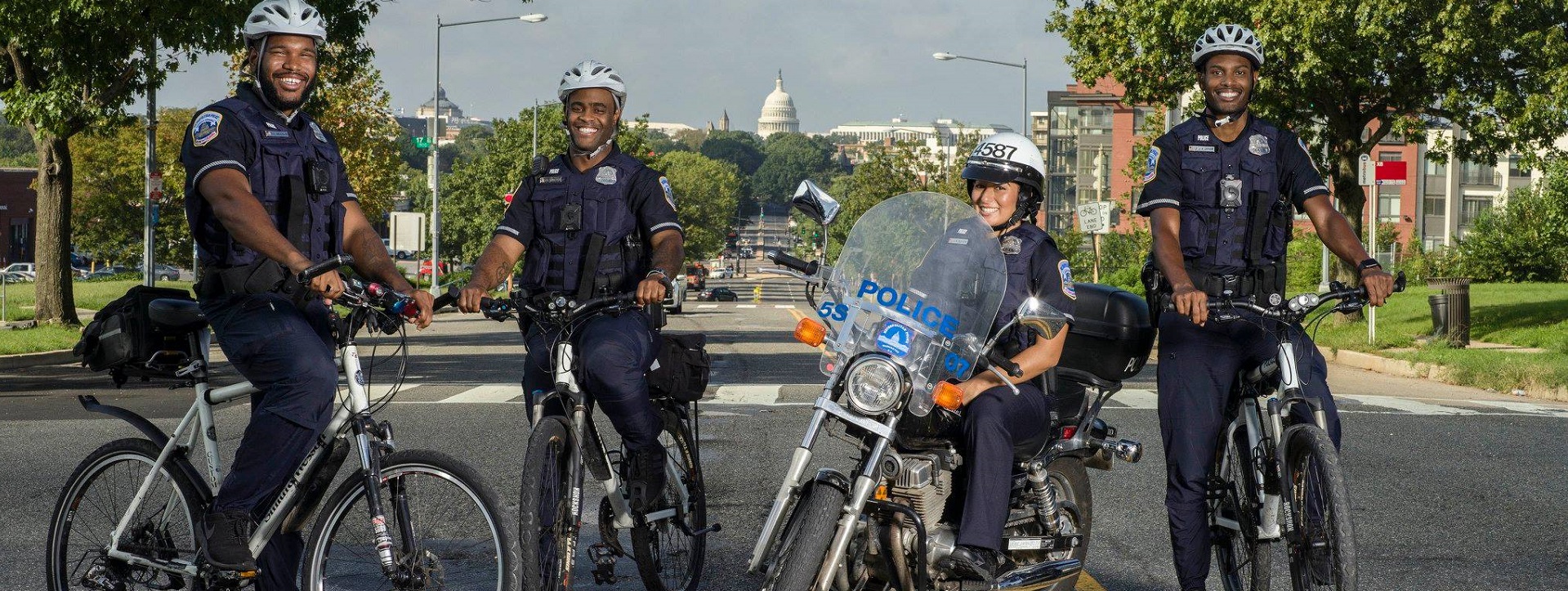
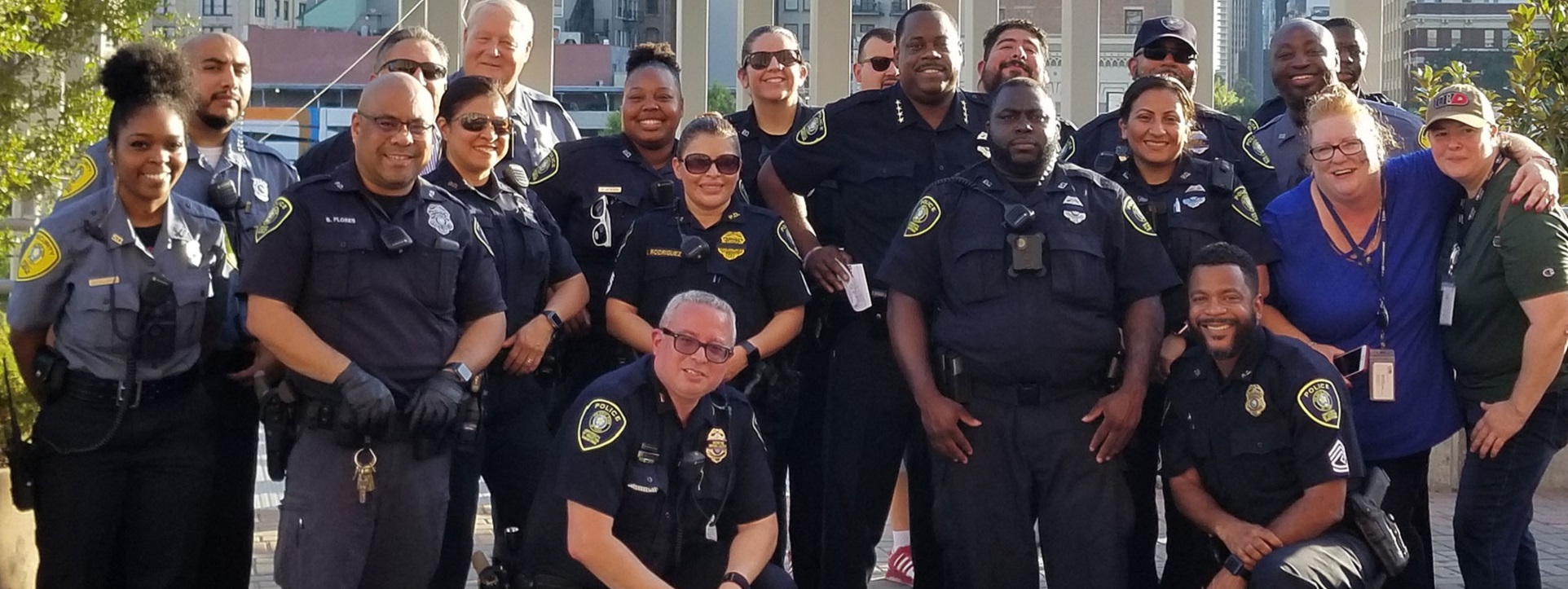
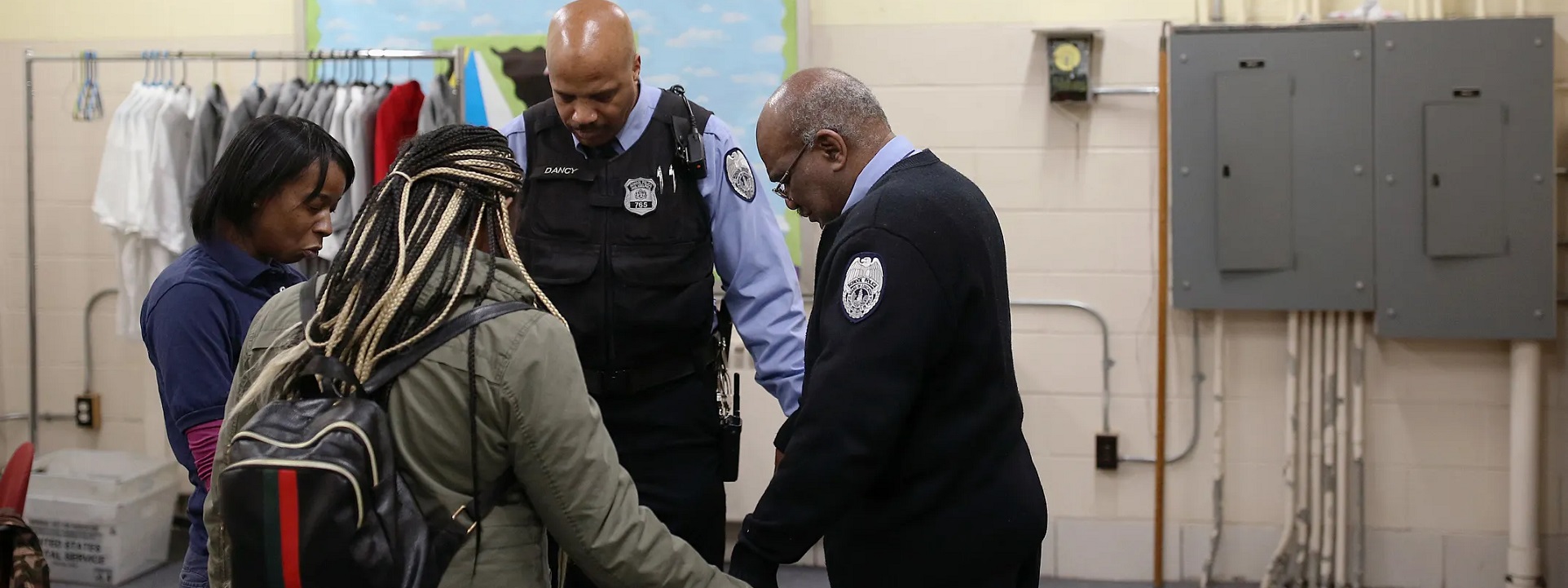
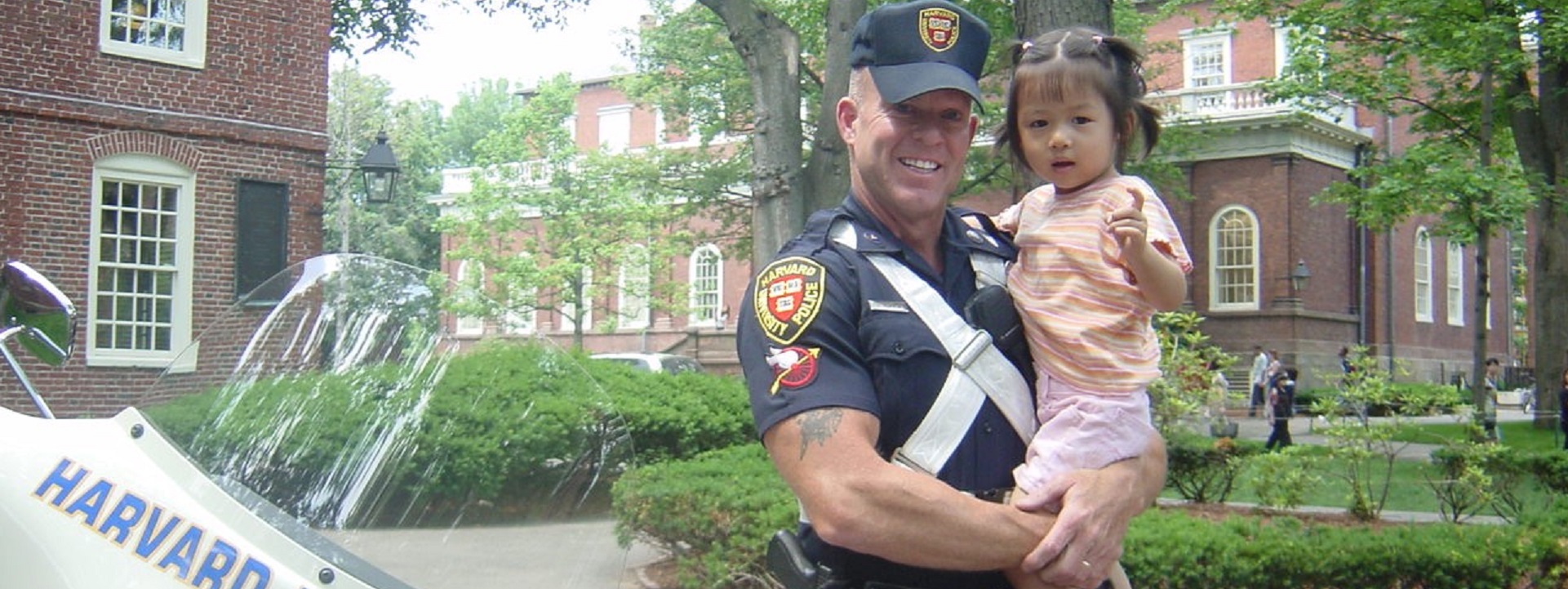
“We worry about what a child will become tomorrow,
yet we forget that he is someone today.”
– Stacia Tauscher
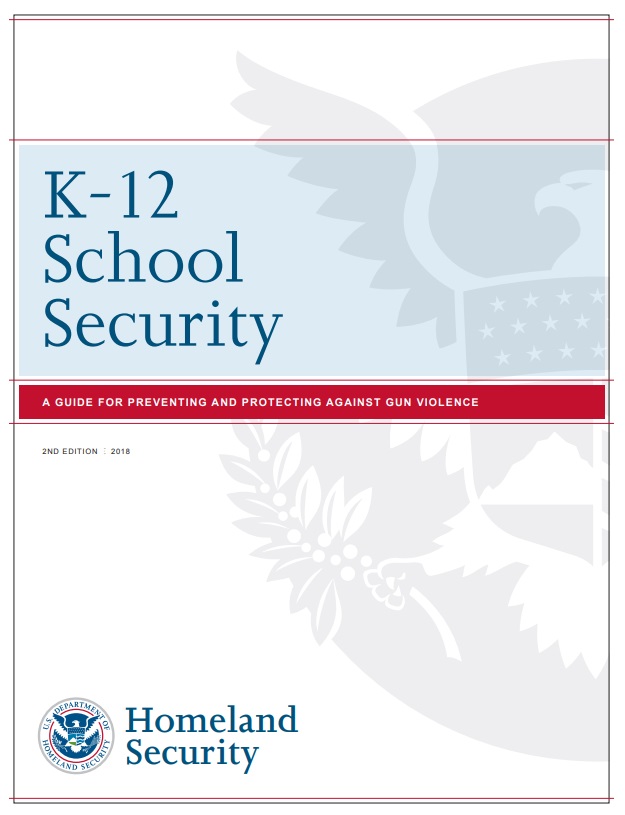
Today we run a status check on the stream of technical and management standards evolving to assure the highest possible level of security in education communities. The literature expands significantly from an assortment of national standards-setting bodies, trade associations, ad hoc consortia and open source standards developers. CLICK HERE for a sample of our work in this domain.
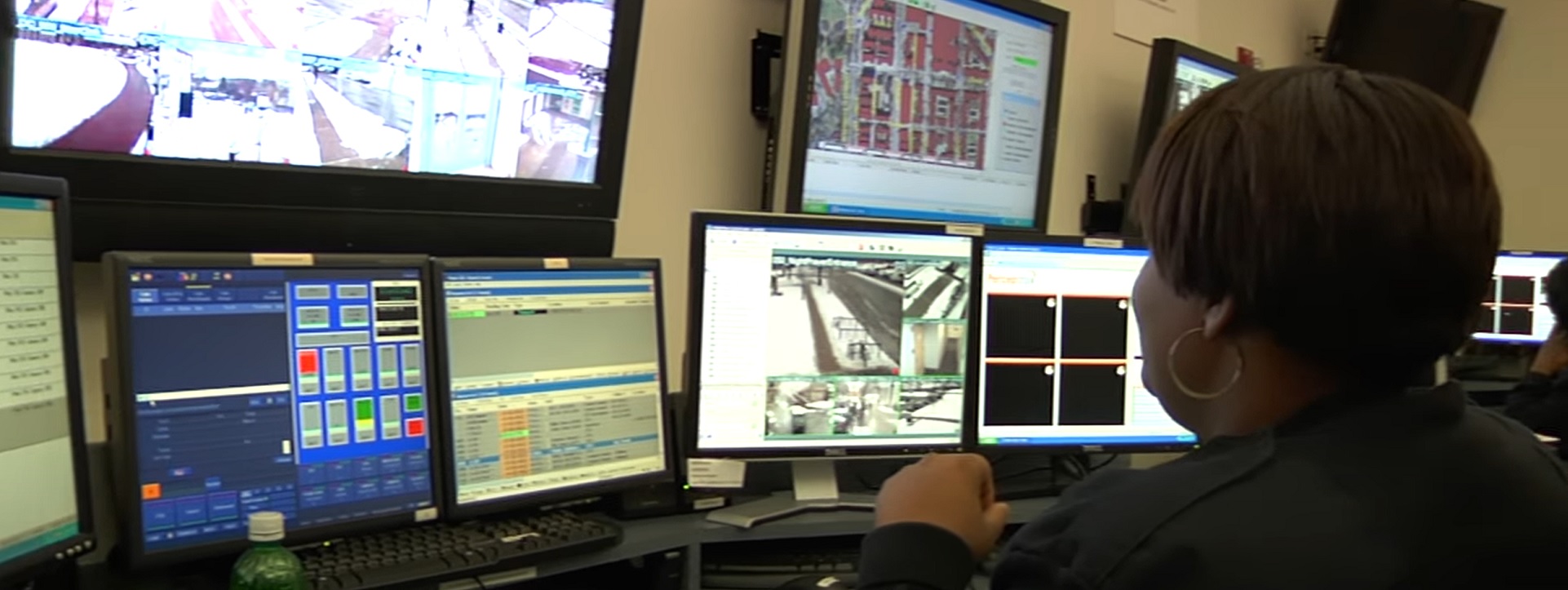
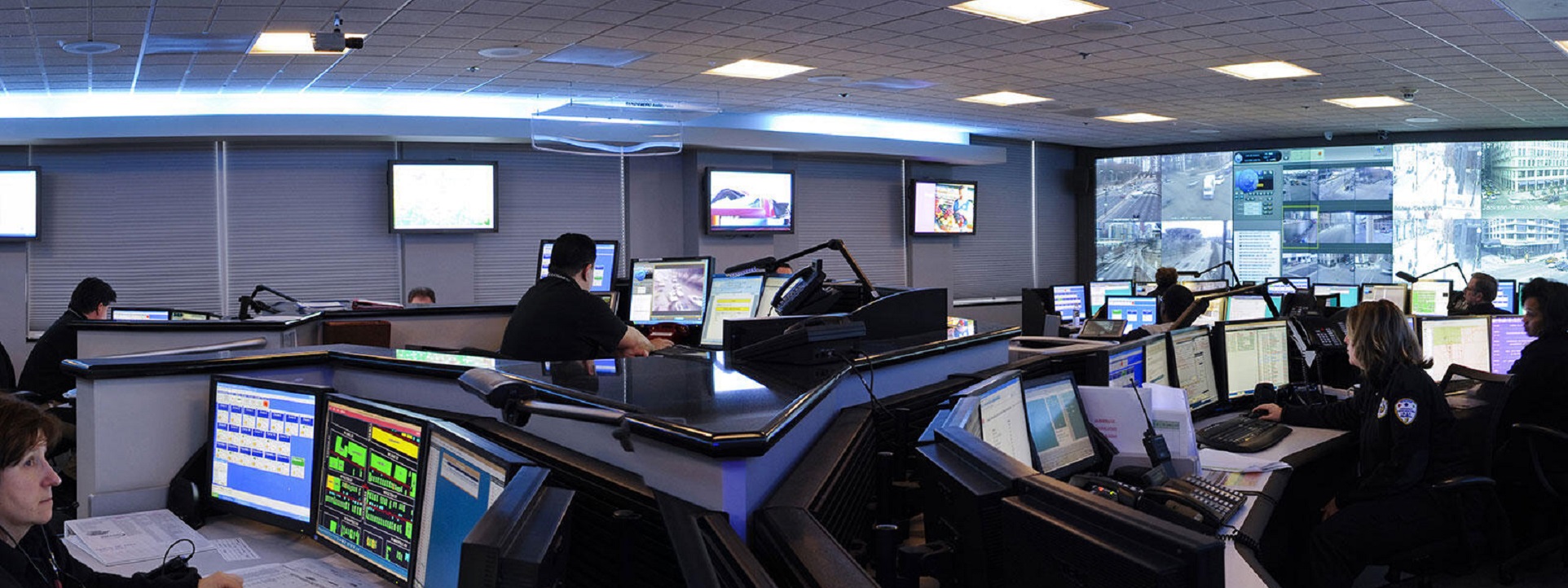
School security is big business in the United States. According to a report by Markets and Markets, the global school and campus security market size was valued at USD 14.0 billion in 2019 and is projected to reach USD 21.7 billion by 2025, at a combined annual growth rate of 7.2% during the forecast period.
Another report by Research And Markets estimates that the US school security market will grow at a compound annual growth rate of around 8% between 2020 and 2025, driven by factors such as increasing incidents of school violence, rising demand for access control and surveillance systems, and increasing government funding for school safety initiatives.
Because the pace of the combined annual growth rate of the school and campus security market is greater than the growth rate of the education “industry” itself, we’ve necessarily had to break down our approach to this topic into modules:
Security 100. A survey of all the technical and management codes and standards for all educational settings — day care, K-12, higher education and university affiliated healthcare occupancies.
Security 200. Queries into the most recent public consultations on the components and interoperability* of supporting technologies
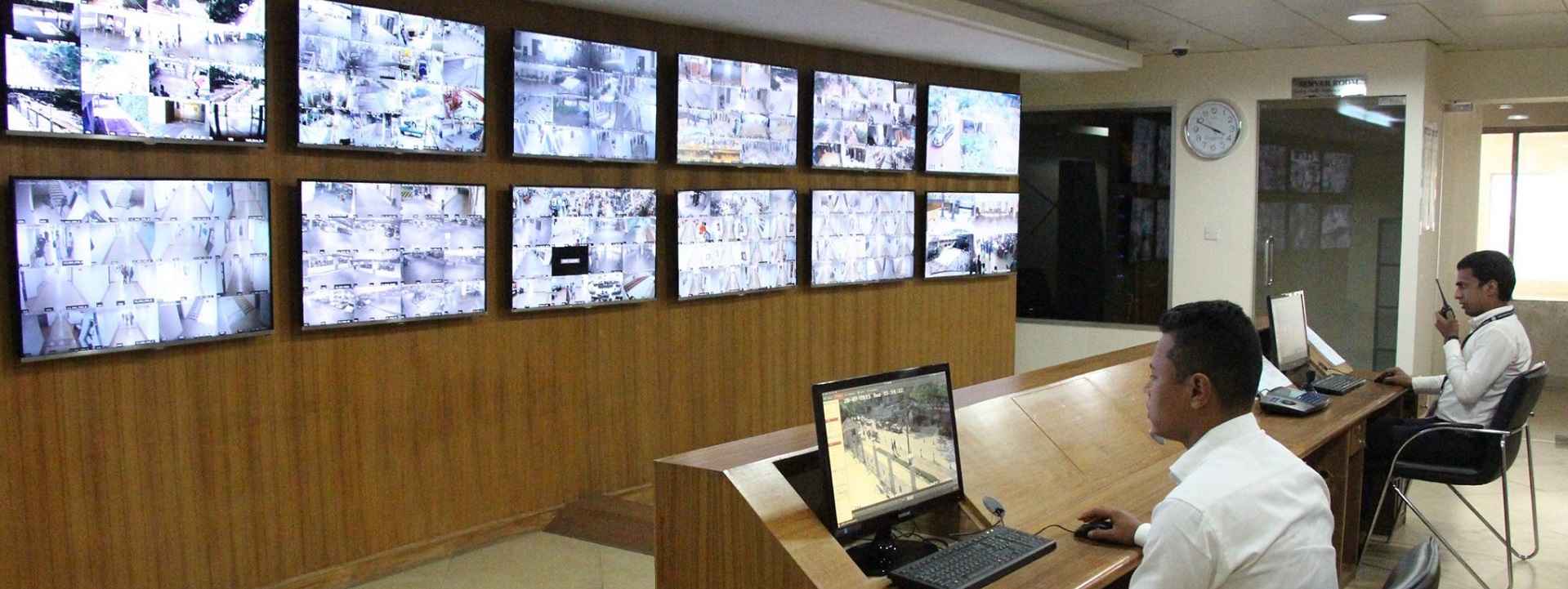
Video surveillance: indoor and outdoor cameras, cameras with night vision and motion detection capabilities and cameras that can be integrated with other security systems for enhanced monitoring and control.
Access control: doors, remote locking, privacy and considerations for persons with disabilities.
Panic alarms: These devices allow staff and students to quickly and discreetly alert authorities in case of an emergency.
Metal detectors: These devices scan for weapons and other prohibited items as people enter the school.
Mass notification systems: These systems allow school administrators to quickly send emergency alerts and notifications to students, staff, and parents.
Intrusion detection systems: These systems use sensors to detect unauthorized entry and trigger an alarm.
GPS tracking systems: These systems allow school officials to monitor the location of school buses and track the movements of students during field trips and other off-campus activities.
Security 300. Regulatory and management codes and standards; a great deal of which are self-referencing.
Security 400. Advanced Topics.
As always, we reckon first cost and long-term maintenance cost, including software maintenance for the information and communication technologies (i.e. anything with wires) installed in the United States. Cybersecurity is outside our wheelhouse and beyond our expertise. In order to do any of the foregoing reasonably well, we have to leave cybersecurity standards to others.
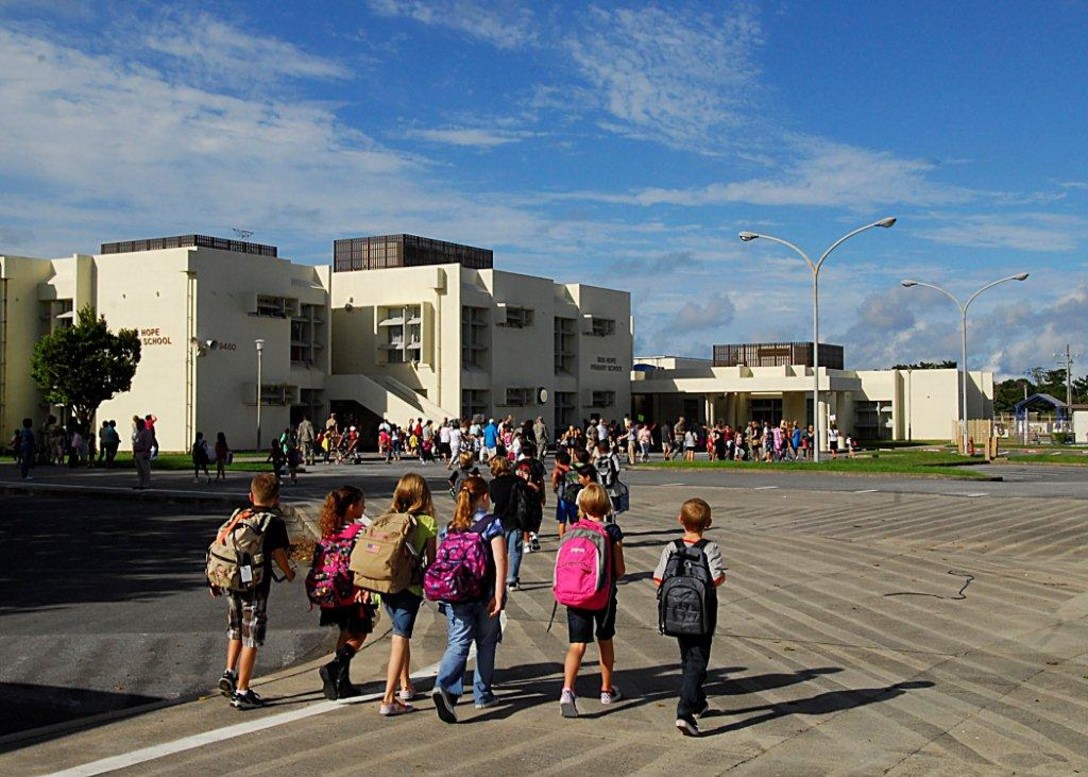
Bob Hope Primary School Kadena Air Base
When your students love the school security guard- he gets flowers! Thanks, Steve! You are the BEST and we appreciate your hard work keeping us safe and building relationships! pic.twitter.com/VCJQ6y9S44
— Casey Otten (@casey_otten) May 26, 2023

Education Community Safety catalog is one of the fast-growing catalogs of best practice literature. In developing district security plans, K-12 school leaders stress that school safety is a cross-functional responsibility and every individual’s participation drives the success of overall safety protocols. We link a small sample below and update ahead of every Security colloquium.
Artificial Intelligence Tries (and Fails) to Detect Weapons in School
Could AI be the future of preventing school shootings?
Executive Order 13929 of June 16, 2020 Safe Policing for Safe Communities
National Center for Education Statistics: School Safety and Security Measures
International Code Council
2021 International Building Code
Section 1010.1.9.4 Locks and latches
Section 1010.2.13 Delayed egress.
Section 1010.2.14 Controlled egress doors in Groups I-1 and I-2.
Free Access: NFPA 72 National Fire Alarm and Signaling Code
Free Access: NFPA 731 Standard for the Installation of Premises Security Systems
IEEE: Design and Implementation of Campus Security System Based on Internet of Things
APCO/NENA 2.105 Emergency Incident Data Document
C-TECC Tactical Emergency Casualty Care Guidelines
Department of Transportation Emergency Response Guidebook 2016
NENA-STA-004.1-2014 Next Generation United States Civic Location Data Exchange Format
Example Emergency Management and Disaster Preparedness Plan (Tougaloo College, Jackson, Mississippi)
Partner Alliance for Safer Schools
Federal Bureau of Investigation Academia Program
Most Dangerous Universities in America
Federal Bureau of Investigation: Uniform Crime Reporting Program
* Interoperability refers to the ability of different technologies or systems to communicate and work together seamlessly. In the context of school security technologies, interoperability can help improve the effectiveness of security systems and make it easier for school personnel to manage and respond to potential security threats. Here’s what we look for:
Update: February 26, 2025

The federal requirement for a school safety plan is outlined in the Jeanne Clery Disclosure of Campus Security Policy and Campus Crime Statistics Act, commonly known as the Clery Act. The Clery Act requires all colleges and universities that participate in federal student financial aid programs to develop and publish an annual security report that includes certain safety-related policies, procedures, and crime statistics.
The Clery Act requires that schools include specific information in their security reports, including:
While the Clery Act only applies to colleges and universities that receive federal student financial aid, many states and school districts have adopted similar requirements for K-12 schools to develop and implement comprehensive safety plans. These plans may include many of the same elements as Clery Act-compliant security reports, such as emergency response protocols, crime prevention programs, and policies for addressing incidents of violence and harassment.
Example Reports:
University of Michigan Ann Arbor Annual Security and Fire Safety Report 2024
Michigan State University: 2022 Annual Security & Fire Safety Report
Davenport University: 2022 Annual Security and Fire Safety Report
Central Michigan University: 2022 Annual Security & Fire Safety Report
Related:
Record-Breaking $14 Million Fine Imposed for Noncompliance with the Clery Act
March 2020 Update
The most recent changes to the Clery Act were made in March 2020, when the Department of Education published the final rule amending the Clery Act regulations. The changes include:
These changes aim to strengthen the Clery Act’s requirements for campus safety and to better address sexual harassment and other forms of violence on college and university campuses.
Clery Act Appendix for FSA Handbook
| Every new federal law involving paperwork creates an uncountable number of trade associations and compliance enterprises. A simple web search on “Cleary Act” will reveal half the internet full of pages for more information. Our focus is on the user-side — i.e. making inquiries and pushing back on the gaudy proliferation of regulatory requirements, the integrity of purpose of the law notwithstanding. We maintain this title on the standing agenda on all of our Security colloquia. See our CALENDAR for the next online meeting; open to everyone. |
2026 Revision First Draft Ballot | NFPA 730
2026 Revision First Draft Report | NFPA 731
First Draft Meeting Agenda (Meetings were remote)
NFPA 731: Standard for the Installation of Premises Security Systems

Library of Alexandria
NFPA 730 Guide to Premise Security guide describes construction, protection, occupancy features, and practices intended to reduce security vulnerabilities to life and property. Related document — NFPA 731 Standard for the Installation of Electronic Premises Security Systems covers the application, location, installation, performance, testing, and maintenance of electronic premises security systems and their components.
The original University of Michigan standards advocacy enterprise (see ABOUT) began following the evolution of NFPA 730 and NFPA 731 since the 2008 Edition. That enterprise began a collaboration with trade associations and subject matter experts from other universities (notably Georgetown University and Evergreen State University) to advocate user-interest concepts in the 2011 edition. A summary of advocacy action is summarized in the links below:
in the appeared in a trade association journal Facilities Manager:
APPA Code Talkers Anthony Davis Facility Manager May June 2011
An online presentation by Michael C. Peele (Georgetown University) — one of the voting members of NFPA 730 and NFPA 731 technical committees– was recorded and is linked below.
FREE ACCESS: 2023 Guide for Premises Security
FREE ACCESS: 2018 NFPA 730 Guide to Premise Security
Public comment on the First Draft of the 2026 Edition will be received until January 3, 2025. You may key in your own ideas by clicking in to our user-interest Public Consultation Meeting Point or by communicating directly with the NFPA.
This title remains on the standing agenda of our Security colloquia. See our CALENDAR for the next online meeting; open to everyone.
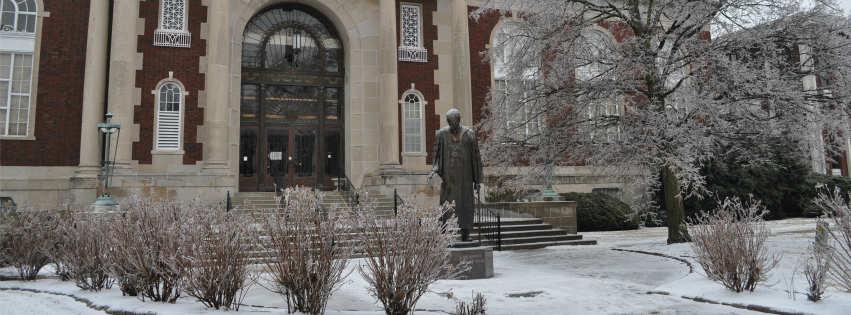
Murray State University
The National Floor Safety Institute is steward to a comprehensive bibliography of best practice literature. Floor safety is a risk that receives heightened consideration in education facilities in the snowy parts of the world this time of year. Its complete suite is listed in the link below:
One title in particular has been of interest to us for several years now: FSI B101.6 Standard Guide for Commercial Entrance Matting in Reducing Slips, Trips and Falls. It provides the criteria for the selection, installation, inspection, care and maintenance of entrance mats and runners in commercial facilities in reducing slips, trips and falls.
Application: The requirements of this standard pertain to the safe usage and applications, design, construction, and quality criteria of floor mats and runners.
Purpose: This standard is directed to eliminating slip, trip and fall hazards including but not limited to soil, moisture, contaminant removal, edge treatments and the improper use of floor mats and runners.
Education communities have a larger-than-average openings to the exterior — and they are large targets for lawsuits — so we keep an eye on this title.
At the moment, an examination of the technical committee roster for this title indicates that there are no voting members from the education industry; the largest non-residential building construction market in the United States. While Murray State University has subject matter experts recognized by NFSI (See YouTube link below) there is no user/owner/final fiduciary on the committee. Keep in mind that that in many education organizations — particularly large research universities — the compliance and insurance (risk management) interest is the only stakeholder that has the funding to participate. Compliance and risk management interests may be at odds with the interest of the user/owner/final fiduciary in individual units (explained in more detail in our ABOUT)
NSFI alerts the public to live consultation opportunities on the link to its standards landing page above. Today we find only closed consultations on its News & Events page. You are encouraged to collaborate directly with NFSI. Contact Laura Cooper for more information at laurac@nfsi.org.
We keep the NFSI standards suite on the standing agenda of our Interiors colloquia. See our CALENDAR for the next meeting; open to everyone.
Issue: [14-63]
Category: Risk Management
Colleagues: Mike Anthony, Richard Robben
ICC Group A Monograph (April 2024)
Note 80 school-related entrance and egress concepts (Search term: “School”)
2024 Group A Proposed Changes to the I-Codes (October 2024)
Note 40 school-related entrance and egress concepts (Search term: “School”)
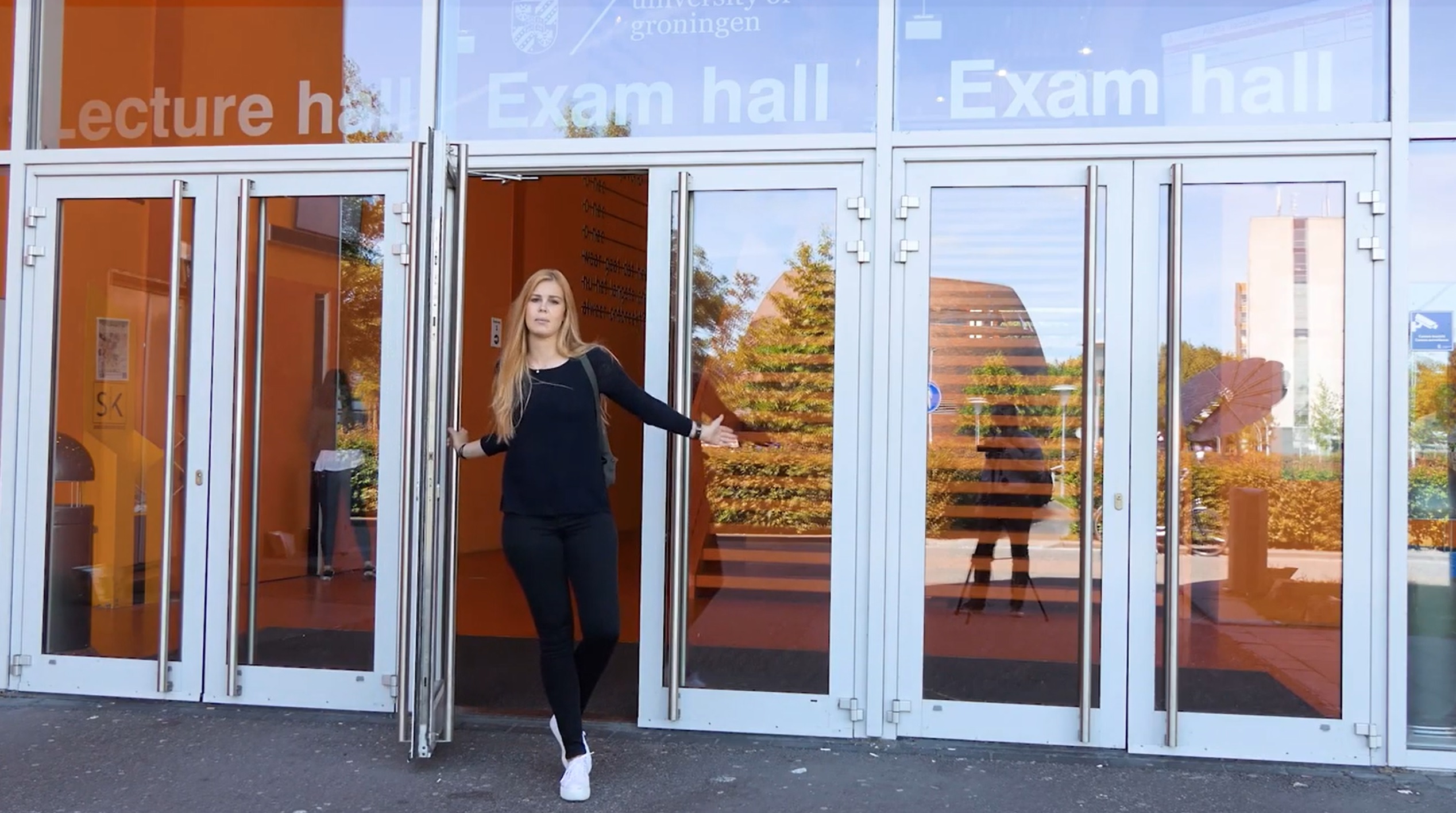 Doors have long since been a simple “opening” or “fenestration”. Doors are “portals”; nodes on the geometry of the Internet of Small Things. There are 100’s of thousands of these nodes on any single college, university or school district. First costs run from $1000 per door in a classroom to $100,000 per door in hospitals with maintenance and operation costs commensurate with complexity of the hardware and software needed to maintain integration of the door with building security and energy systems.
We find the bulk of best practice identified in the catalogs of the following accredited standards developers for the United States construction markets:
ASTM International
Conflicting Requirements of Exit Doors
Standard Practice for Installation of Exterior Windows, Doors and Skylights
Repair Methods for Common Water Leaks at Operable Windows and Sliding Glass Doors
Builders Hardware Manufacturers Association
International Code Council
International Building Code Chapter 10:
Chapter 24: Glass and Glazing
Accessibility Requirements (Referenced from ICC A117.1)
Energy Efficiency (Referenced from IECC)
“At School Doors” 1897 | Nikolay Bogdanov-Belskyhttps://t.co/FV2W5z42xY
46454E4553544154494F4Ehttps://t.co/1GCno4M9EV pic.twitter.com/nZFSx82gwk— Standards Michigan (@StandardsMich) April 17, 2024
IEEE Current Issues and Recent Research
National Fire Protection Association
Steel Door Institute
University of Michigan Design Guideline 4.7: Building Access Control
University of Michigan Electrical Division 28: Electronic Safety and Security
The oldest door still in use in Pantheon, Rome – Italy.
Cast in bronze for emperor Hadrian’s rebuilding, dated about 115 AD.#archaeohistories pic.twitter.com/Pjy4JYwDa2
— ArchaeoHistories (@histories_arch) September 14, 2022
The US federal government and all 50-states adapt safety and sustainability concepts from the foregoing publishers; either partially or whole cloth.
Today at the usual hour we examine the moment in the standard of care for doors in education communities in the United States. Join the colloquium with the login credentials at the upper right of our home page.
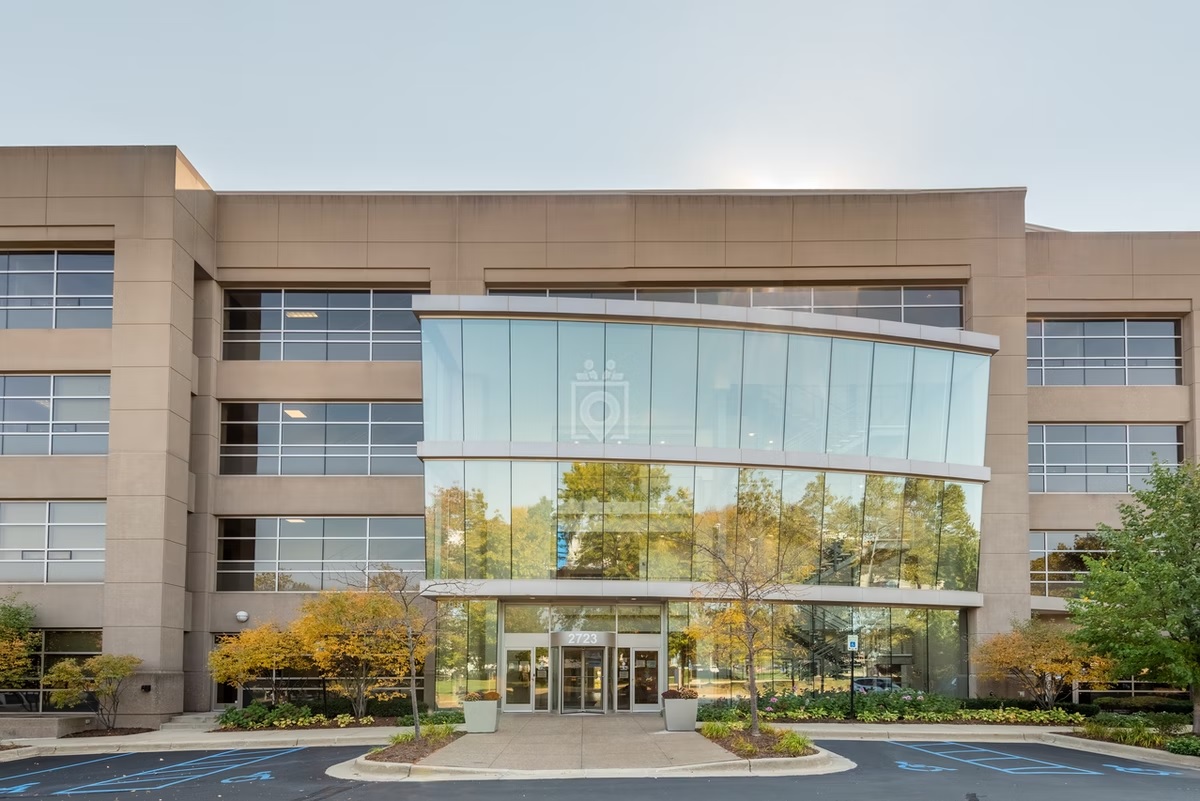
Standards Michigan Office Ann Arbor Michigan | 2723 South State Street Suite 150
It's all about those little details, folks! How cool is this hand-finished brass hinge??! It's one of our favorites.
You can find at House of Antique Hardware in their antique-by-hand finish. You can thank us later 🙂 pic.twitter.com/7C0kxGe31N
— Building Culture (@Build_Culture) January 19, 2025
When the startup matures to the point of getting a front door sign 🥹 pic.twitter.com/vGDXRb2o6x
— Lauren Stopfer, PhD (@lstops) September 25, 2023
It’s lovely to see us all together 😍 pic.twitter.com/nNz8q9OJfw
— Magdalen College (@magdalenoxford) September 27, 2023
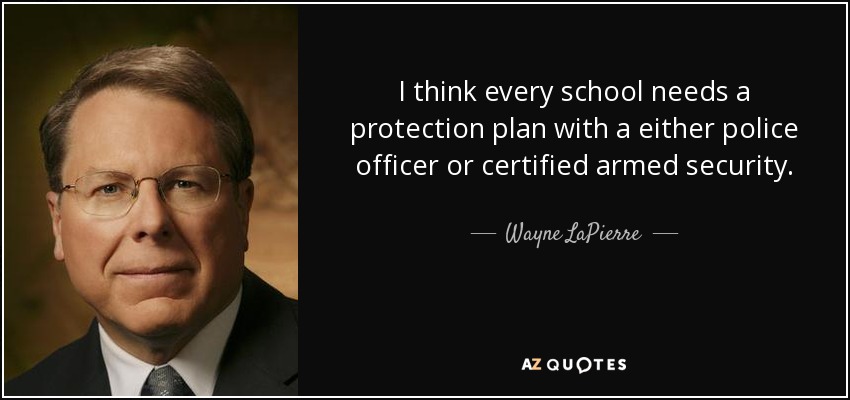
Today we run a status check on the stream of technical and management standards evolving to assure the highest possible level of security for education communities. The literature expands significantly from an assortment of national standards-setting bodies, trade associations, ad hoc consortia and open source standards developers. CLICK HERE for a sample of our work in this domain.
School security is big business in the United States. A few years ago we could deal with physical security separately from cybersecurity. Not so much anymore. In today’s colloquium — essentially a survey module presenting a broad overview — we seek to understand product and interoperability standards for the following technologies:
Video surveillance: indoor and outdoor cameras, cameras with night vision and motion detection capabilities and cameras that can be integrated with other security systems for enhanced monitoring and control.
Access control: doors, remote locking, privacy and considerations for persons with disabilities.
As time permits, we will reckon with first cost and long-term maintenance cost, including software maintenance.
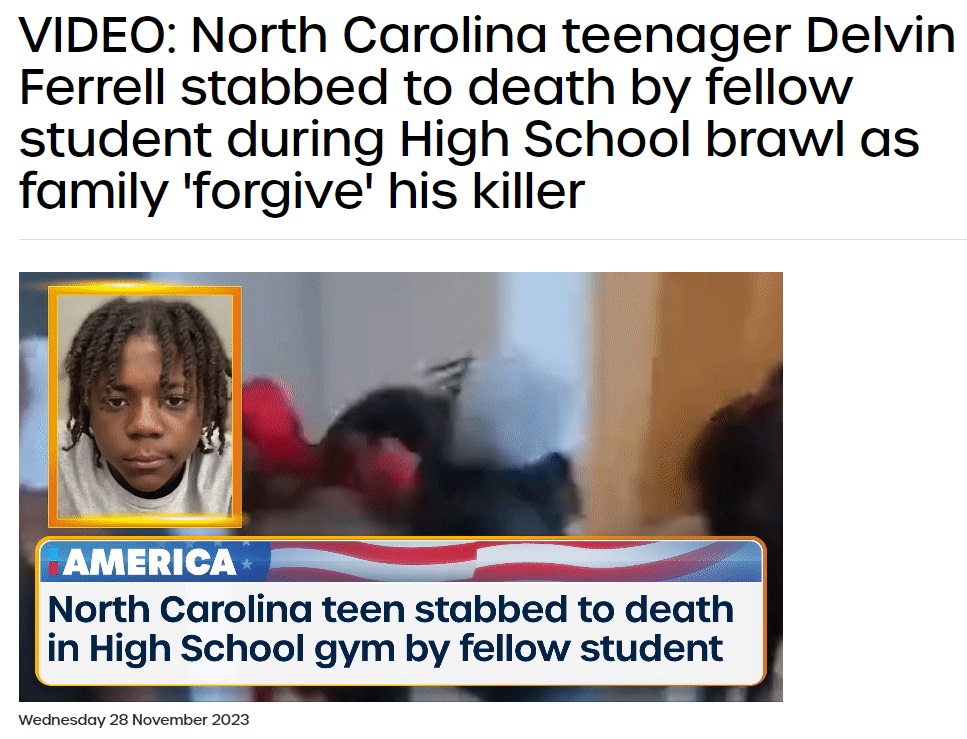
According to a report by Markets and Markets, the global school and campus security market size was valued at USD 14.0 billion in 2019 and is projected to reach USD 21.7 billion by 2025, at a combined annual growth rate of 7.2% during the forecast period. Another report by Research And Markets estimates that the US school security market will grow at a compound annual growth rate of around 8% between 2020 and 2025, driven by factors such as increasing incidents of school violence, rising demand for access control and surveillance systems, and increasing government funding for school safety initiatives.
Noteworthy: The combined annual growth rate of the school and campus security market is greater than the growth rate of the education “industry” itself.
Education Community Safety catalog is one of the fast-growing catalogs of best practice literature. We link a small sample below and update ahead of every Security colloquium.
Executive Order 13929 of June 16, 2020 Safe Policing for Safe Communities
Clery Compliance | 2024 Nova Southeastern University Public Safety Department
National Center for Education Statistics: School Safety and Security Measures
International Code Council
2021 International Building Code
Section 1010.1.9.4 Locks and latches
Section 1010.2.13 Delayed egress.
Section 1010.2.14 Controlled egress doors in Groups I-1 and I-2.
Free Access: NFPA 72 National Fire Alarm and Signaling Code
Free Access: NFPA 731 Standard for the Installation of Premises Security Systems
IEEE: Design and Implementation of Campus Security System Based on Internet of Things
APCO/NENA 2.105 Emergency Incident Data Document
C-TECC Tactical Emergency Casualty Care Guidelines
Department of Transportation Emergency Response Guidebook 2016
NENA-STA-004.1-2014 Next Generation United States Civic Location Data Exchange Format
Example Emergency Management and Disaster Preparedness Plan (Tougaloo College, Jackson, Mississippi)
Partner Alliance for Safer Schools
Federal Bureau of Investigation Academia Program
Most Dangerous Universities in America
Federal Bureau of Investigation: Uniform Crime Reporting Program
When your students love the school security guard- he gets flowers! Thanks, Steve! You are the BEST and we appreciate your hard work keeping us safe and building relationships! pic.twitter.com/VCJQ6y9S44
— Casey Otten (@casey_otten) May 26, 2023
New update alert! The 2022 update to the Trademark Assignment Dataset is now available online. Find 1.29 million trademark assignments, involving 2.28 million unique trademark properties issued by the USPTO between March 1952 and January 2023: https://t.co/njrDAbSpwB pic.twitter.com/GkAXrHoQ9T
— USPTO (@uspto) July 13, 2023
Standards Michigan Group, LLC
2723 South State Street | Suite 150
Ann Arbor, MI 48104 USA
888-746-3670
 |
 |
|
 |
 |
|
 |
 |