“Love and scandal are the best sweeteners of tea.”
— Henry Fielding “Love in Several Masques (Act IV, Scene 11)”
Simnel Cake: British Food History




“Love and scandal are the best sweeteners of tea.”
— Henry Fielding “Love in Several Masques (Act IV, Scene 11)”
Simnel Cake: British Food History

“Der Alchemist” c. 1908 Max Fuhrmann
We use European Norm 15154-1 and 15154-2 to enlighten differences about laboratory risk is managed among different nations — specifically between the United States and Europe. The education industry has many instructional, research and healthcare settings in which laboratory chemicals are routinely used. The laboratories specifically, are significant revenue generators in research universities. We contribute to leading practice discovery for any technology that reduces risk to people and property. As we are classified as a “user-interest” in the global standards systems; we are also attentive to budget risk.
The European Norm documents are developed as a pair as shown below:
EN 15154-1 Emergency safety showers – Part 1: Plumbed-in body showers for laboratories – This document is a product specification, giving performance requirements for emergency safety body showers connected to the water supply. It is applicable to plumbed-in body showers only, located in laboratory facilities. It is not applicable to emergency safety showers used on industrial sites or in other such areas. Requirements are given in respect of the performance, installation, adjustment and marking of the showers as well as installation, operation and maintenance instructions to be given by the manufacturer. NOTE Attention is drawn to national regulations which may apply in respect of the installation and use of emergency safety showers.
EN 15154-2 Emergency safety showers – Part 2: Plumbed-in eye wash units – This document is a product specification, giving performance requirements for emergency safety eye wash units connected to the water supply. It is applicable to plumbed-in eye wash units only. Requirements are given in respect of the performance, installation, adjustment and marking of the eye wash units, as well as installation, operation and maintenance instructions to be given by the manufacturer. NOTE Attention is drawn to national regulations which may apply in respect of the installation and use of eye wash units.
The current version is dated 2006; to best of our knowledge (though there may be local adaptions that are dated later). The European Committee for Standardization website may contain more information about status and developmental trajectory. The International Organization for Standardization also administers two technical committees (ISO/TC 48 and ISO/TC212) also involved in laboratory safety and sustainability concepts.
We do not advocate user-interest safety and sustainability concepts in this pair of standards at the moment. However, we do use EN 15154 et. al, for comparative purposes; setting it against the prevailing United State standard produced by the International Safety Equipment Association — ISEA 358.1-2014 Emergency Eyewash and Shower Standard.
We track public consultations on this topic during our periodic Laboratory and Water 200 colloquia. See our CALENDAR for the next online teleconference; open to everyone.
Issue: [13-28] [15-271] [19-155]
Category: International, Laboratory Safety, Mechanical, Plumbing,
Colleagues: Mike Anthony, Mark Schaufele, Richard Robben
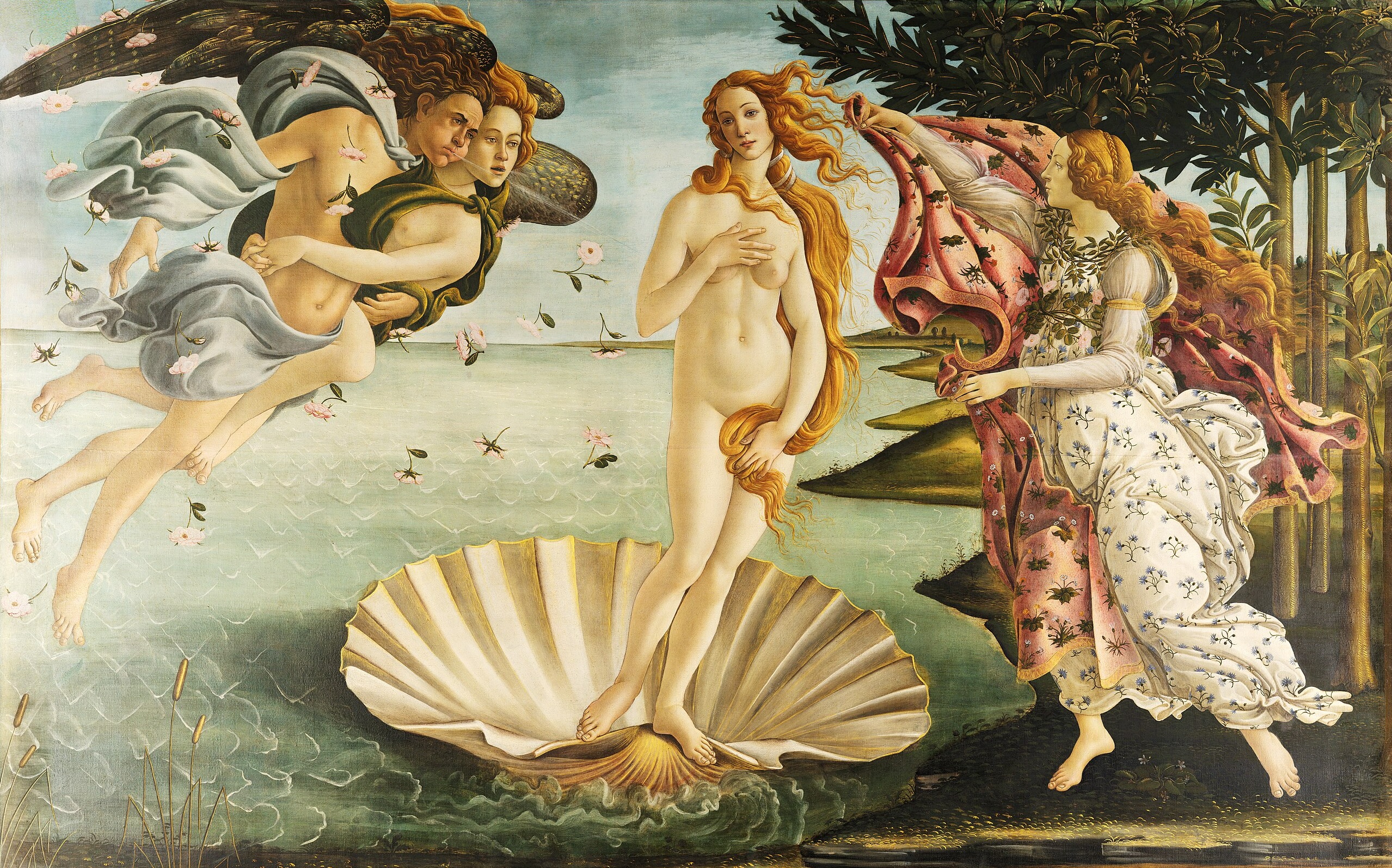
“A flood is nature’s way of telling you
that you live in the wrong place.”
— Some guy
‘It was one of those March days when the sun shines hot and the wind blows cold: when it is summer in the light, and winter in the shade’ ☀️❄️
– Charles Dickens, Great Expectations (1861) pic.twitter.com/1RJADJDCna— Trinity Library (@TrinCollLibCam) March 3, 2025
Northwestern University Waterfront | State University of New York Oswego
Water standards make up a large catalog and it will take most of 2023 to untangle the titles, the topics, proposals, rebuttals and resolutions. When you read our claim that since 1993 we have created a new academic discipline we would present the best practice literature of the world’s water standards as just one example.
During the Water 200 session we reckon with best practices inside buildings. During the Water 400 session will run through water management outside buildings, including interface with regional water management systems.
Water safety and sustainability standards have been on the Standards Michigan agenda since the early 2000’s. Some of the concepts we have tracked over the years; and contributed data, comments and proposals to technical committees, are listed below:
Water 400
Water 300
Water 200
Since 2016 we have tracked other water-related issues:
Relevant federal legislation:
Send bella@standardsmichigan.com an email to request a more detailed advance agenda. To join the conversation use the login credentials at the upper right of our home page.
More
IAPMO Publishes U.S., Canadian Standard for Detection, Monitoring, Control of Plumbing Systems
"The Great Archimedes"
Baylor University Presshttps://t.co/jbaGIt5tqW@Baylor_Press@BaylorECS pic.twitter.com/4FbcZqLPrQ— Standards Michigan (@StandardsMich) August 4, 2020
Which Australian beaches are microplastic hot-spots? Research from Macquarie University’s AUSMAP project can help you to find low pollution beaches: https://t.co/JK43XMuAIL #microplastics #AustralianBeaches #plasticpollution @AUSMAP_AU pic.twitter.com/FZDgsAZ0Gz
— Macquarie University (@Macquarie_Uni) January 21, 2022
More
Solitude Lake Management for Universities and Colleges

“Spring Night, Harlem River” 1913 Earnest Lawson
Many school districts, colleges and universities are affected by annual spring flooding in the Central United States; seasonal inspiration for revisiting the technical and management codes and standards to avoid and/or mitigate water damages that may be originate with host municipality water supply and control authorities.
The standards developed by the American Society of Civil Engineers (ASCE) and its affiliate institute — Environmental Water Resource Institute (EWRI) — should appear in the design guidelines given to professional services firms retained by the facility construction, operations and maintenance workgroups. We encourage our colleagues in these units to update their design guidelines with the latest versions of the documents linked below:
ASCE/EWRI 56: Guidelines for the Physical Security of Water Utilities. These water utility guidelines recommend physical and electronic security measures for physical protection systems to protect against identified adversaries, referred to as the design basis threats (DBTs), with specified motivation, tools, equipment, and weapons.
ASCE/EWRI 57: Guidelines for the Physical Security of Wastewater/Stormwater Utilities. These wastewater/stormwater utilities guidelines recommend physical and electronic security measures for physical protection systems to protect against identified adversaries, referred to as the design basis threats (DBTs), with specified motivation, tools, equipment, and weapons. Additional requirements and security equipment may be necessary to defend against threats with greater capabilities.
Note that these documents are “paired” for the obvious reason that potable water systems must be separate from all other water systems.
No redlines that are in the upper tier of our priority rankings are open for public comment at this time; though there are two that might interest building contractors:
Standards currently accepting Public Comments include:
Public Comment for ASCE-SEI 24 Flood Resistant Design and Construction (Comment Deadline 9/26/24)
Public Comment for ASCE/SEI 32-01 Design and Construction of Frost-Protected Shallow Foundations (Comment Deadline 8/05/2024
Public Comment on ASCE 7-22 Supplement for Chapter 5 (Comment Deadline 1-15-2023)
Public Comment on ASCE 7-22 Supplement for Referenced Standards (Comment Deadline 1-15-2023)
We encourage direct engagement by education industry leaders, their engineering consultants, or municipal water management experts to participate in the development of these standards through the ASCE standards portal:
ASCE Standards Public Comment Page
You will need to set up an access account. You may also communicate directly with the American Society of Civil Engineers, 1801 Alexander Bell Dr., Reston, VA 20191. Contact: James Neckel (jneckel@asce.org).
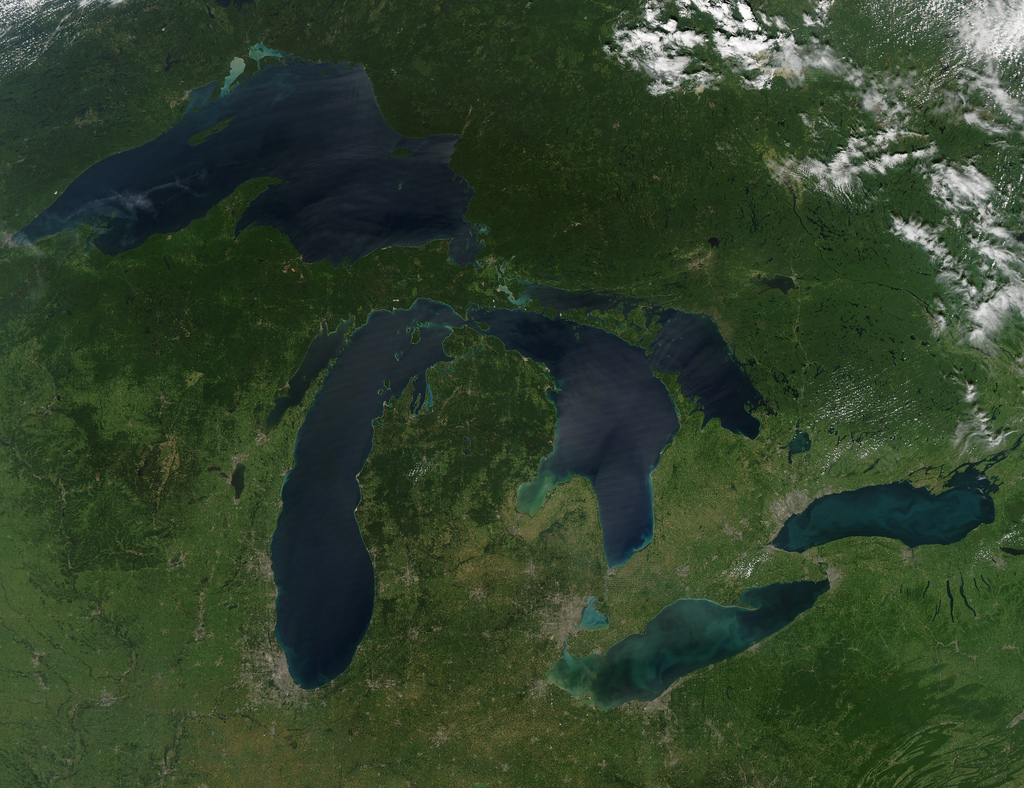
We keep water-related ASCE titles on the standing agenda of our Water colloquium. See our CALENDAR for the next teleconference; open to everyone.
Issue: [18-52]
Category: Civil Engineering, Water, #SmartCampus
Colleagues: Jack Janveja, Richard Robben, Steve Snyder, Larry Spielvogel
LEARN MORE:
#IWD2024 Today, as we celebrate the incredible achievements of women around the world, we’re excited to share a special video that highlights some amazing women in our organisation discussing #InpireInclusion💪🌐 pic.twitter.com/roClQFbBlY
— Standards Australia (@standardsaus) March 8, 2024
NSW Government | Department of Primary Industries
2026 National Electrical Code Workspace
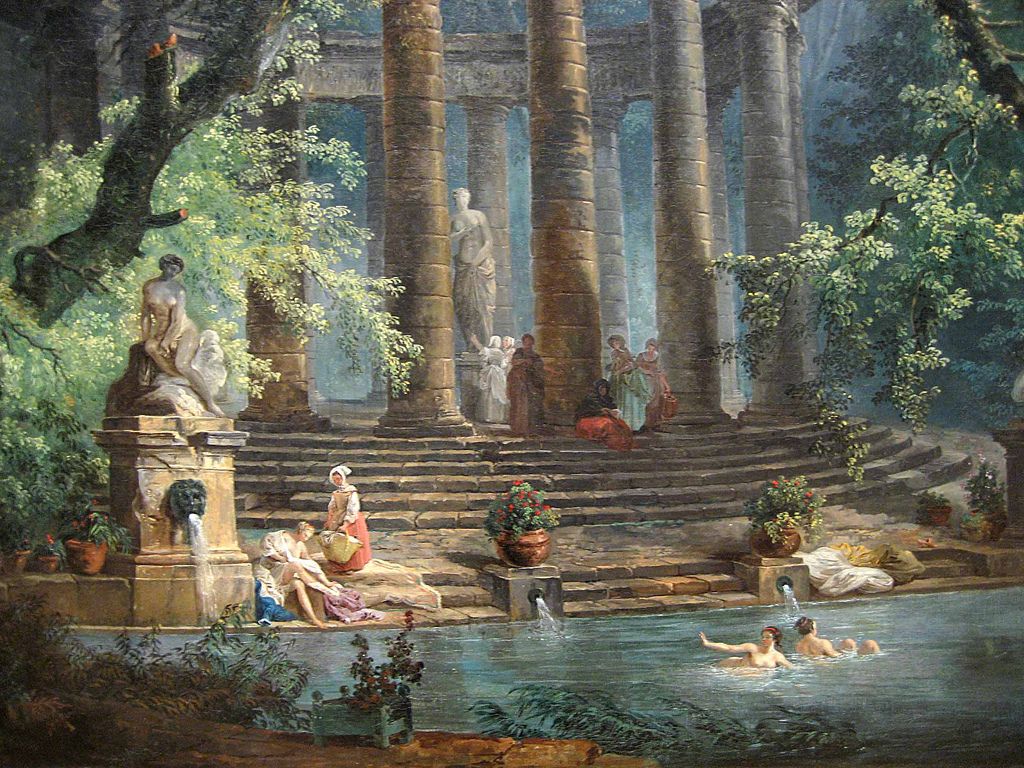
“The Bathing Pool” / Hubert Robert (French, 1733–1808) / Gift of J.P. Morgan
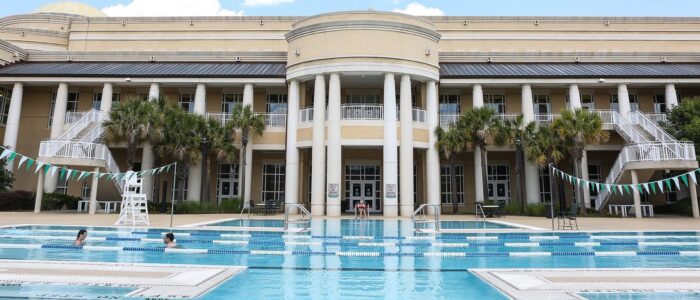
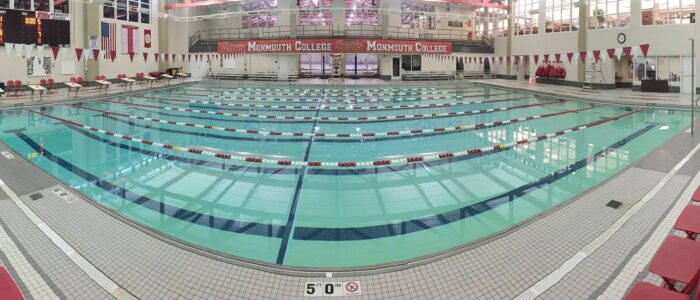
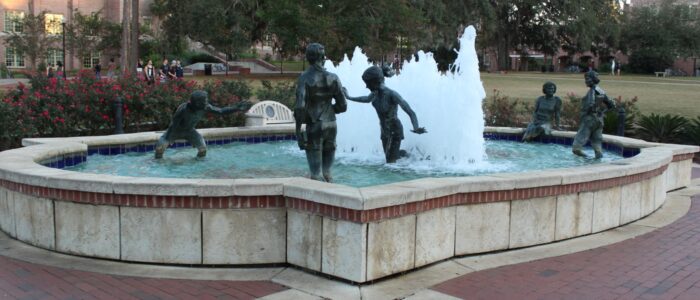
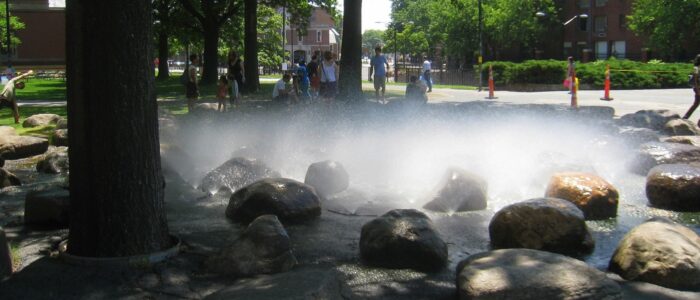
Education communities have significant assets tied up in swimming pools, immersion pools, fountains, hydro-therapy installations (in hospitals and athletic training facilities) and flood control facilities (in congested, non-permeable parts of urban campuses) we have been keeping an eye on leading practice discovery for these installations in the 2020 National Electrical Code.
With electrical safety — i.e. shock protection — as the focus of this post*, the relevant parts of the 2020 NEC reside in Articles 680 and 682 are described below:
Article 680 applies to the construction and installation of electrical wiring for, and equipment in or adjacent all swimming, wading, therapeutic and decorative pools, fountains, hot tubs, spas and hydromassage bathtubs, whether permanently installed or storable, and to metallic auxiliary equipment, such as pumps, filters, and similar equipment. The term body of water used throughout Part I applies to all bodies of water covered in this scope unless otherwise amended.
Article 682 applies to the installation of electrical wiring for, and the equipment in and adjacent to, natural or artificially made bodies of water not covered by other articles in the NEC, such as, but not limited to aeration ponds, fish farm ponds, storm retention basins, treatment ponds and irrigation (channel facilities. Water depths may vary seasonally or be controlled.
When the 2020 NEC is released there will be hundreds (more like thousands) of experts who make their living on each NEC revision fanning out across the globe able and ready to interpret, advise and train. We are not primarily a code training enterprise but we do get down into the weeds of electrical safety technical discussion where leading practice discovery discussion is recorded:
2020 NEC Article 680-682 Public Input | Pages 240 – 501
2020 NEC Articles 680-682 First Draft Report | Page 59 – 152
2020 NEC Articles 680-682 Public Comment Report
2020 NEC Articles 680-682 Second Draft Final Ballot
Transcripts superseded. We refer to the 2026 Workspace linked at the top of this page.
We find interest in corrosion control, water bottle fill stations, water heating technologies, LED illumination as well as the usual editorial, correlation and concepts movement between articles. From these transcripts it should also be plain that grounding and bonding practice, GFCI protection, luminaire location and wiring, corrosion management continue to be of primary interest in electrical safety assurance. Related safety concepts appear in NFPA 70B and NFPA 70E. Anything having to do with water; or the areas around water, are regions of elevated risk.
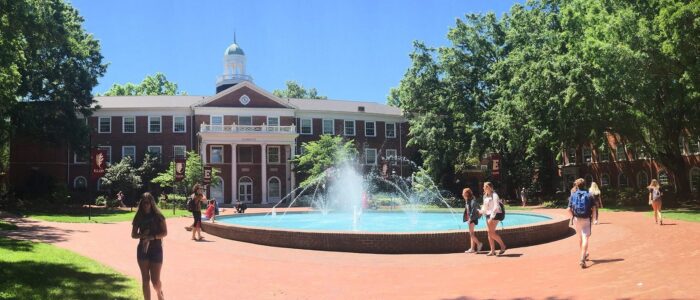
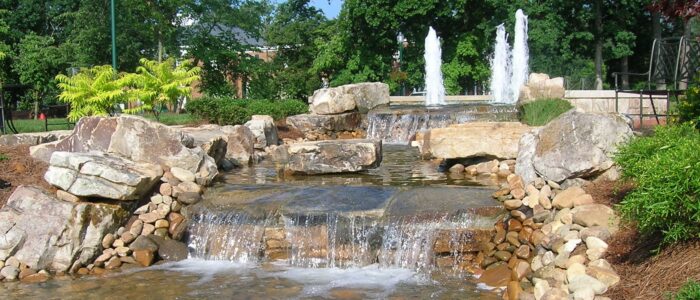
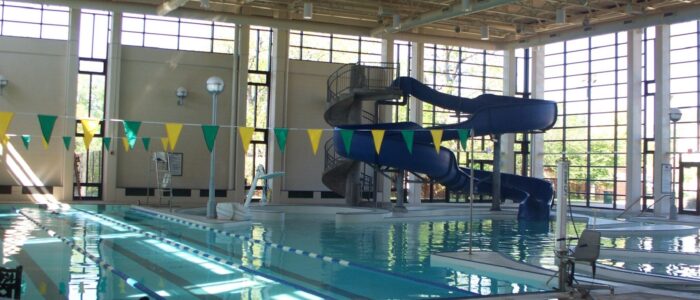
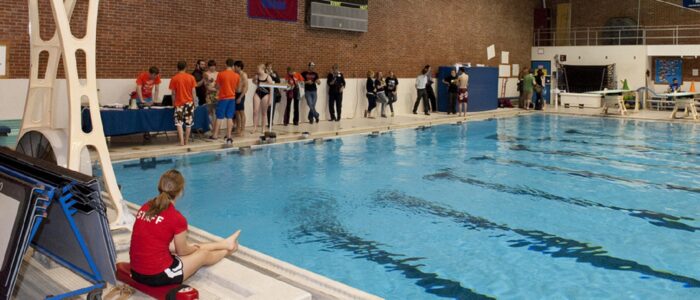
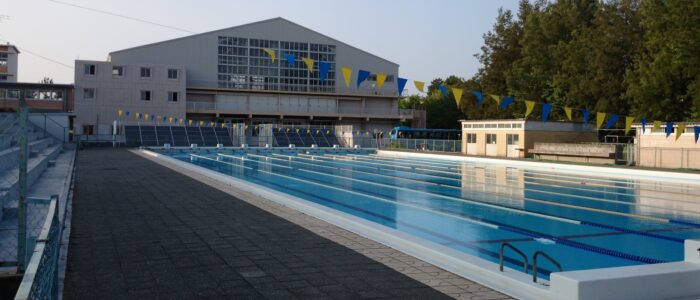
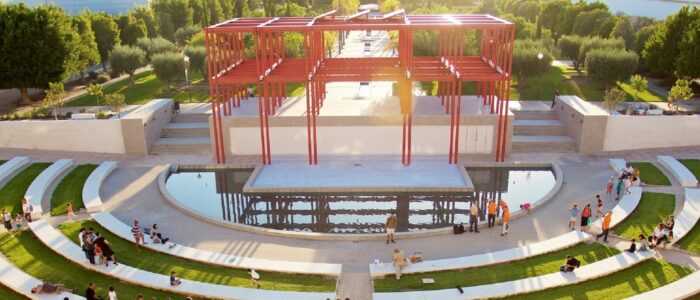
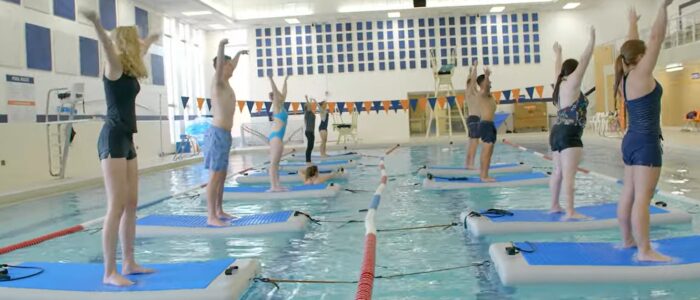
We are happy to discuss electrical safety standards any day at 11 AM Eastern time and host a monthly breakout teleconference dedicated to Electrical Power Safety in education facilities. See our CALENDAR for the next online meeting. We also collaborate closely with the IEEE Education & Healthcare Facilities Committee which meets online four times monthly in European and American time zones.
Issue: [16-102]
Category: Electrical, Risk Management, Water,
Colleagues: Mike Anthony, Jim Harvey, Kane Howard
*We leave the technical specifics of footcandle distribution to another, future post.
LEARN MORE:
2017 NEC changes for electrical safety in swimming pools
2020 NEC Changes (All Articles)
Supporting swimming pools with electricity involves various essential functions such as filtration, heating, lighting, and sanitation. Ensuring safety and energy efficiency is crucial, and pool owners can take steps to minimize electricity costs and environmental impact. Key points:
Filtration and Circulation: Swimming pools rely on electric pumps to circulate water through filters, removing debris and maintaining water quality.
Heating: Electric heaters or heat pumps are used to regulate water temperature for comfort, especially in colder seasons.
Lighting: Underwater and pool area lighting enhance safety and aesthetics, typically powered by electricity.
Chlorination and Sanitation: Electric chlorinators or ozone generators help maintain water cleanliness and hygiene.
Automation: Electric control systems enable pool owners to manage filtration, heating, and lighting remotely for convenience and energy efficiency.
Energy Efficiency: Pool owners can invest in energy-efficient equipment, like variable-speed pumps and LED lighting, to reduce electricity consumption and operating costs.
Operations and Maintenance: Regular electrical maintenance ensures safe and reliable pool operation, preventing electrical faults and hazards. The electricity cost for pool operation can be significant, so pool owners should consider energy-efficient practices and equipment to reduce expenses.
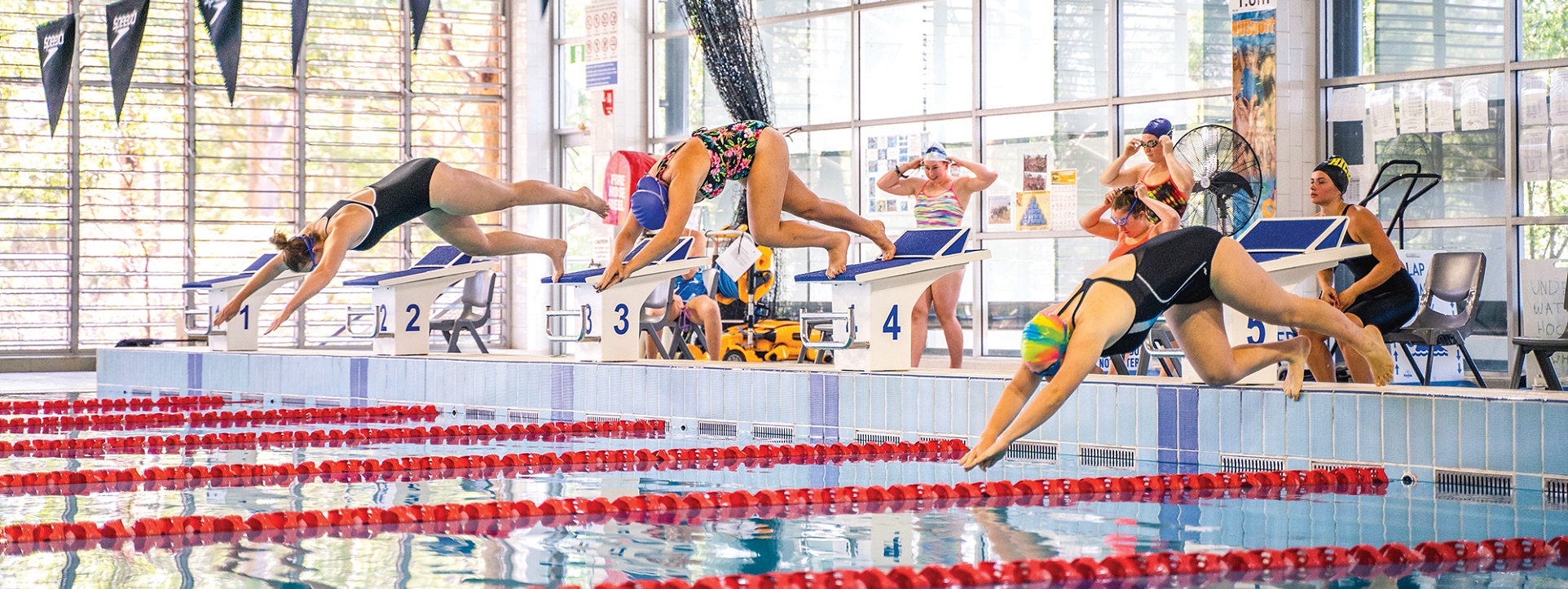
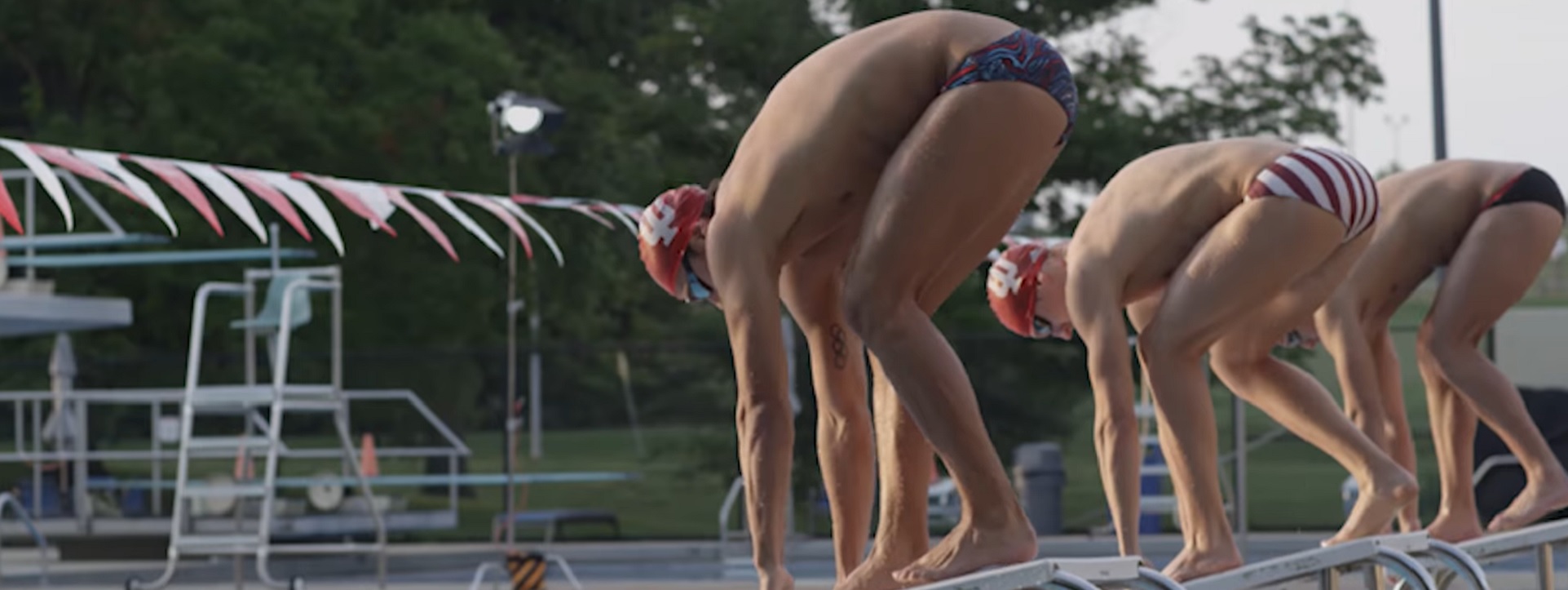
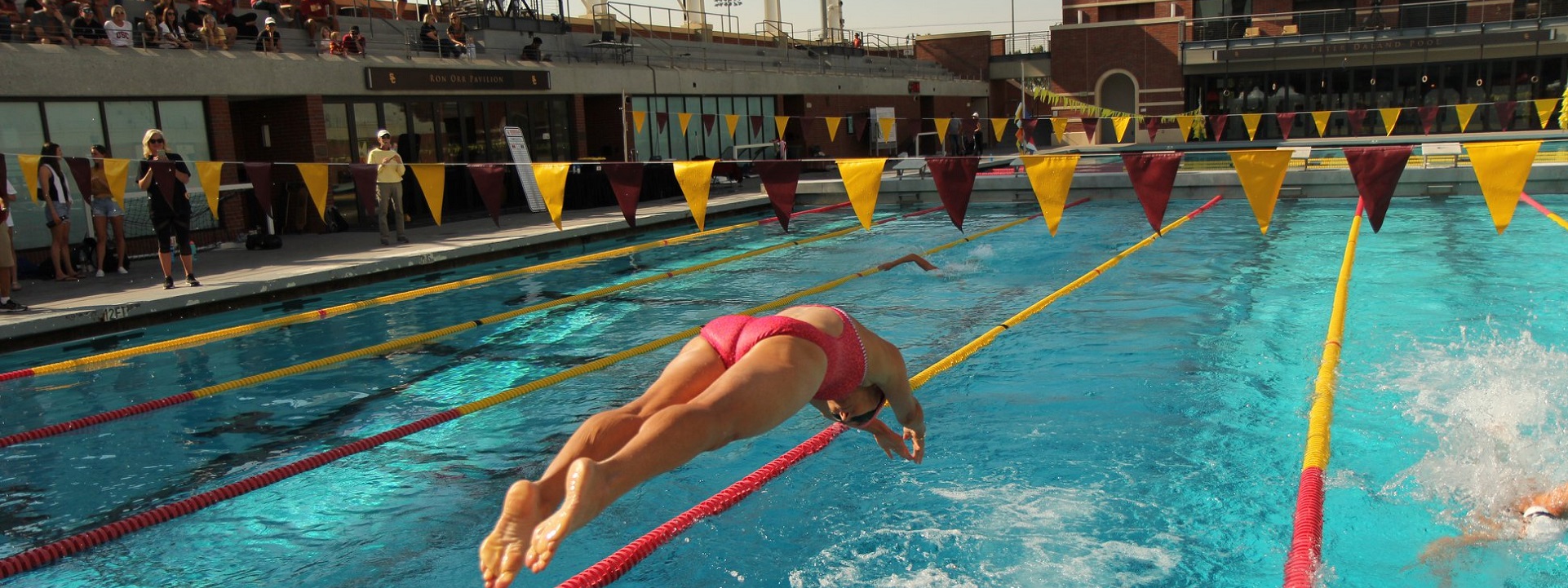
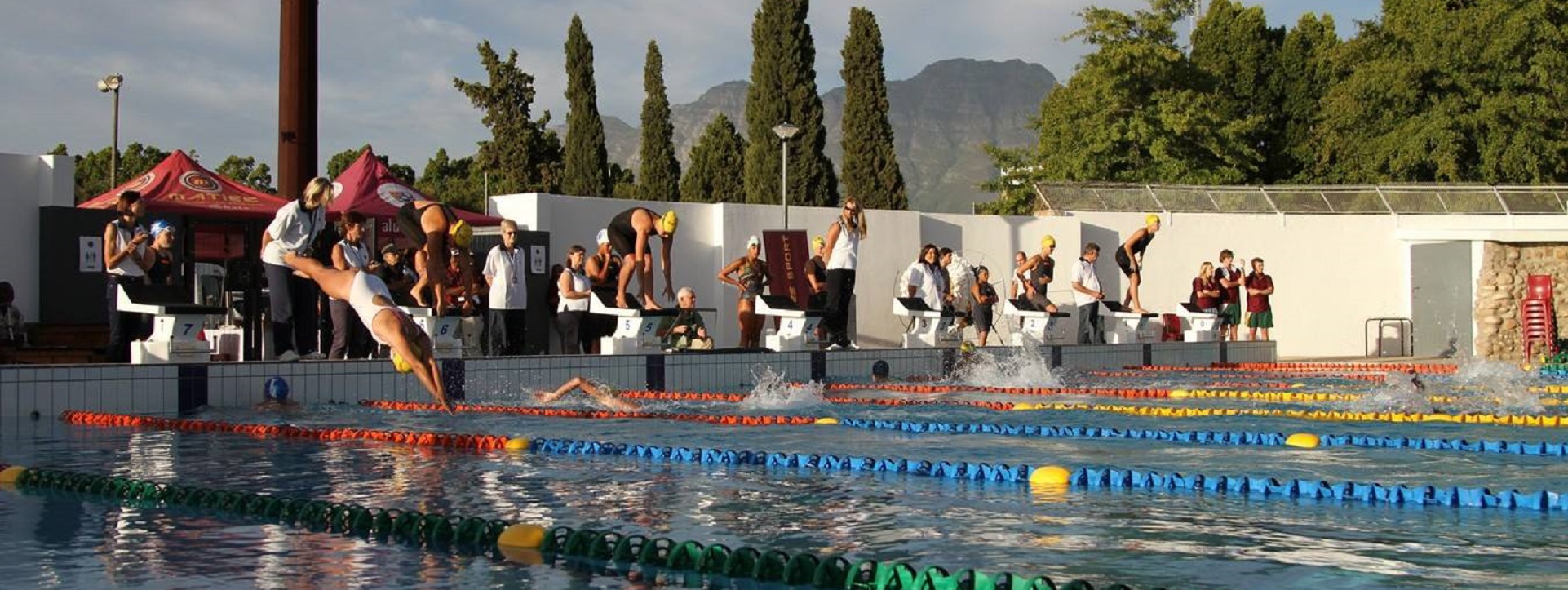
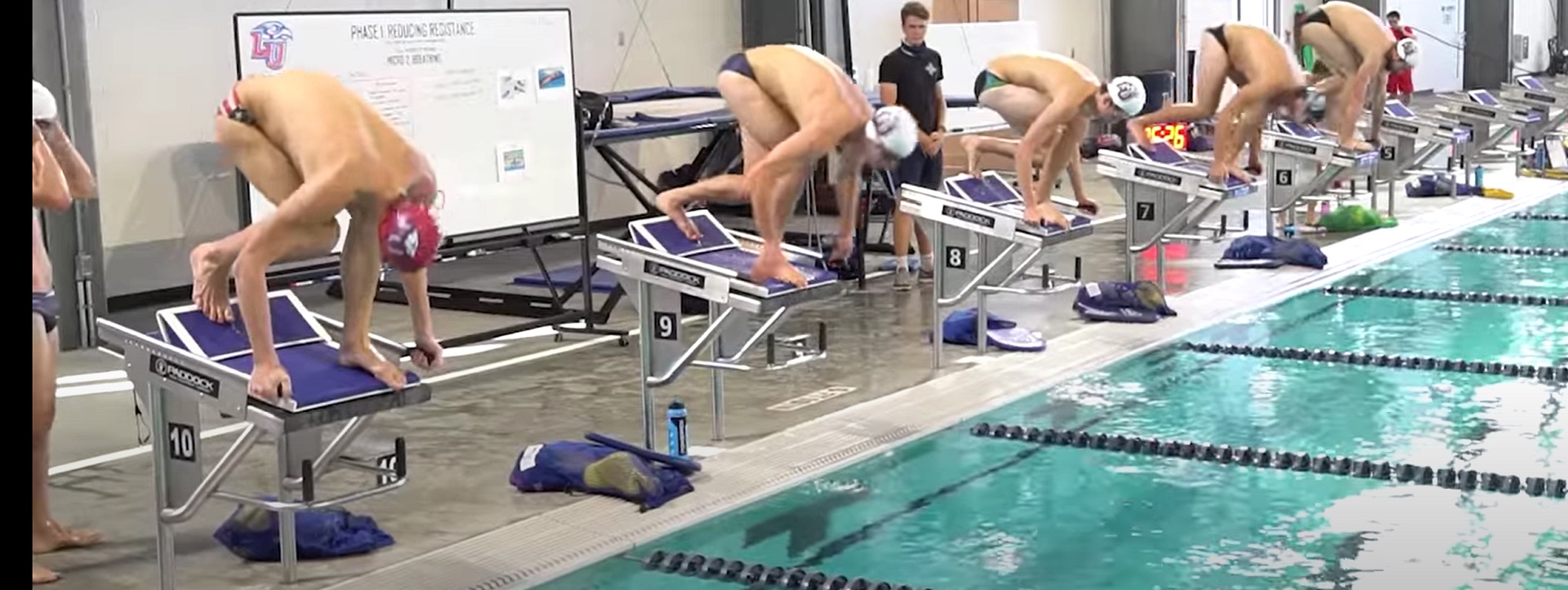
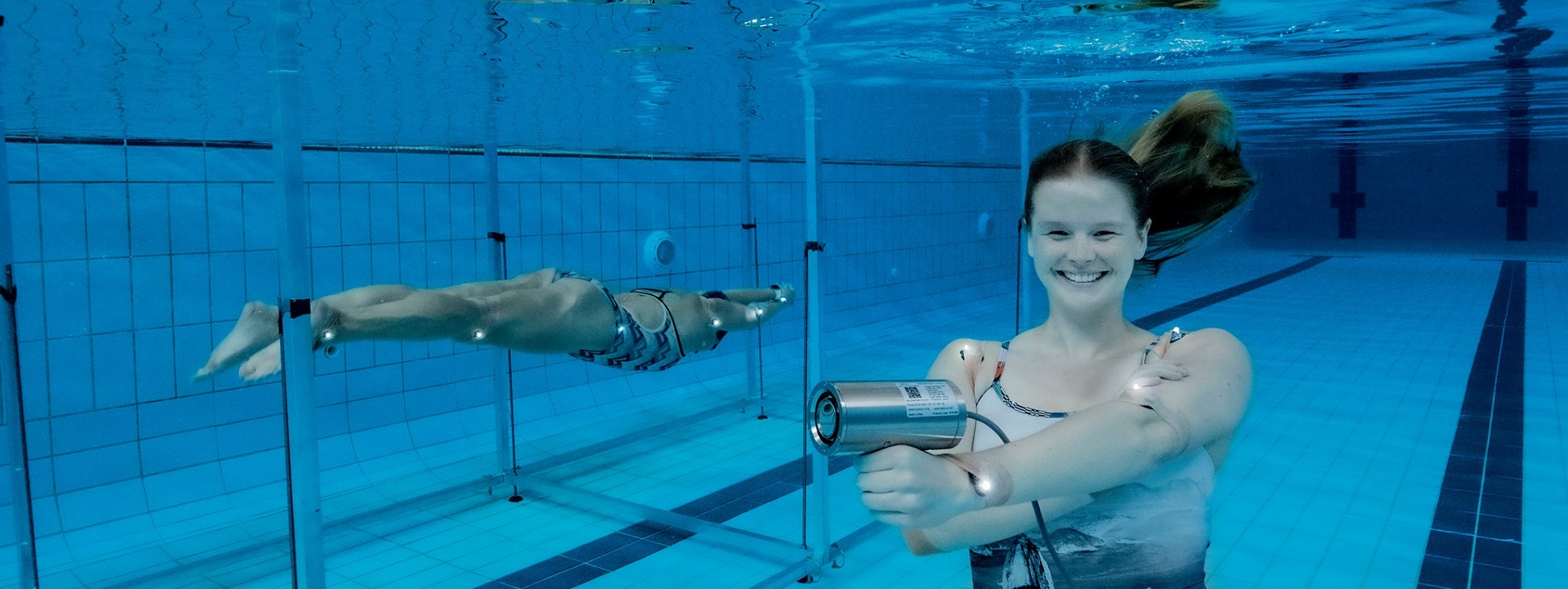
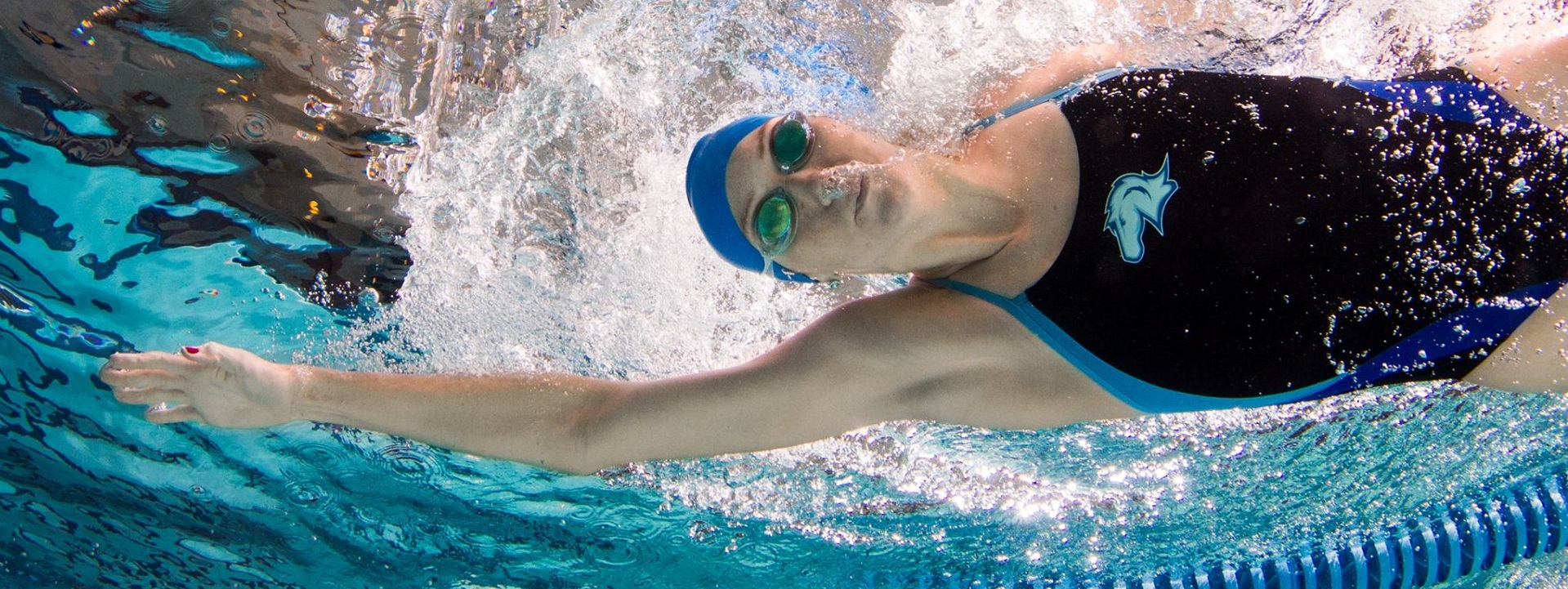
Education communities present one of the largest installed bases of artificially created bodies of water; the most abundance resource on earth. These bodies vary in size, purpose, and design but are all created by human intervention to serve specific needs, whether practical, recreational, or aesthetic. Safe and sustainable management of them in the Unite States are informed by best practice found in Article 680 of the National Electrical Code with scope statement below:
Construction and installation of electrical wiring for, and equipment in or adjacent to, all swimming, wading, therapeutic, and decorative pools; fountains; hot tubs; spas; and hydromassage bathtubs, whether permanently installed or storable, and to metallic auxiliary equipment, such as pumps, filters, and similar equipment.
Consultation on the First Draft of the 2026 revision closes August 24, 2024.
Related:
Pool, Fountain, Agriculture & Water Infrastructure Electrical Safety
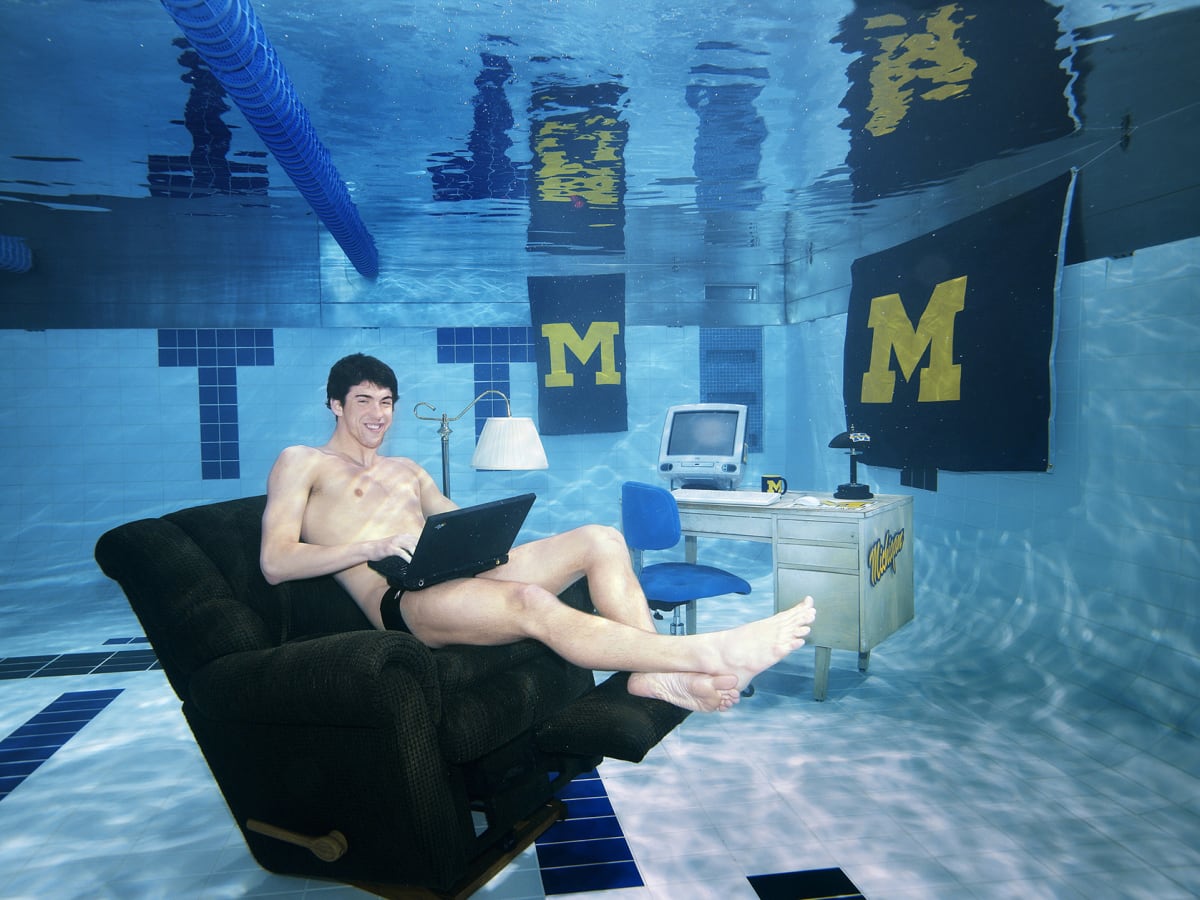
https://www.si.com/extra-mustard/2016/08/15/michael-phelps-poses-bottom-university-michigan-pool-2005
Big shout out to all 8 being named to the CSC Academic All-District teams! pic.twitter.com/QzQIZsjGeQ
— Denison Swim & Dive (@DenisonSwimDive) April 3, 2024
This content is accessible to paid subscribers. To view it please enter your password below or send mike@standardsmichigan.com a request for subscription details.
New update alert! The 2022 update to the Trademark Assignment Dataset is now available online. Find 1.29 million trademark assignments, involving 2.28 million unique trademark properties issued by the USPTO between March 1952 and January 2023: https://t.co/njrDAbSpwB pic.twitter.com/GkAXrHoQ9T
— USPTO (@uspto) July 13, 2023
Standards Michigan Group, LLC
2723 South State Street | Suite 150
Ann Arbor, MI 48104 USA
888-746-3670
 |
 |
|
 |
 |
|
 |
 |