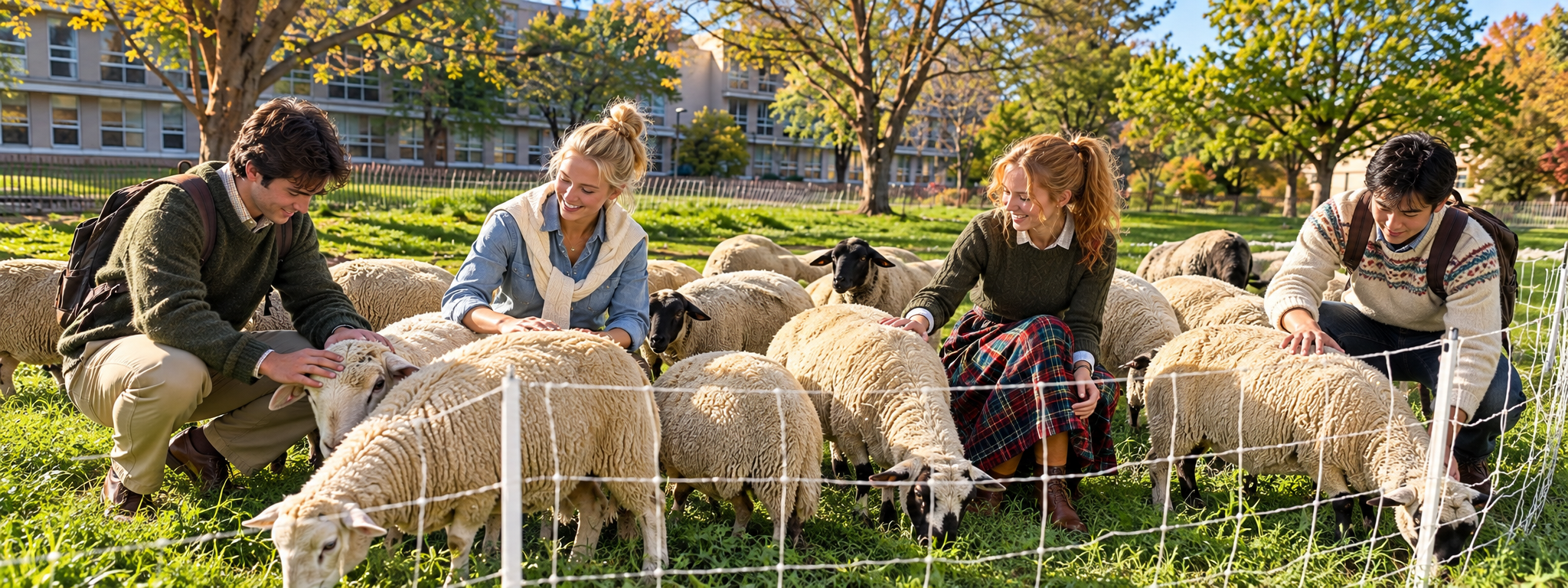
University of California Davis Sheep Mowers

🇦🇺 How big is Australia? pic.twitter.com/T1jV9uAjvd — World of Statistics (@stats_feed) January 12, 2025 https://standardsmichigan.com/standards-australia/ https://youtu.be/-U9PtIl5in4?si=xLvVQj3Rrjp7j-Bz Andrea Cohen: pic.twitter.com/WoCDCOi5oh — Dr. Maya C. Popa (@MayaCPopa) December 9, 2024 100 days of learning & fun has really taken its toll on some our Kindergarten students & teachers here at St Joseph GS.#100thdayofschool#PantherPride169 🐾 pic.twitter.com/apn6iRZLa5 — Lance (@LJLandeck) January 29, 2024 Today we examine standards-setting activity of non-profit trade associations that set academic standards; with specific interest in how these organizations reference other organizations that set standards for the built environment. https://standardsmichigan.com/accreditation-100/ The criteria for an organization to be recognized as a “college” or “university” is dependent on the jurisdiction. There are common characteristics and criteria that many institutions must meet to be officially designated as a college. Keep in mind that these criteria can differ between countries and regions. Here are some general considerations: Legal Recognition: The institution must be legally recognized by the relevant educational authorities in its jurisdiction. This recognition often involves meeting specific standards related to academic programs, faculty qualifications, facilities, and governance. It’s important to note that the specific requirements and criteria can vary widely depending on the country and its educational system. In some regions, the term “college” may be used differently, and there may be variations in the types of degrees or programs offered by institutions with this designation. As such, it’s advisable to refer to the specific regulations and guidelines established by the educational authorities in a given jurisdiction. https://standardsmichigan.com/excellence-in-facilities-management/ https://standardsmichigan.com/accreditation/ https://standardsmichigan.com/microgrids/ We love Autumn mornings on campus. pic.twitter.com/GvLJW7z6Pq — University of Bath (@UniofBath) October 24, 2023 https://twitter.com/DOEelectricity/status/1691805229849653284?s=20 “Washington money” 2012 Robert Silvers Today we pick through a few tax-free bond offerings that finance education community construction with a eye toward reducing construction cost and life-cycle maintenance through building codes and standards. Use the login credentials at the upper right of our home page. https://standardsmichigan.com/tax-free-bonds/ Once median household income is adjusted for cost of living, Utah emerges as the wealthiest state in the nation and Mississippi yet again ranks last. Source: https://t.co/AN3JZqtNnF pic.twitter.com/kv8U3LZlvh — Simon Kuestenmacher (@simongerman600) January 3, 2025 Sixteen Dogs Cozying Up Next to the Fireplace Status check on the catalog of best practice titles covering the management of education community snow and ice management during the coldest months in the Northern Hemisphere. https://standardsmichigan.com/snow-ice/ “The Peaceable Kingdom” 1833 Edward Hicks Today we update our understanding of the regulations, codes, standards and ethical considerations in the care of animals in education communities. Use the login credentials at the upper right of our home page. Family time pic.twitter.com/tRQH8LV3eW — Chelsea (@therealilwolf) April 17, 2024 In partnership with @Yeatssocietyirl, we are hosting a special virtual event to mark the 100th anniversary of the #poem ‘The Second Coming’ by WB #Yeats. Join us on Friday, 13 Nov at 7pm for an evening of discussion and #poetry readings. 🎟️ Register now: https://t.co/gfU24AEFGz pic.twitter.com/zDbzLjslL5 — National Library of Ireland (@NLIreland) November 5, 2020 someone wanna go feed them for me? So I can stay in bed. Im already late. pic.twitter.com/F2WCu8SrqG — dhani (@juss_dhani) August 4, 2024 https://youtu.be/VU3mp71J2Ek https://standardsmichigan.com/what-is-a-standard-drink/ In partnership with @Yeatssocietyirl, we are hosting a special virtual event to mark the 100th anniversary of the #poem ‘The Second Coming’ by WB #Yeats. Join us on Friday, 13 Nov at 7pm for an evening of discussion and #poetry readings. 🎟️ Register now: https://t.co/gfU24AEFGz pic.twitter.com/zDbzLjslL5 — National Library of Ireland (@NLIreland) November 5, 2020 Home to behold the wheat bloom pic.twitter.com/ANMTLFKaXi — Elena (@omnialnchristo) April 2, 2024 
Australia Day

University of Chicago | Tchaikovsky's "Francesca da Rimini"

100 Days of School
Accreditation 100

Microgrids
Tax-Free Bonds

Du Froid

Animals


https://standardsmichigan.com/animals-100/ Havergal Chamber Choir "Seasons of Love"
Rewind: Animals


On 9/11 the FDNY lost 343 of their own.
Not statistics. Sons, fathers, husbands from 75 firehouses across the five boroughs.
121 engine companies and 62 ladder companies answered the call. Every Rescue company in New York went in.
They knew the buildings were coming down and… pic.twitter.com/e4ArBUmfLq— Sassafrass84 (@Sassafrass_84) September 7, 2026
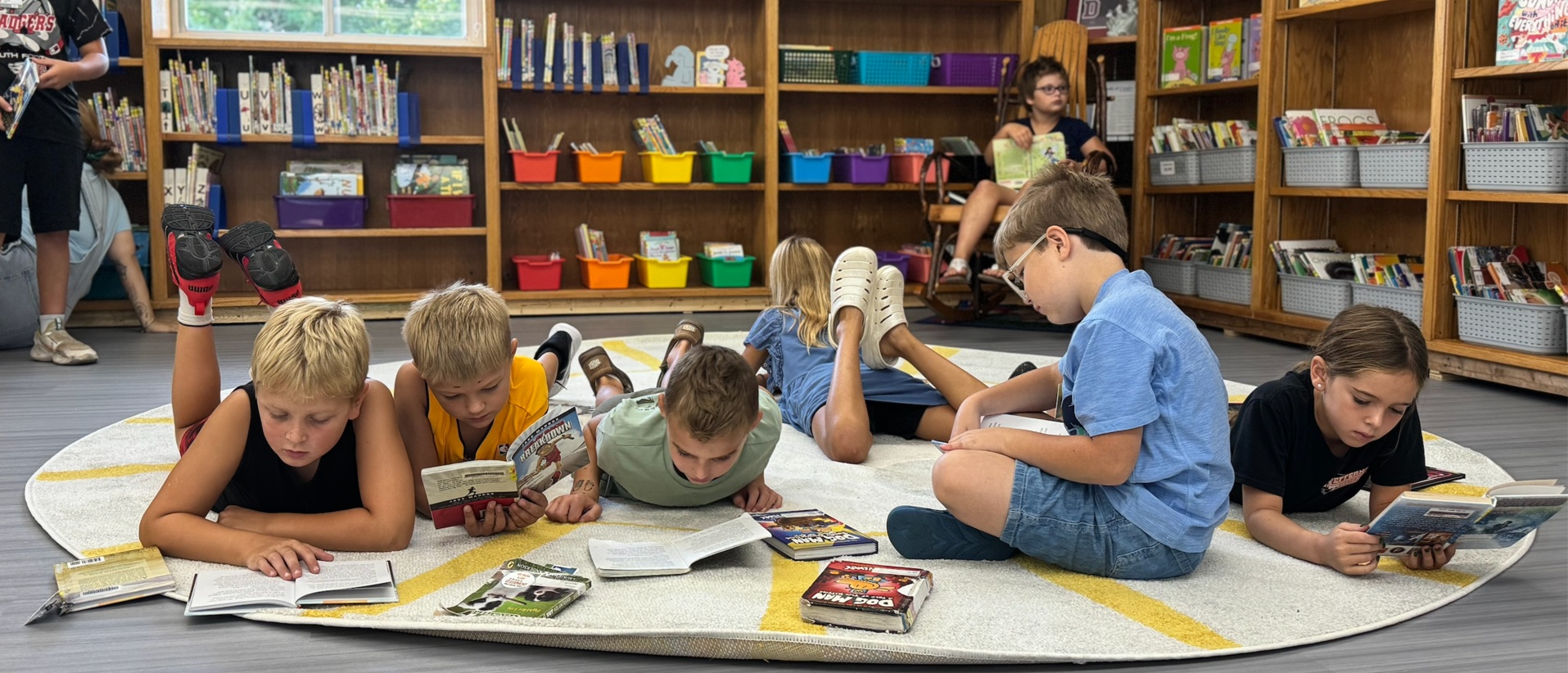
Scales Mound School District | Jo Daviess County Illinois 815
Oxford students after exams, 1989. pic.twitter.com/HQbO4r6dUE
— M (@0detobeauty) May 27, 2026
The calendar of Anglosphere educational settlements subtly shapes life of the mind, generally; and family and community life, specifically. Its cadence has roots in the cathedral schools and monastic learning communities of medieval Europe. Universities were not originally organized around modern “semesters.” Instead, the year followed the Christian liturgical calendar, agricultural seasons, food paths, daylight availability, and travel conditions.
In America educational calendars were nudged along by agricultural cycles. In the United Kingdom university calendars evolved into three major terms: Michaelmas in autumn, associated with arrival and beginnings; Hilary or Lent in winter, associated with discipline and study; and Trinity or Easter in spring, associated with examinations, outdoor rituals, music, rowing, gardens, and celebration.
Modern commencement traditions across the Anglosphere are descendants of medieval spring degree ceremonies. Academic gowns, hoods, processions, Latin phrases, formal dining, chapel music, and public recognition all preserve traces of the university as a scholarly guild and religious-civic community.
Before railways, electric lighting, and central heating, universities had to adapt to muddy roads, short winter days, limited candles, cold buildings, and agricultural obligations. Spring therefore became the natural season of culmination, reunion, athletic competition, courtship, and ceremony.
The medieval university was not merely a school but an educational settlement — a self-governing town of scholars, libraries, chapels, kitchens, workshops, residences, and dining halls. That settlement pattern survives in residential colleges, quadrangles, tutorial systems, common rooms, chapel choirs, and formal meals.
Anglosphere campuses retain this ancient emotional rhythm: autumn seriousness, winter inwardness, and spring release. That continuity helps explain why colleges and universities still feel culturally distinct from ordinary commercial society. (Relata: Gulliver Visits the Great Academy of Lagado)

We’re “organized” but not too organized; like the bookseller who knows where every book can be found.
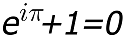
at a conference where you don’t have to present
— Peyman Milanfar (@docmilanfar) April 4, 2025
#AcademicChatter #AcademicTwitter
Academics be like 👇 pic.twitter.com/6cpVEw3PVS
— Reviewer 2 (@GrumpyReviewer2) April 2, 2024