
Tag Archives: D3
- Home
- Posts tagged "D3" (Page 3)




Disaster 500
Thinking about how that groundhog lied to us 🤨🤨🤨 pic.twitter.com/ZQOzzteCzs
— Penny Kmitt (@pennylikeacoin) April 4, 2024
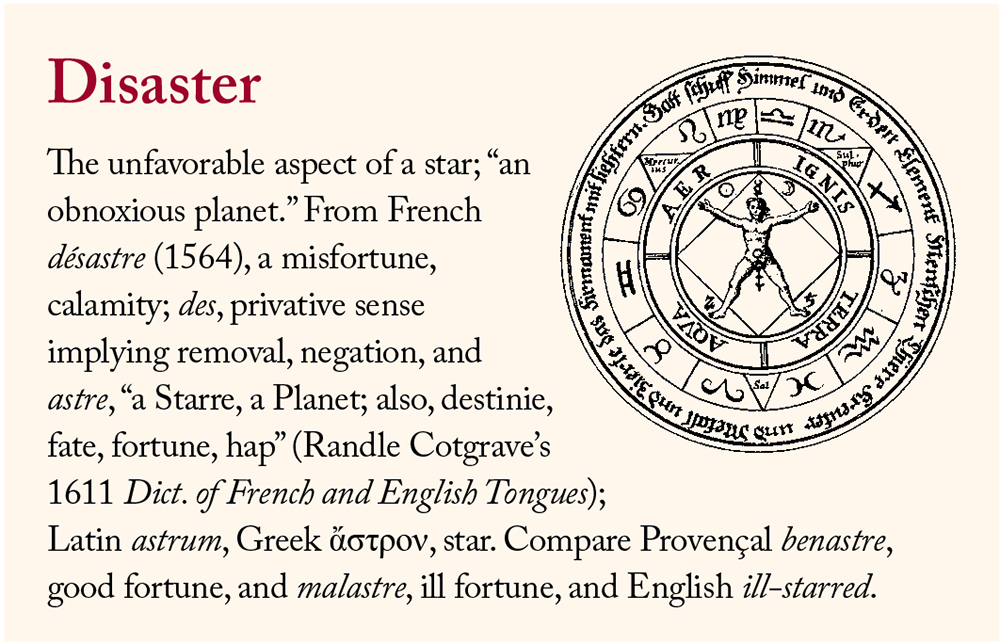
During today’s session we approach disaster avoidance, management and recovery literature from a different point of view than our customary approach — i.e. what happens when, a) there is failure to conform to the standard, b) there is no applicable standard at all. This approach necessarily requires venturing into the regulatory and legal domains. We will confine our approach to the following standards development regimes:
- De facto standards: These are standards that are not officially recognized or endorsed by any formal organization or government entity, but have become widely adopted by industry or through market forces. Examples include the QWERTY keyboard layout and the MP3 audio format.
- De jure standards: These are standards that are formally recognized and endorsed by a government or standard-setting organization. Examples include the ISO 9000 quality management standard and the IEEE 802.11 wireless networking standard.
- Consortium standards: These are standards that are developed and maintained by a group of industry stakeholders or organizations, often with the goal of advancing a particular technology or product. Examples include the USB and Bluetooth standards, which are maintained by the USB Implementers Forum and the Bluetooth Special Interest Group, respectively.
- Open standards: These are standards that are freely available and can be used, implemented, and modified by anyone without restriction. Examples include the HTML web markup language and the Linux operating system.
- Proprietary standards: These are standards that are owned and controlled by a single organization, and may require payment of licensing fees or other restrictions for use or implementation. Examples include the Microsoft Office document format and the Adobe PDF document format.
- ANSI accredited standards developers with disaster management catalogs
We may have time to review State of Emergency laws on the books of most government agencies; with special attention to power blackout disasters.
- Tornadoes Are Deadly: These New Building Codes Will Save Lives
- Cases involving the Takings Clause of the Fifth Amendment might be relevant when government actions related to natural disasters affect private property rights.
- National Regulatory Research Institute: Should Public Utilities Compensate Customers for Service Interruptions?
Use the login credentials at the upper right of our home page.
https://t.co/chd9RJVc7G
print(“Disaster”) pic.twitter.com/Lu6Dw3bARq— Standards Michigan (@StandardsMich) November 15, 2021

Critical Operations Power Systems


The original University of Michigan codes and standards enterprise advocated actively in Article 708 Critical Operations Power Systems (COPS) of the National Electrical Code (NEC) because of the elevated likelihood that the education facility industry managed assets that were likely candidates for designation critical operations areas by emergency management authorities.
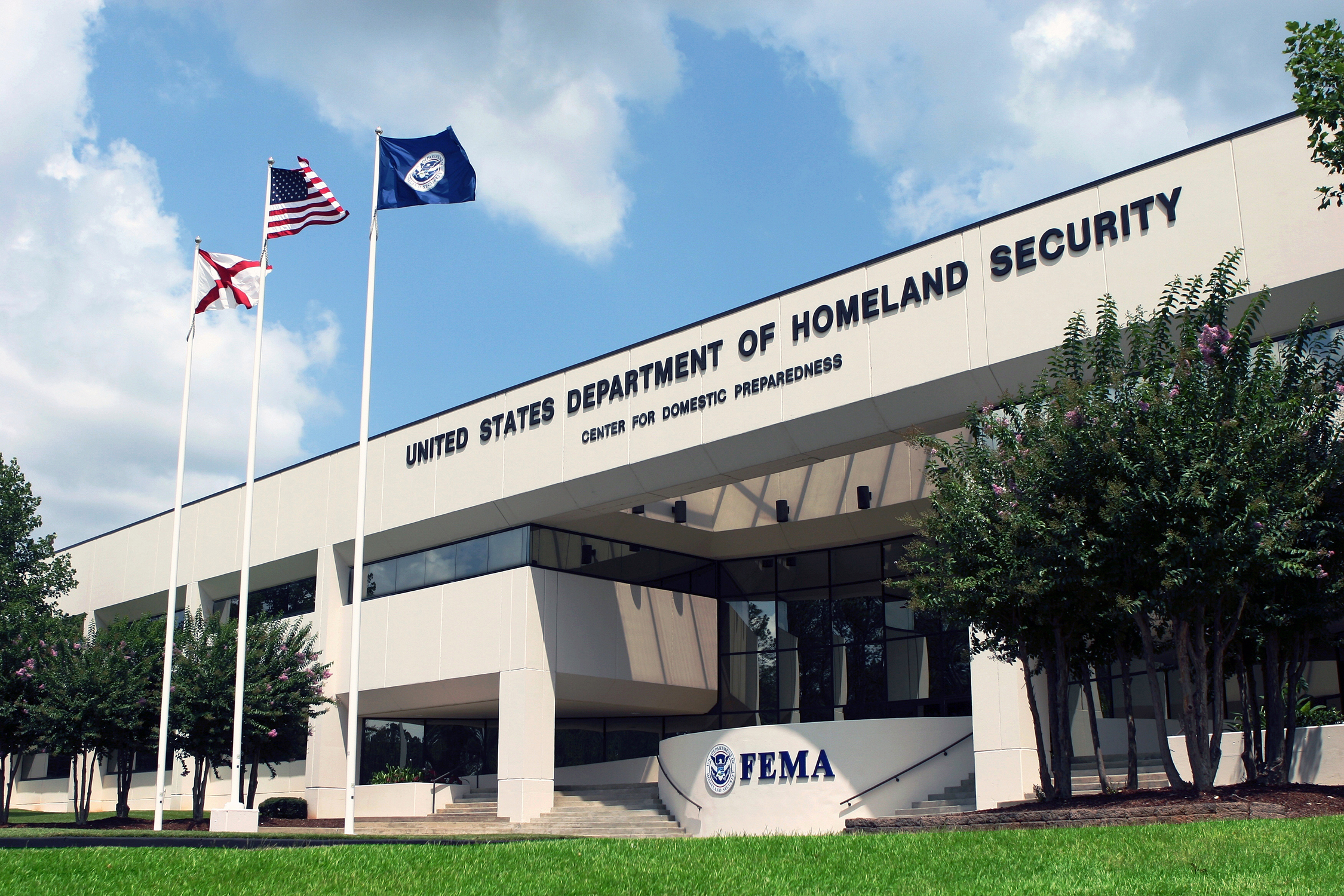
Because the NEC is incorporated by reference into most state and local electrical safety laws, it saw the possibility that some colleges and universities — particularly large research universities with independent power plants, telecommunications systems and large hospitals — would be on the receiving end of an unfunded mandate. Many education facilities are identified by the Federal Emergency Management Association as community storm shelters, for example.
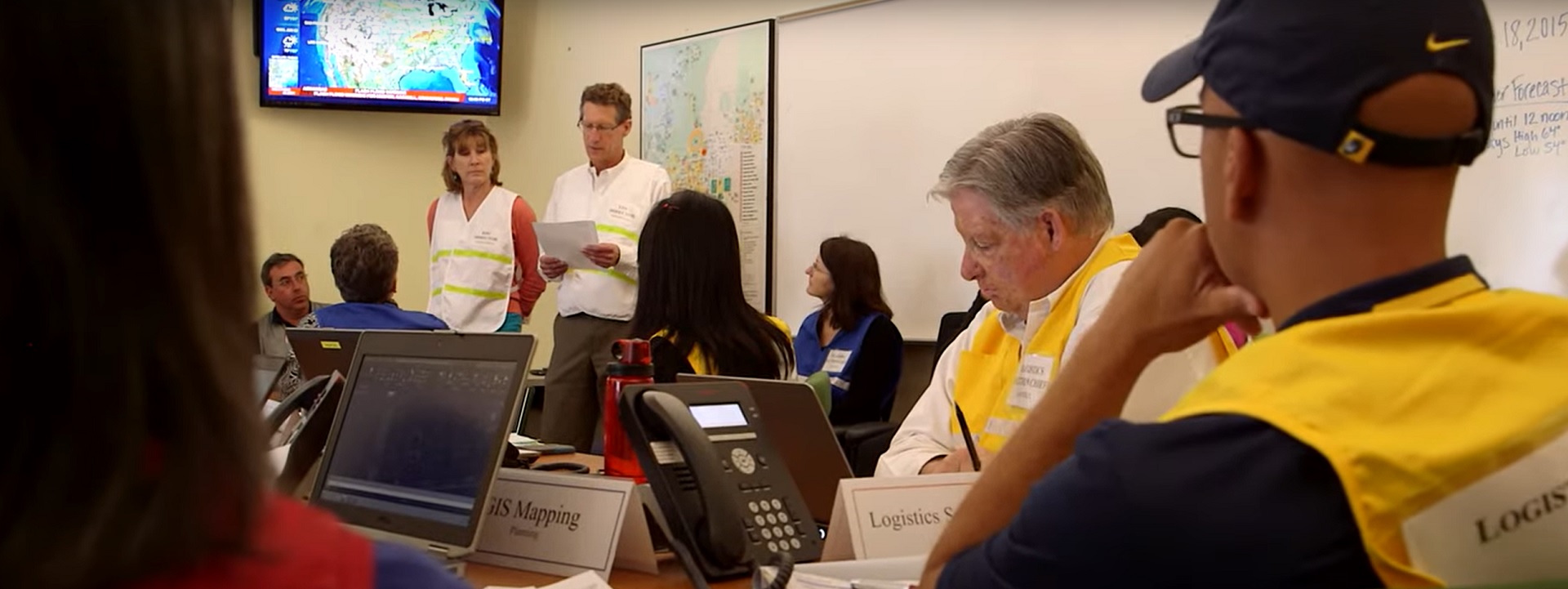
As managers of publicly owned assets, University of Michigan Plant Operations had no objection to rising to the challenge of using publicly owned education facilities for emergency preparedness and disaster recovery operations; only that meeting the power system reliability requirements to the emergency management command centers would likely cost more than anyone imagined — especially at the University Hospital and the Public Safety Department facilities. Budgets would have to be prepared to make critical operations power systems (COPS) resistant to fire and flood damages; for example.
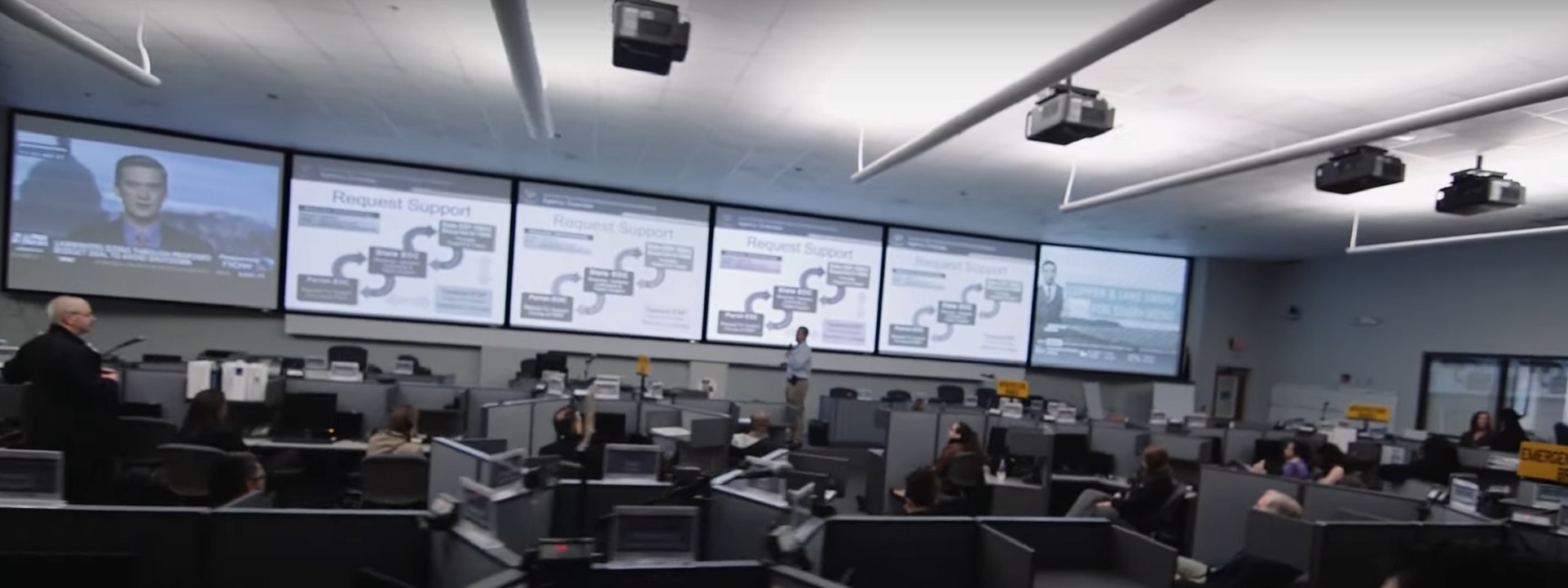
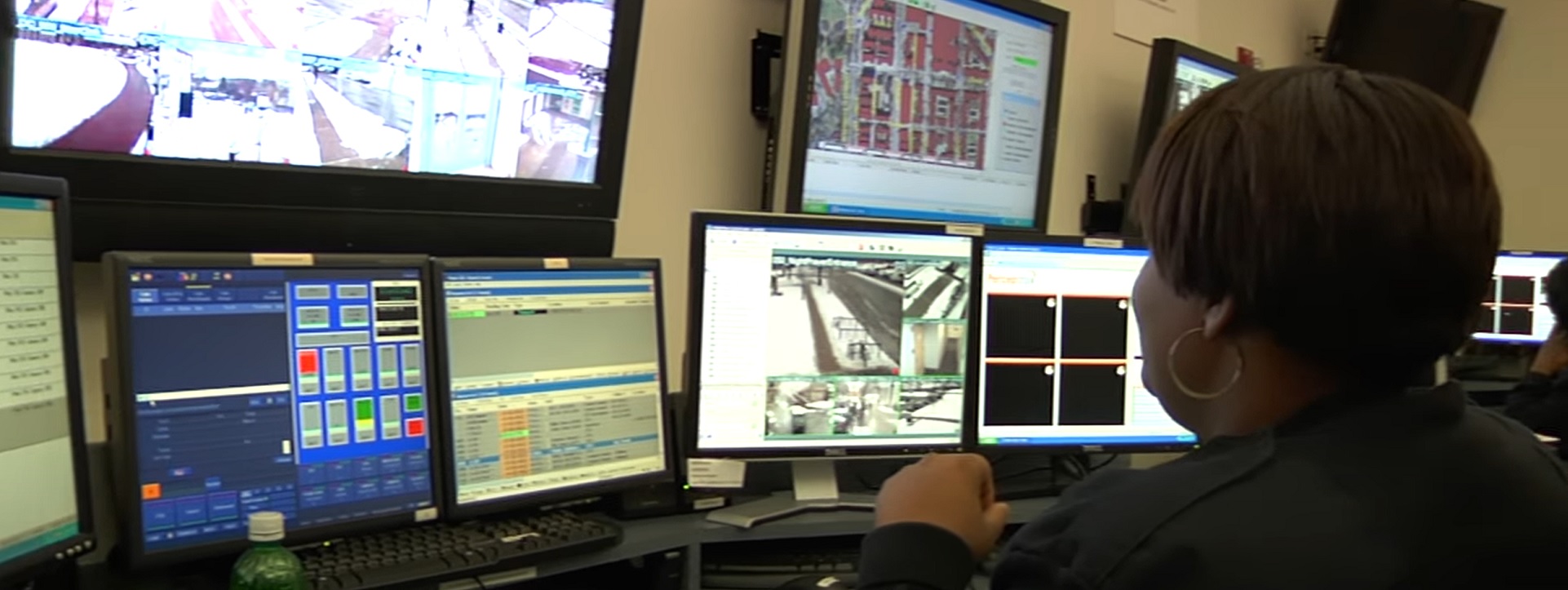
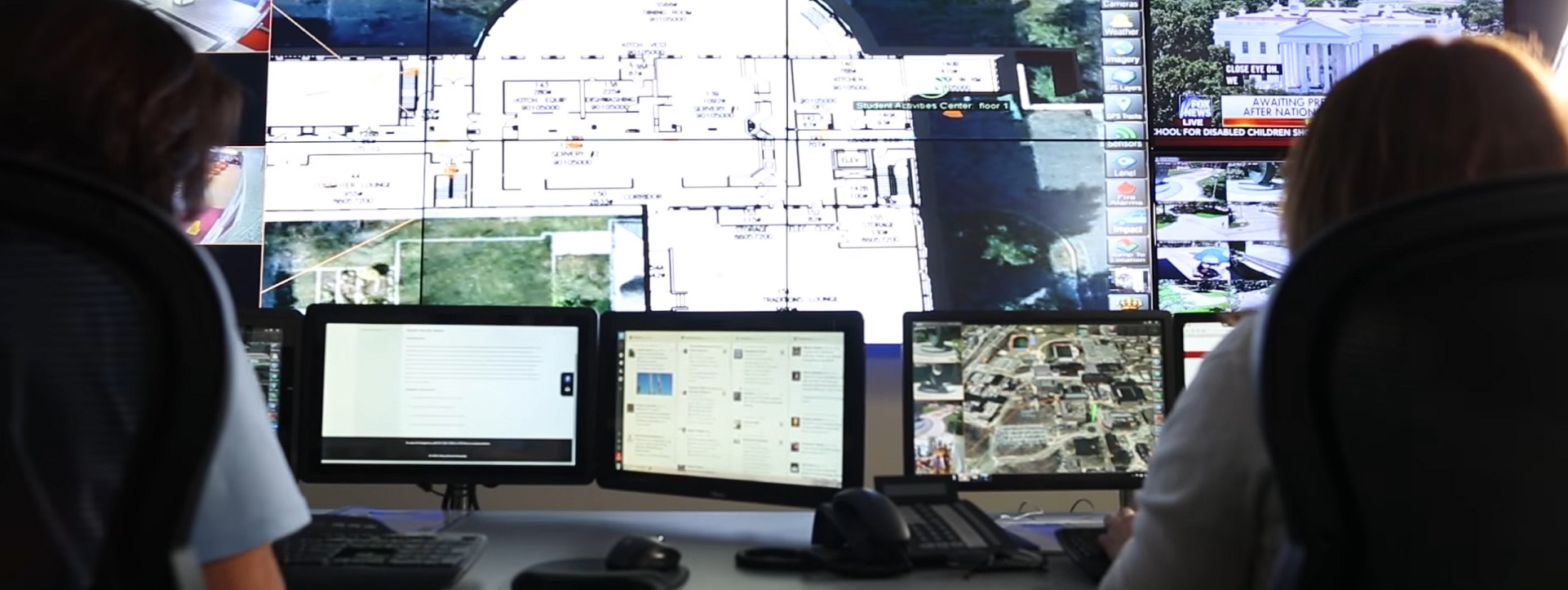
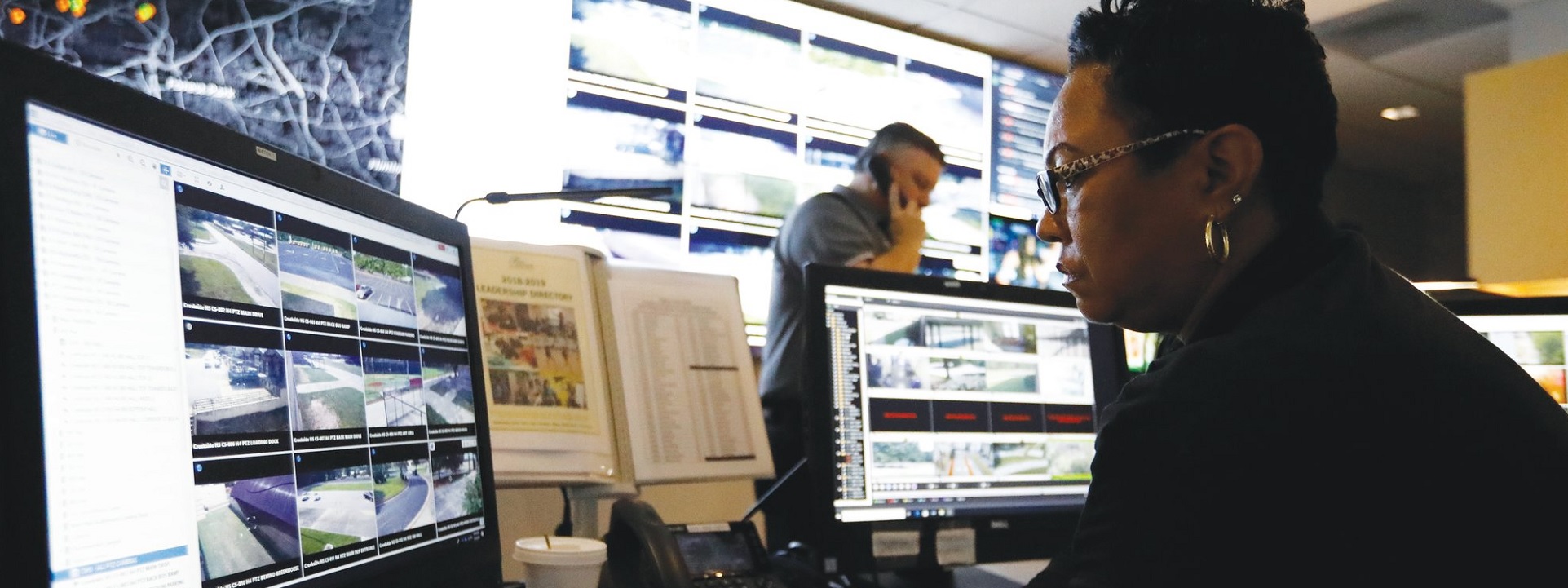
Collaboration with the Institute of Electrical and Electronic Engineers Industrial Applications Society began shortly after the release of the 2007 NEC. Engineering studies were undertaken, papers were published (see links below) and the inspiration for the IEEE Education & Healthcare Facilities Committee developed to provide a gathering place for power, telecommunication and energy professionals to discover and promulgate leading practice. That committee is now formally a part of IEEE and collaborates with IAS/PES JTCC assigned the task of harmonizing NFPA and IEEE electrical safety and sustainability consensus documents (codes, standards, guidelines and recommended practices.
Transcripts of 2026 Revision:
https://t.co/chd9RJVc7G
print(“Disaster”) pic.twitter.com/Lu6Dw3bARq— Standards Michigan (@StandardsMich) November 15, 2021
The transcript of NEC Code Making Panel 13 — the committee that revises COPS Article 708 every three years — is linked below:
NEC CMP-13 First Draft Balloting
NEC CMP-13 Second Draft Balloting
The 2023 Edition of the National Electrical Code does not contain revisions that affect #TotalCostofOwnership — only refinement of wiring installation practices when COPS are built integral to an existing building that will likely raise cost. There are several dissenting comments to this effect and they all dissent because of cost. Familiar battles over overcurrent coordination persist.
Our papers and proposals regarding Article 708 track a concern for power system reliability — and the lack of power — as an inherent safety hazard. These proposals are routinely rejected by incumbent stakeholders on NEC technical panels who do not agree that lack of power is a safety hazard. Even if lack of power is not a safety hazard, reliability requirements do not belong in an electrical wiring installation code developed largely by electricians and fire safety inspectors. The IEEE Education & Healthcare Facilities Committee (IEEE E&H) maintains a database on campus power outages; similar to the database used by the IEEE 1366 committees that develop reliability indices to enlighten public utility reliability regulations.
Public input on the 2026 revision to the NEC will be received until September 7th. We have reserved a workspace for our priorities in the link below:
Colleagues: Robert Arno, Neal Dowling, Jim Harvey
LEARN MORE:
Consuting-Specifying Engineer | Risk Assessments for Critical Operations Power Systems
Electrical Construction & Maintenance | Critical Operations Power Systems
Facilities Manager | Critical Operations Power Systems: The Generator in Your Backyard

Eurocodes
Erasmus+ EU programme for education, training, youth and sport
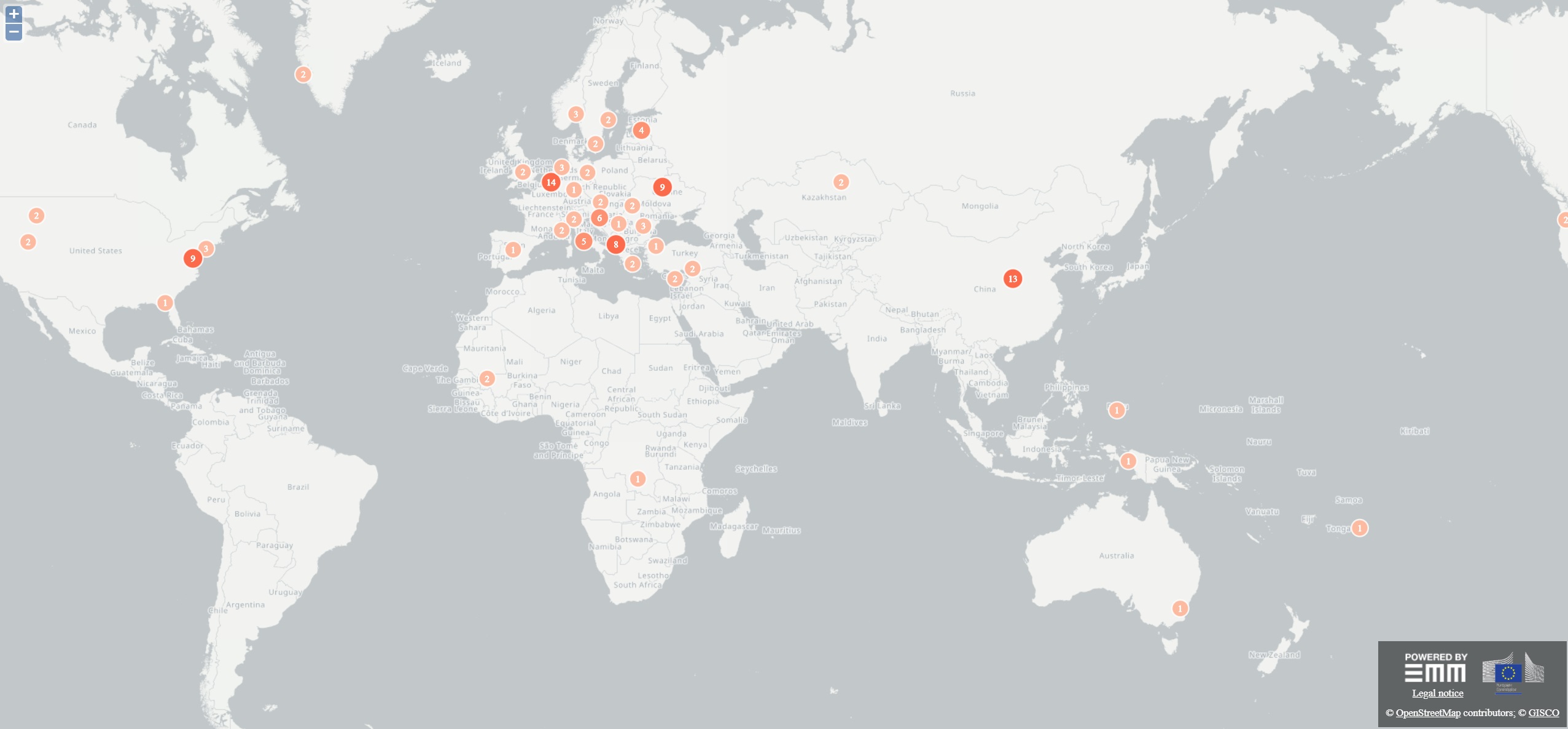
CLICK ON IMAGE TO LAUNCH INTERACTIVE MAP
The Eurocodes are ten European standards (EN; harmonised technical rules) specifying how structural design should be conducted within the European Union. These were developed by the European Committee for Standardization upon the request of the European Commission. The purpose of the Eurocodes is to provide:
- A means to prove compliance with the requirements for mechanical strength and stability and safety in case of fire established by European Union law.[2]
- A basis for construction and engineering contract specifications.
- A framework for creating harmonized technical specifications for building products (CE mark).
Since March 2010 the Eurocodes are mandatory for the specification of European public works and are intended to become the de facto standard for the private sector. The Eurocodes therefore replace the existing national building codes published by national standard bodies, although many countries have had a period of co-existence. Additionally, each country is expected to issue a National Annex to the Eurocodes which will need referencing for a particular country (e.g. The UK National Annex). At present, take-up of Eurocodes is slow on private sector projects and existing national codes are still widely used by engineers.
Eurocodes appear routinely on the standing agendas of several of our daily colloquia, among them the AEDificare, Elevator & Lift and Hello World! colloquia. See our CALENDAR for the next online meeting; open to everyone.
So proud to announce the @ellisoninst is beginning construction on our new campus at the @UniofOxford and broadening our mission: Science & Engineering for Humanity. EIT develops & deploys technology in pursuit of solving four of humanity’s most challenging & enduring problems.… pic.twitter.com/vSkHWSS8EK
— David Agus (@DavidAgus) October 15, 2023
More
REGULATION (EU) No 305/2011 OF THE EUROPEAN PARLIAMENT AND OF THE COUNCIL
Healthcare Facilities Code

“The Doctor” 1891 Sir Luke Fildes
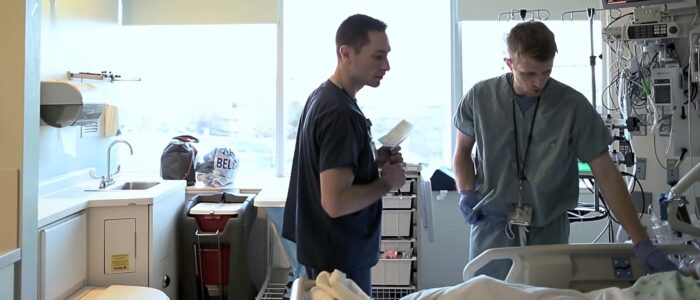
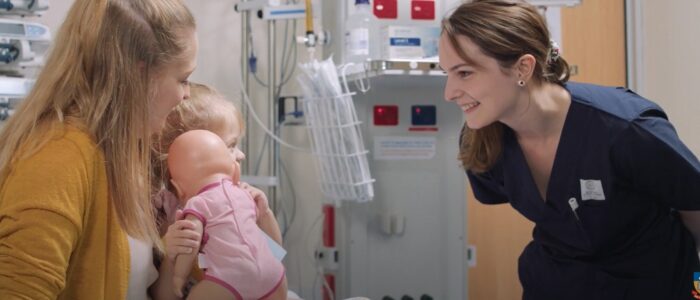
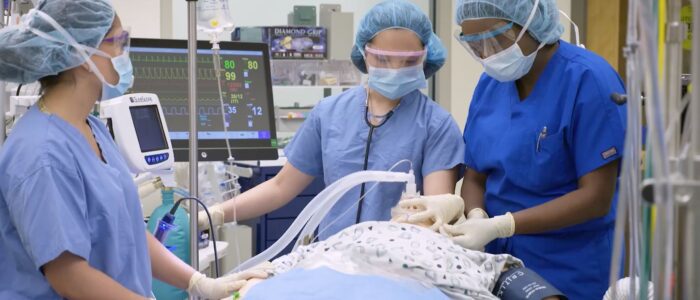
The NFPA 99 Healthcare Facilities Code committee develops a distinct consensus document (i.e. “regulatory product”) that is distinct from National Electrical Code Article 517; though there are overlaps and gaps that are the natural consequence of changing technology and regulations. It is worthwhile reviewing the scope of each committee:
NFPA 99 Scope: This Committee shall have primary responsibility for documents that contain criteria for safeguarding patients and health care personnel in the delivery of health care services within health care facilities: a) from fire, explosion, electrical, and related hazards resulting either from the use of anesthetic agents, medical gas equipment, electrical apparatus, and high frequency electricity, or from internal or external incidents that disrupt normal patient care; b) from fire and explosion hazards; c) in connection with the use of hyperbaric and hypobaric facilities for medical purposes; d) through performance, maintenance and testing criteria for electrical systems, both normal and essential; and e) through performance, maintenance and testing, and installation criteria: (1) for vacuum systems for medical or surgical purposes, and (2) for medical gas systems; and f) through performance, maintenance and testing of plumbing, heating, cooling , and ventilating in health care facilities.
NFPA 70 Article 517 Scope: The provisions of this article shall apply to electrical construction and installation criteria in healthcare facilities that provide services to human beings. The requirements in Parts II and III not only apply to single-function buildings but are also intended to be individually applied to their respective forms of occupancy within a multi-function building (e.g. a doctor’s examining room located within a limited care facility would be required to meet the provisions of 517.10) Informational Note: For information concerning performance, maintenance, and testing criteria, refer to the appropriate health care facilities documents.
In short, NFPA 70 Article 517 is intended to focus only on electrical safety issues though electrotechnology complexity and integration in healthcare settings (security, telecommunications, wireless medical devices, fire safety, environmental air control, etc.) usually results in conceptual overlap with other regulatory products such as NFPA 101 (Life Safety Code) and the International Building Code.

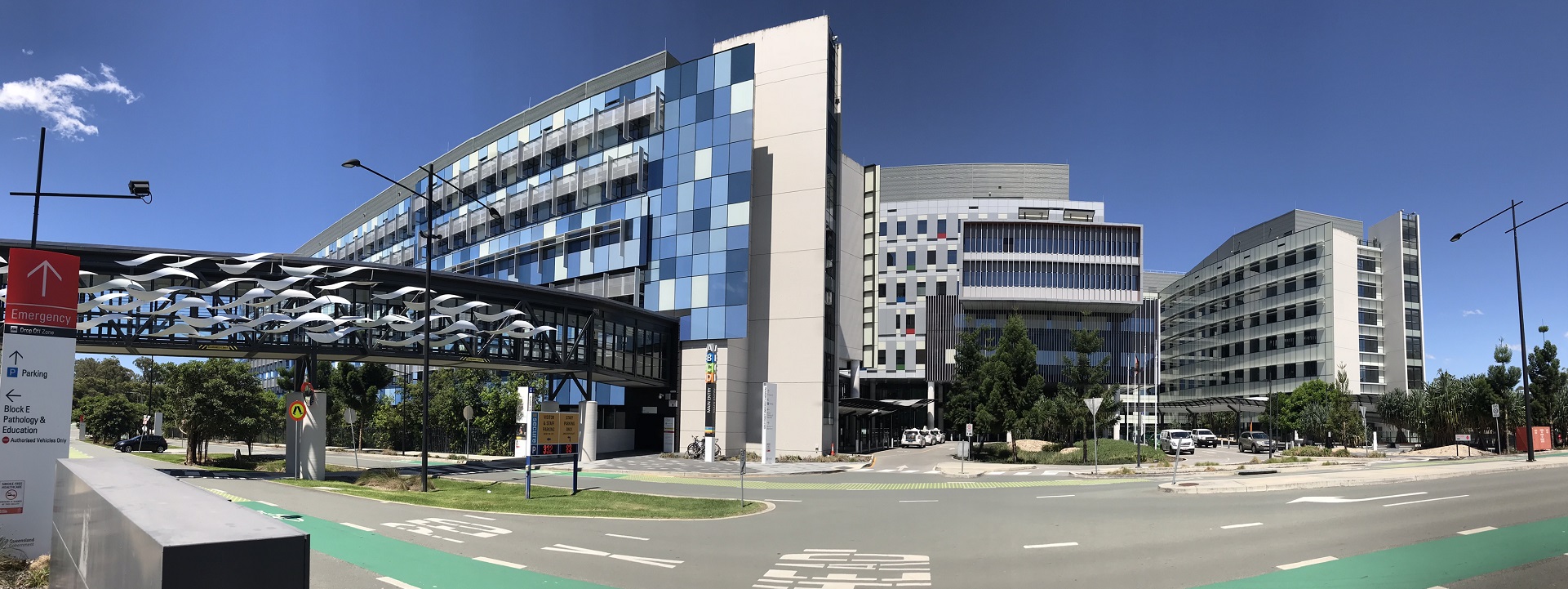
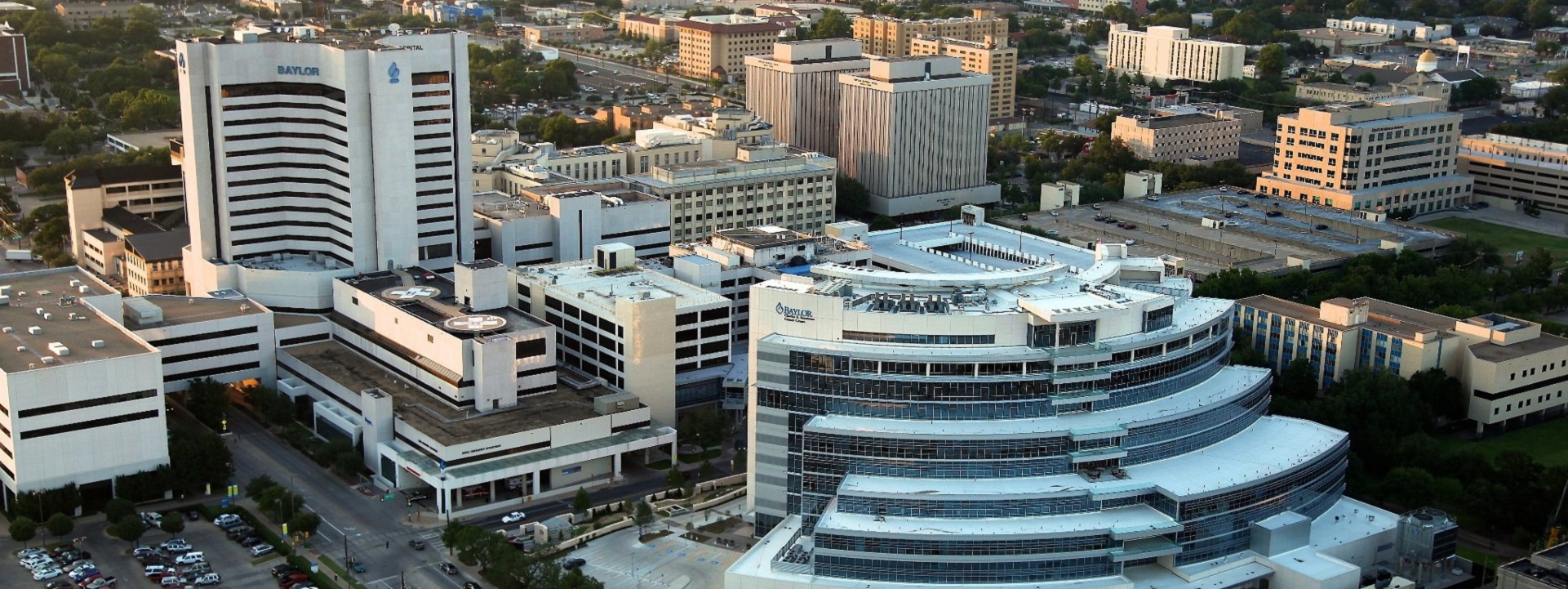
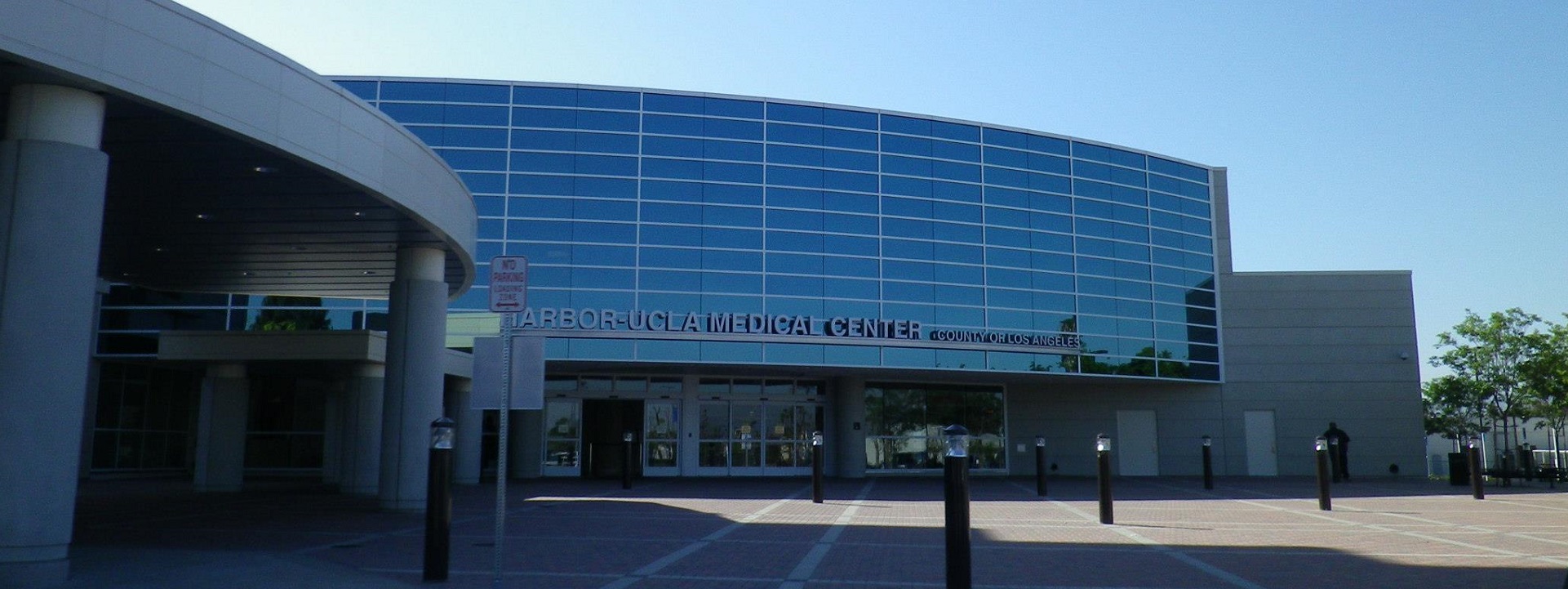
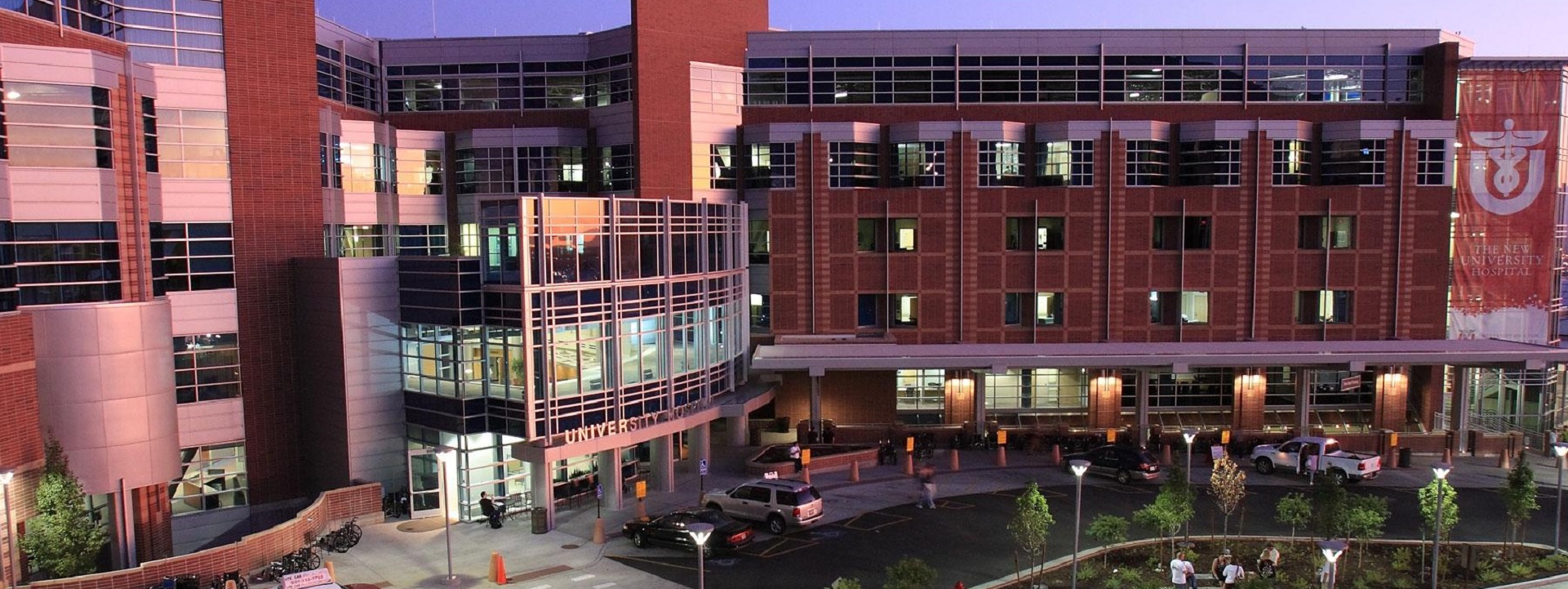
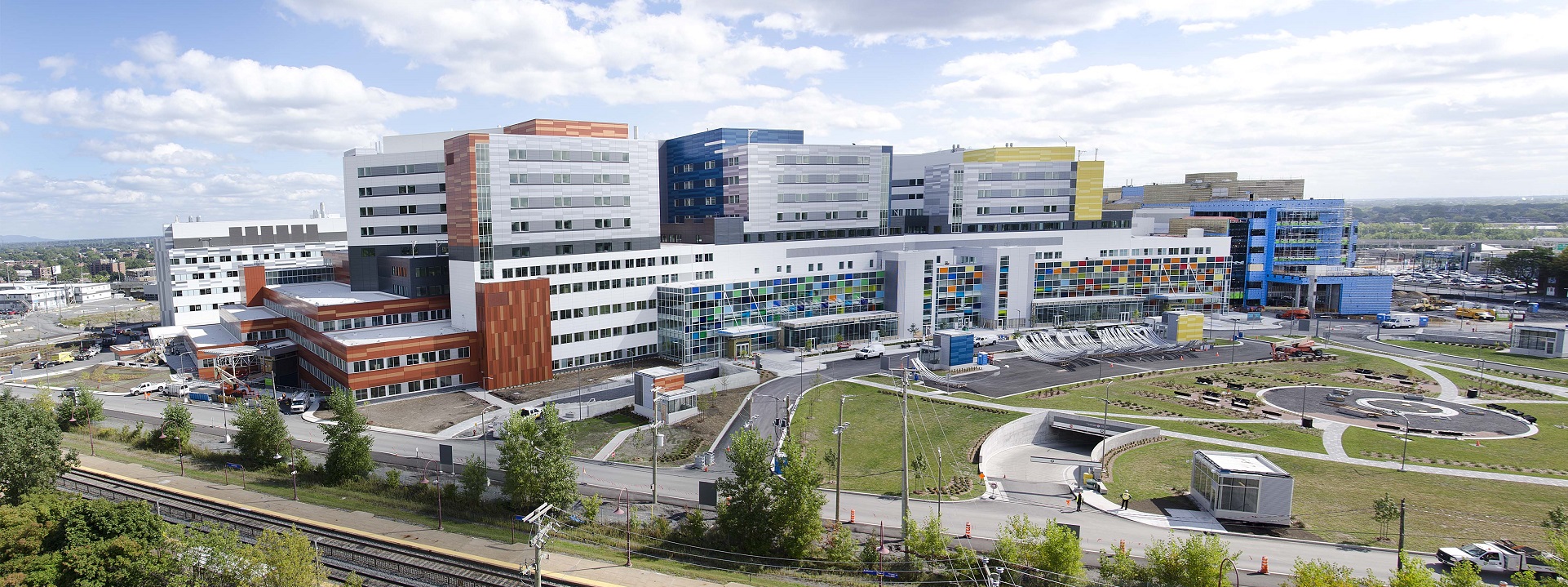
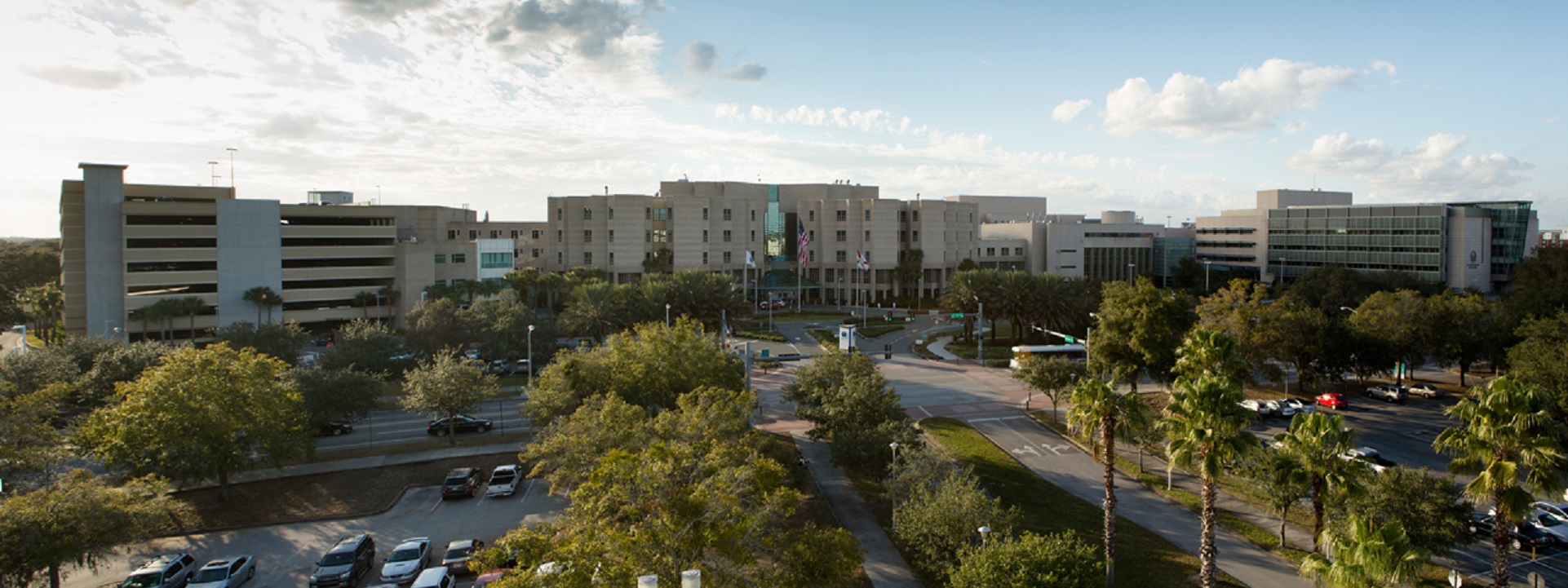
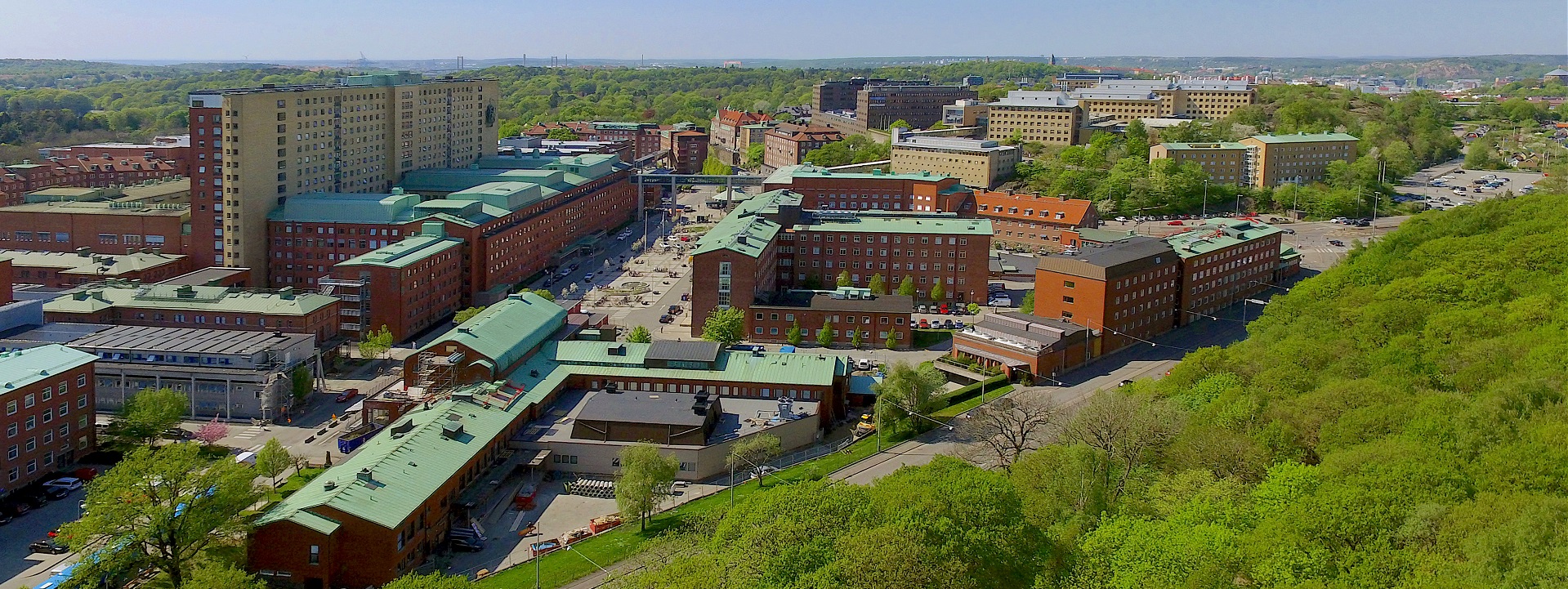
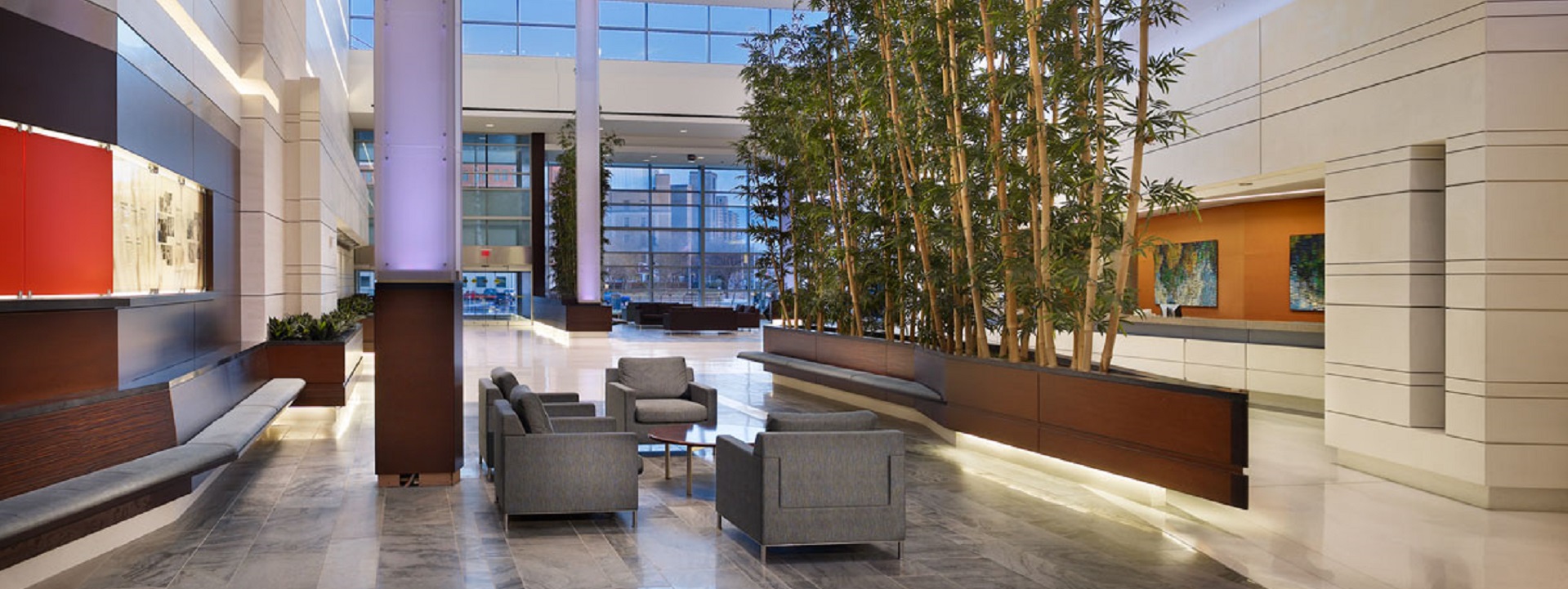
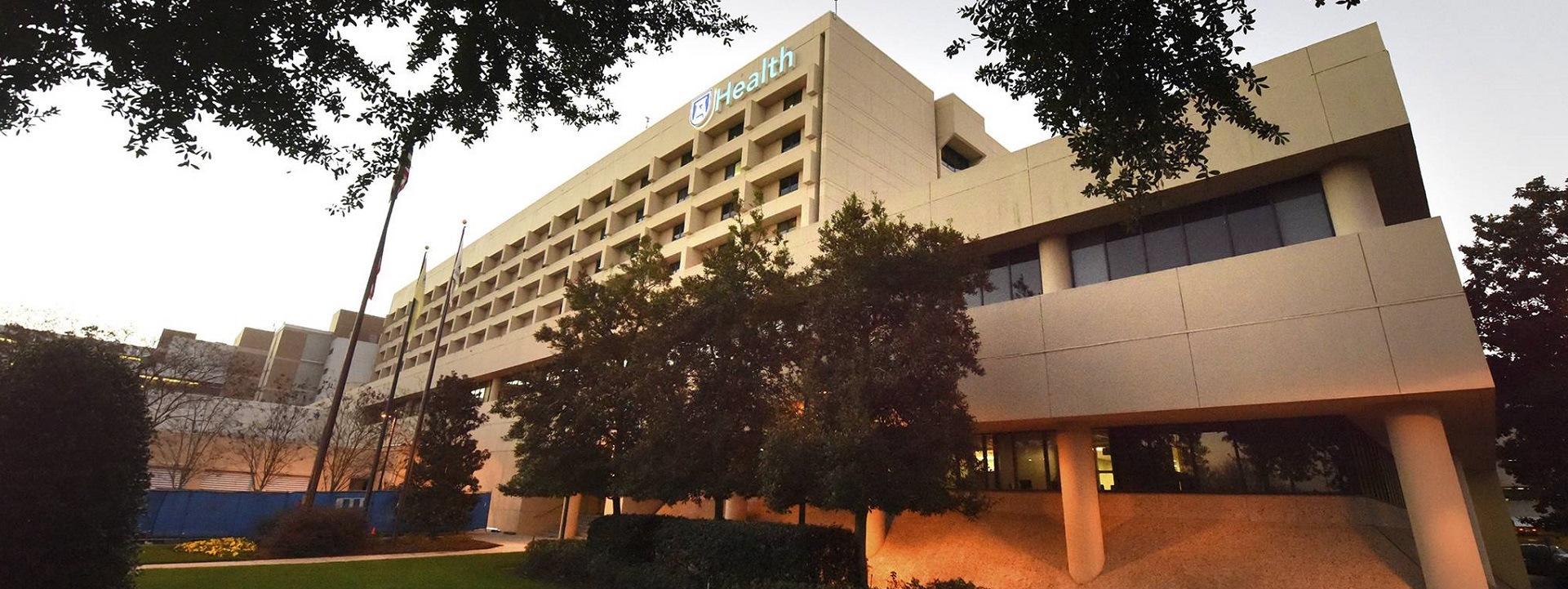
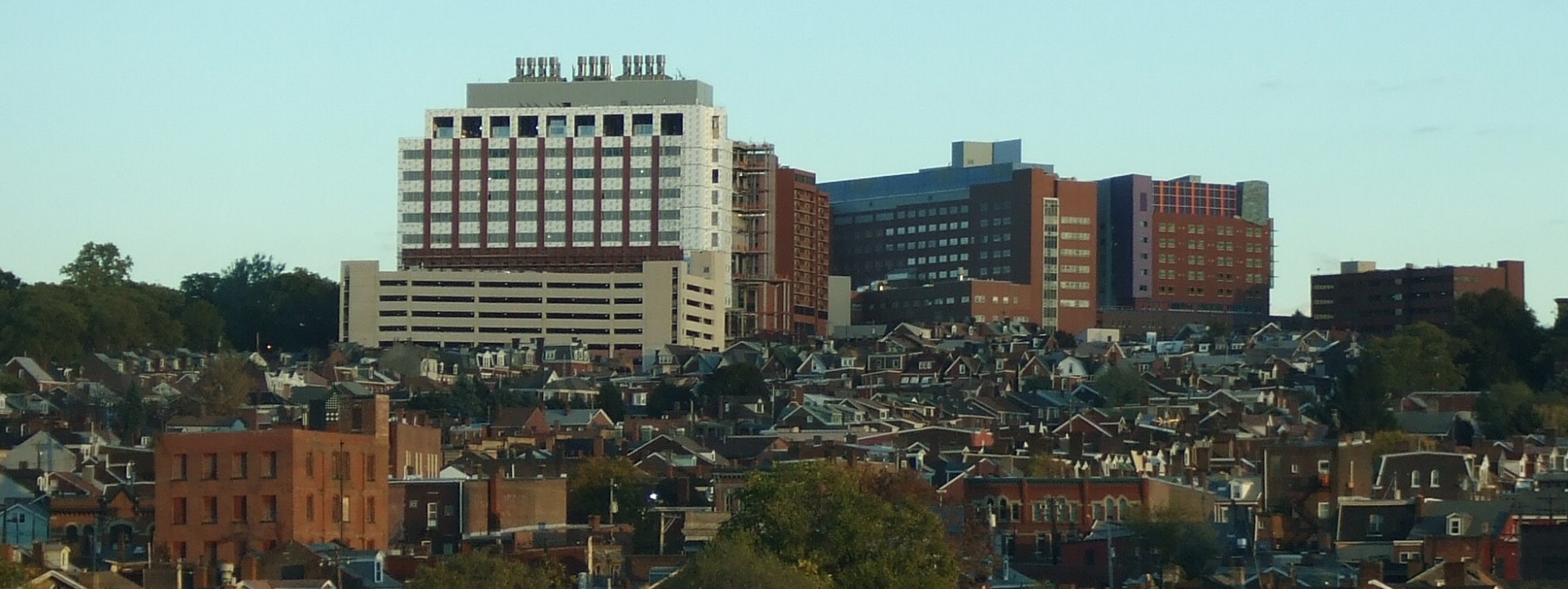
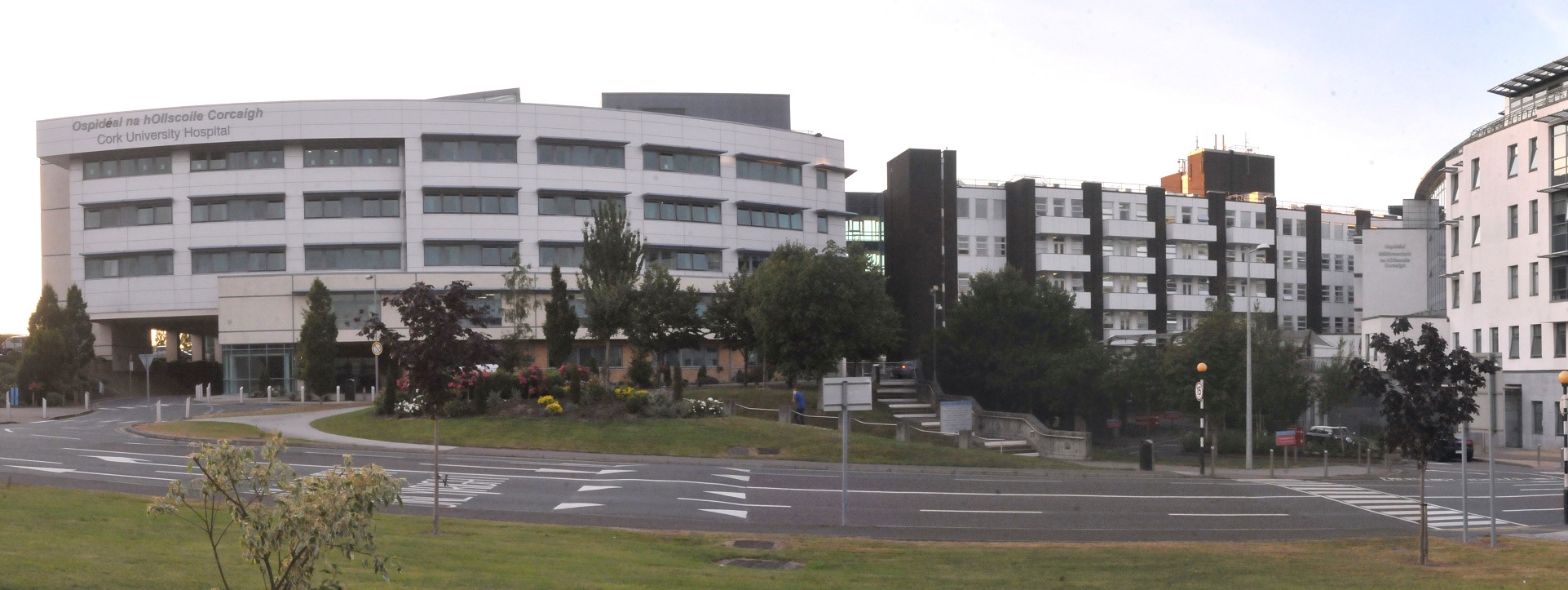
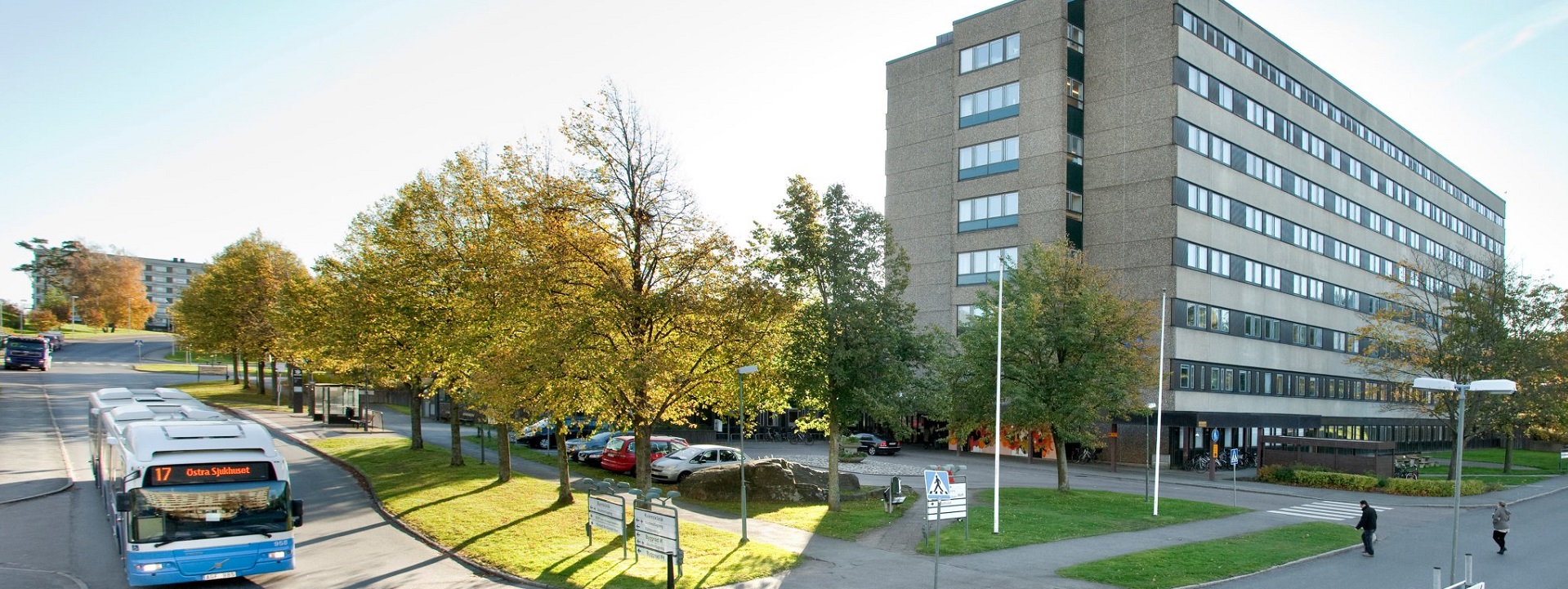
Several issues were recently debated by the Article 517 technical committee during the 2023 National Electrical Code Second Draft meetings
- The conditions under which reconditioned electrical equipment be installed in healthcare settings; contingent on listing and re-certification specifics.
- Relaxation of the design rules for feeder and branch circuit sizing through the application of demand factors.
- Application of ground fault circuit interrupters.
- “Rightsizing” feeder and branch circuit power chains (Demand factors in Section 517.22)
- Patient care space categories
- Independence of power sources (517.30)
There are, of course, many others, not the least of which involves emergency management. For over 20 years our concern has been for the interdependency of water and electrical power supply to university hospitals given that many of them are part of district energy systems.
We need to “touch” this code at least once a month because of its interdependence on other consensus products by other standards developing organizations. To do this we refer NFPA 99 standards action to the IEEE Education & Healthcare Facilities Committee which meets online four times monthly in European and American time zones.
The transcript of NEC Article 517 Public Input for the 2023 revision of NFPA 70 is linked below. (You may have to register your interest by setting up a free-access account):
Code-Making Panel 15 (NEC-P15) Public Input Report
Code-Making Panel 15 (NEC-P15) Public Comment Report
Technical committees will meet in June to endorse the 2023 National Electrical Code.
Public consultation on the Second Draft closes May 31st. Landing page for selected sections of the 2024 revision of NFPA 99 are linked below:
Health Care Emergency Management and Security (HEA-HES)
Second Draft Comments are linked below:
Health Care Emergency Management and Security (HEA-HES)
NITMAM closing date: March 28, 2023
We break down NFPA 70 and NFPA 99 together and keep them on the standing agenda of both our Power and Health colloquia; open to everyone. See our CALENDAR for the next online meeting.


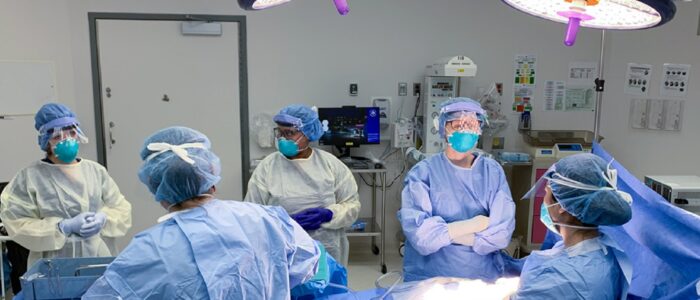
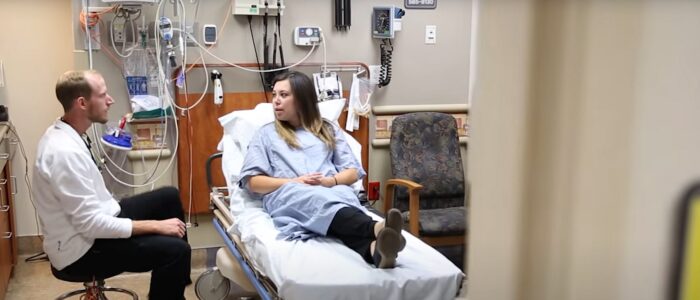

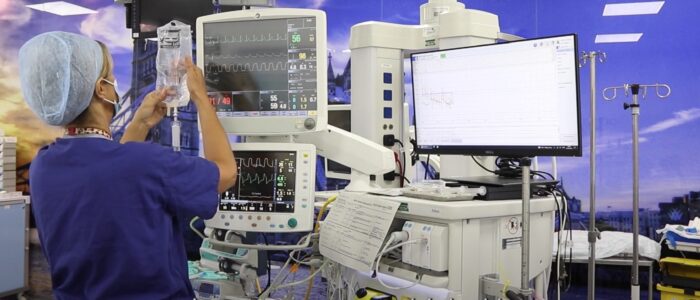
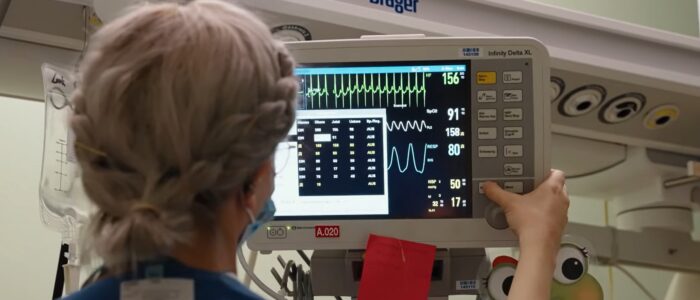
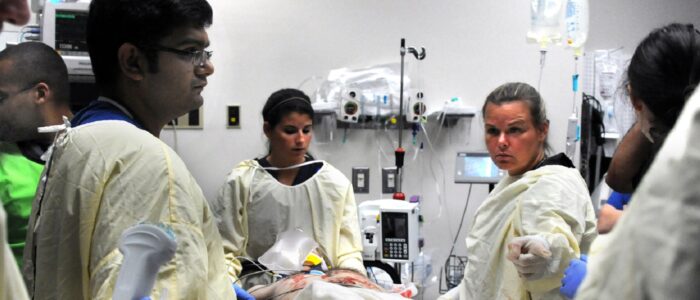
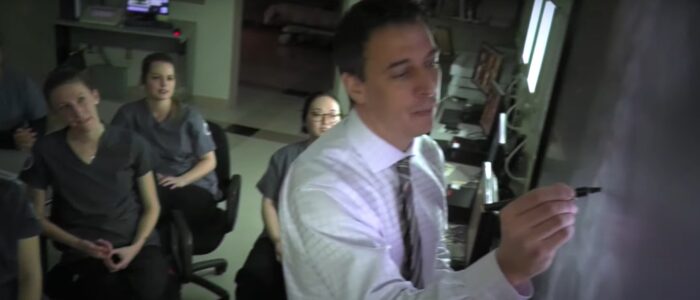
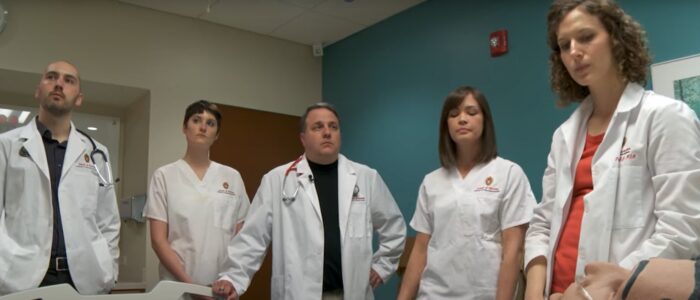
Issues: [12-18, [15-97] and [16-101]
Contact: Mike Anthony, Jim Harvey, Robert Arno, Josh Elvove, Joe DeRosier, Larry Spielvogel
NFPA Staff Liaison: Jonathan Hart




Du froid
— Charles Louis de Secondat, Baron de La Brède et de Montesquieu
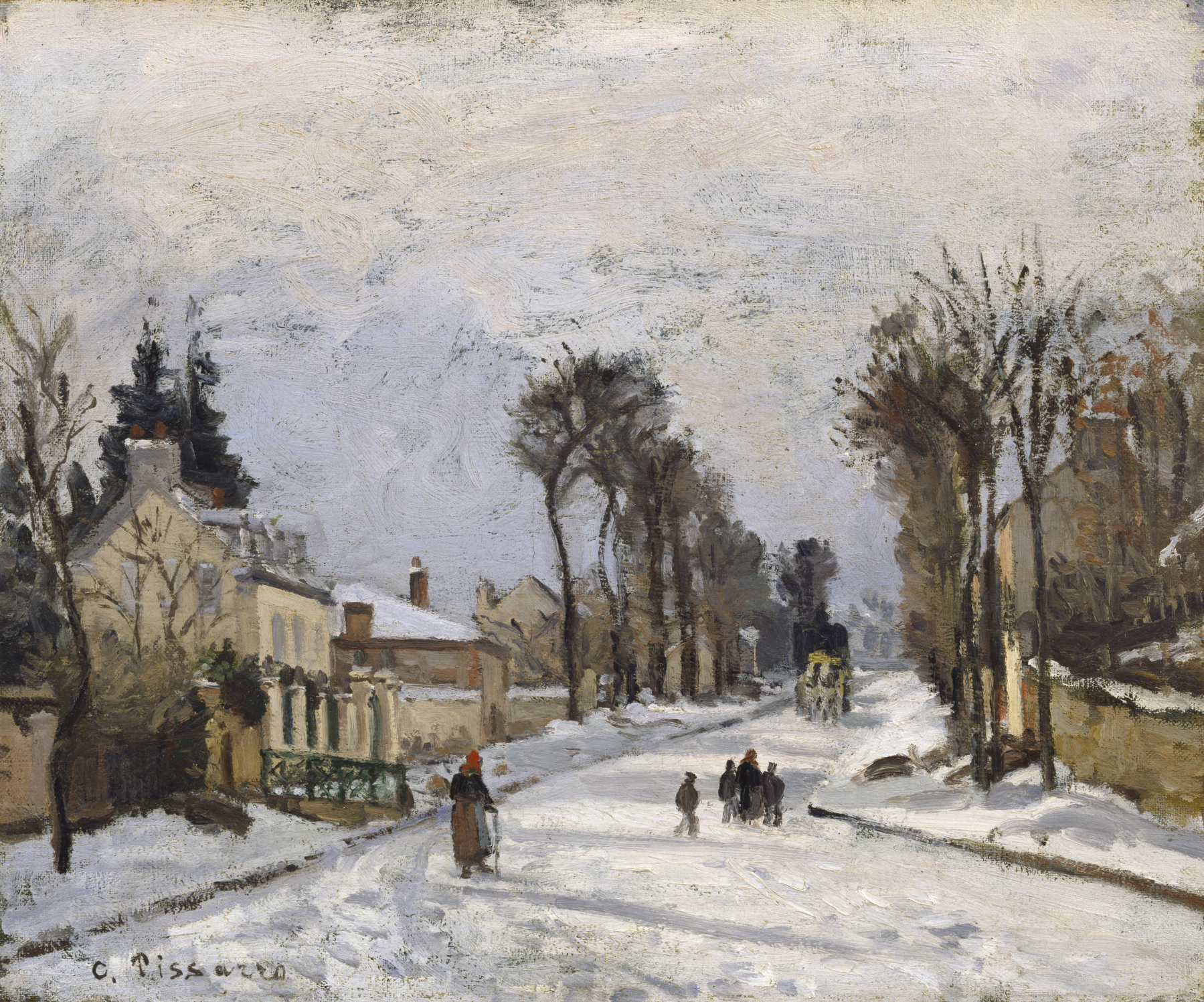
“Road to Versailles at Louveciennes” 1869 Camille Pissarro
Heat tracing is a process used to maintain or raise the temperature of pipes and vessels in order to prevent freezing, maintain process temperature, or ensure that products remain fluid and flow through the system properly. Without electric heat tracing; much of the earth would be uninhabitable.
Heat tracing works by using an electric heating cable or tape that is wrapped around the pipe or vessel, and then insulated to help retain the heat. The heating cable is connected to a power source and temperature control system that maintains the desired temperature by regulating the amount of heat output from the cable. Heat tracing is commonly used in industrial applications where temperature control is critical, such as in chemical plants, refineries, and oil and gas facilities.
There are several types of heat tracing, including electric heat tracing, steam tracing, and hot water tracing, each of which have their own unique advantages and disadvantages. The selection of the appropriate type of heat tracing depends on the specific application and the required temperature range, as well as factors such as cost, maintenance, and safety considerations.
Heat Tracing for Piping Specification | NECA Standards (N.B. Link unstable)
2026 NEC CMP-17 Public Input Report | 2026 NEC CMP-17 Second Draft Report

Northern Michigan University | Marquette County
Capturing snow flakes as the fall out of the sky
[📹 Dmitry Dotsenko / dots_foto]pic.twitter.com/e3rwNUGLmK
— Massimo (@Rainmaker1973) January 29, 2025
Today we review the literature for snow and ice management (and enjoyment) produced by these standards-setting organizations:
Accredited Snow Contractors Association
American Society of Civil Engineers
American Society of Mechanical Engineers
ASTM International
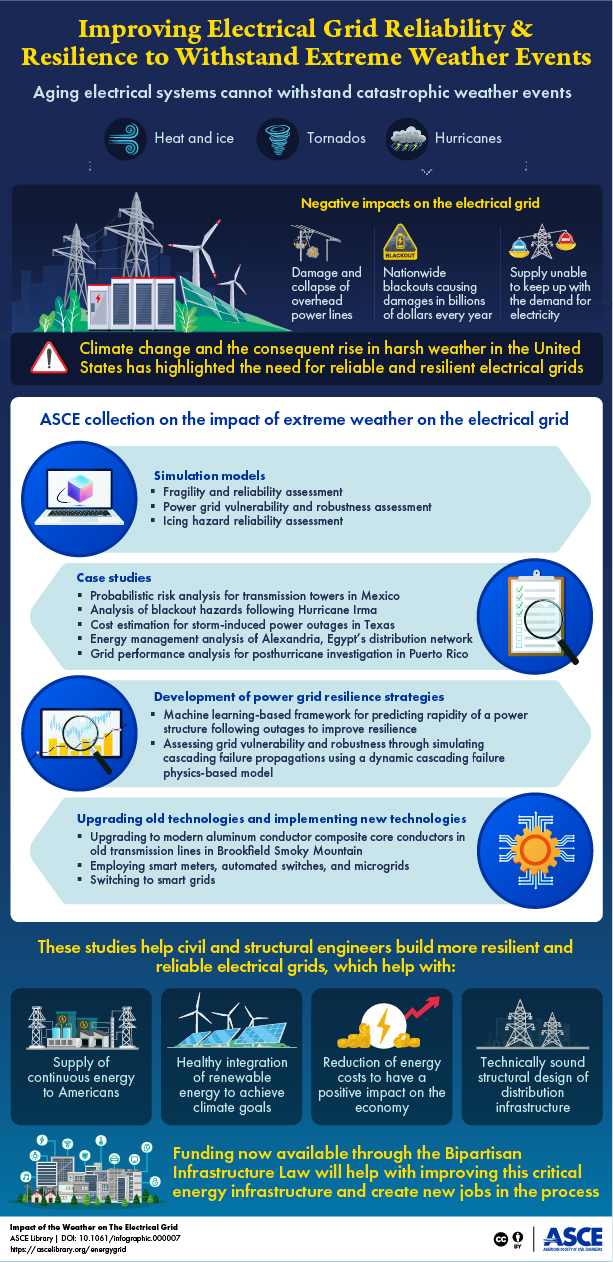
Destructive Deep Freeze Strikes Cold and Hot Regions Alike
Institute of Electrical & Electronic Engineers
Electrical Heat Tracing: International Harmonization — Now and in the Future
Indiana University.
The most beautiful college campus in the country covered in snow. pic.twitter.com/Tp33cQgKuq
— Alex Paul Photo (@alexpaulphoto) January 11, 2025
International Code Council
International Building Code: Chapter 15 Roof Assemblies and Rooftop Structures
National Electrical Contractors Association
National Fire Protection Association
Winter is Coming: Is Your Facility Protected? (Holly Burgess, November 2022)
National Electrical Code: Articles 426-427
National Floor Safety Institute
Snow and Ice Management Association
Underwriters Laboratories
Manufacturers:
Chromalox Electrical Heat Tracing Systems Design Guide
It is a surprisingly large domain with market-makers in every dimension of safety and sustainability; all of whom are bound by state and federal regulations.
Join us at 16:00 UTC with the login credentials at the upper right of our home page.
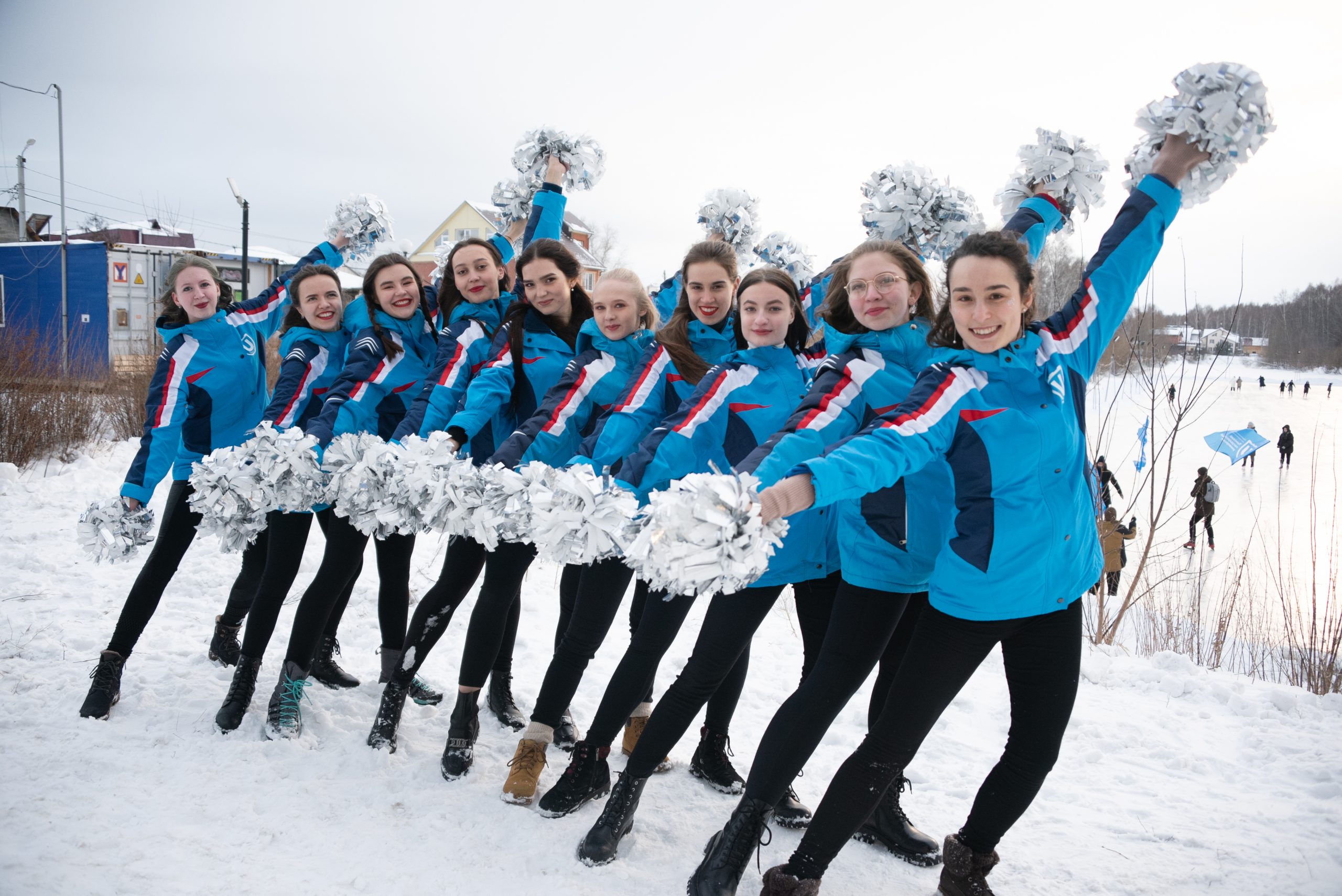
Red surely made the most of his snow day! 🛷 ☃️
Who’s team snow on campus? ❄️ pic.twitter.com/F03KX1XyaR
— The Catholic University of America (@CatholicUniv) January 14, 2025
There have been several recent innovations that have made it possible for construction activity to continue through cold winter months. Some of the most notable ones include:
- Heated Job Site Trailers: These trailers are equipped with heating systems that keep workers warm and comfortable while they take breaks or work on plans. This helps to keep morale up and prevent cold-related health issues.
- Insulated Concrete Forms (ICFs): ICFs are prefabricated blocks made of foam insulation that are stacked together to form the walls of a building. The foam insulation provides an extra layer of insulation to keep the building warm during cold winter months.
- Warm-Mix Asphalt (WMA): WMA is a type of asphalt that is designed to be used in colder temperatures than traditional hot-mix asphalt. This allows road construction crews to work through the winter months without having to worry about the asphalt cooling and becoming unusable.
- Pneumatic Heaters: These heaters are used to warm up the ground before concrete is poured. This helps to prevent the concrete from freezing and becoming damaged during the winter months.
- Electrically Heated Mats: These mats are placed on the ground to prevent snow and ice from accumulating. This helps to make the job site safer and easier to work on during the winter months.
Overall, these innovations have made it possible for construction crews to work through the winter months more comfortably and safely, which has helped to keep projects on schedule and minimize delays.
Somewhat related:
Capturing snow flakes as the fall out of the sky
[📹 Dmitry Dotsenko / dots_foto]pic.twitter.com/e3rwNUGLmK
— Massimo (@Rainmaker1973) January 29, 2025
Map showing what states can actually drive in snow pic.twitter.com/qgKEhLtKbr
— Midwest vs. Everybody (@midwestern_ope) February 7, 2025
Birth Tourism
This content is accessible to paid subscribers. To view it please enter your password below or send mike@standardsmichigan.com a request for subscription details.

Freely Available ICT Standards
United States Technical Advisory Group Administrator: INCITS
TC 64 Electrical installations and protection against electric shock

“Le Lac Léman ou Près d’Evian au lac de Genève” 1883 François BocionISO and IEC Joint Technical Committee 1 is the work center for international information and communications technology (ICT) standards that are relevant to education communities. In accordance with ISO/IEC JTC 1 and the ISO and IEC Councils, some International Standards and other deliverables are made freely available for standardization purposes.
Freely Available International Standards
We at least follow action, and sometimes contribute data and user-interest perspective, to the development of standards produced by several ANSI-accredited ICT standard developing organizations — ATIS, BICSI, IEEE, INCITS, TIA among them. US-based organizations may communicate directly with Lisa Rajchel, ANSI’s ISO/IEC JTC 1 Senior Director for this project: lrajchel@ansi.org. Our colleagues at other educational organizations should contact their national standards body.
We scan the status of Infotech and Cloud standards periodically and collaborate with a number of IEEE Societies. See our CALENDAR for the next online meeting; open to everyone.
More
The ISO/IEC Joint Technical Committee for Information Technology (JTC 1)
ISO/IEC JTC 1/SC 36 Information technology for learning, education and training
New update alert! The 2022 update to the Trademark Assignment Dataset is now available online. Find 1.29 million trademark assignments, involving 2.28 million unique trademark properties issued by the USPTO between March 1952 and January 2023: https://t.co/njrDAbSpwB pic.twitter.com/GkAXrHoQ9T
— USPTO (@uspto) July 13, 2023
Standards Michigan Group, LLC
455 East Eisenhower Parkway, Suite 300
Ann Arbor, MI 48108 USA
888-748-3670
DIRECTIONS
 |
 |
|
 |
 |
|
 |
 |