Tag Archives: January

Loading
loading..

How to Care for Horses in the Winter


“No hour of life is wasted that is spent in the saddle.”
— Winston Churchill


Utah


Gulliver’s Travels

…”The curiosity and impatience of my master were so great, that he spent many hours of his leisure to instruct me. He was convinced (as he afterwards told me) that I must be a Yahoo, but my teachableness, civility and cleanliness, astonished him; which were qualities altogether opposite to those animals…”


Rewind: Animals 100

Root Beer Olympics

Sober Fun

North Dakota

“Standard Root Beer” is typically made using a combination of ingredients that include water, sugar, sassafras root or extract, and various other flavoring agents. Here’s a general overview of the process:

  • Sassafras Flavoring: In traditional root beer recipes, sassafras root or extract is a key ingredient. However, it’s important to note that sassafras contains safrole, a compound that has been deemed potentially carcinogenic. For this reason, commercial root beers often use a safrole-free sassafras flavoring.
  • Sweetener: Sugar is commonly used to sweeten root beer, although some recipes may use alternatives like corn syrup or honey. The amount of sweetener can vary based on personal preference.
  • Water: Root beer typically starts with plain water as its base. The water is heated to dissolve the sweetener and other ingredients.
  • Flavorings: Besides sassafras flavoring, root beer can include a range of other flavorings to create its distinct taste. These may include wintergreen, vanilla, anise, licorice, molasses, or other herbs and spices. The exact combination of flavors varies among different root beer recipes.
  • Carbonation: Carbonation gives root beer its characteristic fizz. This can be achieved by using carbonated water or by introducing carbon dioxide gas into the mixture. In commercial production, carbonation is typically added during the bottling process.
  • Yeast Fermentation (optional): Some traditional homemade root beer recipes involve a fermentation step. Yeast is added to the root beer mixture, which consumes the sugar and produces carbon dioxide as a byproduct. This creates a natural carbonation in the beverage. However, this step can also increase the alcohol content, so it’s important to be mindful of the fermentation duration.
  • Bottling and Aging: Once the root beer is prepared, it is typically poured into bottles or kegs and sealed. Some recipes may recommend allowing the root beer to age for a certain period to develop the desired flavors.

It’s worth noting that the commercial production of root beer may involve different processes, as well as the use of artificial flavors, stabilizers, and preservatives to ensure consistency and shelf life. The specific recipe and production methods may vary among manufacturers.

Standards North Dakota


Hoppin’ John

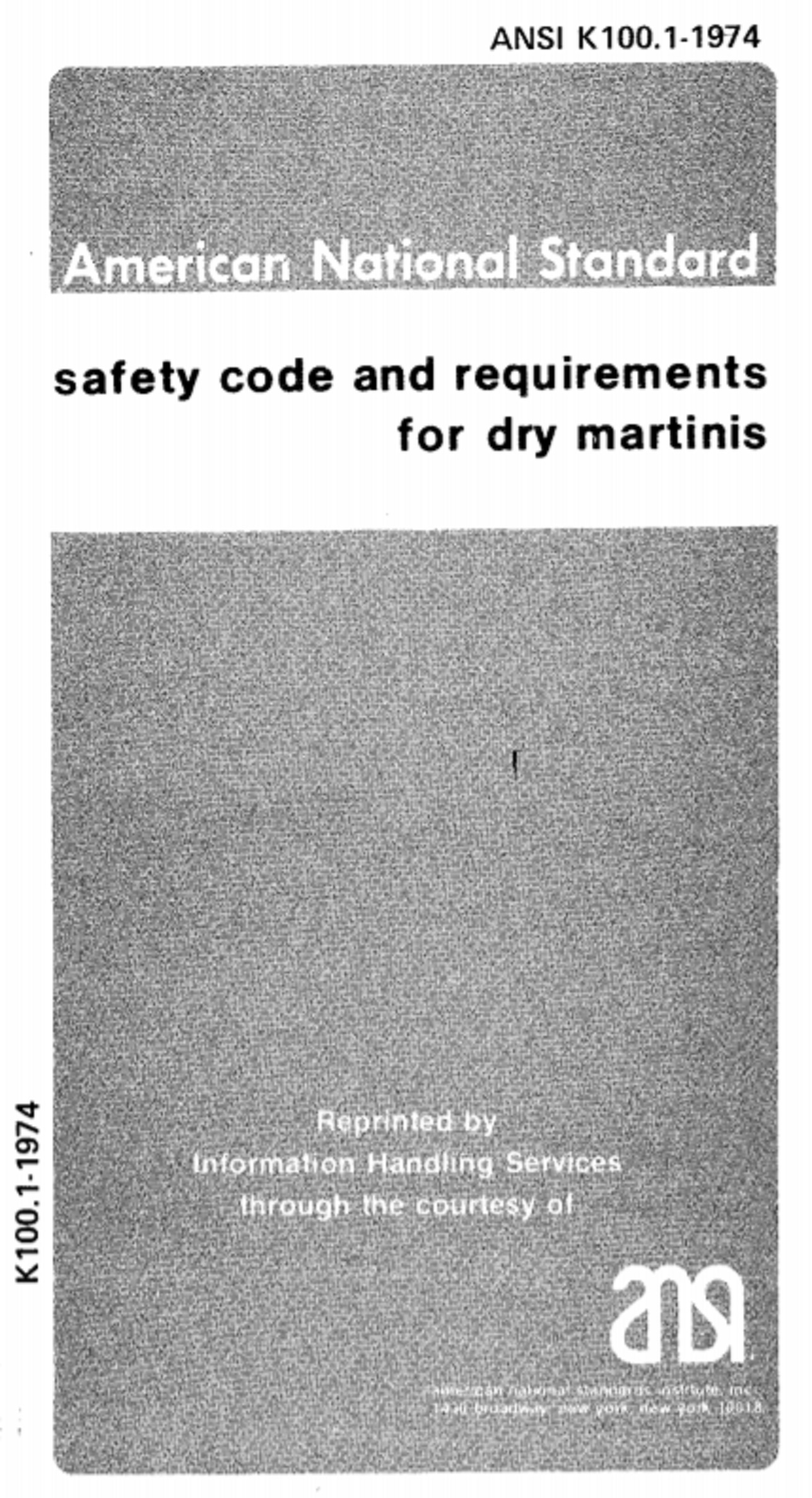
Standards North CarolinaDuke University’s Endowment 2024-2025: $12.3B

Hoppin’ John (1847) – Rubenstein Library Test Kitchen

Hoppin’ John is a traditional Southern dish in the United States, particularly associated with the cuisine of the Southeastern region. It is commonly made with black-eyed peas (or sometimes field peas), rice, chopped onion, and sliced bacon or ham hock. Often seasoned with salt and spices, Hoppin’ John is a flavorful and hearty dish.

The dish is traditionally eaten on New Year’s Day for good luck. In Southern folklore, it is believed that eating Hoppin’ John on New Year’s Day will bring prosperity and good fortune in the coming year. The black-eyed peas symbolize coins, and sometimes a coin is even added to the pot for good luck. The dish is often served with collard greens (symbolizing money) and cornbread (symbolizing gold).

Industrial electroheating and electromagnetic processing

The global standards for heat tracing systems are developed by IEC Technical Committee 27.  The scope of work for this committee is reproduced below:

Standardization in the field of industrial equipment and installations intended for electroheating, electromagnetic processing of materials and electroheat based treatment technologies Note: The scope of interest covers industrial installations with the use of the following equipment: – equipment for direct and indirect resistance heating; – equipment for electric resistance trace heating; – equipment for induction heating; – equipment using the effect of EM forces on materials; – equipment for arc heating, including submerged arc heating; – equipment for electroslag remelting; – equipment for plasma heating; – equipment for microwave heating; – equipment for dielectric heating; – equipment for electron beam heating; – equipment for laser heating; – equipment for infrared radiation heating. The list presents typical examples of equipment and its applications and is not exhaustive.

CLICK HERE for the link to the TC 27 Strategic Business Plan

Titles in this committee’s bibliography appears to be stable.   As with all IEC titles, they are relatively narrow in scope compared with the titles promulgated by most US standards developing organizations.  Our interest lies primarily in the application of this technology within and around education community buildings.

While heat tracing generally goes un-noticed it is an essential part of cold weather safety.  It is wise to keep pace with its evolution with innovation in materials and controls with the lead.

We maintain this committee’s work on the standing agenda of our seasonal Snow & Ice colloquia; along with US standards developed by UL, IEEE, NEMA, NFPA, ICC, ASHRAE and a few others.  We also collaborate with the IEEE Education & Healthcare Facilities Committee on this topic.  See our CALENDAR for the next online meeting; open to everyone.

"A ship in harbor is safe, but that is not what ships are built for." -- John A. Shedd


Issue [18-332]

Category: Electrical

Colleagues: Mike Anthony, Lorne Clark, Jim Harvey


Public Law 98-144: Martin Luther King Day

Public Law 98-144:

The federal law that established Martin Luther King Jr. Day as a national holiday was Public Law 98-144, signed into law by President Ronald Reagan on November 2, 1983. The legislation designated the third Monday of January each year as a federal holiday in honor of Dr. Martin Luther King Jr.’s contributions to civil rights and social justice.  The first official observance of Martin Luther King Jr. Day as a federal holiday took place on January 20, 1986. However, it was not immediately observed by all states, and some states adopted it gradually over time, with all 50 states recognizing it by the year 2000.

Layout mode
Predefined Skins
Custom Colors
Choose your skin color
Patterns Background
Images Background
Standards Michigan
error: Content is protected !!
Skip to content