Tag Archives: October

Loading
loading..

Pomegranates: How and When to Pick

Standards Utah | Extension Service

The pomegranate is a significant symbol in Jewish tradition, particularly during Rosh Hashanah, the Jewish New Year. Its symbolism is rooted in both its physical characteristics and its cultural and spiritual associations.

Abundance and Fertility: Pomegranates are filled with numerous seeds, which symbolize abundance, fertility, and prosperity. During Rosh Hashanah, a time of renewal and hope for a sweet and bountiful year, eating pomegranates reflects the wish for a year filled with blessings and plenty.

Mitzvot and Righteousness: Jewish tradition often associates the pomegranate’s many seeds—traditionally said to number 613—with the 613 commandments (mitzvot) in the Torah. Consuming pomegranates during Rosh Hashanah expresses the hope that one’s life will be filled with good deeds and adherence to these commandments in the coming year.

Renewal and New Beginnings: Rosh Hashanah marks the start of the Jewish year, a time for introspection, repentance, and setting intentions for personal growth. The pomegranate, as a fruit that ripens around this season in the Mediterranean region, symbolizes renewal and the potential for a fresh start.

Connection to the Land of Israel: Pomegranates are one of the seven species (Shivat Haminim) mentioned in the Torah as special products of the Land of Israel (Deuteronomy 8:8). Their inclusion in Rosh Hashanah celebrations reinforces the connection to the land and its blessings, evoking gratitude and a sense of rootedness in Jewish heritage.

Hope and Sweetness: On Rosh Hashanah, it is customary to eat sweet foods to symbolize the hope for a sweet year. While pomegranates have a tart-sweet flavor, they are often included in the festive meal or ritual foods, accompanied by a blessing such as: “May it be Your will, O Lord our God, that our merits be as numerous as the seeds of a pomegranate.”

During Rosh Hashanah, pomegranates may be eaten fresh, incorporated into dishes, or displayed as part of the festive table. Some communities recite a specific blessing or prayer when eating the pomegranate, emphasizing its symbolic meaning. The fruit’s vibrant red color and seed-filled interior make it a powerful visual and spiritual emblem for the holiday’s themes of hope, abundance, and spiritual growth. This symbolism aligns with the broader themes of Rosh Hashanah: reflection, renewal, and the aspiration for a year filled with goodness and divine favor.


“FDSC 4300: The Science and Technology of Beer”

Professor Karl Siebert, who teaches FDSC 4300, The Science and Technology of Beer, demonstrates how to properly pour a beer and discusses the sensory experience of beer appreciation. In a recent study, Siebert identified the key component in a ‘perfect’ head of beer: a barley protein known as Lipid Transport Protein 1 or LPT1.

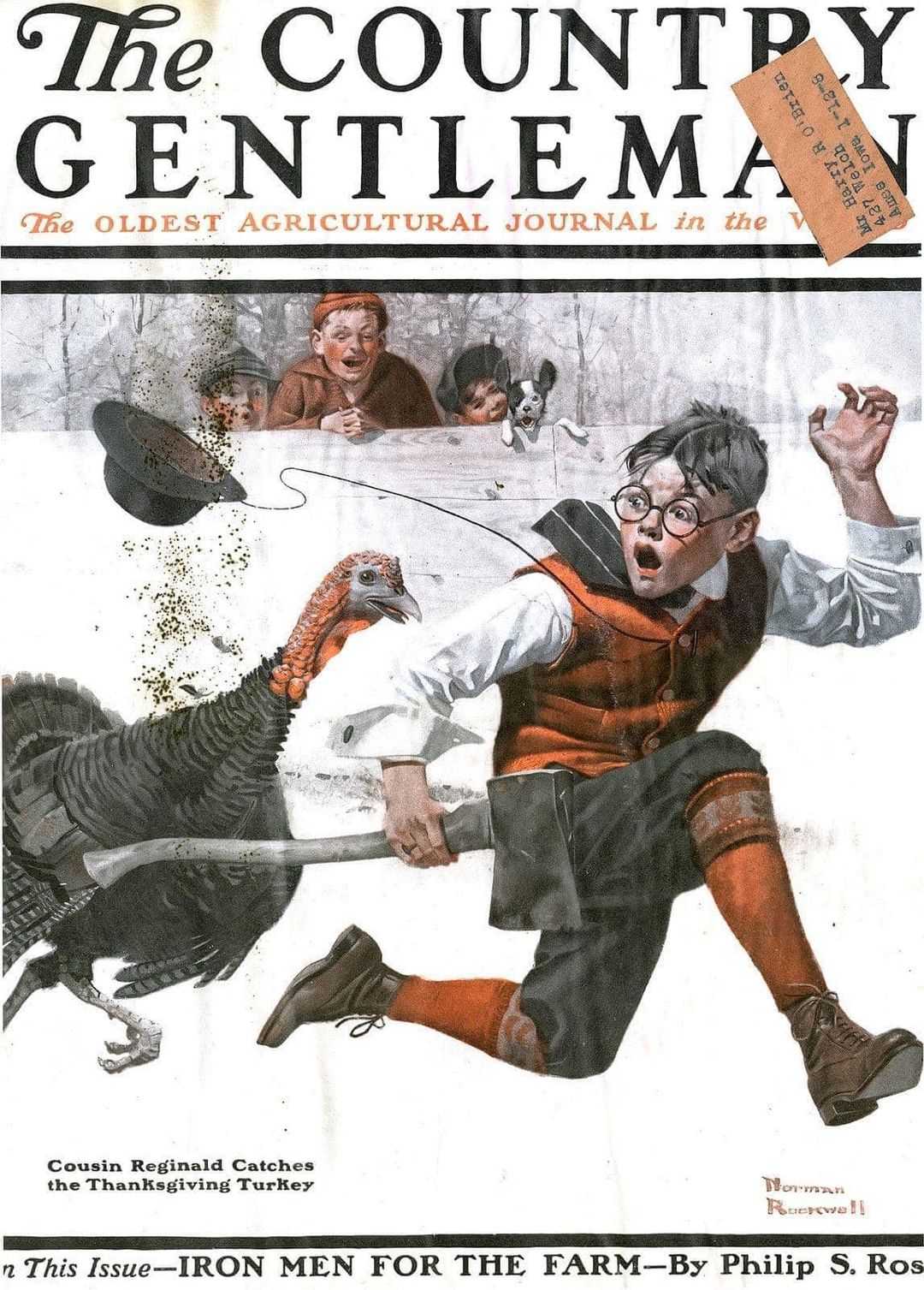
“I Call Your Name” Covers | English Standard

This content is accessible to paid subscribers. To view it please enter your password below or send mike@standardsmichigan.com a request for subscription details.

Textiles

List of Technical Committees

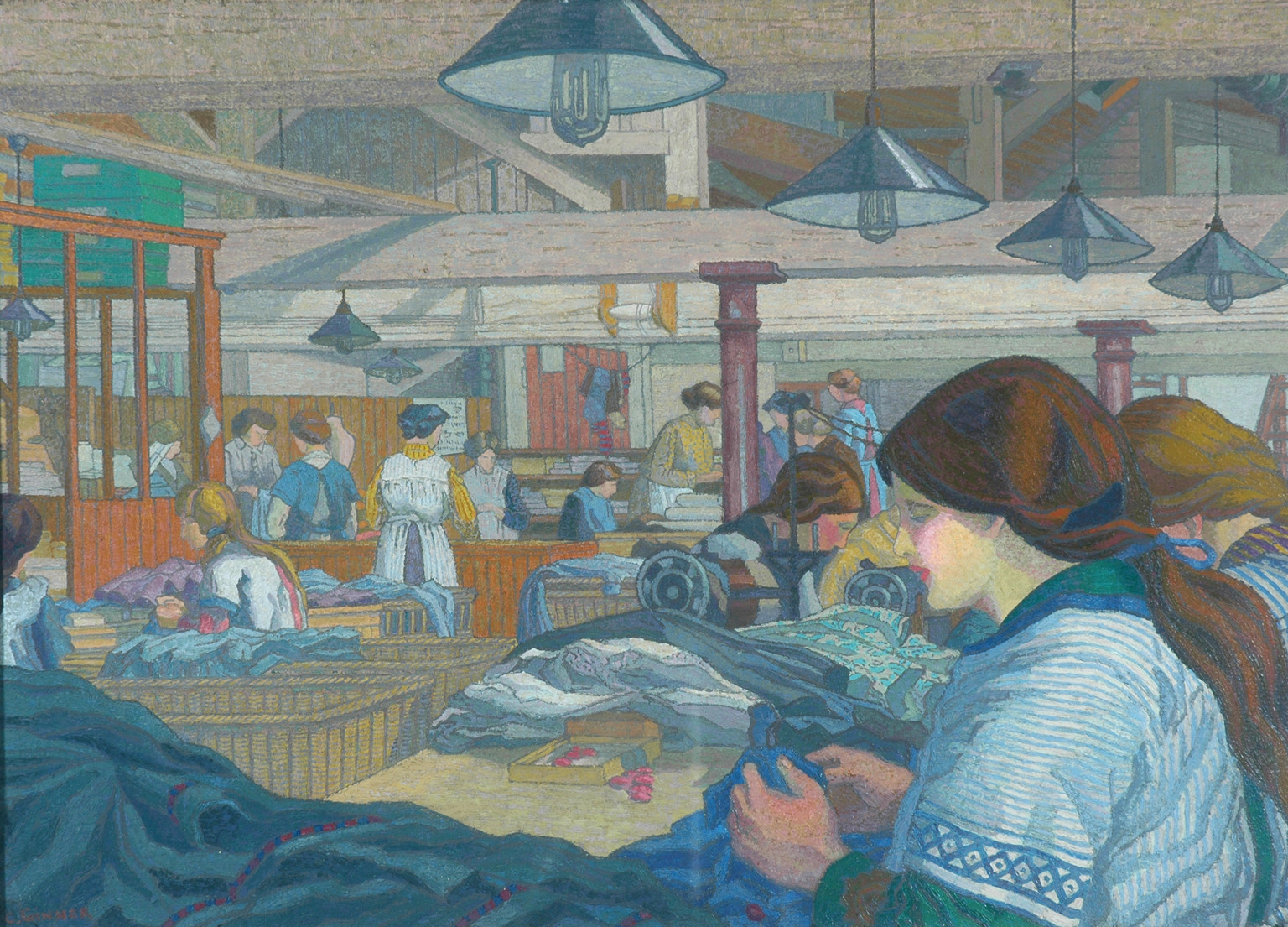
“The Dressmaking Factory” 1881 Charles Ginnar

“Dwell on the beauty of life.

Watch the stars, and see yourself running with them.”

― Marcus Aurelius, Meditations

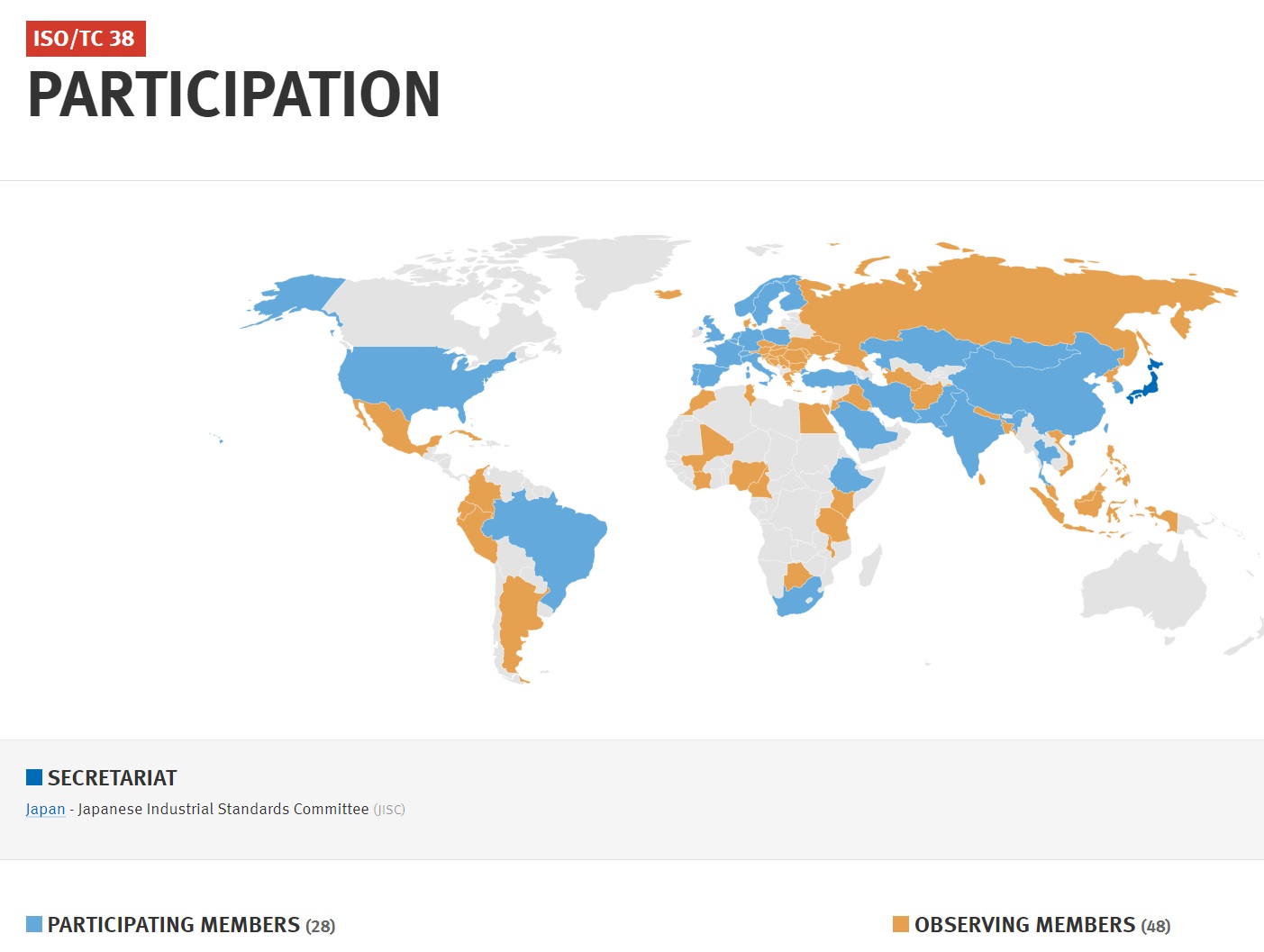
The consumer discretionary sector is among the largest economic sectors in every nation.   Consumer Discretionary is the term given to goods and services that are considered non-essential by consumers, but desirable if their available income is sufficient to purchase them.  Consumer discretionary goods include durable goods, apparel, entertainment and leisure, and automobiles.  The International Organization for Standardization administers leading practice discovery and promulgation of the standards in a core component of durable goods industry — textiles – through its Technical Committee 38.

We find continued student interest in these technologies so attention to the elevated hazards in research, instructional and display spaces require attention.   We recognize that not every student is interested in cleaning neural network data sets or learning Tensor Flow but wants to devote their energy to making the world a better place by making the world a more beautiful place.

From the ISO/TC 38 prospectus:

STRATEGIC BUSINESS PLAN ISO/TC 38 Textiles

“…Textiles are one of the most important and versatile commodities in the global economy. The textile industries involve provision of raw materials, preparation of fiber production, manufacture of yarns and fibres, manufacture of fabric formation, finishing processing including bleaching, dyeing, printing, coating, special chemical treatments, transformation of the fabric into clothing, upholstery, or industrial/technical textiles, and rope and netting formation. Therefore, the textile industry concerns a variety of entities such as suppliers of raw materials, processors, manufacturers, traders,  distributors, retailers, associated industries such as the laundry industry, government and educational establishments as well as consumers….

…One new field of innovation in the textiles is emerging as the smart textiles which cover either smart textile materials or smart textile systems, including some of them combining technologies with electronic textiles and wearable devices. The uses expected of the smart textiles extend over medical device, general product safety, textile labelling, etc. Our technical committee liaises for cooperation with other technical fields and be responsible for standardization of the textile field of smart textiles….”

Japanese Industrial Standards Committee is the Global Secretariat.   ASTM International is ANSI’s US Technical Advisory Group Administrator

Educators and students in the United States interested in participating in the development of this product should communicate directly with Jen Rodgers at ASTM International, Jen Rodgers (jrodgers@astm.org).  We maintain all ISO consensus products on the standing agenda of our monthly International Standards teleconference; open to everyone.   See our CALENDAR for the next online meeting.

Standard Specification for 100 % Cotton Denim Fabrics

Wool Throw Project

Sheep and Wool

How to Grow Wool in Your Backyard

Autumn Week 43 | October 20- 26

“Whatever does not pretend at all has style enough.”
— Booth Tarkington

Wesleyan Christian University | Guilford County North Carolina


Monday | October 20 | Colloquium 15:00 UTC

Electrical Trade Labor Standards


Tuesday | October 21 | Colloquium 15:00 UTC

Rain & Lightning


Wednesday | October 22 | Colloquium 15:00 UTC

Data Centers


Thursday | October 23 | Colloquium 15:00 UTC

Laboratories 400


Friday | October 24 | Colloquium 15:00 UTC

Fine Arts 300


Saturday | October 25


Sunday|  October 26


Francis of Assisi: History, Significance and Resources


Blessing of the Animals

This content is accessible to paid subscribers. To view it please enter your password below or send mike@standardsmichigan.com a request for subscription details.

Rosh Hashanah

Rosh Hashanah, the Jewish New Year, is a time for festive meals and traditional foods that carry symbolic meanings. Some common foods served during Rosh Hashanah include:

  1. Apples and Honey: This combination symbolizes the hope for a sweet year ahead. Apples are dipped in honey and eaten as a blessing for a sweet and fruitful year.
  2. Challah: Challah is a special braided bread traditionally eaten on Shabbat and holidays, including Rosh Hashanah. On this occasion, the challah is sometimes shaped into a round to symbolize the cycle of the year.
  3. Pomegranates: Pomegranates are another symbol of sweetness and fertility because of their many seeds. They are often eaten or their juice is used as a symbolic part of the meal.
  4. Round Foods: Many of the foods served are round to symbolize the cycle of the year. This includes round challah, as mentioned above, as well as foods like round gefilte fish.
  5. Honey Cake: Honey cake is a sweet dessert made with honey and spices, often served as a symbol of a sweet year.
  6. Tzimmes: Tzimmes is a sweet, slow-cooked dish made from carrots and sometimes sweet potatoes or prunes. It represents the hope for a sweet and prosperous year.
  7. Fish: Fish, particularly the head of a fish, is often served, symbolizing the desire to be “the head” and not “the tail” in the coming year.
  8. Leeks and Gourds: In some traditions, leeks and gourds are eaten, and their names in Hebrew sound similar to the words for “destroy” and “annihilate,” symbolizing the hope that enemies will be removed in the new year.
  9. Black-Eyed Peas: In some Jewish communities, particularly Sephardic Jews, black-eyed peas are eaten for luck on Rosh Hashanah.
  10. Wine: Wine is traditionally used for blessings during the meal, and it’s common to make a special blessing over a cup of wine called “Kiddush.”

These are just some of the traditional foods served during Rosh Hashanah. The exact dishes and customs can vary among Jewish communities and families, but the overall theme is to wish for a sweet, happy, and prosperous new year.

Layout mode
Predefined Skins
Custom Colors
Choose your skin color
Patterns Background
Images Background
Standards Michigan
error: Content is protected !!
Skip to content