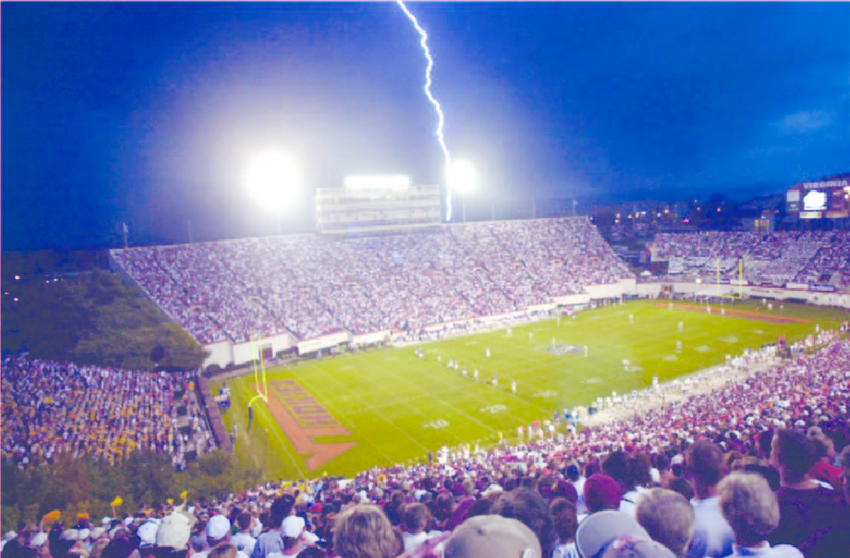
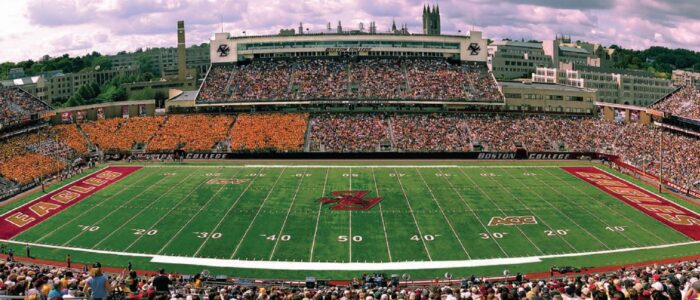
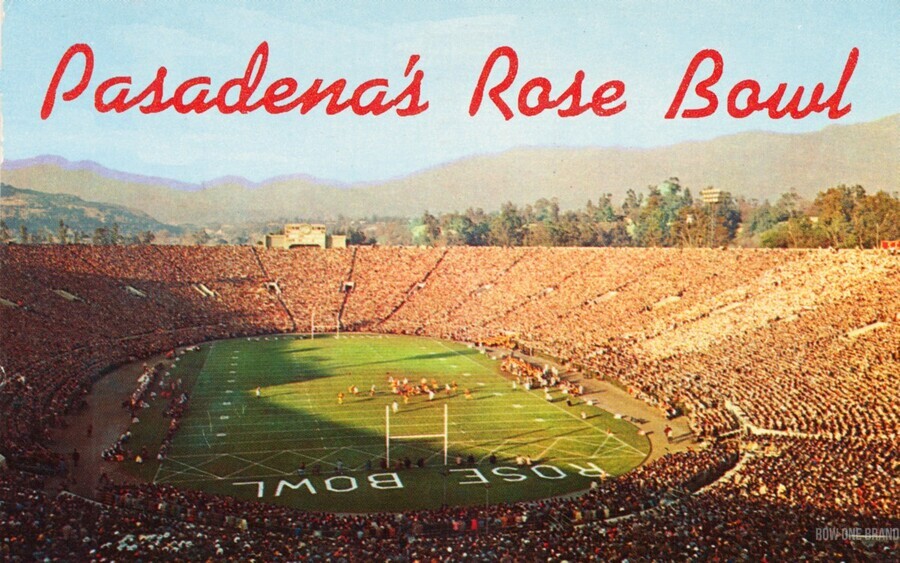
Myron Hubbard Hunt (February 27, 1868 – May 26, 1952) was an American architect whose numerous projects include many noted landmarks in Southern California; most notably, the Rose Bowl Stadium, where the University of Michigan Football team appears routinely on New Year’s Day. Hunt was elected a Fellow in the American Institute of Architects in 1908.
Sport programs, facilities and equipment support one of the most visible and emotionally engaging enterprises in the education communities. These programs are central to the brand identity of the community and last, but not least, physical activity keeps our young people healthy in body and mind.
ASTM International is one of the first names among the 300-odd ANSI accredited standards setting organizations whose due processes discover and promulgate the standard of care for the design, construction, operations and maintenance of the facilities that support these enterprises. The parent committee is linked below:
While ASTM bibliography is largely product-oriented, there are many titles that set the standard of care for sport enterprises and the accessories to these enterprises. To identify a few:
When the General Requirements of an athletic facility construction project indicates: “Conform to all applicable standards” then, in the case of an sport facility, the ASTM title is likely the document that defines the standard of care from a product standpoint. Interoperability of the products in a sport setting are quite another matter.
The ASTM standards development process depends heavily on face-to-face meetings — typically two times per year – in different parts of the United States. The benefit of this arrangement lies in the quality of discussion among subject matter experts that results produced from face-to-face discussion. The price to pay for this quality, however, lies in the cost of attendance for the user-interest in the education industry. Relatively few subject matter experts directly employed by a school district, college or university who are charged with lowering #TotalCostofOwnership can attend the meetings. Many of the subject matter experts who are in attendance at the ASTM meetings from the education industry tend to be faculty who are retained by manufacturers, insurance, testing laboratories, conformity and compliance interests. (See our discussion of Incumbent Interests)
That much said, ASTM welcomes subject matter experts on its technical committees (Click here) We encourage participation by end users from the education industry — many of them in the middle of athletic facility management organization charts. The parent committee meets twice a year; after which we usually find public review redlines developed during those meetings to hit our radar. The link to the schedule of face-to-face meetings appears below:
Note that the August 2020 cancelled but the November 2020 meeting still appears on the schedule. It is likely that much of the committee work will be done online.
We are required to review draft ASTM consensus products with some care — owing to copyright restrictions — so we do it interactively online during teleconferences devoted to Sport. See our CALENDAR for the next online meeting; open to everyone.
Today we continue drilling into the transcript of proposed changes the International Code Council Group B tranche of titles relevant to our safety and sustainability agenda with particular interest in places of assembly for athletic activity. Use the login credentials at the upper right of our home page.
“View of the Colosseum” 1747 Giovanni Paolo Panini
Play is the making of civilization—how one plays the game
more to the point than whether the game is won or lost.
The purpose of this standard is to establish the minimum requirements to safeguard health, safety and general welfare through structural strength, means of egress facilities, stability and safety to life and property relative to the construction, alteration, repair, operation and maintenance of new and existing temporary and permanent bench bleacher, folding and telescopic seating and grandstands. This standard is intended for adoption by government agencies and organizations setting model codes to achieve uniformity in technical design criteria in building codes and other regulations.
This title is on the standing agenda of our Sport, Olahraga (Indonesian), رياضة (Arabic), colloquia. You are welcomed to join us any day at with the login credentials at the upper right of our home page.
At the April International Code Council Group A Hearings there were three candidate code changes related to the safety standard of care for athletic venues:
These concepts will likely be coordinated with another ICC regulatory product —ICC 300 – Standard on Bleachers, Folding and Telescopic Seating, and Grandstands — covered here previously. ICC 300 is a separate document but some of the safety concepts track through both.
The ICC Public Comment Hearings on Group A comments in Richmond Virginia ended a few days ago (CLICK HERE). The balloting is being processed by the appropriate committee and will be released soon. For the moment, we are happy to walk through the proposed changes – that will become part of the 2021 International Building Code — any day at 11 AM Eastern time. We will walk through all athletic and recreation enterprise codes and standards on Friday, November 2nd, 11 AM Eastern time. For access to either teleconference, click on the LIVE Link at the upper right corner of our home page.
Issue: [15-283]
Category: Athletics & Recreation, Architectural, Public Safety
Contact: Mike Anthony, Richard Robben, Jack Janveja
The International Code Council has launched a new revision cycle for its consensus document — ICC 300 – Standard on Bleachers, Folding and Telescopic Seating, and Grandstands. The purpose of the effort is the development of appropriate, reasonable, and enforceable model health and safety provisions for new and existing installations of all types of bleachers and bleacher-type seating, including fixed and folding bleachers for indoor, outdoor, temporary, and permanent installations. Such provisions would serve as a model for adoption and use by enforcement agencies at all levels of government in the interest of national uniformity.
Comments are due December 4th. The document is free. You may obtain an electronic copy from: https://www.iccsafe.org/codes-techsupport/standards/is-ble/. Comments may be sent to Edward Wirtschoreck, (888) 422-7233, ewirtschoreck@iccsafe with copy to psa@ansi.org)
* With some authority, we can claim that without Standards Michigan, many education industry trade associations would not be as involved in asserting the interest of facility managers in global consensus standards development processes. See ABOUT.
Recreational sports, athletic competition, and the facilities that support it, are one of the most visible activities in any school, college or university. They have requirements for safety and sustainability at the same scale as the academic and healthcare enterprises. According to IBISWorld Market Research, Sports Stadium Construction was a $6.1 billion market in 2014, Athletic & Sporting Goods Manufacturing was a $9.2 billion market in 2015, with participation in sports increasing 19.3 percent by 2019 — much of that originating in school, college and university sports and recreation programs.
NOCSAE, the National Operating Committee on Standards for Athletic Equipment, is an independent and nonprofit standards development body with the mission to enhance athletic safety through scientific research and the creation of performance standards for athletic equipment. From its mission statement:
NOCSAE is comprised of a board of directors representing stakeholders from a number of groups – including consumer and end users, equipment manufacturers and reconditioners, athletic trainers, coaches, equipment managers, and academic and sports medicine associations. These diverse interests have joined forces in an attempt to arrive at a common goal of reducing sports-related injuries.
The NOCSAE suite of standards follows American due process requirements set by ANSI. Its standards development landing page is linked below where you will find instructions about how to comment on all NOCSAE titles at any time:
At the moment, our advocacy resources give priority to athletic facilities (and their integration into #SmartCampus safety and sustainability systems) over athletic products. There is sometimes interaction between the two — artificial turf and protective equipment standards need to support one another; for example. However, our priority lies in persuading the leadership of the education industry get the user-interest (i.e. athletic facility managers) to participate in ANSI standards development processes.
The NOCSAE suite, and all other athletic and recreational product, facility and management standards is on the standing agenda of our periodic Sport colloquia. See our CALENDAR for the next teleconference; open to everyone.
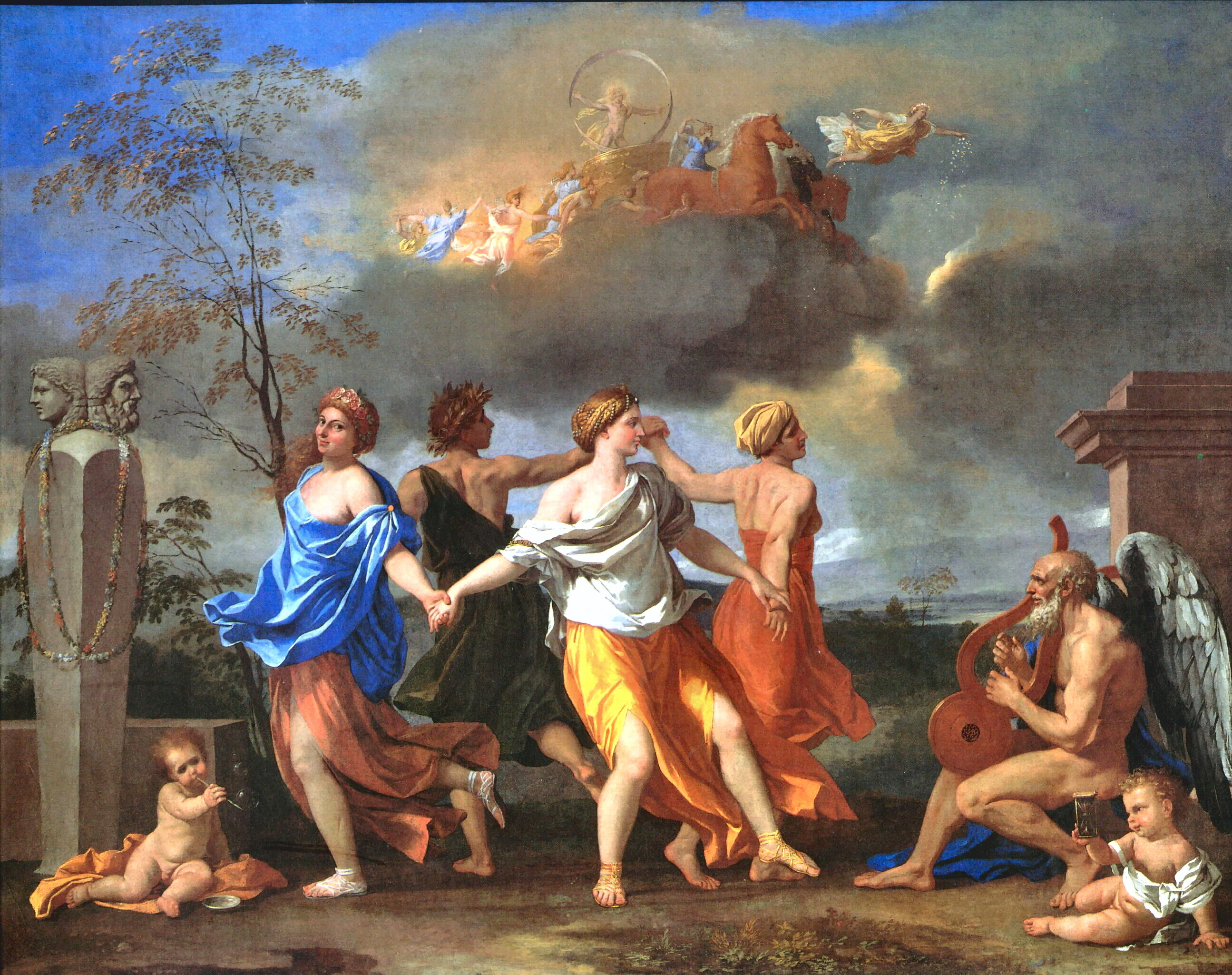
“A Dance to the Music of Time” 1640 Nicolas Poussin
“The voice of the intellect is a soft one,
but it does not rest until it has gained a hearing.”
— Sigmund Freud
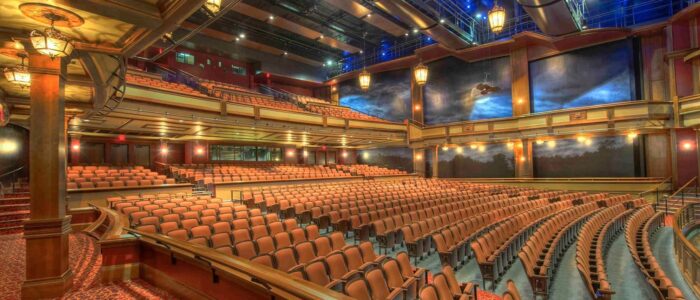
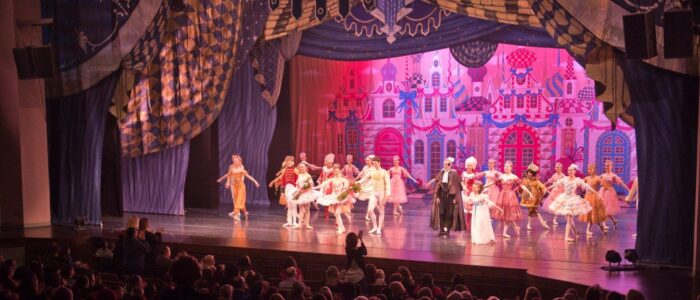
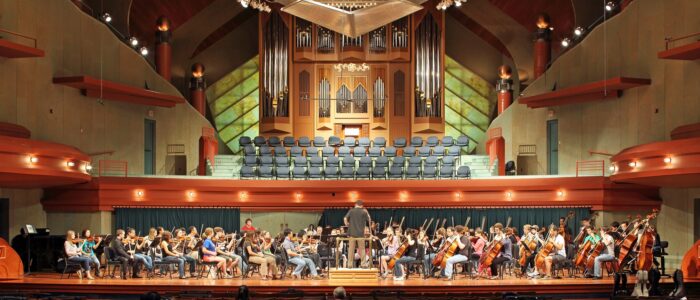
The education industry provides a large market for occupancy classes — athletic stadiums, student assembly spaces, performance theaters, large lecture halls– that depend upon effective audio systems*. To an unexpected degree the structural engineering, specification of materials and electrical system design and operation is informed by acoustical considerations. So does the integration of fire safety and mass notification systems into normal state enterprises so it is wise to follow and, ideally, participate in leading practice discovery and promulgation of audio standards.
The Audio Engineering Society — one of the first names in this space — has a due process platform that welcomes public participation. All of its standards open for public comment completed their revision cycle mid-November as can be seen on its standards development landing page below:
Note that AES permits access to those revision even after the comment deadline. You are encouraged to communicate directly with the Direct communication with the standards staff at Audio Engineering Society International Headquarters, 551 Fifth Avenue, Suite 1225, New York NY 10176, Tel: +1 212 661 8528
We keep the AES suite on the standing agenda of our periodic Lively Arts teleconference. See our CALENDAR for the next online meeting.
This facility class is one of most complex occupancy classes in education facilities industry so we also collaborate with experts active in the IEEE Education & Healthcare Facilities Committee. Much of the AES suite references, and borrows from, International Electrotechnical Commission system integration and interoperability standards. The IEEE E&H committee meets online again four times monthly in European and American time zones. The meeting dates are available on the IEEE E&H website
Issue: [19-23]
Category: Electrical, Academic, Athletics, Fire Safety, Public Safety, #WiseCampus
Contact: Mike Anthony, Jim Harvey
*Mass notification systems are governed by NFPA 72 and, while life safety wiring is separate from other wiring, the management of these systems involve coordination between workgroups with different business objectives and training.
The standards for delaying outdoor sports due to lightning are typically set by governing bodies such as sports leagues, associations, or organizations, as well as local weather authorities. These standards may vary depending on the specific sport, location, and level of play. However, some common guidelines for delaying outdoor sports due to lightning include:
Lightning Detection Systems: Many sports facilities are equipped with lightning detection systems that can track lightning activity in the area. These systems use sensors to detect lightning strikes and provide real-time information on the proximity and severity of the lightning threat. When lightning is detected within a certain radius of the sports facility, it can trigger a delay or suspension of outdoor sports activities.
Lightning Distance and Time Rules: A common rule of thumb used in outdoor sports is the “30-30” rule, which states that if the time between seeing lightning and hearing thunder is less than 30 seconds, outdoor activities should be suspended, and participants should seek shelter. The idea is that lightning can strike even when it is not raining, and thunder can indicate the proximity of lightning. Once the thunder is heard within 30 seconds of seeing lightning, the delay or suspension should be implemented.
Local Weather Authority Guidelines: Local weather authorities, such as the National Weather Service in the United States, may issue severe weather warnings that include lightning information. Sports organizations may follow these guidelines and suspend outdoor sports activities when severe weather warnings, including lightning, are issued for the area.
Sports-Specific Guidelines: Some sports may have specific guidelines for lightning delays or suspensions. For example, golf often follows a “Play Suspended” policy, where play is halted immediately when a siren or horn is sounded, and players are required to leave the course and seek shelter. Other sports may have specific rules regarding how long a delay should last, how players should be informed, and when play can resume.
It’s important to note that safety should always be the top priority when it comes to lightning and outdoor sports. Following established guidelines and seeking shelter when lightning is detected or severe weather warnings are issued can help protect participants from the dangers of lightning strikes.
Noteworthy: NFPA titles such as NFPA 780 and NFPA 70 Article 242 deal largely with wiring safety, informed by assuring a low-resistance path to earth (ground)
There are various lightning detection and monitoring devices available on the market that can help you stay safe during thunderstorms. Some of these devices can track the distance of lightning strikes and alert you when lightning is detected within a certain radius of your location. Some devices can also provide real-time updates on lightning strikes in your area, allowing you to make informed decisions about when to seek shelter.
Examples of such devices include personal lightning detectors, lightning alert systems, and weather stations that have lightning detection capabilities. It is important to note that these devices should not be solely relied upon for lightning safety and should be used in conjunction with other safety measures, such as seeking shelter indoors and avoiding open areas during thunderstorms.
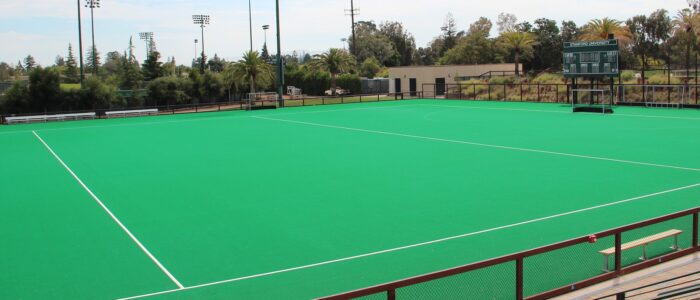
The Synthetic Turf Council is a 501(c)6 non-profit trade association serving the synthetic turf industry. Its vision is to improve the world through synthetic turf. Its mission is to serve as the global forum to promote, develop, grow and advocate for the synthetic turf industry. As a voice in its industry, it promotes the benefits of synthetic turf systems, it provides credentialing services and, for our purpose produces a bibliography of consensus products relevant to the education facility industry:
We do not find any open public consultations at the moment but we keep the Council’s consensus products in on the standing agenda of our Sport teleconferences. See our CALENDAR for the next online meeting.
New update alert! The 2022 update to the Trademark Assignment Dataset is now available online. Find 1.29 million trademark assignments, involving 2.28 million unique trademark properties issued by the USPTO between March 1952 and January 2023: https://t.co/njrDAbSpwBpic.twitter.com/GkAXrHoQ9T













#/media/File:Sacred_Heart_goalie_making_save_against_Wagner.jpg)