Tag Archives: Stadium

Loading
loading..

Building Structural Maintenance

φ
Any multi-story building requires inspection and maintenance of structural steel framework. The steel supports the building’s weight and resists environmental forces like wind and seismic activity. Over time, corrosion, fatigue cracks, or connection failures can weaken the structure, risking collapse. Inspections detect these issues early, while maintenance, like repainting or replacing damaged parts, preserves steel integrity. For student housing, occupant safety is critical, and compliance with building codes reduces liability risks. Neglecting these practices can lead to structural failure, endangering residents and causing costly repairs or legal issues. Regular upkeep ensures safe, long-lasting buildings.
During today’s session we examine the relevant standards with proposed revisions open for public comment.  Use the login credentials at the upper right of our home page.
φ
No single universal code or standard guarantees that buildings will never crack or fail structurally, as structural integrity depends on various factors like design, materials, construction quality, environmental conditions, and maintenance. However, several widely adopted codes and standards aim to minimize the risk of structural failure and ensure safety, durability, and serviceability. These provide guidelines for design, construction, and maintenance to prevent issues like cracking or catastrophic failure.
φ

Key Codes and Standards:

International Building Code (IBC): Widely used in the United States and other regions, the IBC sets minimum requirements for structural design, materials, and maintenance to ensure safety and performance.  It references standards like ASCE 7 (Minimum Design Loads and Associated Criteria for Buildings and Other Structures) for load calculations (e.g., wind, seismic, snow).Maintenance provisions require regular inspections and repairs to address issues like cracking or deterioration.

ACI 318 (Building Code Requirements for Structural Concrete): Published by the American Concrete Institute this standard governs the design and construction of concrete structures.Includes requirements to control cracking (e.g., reinforcement detailing, concrete mix design) and ensure durability under environmental exposure.Maintenance guidelines recommend periodic inspections for cracks, spalling, or reinforcement corrosion.

AISC 360 (Specification for Structural Steel Buildings): Published by the American Institute of Steel Construction, this standard covers the design, fabrication, and erection of steel structures.  Addresses fatigue, connection design, and corrosion protection to prevent structural failure. Maintenance involves inspecting for issues like weld imperfections or coating degradation.

ASCE/SEI 41-17 (Seismic Evaluation and Retrofit of Existing Buildings):  Focuses on assessing and maintaining existing structures, particularly for seismic performance.  Guides retrofitting to address vulnerabilities like cracking or inadequate load paths.
Maintenance Standards
  • ACI 562 (Assessment, Repair, and Rehabilitation of Existing Concrete Structures):
    • Provides a framework for evaluating and repairing concrete structures to address cracking, spalling, or other damage.
    • Emphasizes regular inspections and timely repairs to maintain structural integrity.
  • NACE/SP0108 (Corrosion Control of Offshore Structures):
    • Covers maintenance practices to prevent corrosion-related failures in steel structures.
  • ASTM E2270 (Standard Practice for Periodic Inspection of Building Facades):
    • Outlines procedures for inspecting facades to identify cracking, water infiltration, or other issues that could lead to structural problems.

IEEE: Structural Health Monitoring system based on strain gauge enabled wireless sensor nodes

Steel research in the steel city

Researchers Make Wood Stronger than Steel

Concrete Matters

sport, mercury, athletic

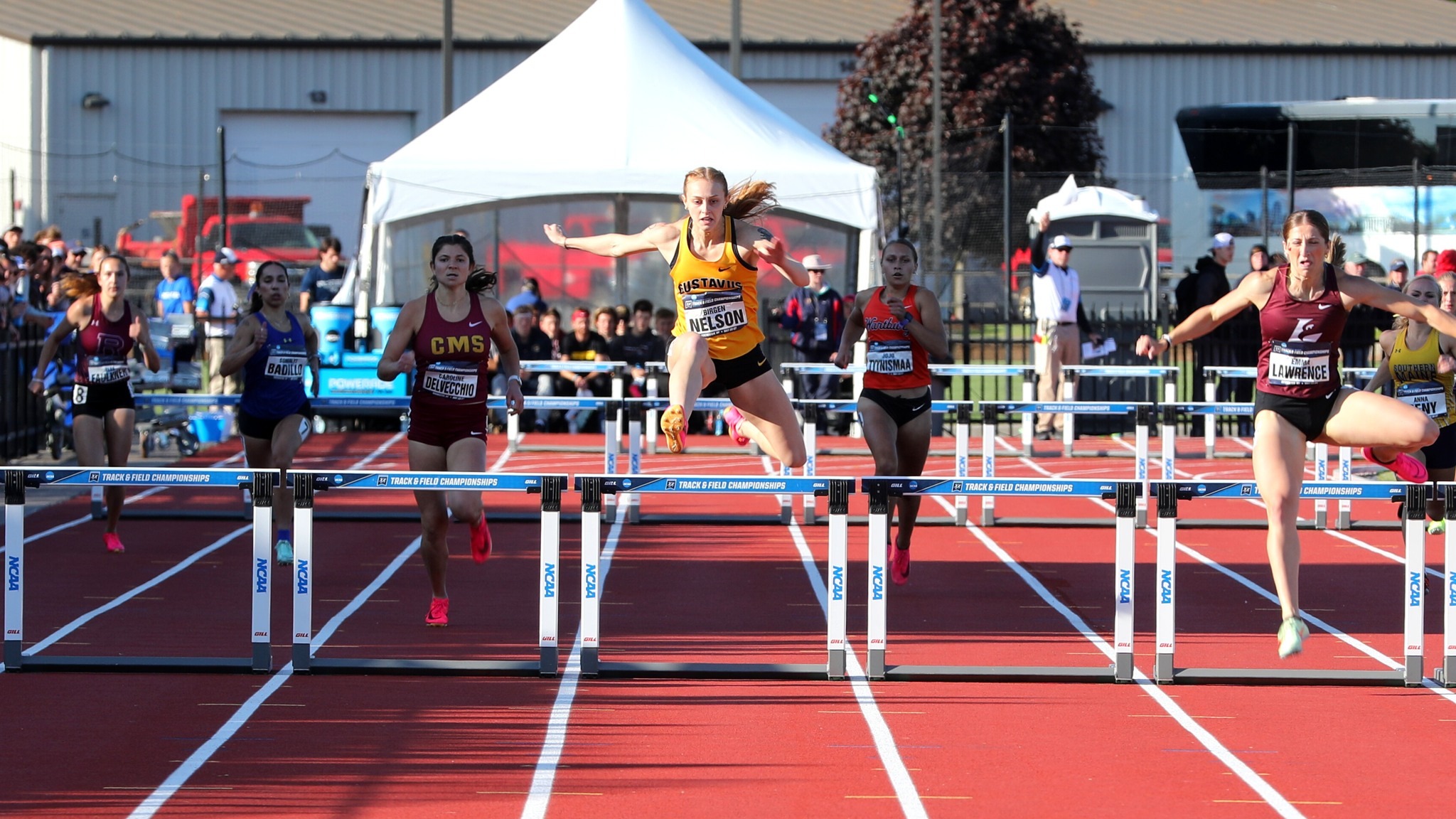
Track & Field

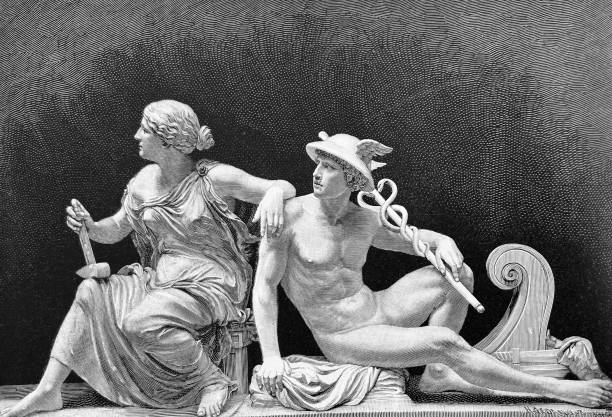
Aphrodite and Hermes, god of sport

Gustavus Adolphus College | Nicollet County Minnesota


Recreational sports, athletic competition, and the facilities that support it, are one of the most visible activities in any school, college or university in any nation.  Arguably, these activities resemble religious belief and practice.   Enterprises of this kind have the same ambition for safety and sustainability at the same scale as the academic and healthcare enterprises.  

According to IBISWorld Market Research, Sports Stadium Construction was a $6.1 billion market in 2014, Athletic & Sporting Goods Manufacturing was a $9.2 billion market in 2015, with participation in sports increasing 19.3 percent by 2019 — much of that originating in school, college and university sports and recreation programs.  We refer you to more up to date information in the link below:

Sports & Athletic Field Construction Industry in the US – Market Research Report

Today at the usual time we will update our understanding of the physical support systems for the track and field activity listed below:

  1. Sprinting: Races over short distances, typically 100m, 200m, and 400m.
  2. Middle-distance running: Races covering distances between sprinting and long-distance running, such as 800m and 1500m.
  3. Long-distance running: Races over longer distances, including 3000m, 5000m, 10,000m, and marathons.
  4. Hurdling: Races where athletes jump over hurdles at set distances, such as 110m hurdles (for men) and 100m hurdles (for women).
  5. Steeplechase: A long-distance race that includes hurdles and a water jump.
  6. Racewalking: A form of walking competition where athletes race over various distances while maintaining contact with the ground.
  7. Relays: Team races where athletes take turns running a specified distance before passing a baton to the next runner. Common relay distances include 4x100m and 4x400m.
  8. High jump: Athletes attempt to jump over a horizontal bar placed at measured heights without knocking it down.
  9. Pole vault: Athletes use a pole to vault themselves over a high bar.
  10. Long jump: Athletes sprint down a runway and jump as far as possible into a sandpit.
  11. Triple jump: Athletes perform a hop, step, and jump sequence into a sandpit, with distances measured from the takeoff board to the nearest mark made in the sand by any part of the body.
  12. Shot put: Athletes throw a heavy metal ball for distance.
  13. Discus throw: Athletes throw a discus, a heavy circular object, for distance.
  14. Javelin throw: Athletes throw a javelin, a spear-like object, for distance.
  15. Hammer throw: Athletes throw a heavy metal ball attached to a wire and handle for distance.
  16. Decathlon (men) / Heptathlon (women): Multi-event competitions where athletes compete in ten (decathlon) or seven (heptathlon) different track and field events, with points awarded for performance in each event.

Open to everyone.  Log in with the credentials at the upper right of our home page.

Issue: [19-46]

Category: Athletics and Recreation, International,

Contact: Mike Anthony, Jack Janveja, Christine Fischer


More

Sports, Recreational Facilities & Equipment

“Dancing Reflections” 2015 Isabel Emrich | Academy of Art University California

Recreational sports, athletic competition, and the facilities that support it, are one of the most visible activities in any school, college or university in any nation.   Enterprises of this kind have the same ambition for safety and sustainability at the same scale as the academic and healthcare enterprises.  

According to IBISWorld Market Research, Sports Stadium Construction was a $6.1 billion market in 2014, Athletic & Sporting Goods Manufacturing was a $9.2 billion market in 2015, with participation in sports increasing 19.3 percent by 2019 — much of that originating in school, college and university sports and recreation programs.  We refer you to more up to date information in the link below:

Sports & Athletic Field Construction Industry in the US – Market Research Report

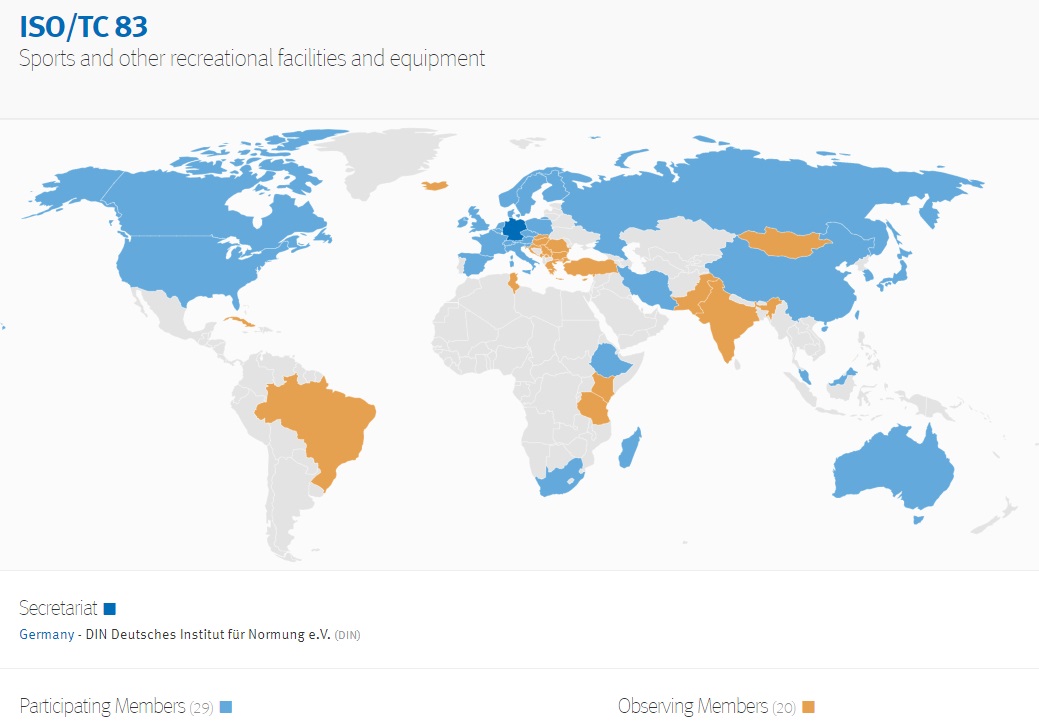
We track leading practice discovery in titles released by International Standards Organization’s  ISO/TC 83: Sports and other recreational facilities and equipment.  The German Deutsches Institut für Normung (DIN) iss the global Secretariat and ASTM International as the US Technical Advisory Group Administrator. 

From the ISO TC/83 prospectus:

BUSINESS PLAN | ISO/TC 83 Sports and recreational equipment | EXECUTIVE SUMMARY

Standards by ISO/TC 83

Academic units in the US that want to offer their sports management or international studies students a front row seat on the technology and management of sport may want to participate in  ISO/TC/83 business.  To start, organizations within the United States may communicate directly with ASTM International, West Conshohocken, PA 19428-2959, Phone: (610) 832-9804.   Contact: Joe Khoury (jkoury@astm.org).

We refresh our understanding of the current status of best practice literature at least once per month during our Sport colloquia.  See our CALENDAR for the next online meeting; open to everyone.

Issue: [19-46]

Category: Athletics and Recreation, International,

Contact: Mike Anthony, Jack Janveja, Christine Fischer


LEARN MORE:

International harmonized stage codes
Mixed Gender Sport by Design

Football Field Lighting

CLICK ON IMAGE


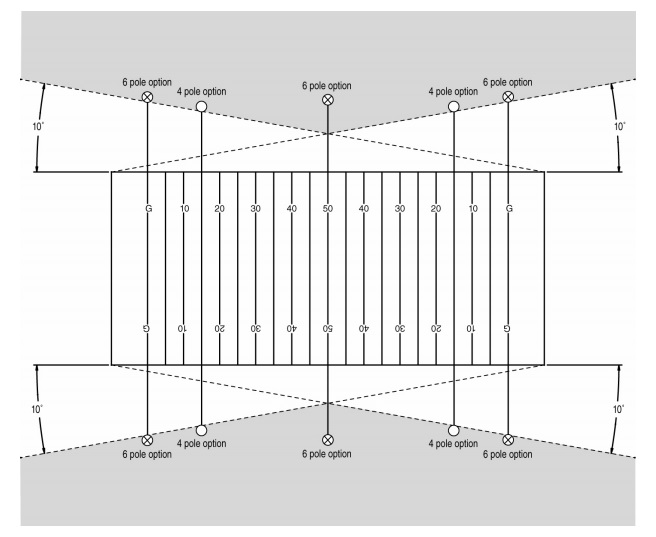
After athletic arena life safety obligations are met (governed legally by NFPA 70, NFPA 101, NFPA 110,  the International Building Code and possibly other state adaptations of those consensus documents incorporated by reference into public safety law) business objective standards come into play.   The illumination of the competitive venue itself figures heavily into the quality of digital media visual experience and value.

For almost all athletic facilities,  the consensus documents of the Illumination Engineering Society[1], the Institute of Electrical and Electronic Engineers[2][3] provide the first principles for life safety.  For business purposes, the documents distributed by the National Collegiate Athletic Association inform the standard of care for individual athletic arenas so that swiftly moving media production companies have some consistency in power sources and illumination as they move from site to site.  Sometimes concepts to meet both life safety and business objectives merge.

The NCAA is not a consensus standard developer but it does maintain a library of recommended practice documents for lighting the venues for typical competition and competition that is televised.

NCAA Best Lighting Practices

 It welcomes feedback from subject matter experts and front line facility managers.

Our own monthly walk-through of athletic and recreation facility codes and standards workgroup meets monthly.  See our CALENDAR for the next Sport or Lighting teleconferences; open to everyone.

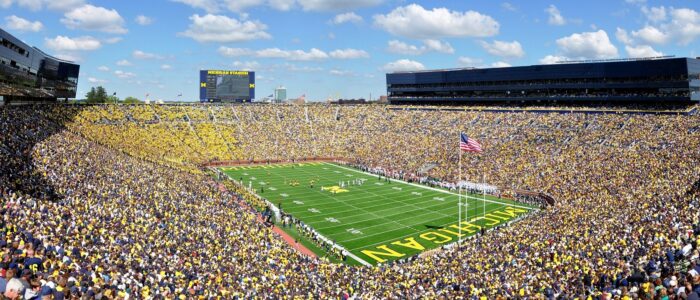
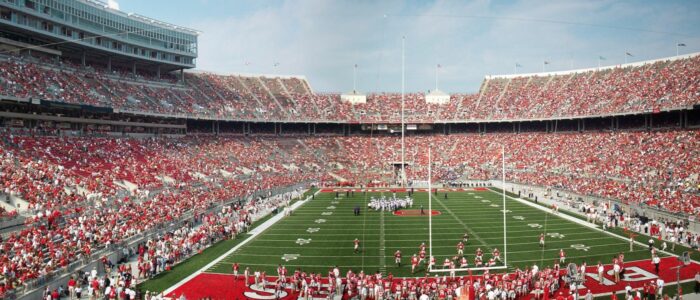
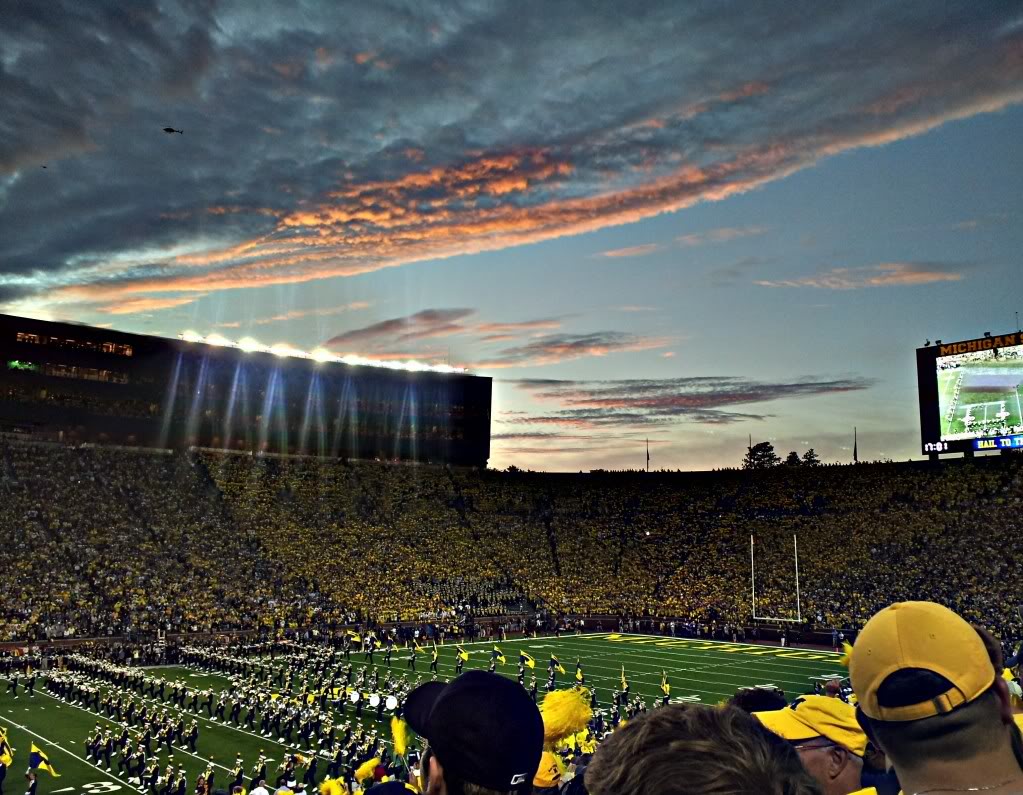
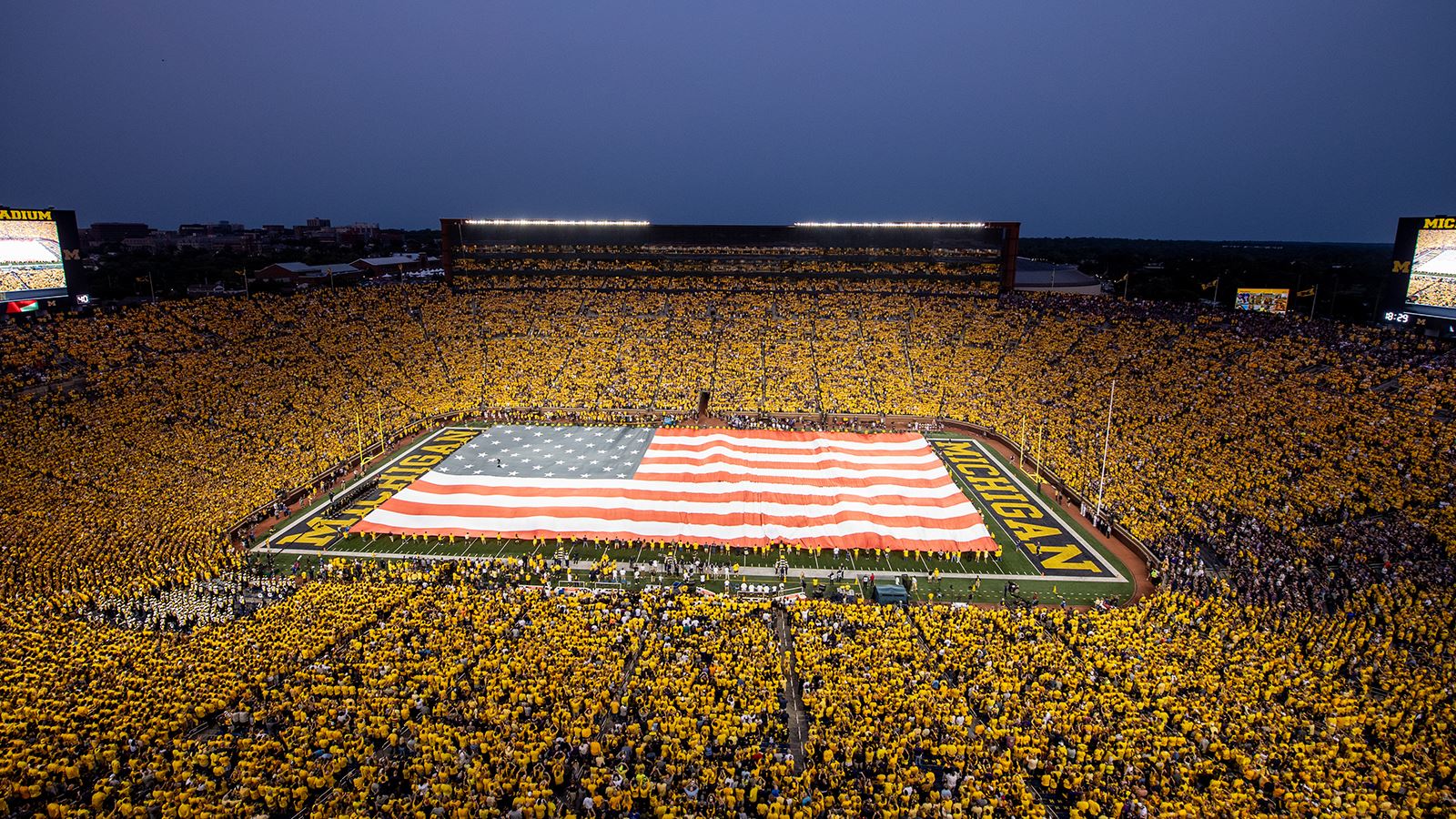
Often called “The Big House” Michigan Stadium is the largest football stadium in the world.

Issue: [15-138]

Category: Electrical, Architectural, Lively, Athletics

Colleagues: Mike Anthony, Jim Harvey, Jack Janveja, George Reiher


[1] Illumination Engineering Handbook | Sports and Recreational Area Lighting

[2] IEEE 3001.9 Recommended Practice for Design of Power Systems for Supplying Lighting Systems for Commercial & Industrial Facilities

[3] IEEE 3006.1 Power System Reliability

[4]  The Measurement Method of Light Distribution Emitted from Sports Facilities Using Unmanned Aerial Vehicles

[5] Slaton High School Tiger Stadium Lighting Case Study

[6] Liberty High School Football Stadium Case Study


A novel smart energy management system in sports stadiums


A novel smart energy management system in sports stadiums

Shady S. Refaat, et al

Texas A&M University at Qatar, Qatar Foundation, Doha, Qatar

Professional and collegiate sport venues consume huge electrical energy. Therefore, a smart management of their electric energy is essential for significant energy saving. Accordingly, this paper proposes a novel embedded real-time, smart, and active energy management system to monitor and efficiently manage such huge and typically uncontrolled energy for minimizing energy consumption and cost per day while considering spectators preferences, comfort level in behavioral modification program, and health aspects. This will provide an opportunity for spectators to reduce energy consumption and improve energy efficiency while considering healthcare concept. In addition, the proposed energy management system is equipped with embedded tools to collect and monitor energy information for each stadium’s area. The data are processed and fed to the artificial neural network algorithm that is used for managing and controlling stadium loads. This strategy does not require any change in the conventional stadium electrical panel. The proposed online algorithm yields to improve the overall grid efficiency, reliability, and increase awareness of the importance of energy conservation. Real-Time implementation of the concept is demonstrated and analyzed.


Michigan

Readings / Sport, Culture & Society

…”Sport is an extraordinarily important phenomenon that pervades the lives of many people and has enormous impact on society in an assortment of different ways. At its most fundamental level, sport has the power to bring people great joy and satisfy their competitive urges while at once allowing them to form bonds and a sense of community with others from diverse backgrounds and interests and various walks of life. Sport also makes clear, especially at the highest levels of competition, the lengths that people will go to achieve victory as well as how closely connected it is to business, education, politics, economics, religion, law, family, law, family, and other societal institutions. Sport is, moreover, partly about identity development and how individuals and groups, irrespective of race, gender, ethnicity or socioeconomic class, have sought to elevate their status and realize material success and social mobility”….
(CLICK ON IMAGES)

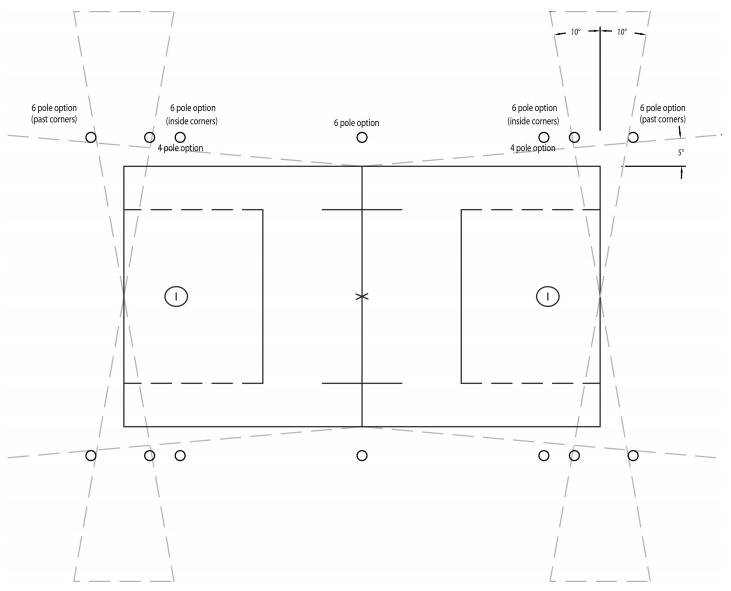
Lacrosse Field Lighting

Best Lighting Practices: Lacrosse Standard Intercollegiate Play


After athletic arena life safety obligations are met (governed legally by NFPA 70, NFPA 101, NFPA 110,  the International Building Code and possibly other state adaptations of those consensus documents incorporated by reference into public safety law) business objective standards come into play.   The illumination of the competitive venue itself figures heavily into the quality of digital media visual experience and value.

For almost all athletic facilities,  the consensus documents of the Illumination Engineering Society[1], the Institute of Electrical and Electronic Engineers[2][3] provide the first principles for life safety.  For business purposes, the documents distributed by the National Collegiate Athletic Association inform the standard of care for individual athletic arenas so that swiftly moving media production companies have some consistency in power sources and illumination as they move from site to site.  Sometimes concepts to meet both life safety and business objectives merge.

The NCAA is not a consensus standard developer but it does have a suite of recommended practice documents for lighting the venues for typical competition and competition that is televised.

NCAA Best Lighting Practices

 It welcomes feedback from subject matter experts and front line facility managers.

Our own monthly walk-through of athletic and recreation facility codes and standards workgroup meets monthly.  See our CALENDAR for the next online Athletics & Recreation facilities; open to everyone.

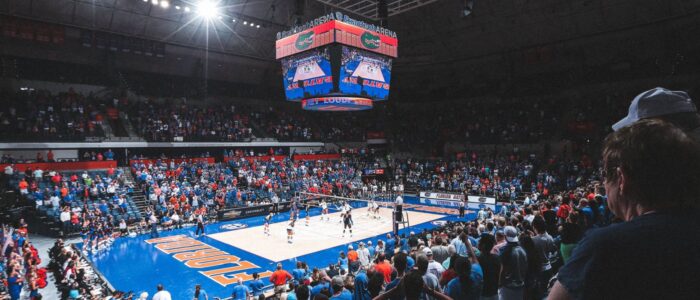
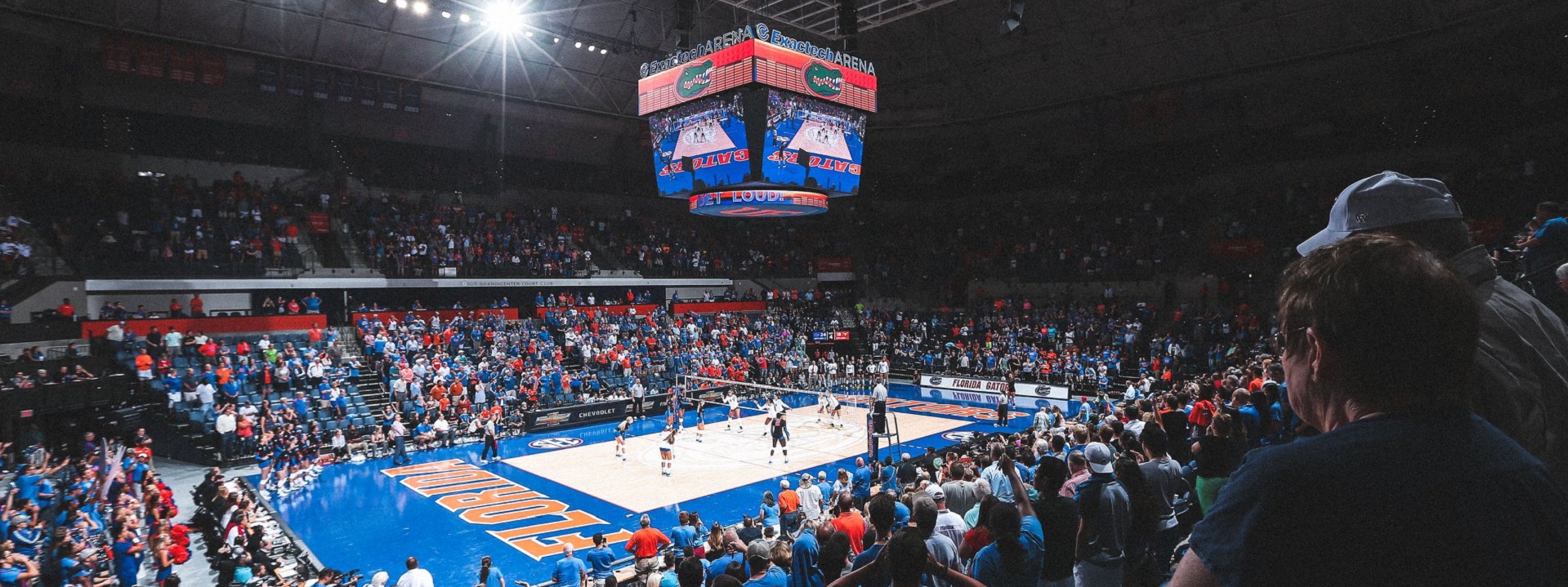
University of Florida

Issue: [15-138]*

Category: Electrical, Architectural, Arts & Entertainment Facilities, Athletics

Colleagues: Mike Anthony, Jim Harvey, Jack Janveja


[1] Illumination Engineering Handbook

[2] IEEE 3001.9 Recommended Practice for Design of Power Systems for Supplying Lighting Systems for Commercial & Industrial Facilities

[3] IEEE 3006.1 Power System Reliability


* Issue numbering before 2016 dates back to the original University of Michigan codes and standards advocacy enterprise 

Layout mode
Predefined Skins
Custom Colors
Choose your skin color
Patterns Background
Images Background
error: Content is protected !!
Skip to content