


Standards Pennsylvania | Standards Michigan Water

“At the Water Trough” 1876 J. Alden Weir
‘Forever chemicals’ detected in 65% of sampled private wells in Pennsylvania
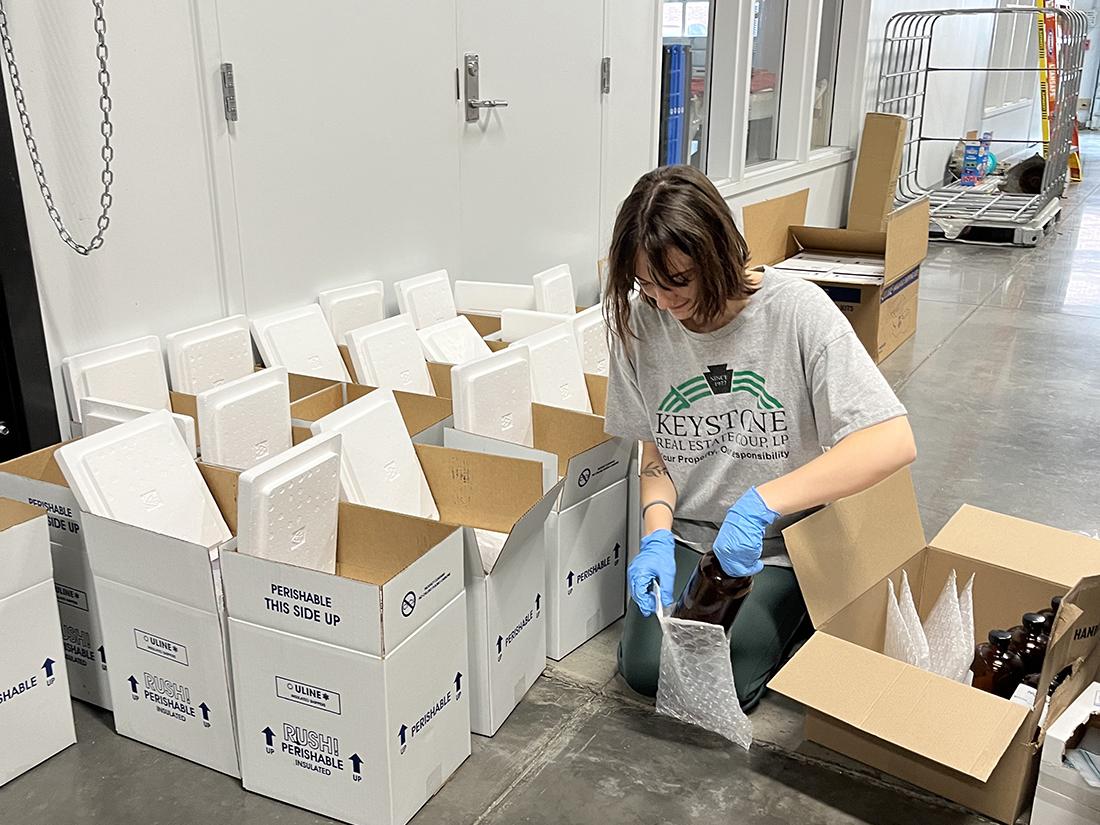
Many settlements use well water as their primary or supplemental source for potable water, irrigation, or campus operations. This is common in regions where municipal water infrastructure is limited or costly, and groundwater from private or on-site wells provides a reliable alternative. For context, about 13 million U.S. households rely on private wells for drinking water, and many educational institutions follow suit due to similar geographic and economic factors.
Examples of Colleges and Universities Using Well Water:
- Rural Campuses in General: Numerous small liberal arts colleges and community colleges in rural settings (e.g., in the Midwest, Northeast, or Pacific Northwest) draw from on-site wells. For instance, a 2025 analysis of campus water systems notes that rural colleges often contend with well water challenges like high total dissolved solids (TDS) or iron content, requiring specialized treatment such as reverse osmosis purifiers.
- Oregon Institutions: Approximately 23% of Oregon households use domestic wells, and this extends to educational facilities. Oregon State University’s Well Water Program actively educates on groundwater protection for well-dependent users, implying local campuses (including community colleges in areas like Jackson County) rely on wells for potable supply.
- Utah System of Higher Education Campuses: Public colleges like Snow College (in Ephraim, UT) and Dixie State University invest in filtration systems specifically for processing secondary or well water used in irrigation and operations. Snow College’s upgrades target well-sourced water to cut usage by 30%, while DSU filters secondary water (often well-derived) for campus landscaping.
Why Well Water is Used
- Location-Driven: Campuses far from urban centers (e.g., in agricultural states like Iowa, Kansas, or Vermont) opt for wells to avoid high municipal hookup costs.
- Sustainability and Cost: Wells support self-sufficiency, especially for non-potable needs like cooling towers or grounds maintenance, aligning with green initiatives on many campuses.
- Treatment Needs: Institutions often add purification (e.g., UV systems for bacteria or softeners for hard water) to meet safety standards, as wells can introduce contaminants like arsenic or nitrates.

🍂 A little fall breather for your Wednesday afternoon 😌🍁 pic.twitter.com/gfyTV0p1mf
— Penn State (@penn_state) October 25, 2023
Relata:
Exploring Well Water Testing Behaviour Through the Health Belief Model