Flood Abatement Equipment

Loading
loading...

Flood Abatement Equipment

July 8, 2026
mike@standardsmichigan.com
No Comments

Vereenigde Oostindische Compagnie | Dutch East India Company

FM Global is one of several organizations that produce technical and business documents that set the standard of care for risk management in education facilities.   These standards — Property Loss Prevention Data Sheets —  contribute to the reduction in the risk of property loss due to fire, weather conditions, and failure of electrical or mechanical equipment.  They incorporate nearly 200 years of property loss experience, research and engineering results, as well as input from consensus standards committees, equipment manufacturers and others.

In July FM Global updated its standard FM 2510 Flood Abatement Equipment which should interest flood barrier manufacturers, standard authorities, industrial and commercial facilities looking to protect their buildings from riverline flooding conditions.

The following updates were proposed and mostly adopted:

  • Modifications to the opening barrier protocol to include water performance testing at lower depths;
  • Additional tests that apply to open-cellular rubber compounds (i.e., foam-type rubber) which are commonly used as gaskets on flood barriers need to be added to the Standard to sufficiently assess their quality;
  • Addition of adhesive testing. Many barrier designs use adhesives to bond the gasket material to the barrier. Adhesives are not addressed under the current protocol;
    Modify the flood abatement pump section to clarify approval of pump packages vs. wet-end only;
  • Additional requirements for electric drive and submersible flood pumps;
  • Modifications to backwater valve section to be inclusive of all types of “backwater valves” besides the traditional check valve.
  • Additional requirements for waterproofing products for building penetrations. Products in this category include collars, plugs, elastomeric seals, and types of putty.

This standard also contains test requirements for the performance of flood barriers, flood mitigation pumps, backwater valves, and waterproofing products for building penetrations, as well as an evaluation of the components comprising these products to assure reliability in the barrier’s performance.

While there are a number of noteworthy colleges and universities that have grown near rivers and lakes — twenty-five of which are listed HERE — severe weather and system failures present flooding risks to them all.

Another Data Sheet — I-40 Floods — was updated in October.   Both Data Sheets are available for download at the link below:

FM GLOBAL PROPERTY LOSS PREVENTION DATA SHEETS

You will need to set up (free) access credentials.

You may contact FM Global directly: Josephine Mahnken, (781) 255-4813, josephine.mahnken@fmapprovals.com, 1151 Boston-Providence Turnpike, Norwood, MA 02062

Our “door” is open every day at 11 AM Eastern time to discuss any consensus document that sets the standard of care for the emergent #SmartCampus.  Additionally, we dedicate one session per month to Management and Water standards.  See our CALENDAR for the next online teleconference.   Use the login credentials at the upper right of our home page.

Issue: [Various]

Category: Risk Management, Facility Asset Management

Colleagues: Mike Anthony, Jack Janveja, Richard Robben

Property Loss Prevention


Flood Resistant Design and Construction

July 8, 2026
mike@standardsmichigan.com

No Comments

“Spring Night, Harlem River” | Ernest Lawson (1913)

Many school districts, colleges and universities are affected by the flooding in the Central United States this week; inspiration enough for revisiting the technical and management codes and standards to avoid and/or mitigate damages.   The consensus documents developed by the American Society of Civil Engineers (ASCE) and its affiliate Structural Engineering institute (ASCE-SEI) — should appear in the design guidelines given to professional services firms retained by the facility construction, operations and maintenance workgroups.

The relevant standard in this space is ASCE 24 Flood Resistant Design which is developed jointly with the ASCE-SEI and technical committees of the International Code Council.  Apparently the 2014 Edition is the latest edition so that means that during 2019 will be the beginning of another revision cycle (according to ANSI requirements for 5-year revisions/re-affirmations).

From the ASCE 24 prospectus:

Flood Resistant Design and Construction, ASCE/SEI 24-14, provides minimum requirements for design and construction of structures located in flood hazard areas and subject to building code requirements. Identification of flood prone structures is based on flood hazard maps, studies, and other public information. This standard applies to new structures, including subsequent work, and to work classified as substantial improvement of existing structures that are not historic. Standard ASCE/SEI 24-14 introduces a new concept, Flood Design Class, that bases requirements for a structure on the risk associated with unacceptable performance.

The standard includes requirements for the following: basic siting and design and construction requirements for structures in flood hazard areas; minimum elevations for the lowest floor, flood damage-resistant materials, and floodproofing measures, each tied to a structure’s Flood Design Class; structures in high risk flood hazard areas subject to flooding associated with alluvial fans, flash floods, mudslides, erosion, high velocity flow, coastal wave action, or ice jams and debris; structures in coastal high hazard areas (V Zones) and Coastal A Zones; flood damage-resistant materials; dry floodproofing and wet floodproofing; attendant utilities and equipment, including electrical service, plumbing systems, mechanical/HVAC systems, and elevators; building access; and miscellaneous construction, including decks and porches, concrete slabs, garages and carports, accessory storage structures, chimneys and fireplaces, pools, and tanks. A detailed commentary containing explanatory and supplementary information to assist users of the standard is included for each chapter.

Standard ASCE/SEI 24-14 updates and replaces the previous Standard, ASCE/SEI 24-05. It provides essential guidance on design and construction to structural engineers, design professionals, code officials, floodplain managers, and building owners. The standard is adopted by reference in model building codes.

Keep in mind that model building codes usually change on a 3-year cycle while this standard changes on a 5-year cycle (though intermediates changes can, and do, happen).

CLICK ON IMAGE

When a technical committee is ready for its proposed changes to receive public comment, those changes will be posted here:

ASCE Standards Public Comment Page

We always encourage direct communication by user-interest technical experts that are either on the direct payroll of an educational institution or work for an outsourced expert agency such as an architectural engineering firm that has deep expertise in safety and economic trade-offs.

You will need to set up an access account.  You may also communicate directly with the American Society of Civil Engineers, 1801 Alexander Bell Dr., Reston, VA 20191.  Contact: James Neckel (jneckel@asce.org).   Note that ASCE’s Annual Conference is hosted October 10-13 in Miami Florida.  CLICK HERE for registration information.  We encourage our colleagues in #StandardsFlorida to attend this conference for a front row seat on technical committee action.

We are open every day at 11 AM Eastern time to discuss technical specifics of these, and all other consensus documents affecting #TotalCostofOwnership of education facilities.  We also devote one hour per month walking through water-related safety and sustainability codes and standards.  See our CALENDAR for the next teleconference; open to everyone.


Issue: [18-52]

Category: Civil Engineering, Water, #SmartCampus

Colleagues: Jack Janveja, Richard Robben

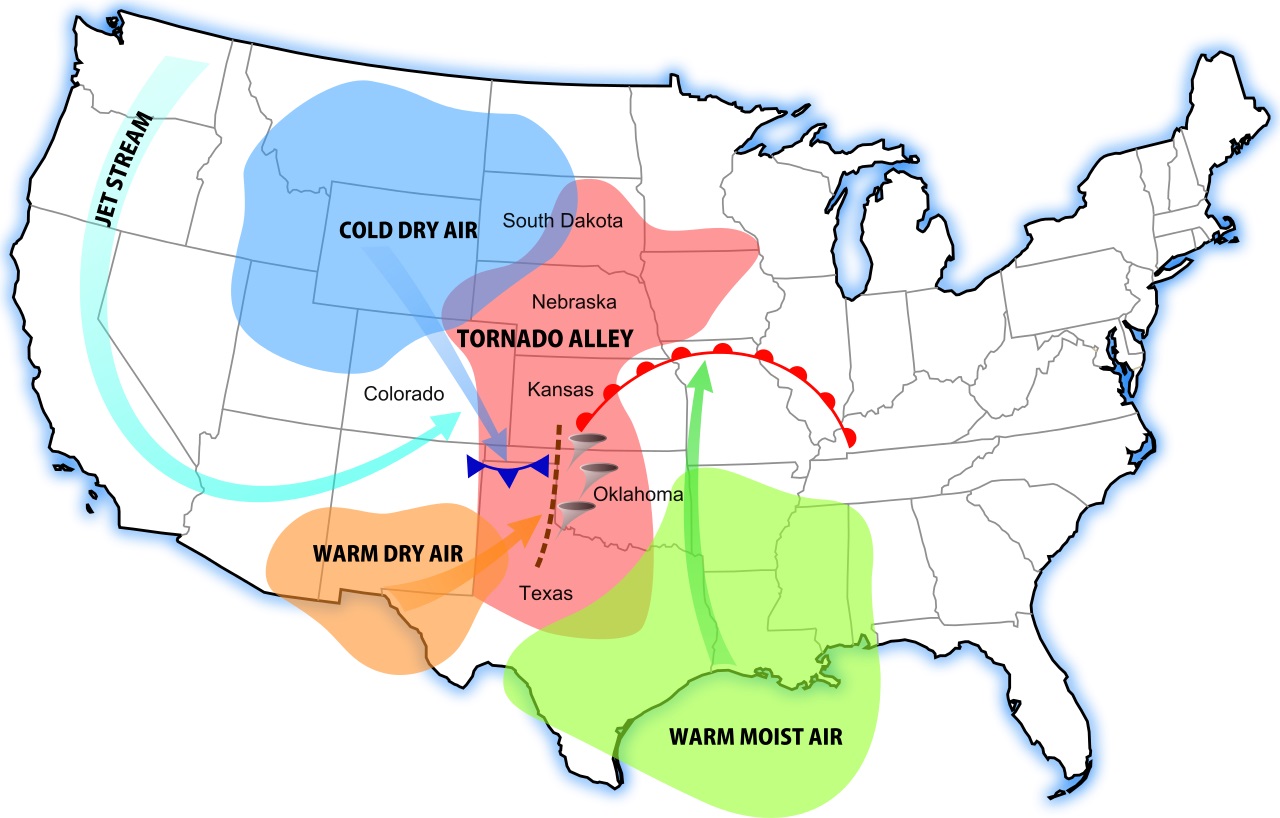
#StandardsOklahoma #StandardsArkansas #StandardsMissouri


LEARN MORE:

Federal Emergency Management Agency: Highlights of ASCE 24-14 Flood Resistant Design and Construction

National Flood Insurance Program


Lightning Protection Systems

July 8, 2026
mike@standardsmichigan.com
, , , ,
No Comments

2026 Public Input Report | 2026 Public Comment Report

FEMA National Risk Index: Lightning

“Benjamin Franklin Drawing Electricity from the Sky” 1816 Benjamin West


Benjamin Franklin conducted his famous experiment with lightning on June 10, 1752.

He used a kite and a key to demonstrate that lightning was a form of electricity.

This experiment marked an important milestone in understanding the nature of electricity

and laid the foundation for the development of lightning rods and other lightning protection systems.


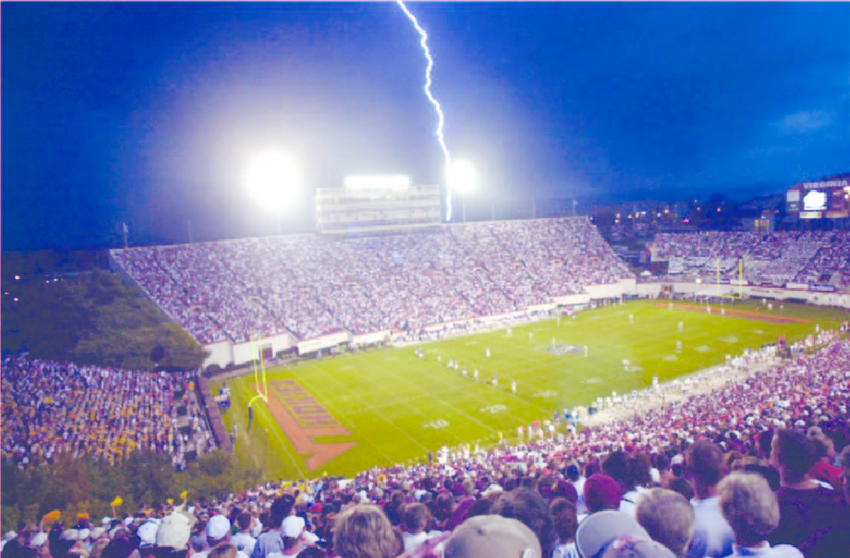
Seasonal extreme weather patterns in the United States, resulting in damages to education facilities and delays in outdoor athletic events — track meets; lacrosse games, swimming pool closures and the like — inspire a revisit of the relevant standards for the systems that contribute to safety from injury and physical damage to buildings: NFPA 780 Standard for the Installation of Lightning Protection Systems

FREE ACCESS

To paraphrase the NFPA 780 prospectus:

  • This document shall cover traditional lightning protection system installation requirements for the following:
       (1) Ordinary structures

       (2) Miscellaneous structures and special occupancies
       (3) Heavy-duty stacks
       (4) Structures containing flammable vapors, flammable gases, or liquids with flammable vapors
       (5) Structures housing explosive materials
       (6) Wind turbines
       (7) Watercraft
       (8) Airfield lighting circuits
       (9) Solar arrays
  • This document shall address lightning protection of the structure but not the equipment or installation requirements for electric generating, transmission, and distribution systems except as given in Chapter 9 and Chapter 12.

(Electric generating facilities whose primary purpose is to generate electric power are excluded from this standard with regard to generation, transmission, and distribution of power.  Most electrical utilities have standards covering the protection of their facilities and equipment. Installations not directly related to those areas and structures housing such installations can be protected against lightning by the provisions of this standard.)

  • This document shall not cover lightning protection system installation requirements for early streamer emission systems or charge dissipation systems.

“Down conductors” must be at least #2 AWG copper (0 AWG aluminum) for Class I materials in structures less than 75-ft in height

“Down conductors: must be at least 00 AWG copper (0000 AWG aluminum) for Class II Materials in structures greater than 75-ft in height.

Related grounding and bonding  requirements appears in Chapters 2 and Chapter 3 of NFPA 70 National Electrical Code.  This standard does not establish evacuation criteria.  

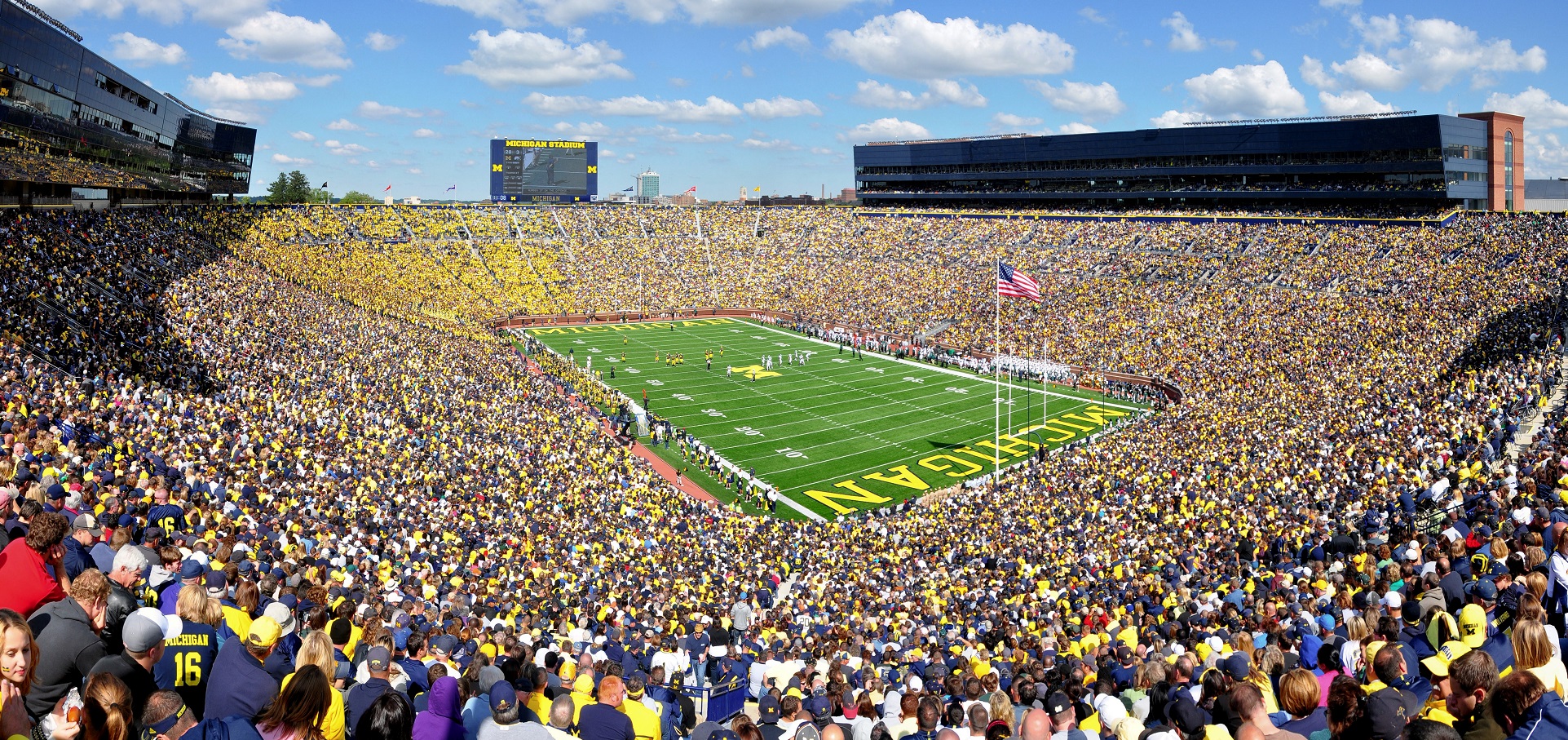
University of Michigan | Washtenaw County (Photo by Kai Petainen)

The current edition is dated 2023 and, from the transcripts, you can observe concern about solar power and early emission streamer technologies tracking through the committee decision making.  Education communities have significant activity in wide-open spaces; hence our attention to technical specifics.

2023 Public Input Report

2023 Public Comment Report

Public input on the 2026 revision is receivable until 1 June 2023.

We always encourage our colleagues to key in their own ideas into the NFPA public input facility (CLICK HERE).   We maintain NFPA 780 on our Power colloquia which collaborates with IEEE four times monthly in European and American time zones.  See our CALENDAR for the next online meeting; open to everyone.

Lightning flash density – 12 hourly averages over the year (NASA OTD/LIS) This shows that lightning is much more frequent in summer than in winter, and from noon to midnight compared to midnight to noon.

Issue: [14-105]

Category: Electrical, Telecommunication, Public Safety, Risk Management

Colleagues: Mike Anthony, Jim Harvey, Kane Howard


More

Installing lightning protection system for your facility in 3 Steps (Surge Protection)

IEEE Education & Healthcare Facility Electrotechnology

Readings: The “30-30” Rule for Outdoor Athletic Events Lightning Hazard

Churches and chapels are more susceptible to lightning damage due to their height and design. Consider:

Height: Taller structures are more likely to be struck by lightning because they are closer to the cloud base where lightning originates.

Location: If a church or chapel is situated in an area with frequent thunderstorms, it will have a higher likelihood of being struck by lightning.

Construction Materials: The materials used in the construction of the building can affect its vulnerability. Metal structures, for instance, can conduct lightning strikes more readily than non-metallic materials.

Proximity to Other Structures: If the church or chapel is located near other taller structures like trees, utility poles, or buildings, it could increase the chances of lightning seeking a path through these objects before reaching the building.

Lightning Protection Systems: Installing lightning rods and other lightning protection systems can help to divert lightning strikes away from the structure, reducing the risk of damage.

Maintenance: Regular maintenance of lightning protection systems is essential to ensure their effectiveness. Neglecting maintenance could result in increased susceptibility to lightning damage.

Historical Significance: Older buildings might lack modern lightning protection systems, making them more vulnerable to lightning strikes.

The risk can be mitigated by proper design, installation of lightning protection systems, and regular maintenance. 

Virginia Tech

Sport Scoreboards

July 7, 2026
mike@standardsmichigan.com
No Comments

Building, operating, and maintaining athletic scoreboards requires a range of technologies, including hardware and software components.   These are central features in nearly every athletic event, governing the state of play and attendee response.   

Scoreboard Hardware: A range of hardware components, including display panels, control consoles, sound systems, and wiring, is necessary to build an athletic scoreboard.  While there are no universal standards for LED displays in athletic scoreboards, but there is a common vocabulary used by  manufacturers and installers follow to ensure quality, performance, and safety:

    • Brightness and Contrast: LED displays should be bright enough to be visible from a distance, but not so bright that they cause glare or eye strain. The contrast ratio between the LED display and the surrounding environment should be optimized for visibility.
    • Pixel Density and Resolution: The pixel density and resolution of an LED display should be appropriate for the size of the scoreboard and the viewing distance. Higher pixel density and resolution can improve the clarity and detail of the scoreboard display.
    • Color Accuracy: Athletic scoreboards often display team colors and logos, so color accuracy is important. LED displays should be capable of reproducing colors accurately and consistently.
    • Refresh Rate: The refresh rate of an LED display refers to how quickly the display can update its image. A higher refresh rate can reduce motion blur and improve the clarity of fast-moving action on the scoreboard.
    • Environmental Factors: Athletic scoreboards are often exposed to outdoor elements such as sunlight, rain, and extreme temperatures. LED displays should be designed and manufactured to withstand these environmental factors and maintain their performance over time.
    • Safety: Athletic scoreboards should be designed and installed to minimize the risk of injury to players or spectators. This may include factors such as the height and location of the scoreboard, the durability of the display panels, and the strength of mounting hardware.

Power Reliability.  Event timing and attendee emergency egress systems rest upon best practice found in Chapter 2 and Chapter 7 of NFPA 70 National Electrical Code and NFPA 110 Standard for Emergency and Standby Power Systems.

Lightning Protection.  CLICK HERE for our coverage of the “30-30 Rule”

Operation and Maintenance Safety.  Because so many scoreboards are occupiable the Chapter 3 Occupancy Classification and Chapter 10 (Means of Egress) of the International Building Code applies.  Many are several stories high requiring attention to stairway construction details.

Control Software: Software that enables the scoreboard operator to input game data and control the scoreboard display is essential. 

Mass Notification: Egress and Evacuation requirements are asserted in NFPA 72 – National Fire Alarm and Signaling Code. 

Audio Standards: lorem ipsum

Wireless Communications: Many modern athletic scoreboards use wireless communication systems to connect the scoreboard control console to the scoreboard display. This allows for greater flexibility in installation and reduces the need for cabling.

LED Technology: LED technology has revolutionized athletic scoreboards in recent years. LED displays offer superior brightness, color accuracy, and energy efficiency compared to traditional scoreboards but must conform to local night-sky regulations.

Power Management Systems: Athletic scoreboards require significant amounts of power to operate, and efficient power management systems are necessary to ensure reliable and continuous operation.  Maintaining temperatures — heating and cooling within specification — is a priority for maximum operable life.

Maintenance and Diagnostic Tools: To maintain and troubleshoot athletic scoreboards, specialized tools and software are necessary. This may include diagnostic software, specialized cables, and other testing equipment.

Overall, the technologies required to build, operate, and maintain athletic scoreboards are diverse and constantly evolving. A range of specialized hardware and software components, as well as skilled technicians, are necessary to ensure that athletic scoreboards remain functional and reliable.

Join us today at 11 AM/ET (15:00 UTC) when we review best practice literature.  Open to everyone.  Use the login credentials at the upper right of our home page.   This topic is also tracked by experts in the IEEE Education & Healthcare Facilities Committee which meets online 4 times monthly in Central European and American time zones and is also open to everyone.

رياضة

Relata: (US-Based Manufacturers)

Daktronics (Brookings, South Dakota)
Watchfire (Spectrum) Signs (Danville, Illinois)
Formetco (Duluth/Atlanta, Georgia
SNA Displays (headquartered in New York City,
Nevco (Greenville, Illinois)
Planar (Hillsboro, Oregon)


Hegemon Cuyahoga & County Dublin

July 7, 2026
mike@standardsmichigan.com

No Comments

Financial Presentations & Webcasts

First Quarter 2026 Earnings Release | May 5, 2026


Here we shift our perspective 120 degrees to understand the point of view of the Producer interest in the American national standards system (See ANSI Essential Requirements).  The title of this post draws from the location of US and European headquarters.  We list proposals by a successful electrical manufacturer for discussion during today’s colloquium:

2026 National Electrical Code

CMP-1: short circuit current ratings, connections with copper cladded aluminum conductors, maintenance to be provided by OEM, field markings

CMP-2: reconditioned equipment, receptacles in accessory buildings, GFCI & AFCI protection, outlet placement generally, outlets for outdoor HVAC equipment(1)

(1) Here we would argue that if a pad mount HVAC unit needs service with tools that need AC power once every 5-10 years then the dedicated branch circuit is not needed.  Many campuses have on-site, full-time staff that can service outdoor pad mounted HVAC equipment without needing a nearby outlet.  One crew — two electricians — will run about $2500 per day to do anything on campus.

CMP-3: No proposals

CMP-4: solar voltaic systems (1)

(1) Seems reasonable – spillover outdoor night time lighting effect upon solar panel charging should be identified.

CMP-5: Administrative changes only

CMP-6: No proposals

CMP-7: Distinction between “repair” and “servicing”

CMP-8: Reconditioned equipment

CMP-9: Reconditioned equipment

CMP-10: Short circuit ratings, service disconnect, disconnect for meters, transformer secondary conductor, secondary conductor taps, surge protective devices, disconnecting means generally, spliced and tap conductors, more metering safety, 1200 ampere threshold for arc reduction technology, reconditioned surge equipment shall not be permitted, switchboard short circuit ratings

CMP-11: Lorem

CMP-12: Lorem

CMP-13: Lorem

Lorem ipsum

Students’ top five loved lounge spots

July 6, 2026
mike@standardsmichigan.com
,
No Comments

Standards Canada (CSI Group)Bureau de normalisation du Québec (BNQ)

Consolidated Financial Statement 2025: Deficit of $17.0M CAD


Higher education institutions worldwide exhibit a pronounced left-leaning bias primarily due to their structural dependence on large government. Public universities rely directly on taxpayer subsidies, while even elite private ones receive massive federal research grants, loan guarantees, and regulatory favors. This creates powerful incentives to support expansive government: more spending sustains enrollment via student aid, funds bureaucratic growth, and aligns research agendas with state priorities in climate, equity, and regulation.

Faculty and administrators, insulated by tenure and public-sector-like employment, internalize the worldview that justifies their funding model—favoring redistribution, identity politics, and skepticism of markets. Dissenting views threaten grant flows and institutional prestige tied to government alignment. Globally, from Europe to Latin America to Asia, state-dominated higher education reproduces this pattern, as independence from Leviathan remains rare. The result is ideological conformity masquerading as expertise.

Gad Saad, Professor of Marketing at Concordia Quebec, quotes E. O. Wilson (Edward Osborne Wilson), the renowned Harvard biologist and professor” “Karl Marx was right, socialism works, it is just that he had the wrong species.”

Every day is a “standards” journey!

July 6, 2026
mike@standardsmichigan.com
No Comments

U.S. Representation in ISO | ISO Secretariats Held by the United States

Research and Education

Healthcare Organization Management

Laboratory Design

Sustainable cities & communities

Energy Management Systems

More

The ISO Research Grant is awarded annually to one postgraduate student (Masters, PhD or postdoc) to conduct a research study related to a theme proposed by ISO. The grant amount is 25,000 CHF. A different theme is proposed each year, but the broad focus is on evaluating the impacts of international standards.  We  have covered it since its inception in the early days of the original Standards Michigan enterprise.  (See ABOUT).  We see no information on the next revision cycle but can provide information about the 2026 grant cycle in the link below:

ISO Research Grant 2025

ISO Research Grant 2021

ISO Research Grant 2022: Call for Proposals

ISO Research Grant 2021: ANSI Announcement

No photo description available.

Mike Anthony at ISO Offices Genève

https://postharvest.ucdavis.edu/produce-facts-sheets/watermelon https://wvstateu.edu/news/wvsu-watermelon-research-published-in-the-plant-jo/

Vacation Bible School

July 6, 2026
mike@standardsmichigan.com

No Comments

This content is accessible to paid subscribers. To view it please enter your password below or send mike@standardsmichigan.com a request for subscription details.

Global Positioning System: A Generation of Service to the World

July 4, 2026
mike@standardsmichigan.com
, , , ,
No Comments

Citizens of the Earth depend upon United States leadership in this technology for several reasons:

Development: The GPS was originally developed by the US Department of Defense for military purposes, but it was later made available for civilian use. The US has invested heavily in the development and maintenance of the system, which has contributed to its leadership in this area.

Coverage: The GPS provides global coverage, with 24 satellites orbiting the earth and transmitting signals that can be received by GPS receivers anywhere in the world. This level of coverage is unmatched by any other global navigation system.

Accuracy: The US has worked to continually improve the accuracy of the GPS, with current accuracy levels estimated at around 10 meters for civilian users and even higher accuracy for military users.

Innovation: The US has continued to innovate and expand the capabilities of the GPS over time, with newer versions of the system including features such as higher accuracy, improved anti-jamming capabilities, and the ability to operate in more challenging environments such as indoors or in urban canyons.

Collaboration: The US has collaborated with other countries to expand the reach and capabilities of the GPS, such as through the development of compatible navigation systems like the European Union’s Galileo system and Japan’s QZSS system.

United States leadership in the GPS has been driven by a combination of investment, innovation, collaboration, and a commitment to improving the accuracy and capabilities of the system over time.

Timation Development Plan

Timing Applications: GPS.GOV

Suggested Functional Specifications for a GPS-Synchronized Clock System using Network Time Protocol and Power over Ethernet

Construction Specifications for Exterior Clocks

Seamless positioning system using GPS and beacons for community service robot

Global Positioning System: Monitoring the Fuel Consumption in Transport Distribution

Layout mode
Predefined Skins
Custom Colors
Choose your skin color
Patterns Background
Images Background
Standards Michigan
error: Content is protected !!
Skip to content