
Morningsong: “Des Knaben Wunderhorn”
- Home Page 9



Trump Accounts
This content is accessible to paid subscribers. To view it please enter your password below or send mike@standardsmichigan.com a request for subscription details.
John Philip Sousa Foundation
https://sousafoundation.net/
University Radio Belt
Your hypothesis is a good one, but with one important qualification.
If by “most saturated” you mean the greatest concentration of NPR-affiliated stations per square mile, then Michigan’s Lower Peninsula is certainly among the most densely served regions in North America, especially because so many stations are licensed to universities. However, it is probably tied with or slightly behind a few regions such as New England and parts of North Carolina.
Lower Peninsula Michigan is unusual because of its university-based network
Within a day’s drive you can receive programming from numerous university-affiliated public radio stations, including:
| Station | University |
|---|---|
| WUOM / Michigan Public | University of Michigan |
| WFUM | University of Michigan-Flint |
| WVGR | University of Michigan network |
| WKAR | Michigan State University |
| WEMU | Eastern Michigan University |
| WMUK | Western Michigan University |
| WCMU | Central Michigan University |
| WNMU | Northern Michigan University (Upper Peninsula) |
| WUCX | Delta College |
| WGVU | Grand Valley State University |
| Interlochen Public Radio | Interlochen Center for the Arts (educational institution) |
Michigan Public itself operates a five-transmitter network serving roughly 80% of the population in the southern Lower Peninsula.
Other highly saturated regions
Some other areas rival Michigan:
- Boston–Providence
- WBUR (Boston University)
- GBH
- Rhode Island PBS/Radio
- several nearby New England stations
- North Carolina Research Triangle
- WUNC (UNC)
- WFDD (Wake Forest)
- WNCU (North Carolina Central)
- plus several statewide public radio services
- Northern California
- KQED
- KALW
- KCSM (College of San Mateo)
- KCRW and others farther south
- Minnesota
- Minnesota Public Radio’s statewide network
- university stations
- strong regional overlap
Michigan’s distinctive feature
Michigan differs from most states because so many NPR member stations originated at public universities. The combination of:
- University of Michigan
- Michigan State
- Eastern Michigan
- Western Michigan
- Central Michigan
- Northern Michigan
- Grand Valley State
- Delta College
creates one of the largest concentrations of higher-education public broadcasting in the United States.
For your StandardsMich readership, an interesting observation is that this concentration reflects Michigan’s long-standing investment in public higher education. Few other states have such a dense network of university-affiliated public radio stations whose coverage areas overlap across a single peninsula. While it is difficult to declare a single “most saturated” NPR region without a formal coverage analysis, the Lower Peninsula of Michigan is a strong candidate and is almost certainly among the top few regions in North America.
If you’re describing the unusually high concentration of public radio services in a region, especially one dominated by university licensees, here are several terms of art and coined phrases that could work for a StandardsMich article. Some are technical, while others are more journalistic or descriptive.
| Term | Style | Meaning |
|---|---|---|
| Public Radio Corridor | Technical | Continuous band of overlapping public radio coverage. |
| NPR Belt | Journalistic | Region with an unusually high concentration of NPR stations. |
| Public Broadcasting Corridor | Planning | Geographic corridor with dense public broadcasting infrastructure. |
| University Radio Belt | Higher education | Area where universities dominate public radio broadcasting. |
| Broadcast Saturation Zone | Engineering | Region with extensive signal overlap from multiple stations. |
| Educational Broadcast Cluster | Academic | Concentration of educational broadcast licensees. |
| Public Media Cluster | Communications | Regional grouping of public media organizations. |
| Academic Broadcasting Network | Descriptive | Informal network created by numerous university stations. |
| Higher Education Radio Ecosystem | Contemporary | Emphasizes collaboration and institutional relationships. |
| Scholarly Airwaves | Literary | Highlights the educational and cultural character of the broadcasts. |
For StandardsMich, I think these are particularly strong:
- University Radio Belt
- Public Radio Corridor
- Educational Broadcast Cluster
- Higher Education Radio Ecosystem
- Scholarly Airwaves (for essays with a more literary tone)
You might also consider some Great Lakes-themed phrases that fit your site’s focus:
- The Great Lakes Public Radio Belt
- Michigan Public Radio Corridor
- The Academic Airwaves of Michigan
- The Great Lakes Knowledge Network
- The Collegiate Broadcast Corridor
Among these, University Radio Belt is probably the most immediately understandable to readers, while Public Radio Corridor has a more formal, infrastructure-oriented feel that aligns well with your writing on standards, utilities, and higher education.

Eggs, Bacon, Hash Browns, Toast & Coffee
Net Position 2025: $1.081B (Page 9) | OU Campus Master Plan | OU Housing & Food Services

Menu
The classic American breakfast of eggs, bacon, hash browns, toast, and coffee follows a foodway that begins on farms and plantations, moves through regional processing industries, and arrives at the home kitchen, campus dining room, hotel, or neighborhood diner.
Eggs come from poultry farms; bacon begins with hog production and curing; hash browns originate with potato farms; toast begins as wheat grown, milled, baked, sliced, and toasted; and coffee follows the longest path, from tropical farms to American roasters and breakfast tables.
Together, these foods converge through griddling, frying, toasting, and brewing into a familiar morning meal. It reflects American agriculture, transportation, refrigeration, food preservation, and regional specialization—an enduring symbol of hospitality, comfort, and a hearty start to the day.
“Cherokee Gothic” — Frank Lloyd Wright

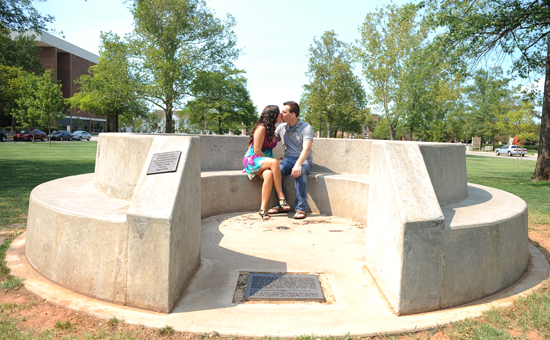
The musical “Oklahoma!” opened on Broadway on March 31, 1943, at the St. James Theatre. Explores challenges of farmers & ranchers in newly settled territory; close coupled with the awakening of young love.
The University of North Carolina School of the Arts does a painstaking… pic.twitter.com/Rq7R7AJYdJ— Standards Michigan (@StandardsMich) June 28, 2026

Cowboy Coffee
“We wish to suggest a structure
for the salt of deoxyribose nucleic acid (DNA).
This structure has novel features
which are of considerable biological interest….”
James Watson | “Nature” April 1953
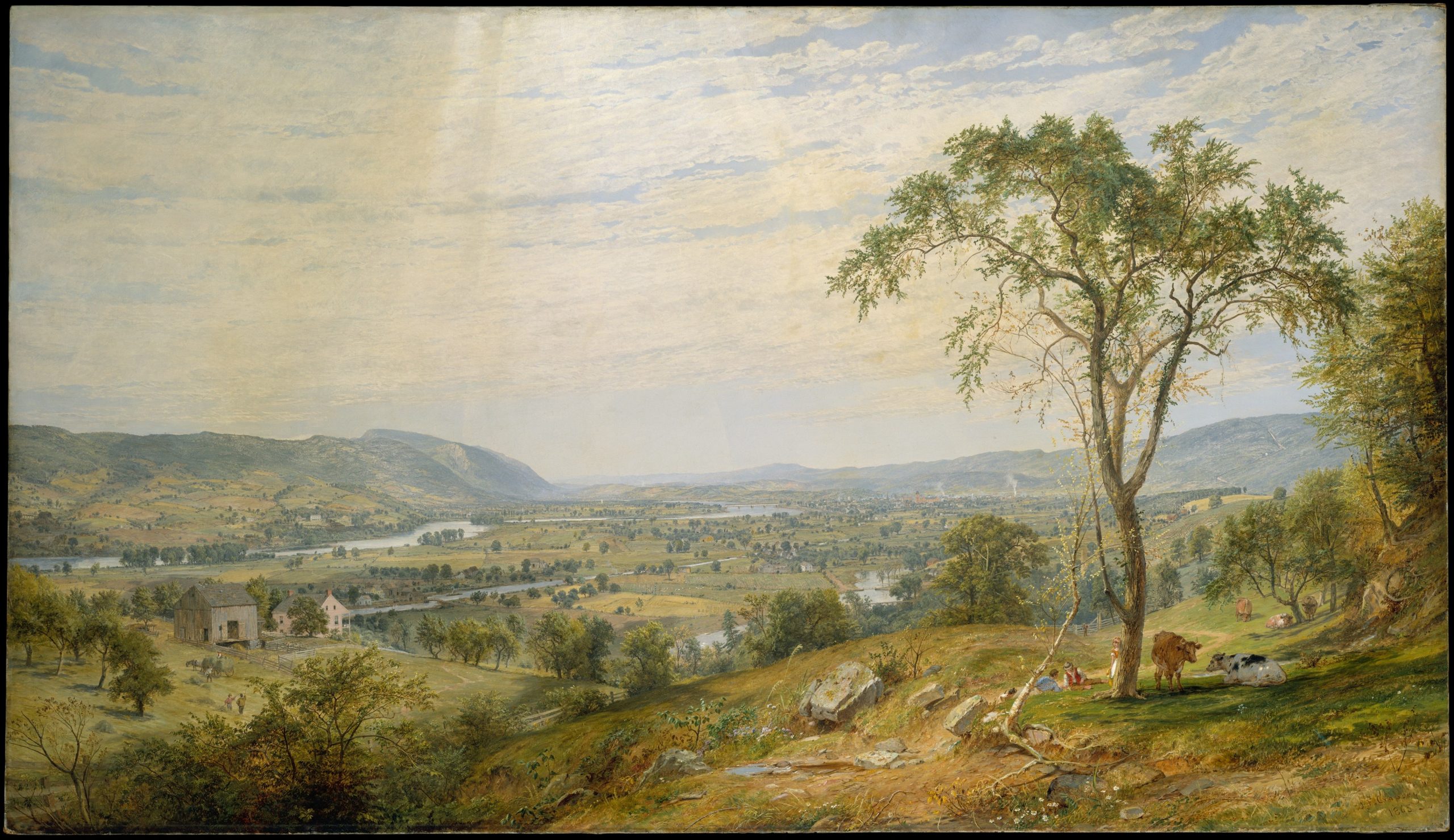
“The Valley of Wyoming” 1865 Jasper Cropsey
This simple method preparing hot coffee evolved from open flame; out on the range. The result is a strong, robust cup that retains grittiness due to the coarse grind and the absence of a filter. Cowboy coffee is more about utility and simplicity rather than precision and refinement, which aligns with the rugged and practical nature of cowboy life. Here’s how it’s typically made:
Ingredients:
Coarsely ground coffee beans, water.
Equipment:
A pot (often a simple metal or enamel coffee pot), a heat source (campfire or portable stove), and a way to separate the grounds from the liquid (like pouring or using a fine mesh strainer).
Process:
Add coarsely ground coffee to the pot. The amount can vary based on personal preference, but it’s generally a couple of tablespoons of coffee per cup of water.
Add water to the pot. Again, the ratio of coffee to water can be adjusted based on taste preferences.
Place the pot on the heat source and bring it to a near-boil. Watch it carefully to avoid boiling over.
Once it’s heated, let it steep for a few minutes. Some cowboys might toss in a crushed eggshell to help settle the grounds.
Remove the pot from the heat and let it sit for a moment to allow the coffee grounds to settle.
Pour the coffee carefully to avoid pouring the grounds into your cup.
Locals swear by it:
“Cowboy coffee ain’t as easy as it looks. It takes some know-how to make it right.” – Unknown
“You can’t compromise with a cup of weak coffee.” – Cowboy Proverb
“There are only two things that a cowboy can’t do without – his horse and his coffee.” – Unknown
“A cowboy’s day starts with coffee and ends with whiskey.” – Unknown
“Life is too short for bad coffee.” – Unknown
“Cowboy coffee: where the grounds are meant to be chewed, not sipped.” – Unknown
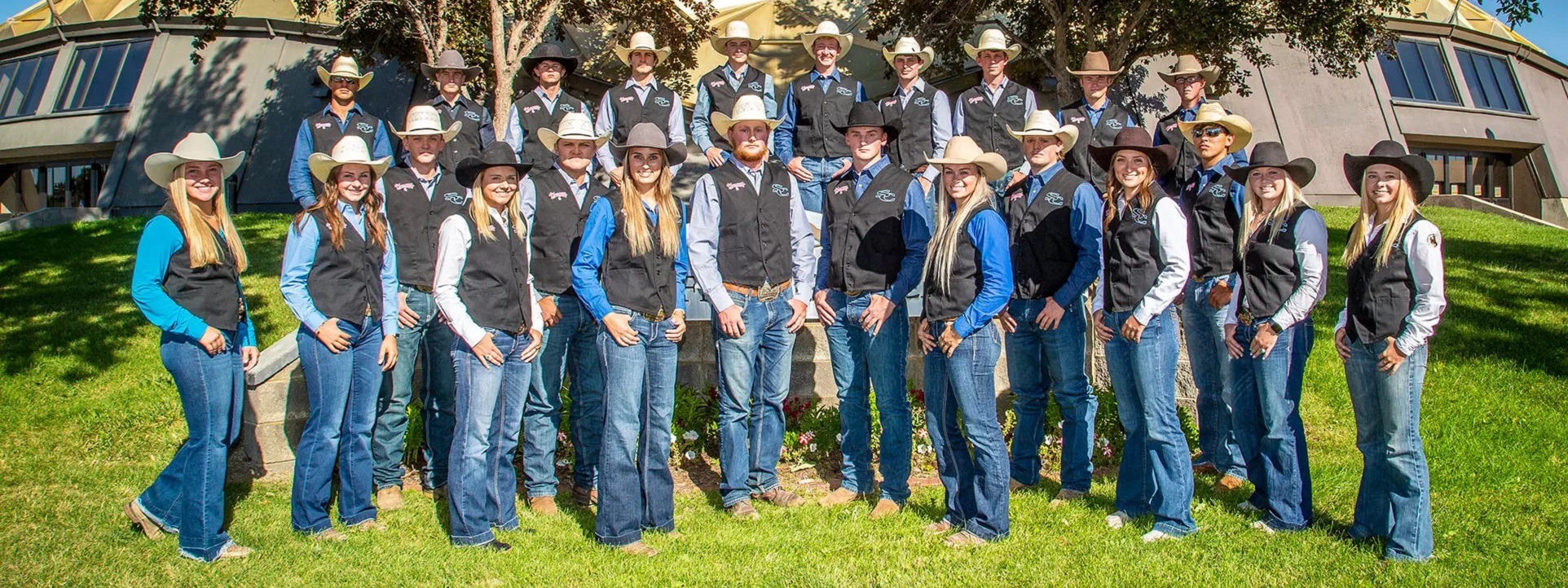
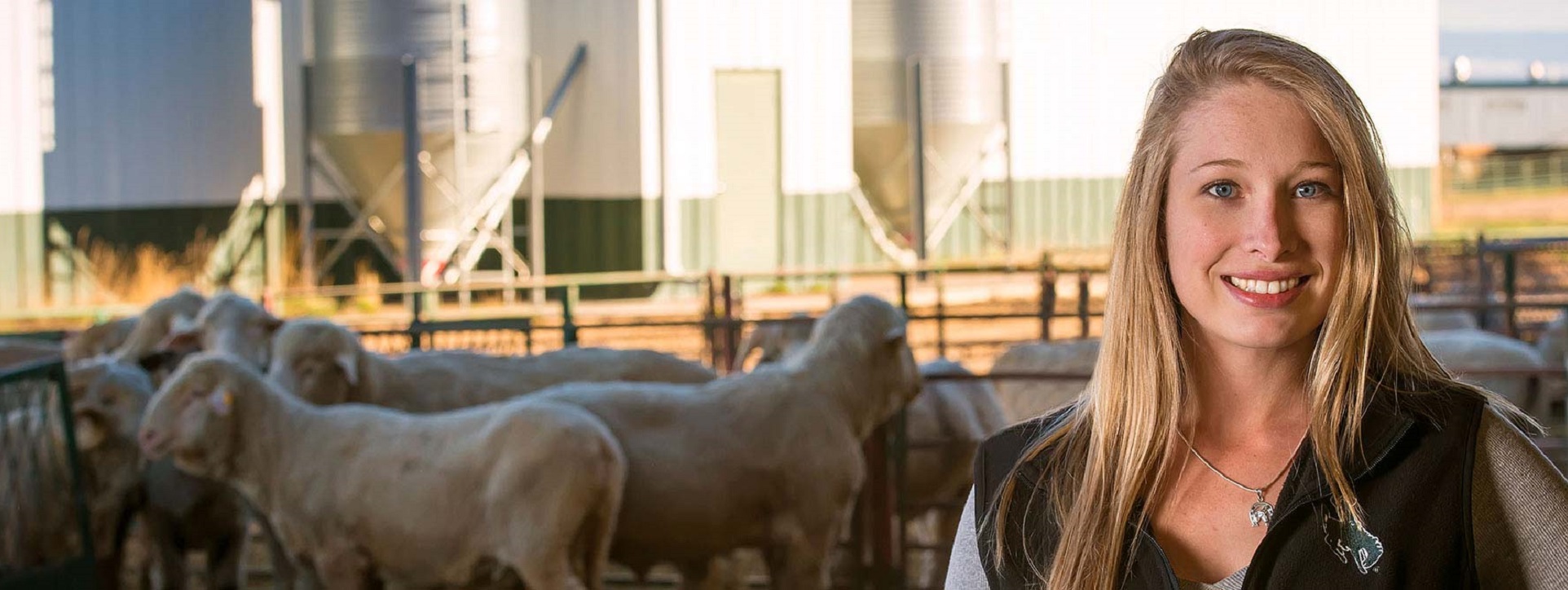
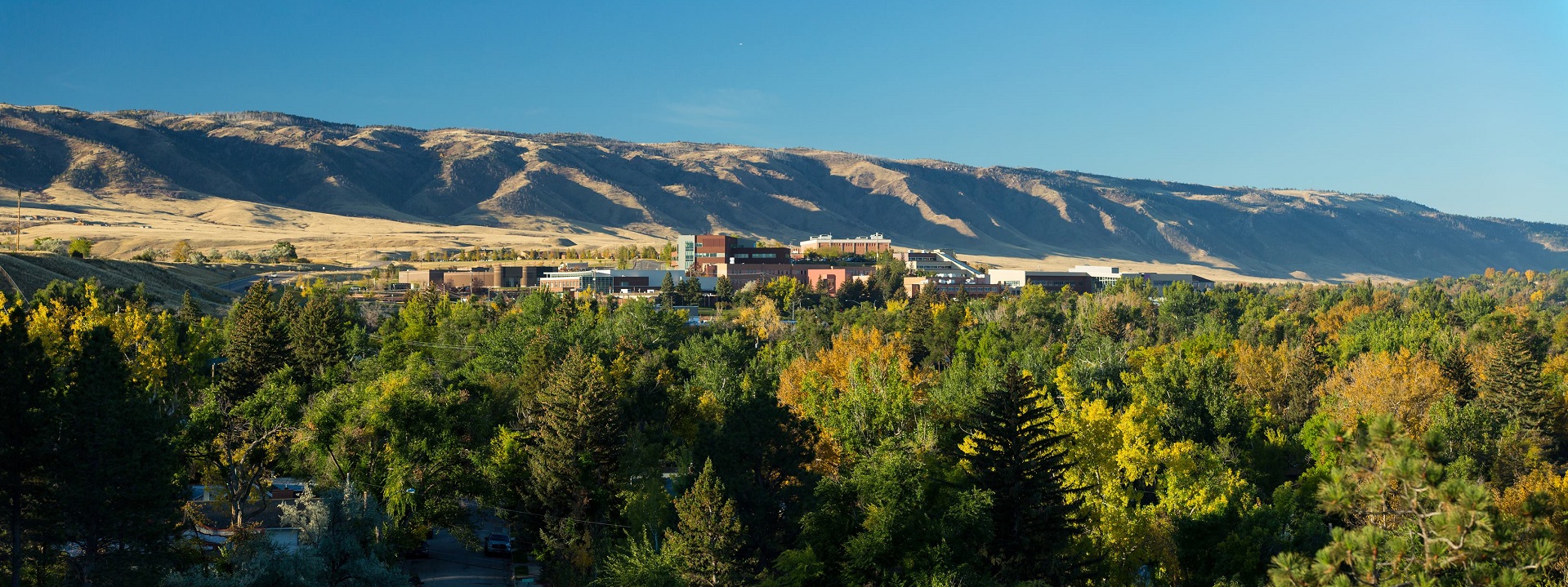

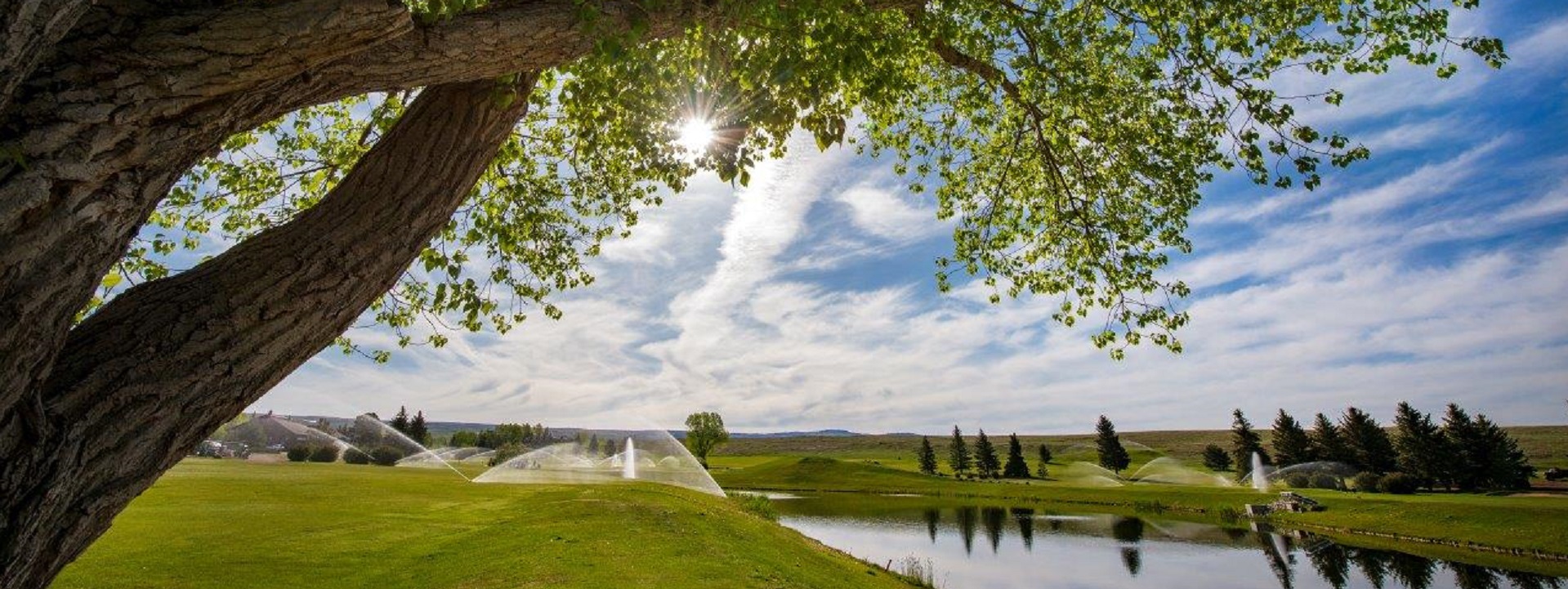
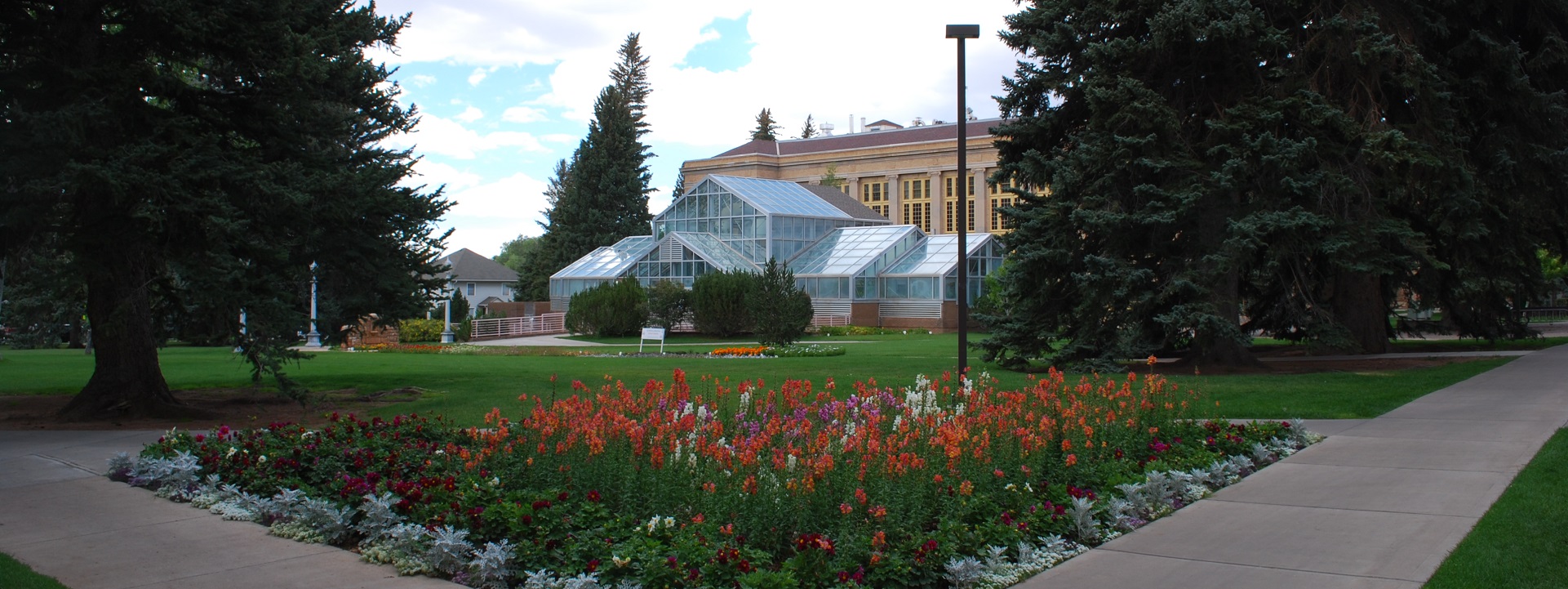
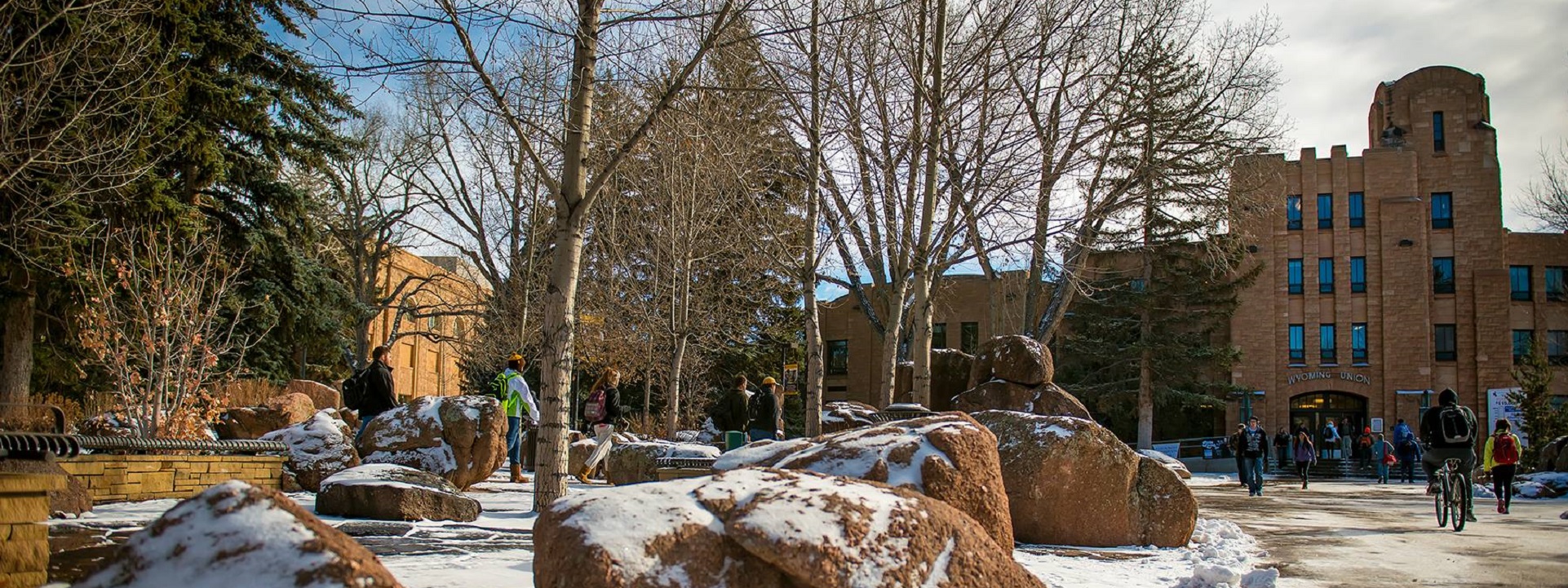

“The Liberals are Coming, and They’re Bringing Fancy Coffee” https://t.co/XykfCFYZgVhttps://t.co/exHU6TR2h9
America is changed by flight from miserable Blue States to better Red States—only to import the policies that created the misery they fled from in the first place. pic.twitter.com/OaVVgrTxJr— Standards Michigan (@StandardsMich) October 31, 2022

Notre Dame in Ireland: Chef David’s Scones
“…I have spread my dreams under your feet;
Tread softly because you tread on my dreams.”
–W.B. Yeats | ‘He Wishes for the Cloths of Heaven’
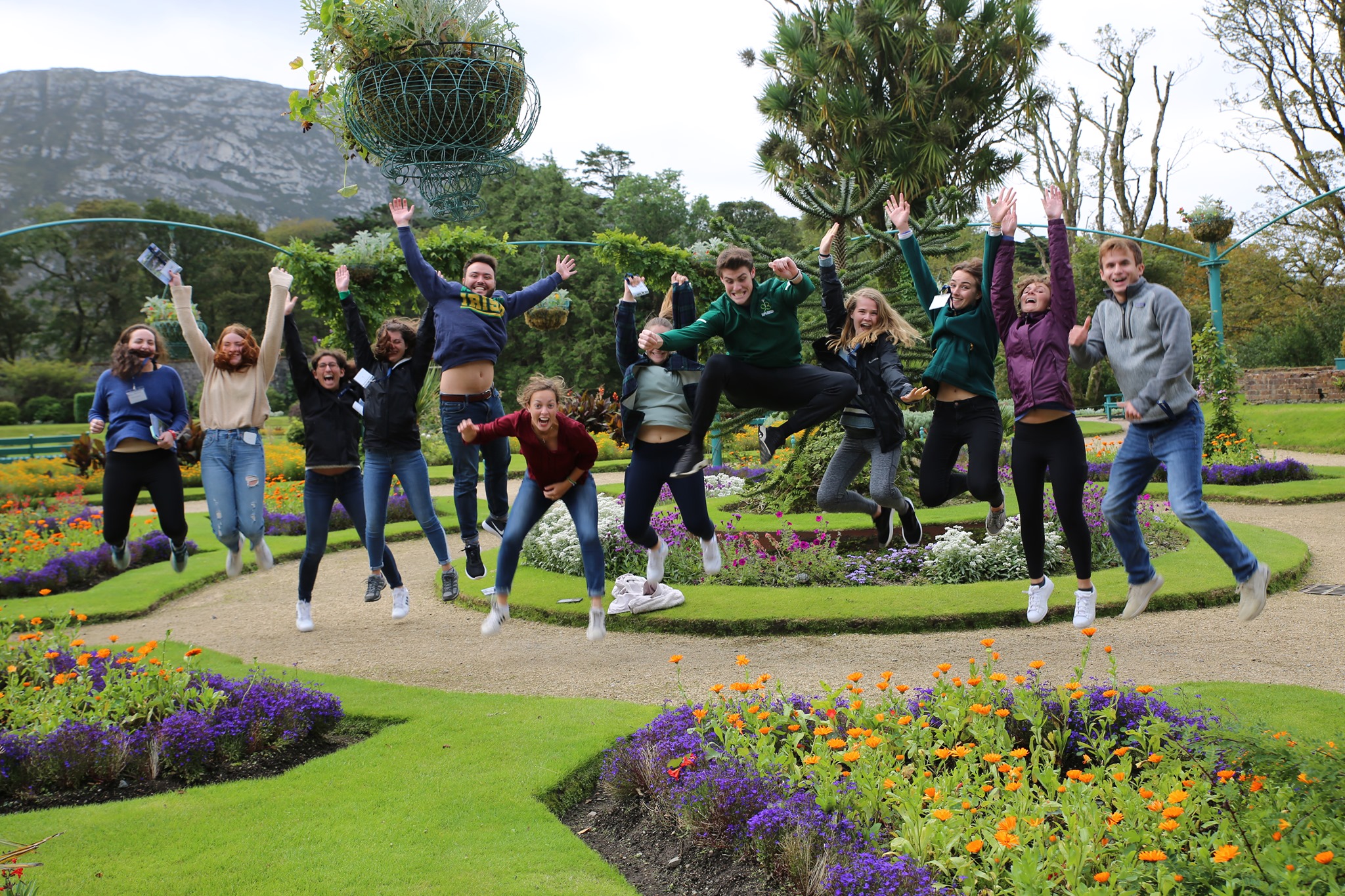
The history of scones is believed to have originated in Scotland. The name “scone” is said to come from the Dutch word “schoonbrot,” which means “beautiful bread.” Scones have a long and interesting history that dates back several centuries.
Originally, scones were not the sweet, buttery treats we know today. Instead, they were simple unleavened oatcakes or griddle cakes made from barley, oats, or wheat. These early scones were baked on griddles or stovetops rather than being oven-baked.
As time went on, the recipe for scones evolved, and they became more commonly associated with Scotland and England. The Scottish version of scones was typically round and made with oats. They were cooked on a griddle or in a pan and then cut into triangular sections, which were known as “bannocks.” These bannocks were the ancestors of the modern scone.
In the 19th century, with the advent of baking powder and modern ovens, scones began to be baked instead of griddle-cooked. The addition of baking powder allowed scones to rise and become lighter and fluffier. The ingredients were refined to include flour, butter, milk or cream, and a leavening agent like baking powder. This marked the shift from the traditional oat-based scone to the more recognizable wheat-based scone we know today.
Scones’ popularity spread beyond Scotland and England, and they became a common teatime treat across the United Kingdom and other English-speaking countries. The addition of raisins, currants, or other dried fruits, as well as sugar, transformed scones into the sweet delicacies that are commonly enjoyed today, often served with clotted cream and jam in the classic English afternoon tea.
In the United States, scones have also become popular, with various regional and cultural variations. American scones may be larger, sweeter, and have a wider variety of flavor options, such as blueberry, cranberry-orange, or chocolate chip. Today, scones continue to be beloved treats enjoyed for breakfast, brunch, afternoon tea, or as a delightful snack with a cup of tea or coffee. Their history reflects centuries of evolution and cultural influence, making them a delightful and enduring part of baking traditions worldwide.
The University of Notre Dame stands as the preeminent center of Christian faith in higher education across the American Midwest. Founded in 1842 by the Congregation of Holy Cross in northern Indiana, it was established explicitly as a Catholic institution to serve immigrant communities and promote intellectual and moral formation rooted in the Gospel.
Its identity is embodied in iconic landmarks like the Basilica of the Sacred Heart, the Grotto of Our Lady of Lourdes, and the Golden Dome, which visibly integrate faith into campus life. With roughly 80-85% Catholic undergraduates, daily Masses, vibrant chaplaincy, and theology programs of national distinction, Notre Dame cultivates a disciplined synthesis of academic excellence and Catholic witness.
Under leaders like Theodore Hesburgh, it grew into a top-tier research university while remaining deeply committed to its religious mission. As the flagship Catholic institution in the heartland, Notre Dame influences regional Catholic education, ethics, and culture, offering a powerful model of faith-informed scholarship that attracts students nationwide.

National Standards Authority of Ireland
Standard Scone Recipe
The standard scone is a simple and versatile preparation that can be customized with various additions, such as dried fruits, nuts, or chocolate chips, to suit different tastes.
Here is a basic recipe for making standard scones:
Ingredients:
- 2 cups all-purpose flour
- 1/4 cup granulated sugar
- 1 tablespoon baking powder
- 1/2 teaspoon salt
- 1/2 cup cold unsalted butter, cut into small cubes
- 1/2 cup milk (plus more for brushing on top)
- 1 large egg
- Optional: 1 teaspoon vanilla extract or other flavorings (e.g., almond extract, lemon zest)
- Optional: Additions such as dried fruits, chocolate chips, or nuts (about 1/2 cup)
Instructions:
- Preheat your oven to 400°F (200°C) and line a baking sheet with parchment paper.
- In a large mixing bowl, whisk together the flour, sugar, baking powder, and salt until well combined.
- Add the cold butter cubes to the flour mixture and use a pastry cutter or your fingers to work the butter into the flour until the mixture resembles coarse crumbs. The butter should be well distributed but still in small pieces.
- If you’re adding any optional flavorings or additions, mix them into the dry ingredients at this stage.
- In a separate small bowl, whisk together the milk, egg, and optional vanilla extract (or other flavorings) until well combined.
- Create a well in the center of the dry ingredients and pour the wet mixture into it. Gently stir the ingredients together until just combined. Be careful not to overmix; the dough should be slightly crumbly but hold together.
- Transfer the dough onto a lightly floured surface and shape it into a round disk, about 1 inch (2.5 cm) thick.
- Use a sharp knife or a biscuit cutter to cut the dough into wedges or rounds, depending on your preference. Traditionally, scones are cut into triangular shapes.
- Place the scones on the prepared baking sheet, leaving some space between them.
- Brush the tops of the scones with a little milk to give them a nice golden color when baked.
- Bake the scones in the preheated oven for about 15-20 minutes or until they are lightly golden on top.
- Remove from the oven and let them cool slightly before serving. Scones are best enjoyed fresh and can be served with butter, clotted cream, jam, or any other toppings of your choice.
This standard scone recipe provides a classic and delicious base that you can experiment with by adding various flavors and mix-ins to create your own unique variations.


Global Café
Standards Iowa | Homophily Iowa
Net Position 2024: $2.785B | Comprehensive Campus Master Plan

The College has been named a recipient of the Iowa Architectural Foundation Community Enhancement Through Architecture & Design Awards for 2020. Details ➡️ https://t.co/k3lImfTv6m 🏫 🛠️ #SoGrinnellian #GrinnellIowa #GCPride pic.twitter.com/QCsWRttYqq
— Grinnell College (@GrinnellCollege) October 1, 2020

Built within the 2019 Humanities and Social Studies Center renovation the Administration named its on-campus café the “Global Café” to reflect its menu of internationally inspired foods and drinks while advancing the school’s commitment to global awareness and cultural exchange in a small Iowa town. USA college marketing departments, generally, persist in the hard sell of “globalism”.
Young people in their 20s prolong adolescence by moving to major cities because urban environments reward and enable delayed adulthood. High living costs, intense job markets, and abundant career opportunities push graduates to prioritize education, networking, and climbing professional ladders over settling down. Cities offer endless stimulation—nightlife, cultural events, dating apps, co-living spaces, and transient social circles—that make life feel like an extended gap year rather than a transition to responsibility.
In contrast, small or medium-sized towns such as Grinnell Iowa encourage earlier family formation. Lower costs of living, tighter-knit communities, and stronger social expectations create pressure to marry and have children by the mid-20s. Jobs are often more stable but less glamorous, leaving room (and necessity) for traditional milestones like buying a home or starting a family. Dating pools are smaller, and community oversight discourages prolonged “finding yourself” phases.
Big cities provide anonymity and optionality: one can reinvent identity, chase experiences, and defer commitments without immediate judgment. This environment sustains a psychologically adolescent state—exploration, low-stakes risk-taking, and self-focus—well into the late 20s or early 30s, while small-town life accelerates the shift to provider and parent roles. The result is a clear geographic divide in life timing.

Early Breakfast
Michigan Central | Active Construction Projects
The former Ulrich’s Bookstore* operates interstitially on Central Campus in the South University commercial district.
Opens 6 AM most days for the University Grounds Crews and construction contractors starting before the heat arrives.


South University Commercial District

* It happened slowly, then all at once…
The quiet eclipse of Washtenaw’s Swabian roots by the University’s borderless ambition
New update alert! The 2022 update to the Trademark Assignment Dataset is now available online. Find 1.29 million trademark assignments, involving 2.28 million unique trademark properties issued by the USPTO between March 1952 and January 2023: https://t.co/njrDAbSpwB pic.twitter.com/GkAXrHoQ9T
— USPTO (@uspto) July 13, 2023
Standards Michigan Group, LLC
2723 South State Street | Suite 150
Ann Arbor, MI 48104 USA
888-746-3670
DIRECTIONS
 |
 |
|
 |
 |
|
 |
 |