
Capital Planning & Facilities LIVE Construction Cameras

“Goddess of Cheese” | Echochernik


New Construction Release Schedule: https://www.census.gov/construction/c30/release.html
The next report will be released February 27th; possibly the result of government shutdowns. Given that the regular monthly cadence has been interrupted we will continue placing it on our first day of the month custom.
There’s been a significant redesign of the look and feel of the monthly Census Bureau reports construction activity. Today we sort through the rather more granular statistics that inform our recommendations for facility spend.
Total #construction activity for October 2025 ($2,175.2 billion) was 0.5% above September 2025 ($2,164.3 billion).
Learn more: https://t.co/vO6ZkjBJMY #CensusEconData #ConstructionSpending pic.twitter.com/CYux8HXJ3W
— U.S. Census Bureau (@uscensusbureau) January 21, 2026
December 1, 2025
It has been 20 years since we began tracking educational settlement facility spend. Starting this month we will examine federal government data together with the best available data about space utilization to enlighten our response to the perfectly reasonable question: “Are we over-building or under-building or building ineffectively”. Use the login credentials at the upper right of our home page.
United States: Schools of Architecture
The Society for College and University Planning (Ann Arbor, Michigan)
National Center for Education Statistics
The Financial Impact of Architectural Design: Balancing Aesthetics and Budget in Modern Construction

Homeschooling
2022 International Existing Building Code
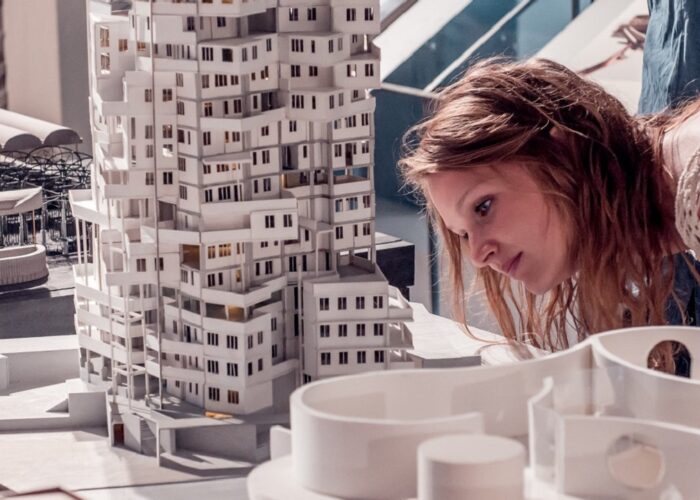
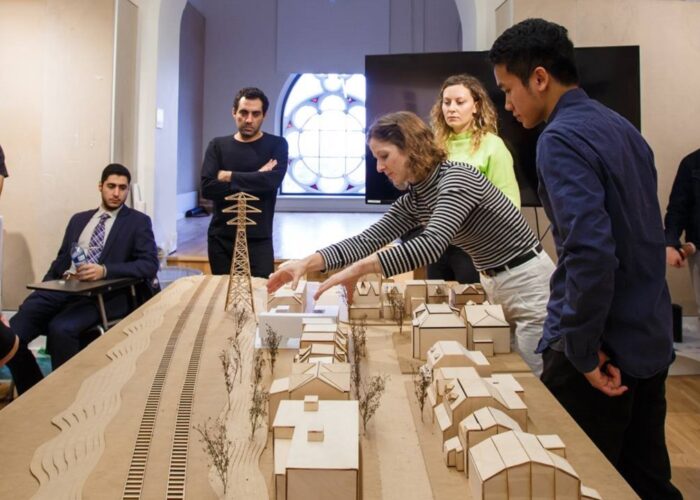
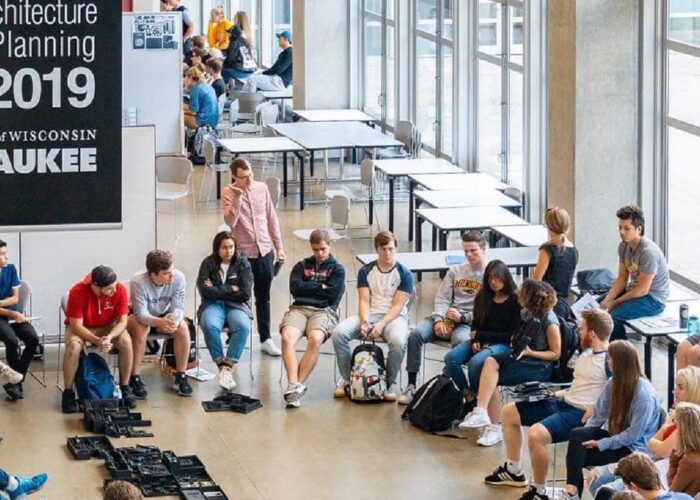
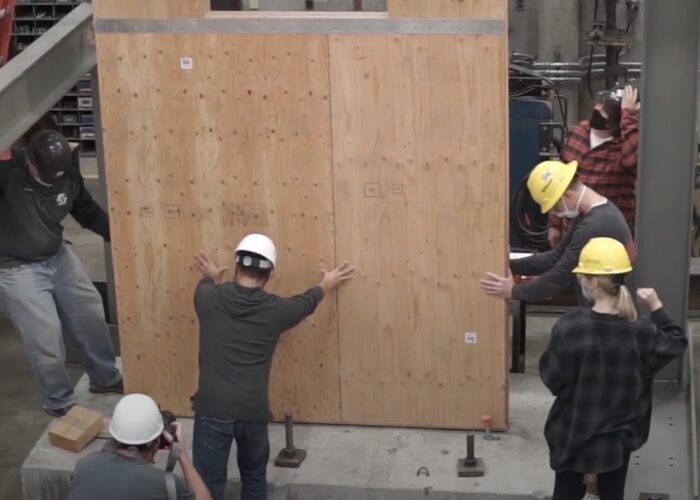
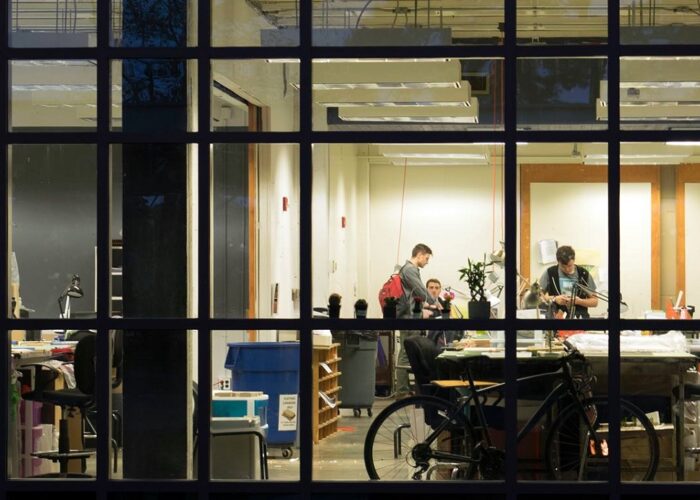
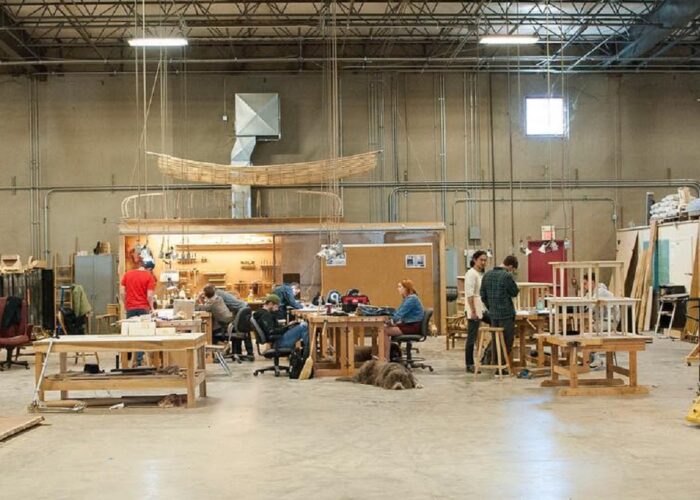
As reported by the US Department of Commerce Census Bureau the value of construction put in place by August 2025 by the US education industry proceeded at a seasonally adjusted annual rate of $137.604 billion. This number does not include renovation for projects under 50,000 square feet and new construction in university-affiliated health care delivery enterprises. Reports are released two months after calendar month. The complete report is available at the link below:
MONTHLY CONSTRUCTION SPENDING August 2025 (released two months after calendar month)
Total construction activity for June 2025 ($2,136.2 billion) was 0.4 percent below the revised May 2025 estimate ($2,143.9 billion).
Learn more: https://t.co/ljpaYyKjuX#CensusEconData pic.twitter.com/TS6ewzZhc4
— U.S. Census Bureau (@uscensusbureau) August 1, 2025
This spend makes the US education facilities industry (which includes colleges, universities, technical/vocational and K-12 schools, most university-affiliated medical research and healthcare delivery enterprises, etc.) the largest non-residential building construction market in the United States after commercial property; and fairly close. For perspective consider total public + private construction ranked according to the tabulation most recently released:
$137.604 billion| Education Facilities
$155.728 billion | Power
$69.625 billion | Healthcare
Keep in mind that inflation figures into the elevated dollar figures. Overall — including construction, energy, custodial services, furnishings, security. etc., — the non-instructional spend plus the construction spend of the US education facilities is running at a rate of about $300 – $500 billion per year.
LIVE: A selection of construction cameras at US schools, colleges and universities

We typically pick through the new data set; looking for clues relevant to real asset spend decisions. Finally, we encourage the education facilities industry to contribute to the accuracy of these monthly reports by responding the US Census Bureau’s data gathering contractors.

Reconstruction of Ancient Agora
As surely as people are born, grow wealthy and die with extra cash,
there will be a home for that cash to sustain their memory and to steer
the cultural heritage of the next generation in beautiful settings.

More
National Center for Educational Statistics
AIA: Billings Index shows but remains strong May 2022
National Center for Education Statistics
Sightlines: Capital Investment College Facilities
OxBlue: Time-Lapse Construction Cameras for Education
US Census Bureau Form F-33 Survey of School System Finances
Global Consistency in Presenting Construction & Life Cycle Costs
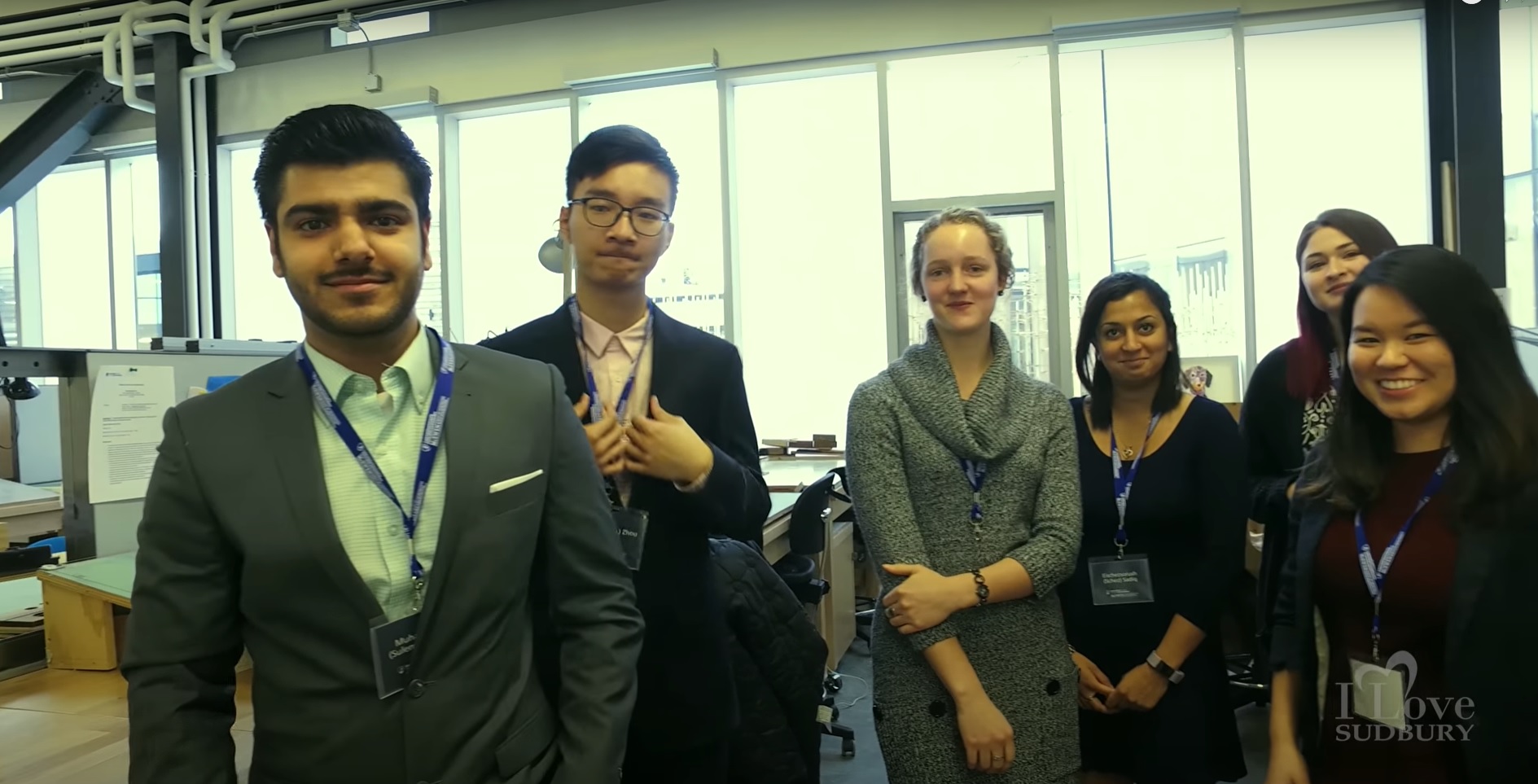
Check out ASTM's ongoing efforts to support early-career professionals, including participation at a Fatigue and Fracture Symposium. https://t.co/aKlNXtJYxa pic.twitter.com/CTcsb41SDQ
— ASTM International (@ASTMIntl) January 30, 2026
Winter storms are on the way; #Corrosion is a major concern. From bridges, and utility equipment, winter’s salty conditions can hasten #Rust & degradation. ASTM B117-26 helps evaluate materials meant to withstand harsh, corrosive environments. @ASTMIntl https://t.co/qAzr3TTMXR
— ANSI (@ansidotorg) February 1, 2026
ASHRAE announces nominees for the 2026-27 Slate of Officers and Directors. Members will vote on the nominees via electronic ballot in May, including who will serve as ASHRAE President for the 2026-27 Society year. To see the full list of nominees, visit https://t.co/lJdqfCz264.… pic.twitter.com/UJnF0nC2bY
— ASHRAE News (@ashraenews) February 2, 2026
Higher voltages being introduced to power AI data centers present new electrical hazards that many codes and standards have yet to address. We’re working to solve the challenge through a new collaboration w/ @OpenComputePrj, @abbgroupnews and @eatoncorp https://t.co/NGRg8Amf98 pic.twitter.com/ZNf6husbz9
— UL Solutions (@UL_Solutions) January 15, 2026
Preservation of old standards may be useful. In converting material into an ASTM standard, form, style, terminology are areas that require particular attention. Here, we address the rationale for offering these versions of standards, steps taken to make them conform to ASTM… pic.twitter.com/ZT1LWgxqLX
— ASTM International (@ASTMIntl) January 29, 2026
I scream. You scream. We all scream for ICE CREAM CONES.🍦On this day in 1924, Carl R. Taylor patented an ice cream cone rolling machine (No. 1,481,813), automating the process of shaping flat wafers into perfectly formed cones. pic.twitter.com/adaBY2f3xV
— USPTO (@uspto) January 29, 2026
🗣️ “AI chatbots with hallucinate around 27% of the time, so we need to ensure employees have the AI literacy required to critically consider the output AI delivers” Laura Bishop PhD, BSI AI and Cybersecurity Sector Lead#BSI #TrustInAI #AIGovernance #AIStrateg pic.twitter.com/0MyIpozyiR
— BSI America (@BSI_America) January 29, 2026
The Annual Student Presentation Forum was part of the 23rd ASTM/ESIS International Symposium on Fatigue and Fracture Mechanics during November Committee Week in Atlantahttps://t.co/4eP9VVYQAw#fatigueandfracture pic.twitter.com/53Pi87sdlx
— ASTM Student Fans (@ASTMStudentFans) January 28, 2026
📣 New edition of the X9 AI Study Group Newsletter just dropped!
This issue explores AI tools and real-world use cases shaping the financial sector while also diving into regulatory readiness and risk management.
👉 https://t.co/rfLmltYcWI pic.twitter.com/oCtCQ0IRNb
— ASC X9, Inc. (@ASCX9Inc) January 26, 2026
Great turnout at the X12 standing Meeting. Especially, given the difficult weather across the country. A wonderful spread of food, as well. Great to see everyone and certainly appreciate the participation. pic.twitter.com/XlbODYcY40
— X12 (@X12standards) January 27, 2026
Huge congratulations to Mark Lotspeich of Dynalectric Oregon for winning NECA’s 2026 Innovator of the Year at the #MEPConference! 🏆
This recognition reflects his dedication and commitment to pushing the industry forward. pic.twitter.com/aa91xJtJ6g
— NECA (@necanet) January 27, 2026
The 2026 IEEE WIE Day Ambassador Call is NOW OPEN!
Are you ready to champion Technology with Purpose around the world?
Apply now:
🔗 https://t.co/33ZqSCF4Af
Learn more about WIE Day:
🌐 https://t.co/urqJDcsOm0#IEEEWIEDay pic.twitter.com/miu7II4nLJ— IEEE WIE (@IEEEWIE) January 26, 2026
Congrats to Scott Osborn, PE, retired professor, biological and agricultural engineering, University of Arkansas, for being named an ASABE Fellow! Osborn was selected for in teaching the next generation of engineers, invention and innovation in systems. https://t.co/UFTWhIrS2i pic.twitter.com/Q95ufpymMI
— ASABE.org (@ASABEorg) January 26, 2026
The 2026 ASHRAE HVAC&R Student Paper Competition concluded on January 22nd with presentations from four finalists. The four-person judging panel selected Felix Ekuful as the winner of the 2026 competition. His research focus is on developing advanced control strategies to improve… pic.twitter.com/RDbLiLopIK
— ASHRAE News (@ashraenews) January 27, 2026
See how standards help ensure that gypsum board and related products are properly manufactured and installed. https://t.co/t30BHWzo9D#safetystandards pic.twitter.com/8CTK4766k2
— ASTM Student Fans (@ASTMStudentFans) January 26, 2026
Closing on Wednesday!
NSAI has launched the public consultation for S.R. 66:2015 +A1:202X Standard Recommendation providing guidance to wastewater treatment products in conformance with the EN 12566 series of standards.
This public consultation closes on 28th January 2026 so… pic.twitter.com/xvDUltbn7z
— NSAI (@NSAI_Standards) January 26, 2026
Just about every airspeed sensor in the United States can trace its calibration back, either directly or indirectly via calibration laboratories, to a wind tunnel on NIST’s Gaithersburg, Maryland, campus.
Learn more: https://t.co/GK9BLGMreU pic.twitter.com/DaCCR4hfDX
— National Institute of Standards and Technology (@NIST) January 23, 2026
🚧 In 2025, fall protection topped OSHA’s list of the most common violations, with 5,914 reported. ISO 45001 helps organizations create a culture of safety that reduces injuries. 🦺💼@OSHA_DOL @isostandards #WorkerSafety #OSHA https://t.co/NFcEpqXBJ9
— ANSI (@ansidotorg) January 24, 2026
Discover opportunities to get involved. Learn about in-person and virtual events to attend:https://t.co/fbNDMWiMLv pic.twitter.com/BK1pXCLINb
— IEEE Standards Association | IEEE SA (@IEEESA) December 19, 2025
🤝Full house for the biannual Technical Body Officers Seminar focusing on key aspects of the standardization system, this day was again a valuable opportunity to exchange experiences and best practices with peers, strengthening our collective technical leadership. #TrustStandards pic.twitter.com/K2wujDboS7
— CEN and CENELEC (@Standards4EU) January 22, 2026
Some states are bracing for below-zero temperatures, and it’s important to prepare now. @kfdmnews #BuildingCodes #BuildingSafety365 #ColdWeather https://t.co/T8lJqGdEK5
— IntlCodeCouncil (@IntlCodeCouncil) January 24, 2026
If you design or operate health care facilities, Standard 170 sets the minimum.
ANSI/ASHRAE/ASHE Standard 170 defines the minimum ventilation requirements for health care facilities and is developed in partnership with FGI and ASHE for adoption by code-enforcing agencies.The… pic.twitter.com/7ibciPtMRn
— ASHRAE News (@ashraenews) January 23, 2026
A simple web search finds several articles and reports discussing how college and university presidents’ compensation (including base salary, bonuses, incentives, and total pay packages) can be linked—directly or indirectly—to success in building new facilities, capital projects, infrastructure development, or related fundraising/capital campaigns.
Nominally, while compensation may not be tied exclusively to constructing new buildings, many public and private institutions incorporate performance-based incentives (e.g., bonuses or deferred pay) connected to strategic goals like fundraising for capital campaigns, enrollment growth, research expansion, or completing major infrastructure initiatives. These often involve new facilities as key outcomes, since presidents frequently lead capital campaigns to fund buildings, renovations, or campus expansions. The topic comes up — tacitly — in annual compensation reviews .
Readings Pro & Con:
Overall, explicit ties to “building new facilities” are more common indirectly—through fundraising targets, capital campaign success, or strategic growth metrics—rather than line-item bonuses for specific construction projects. Critics argue this can incentivize flashy new builds over maintenance or academics, while proponents see it as aligning pay with institutional advancement. Compensation data often comes from sources like the Chronicle of Higher Education’s annual surveys or CUPA-HR reports.
Our coverage:
UNC-Chapel Hill announces plans to develop campus extension in Carolina North
The Vertical Density of Urban Apartments Is Catastrophic for Fertility
Could Bigger Apartments Reverse America’s Birth Decline?
Global Consistency in Presenting Construction & Life Cycle Costs
Penn State College Welcomes “Punxsutawney Phil”
The Most Perfect Movie: Groundhog Day
ANSI Standards Action January 30, 2026 | Bulletin Board
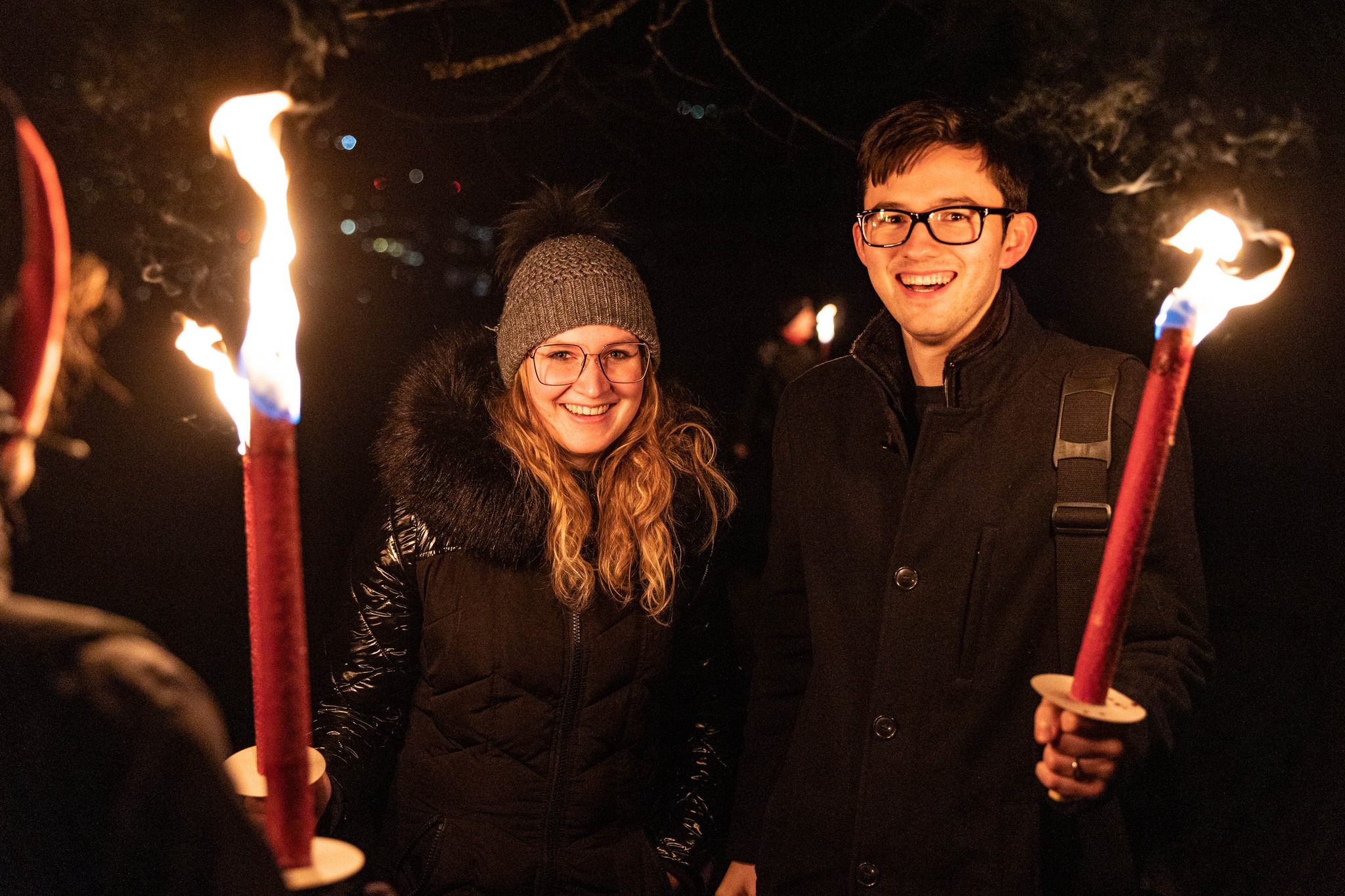
Katholische Universität Eichstätt-Ingolstadt

Thomas Sowell on School Choice and the Price Our Children Pay for Bad Ideas
Dr. Gad Saad on Avoiding Liberal Brain Rot – Curing the Woke Mind Virus
Macdonald-Laurier Institute: How to Reverse Collapsing Birth Rates
Trending | Engagements, Weddings & Births | Sport News | Carillons
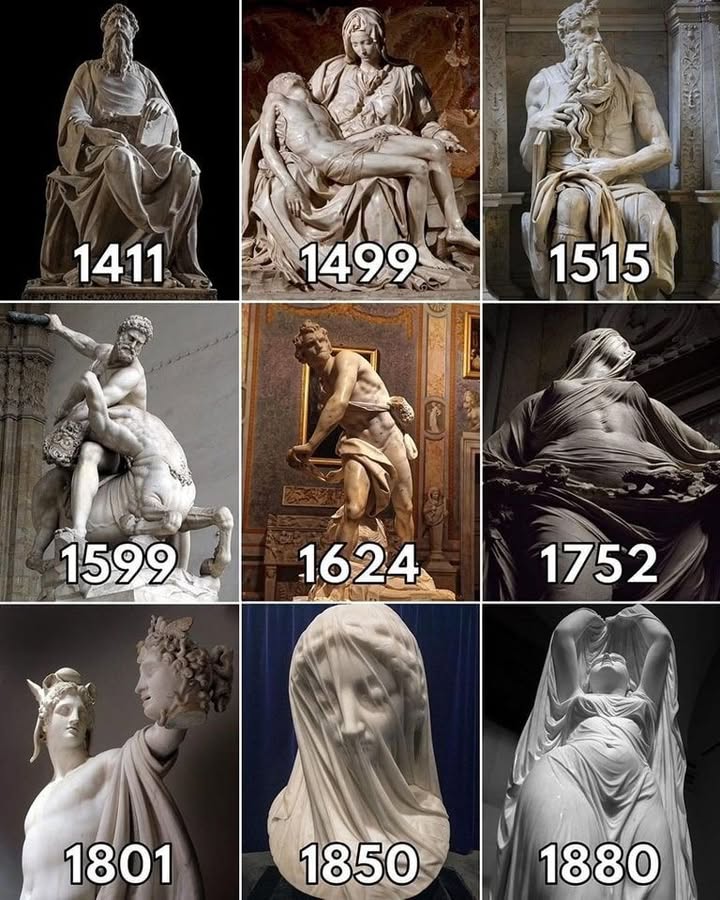
100 years ago, the Supreme Court made it clear in Pierce v. Society of Sisters: raising children is the responsibility of parents, not the government.
100 years later, the Trump Administration remains committed to protecting parental rights. pic.twitter.com/yduXdLShty
— Secretary Linda McMahon (@EDSecMcMahon) June 1, 2025
“…O chestnut tree;, great rooted blossomer,
Are you the leaf, the blossom or the bold?
O body swayed to music, O brightening glance,
How can we know the dancer from the dance?”
— Among Schoolchildren, 1933 William Butler Yeats
We sweep through the world’s three major time zones; updating our understanding of the literature at the technical foundation of education community safety and sustainability in those time zones 24 times per day. We generally eschew “over-coding” web pages to sustain speed, revision cadence and richness of content as peak priority. We do not provide a search facility because of copyrights of publishers and time sensitivity of almost everything we do.
Readings:
“The Advancement of Learning” Francis Bacon (1605)
“The Allegory of the Cave” 380 BCE | Plato’s Republic, Book VII
Thucydides: Pericles’ Funeral Oration
IEEE Access: Advanced Deep Learning Models for 6G: Overview, Opportunities, and Challenges | Xidian University
“Albion: The Origins of the English Imagination” (2002) Peter Ackroyd
“Bitcoin: A Peer-to-Peer Electronic Cash System” Satoshi Nakamoto
“Extraordinary Popular Delusions and the Madness of Crowds” (1841) | Charles Mackay
Cognitive Science: An Introduction to the Study of Mind
“Kant’s Categorical Imperative” | Hillsdale College Introduction to Western Philosophy
“The Natural History of Stupidity” (1959) Paul Tabori
“The College Idea: Andrew Delbanco” Lapham’s Quarterly
Distributed Representations of Words and Phrases and their Compositionality | Google, Inc. et, al
Our daily colloquia are typically doing sessions; with non-USA titles receiving priority until 16:00 UTC and all other titles thereafter. We assume policy objectives are established (Safer-Simpler-Lower-Cost, Longer-Lasting). Because we necessarily get into the weeds, and because much of the content is time-sensitive and copyright protected, we usually schedule a separate time slot to hammer on technical specifics so that our response to consultations are meaningful and contribute to the goals of the standards developing organization and to the goals of stewards of education community real assets — typically the largest real asset owned by any US state and about 50 percent of its annual budget.

1. Leviathan. We track noteworthy legislative proposals in the United States 118th Congress. Not many deal specifically with education community real assets since the relevant legislation is already under administrative control of various Executive Branch Departments such as the Department of Education.
We do not advocate in legislative activity at any level. We respond to public consultations but there it ends.
We track federal legislative action because it provides a stroboscopic view of the moment — the “national conversation”– in communities that are simultaneously a business and a culture. Even though more than 90 percent of such proposals are at the mercy of the party leadership the process does enlighten the strengths and weakness of a governance system run entirely through the counties on the periphery of Washington D.C. It is impossible to solve technical problems in facilities without sensitivity to the zietgeist that has accelerated in education communities everywhere.

Michigan Great Lake Quilt
Michigan can 100% water and feed itself. Agriculture is its second-largest industry.
2. National Institute of Standards and Technology (NIST)
3. American National Standards Institute (ANSI)
4. Fast Forward
5. Rewind
6. Corrigenda
“The world will never starve for want of wonders;
but only for want of wonder.”
– G.K Chesterton, The Spirit of Christmas (1905)

Mike Anthony with colleagues since 1982 @ UM Ross School of Business Executive Dining Room
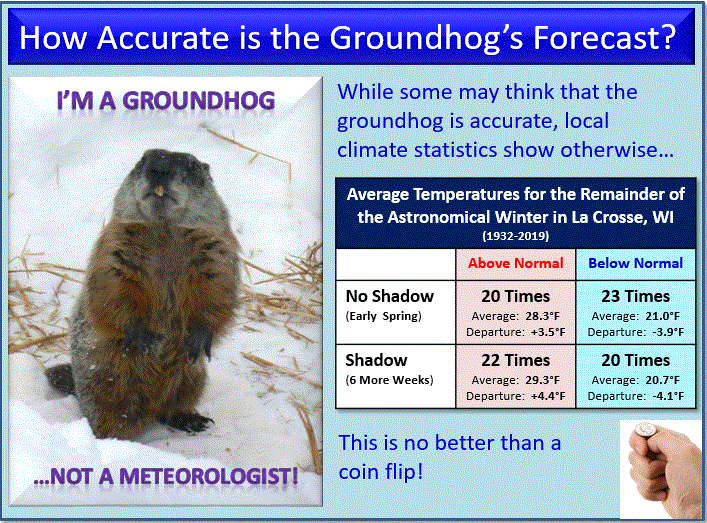
United States National Weather Service
| Research Without Old Data and Old References |
Background: The use of older data and references is becoming increasingly disfavored for publication. A myopic focus on newer research risks losing sight of important research questions already addressed by now-invisible older studies. This creates a ‘Groundhog Day’ effect as illustrated by the 1993 movie of this name in which the protagonist has to relive the same day (Groundhog Day) over and over and over within a world with no memory of it. This article examines the consequences of the recent preference for newer data and references in current publication practices and is intended to stimulate new consideration of the utility of selected older data and references for the advancement of scientific knowledge.
Methods: Examples from the literature are used to exemplify the value of older data and older references. To illustrate the recency of references published in original medical research articles in a selected sample of recent academic medical journals, original research articles were examined in recent issues in selected psychiatry, medicine, and surgery journals.
Results: The literature examined reflected this article’s initial assertion that journals are emphasizing the publication of research with newer data and more recent references.
Conclusions: The current valuation of newer data above older data fails to appreciate the fact that new data eventually become old, and that old data were once new. The bias demonstrated in arbitrary policies pertaining to older data and older references can be addressed by instituting comparable treatment of older and newer data and references.
Related:
ASTM International: Standard Practice for Calculating and Using Basic Statistics
Groundhog Day: Ancient Origins of a Modern Celebration (Library of Congress)
IMSDb: “GroundHog Day” The Complete Script
Harvard Business Review: When the Groundhog Predicts an Early Spring, Investors Get Optimistic
Indiana University: Groundhog Day Probability in Perspective
During today’s session we approach disaster avoidance, management and recovery literature from a different point of view than our customary approach — i.e. what happens when, a) there is failure to conform to the standard, b) there is no applicable standard at all. This approach necessarily requires venturing into the regulatory and legal domains.
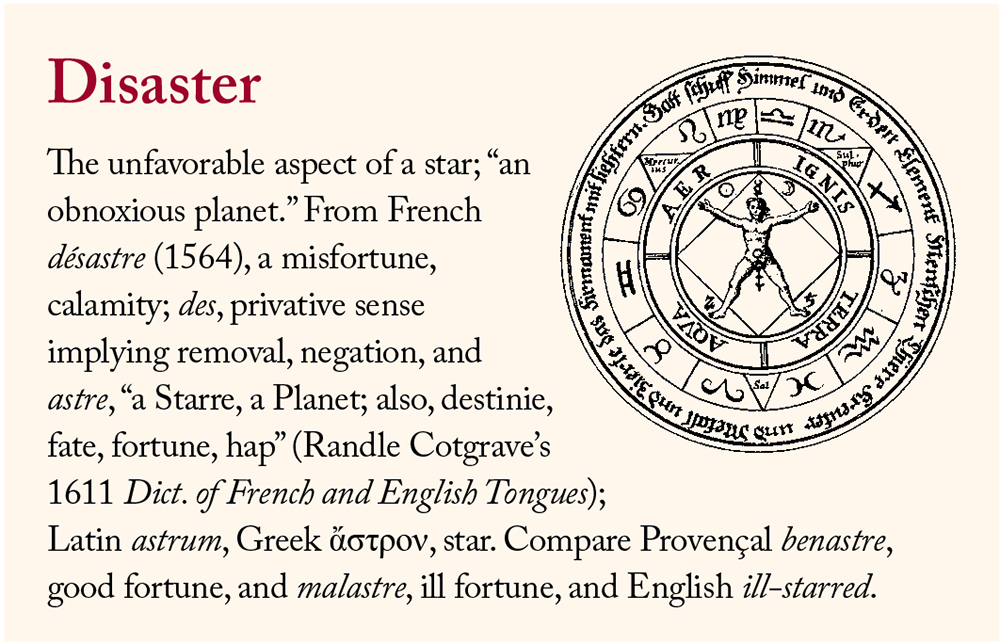
Thinking about how that groundhog lied to us 🤨🤨🤨 pic.twitter.com/ZQOzzteCzs
— Penny Kmitt (@pennylikeacoin) April 4, 2024
We will confine our approach to the following standards development regimes:
We may have time to review State of Emergency laws on the books of most government agencies; with special attention to power blackout disasters.
Use the login credentials at the upper right of our home page.
https://t.co/chd9RJVc7G
print(“Disaster”) pic.twitter.com/Lu6Dw3bARq— Standards Michigan (@StandardsMich) November 15, 2021
“The day science begins to study non-physical phenomena,
it will make more progress in one decade
than in all the previous centuries of existence.”
Electrical Power System Research
NFPA Electrical Standards Landing Page Ω NFPA Standards Council Ω NFPA Fire Safety Landing Page
ASHRAE Landing Page | ASTM Electrical & Electronics | IES Illumination
Draft IEEE Paper Abstracts | Mike Anthony Short Biography | Electrotechnology OEMS
IEEE Education & Healthcare Facilities Committee Recent Meeting Minutes
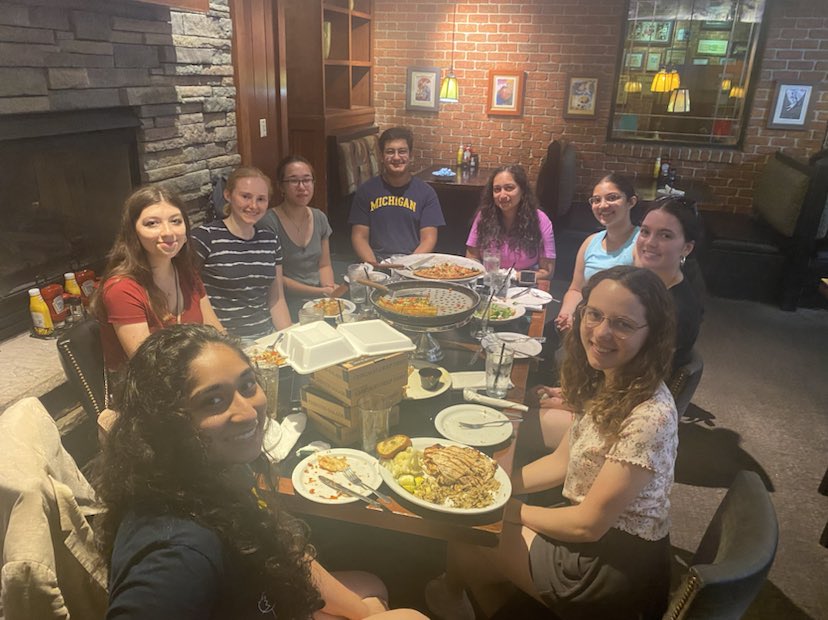 IEEE Southeastern Michigan Section Welcome August 2024
|
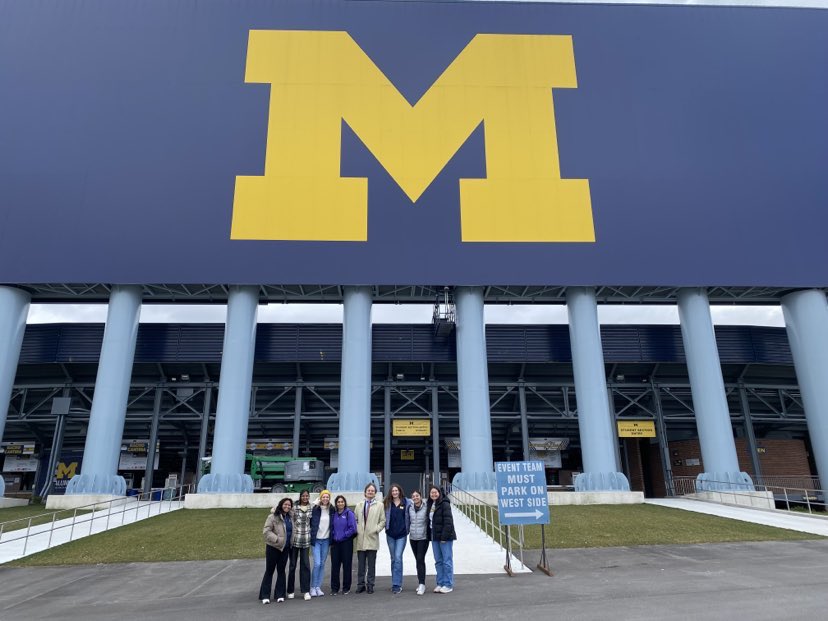 IEEE & SWE Student Tour of Michigan Stadium Scoreboard | April 2024 |
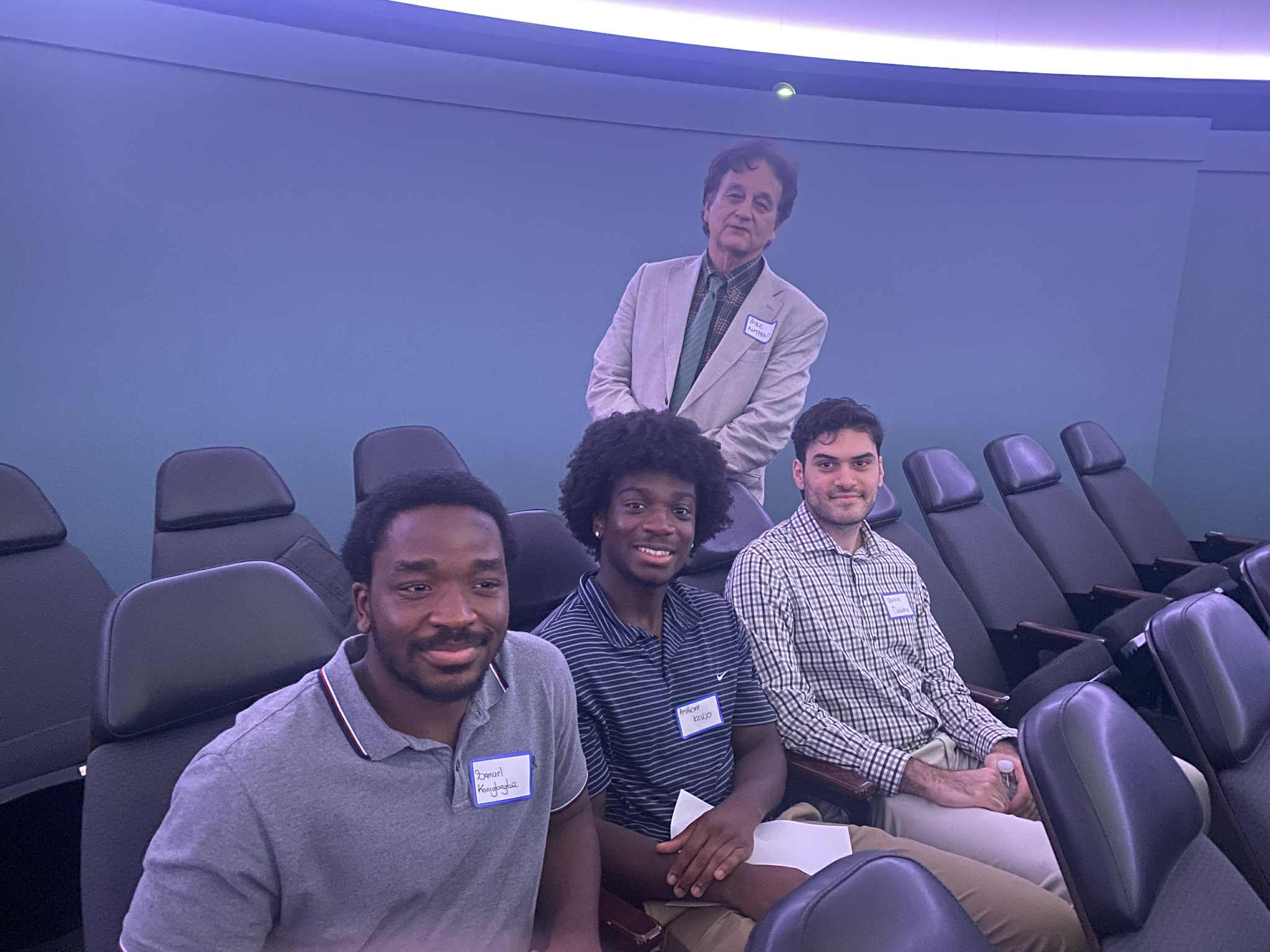
IEEE SEM Student Activity 2025

Electrical Power System Research
NFPA Electrical Standards Landing Page Ω NFPA Standards Council Ω NFPA Fire Safety Landing Page
ASHRAE Landing Page | ASTM Electrical & Electronics
Draft IEEE Paper Abstracts | Mike Anthony Short Biography | Electrotechnology OEMS
We examine the proposals for the 2028 National Electrical Safety Code; including our own. The 2026 National Electrical Code where sit on CMP-15 overseeing health care facility electrical issues should be released any day now. We have one proposal on the agenda of the International Code Council’s Group B Committee Action Hearings in Cleveland in October. Balloting on the next IEEE Gold Book on reliability should begin.
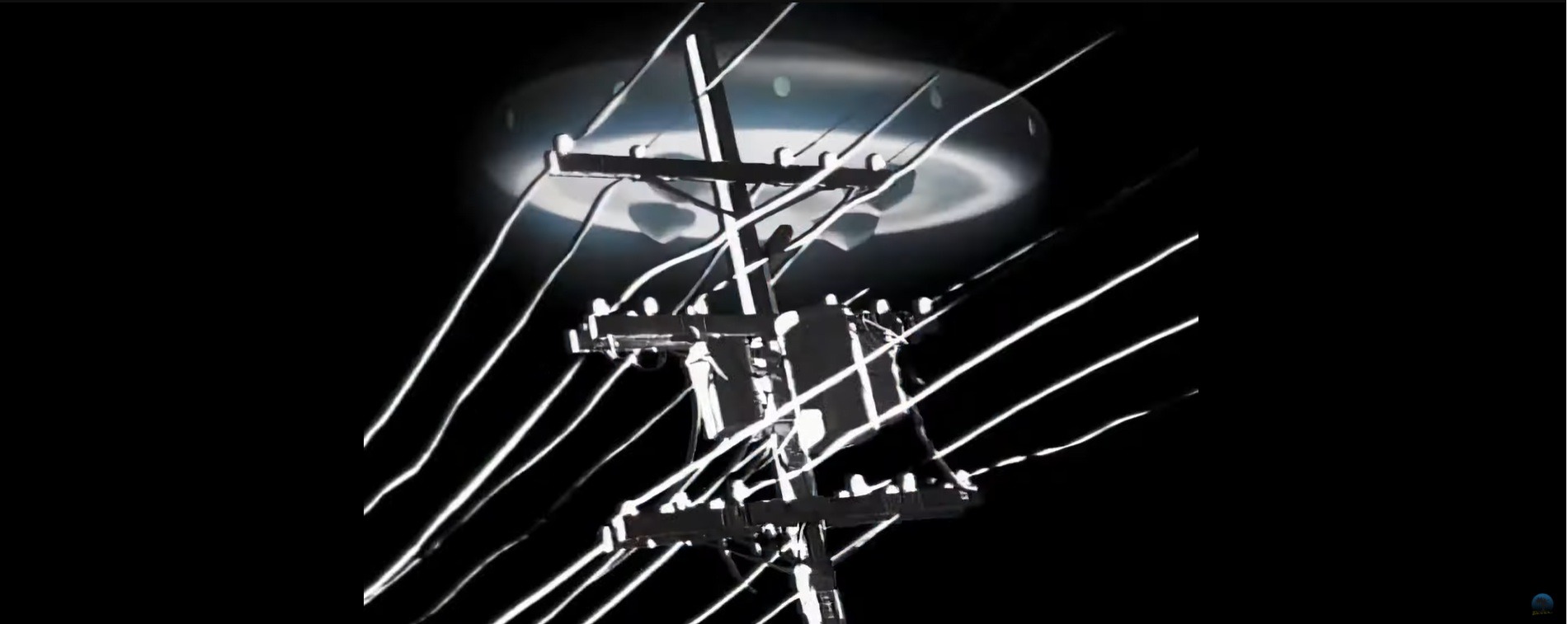
“Tomorrow’s Girls” | Donald Fagan
Policy:
OUTERNET: Crossing over data gap using cubesats
Department of Energy Portfolio Analysis & Management System
Department of Energy Building Technologies Office
FERC Open Meetings | (Note that these ~60 minute sessions meet Sunshine Act requirements. Our interest lies one or two levels deeper into the technicals underlying the administrivia)
| Federal Energy Regulatory Commission | Federal Communication Commission | Michigan Public Service Commission |
| December 18 Open Meeting | December 5 Open Meeting | |
| August 7 Open Meeting | ||
| July 24 Open Meeting | July 25 Open Meeting | |
| June 16 Open Meeting | January 22: Newly Appointed FCC Chairman Announces Staff Changes | June 12 Open Meeting |
| May 15 Open Meeting | May 15 Open Meeting | |
| April 17 Open Meeting | April 24 Open Meeting | |
| March 20 Open Meeting | ||
| February 20 FERC Open Meeting | March 3 Open Meeting | |
| January 16 FERC Press Conference | February 27, 2025 Open Meeting | |
January 23: NARUC Congratulates New FERC, FCC and NRC Chairs
January 22: Newly Appointed FCC Chairman Announces Staff Changes | Related: Falsus in uno, Falsus in omnibus
January 6: City of Ann Arbor Postpones Phase II Study to Municipalize DTE Energy distribution grid
January 27, 10 AM Low-Income Energy Policy Board Meeting: Michigan Public Service commission
Federal Energy Regulatory Commission: January 16, 2025 Open Meeting
Federal Energy Regulatory Commission Notice of Request for Comments (Posted November 25, 2024)
Federal Energy Regulatory Commission | November 21, Open Meeting
Michigan Public Service Commission Meetings
Michigan Public Commission Meeting February 27, 2025
MPSC DTE CMS Electric Power Reliability Case No. U-21305
Michigan Electrical Administrative Board Meeting February 13, 2025
FCC Open Meeting | November 21
Technical: (Also Electrical Power System Research)
Empower Pre-Trained Large Language Models for Building-Level Load Forecasting
Uptime Institute (via NEXT DC) : AI Inference in the Data Center
Majorana Nanowires for Topological Quantum Computing
Linearized Data Center Workload and Cooling Management
Oxford Researchers Discovered How to Use AI To Learn Like A Genius
Lex Fridman: DeepSeek, China, OpenAI, NVIDIA, xAI, TSMC, Stargate, and AI Megaclusters
IEEE: Experts Weigh in on $500B Stargate Project for AI
IEEE: AI Mistakes Are Very Different Than Human Mistakes . We need new security systems designed to deal with their weirdness
High-Performance Tensor Learning Primitives Using GPU Tensor Cores
Department of Electrical Engineering, Columbia University, New York
Department of Electrical Engineering, National Taiwan University of Science and Technology, Taipei City, Taiwan
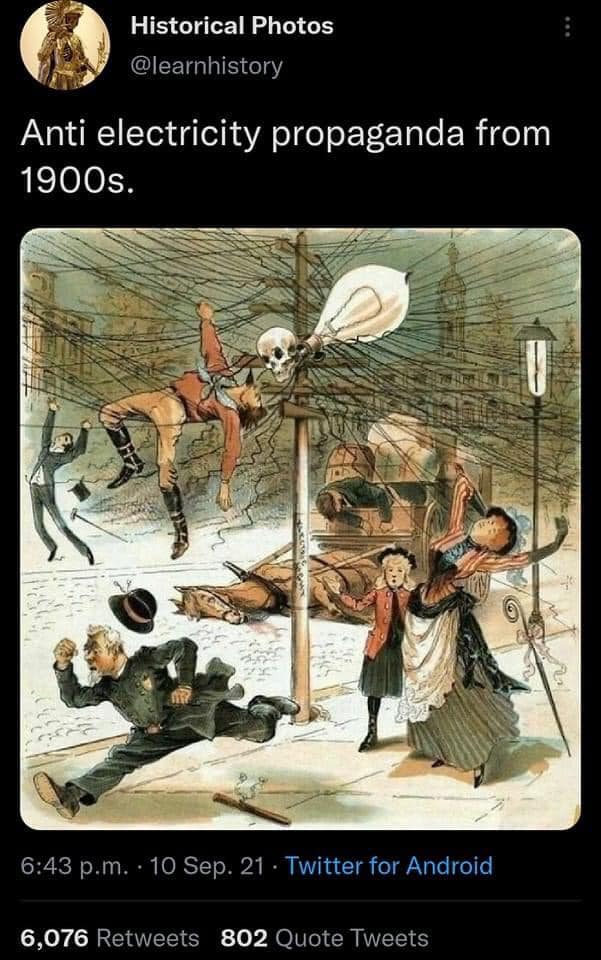
First Draft Proposals contain most of our proposals — and most new (original) content. We will keep the transcripts linked below but will migrate them to a new page starting 2025:
2026 NEC Standards Michigan proposals | Public Input Report CMP-1
2026 NEC Standards Michigan proposals | Public Input Report CMP-2
2026 NEC Standards Michigan proposals | Public Input Report CMP-4
2026 NEC Standards Michigan proposals | Public Input Report CMP-5
2026 NEC Standards Michigan proposals | Public Input Report CMP-10
2026 NEC Standards Michigan proposals | Public Input Report CMP-11
2026 NEC Standards Michigan proposals | Public Input Report CMP-12
2026 NEC Standards Michigan proposals | Public Input Report CMP-13
2026 NEC Standards Michigan proposals | Public Input Report CMP-15
2026 NEC Standards Michigan proposals | Public Input Report CMP-16
2026 NEC Standards Michigan proposals | Public Input Report CMP-18
Related:
N.B. We are in the process of migrating electric power system research to the Institute of Electrical and Electronics Engineers bibliographic format.
Recap of the May meetings of the Industrial & Commercial Power Systems Conference in Las Vegas. The conference ended the day before the beginning of the 3-day Memorial Day weekend in the United States so we’re pressed for time; given all that happened.
We can use our last meeting’s agenda to refresh the status of the issues.
IEEE E&H Draft Agenda 28 May 2024
On site conference agenda:
IEEE E&H Conference Agenda 21 May 2024
We typically break down our discussion into the topics listed below:
Codes & Standards:
While IAS/I&CPS has directed votes on the NEC; Mike is the only I&CPS member who is actually submitting proposals and responses to codes and standards developers to the more dominant SDO’s — International Code Council, ASHRAE International, UL, ASTM International, IEC & ISO. Mike maintains his offer to train the next generation of “code writers and vote getters”
Performance-based building premises feeder design has been proposed for the better part of ten NEC revision cycles. The objective of these proposals is to reduce material, labor and energy waste owed to the branch and feeder sizing rules that are prescriptive in Articles 210-235. Our work in service and lighting branch circuit design has been largely successful. A great deal of building interior power chain involves feeders — the network upstream from branch circuit panels but down stream from building service panel.
Our history of advocating for developing this approach, inspired by the NFPA 101 Guide to Alternative Approaches to Life Safety, and recounted in recent proposals for installing performance-based electrical feeder design into the International Building Code, appears in the link below:
Access to this draft paper for presentation at any conference that will receive it — NFPA, ICC or IEEE (or even ASHRAE) will be available for review at the link below:
Toward Performance-Based Building Premise Feeder Design
NFPA 110 Definitions of Public Utility v. Merchant Utility
NFPA 72 “Definition of Dormitory Suite” and related proposals
Buildings:
Renovation economics, Smart contracts in electrical construction. UMich leadership in aluminum wiring statements in the NEC should be used to reduce wiring costs.
Copper can’t be mined fast enough to electrify the United States
Daleep asked Mike to do a Case Study session on the NEC lighting power density change (NEC 220-14) for the IAS Annual Meeting in October. Mike agreed.
Exterior Campus & Distribution:
Illumination. Gary Fox reported that IEEE 3001.9 was endorsed as an ANSI accredited standard for illumination systems.
2024-ICPSD24-0012 PERMANENT DESIGN OF POWER SYSTEMS Parise
This paper details primary considerations in estimating the life cycle of a campus medium voltage distribution grid. Some colleges and universities are selling their entire power grid to private companies. Mike has been following these transactions but cannot do it alone.
Variable Architecture Multi-Island Microgrids
District energy:
Generator stator winding failures and implications upon insurance premiums. David Shipp and Sergio Panetta. Mike suggests more coverage of retro-fit and lapsed life cycle technicals for insurance companies setting premiums.
Reliability:
Bob Arno’s leadership in updating the Gold Book.
Mike will expand the sample set in Table 10-35, page 293 from the <75 data points in the 1975 survey to >1000 data points. Bob will set up meeting with Peyton at US Army Corps of Engineers.
Reliability of merchant utility distribution systems remains pretty much a local matter. The 2023 Edition of the NESC shows modest improvement in the vocabulary of reliability concepts. For the 2028 Edition Mike submitted several proposals to at least reference IEEE titles in the distribution reliability domain. It seems odd (at least to Mike) that the NESC committees do not even reference IEEE technical literature such as Bob’s Gold Book which has been active for decades. Mike will continue to propose changes in other standards catalogs — such as ASTM, ASHRAE and ICC — which may be more responsive to best practice assertions. Ultimately, improvements will require state public utility commission regulations — and we support increases in tariffs so that utilities can afford these improvements.
Mike needs help from IEEE Piscataway on standard WordPress theme limitations for the data collection platform.
Mike will update the campus power outage database.
Healthcare:
Giuseppe Parise’s recent work in Italian power grid to its hospitals, given its elevated earthquake risk. Mike’s review of Giuseppe’s paper:
Harvard Business School: Journal of Healthcare Management Standards
Mike and David Shipp will prepare a position paper for the Harvard Healthcare Management Journal on reliability advantages of impedance grounding for the larger systems.
The Internet of Bodies
Forensics:
Giuseppe’s session was noteworthy for illuminating the similarity and differences between the Italian and US legal system in handling electrotechnology issues.
Mike will restock the committee’s library of lawsuits transactions.
Ports:
Giuseppe updates on the energy and security issues of international ports. Mike limits his time in this committee even though the State of Michigan has the most fresh water international ports in the world.
A PROPOSED GUIDE FOR THE ENERGY PLAN AND ELECTRICAL INFRASTRUCTURE OF A PORT
Other:
Proposals to the 2028 National Electrical Safety Code: Accepted Best Practice, exterior switchgear guarding, scope expansion into ICC and ASHRAE catalog,
Apparently both the Dot Standards and the Color Books will continue parallel development. Only the Gold Book is being updated; led by Bob Arno. Mike admitted confusion but reminded everyone that any references to IEEE best practice literature in the NFPA catalog, was installed Mike himself (who would like some backup help)
Papers in Process:
Impedance Grounding Papers 1 and 2 with David Shipp. Previous Discussion:
https://ieeetv.ieee.org/channels/ieee-region-events/uc-berkeley-s-medium-voltage-grounding-system
Over Coffee and Beers:
Mike assured Christel Hunter (General Cable) that his proposals for reducing the 180 VA per-outlet requirements, and the performance-base design allowance for building interior feeders do not violate the results of the Neher-McGrath calculation used for conductor sizing. All insulation and conducting material thermal limits are unaffected.
Other informal discussions centered on the rising cost of copper wiring and the implications for the global electrotechnical transformation involving the build out of quantum computing and autonomous vehicles. Few expressed optimism that government ambitions for the same could be met in any practical way.
Are students avoiding use of Chat GPT for energy conservation reasons? Mike will be breaking out this topic for a dedicated standards inquiry session:
Workspace IEEE 1366: Guide for Electric Power Distribution Reliability Indices
Largest U.S. Electric Utility Companies Ranked by Generation Capacity For IEEE 493 update we seek outage data from the 100 largest campus power system experts.
Estopinal College of Architecture and Planning
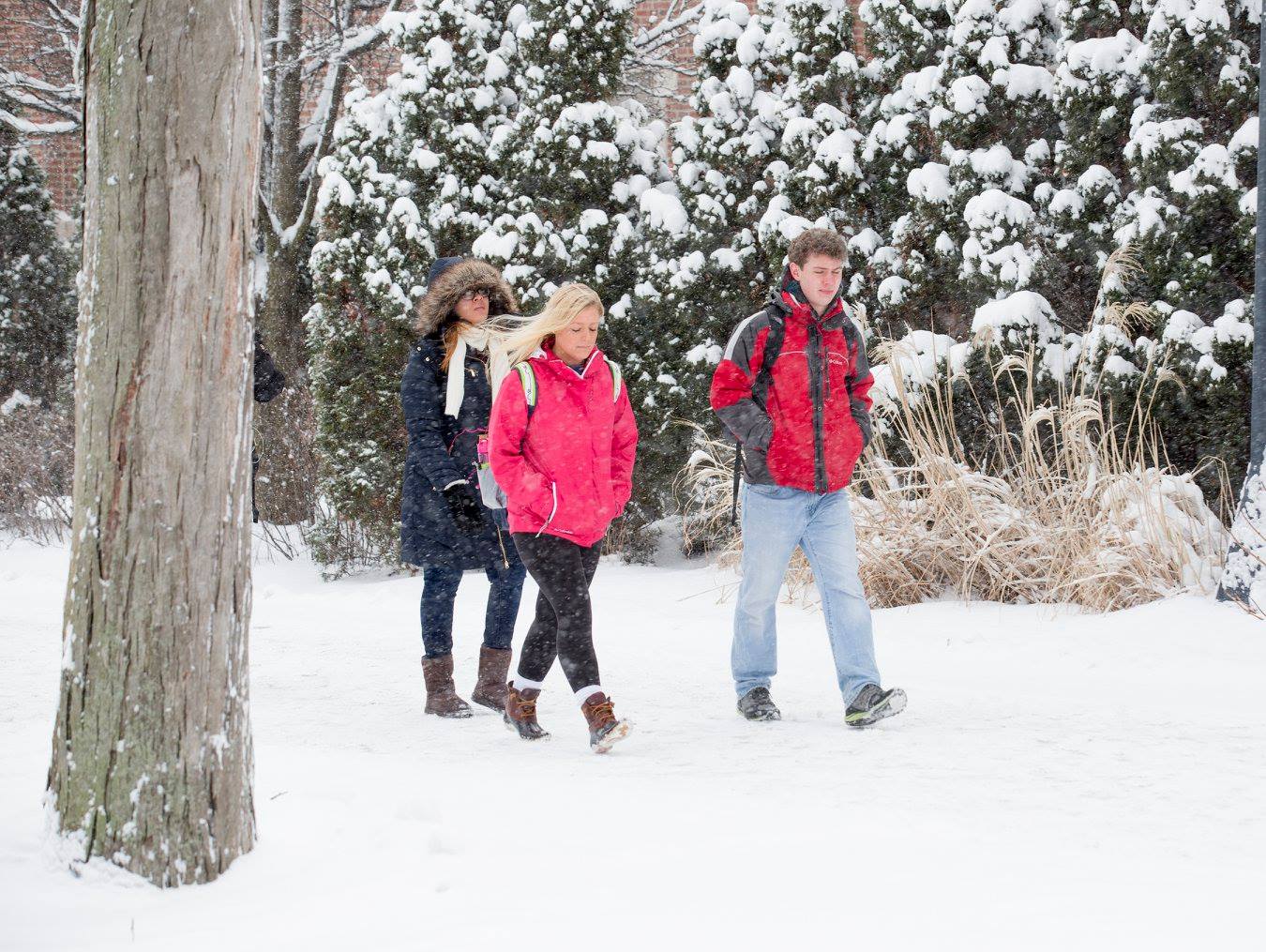
“Everyone begins as a child by liking Weather. You learn the art of disliking it as you grow up. Noticed it on a snowy day? The grown-ups are all going about groaning and saying it is ‘dreadful’ and they are nearly always worrying about some awful thing or other happening because of the snow. But the children? They are out in it, throwing snowballs, building snowmen, sliding down slopes on toboggans—having a marvelous time.” — C.S. Lewis (‘That Hideous Strength – A Modern Fairy Tale for Grownups, 1945)
New update alert! The 2022 update to the Trademark Assignment Dataset is now available online. Find 1.29 million trademark assignments, involving 2.28 million unique trademark properties issued by the USPTO between March 1952 and January 2023: https://t.co/njrDAbSpwB pic.twitter.com/GkAXrHoQ9T
— USPTO (@uspto) July 13, 2023
Standards Michigan Group, LLC
2723 South State Street | Suite 150
Ann Arbor, MI 48104 USA
888-746-3670
 |
 |
|
 |
 |
|
 |
 |