
Author Archives: mike@standardsmichigan.com
- Home
- Articles posted by mike@standardsmichigan.com (Page 135)


Blueberry Crisp
This content is accessible to paid subscribers. To view it please enter your password below or send mike@standardsmichigan.com a request for subscription details.

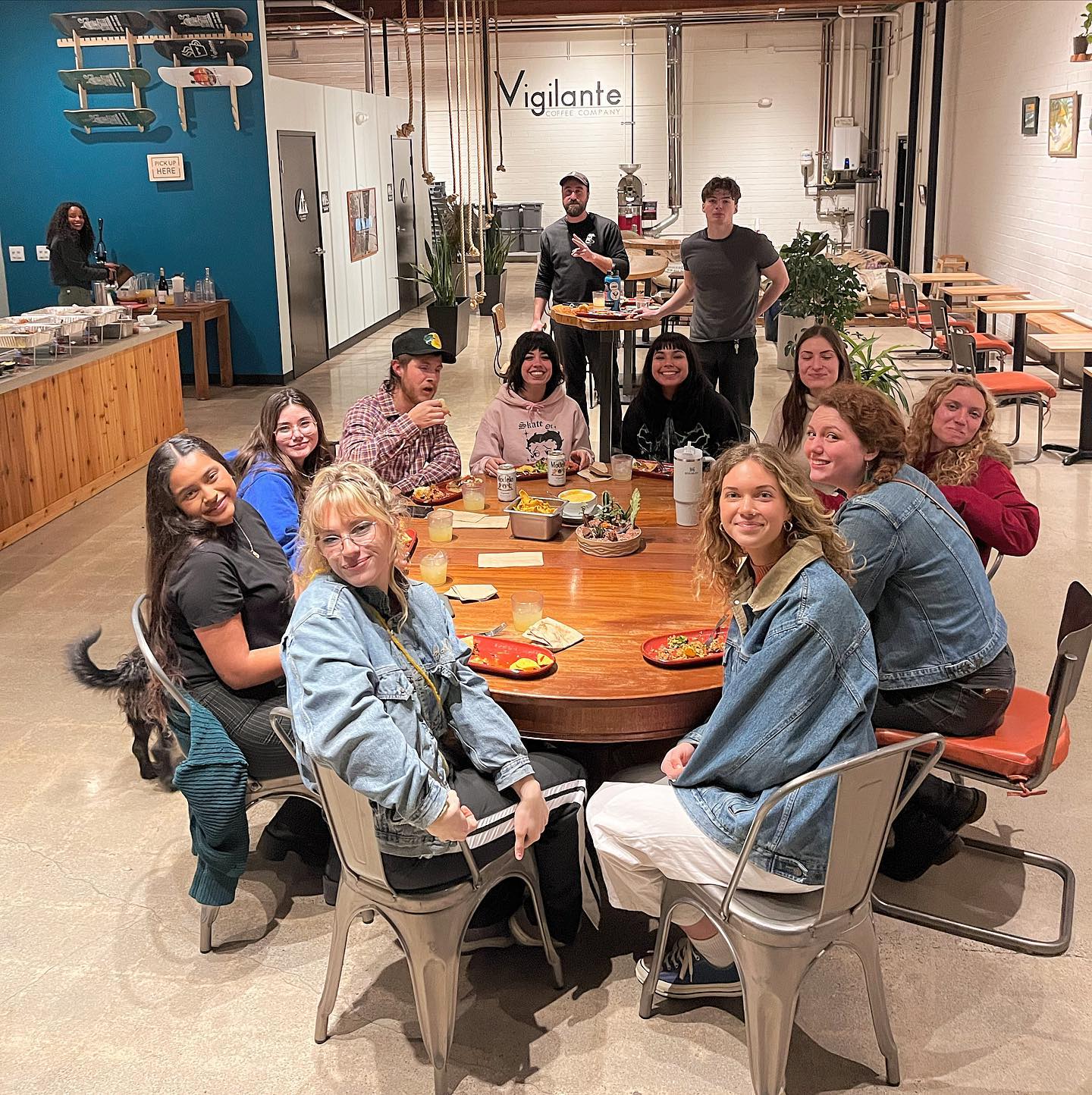
Vigilante Coffee
Big Ten Conference Inc 501(c)(3) | Net Assets: $246.918M
University of Maryland | The Rossborough Inn
During this season of gratitude and celebration, I offer heartfelt thanks to our #UMD family — students, faculty, staff, alumni and friends — for being a part of and making your unique contributions to our community. Happy Thanksgiving! pic.twitter.com/W8ojWUpPpT
— Wallace D. Loh (@presidentloh) November 28, 2019

Lively 500
The term “lively arts” is attributed to American writer and poet James Thurber. It was popularized in the mid-20th century as a way to describe various forms of performing arts, such as theater, dance, music, and other creative expressions.

Curtain for the Lviv Theatre of Opera and Ballet
“What art is, in reality, is this missing link, not the links which exist.
It’s not what you see that is art; art is the gap”
— Marcel Duchamp
Today we refresh our understanding of the literature that guides the safety and sustainability goals of lively art events in educational settlements. Consortia have evolved quickly in recent years, leading and lagging changes in the content creation and delivery domain. With this evolution a professional discipline has emerged that requires training and certification in the electrotechnologies that contribute to “event safety”; among them:
Cornell University Legal Information Institute: Schenck v. United States (1919)
“The most stringent protection of free speech would not protect a man in falsely shouting fire in a theatre and causing a panic.” — Justice Oliver Wendell Holmes
OSHA General Duty Clause: 29 U.S. Code § 654 – Duties of employers and employees

Standard 62.1: This standard establishes minimum ventilation rates and indoor air quality requirements for commercial buildings, including theaters and auditoriums.
Standard 55: This standard specifies thermal comfort conditions for occupants in indoor environments, which can have an impact on air quality.
Audio Visual and Experience Association
Entertainment Services and Technology Association
Set design model for Giuseppe Verdi’s Otello, created for a Paris production in 1895@GallicaBnF
print(“Lively Arts”)https://t.co/93JWrmLwPh pic.twitter.com/RRxuzmGT4r— Standards Michigan (@StandardsMich) December 10, 2021
The Johnny Carson School of Theatre & Film commits to the philosophy that students of the lively arts must be provided w/ practical skills for employment in industry &
educational settings.https://t.co/DRe7qWJKgW@NebCarsonSchool
Print(“Lively”) #StandardsNebraska pic.twitter.com/7K8zfXYlZj— Standards Michigan (@StandardsMich) February 4, 2022
International Code Council
International Building Code: Section 303.2 Assembly Group A-1
Illumination Engineering Society
RP-16-17 Lighting for Theatrical Productions: This standard provides guidance on the design and implementation of lighting systems for theatrical productions. It includes information on the use of color, light direction, and light intensity to create different moods and effects.
RP-30-15 Recommended Practice for the Design of Theatres and Auditoriums: This standard provides guidance on the design of theaters and auditoriums, including lighting systems. It covers topics such as seating layout, stage design, and acoustics, as well as lighting design considerations.
DG-24-19 Design Guide for Color and Illumination: This guide provides information on the use of color in lighting design, including color temperature, color rendering, and color mixing. It is relevant to theater lighting design as well as other applications.
Institute of Electrical and Electronic Engineers
Research on Safety Integrity Level Assessment for Stage Machinery of Temporary Performance Site
Necessity of Establishing the Stage Technical Standards for Outdoor Live Performance Theater
Comparison of Technical Systems between Outdoor Live Performance Stage and Indoor Theater Stage
National Center for Spectator Sports Safety and Security
National Fire Protection Association
Life Safety Code
National Electrical Code
Articles 518-540: Arenas, Lecture Halls & Theaters
Society of Motion Picture Technology Engineers
Professional Lighting and Sound Association
Dance and Athletic Floor Product Standards: ASTM F2118, EN 14904, DIN 18032-2
Incumbent standards-setting organizations such as ASHRAE, ASTM, ICC, IEEE, NFPA have also discovered, integrated and promulgated event safety and sustainability concepts into their catalog of best practice titles; many already incorporated by reference into public safety law. We explore relevant research on crowd management and spectator safety.

“Art is anything you can get away with” — Marshall McLuhan
More
International Code Council (N.B. Changes to its Code Development Process)
International Building Code: Entertainment Occupancies
Section 410: Stages, Platforms and Technical Production Areas
National Electrical Code: Articles 518 – 540
Code-Making Panel 15 (NEC-P15): Public Input Report 10/1/2020
Code-Making Panel 15 (NEC-P15): Public Comment Report 11/18/2021
ASHRAE 62.1 Ventilation for Acceptable Indoor Air Quality
Princeton University: Set Design & Construction
Building the Virtual Stage: A System for Enabling Mixed Reality Theatre
University of California: Special Effects Safety and Loss Prevention
University of San Francisco Special Effects Safety
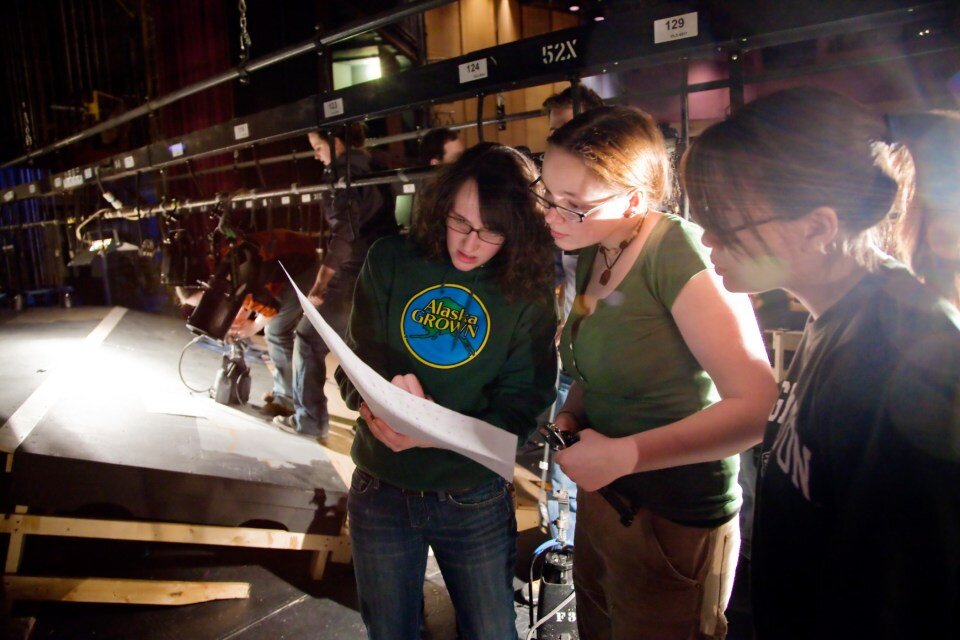



door (n.)
ICC Group A Monograph (April 2024)
Note 80 school-related entrance and egress concepts (Search term: “School”)
2024 Group A Proposed Changes to the I-Codes (October 2024)
Note 40 school-related entrance and egress concepts (Search term: “School”)
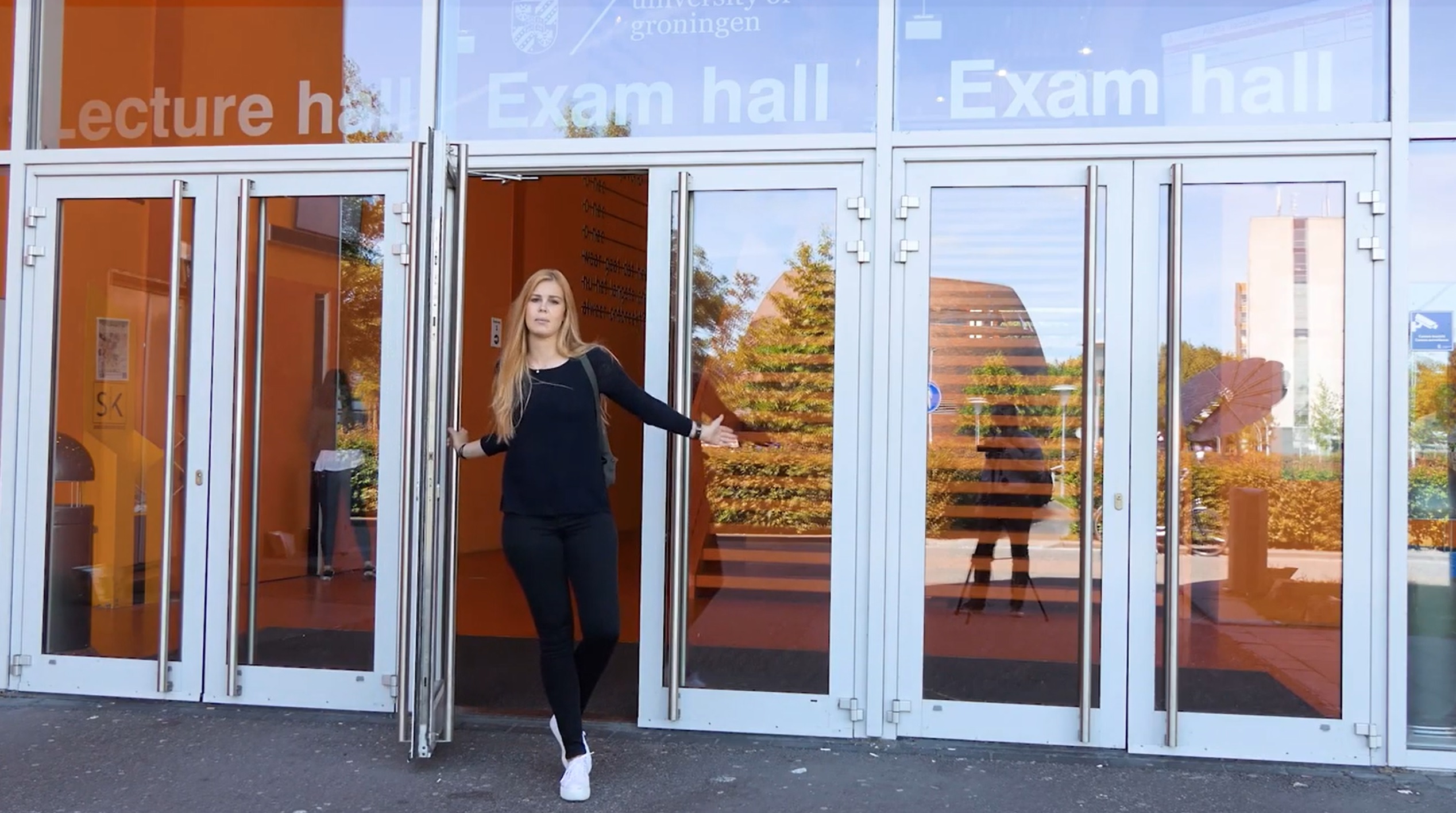 Doors have long since been a simple “opening” or “fenestration”. Doors are “portals”; nodes on the geometry of the Internet of Small Things. There are 100’s of thousands of these nodes on any single college, university or school district. First costs run from $1000 per door in a classroom to $100,000 per door in hospitals with maintenance and operation costs commensurate with complexity of the hardware and software needed to maintain integration of the door with building security and energy systems.
We find the bulk of best practice identified in the catalogs of the following accredited standards developers for the United States construction markets:
ASTM International
Conflicting Requirements of Exit Doors
Standard Practice for Installation of Exterior Windows, Doors and Skylights
Repair Methods for Common Water Leaks at Operable Windows and Sliding Glass Doors
Builders Hardware Manufacturers Association
International Code Council
International Building Code Chapter 10:
Chapter 24: Glass and Glazing
Accessibility Requirements (Referenced from ICC A117.1)
Energy Efficiency (Referenced from IECC)
“At School Doors” 1897 | Nikolay Bogdanov-Belskyhttps://t.co/FV2W5z42xY
46454E4553544154494F4Ehttps://t.co/1GCno4M9EV pic.twitter.com/nZFSx82gwk— Standards Michigan (@StandardsMich) April 17, 2024
IEEE Current Issues and Recent Research
National Fire Protection Association
Steel Door Institute
University of Michigan Design Guideline 4.7: Building Access Control
University of Michigan Electrical Division 28: Electronic Safety and Security
The oldest door still in use in Pantheon, Rome – Italy.
Cast in bronze for emperor Hadrian’s rebuilding, dated about 115 AD.#archaeohistories pic.twitter.com/Pjy4JYwDa2
— ArchaeoHistories (@histories_arch) September 14, 2022
The US federal government and all 50-states adapt safety and sustainability concepts from the foregoing publishers; either partially or whole cloth.
Today at the usual hour we examine the moment in the standard of care for doors in education communities in the United States. Join the colloquium with the login credentials at the upper right of our home page.
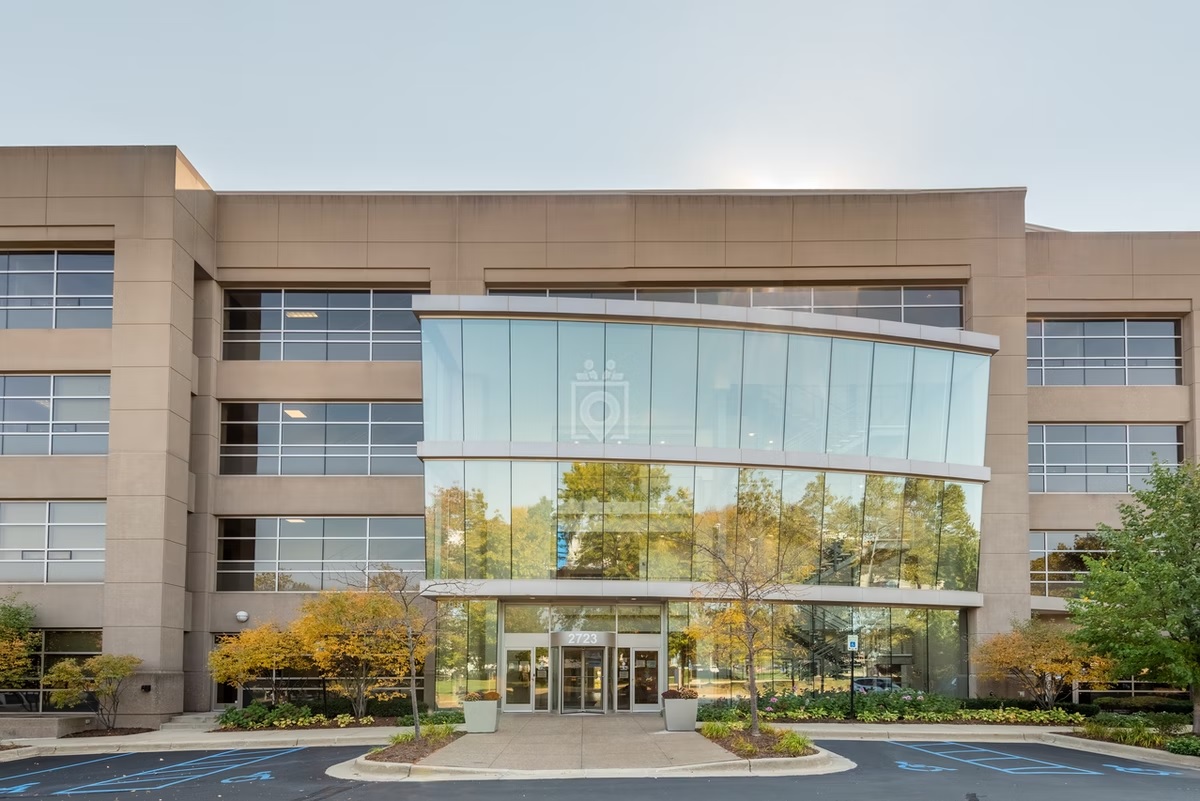
Standards Michigan Office Ann Arbor Michigan | 2723 South State Street Suite 150
It's all about those little details, folks! How cool is this hand-finished brass hinge??! It's one of our favorites.
You can find at House of Antique Hardware in their antique-by-hand finish. You can thank us later 🙂 pic.twitter.com/7C0kxGe31N
— Building Culture (@Build_Culture) January 19, 2025
When the startup matures to the point of getting a front door sign 🥹 pic.twitter.com/vGDXRb2o6x
— Lauren Stopfer, PhD (@lstops) September 25, 2023
It’s lovely to see us all together 😍 pic.twitter.com/nNz8q9OJfw
— Magdalen College (@magdalenoxford) September 27, 2023
St. Ambrose University
This content is accessible to paid subscribers. To view it please enter your password below or send mike@standardsmichigan.com a request for subscription details.

Neonatal Care Units

Today at 16:00 UTC we examine the interaction among several standards catalogs of ANSI accredited, consortia and ad hoc electrotechnology standards developers with respect to governmental regulation of maternity and neonatal care at all levels.
 University of Kentucky
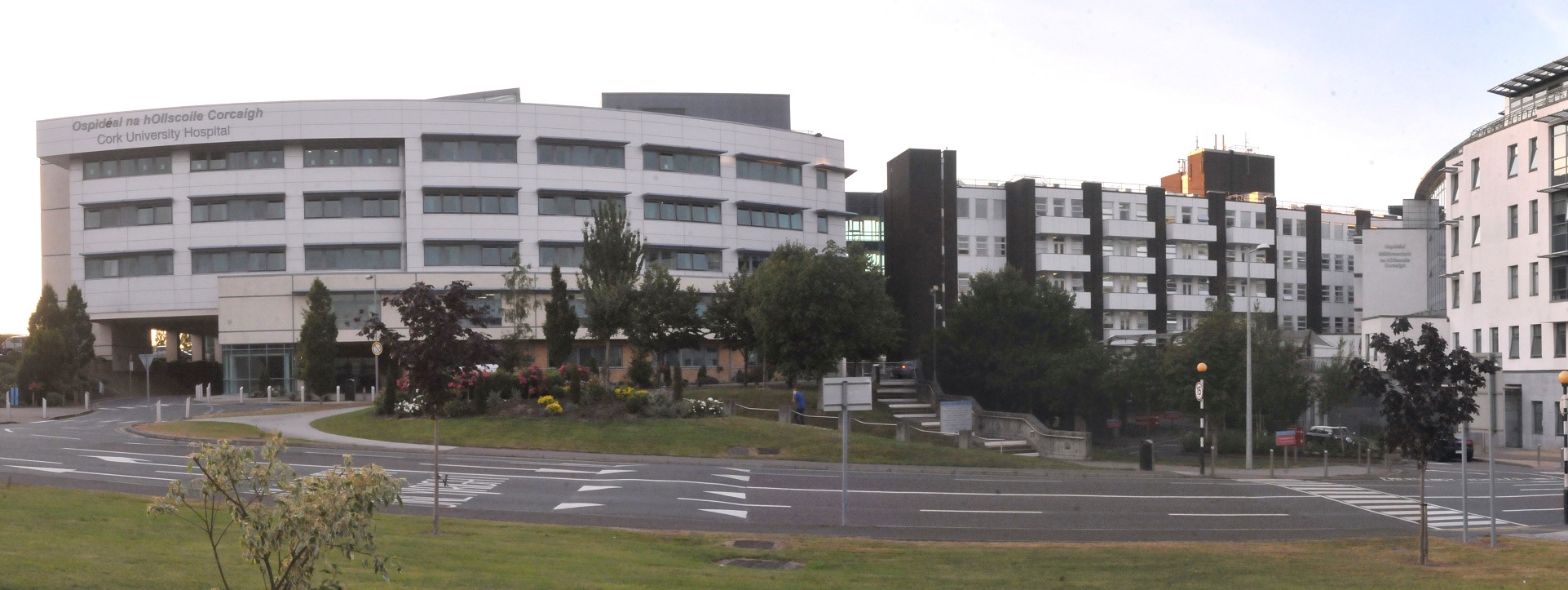
 Coláiste na hOllscoile Corcaigh | Béal Feirste
 Universitair Medisch Centrum Groningen
 Vanderbilt University | Davidson County Tennessee
 Stony Brook University New York
Architectural standards for Neonatal Intensive Care Units (NICUs) are designed to create a safe, efficient, and healing environment for newborns requiring intensive medical care. These standards encompass various aspects, including layout, space requirements, environmental controls, and infection control. Here are the key architectural standards for NICUs:
1. Space Requirements
Single-Patient Rooms: Preferably, NICUs should have single-patient rooms to reduce the risk of infection and provide privacy for families. The recommended size for each room is around 150 square feet.
Open Bay Design: If single-patient rooms are not feasible, open bay designs with a minimum of 120 square feet per infant space should be considered.
Family Areas: Incorporate family zones within or adjacent to the patient care area to support family involvement in care.
2. Environmental Controls
Lighting: Use adjustable lighting to mimic natural day-night cycles. Dimmable and indirect lighting is recommended to reduce stress on infants.
Noise Control: Implement sound-absorbing materials and design to maintain noise levels below 45 decibels. Alarms and other auditory signals should be as non-disruptive as possible.
Temperature and Humidity: Maintain a controlled environment with temperatures between 72-78°F and relative humidity between 30-60% to support the infants’ thermal regulation.
3. Infection Control
Hand Hygiene Facilities: Provide sinks with touchless faucets in each patient room and strategically placed hand sanitizer dispensers.
Air Quality: Use HEPA filtration systems to maintain high air quality and reduce airborne infections. Ensure proper ventilation and air exchange rates.
Surfaces and Materials: Use easily cleanable and antimicrobial surfaces and materials to minimize the risk of infection.
4. Functional Design
Nurse Stations: Design nurse stations to have a clear line of sight to all patient areas. Centralized and decentralized stations can be used depending on the layout.
Equipment and Storage: Include adequate storage space for medical equipment and supplies within close proximity to patient care areas. Ensure equipment is easily accessible yet out of the way to prevent clutter.
Utilities and Support Spaces: Provide adequate space for utilities such as oxygen, medical gases, electrical outlets, and data ports. Support spaces should include areas for medication preparation, clean and dirty utility rooms, and staff break areas.
5. Safety and Accessibility
Emergency Access: Ensure clear and unobstructed pathways for emergency access and equipment transport.
Accessibility: Design the unit to be fully accessible to staff, patients, and families, including those with disabilities. Compliance with ADA (Americans with Disabilities Act) standards is essential.
Security: Implement security measures to control access to the NICU, including electronic access control systems and surveillance cameras.
6. Aesthetic and Healing Environment
Color and Decor: Use calming colors and artwork to create a soothing environment. Avoid bright or overly stimulating colors.
Nature Integration: Where possible, incorporate natural elements such as views of nature, indoor plants, and natural light to promote a healing environment.
7. Flexibility and Future Expansion
Modular Design: Use a modular design approach to allow for easy reconfiguration and future expansion of the NICU as needed.
Scalability: Plan for scalable infrastructure to accommodate technological advancements and changing patient care needs.
These architectural standards aim to provide a safe, efficient, and supportive environment for both the infants and their families, while also meeting the operational needs of healthcare providers.
Case Studies:
Neonatal Clinical Outcomes: a Comparative Analysis
Camera-Based Heart Rate Variability for Estimating the Maturity of Neonatal Autonomic Nervous System
Modulation frequency analysis of seizures in neonatal EEG
EEG ‘diarization’ for the description of neonatal brain injuries
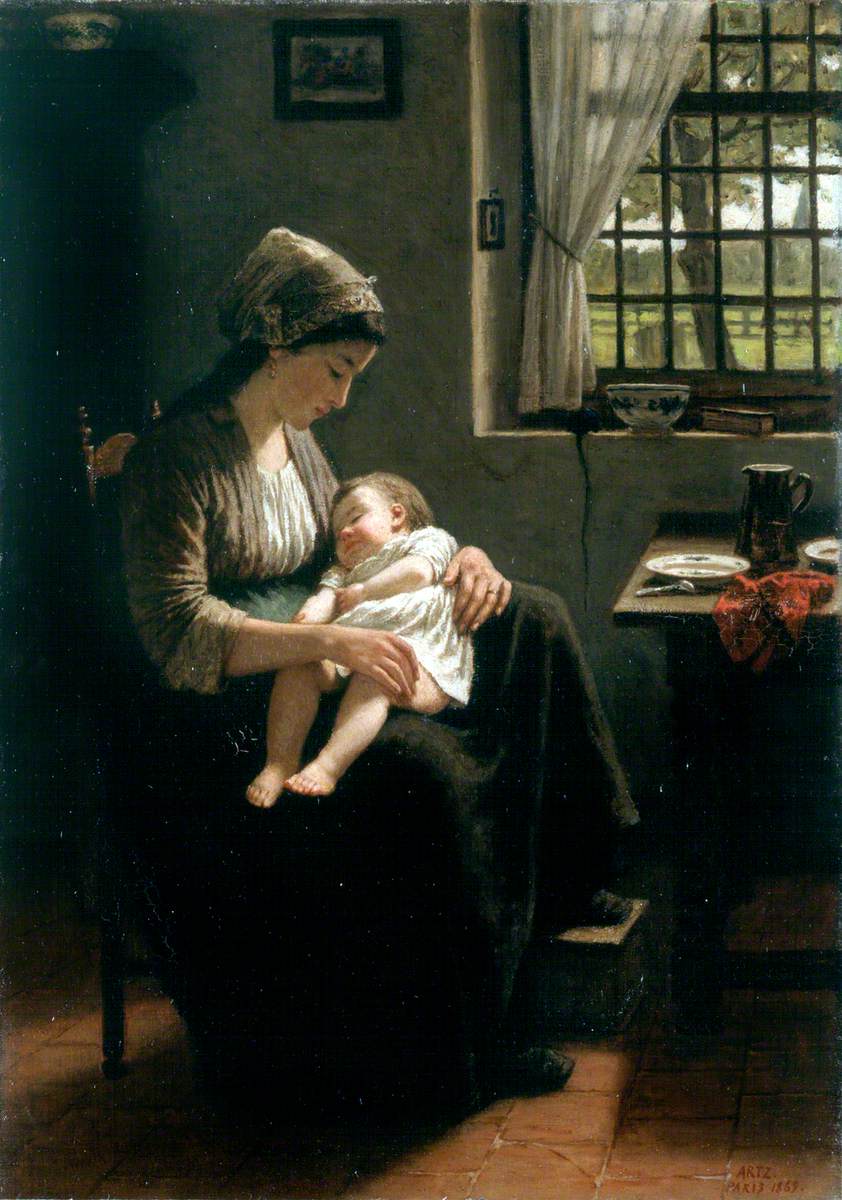
List of colleges and universities with extensive neonatal research and clinical facilities:
East Coast
-
- Harvard University (Boston, MA)
- Affiliated with Boston Children’s Hospital and Brigham and Women’s Hospital.
- Specialized centers for neonatal intensive care and research.
- Johns Hopkins University (Baltimore, MD)
- Strong neonatal research through the Johns Hopkins Children’s Center.
- Columbia University (New York, NY)
- Known for the Morgan Stanley Children’s Hospital and advanced neonatal care.
- University of Pennsylvania (UPenn) (Philadelphia, PA)
- Penn Medicine and Children’s Hospital of Philadelphia (CHOP) collaborate on neonatal studies.
- Harvard University (Boston, MA)
Midwest
-
- University of Chicago (Chicago, IL)
- Comer Children’s Hospital focuses on neonatal care and research.
- University of Michigan (Ann Arbor, MI)
- The C.S. Mott Children’s Hospital has a Level IV NICU and leads neonatal innovation.
- Washington University in St. Louis (St. Louis, MO)
- Affiliated with St. Louis Children’s Hospital for neonatal research.
- University of Chicago (Chicago, IL)
South
-
- Duke University (Durham, NC)
- Duke Children’s Hospital is known for its neonatal-perinatal research.
- University of Texas Southwestern Medical Center (Dallas, TX)
- Conducts cutting-edge neonatal research in partnership with Parkland Hospital.
- Vanderbilt University (Nashville, TN)
- The Monroe Carell Jr. Children’s Hospital has a strong neonatal program.
- Duke University (Durham, NC)
West Coast
-
- Stanford University (Stanford, CA)
- Lucile Packard Children’s Hospital is a leader in neonatal research and care.
- University of California, San Francisco (UCSF) (San Francisco, CA)
- Renowned for its neonatology program and neonatal clinical trials.
- University of Washington (Seattle, WA)
- Affiliated with Seattle Children’s Hospital for neonatal research.
- Stanford University (Stanford, CA)
International
-
- University of Toronto (Toronto, Canada)
- SickKids Hospital is a global leader in neonatal care and research.
- University College London (UCL) (London, UK)
- Neonatal research at Great Ormond Street Hospital and University College Hospital.
- University of Melbourne (Melbourne, Australia)
- Affiliated with the Royal Children’s Hospital and its neonatal programs.
- University of Toronto (Toronto, Canada)

Healthcare Facilities Code

“The Doctor” 1891 Sir Luke Fildes
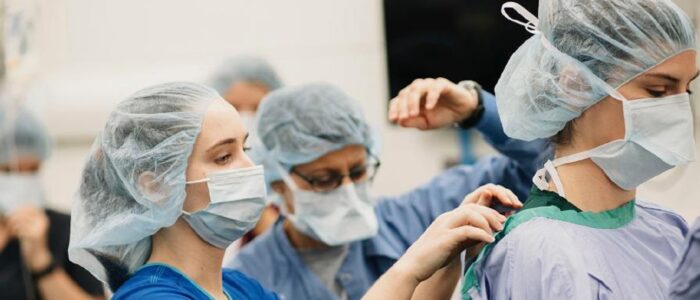
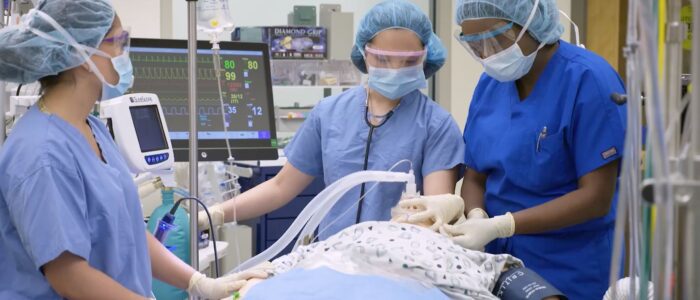
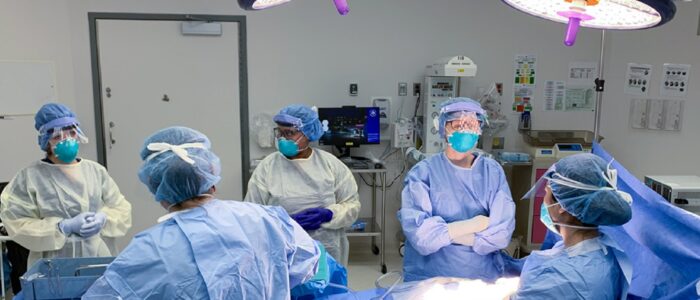
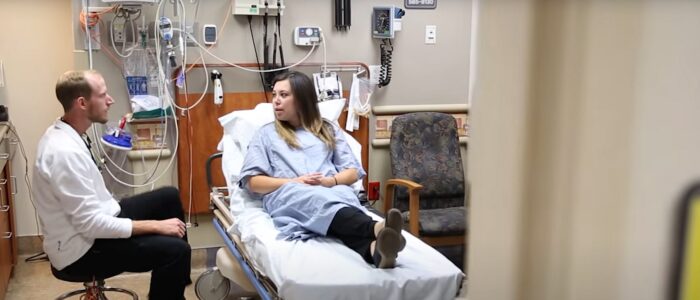
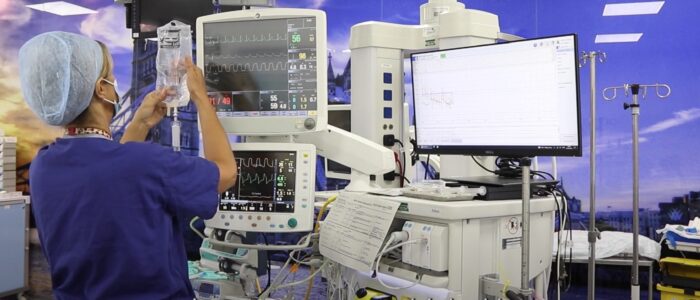
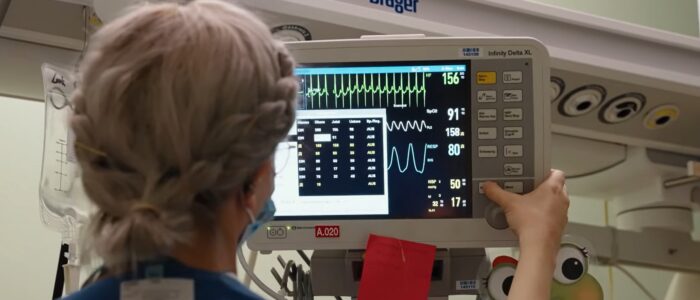
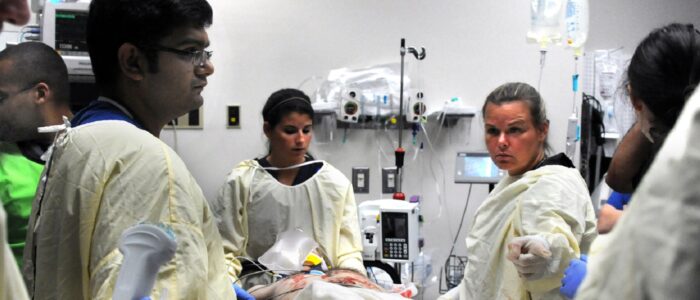
The NFPA 99 Healthcare Facilities Code committee develops a distinct consensus document (i.e. “regulatory product”) that is distinct from National Electrical Code Article 517; though there are overlaps and gaps that are the natural consequence of changing technology and regulations. It is worthwhile reviewing the scope of each committee:
NFPA 99 Scope: This Committee shall have primary responsibility for documents that contain criteria for safeguarding patients and health care personnel in the delivery of health care services within health care facilities: a) from fire, explosion, electrical, and related hazards resulting either from the use of anesthetic agents, medical gas equipment, electrical apparatus, and high frequency electricity, or from internal or external incidents that disrupt normal patient care; b) from fire and explosion hazards; c) in connection with the use of hyperbaric and hypobaric facilities for medical purposes; d) through performance, maintenance and testing criteria for electrical systems, both normal and essential; and e) through performance, maintenance and testing, and installation criteria: (1) for vacuum systems for medical or surgical purposes, and (2) for medical gas systems; and f) through performance, maintenance and testing of plumbing, heating, cooling , and ventilating in health care facilities.
NFPA 70 Article 517 Scope: The provisions of this article shall apply to electrical construction and installation criteria in healthcare facilities that provide services to human beings. The requirements in Parts II and III not only apply to single-function buildings but are also intended to be individually applied to their respective forms of occupancy within a multi-function building (e.g. a doctor’s examining room located within a limited care facility would be required to meet the provisions of 517.10) Informational Note: For information concerning performance, maintenance, and testing criteria, refer to the appropriate health care facilities documents.
In short, NFPA 70 Article 517 is intended to focus only on electrical safety issues though electrotechnology complexity and integration in healthcare settings (security, telecommunications, wireless medical devices, fire safety, environmental air control, etc.) usually results in conceptual overlap with other regulatory products such as NFPA 101 (Life Safety Code) and the International Building Code.

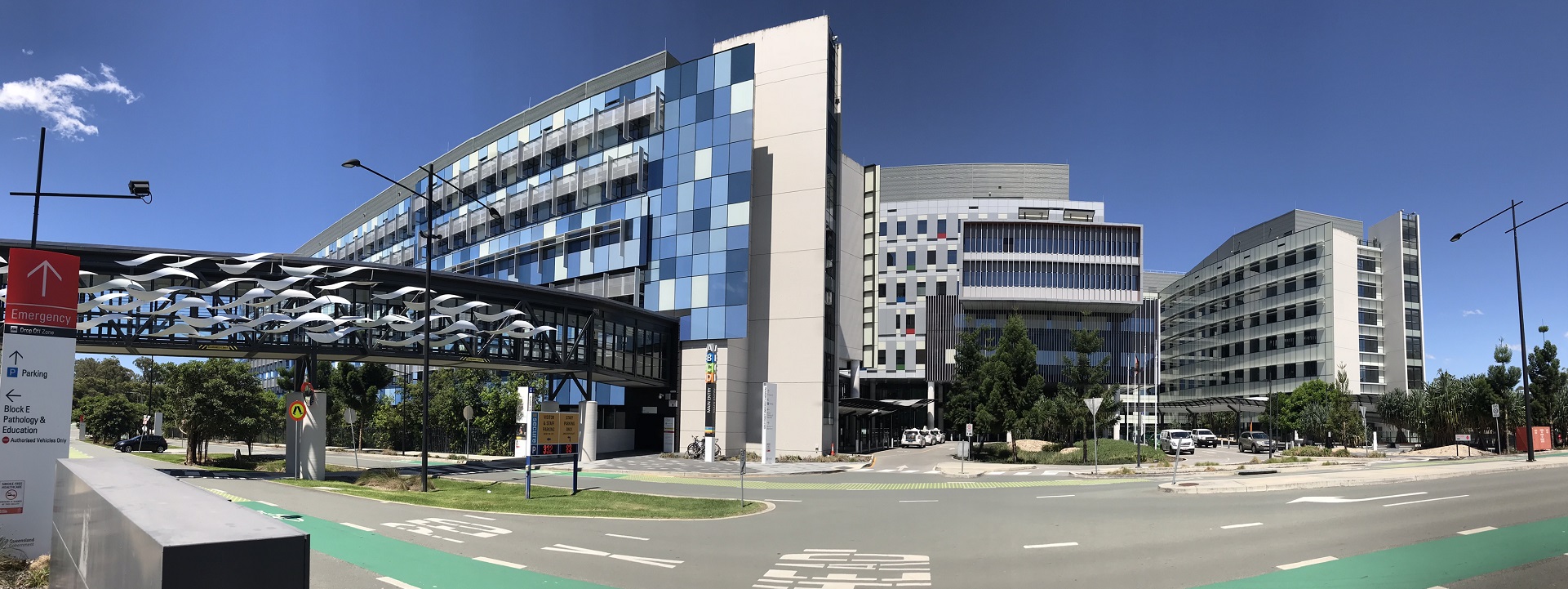
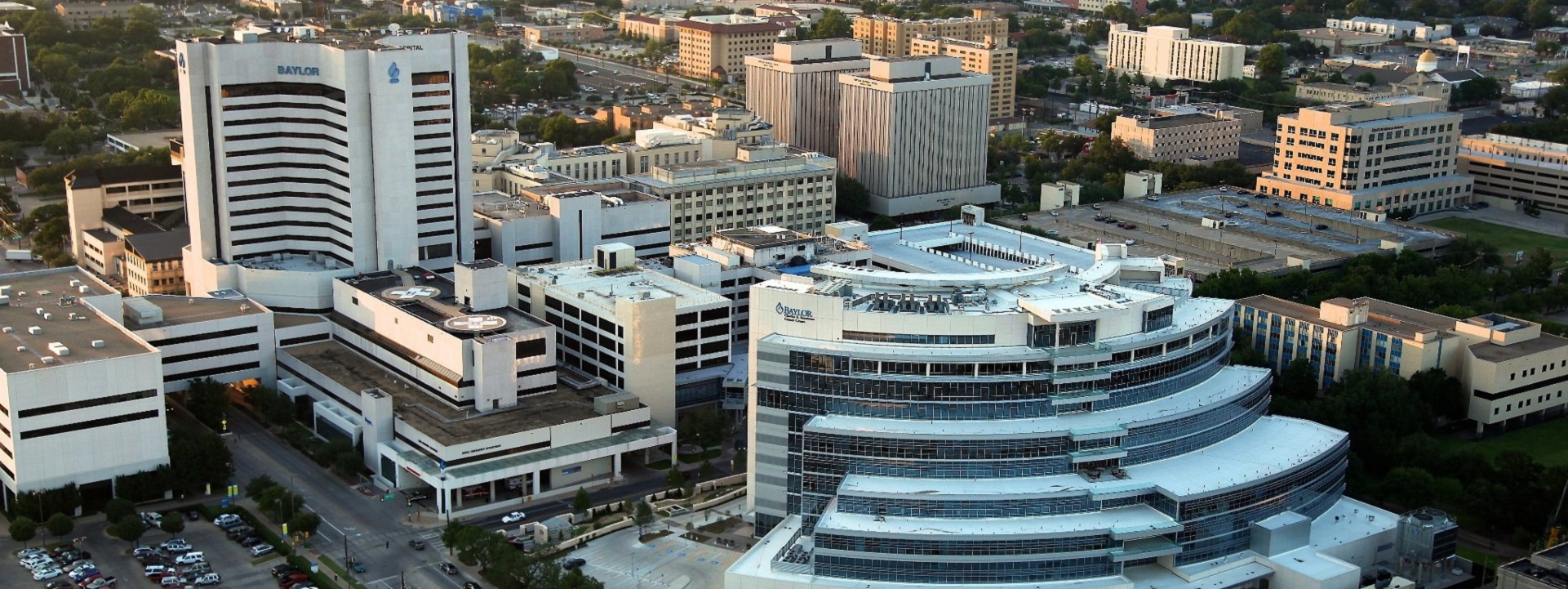
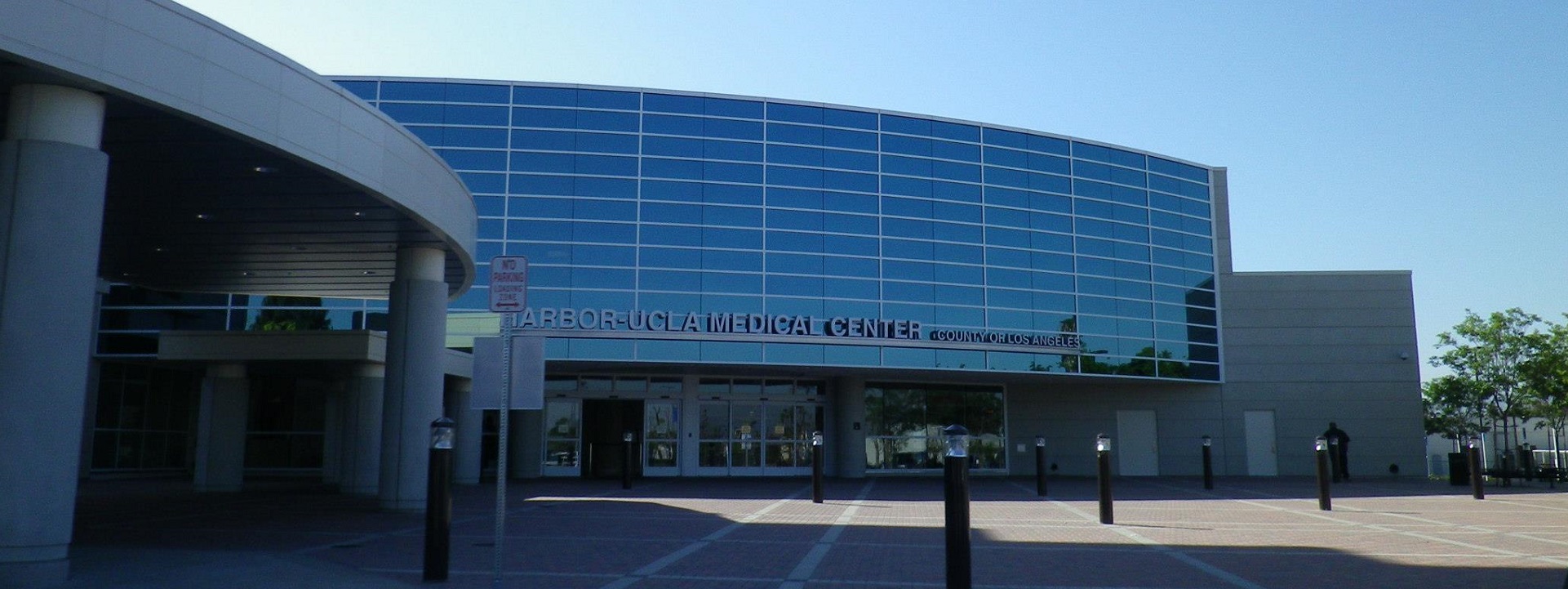
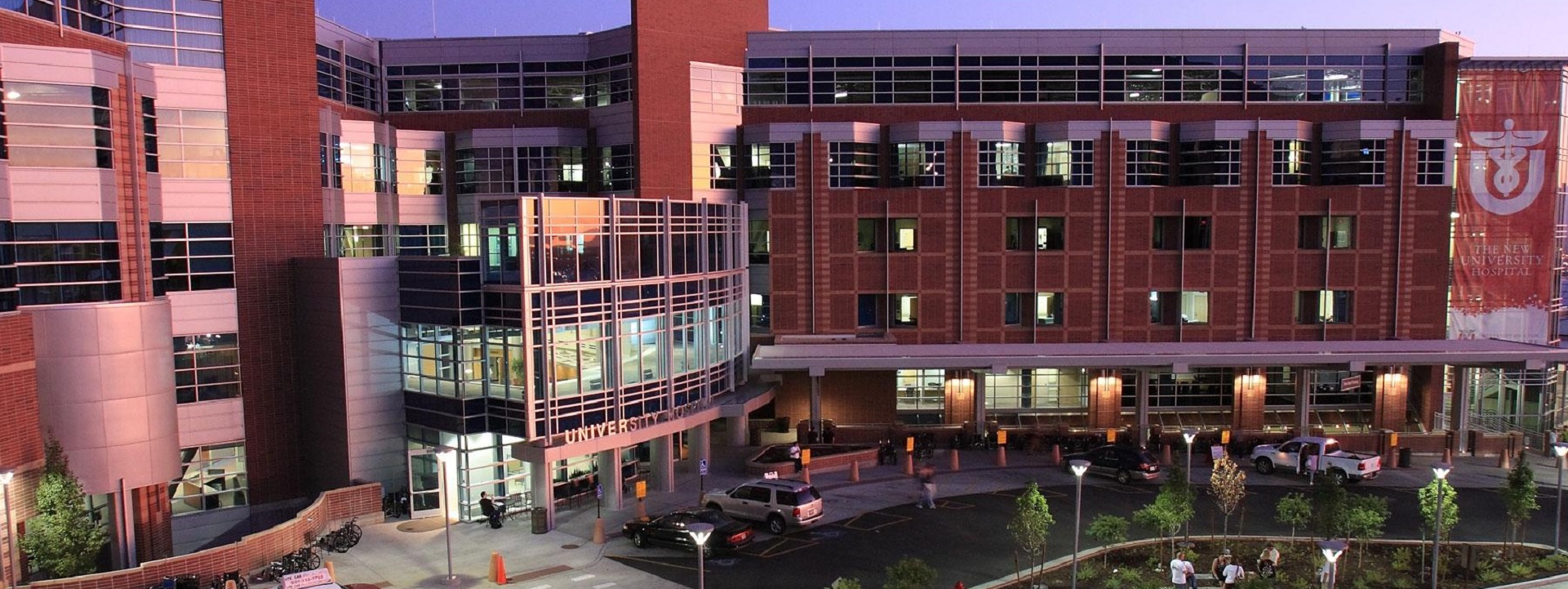
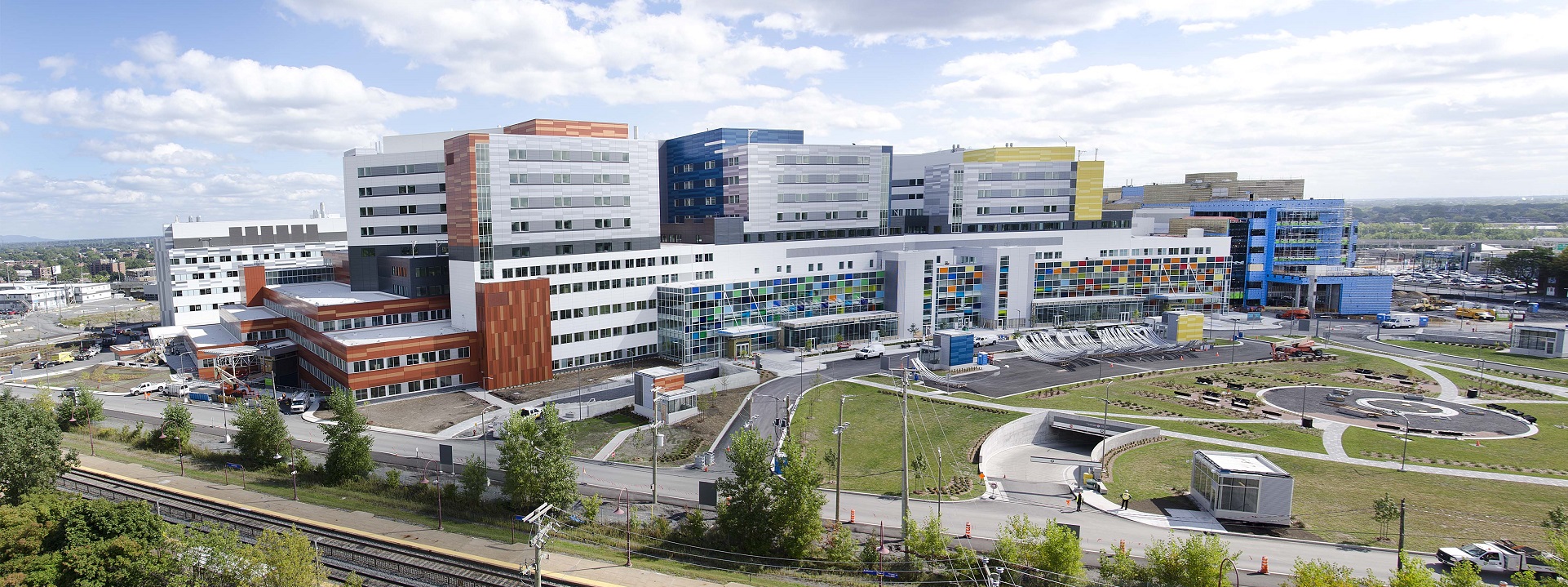
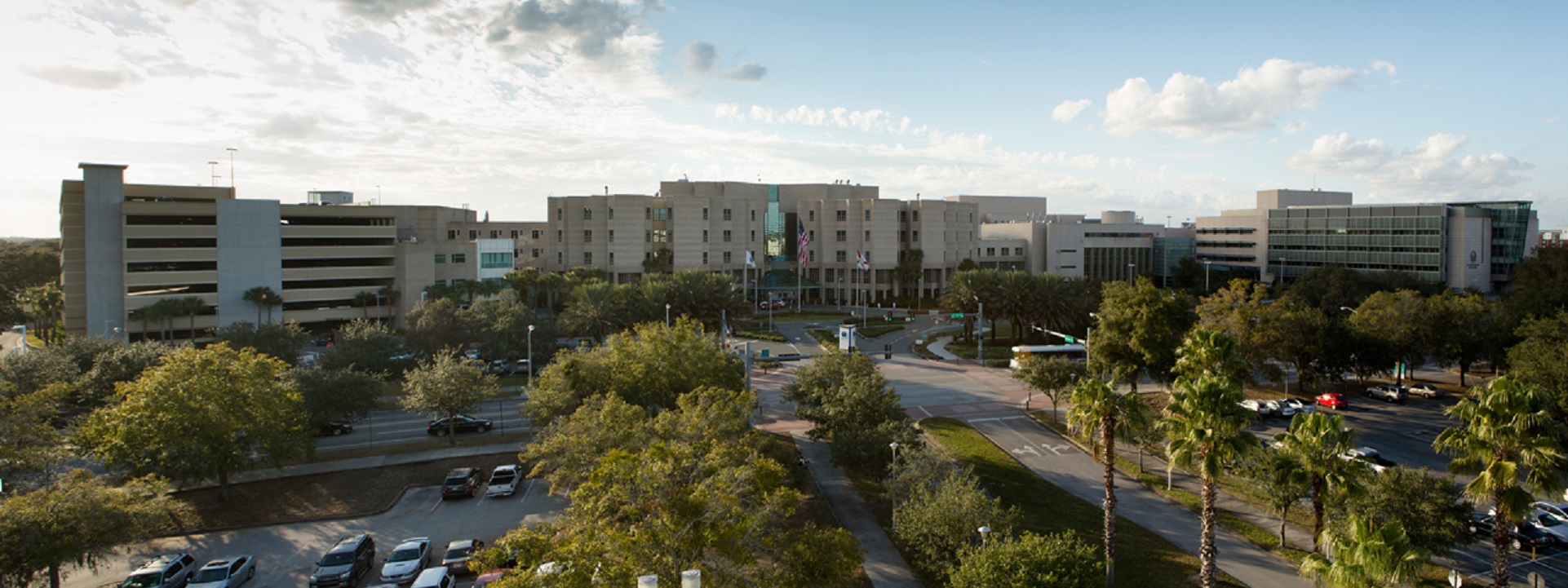
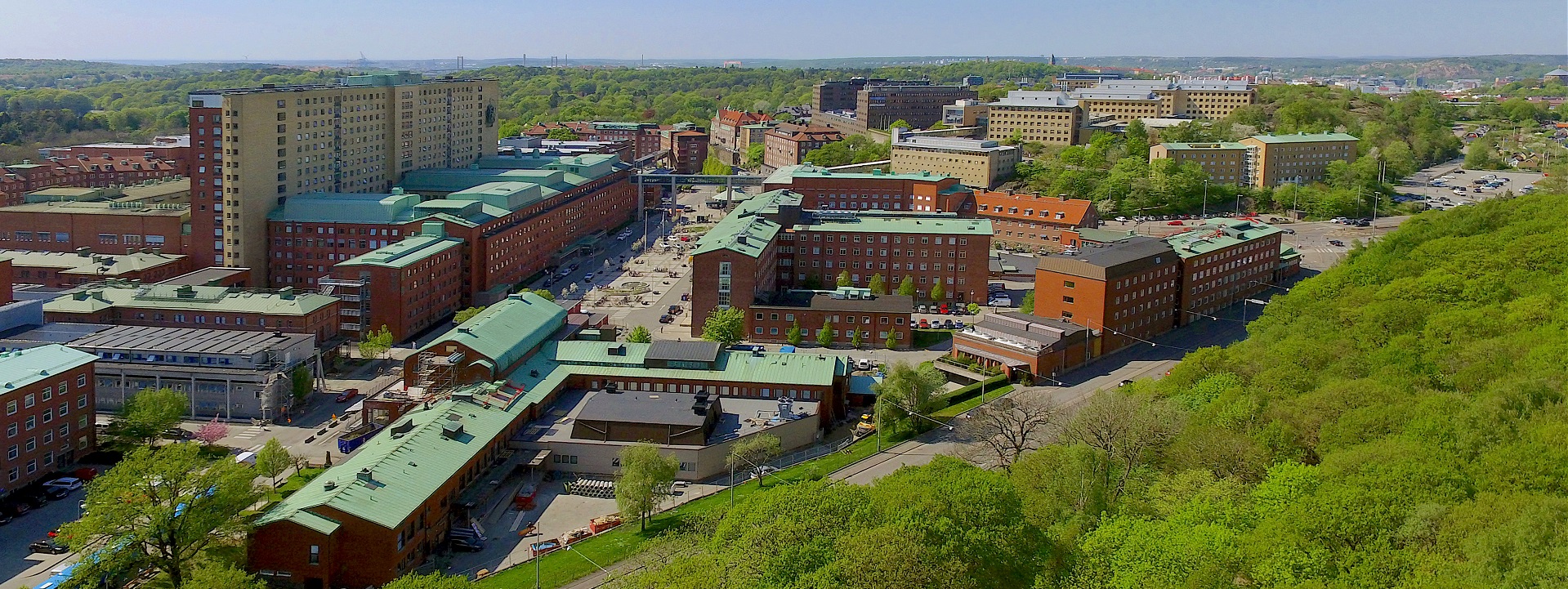
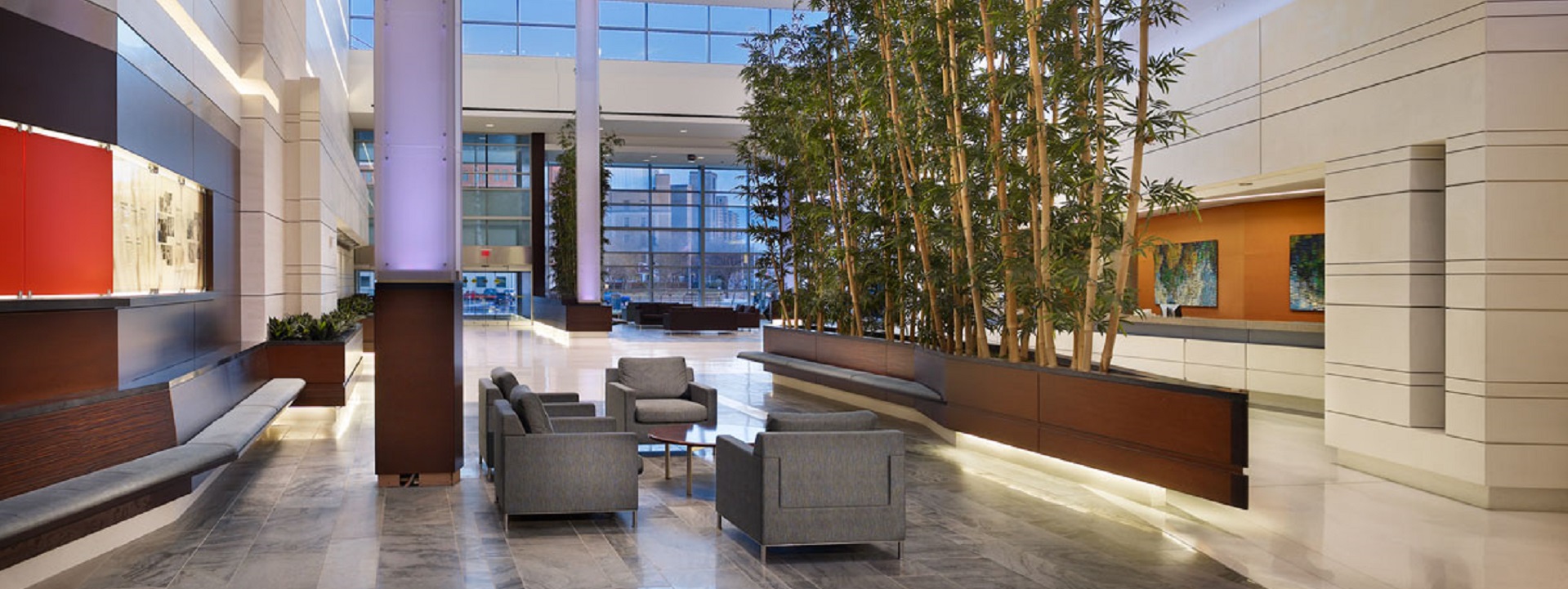
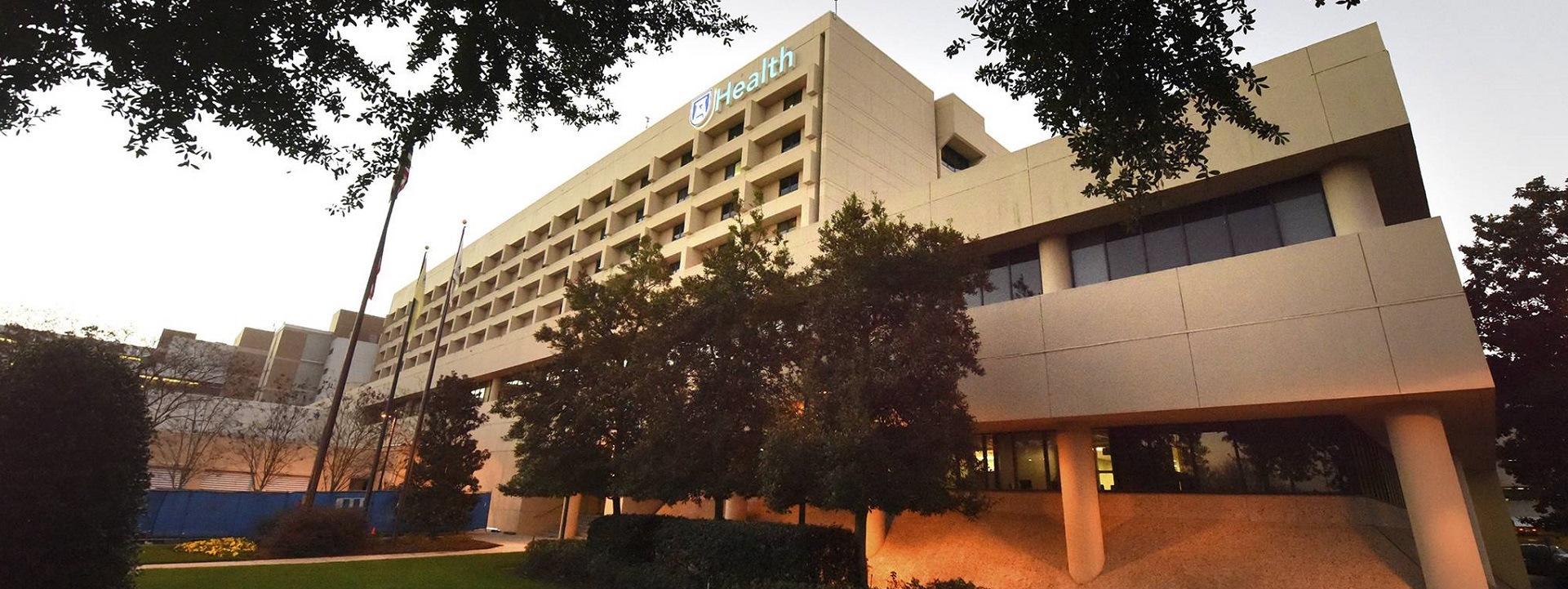

Several issues were recently debated by the Article 517 technical committee during the 2023 National Electrical Code Second Draft meetings
- The conditions under which reconditioned electrical equipment be installed in healthcare settings; contingent on listing and re-certification specifics.
- Relaxation of the design rules for feeder and branch circuit sizing through the application of demand factors.
- Application of ground fault circuit interrupters.
- “Rightsizing” feeder and branch circuit power chains (Demand factors in Section 517.22)
- Patient care space categories
- Independence of power sources (517.30)
There are, of course, many others, not the least of which involves emergency management. For over 20 years our concern has been for the interdependency of water and electrical power supply to university hospitals given that many of them are part of district energy systems.
We need to “touch” this code at least once a month because of its interdependence on other consensus products by other standards developing organizations. To do this we refer NFPA 99 standards action to the IEEE Education & Healthcare Facilities Committee which meets online four times monthly in European and American time zones.
The transcript of NEC Article 517 Public Input for the 2023 revision of NFPA 70 is linked below. (You may have to register your interest by setting up a free-access account):
Code-Making Panel 15 (NEC-P15) Public Input Report
Code-Making Panel 15 (NEC-P15) Public Comment Report
Technical committees will meet in June to endorse the 2023 National Electrical Code.
Public consultation on the Second Draft closes May 31st. Landing page for selected sections of the 2024 revision of NFPA 99 are linked below:
Health Care Emergency Management and Security (HEA-HES)
Second Draft Comments are linked below:
Health Care Emergency Management and Security (HEA-HES)
NITMAM closing date: March 28, 2023
We break down NFPA 70 and NFPA 99 together and keep them on the standing agenda of both our Power and Health colloquia; open to everyone. See our CALENDAR for the next online meeting.


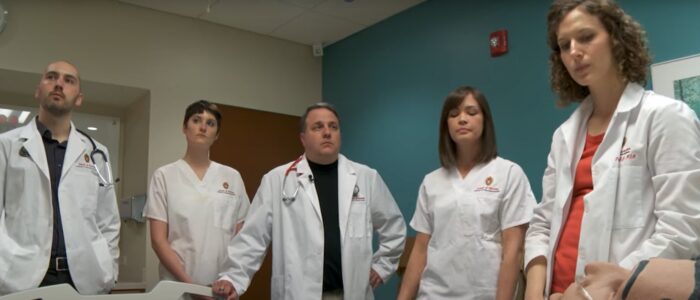
Issues: [12-18, [15-97] and [16-101]
Contact: Mike Anthony, Jim Harvey, Robert Arno, Josh Elvove, Joe DeRosier, Larry Spielvogel
NFPA Staff Liaison: Jonathan Hart
New update alert! The 2022 update to the Trademark Assignment Dataset is now available online. Find 1.29 million trademark assignments, involving 2.28 million unique trademark properties issued by the USPTO between March 1952 and January 2023: https://t.co/njrDAbSpwB pic.twitter.com/GkAXrHoQ9T
— USPTO (@uspto) July 13, 2023
Standards Michigan Group, LLC
2723 South State Street | Suite 150
Ann Arbor, MI 48104 USA
888-746-3670
DIRECTIONS
 |
 |
|
 |
 |
|
 |
 |