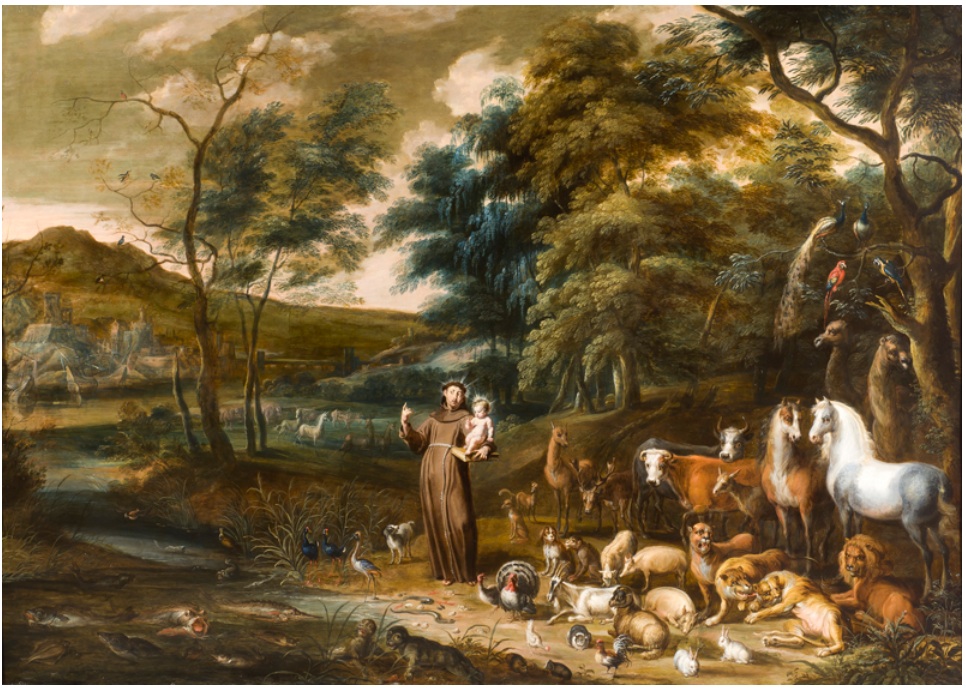
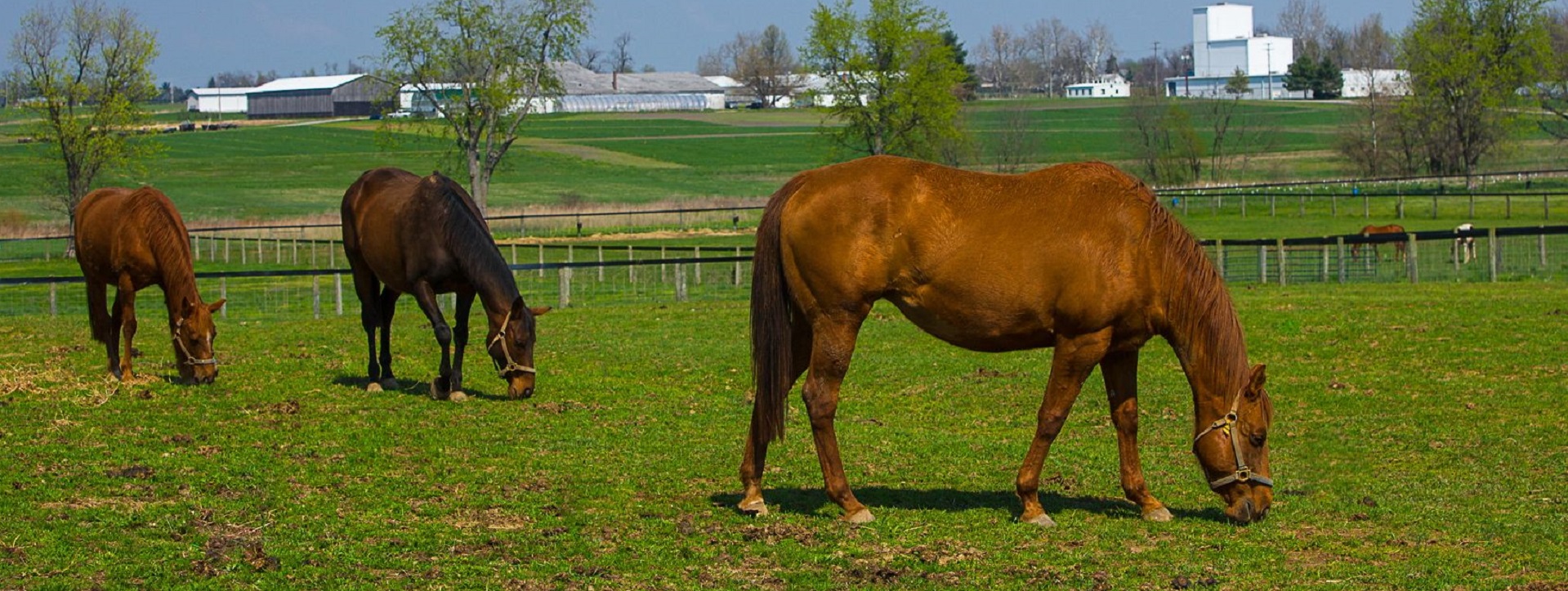
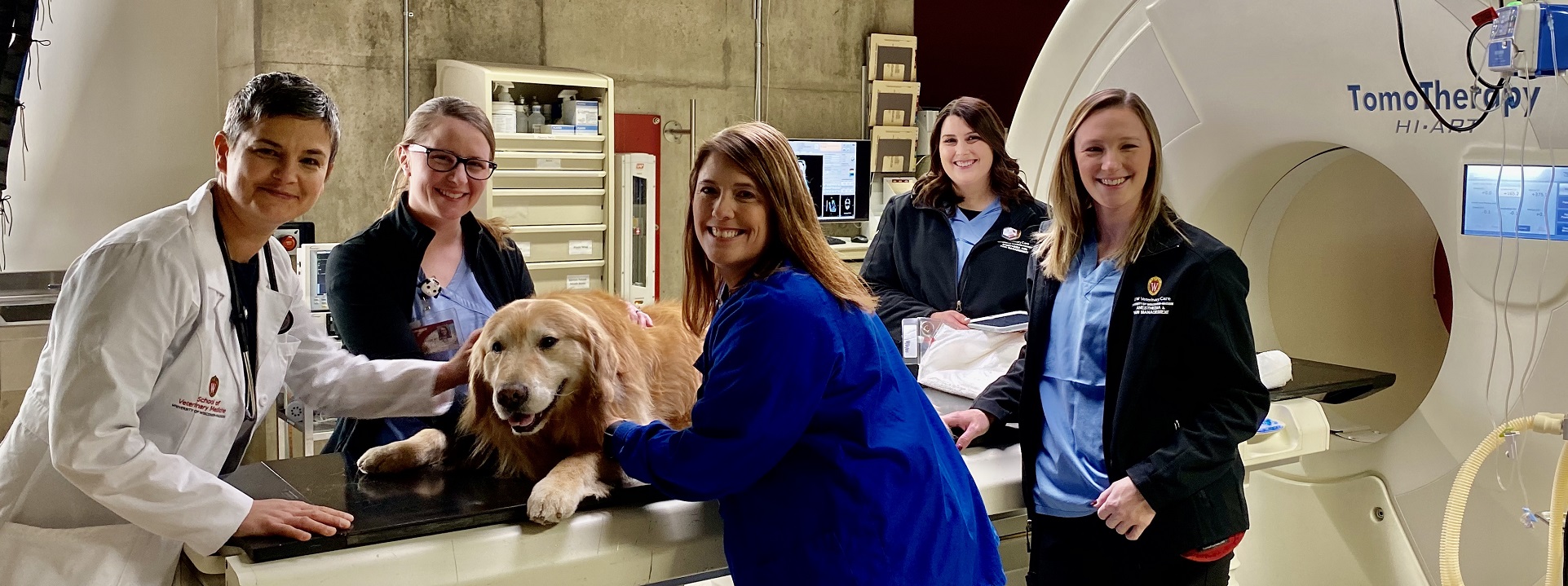
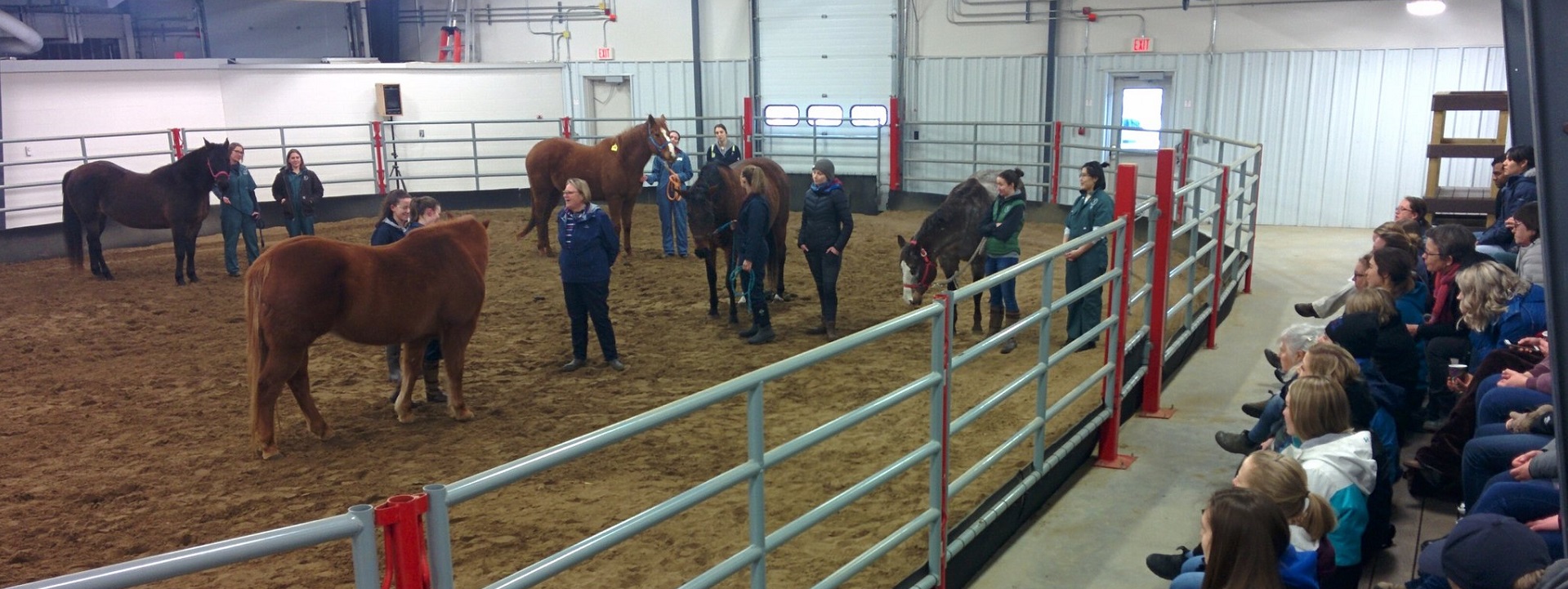
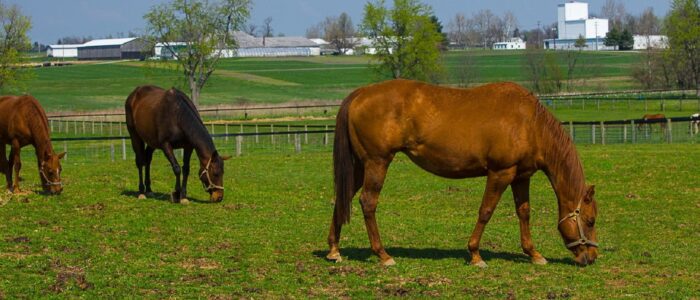
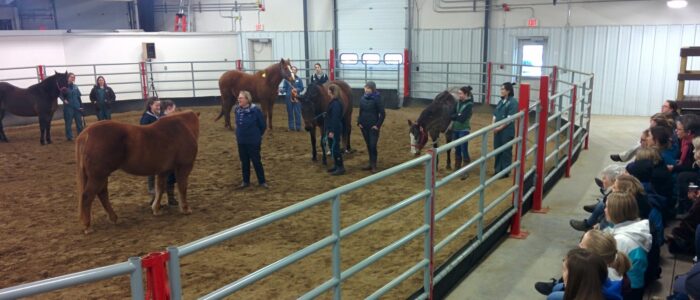
The Congress finds that animals and activities which are regulated under this chapter are either in interstate or foreign commerce or substantially affect such commerce or the free flow thereof, and that regulation of animals and activities as provided in this chapter is necessary to prevent and eliminate burdens upon such commerce and to effectively regulate such commerce, in order—
(1) to insure that animals intended for use in research facilities or for exhibition purposes or for use as pets are provided humane care and treatment;
(2) to assure the humane treatment of animals during transportation in commerce; and
(3) to protect the owners of animals from the theft of their animals by preventing the sale or use of animals which have been stolen.
The Congress further finds that it is essential to regulate, as provided in this chapter, the transportation, purchase, sale, housing, care, handling, and treatment of animals by carriers or by persons or organizations engaged in using them for research or experimental purposes or for exhibition purposes or holding them for sale as pets or for any such purpose or use.
This content is accessible to paid subscribers. To view it please enter your password below or send mike@standardsmichigan.com a request for subscription details.
This content is accessible to paid subscribers. To view it please enter your password below or send mike@standardsmichigan.com a request for subscription details.
This content is accessible to paid subscribers. To view it please enter your password below or send mike@standardsmichigan.com a request for subscription details.
This content is accessible to paid subscribers. To view it please enter your password below or send mike@standardsmichigan.com a request for subscription details.
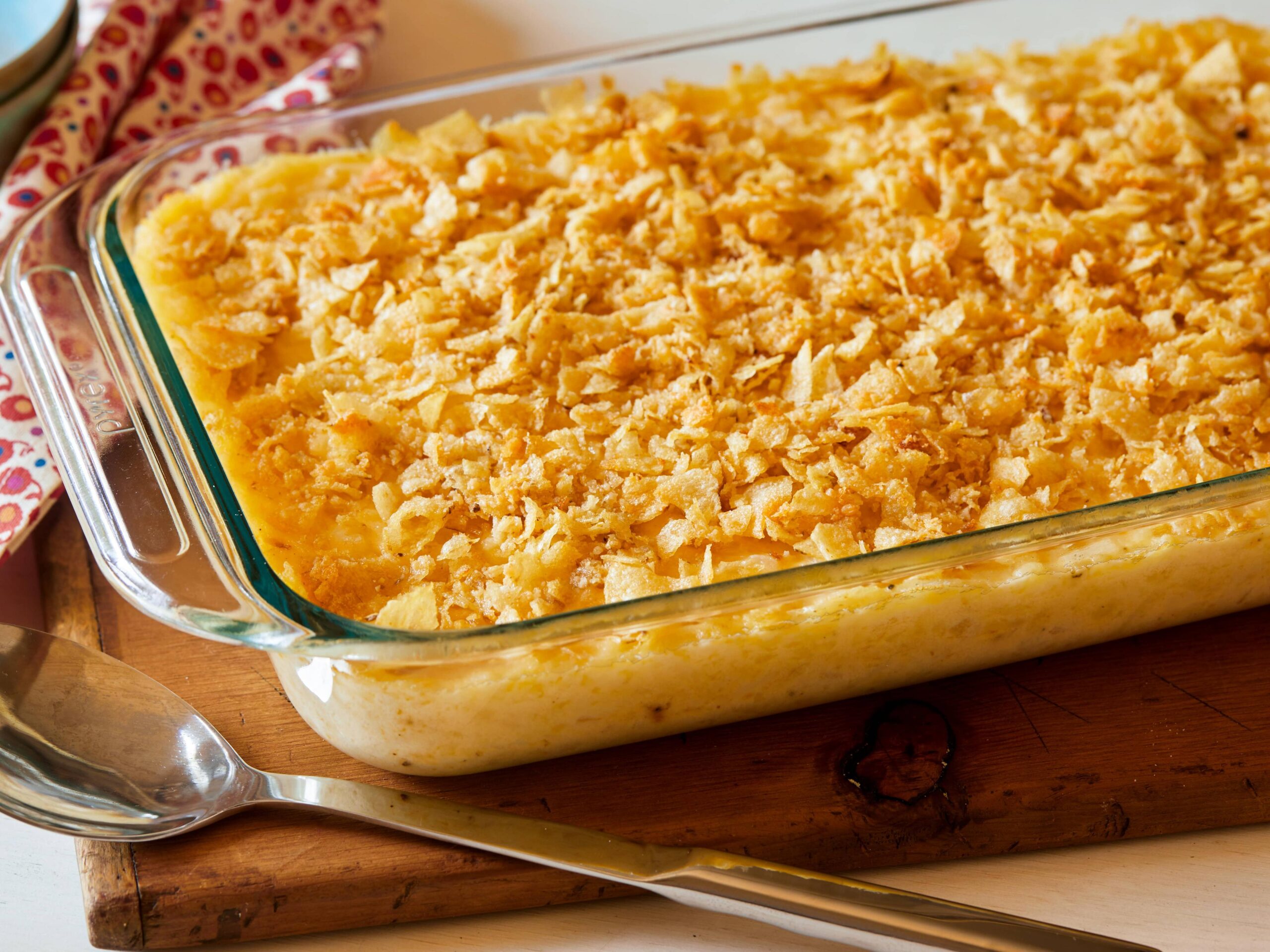
Funeral potatoes are a tradition in Utah, especially within the Latter-day Saints community. This food is typically served at gatherings following funerals, providing warmth and solace to grieving families.The dish is a casserole made with hash brown potatoes, sour cream, cream of chicken soup, cheese, and a topping, often cornflakes or crushed potato chips. Its origins date back to the mid-20th century, when practical, easily-prepared meals were essential for feeding groups quickly.The name “funeral potatoes” reflects their frequent appearance at post-funeral luncheons, but they are also enjoyed at other gatherings and holidays. The dish embodies the spirit of community and support, symbolizing the care and comfort shared among friends and family during difficult times.
This content is accessible to paid subscribers. To view it please enter your password below or send mike@standardsmichigan.com a request for subscription details.
One characteristic of the “customer experience” of school children, dormitory residents, patients in university-affiliated hospitals and attendees of large athletic events is the quality of food. School districts and large research universities are responsible for hundreds of food service enterprises for communities that are sensitive to various points along the food supply chain.
The American Society of Agricultural and Biological Engineers (ASABE) is one of the first names in standards setting for the technology and management of the major components of the global food supply chain. It has organized its ANSI-accredited standards setting enterprise into about 200 technical committees developing 260-odd consensus documents*. It throws off a fairly steady stream of public commenting opportunities; many of them relevant to agricultural equipment manufacturers (i.e, the Producer interest where the most money is) but enough of them relevant to consumers (i.e. the User interest where the least money is) and agricultural economics academic programs that we follow the growth of its best practice bibliography.
A few of the ASABE consensus documents that may be of interest to faculty and students in agricultural and environmental science studies are listed below:
Safety for Farmstead Equipment
Safety Color Code for Educational and Training Laboratories
Recommended Methods for Measurement and Testing of LED Products for Plant Growth and Development
Distributed Ledger Technology applications to the global food supply chain
The ASABE bibliography is dominated by product-related standards; a tendency we see in many business models of standards setting organizations because of the influence of global industrial conglomerates who can bury the cost of their participation into a sold product. Our primary interest lies in the movement of interoperability standards — much more difficult — as discussed in our ABOUT.
The home page for the ASABEs standards setting enterprise is linked below:
As of this posting we find no live consultation notices for interoperability standards relevant to educational settlements. Sometimes you can find them ‘more or less concurrently’ posted at the linked below:
We always encourage our colleagues to participate directly in the ASABE standards development process. Students are especially welcomed into the ASABE Community. Jean Walsh (walsh@asabe.org) and Scott Cederquist (cedarq@asabe.org) are listed as contacts.
Colleagues: Mike Anthony, Jack Janveja, Richard Robben
Meet Raley Kirk from San Saba, TX. Raising hair sheep and Spanish goats in the Texas Hill Country, Raley is proud to play a part in providing the food and fiber our country depends on every day.
For her, National Ag Week is about highlighting that meaningful work and ensuring… pic.twitter.com/9KKC4pzRgC
New update alert! The 2022 update to the Trademark Assignment Dataset is now available online. Find 1.29 million trademark assignments, involving 2.28 million unique trademark properties issued by the USPTO between March 1952 and January 2023: https://t.co/njrDAbSpwBpic.twitter.com/GkAXrHoQ9T