🌾 “UNL Extension and the Crop/Water Specialists helped me find success in my return to the farm. The TAPS competition has been instrumental AND is helping spread awareness of the myriad challenges of production agriculture,” shared a donor. ❤️
🙏 Thank you, Glow Big Red donors! pic.twitter.com/y4FRMBk1mc
“Road to Versailles at Louveciennes” 1869 Camille Pissarro
Today and its Slip and Fall season everywhere. Accordingly, at the usual hour, we review best practice literature for the safety and sustainability of the surfaces beneath our feet; with special focus on the risk aggregation in educational estates.
Heat tracing is a process used to maintain or raise the temperature of pipes and vessels in order to prevent freezing, maintain process temperature, or ensure that products remain fluid and flow through the system properly.
Heat tracing works by using an electric heating cable or tape that is wrapped around the pipe or vessel, and then insulated to help retain the heat. The heating cable is connected to a power source and temperature control system that maintains the desired temperature by regulating the amount of heat output from the cable. Heat tracing is commonly used in industrial applications where temperature control is critical, such as in chemical plants, refineries, and oil and gas facilities.
There are several types of heat tracing, including electric heat tracing, steam tracing, and hot water tracing, each of which have their own unique advantages and disadvantages. The selection of the appropriate type of heat tracing depends on the specific application and the required temperature range, as well as factors such as cost, maintenance, and safety considerations.
The literature for snow and ice management (and enjoyment) produced by these standards-setting organizations:
It is a surprisingly large domain with market-makers in every dimension of safety and sustainability; all of whom are bound by state and federal regulations.
Join us at 16:00 UTC with the login credentials at the upper right of our home page.
— The Catholic University of America (@CatholicUniv) January 14, 2025
There have been several recent innovations that have made it possible for construction activity to continue through cold winter months. Some of the most notable ones include:
Heated Job Site Trailers: These trailers are equipped with heating systems that keep workers warm and comfortable while they take breaks or work on plans. This helps to keep morale up and prevent cold-related health issues.
Insulated Concrete Forms (ICFs): ICFs are prefabricated blocks made of foam insulation that are stacked together to form the walls of a building. The foam insulation provides an extra layer of insulation to keep the building warm during cold winter months.
Warm-Mix Asphalt (WMA): WMA is a type of asphalt that is designed to be used in colder temperatures than traditional hot-mix asphalt. This allows road construction crews to work through the winter months without having to worry about the asphalt cooling and becoming unusable.
Pneumatic Heaters: These heaters are used to warm up the ground before concrete is poured. This helps to prevent the concrete from freezing and becoming damaged during the winter months.
Electrically Heated Mats: These mats are placed on the ground to prevent snow and ice from accumulating. This helps to make the job site safer and easier to work on during the winter months.
Overall, these innovations have made it possible for construction crews to work through the winter months more comfortably and safely, which has helped to keep projects on schedule and minimize delays.
On #MemorialDay, Brown remembers those who have died serving in the U.S. military.
Along with several other monuments on campus, Soldiers Memorial Gate stands as a reminder of the service, sacrifice and selflessness of those who have lost their lives serving their country. pic.twitter.com/Au4zBynruY
— Brown University (@BrownUniversity) May 27, 2024
This content is accessible to paid subscribers. To view it please enter your password below or send mike@standardsmichigan.com a request for subscription details.
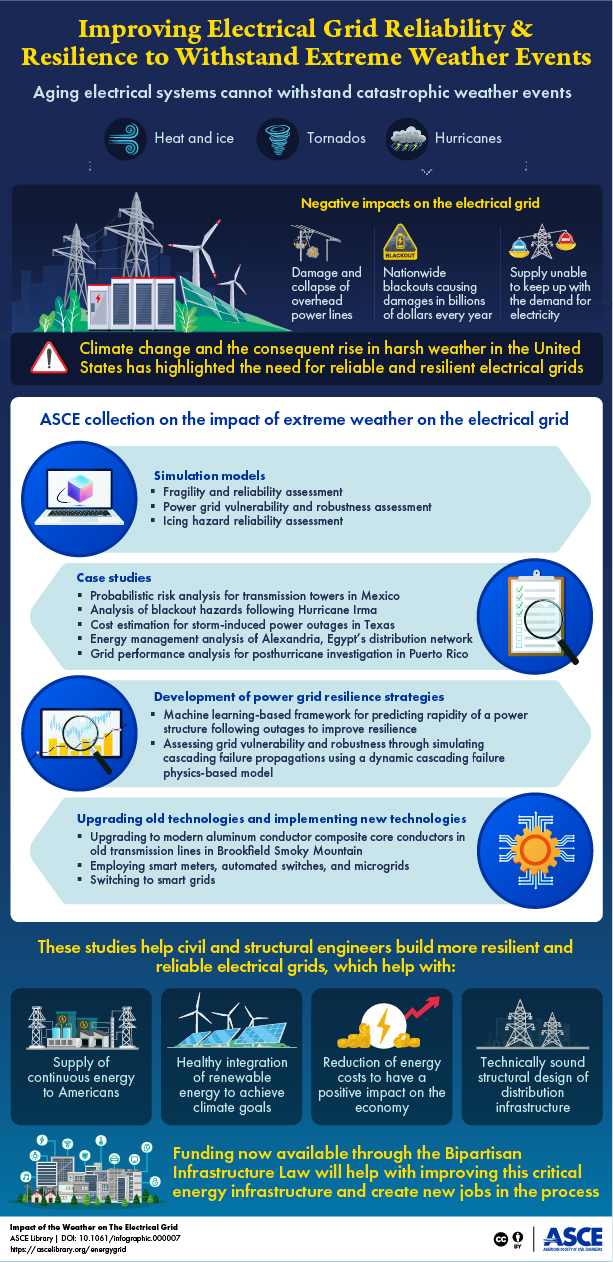
A wrongful death suit filed November 3, 2025 against FirstEnergy Corporation. Allegation: Improper maintenance and inspection of power infrastructure led to the son’s fatal electrocution near State College, Pennsylvania. It is a relatively new filing so s full public docket appears not available at this time. We include it in today’s agenda as we prepare our comments on the First Draft of the 2028 National Electrical Safety Code.
Photo taken by a friend of Mike Anthony (Thalassa Raasch, Harvard ’20) Now on the faculty at the University of Iowa
Today we review, and prepare a response to one of the 2028 National Electrical Safety Code technical committees Call for Public Comment on CP 6026 (RE: vegetation management around power and communication infrastructure). During tomorrow’s online meeting of the IEEE Education & Healthcare Facilities Committee we will examine a first draft, put on the polish and then ship ahead of next Tuesday’s deadline.
“Beware the Ides of March” is a famous warning from Shakespeare’s Julius Caesar. In the play, a soothsayer tells Caesar on February 15, 44 BC, to beware the “Ides of March”—the 15th day of March in the Roman calendar. The phrase foreshadows Caesar’s assassination on that exact date by senators including Brutus. It has since become a cultural idiom symbolizing impending danger, betrayal, or a fateful day to be cautious
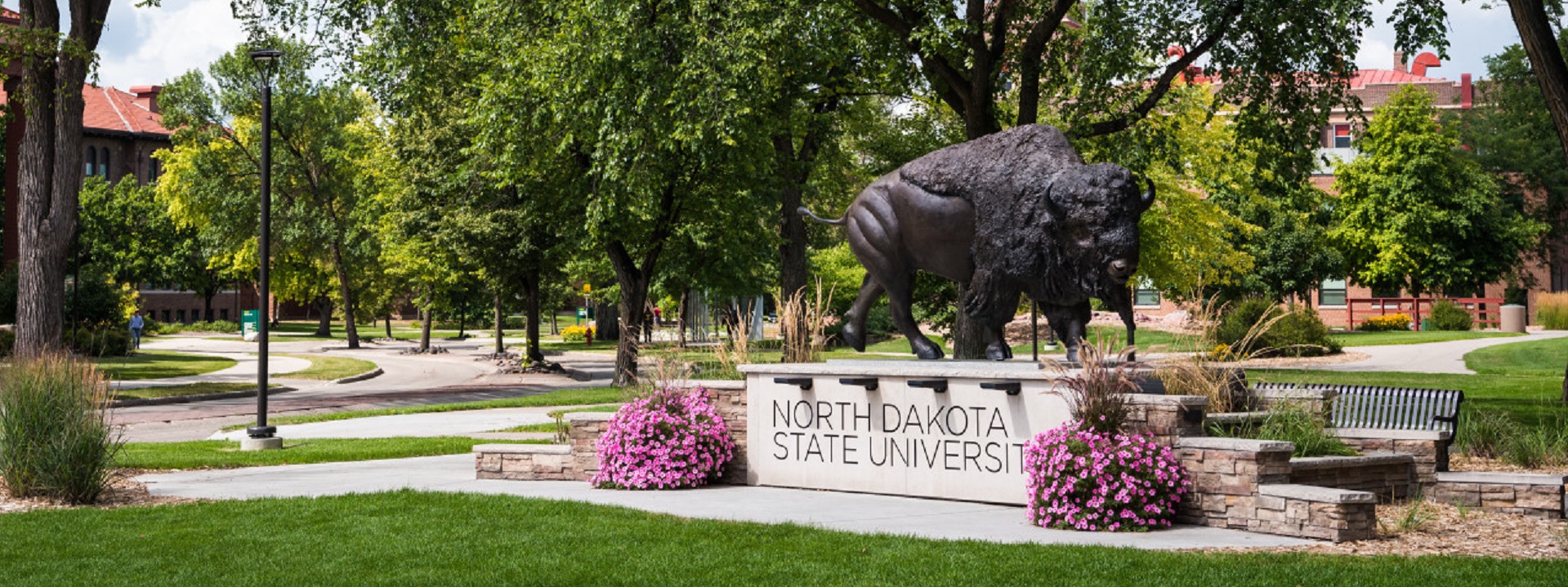
🏈President Donald J Trump with North Dakota State University, 2025 Division 1 Football Champions, in The East Room of The White House! MAKE FOOTBALL GREAT AGAIN!🇺🇸🇺🇸🇺🇸🇺🇸🇺🇸 pic.twitter.com/LiYgrTLTgb
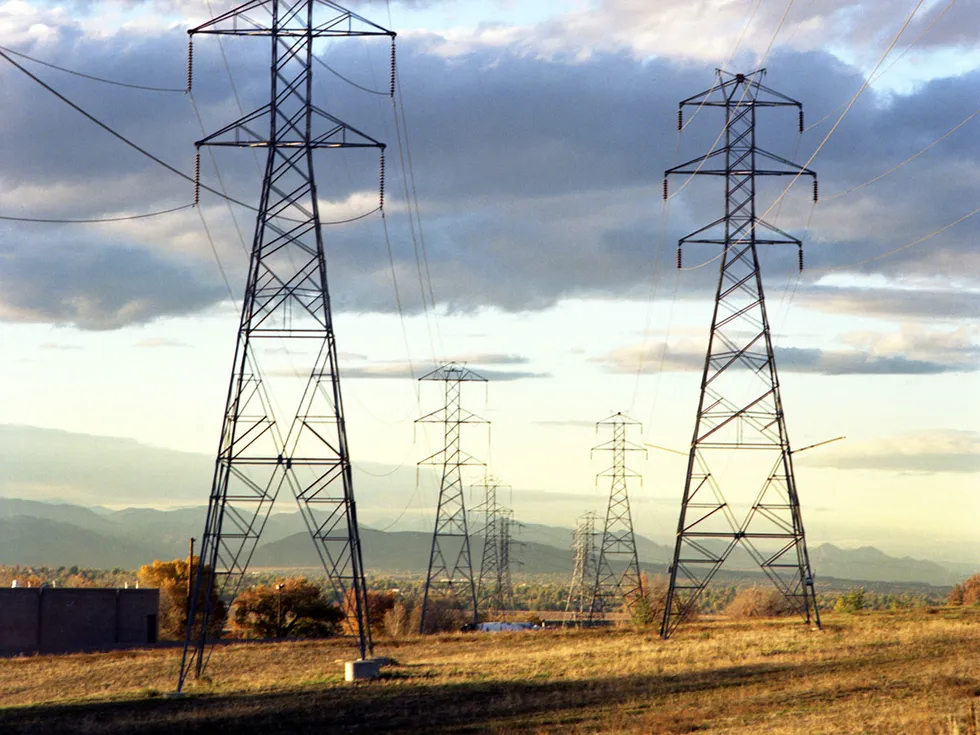
Abstract: A specific land is required to design the transmission line to construct effectively and maintain properly is called right of way of transmission line. It is calculated by considering mainly three electrical quantity related transmission line such as electric field, magnetic field and radio interference. Corona effect is considered for the evolution of right of way. By considering these parameters, it provide idea related to effect surrounding the area nearby transmission line.
The determination of transmission line right of way for public electric utilities typically involves a combination of legal considerations, regulatory requirements, environmental assessments, and public engagement:
Planning and Route Selection: Public electric utilities assess their power transmission needs based on factors such as population growth, energy demand, and infrastructure upgrades. They consider various potential routes and alternatives, taking into account factors like terrain, existing infrastructure, land use, and environmental sensitivities.
Environmental and Impact Assessments: Utilities conduct environmental and impact assessments to evaluate the potential effects of the proposed transmission line routes. These assessments examine factors such as wildlife habitats, endangered species, wetlands, water bodies, cultural or historical sites, and scenic landscapes. The purpose is to identify potential impacts and propose mitigation measures.
Regulatory and Permitting Process: Public utilities must comply with applicable laws and regulations governing transmission line development. This includes obtaining necessary permits and approvals from relevant regulatory agencies at the federal, state, and local levels. The requirements vary depending on the jurisdiction, but they often involve environmental agencies, land management agencies, and public utility commissions.
Public Engagement and Consultation: Utilities engage in public consultation and outreach to gather feedback from affected communities, landowners, and stakeholders. They conduct public hearings, open houses, and meetings to inform the public about the project, address concerns, and consider alternative routes suggested by the community. This engagement helps ensure transparency and public input in the decision-making process.
Negotiations and Eminent Domain: Utilities negotiate with landowners along the proposed transmission line route to acquire the necessary right of way. In some cases, if an agreement cannot be reached, utilities may exercise eminent domain, which is a legal process that allows them to acquire the land for public use while providing just compensation to the affected landowner.
Legal Framework: The legal framework for determining transmission line right of way varies by jurisdiction. Laws related to land use, zoning, environmental protection, and eminent domain play a role in defining the process and requirements for securing right of way.
Procedures vary depending on the country, state, or region where the transmission line is being developed. Local regulations, environmental conditions, and public engagement practices will influence the overall process.
Note the following proposed changes in the transcript above: E59-24, F62-24, Section 323
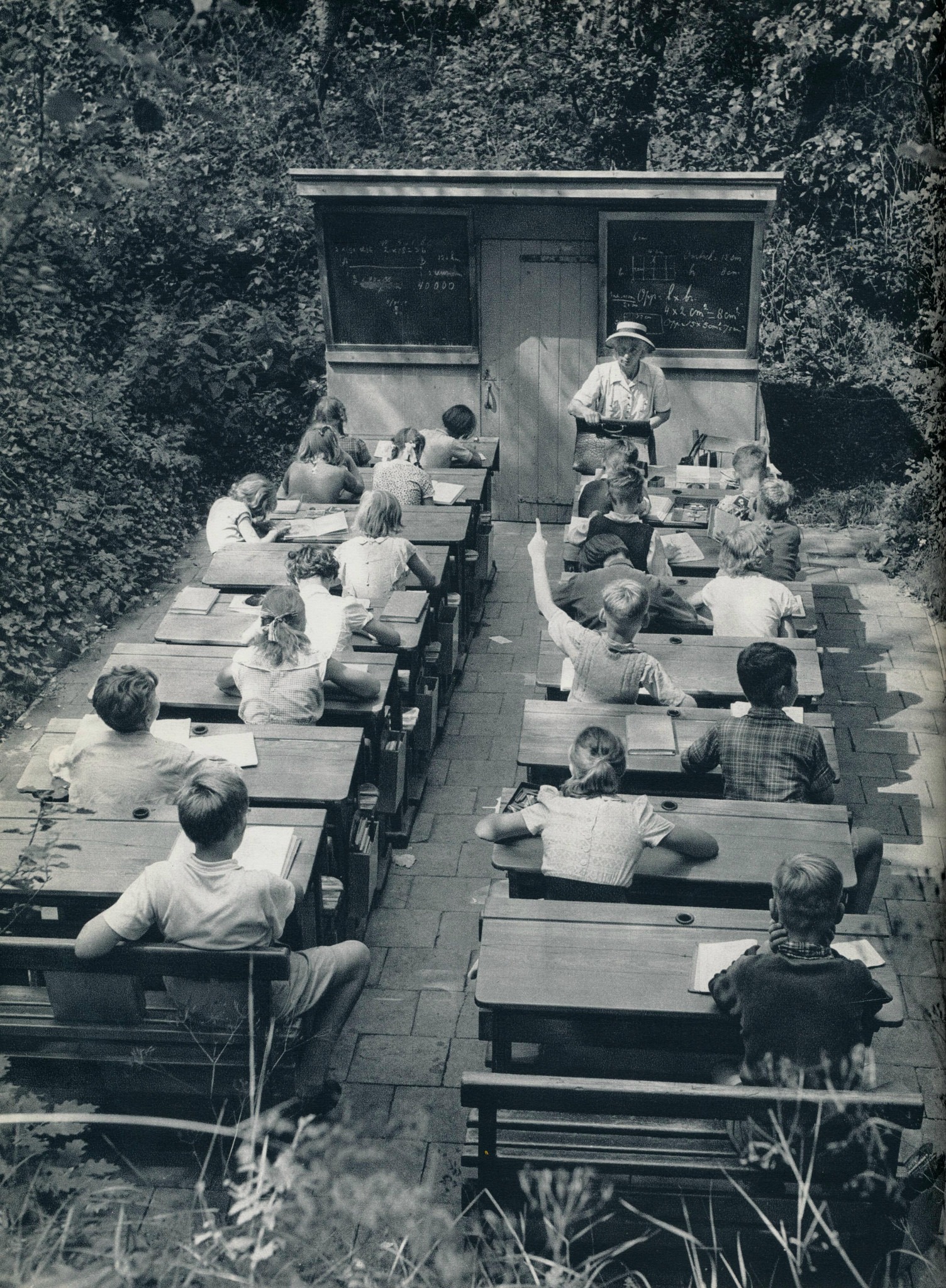
Modular classrooms, often used as temporary or semi-permanent solutions for additional educational space, have specific requirements in various aspects to ensure they are safe, functional, and comfortable for occupants. Today we will examine best practice literature for structural, architectural, fire safety, electrical, HVAC, and lighting requirements. Use the login credentials at the upper right of our home page.
Structural Requirements
Foundation and Stability: Modular classrooms require a stable and level foundation. This can be achieved using piers, slabs, or crawl spaces. The foundation must support the building’s weight and withstand environmental forces like wind and seismic activity.
Frame and Load-Bearing Capacity: The frame, usually made of steel or wood, must support the load of the classroom, including the roof, walls, and occupants. Structural integrity must comply with local building codes.
Durability: Materials used should be durable and capable of withstanding frequent relocations if necessary.
Architectural Requirements
Design and Layout: Modular classrooms should be designed to maximize space efficiency while meeting educational needs. This includes appropriate classroom sizes, storage areas, and accessibility features.
Accessibility: Must comply with the Americans with Disabilities Act (ADA) or other relevant regulations, ensuring accessibility for all students and staff, including ramps, wide doorways, and accessible restrooms.
Insulation and Soundproofing: Adequate insulation for thermal comfort and soundproofing to minimize noise disruption is essential.
Fire Safety Requirements
Fire-Resistant Materials: Use fire-resistant materials for construction, including fire-rated walls, ceilings, and floors.
Sprinkler Systems: Installation of automatic sprinkler systems as per local fire codes.
Smoke Detectors and Alarms: Smoke detectors and fire alarms must be installed and regularly maintained.
Emergency Exits: Clearly marked emergency exits, including doorways and windows, with unobstructed access paths.
Electrical Requirements
Electrical Load Capacity: Sufficient electrical capacity to support lighting, HVAC systems, and educational equipment like computers and projectors.
Wiring Standards: Compliance with National Electrical Code (NEC) or local electrical codes, including proper grounding and circuit protection.
Outlets and Switches: Adequate number of electrical outlets and switches, placed conveniently for classroom use.
HVAC (Heating, Ventilation, and Air Conditioning) Requirements
Heating and Cooling Systems: Properly sized HVAC systems to ensure comfortable temperatures year-round.
Ventilation: Adequate ventilation to provide fresh air and control humidity levels, including exhaust fans in restrooms and possibly kitchens.
Air Quality: Use of air filters and regular maintenance to ensure good indoor air quality.
Lighting Requirements
Natural Light: Maximization of natural light through windows and skylights to create a pleasant learning environment.
Artificial Lighting: Sufficient artificial lighting with a focus on energy efficiency, typically using LED fixtures. Lighting should be evenly distributed and glare-free.
Emergency Lighting: Battery-operated emergency lighting for use during power outages.
By adhering to these requirements, modular classrooms can provide safe, functional, and comfortable educational spaces that meet the needs of students and staff while complying with local regulations and standards.
New update alert! The 2022 update to the Trademark Assignment Dataset is now available online. Find 1.29 million trademark assignments, involving 2.28 million unique trademark properties issued by the USPTO between March 1952 and January 2023: https://t.co/njrDAbSpwBpic.twitter.com/GkAXrHoQ9T