“Everyone begins as a child by liking Weather. You learn the art of disliking it as you grow up. Noticed it on a snowy day? The grown-ups are all going about groaning and saying it is ‘dreadful’ and they are nearly always worrying about some awful thing or other happening because of the snow. But the children? They are out in it, throwing snowballs, building snowmen, sliding down slopes on toboggans—having a marvelous time.” — C.S. Lewis (‘That Hideous Strength – A Modern Fairy Tale for Grownups, 1945)
This content is accessible to paid subscribers. To view it please enter your password below or send mike@standardsmichigan.com a request for subscription details.
This content is accessible to paid subscribers. To view it please enter your password below or send mike@standardsmichigan.com a request for subscription details.
This content is accessible to paid subscribers. To view it please enter your password below or send mike@standardsmichigan.com a request for subscription details.
This content is accessible to paid subscribers. To view it please enter your password below or send mike@standardsmichigan.com a request for subscription details.
This content is accessible to paid subscribers. To view it please enter your password below or send mike@standardsmichigan.com a request for subscription details.
After moonlighting in several underground Detroit bands as a drummer, Jack White founded the White Stripes with fellow Detroit native and then-wife Meg White in 1997. He graduated from Cass Tech High School and attended Wayne State University as a dramatic arts student; thereafter receiving an honorary degree; and since awarded eight Grammy Awards, among them, for his work on the soundtrack of “Cold Mountain”.
“Seven Nation Army” is one of the most iconic and popular songs of the early 21st century and is routinely performed at athletic events at all levels in the United States. Its view count on YouTube is closing in on 1 billion. Several factors contributed to the song’s popularity:
Memorable Guitar Riff: The song is instantly recognizable for its distinctive and powerful guitar riff played by Jack White. The riff, created using a semi-acoustic guitar and an octave pedal, became an anthem for many music enthusiasts.
Catchy Chorus: The song features a catchy and memorable chorus with the repeated lyrics, “I’m gonna fight ’em off, a seven nation army couldn’t hold me back.” This repetition and simplicity added to its appeal and made it easy for listeners to sing along.
Sports and Pop Culture: “Seven Nation Army” transcended the music scene and found its way into various aspects of popular culture. The song became a favorite at sports events around the world, particularly in stadiums and arenas. Its use in sports contexts, such as football chants, contributed to its widespread recognition.
Critical Acclaim: The song received critical acclaim for its raw energy, innovative sound, and Jack White’s distinctive vocals. It won a Grammy Award for Best Rock Song in 2004 and became a defining track for The White Stripes.
Cover Versions and Remixes: The song’s popularity was further fueled by numerous cover versions and remixes by various artists across different genres. This contributed to its longevity and continued relevance in diverse musical contexts.
As a result of these factors, “Seven Nation Army” has endured as a cultural phenomenon, maintaining its popularity long after its initial release.
I’m gonna fight ’em off
A seven nation army couldn’t hold me back
They’re gonna rip it off
Taking their time right behind my back
And I’m talking to myself at night
Because I can’t forget
Back and forth through my mind
Behind a cigarette
And the message coming from my eyes
Says “Leave it alone”
Don’t want to hear about it
Every single one’s got a story to tell
Everyone knows about it
From the Queen of England to the Hounds of Hell
And if I catch it coming back my way
I’m gonna serve it to you
And that ain’t what you want to hear
But that’s what I’ll do
And the feeling coming from my bones
Says “Find a home”
I’m going to Wichita
Far from this opera forevermore
I’m gonna work the straw
Make the sweat drip out of every pore
And I’m bleeding, and I’m bleeding, and I’m bleeding
Right before the Lord
All the words are gonna bleed from me
And I will sing no more
And the stains coming from my blood
Tell me “Go back home”
A classic side dish in northern and central Italy; not unlike mashed potatoes in America. Made from coarsely ground cornmeal slowly boiled in water or broth until it thickens into a creamy porridge. Historically a peasant food (originally made from grains like farro or chestnut before corn arrived from the Americas in the 16th century). It can be served soft and creamy—often enriched with butter, cheese like fontina, or topped with ragù, mushrooms, or sausages thereby making it a main course.
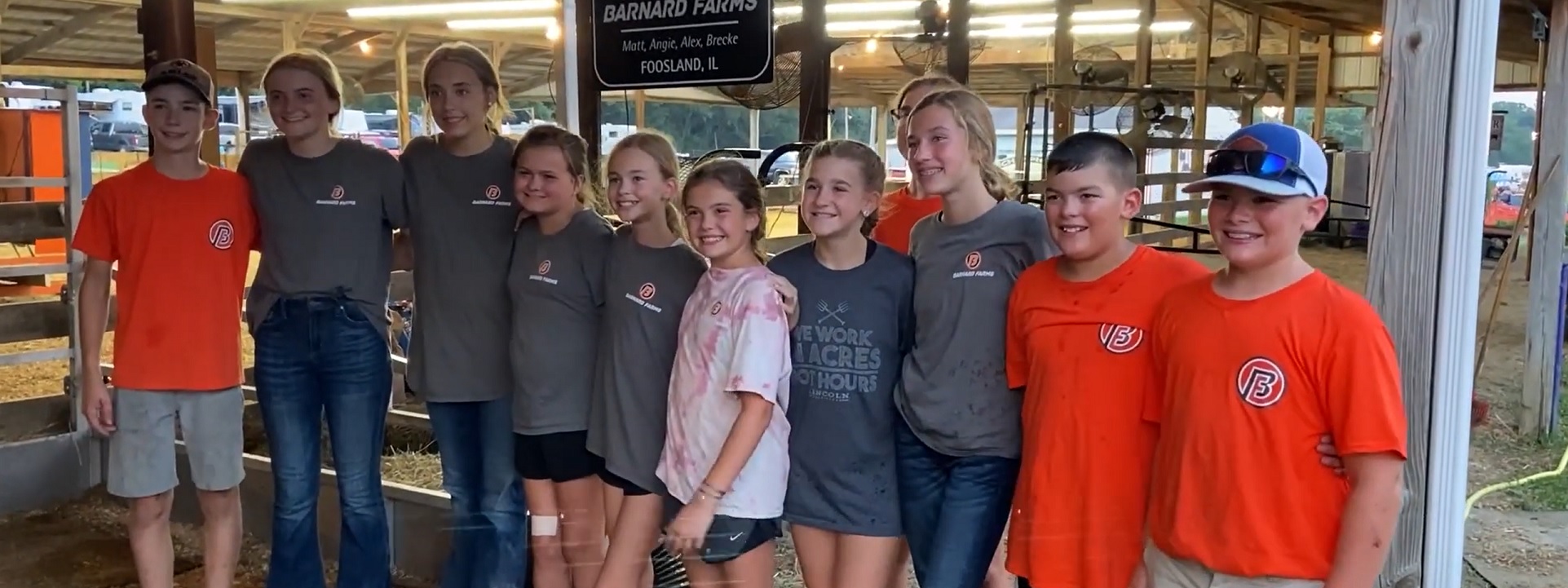
Happy #NationalFarmersDay! Thank you to the hard working Illinois farmers and ranchers who work to feed a hungry world.
Extension connects with ag workers every day to help solve problems by talking through options, collaborating on research, and exploring new technologies. pic.twitter.com/UiBAu9bD9a
New update alert! The 2022 update to the Trademark Assignment Dataset is now available online. Find 1.29 million trademark assignments, involving 2.28 million unique trademark properties issued by the USPTO between March 1952 and January 2023: https://t.co/njrDAbSpwBpic.twitter.com/GkAXrHoQ9T