
Wireless Standards
- Home Page 4

loading...
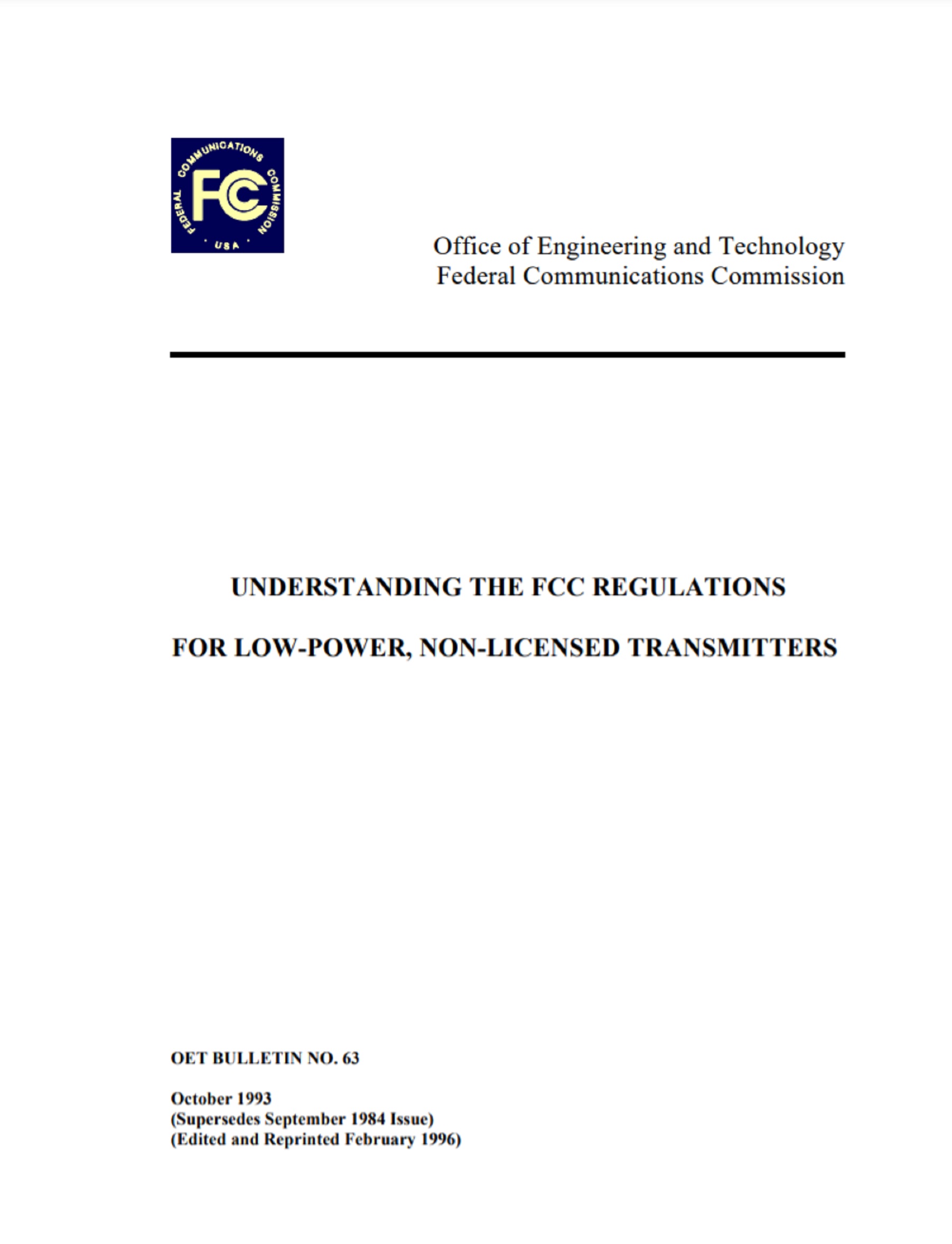
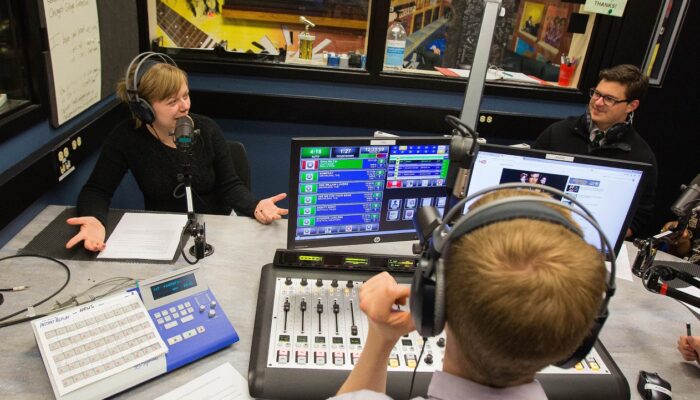
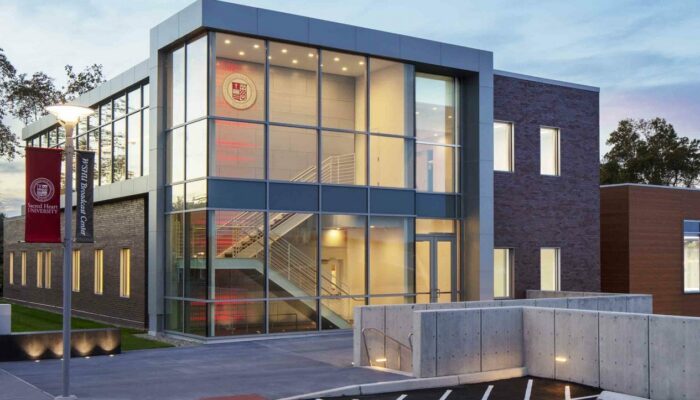
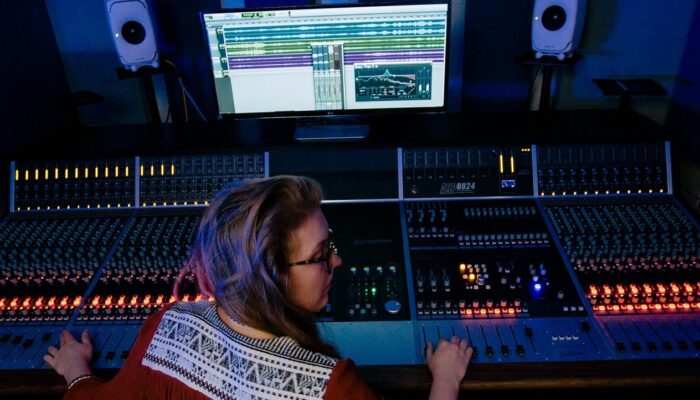
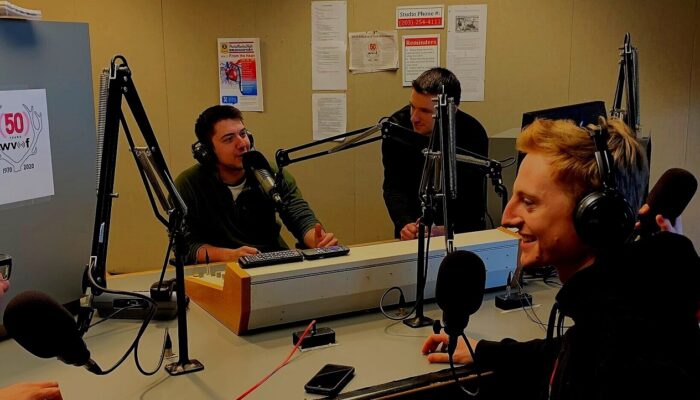
Campus Low-Power-Transmitters
FCC: Low Power FM Broadcast Radio | IEEE: Closed Circuit Radio

Columbia College Radio Tower for Student-Led WCRX
LIVE

Related:
Radio Spectrum for the Internet of Things
“Wireless Telegraphy” 1899|Guglielmo Marconi


Derek T. Otermat – Ivica Kostanic – Carlos E. Otero
Electrical and Computer Engineering Department, Florida Institute of Technology
Abstract. The analysis presented in this paper indicates that the FM radio spectrum is underutilized in the areas of the continental United States that have a population of 100000 or less. These locations have vacant FM radio spectrum of at least 13 MHz with sufficient spectrum spacing between adjacent FM radio channels. The spectrum spacing provides the required bandwidth for data transmission and provides enough bandwidth to minimize interference introduced by neighboring predicted and unpredicted FM radio stations and other low-power short-range Internet of Thing (IoT) devices. To ensure that low-power short-range IoT devices maintain reliable communications vacant radio spectrum, such as the FM radio spectrum in these areas, will need to be used through cognitive radio.
CLICK HERE to order complete paper.
Related:
Northwestern University: Internet of Things and Edge Computing
Renovation Standards
“Attributes of the Architect” c. 1725 Jean-Baptiste Siméon
Princeton University Art Museum@PUArtMuseum
print(“Ædificare”)https://t.co/Ja2uGenSPr pic.twitter.com/Xs9fdzzdBY— Standards Michigan (@StandardsMich) January 4, 2022
The key standards distinguishing building renovations (alterations, repairs, or rehabilitation) from new building construction primarily come from the model code stacks of the International Code Council, the National Fire Protection Association, ASHRAE International, Institute of Electrical and Electronic Engineers and the embedded product standards by ASTM International, Underwriters Laboratories and others we track routinely.
There are others, notably the FEMA “50 percent” rule informed by National Flood Insurance Program regulation applying to buildings in flood-prone areas. It governs renovation, repair, and improvement projects by defining “substantial improvement” or “substantial damage” as any work where costs equal or exceed 50% of the structure’s pre-improvement (or pre-damage) market value (excluding land value).
The “50 percent” rule does not exist in the Americans with Disabilities Act (ADA) regulations in the same way as FEMA’s flood-related 50% threshold for substantial improvement/damage. Instead, ADA alterations (under Title III for public accommodations and commercial facilities, and Title II for public entities) use a 20% disproportionate cost threshold for certain requirements.
Sustainability objectives also shape the scope of building renovation projects by expanding beyond basic repairs or cosmetic updates to encompass holistic, long-term performance improvements across environmental, economic, and social dimensions.
Today at the usual hour we will scan stabilized standards and track changes in process where possible. Use the login credentials at the upper right of our home page.
Ædificare & Utilization
There’s been a significant redesign of the look and feel of the monthly Census Bureau reports construction activity. Today we sort through the rather more granular statistics that inform our recommendations for facility spend.
Total #construction activity for October 2025 ($2,175.2 billion) was 0.5% above September 2025 ($2,164.3 billion).
Learn more: https://t.co/vO6ZkjBJMY #CensusEconData #ConstructionSpending pic.twitter.com/CYux8HXJ3W
— U.S. Census Bureau (@uscensusbureau) January 21, 2026
December 1, 2025
It has been 20 years since we began tracking educational settlement facility spend. Starting this month we will examine federal government data together with the best available data about space utilization to enlighten our response to the perfectly reasonable question: “Are we over-building or under-building or building ineffectively”. Use the login credentials at the upper right of our home page.
United States: Schools of Architecture
The Society for College and University Planning (Ann Arbor, Michigan)
National Center for Education Statistics
The Financial Impact of Architectural Design: Balancing Aesthetics and Budget in Modern Construction

Homeschooling
2022 International Existing Building Code
 University College London
 University of Toronto
 43.0764° N | 87.8816° W
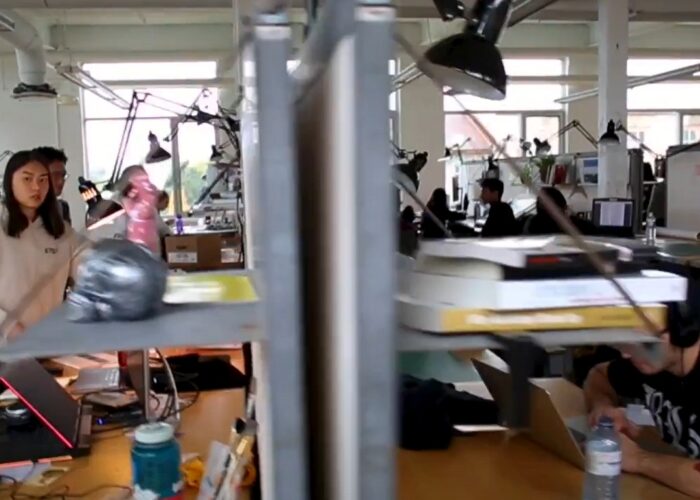 University of Waterloo Ontario
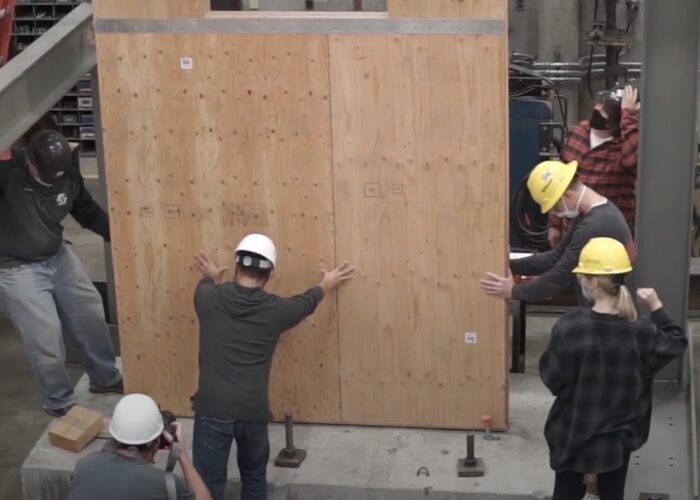 California Polytechnic University | San Luis Obispo County
 Oulun yliopisto | Pohjois-Pohjanmaa
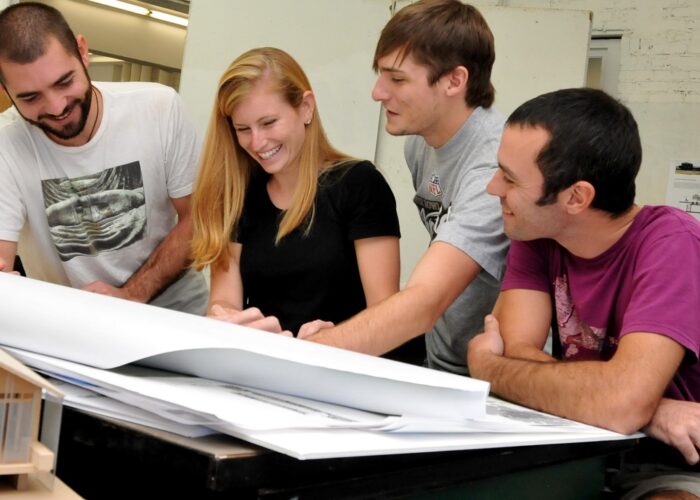 Tulane School of Architecture Louisiana
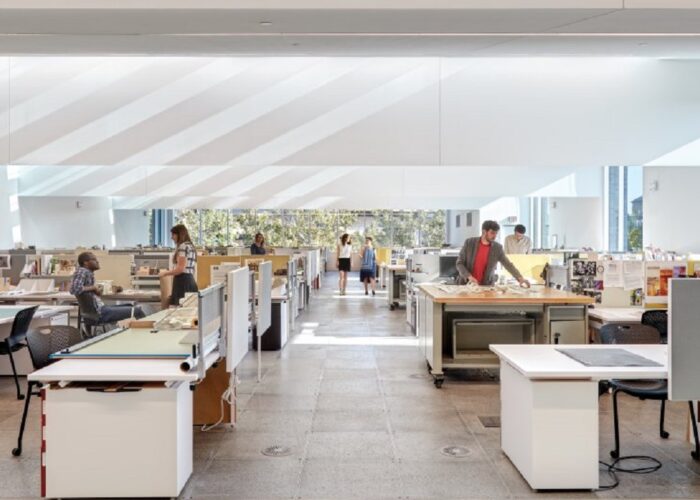 University of Michigan | Washtenaw County
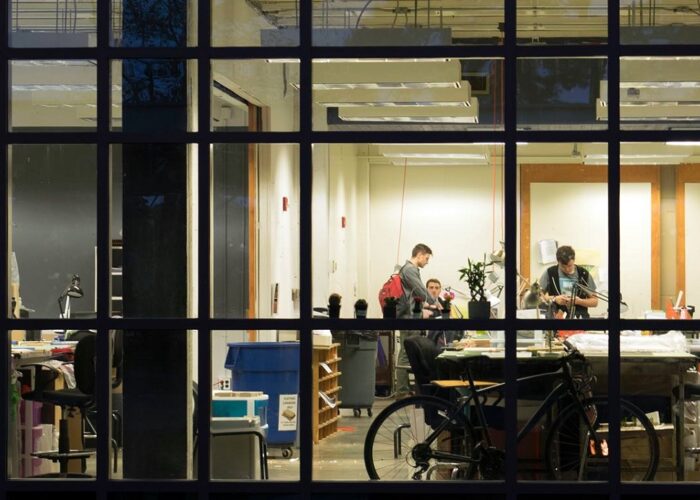 Auburn University | Lee County Alabama
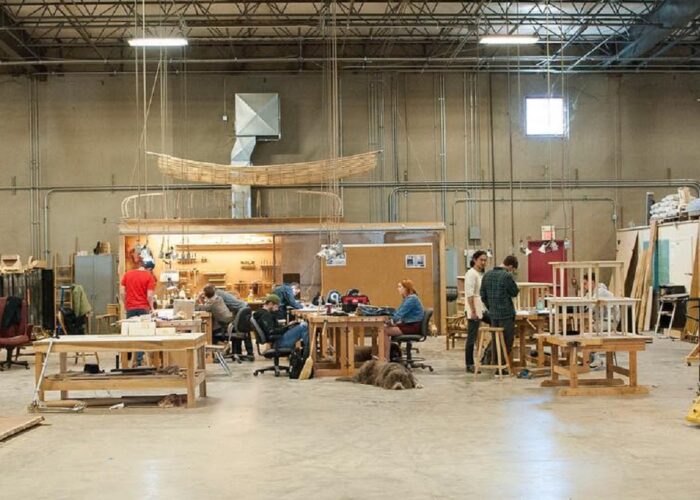 University of Kansas School of Architecture | Douglas County
As reported by the US Department of Commerce Census Bureau the value of construction put in place by August 2025 by the US education industry proceeded at a seasonally adjusted annual rate of $137.604 billion. This number does not include renovation for projects under 50,000 square feet and new construction in university-affiliated health care delivery enterprises. Reports are released two months after calendar month. The complete report is available at the link below:
MONTHLY CONSTRUCTION SPENDING August 2025 (released two months after calendar month)
Total construction activity for June 2025 ($2,136.2 billion) was 0.4 percent below the revised May 2025 estimate ($2,143.9 billion).
Learn more: https://t.co/ljpaYyKjuX#CensusEconData pic.twitter.com/TS6ewzZhc4
— U.S. Census Bureau (@uscensusbureau) August 1, 2025
This spend makes the US education facilities industry (which includes colleges, universities, technical/vocational and K-12 schools, most university-affiliated medical research and healthcare delivery enterprises, etc.) the largest non-residential building construction market in the United States after commercial property; and fairly close. For perspective consider total public + private construction ranked according to the tabulation most recently released:
$137.604 billion| Education Facilities
$155.728 billion | Power
$69.625 billion | Healthcare
Keep in mind that inflation figures into the elevated dollar figures. Overall — including construction, energy, custodial services, furnishings, security. etc., — the non-instructional spend plus the construction spend of the US education facilities is running at a rate of about $300 – $500 billion per year.
LIVE: A selection of construction cameras at US schools, colleges and universities
We typically pick through the new data set; looking for clues relevant to real asset spend decisions. Finally, we encourage the education facilities industry to contribute to the accuracy of these monthly reports by responding the US Census Bureau’s data gathering contractors.

Reconstruction of Ancient Agora
As surely as people are born, grow wealthy and die with extra cash,
there will be a home for that cash to sustain their memory and to steer
the cultural heritage of the next generation in beautiful settings.

More
National Center for Educational Statistics
AIA: Billings Index shows but remains strong May 2022
National Center for Education Statistics
Sightlines: Capital Investment College Facilities
OxBlue: Time-Lapse Construction Cameras for Education
US Census Bureau Form F-33 Survey of School System Finances
Global Consistency in Presenting Construction & Life Cycle Costs

Pennsylvania School Building Standards
Pennsylvania School Building Code | Standards Pennsylvania
Pennsylvania’s school building codes are an adaptation of the stack developed by the International Code Council. The most recent update includes enhanced requirements for safety (e.g., emergency escape paths, smoke alarms, surge protection), structural design (e.g., decks, snow loads), and energy efficiency, applying to new school construction, additions, and major renovations.
Key supporting regulations include:
22 Pa. Code Chapter 21 (School Buildings): Covers planning, approval processes, and requirements for public school construction/reconstruction.
22 Pa. Code Chapter 349 (School Building Standards): Details space allocations, construction standards, and related rules.
Integrated Planning Glossary
§

The Society of College and University Planning was founded in 1965 at the University of Michigan in Ann Arbor during an informal gathering of campus planners frustrated with the lack of professional exchange in their emerging field. Rapid postwar enrollment growth and massive campus expansion projects had created urgent needs for long-range physical planning, yet few institutions had dedicated planners or shared knowledge.
A small group, led by University of Michigan planners George J. Bruha and Frederick W Mayer met in Ann Arbor to discuss common challenges facing other State of Michigan settlements; joined by Stanford, Ohio State and the University of Illinois. They decided to create a formal organization to foster collaboration, research, and professional development. In 1966, with Michigan’s support, SCUP was officially established as a nonprofit with its first office on the Ann Arbor campus. Its founding principle—integrated planning linking academics, finances, and facilities—remains central today.
Connections, learnings, and expanded conversations #SCUPNC2022 in #chicago 👍🌟 pic.twitter.com/enPtA7YJsX
— SCUP (@Plan4HigherEd) October 18, 2022
Early operations benefited from administrative support (aegis) provided by the University of Michigan, including office space and resources in Ann Arbor. This arrangement persisted until a financial crisis in the late 1970s (1976–1980), during which SCUP relocated to New York.
The decoupling—marking full operational and administrative independence from the University of Michigan—occurred in 1980, when SCUP returned to Ann Arbor as a self-sustaining nonprofit headquartered at a separate location –1330 Eisenhower Place — less than a mile walk from Standards Michigan‘s front door at 455 East Eisenhower.
* Of the 220 ANSI Accredited Standards Developers, the State of Michigan ranks 3rd in the ranking of U.S. states with the most ANSI-accredited standards developers (ASDs) headquartered there; behind the Regulatory Hegemons of California and ChicagoLand and excluding the expected cluster foxtrot of non-profits domiciled in the Washington-New York Deep State Megalopolis. Much of Michigan’s presence in the private consensus standards space originates from its industrial ascendency through most of the 1900’s.

Michigan Electrical Administrative Act §338.883
The requirement for a licensed electrician and a certified inspector to perform and certify any electrical work above $100 is prohibitive for homeowners and facility managers. To the best of our knowledge, no other US state imposes this requirement. There are more efficacious approaches to supporting effective public electrical safety services.

Licensing and Regulatory Affairs | Electrical Administrative Board
Next Meeting: February 5, 2026 10:00 am
Meeting Minutes: August 8, 2024 (not yet available)
Meeting Minutes: October 31, 2024 (submittals for agenda items due September 26th)
Related:
Michigan Public Service Commission
MPSC takes next steps in enabling interconnection and distributed energy resources
Of considerable importance is the criteria set by this board to determine whether a journeyman electrician is permitted to practice his or her trade in the State of Michigan.
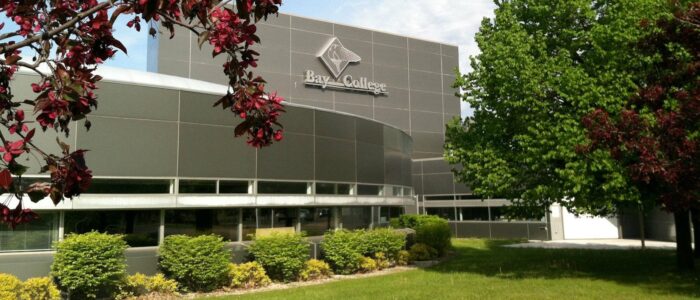
We have been advocating for changes to the State of Michigan Electrical Administrative Act that currently requires all electrical work valued above $100 to be installed by a licensed journeyman electrician and inspected by an accredited electrical inspector. The $100 threshold was set decades ago and has never been challenged by another other advocacy enterprise representing the user interest. Almost all of the stakeholders on the present Electrical Administrative Board are stakeholders who benefit economically from the $100 threshold. Much of the reason for the apparent imbalance of interests lies in tradition; but also because no user interest has been present to advocate for an update of the formal, fee schedule.
This advocacy priority was on the Do-List of the original University of Michigan codes and standards advocacy enterprise which was focused on strengthening the voice of the user/owner/final fiduciary in the promulgation of regulations affecting Michigan educational facilities (CLICK HERE for link to the legacy Advocacy Project 14-1). Of all the trades covered in the parent legislation — Stille-Derossett-Hale Single State Construction Code Act (Act 230 of 1972) — the electrical power discipline is the only discipline in Michigan building technology regulations that sets a dollar criteria for electrical work to be performed and inspected. While we recognize the need for safe installation of the electrical power chain within a building; we propose another criteria for establishing the requirement for a licensed electrician and a licensed inspector should be determined (as it is in all other construction disciplines administered by the Bureau of Construction Codes, a division of the Department of Licensing and Regulatory Affairs).
The actual text of the present regulation is available by clicking here: 338.881 Definitions | Electrical Administrative Act 217 of 1956

Father Marquette
As a consequence of former Governor Snyder’s Office of Regulatory Reinvention significant changes to both the Bureau of Construction Codes, a division of the Department of Licensing and Regulatory Affairs) have taken place within the past twelve months; which make us optimistic about political support for our proposals. We will be collaborating with our colleagues at Michigan State University to make necessary legislative changes we believe will lower the #TotalCostofOwnership of education facilities in the State of Michigan.
We will refer the Michigan Electric Code, and other state electrical codes to the IEEE Education and Healthcare Facilities Committee which hosts bi-weekly breakout teleconferences with electrical professionals in the education facilities industry as required by the demand for them.
Electrical Administrative Board Responsibilities and Meeting Schedule
The next meeting of the Michigan Electrical Board is November 2nd. We have been attending the meetings in Lansing and have made our proposal to revisit the dollar criteria known to the entire board. We hope the Electrical Administrative Board will develop another criteria; inspired by the electrical administrative boards of other states.
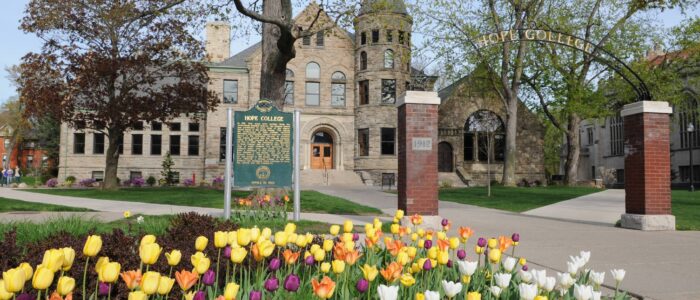
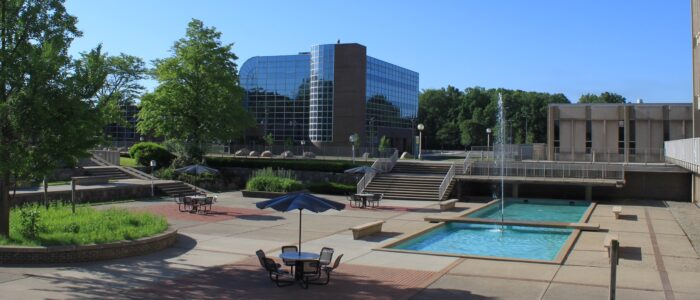
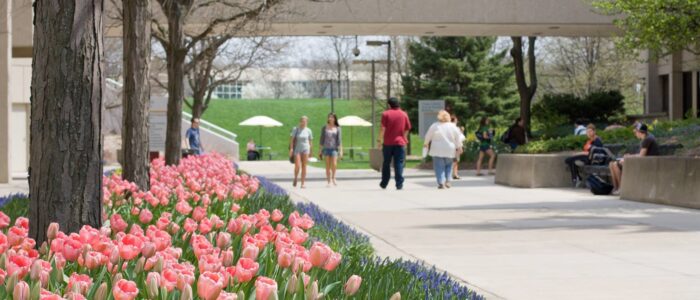

Issue: [14-1]
Contact: Mike Anthony, Jack Janveja, Richard Robben, Kane Howard
Category: Electrical, State & Local Legislation
Link to Issue 14-1 Legacy Website
LEARN MORE:
Wide Variations in State Adoptions of the NEC® Reveal Neglect of Electrical Safety
Life Safety Code
Today at the usual hour we sort through the NFPA stack for fire safety system aspects during renovation, alteration, or rehabilitation of buildings. Two sections come to mind:
Chapter 43 (NFPA 101): Building Rehabilitation
NFPA 241: Safeguarding Construction, Alteration, and Demolition Operations
Use the login credentials at the upper right of our home page.
Educational and Day-Care Occupancies (July 23, 2025 Second Draft Transcript)
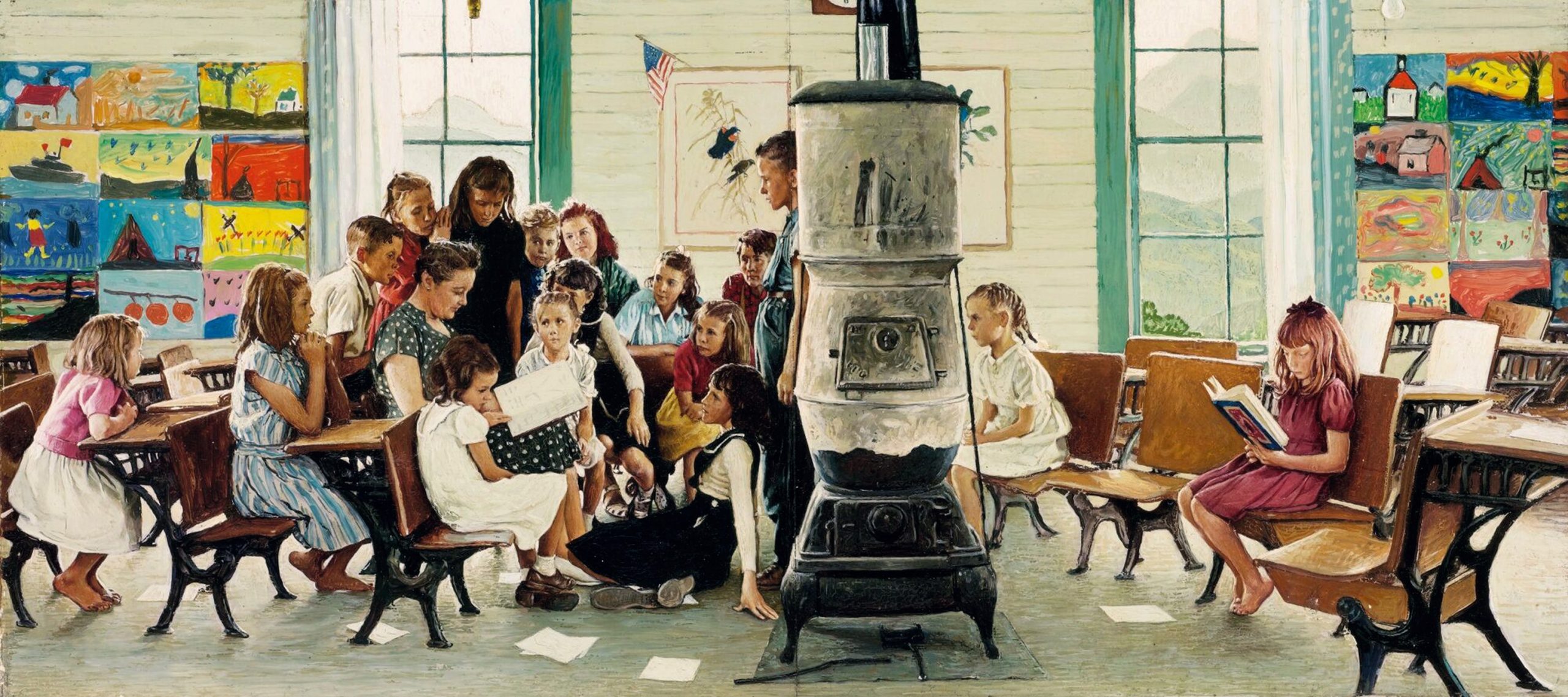
The Life Safety Code addresses those construction, protection, and occupancy features necessary to minimize danger to life from the effects of fire, including smoke, heat, and toxic gases created during a fire. It is widely incorporated by reference into public safety statutes; typically coupled with the consensus products of the International Code Council. It is a mighty document — one of the NFPA’s leading titles — so we deal with it in pieces; consulting it for decisions to be made for the following:
(1) Determination of the occupancy classification in Chapters 12 through 42.
(2) Determination of whether a building or structure is new or existing.
(3) Determination of the occupant load.
(4) Determination of the hazard of contents.
There are emergent issues — such as active shooter response, integration of life and fire safety systems on the internet of small things — and recurrent issues such as excessive rehabilitation and conformity criteria and the ever-expanding requirements for sprinklers and portable fire extinguishers with which to reckon. It is never easy telling a safety professional paid to make a market for his product or service that it is impossible to be alive and safe. It is even harder telling the dean of a department how much it will cost to bring the square-footage under his stewardship up to the current code.
The 2021 edition is the current edition and is accessible below:
NFPA 101 Life Safety Code Free Public Access
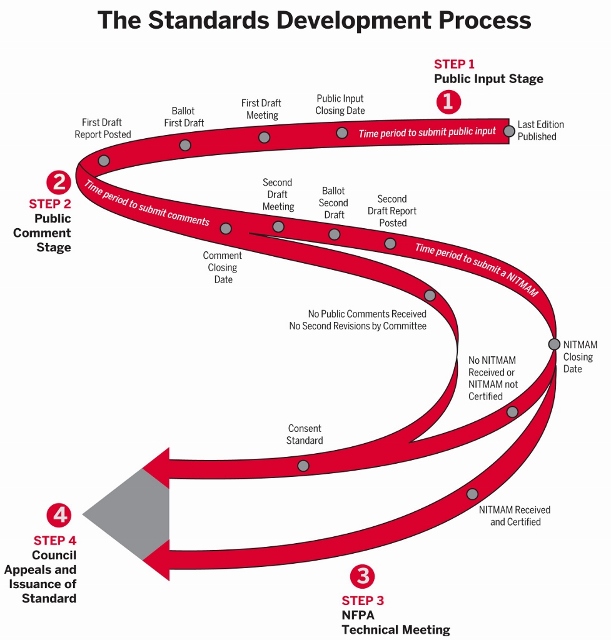
Public input on the 2027 Revision will be received until June 4, 2024. Public comment on the Second Draft 2027 Revision will be received until March 31, 2026.
Since the Life Safety Code is one of the most “living” of living documents — the International Building Code and the National Electric Code also move continuously — we can start anywhere and anytime and still make meaningful contributions to it. We have been advocating in this document since the 2003 edition in which we submitted proposals for changes such as:
• A student residence facility life safety crosswalk between NFPA 101 and the International Building Code
• Refinements to Chapters 14 and 15 covering education facilities (with particular attention to door technologies)
• Identification of an ingress path for rescue and recovery personnel toward electric service equipment installations.
• Risk-informed requirement for installation of grab bars in bathing areas
• Modification of the 90-minute emergency lighting requirements rule for small buildings and for fixed interval testing
• Modification of emergency illumination fixed interval testing
• Table 7.3.1 Occupant Load revisions
• Harmonization of egress path width with European building codes
There are others. It is typically difficult to make changes to stabilized standard though some of the concepts were integrated by the committee into other parts of the NFPA 101 in unexpected, though productive, ways. Example transcripts of proposed 2023 revisions to the education facility chapter is linked below:
Chapter 14 Public Input Report: New Educational Occupancies
Educational and Day Care Occupancies: Second Draft Public Comments with Responses Report
Since NFPA 101 is so vast in its implications we list a few of the sections we track, and can drill into further, according to client interest:
Chapter 3: Definitions
Chapter 7: Means of Egress
Chapter 12: New Assembly Occupancies
Chapter 13: Existing Assembly Occupancies
Chapter 16 Public Input Report: New Day-Care Facilities
Chapter 17 Public Input Report: Existing Day Care Facilities
Chapter 18 Public Input Report: New Health Care Facilities
Chapter 19 Public Input Report: Existing Health Care Facilities
Chapter 28: Public Input Report: New Hotels and Dormitories
Chapter 29: Public Input Report: Existing Hotels and Dormitories
Chapter 43: Building Rehabilitation
Annex A: Explanatory Material
As always we encourage front-line staff, facility managers, subject matter experts and trade associations to participate directly in the NFPA code development process (CLICK HERE to get started)
NFPA 101 is a cross-cutting title so we maintain it on the agenda of our several colloquia —Housing, Prometheus, Security and Pathways colloquia. See our CALENDAR for the next online meeting; open to everyone.
Issue: [18-90]
Category: Fire Safety, Public Safety
Colleagues: Mike Anthony, Josh Elvove, Joe DeRosier, Marcelo Hirschler
More
When lives are at stake, alternative approaches are welcome. #LifeSafety #AlternativeApproaches #Code #NFPA101 @NFPA
https://t.co/JvWyyZtuLP— ANSI (@ansidotorg) December 20, 2018
New update alert! The 2022 update to the Trademark Assignment Dataset is now available online. Find 1.29 million trademark assignments, involving 2.28 million unique trademark properties issued by the USPTO between March 1952 and January 2023: https://t.co/njrDAbSpwB pic.twitter.com/GkAXrHoQ9T
— USPTO (@uspto) July 13, 2023
Welcome
Standards Michigan Group, LLC
2723 South State Street | Suite 150
Ann Arbor, MI 48104 USA
888-746-3670
DIRECTIONS
 |
 |
|
 |
 |
|
 |
 |
Layout mode
Predefined Skins
Custom Colors
Choose your skin color
Patterns Background
Images Background
error: Content is protected !!
Skip to content