Category Archives: Athletics/Sport/رياضة

Loading
loading...

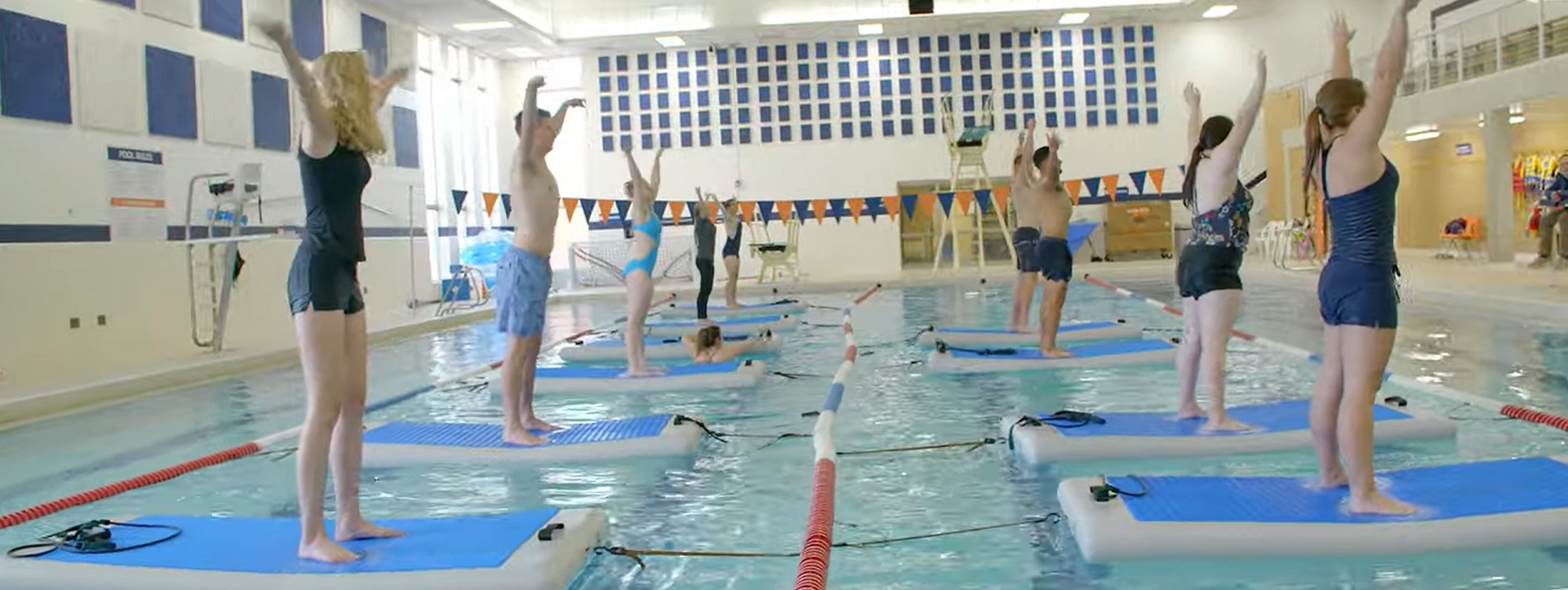
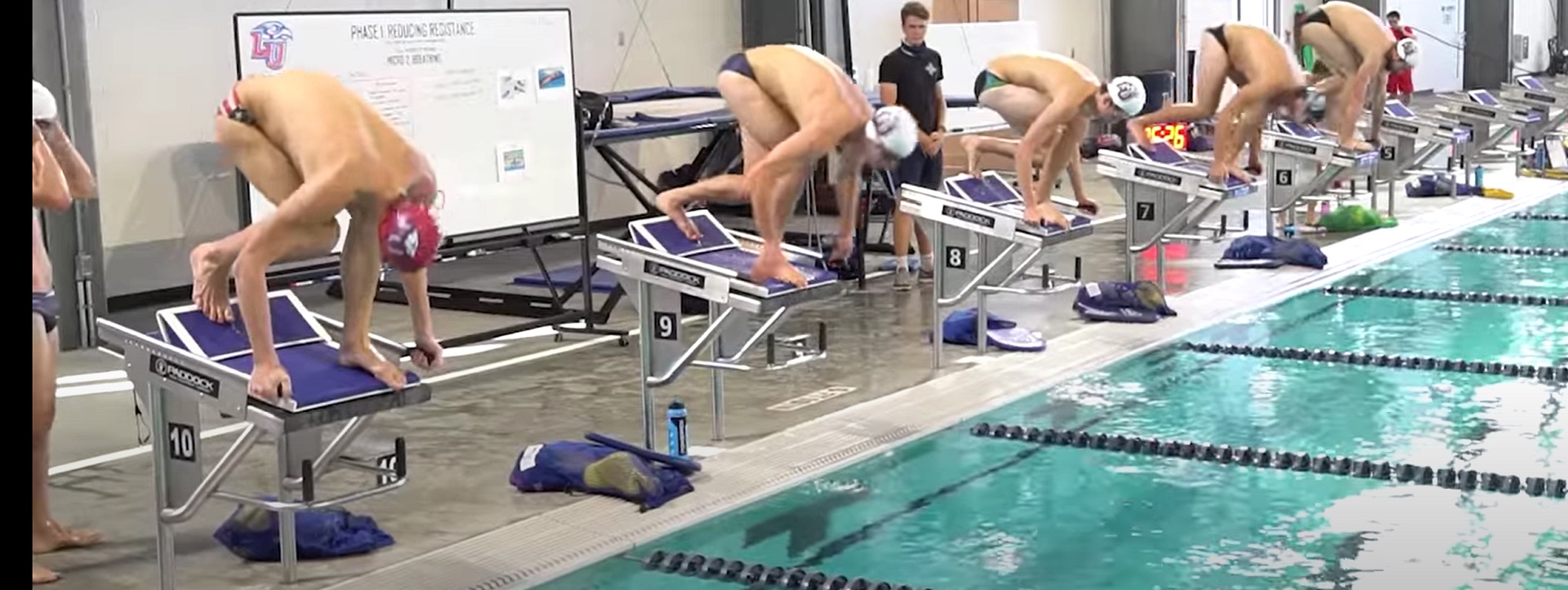
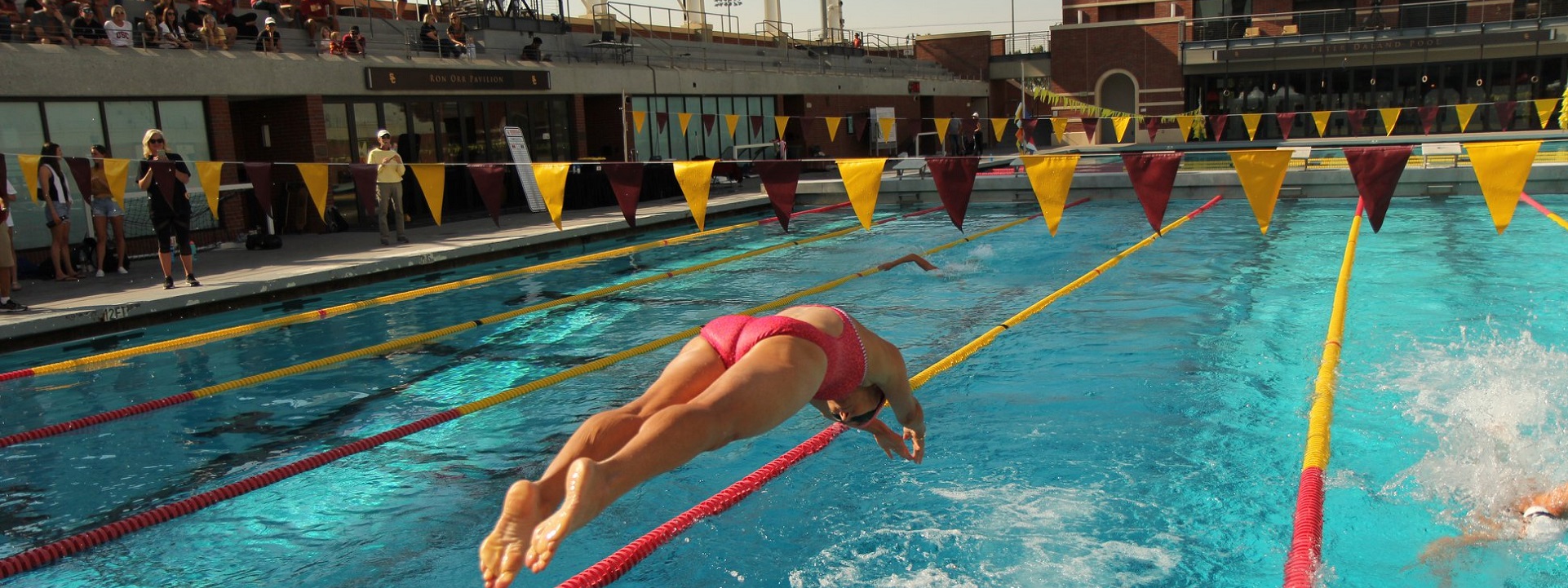
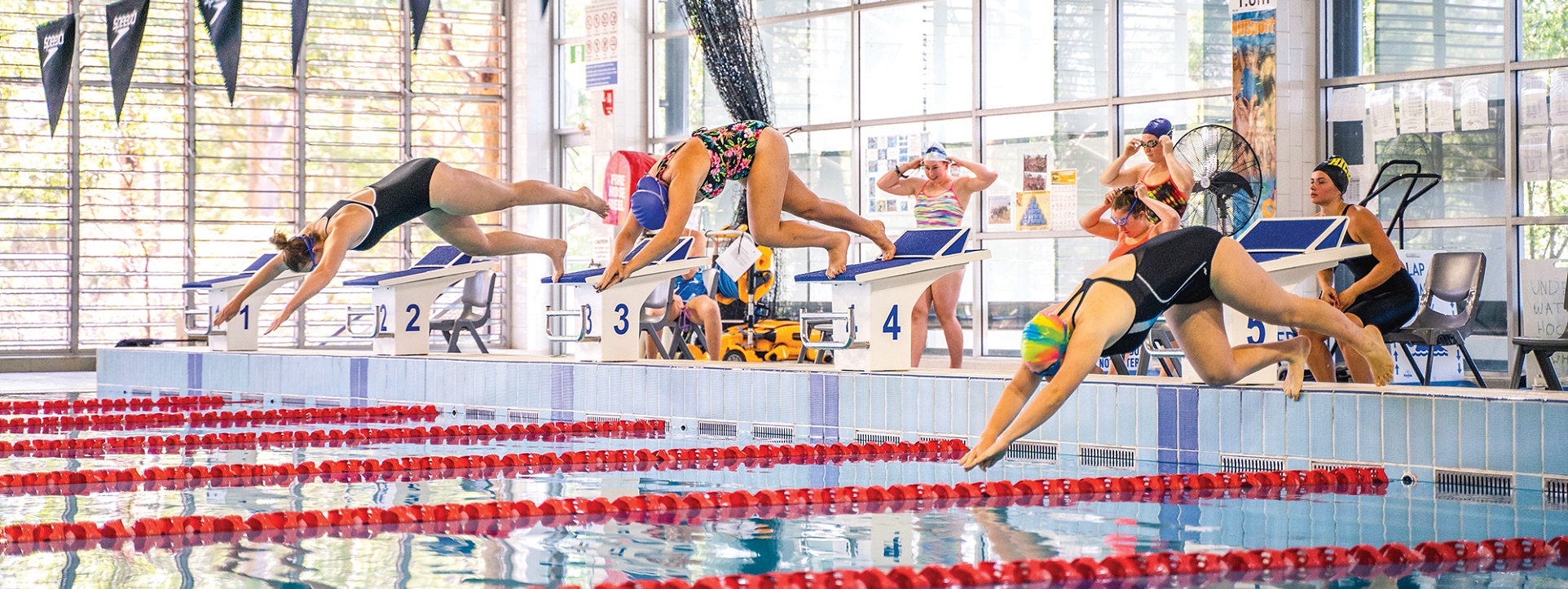
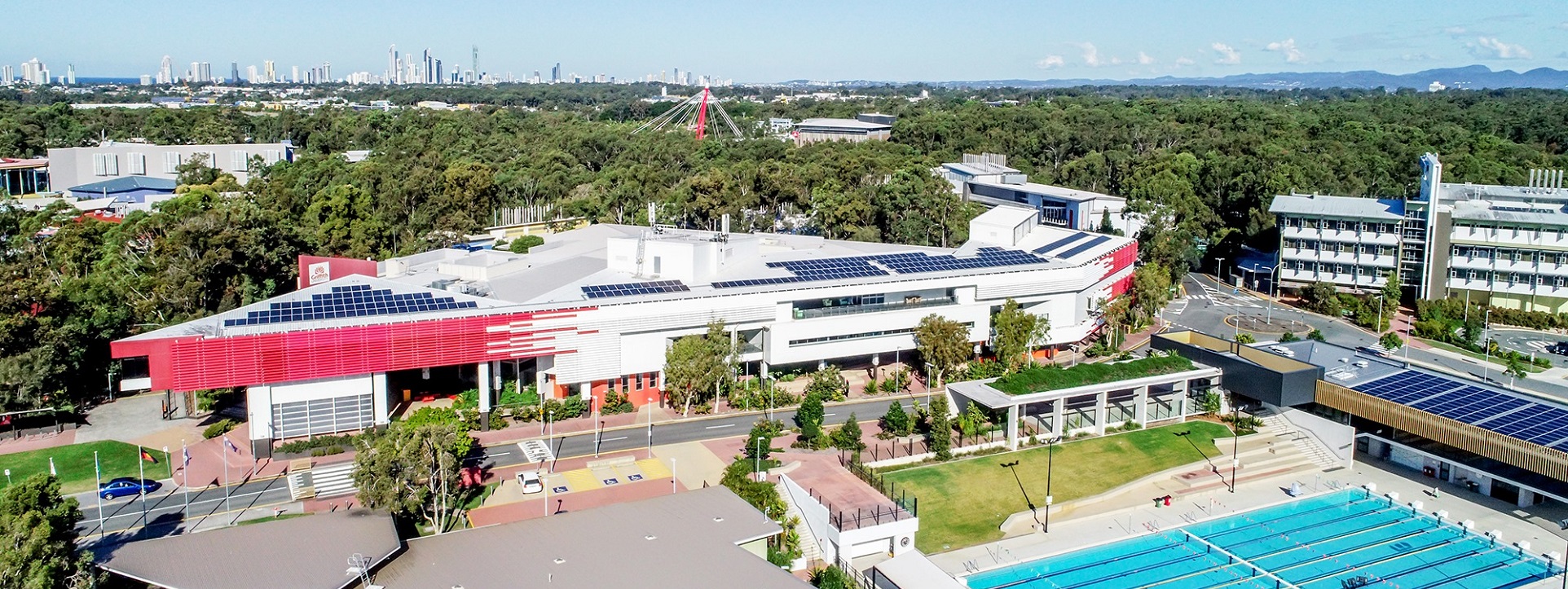
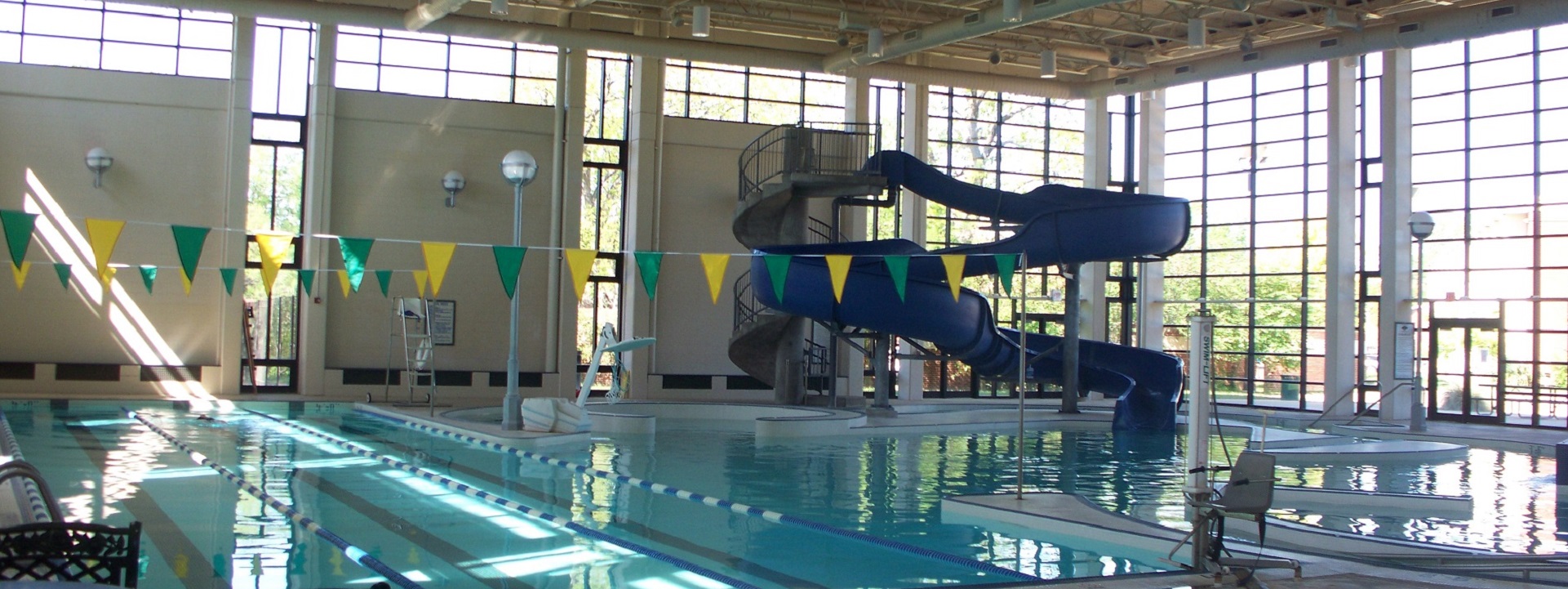
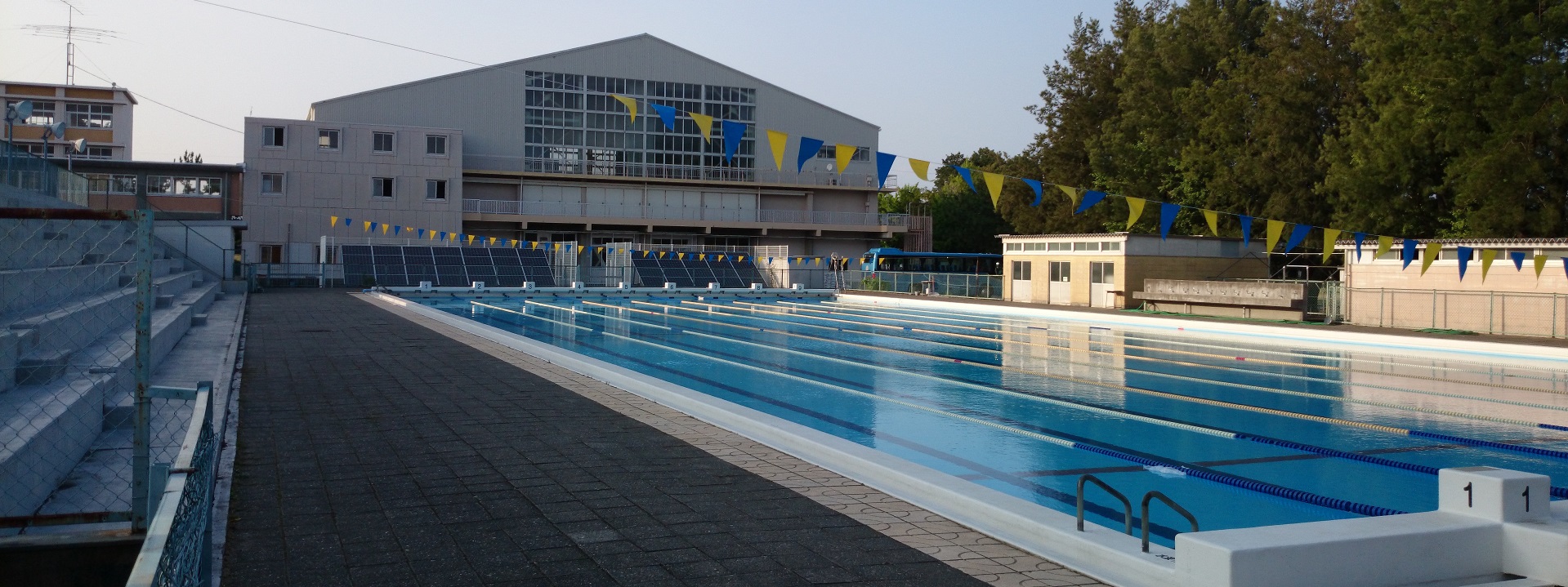
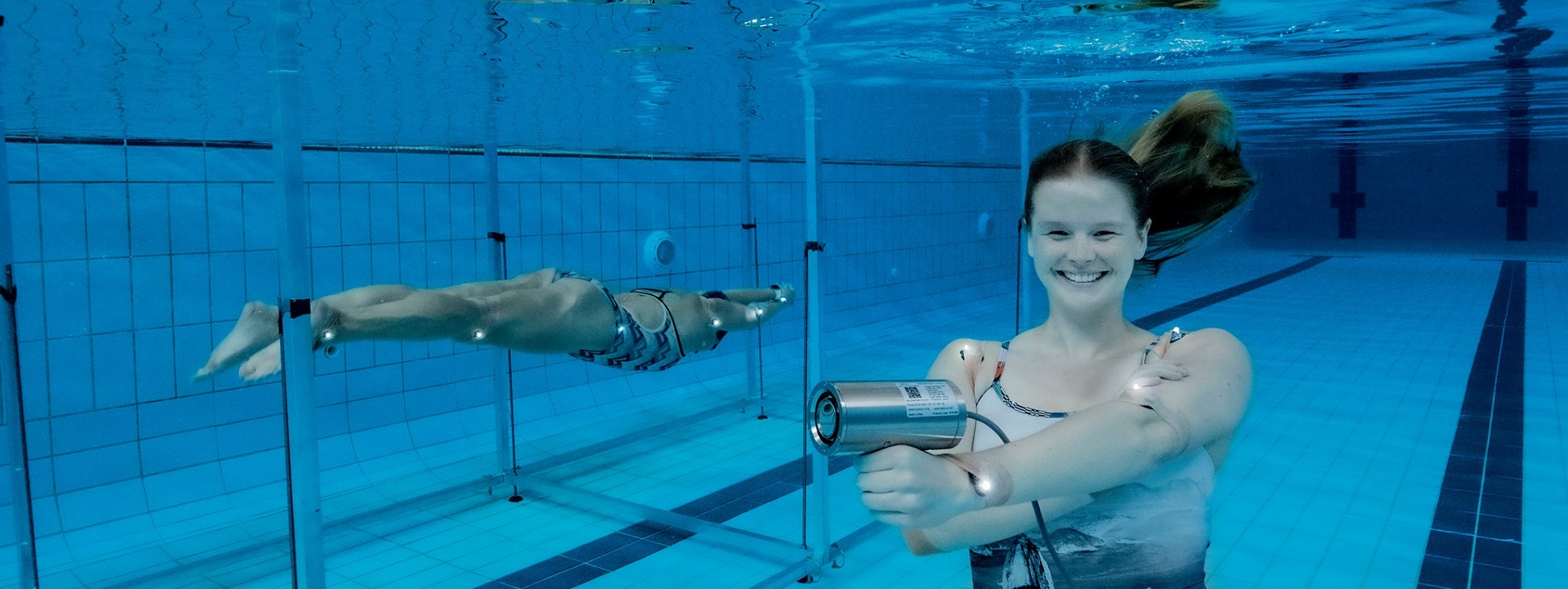
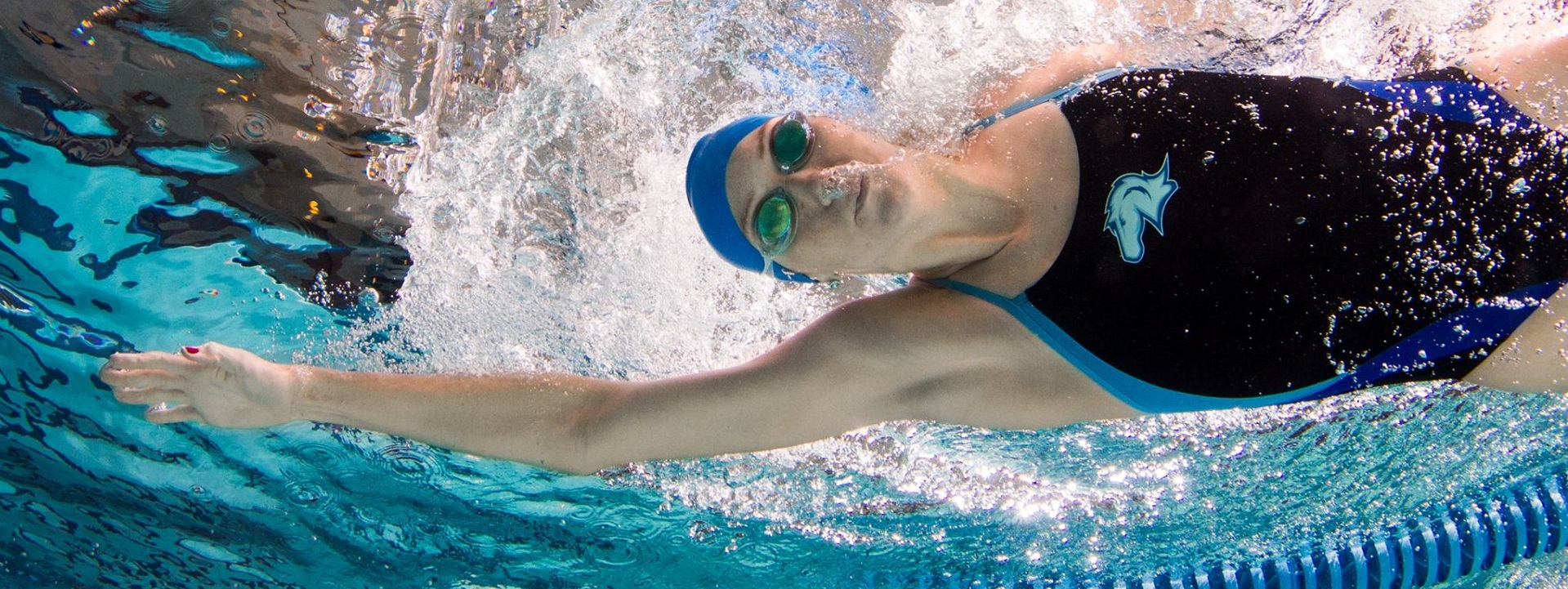
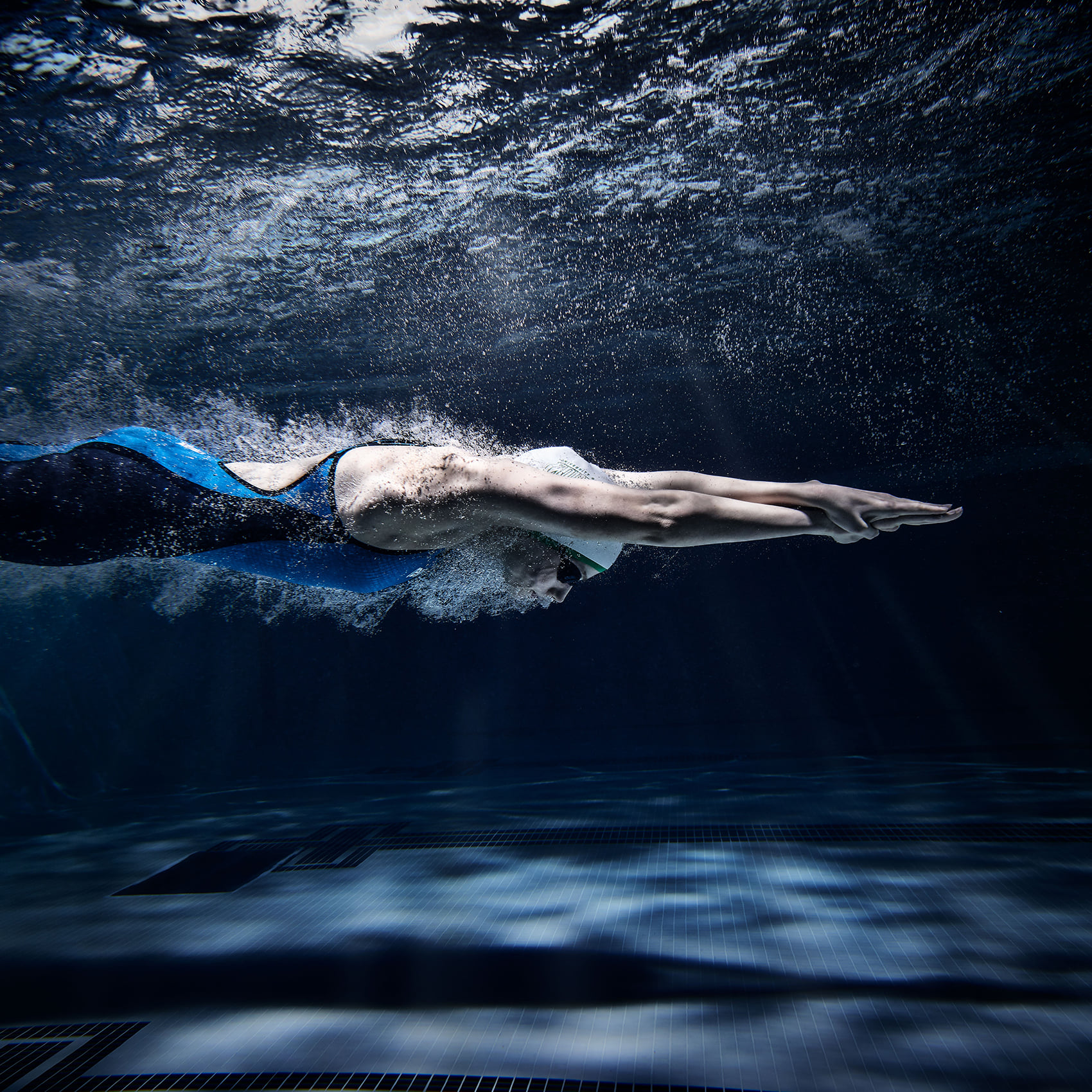
Swimming, Water Polo and Diving Lighting


“In swimming, there are no referees, no foul lines,

no time-outs, and no substitutions.

It’s just you and the water.” – Unknown


https://standardsmichigan.com/australia/

There are several specific problems that swimming pool overhead lighting aims to solve:

  1. Visibility: Swimming pool overhead lighting is designed to improve visibility in and around the pool. This is important for safety reasons, as it helps swimmers see where they are going and avoid obstacles or hazards.
  2. Aesthetics: Overhead lighting can enhance the appearance of the swimming pool by creating a visually appealing atmosphere. This is especially important for commercial pools where the aesthetics can be an important factor in attracting customers.
  3. Functionality: Overhead lighting can provide additional functionality by allowing the pool to be used during evening hours or in low light conditions. This can increase the usability of the pool and make it more appealing to users.
  4. Energy efficiency: Modern overhead pool lighting solutions are designed to be energy-efficient, reducing the overall energy consumption and operating costs of the pool.
  5. Longevity: Overhead pool lighting must be designed to withstand exposure to water, chlorine, and other harsh chemicals, as well as exposure to the elements. The lighting system must be durable and reliable to ensure longevity and prevent costly repairs or replacements.

Overall, swimming pool overhead lighting is an important component of a safe, functional, and visually appealing pool. It provides illumination for visibility, enhances aesthetics, and improves functionality, while also being energy-efficient and durable.

After athletic arena life safety obligations are met (governed legally by NFPA 70, NFPA 101, NFPA 110,  the International Building Code and possibly other state adaptations of those consensus documents incorporated by reference into public safety law) business objective standards may come into play. For almost all athletic facilities,  the consensus documents of the Illumination Engineering Society[1], the Institute of Electrical and Electronic Engineers[2][3] provide the first principles for life safety.  For business purposes, the documents distributed by the National Collegiate Athletic Association inform the standard of care for individual athletic arenas so that swiftly moving media production companies have some consistency in power sources and illumination as they move from site to site.  Sometimes concepts to meet both life safety and business objectives merge.

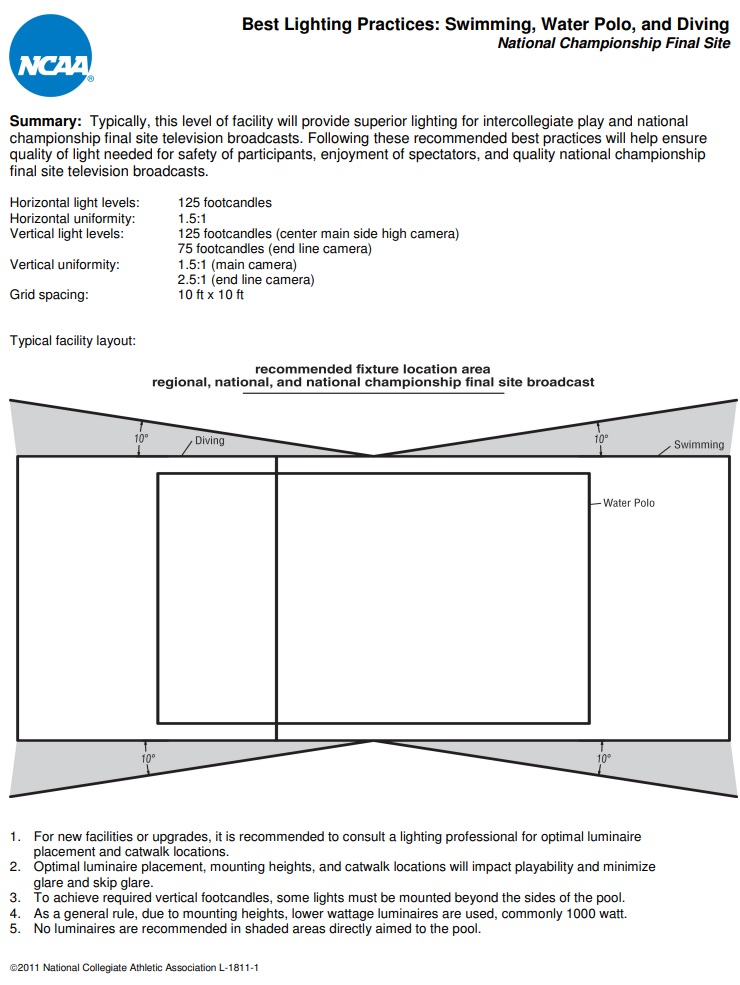
During water sport season the document linked below provides information to illumination designers and facility managers:

NCAA Best Lighting Practices

Athletic programs are a significant source of revenue and form a large part of the foundation of the brand identity of most educational institutions in the United States.   We focus primarily upon the technology standards that govern the safety, performance and sustainability of these enterprises.  We collaborate very closely with the IEEE Education & Healthcare Facilities Committee where subject matter experts in electrical power systems meet 4 times each month in the Americas and Europe.

See our CALENDAR for our next colloquium on Sport facility codes and standards  We typically walk through the safety and sustainability concepts in play; identify commenting opportunities; and find user-interest “champions” on the technical committees who have a similar goal in lowering #TotalCostofOwnership.

Issue: [15-138]*

Category: Electrical, Architectural, Arts & Entertainment Facilities, Athletics

Colleagues: Mike Anthony, Jim Harvey, Jack Janveja, Jose Meijer, Scott Gibbs


More

Watersport Time Standards

Sport Lighting

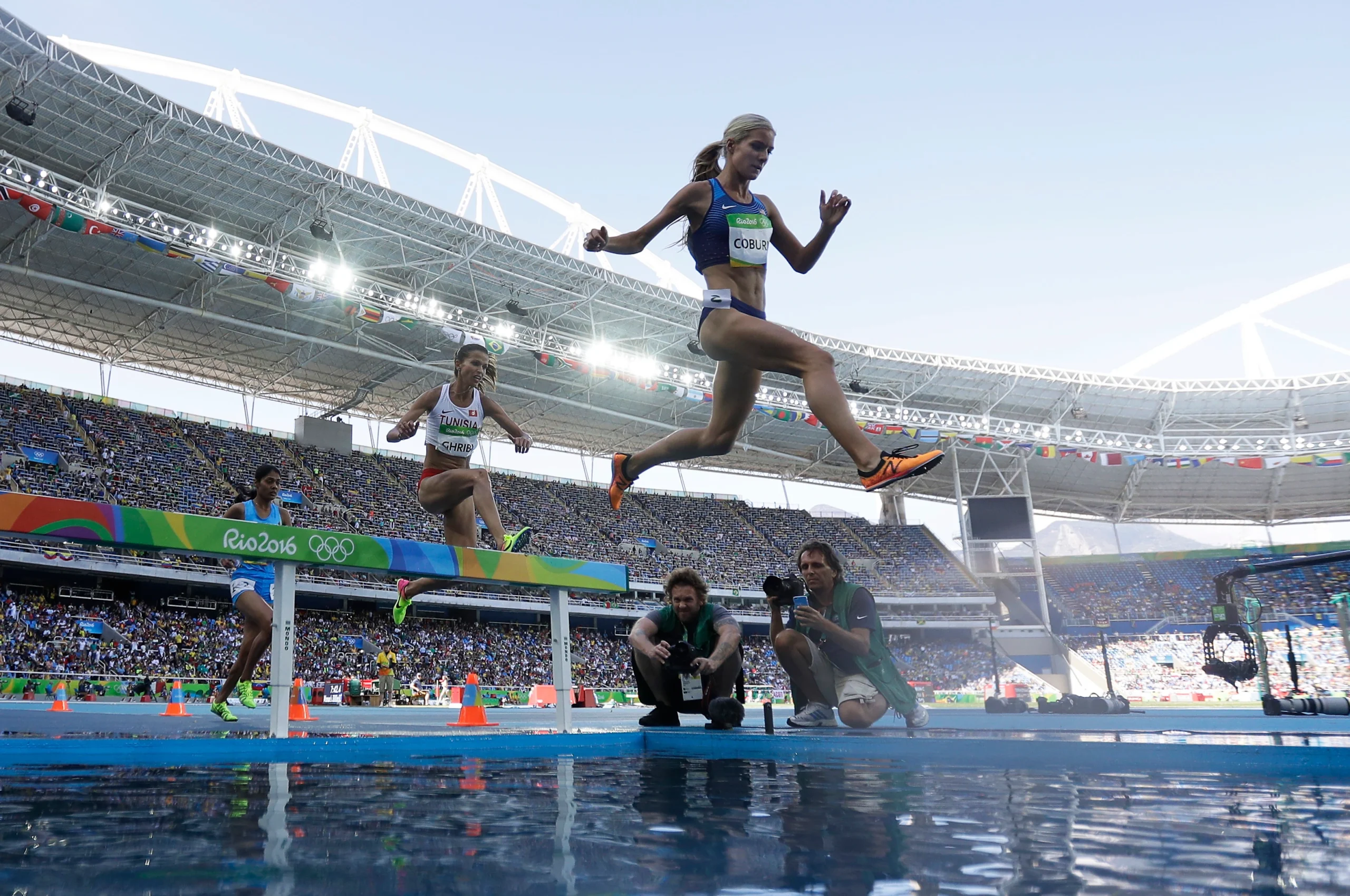
Steeplechase Water Jump

File: April 15, 2023


The steeplechase event requires a combination of speed, endurance, and jumping ability, as athletes must clear the barriers while maintaining their pace and negotiating the water jump. The rules and specifications for the steeplechase event are set by the International Association of Athletics Federations the governing body for the sport of athletics (track and field) worldwide; with minor adaptations by the NCAA for intercollegiate competition.

Emma Coburn | University of Colorado Boulder

The steeplechase is a distance race with barriers and a water pit that athletes must clear during the race.  According to the NCAA Track and Field and Cross Country rulebook, the standards for the steeplechase water jump are as follows:

  1. Length: The water pit must be at least 3.66 meters (12 feet) long.
  2. Width: The water pit must be at least 3.66 meters (12 feet) wide.
  3. Depth: The water pit must have a minimum depth of 0.7 meters (2 feet 4 inches) and a maximum depth of 0.9 meters (2 feet 11 inches).
  4. Slope: The slope of the water pit must not exceed 1:5, meaning that for every 5 meters in length, the water pit can rise by no more than 1 meter in height.

  5. Barrier: The water pit must be preceded by a solid barrier that is 91.4 cm (3 feet) high. Athletes are required to clear this barrier before landing in the water pit.

These standards may be subject to change and may vary depending on the specific NCAA division (Division I, Division II, or Division III) and other factors such as venue requirements. Therefore, it’s always best to refer to the official NCAA rules and regulations for the most up-to-date and accurate information on the steeplechase water jump standards in NCAA competitions.

ASTM F 2157-09 (2018) Standard Specification for Synthetic Surfaced Running Tracks
This specification establishes the minimum performance requirements and classification when tested in accordance with the procedures outlined within this specification. All documents referencing this specification must include classification required.

ASTM F 2569-11 Standard Test Method for Evaluating the Force Reduction Properties of Surfaces for Athletic Use
This test method covers the quantitative measurement and normalization of impact forces generated through a mechanical impact test on an athletic surface. The impact forces simulated in this test method are intended to represent those produced by lower extremities of an athlete during landing events on sport or athletic surfaces.

ASTM F 2949-12 Standard Specification for Pole Vault Box Collars
This specification covers minimum requirements of size, physical characteristics of materials, standard testing procedures, labeling and identification of pole vault box collars.

ASTM F 1162/F1162M-18 Standard Specification for Pole Vault Landing Systems
This specification covers minimum requirements of size, physical characteristics of materials, standard testing procedures, labeling and identification of pole vault landing systems.

ASTM F 2270-12 (2018) Standard Guide for Construction and Maintenance of Warning Track Areas on Sports Fields
This guide covers techniques that are appropriate for the construction and maintenance of warning track areas on sports fields. This guide provides guidance for the selection of materials, such as soil and sand for use in constructing or reconditioning warning track areas and for selection of management practices that will maintain a safe and functioning warning track.

ASTM F 2650-17e1 Standard Terminology Relating to Impact Testing of Sports Surfaces and Equipment
This terminology covers terms related to impact test methods and impact attenuation specifications of sports equipment and surfaces.

Sports Equipment & Surfaces

Abby Hornacek

This content is accessible to paid subscribers. To view it please enter your password below or send mike@standardsmichigan.com a request for subscription details.

Milano Cortina

you shall above all things…


The Spectator: Americans are erasing European culture

(And Many Americans Are Also Unhappy About It)

Un mondo fatto bene

Science at the Winter Olympics


“Citius, Altius, Fortius”

Standards Utah


John Williams composed the official theme for the 2002 Winter Olympics in Salt Lake City as a grand cantata-fanfare for orchestra and chorus, premiered by the Mormon Tabernacle Choir and Utah Symphony. The piece directly draws from the Olympic motto “Citius, Altius, Fortius”(“Faster, Higher, Stronger”), originally coined in Latin by modern Olympics founder Pierre de Coubertin in 1894, but rooted in the ancient Greek ethos of athletic excellence, striving, and human potential celebrated by authors like Pindar and Aristotle.

Williams opens with the choir emphatically chanting “Citius! Altius! Fortius!” repeatedly, building heroic orchestral swells to evoke triumphant effort and glory—mirroring ancient ideals of arete (virtue through competition) and pushing limits, as in Aristotle’s praise of those who act and compete rather than merely possess talent. He innovatively adds “Clarius” (“clearer”) in the finale, suggesting clarity of mind alongside physical prowess, extending the motto to encompass intellectual and spiritual elevation of The Games.

Milano Cortina

Sung Elsewhere:

Mas-fhìor do: Goireasan Spòrs


“The only true sport is that which arises spontaneously

from the heart and the blood.”

— Alistair MacLean

The University of Stirling has produced several famous athletes over the years. Here are a few examples:

Duncan Scott: Duncan Scott is a Scottish swimmer who graduated from the University of Stirling in 2018. He has won numerous medals at major international competitions, including the Olympics, the World Championships, and the Commonwealth Games.

Andy Murray: While Andy Murray did not technically graduate from the University of Stirling, he did attend the university for a brief period in the early 2000s. Murray is a famous Scottish tennis player who has won multiple Grand Slam titles and an Olympic gold medal.

Ross Murdoch: Ross Murdoch is a Scottish swimmer who graduated from the University of Stirling in 2016. He has won multiple medals at major international competitions, including the Commonwealth Games.

Robbie Renwick: Robbie Renwick is a Scottish swimmer who graduated from the University of Stirling in 2009. He has won multiple medals at major international competitions, including the Olympics and the Commonwealth Games.


University of Stirling

Sports, Recreational Facilities & Equipment

Maths and Sport


Curlin’

Sport and WellbeingStandards Scotland

The term “curling” is thought to derive from the way the stone moves and “curls” as it travels over the ice. The key feature of curling that sets it apart from other ice sports is the deliberate rotation, or “curl,” applied to the stones as players release them. This rotation causes the stone to curve or “curl” on its path down the ice, adding an element of strategy to the game.

The precise origin of the term is not definitively known, but it likely emerged organically as people described the action of the stones on the ice. The word “curling” has been associated with the sport for centuries, and as the game evolved and gained popularity, the term became firmly established.

The concept of curling is integral to the sport’s strategy, as players use the curl to navigate the stones around guards and other stones strategically placed on the ice. The unique way in which the stones move and interact with the playing surface is one of the defining characteristics of curling, and the name captures this distinctive feature

World Curling Mixed Championship 2024

Scientific American: Why Do Curling Stones Curl?

A curling facility typically consists of several key components to support the sport and provide a suitable environment for players and spectators:

  • Flooding equipment, refrigeration for 3 degrees C, fine mist sprayers, ice planer, infrared thermometers.
  • The playing surface is called a “sheet,” and it is a rectangular area of ice where the game is played. Each sheet is divided into several sections called “curling houses,” which are the target circles.
  • Curling stones are made of granite and weigh around 38 to 44 pounds. Each team has eight stones, and players take turns sliding them down the ice towards the target area, known as the House.
  • The house is the target area with concentric circles marked on the ice. The center of the house is the “button,” and the circles are used for scoring points.
  • The hacks are footholds on either end of the sheet where players push off to slide the stones. The player in control of the stone uses the hack as a starting point for their delivery.
  • Brooms, also known as brushes, are used by players to sweep the ice in front of the sliding stone. Sweeping can affect the stone’s trajectory and speed.
  • A scoreboard is essential for keeping track of the score in a curling game. It typically displays the current score, the end in progress, and other relevant information.
  • Players use locker rooms for changing into their curling attire and storing their personal belongings.
  • A designated area where players can warm up before a game. It may include stretching space and possibly a small practice sheet.
  • A facility usually has a clubhouse or main building that includes amenities such as viewing areas, meeting rooms, a bar, and possibly a restaurant.  In the case of the Windsor Curling Club: Scotch Whiskey
  • Equipment like ice resurfacers or Zambonis are used to maintain the quality of the ice surface between games.

The origin of curling is sketchy but this much is agreed upon:  Curling is thought to have originated in Scotland, and its roots can be traced back to medieval times. The first written record of curling dates back to 1541 in the records of the Scottish city of Paisley, where a challenge was issued for a contest on the ice between two rival churches.

The early form of the game involved players sliding stones across frozen ponds and lochs, attempting to reach a target. Over time, the sport evolved, and rules were established. Early versions of curling stones were likely rudimentary compared to the polished granite stones used today.

Curling gradually gained popularity in Scotland and spread to other parts of the world, especially among Scottish immigrants. The sport found a home in Canada in the 18th century, where it has become particularly popular. The first curling club in North America, the Montreal Curling Club, was established in 1807.  The Detroit Curling Club was established in 1840; one of the oldest curling clubs in the United States, owing much to its across the river relationship with Windsor Canada.


Layout mode
Predefined Skins
Custom Colors
Choose your skin color
Patterns Background
Images Background
Standards Michigan
error: Content is protected !!
Skip to content