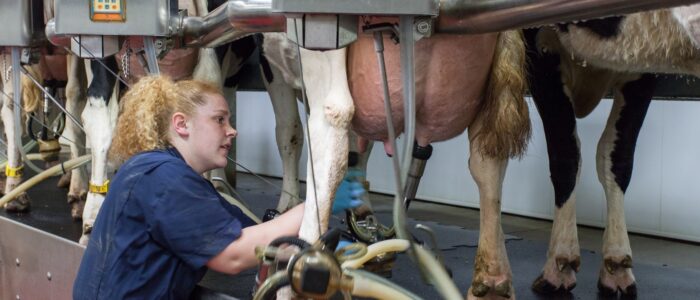
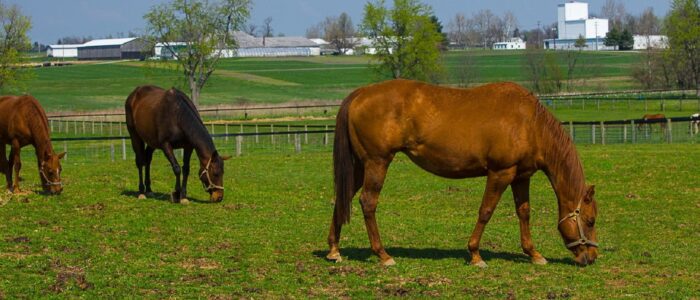
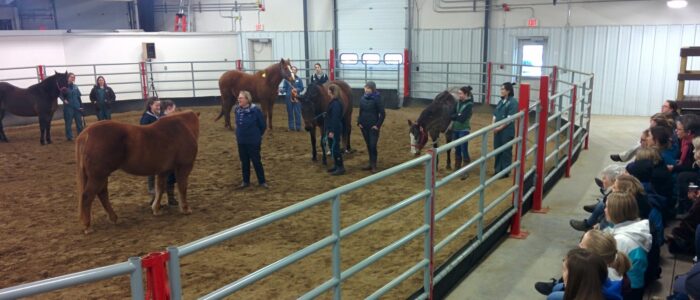
Hops are a major ingredient for beer brewing. Read more about a new design for a hops dryer for small-scale producers by the @University of Tennessee’s Department of Biosystems Engineering in the latest issue of Resource. #hops#beer#brewinghttps://t.co/CSQgQp5EXcpic.twitter.com/6S5k8OD5zT
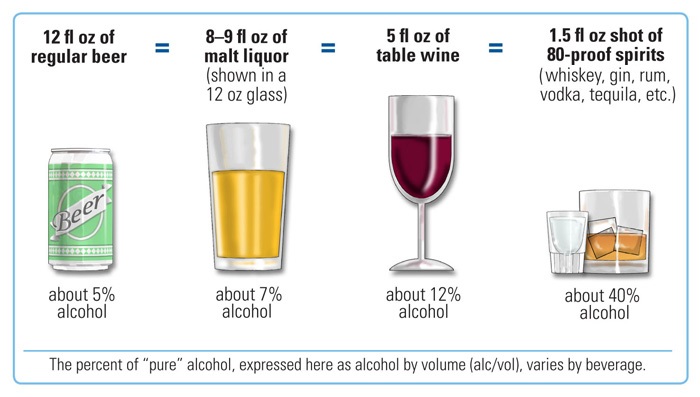
Many people are surprised to learn what counts as a “drink”. The amount of liquid in your glass, can, or bottle does not necessarily match up to how much alcohol is actually in your drink. Even before the United States federal government withdrew from regulating alcohol, the conversation, and degree of agreement and attitude, remains remarkably regionally specific:
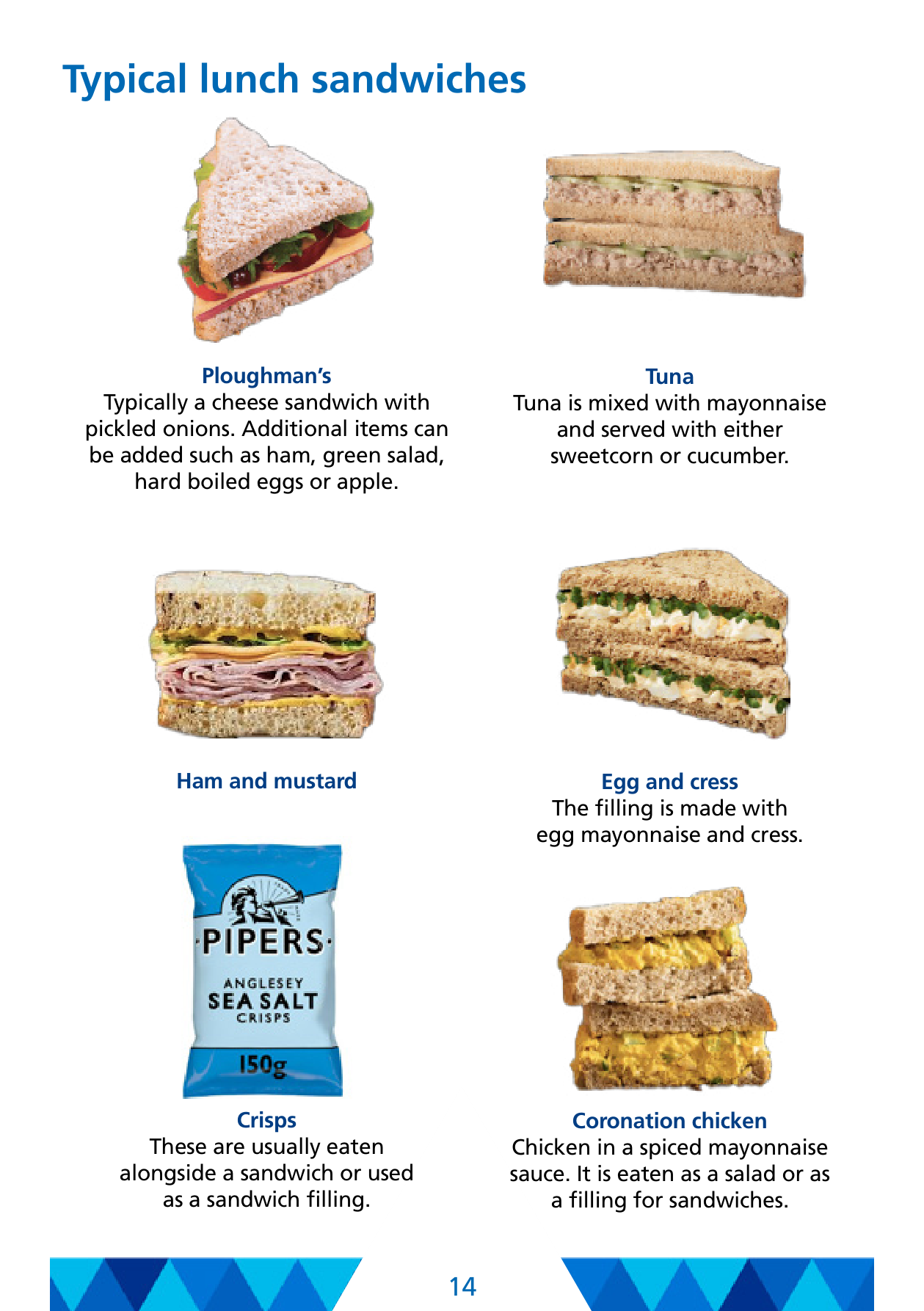
The Ploughman’s lunch belongs to the English foodway of simple cold meals built around bread, cheese and preserved foods. Its ingredients reflect the farmhouse, dairy, bakery and kitchen garden: a substantial piece of cheese, crusty bread, butter, pickled onions or chutney, often accompanied by apple, ham, boiled egg or salad.
Requiring little preparation and no cooking at the table, it evokes food carried into the fields or served at an inn during the working day.
Though the modern name and standardized pub presentation are comparatively recent, its components are much older: local produce, preservation, seasonality and refreshment arranged as an ordinary meal.
Ophelia Lovibond studied English at the University of Sussex, graduating in 2008.
How are our researchers transforming lives? From protecting children to preventing exploitation, our researchers are putting people at the heart of their research. Hear from our Centres of Excellence.
Like many folk traditions of saying “Rabbit, rabbit” to your colleagues on the first day of the month has an unclear origin and has several variations and interpretations. We use it a reason to explore university research into food sources; the proper business of education communities everywhere. In one version of the tradition, saying “Rabbit, rabbit” or “White rabbit” as the first words upon waking on the first day of the month is believed to bring good luck for the rest of that month. It is thought to ensure good fortune, happiness, and general positivity throughout the coming weeks.
The specific origins and reasons behind this tradition are difficult to trace, as superstitions often evolve and are passed down through generations. It’s worth noting that this practice is not universally known or followed, and its popularity may vary among different regions and communities. Ultimately, the saying “Rabbit, rabbit” on the first day of the month is an example of a charming and whimsical superstition that some individuals enjoy participating in as a fun way to start the month on a positive note.
Yes—and Europe gives us a few better settlement-specific directions than the American apple-oatmeal idea.
The one I’d choose this morning is Copenhagen. The University of Copenhagen explicitly treats breakfast, coffee and cake as part of campus life across its campuses; at Frederiksberg, the Gimle canteen serves breakfast and the university even remarks that the coffee at its garden café has a reputation for being particularly good. University of Copenhagen That suggests a Danish Sunday plate: strong filter coffee, dark rye bread, butter, cheese, a soft-boiled egg and perhaps apple or preserves.
There are two other good directions. At Heidelberg, the university student-services cafés emphasize Fairtrade organic coffee and breakfast as part of ordinary student life. Studierendenwerk Heidelberg That points toward coffee with a Brötchen, butter, preserves, cheese and egg. In Britain, St Andrews offers Fairtrade coffee, breakfast rolls and home baking, while Plymouth explicitly still serves the full English breakfast on campus. University of St Andrews
But given this morning’s Matins → Austria → UNESCO → European choral tradition, I’d stay continental rather than go Full English.
“With this weekly post we want to introduce you into the culinary range of the English speaking world. Each week we present you an iconic dish and give you information around its origin, preparation and eating habits. This week we are visiting the Big Apple – New York. Bagels can be regarded as a true American melting-pot meal.” — von Nadja Wostiera (Language graduate and blog author)
This beautiful map was created by Charles Joseph Minard a round 1860s. He is one of the fathers of modern infographics. Here he visualises the vast German migration streams heading to the US via Hamburg and Bremen. Looking at it, it’s no surprise that so many North Americans… pic.twitter.com/rpRRXzan5k
— Simon Kuestenmacher (@simongerman600) May 31, 2026
One characteristic of the “customer experience” of school children, dormitory residents, patients in university-affiliated hospitals and attendees of large athletic events is the quality of food. School districts and large research universities are responsible for hundreds of food service enterprises for communities that are sensitive to various points along the food supply chain.
The American Society of Agricultural and Biological Engineers (ASABE) is one of the first names in standards setting for the technology and management of the major components of the global food supply chain. It has organized its ANSI-accredited standards setting enterprise into about 200 technical committees developing 260-odd consensus documents*. It throws off a fairly steady stream of public commenting opportunities; many of them relevant to agricultural equipment manufacturers (i.e, the Producer interest where the most money is) but enough of them relevant to consumers (i.e. the User interest where the least money is) and agricultural economics academic programs that we follow the growth of its best practice bibliography.
A few of the ASABE consensus documents that may be of interest to faculty and students in agricultural and environmental science studies are listed below:
Safety for Farmstead Equipment
Safety Color Code for Educational and Training Laboratories
Recommended Methods for Measurement and Testing of LED Products for Plant Growth and Development
Distributed Ledger Technology applications to the global food supply chain
The ASABE bibliography is dominated by product-related standards; a tendency we see in many business models of standards setting organizations because of the influence of global industrial conglomerates who can bury the cost of their participation into a sold product. Our primary interest lies in the movement of interoperability standards — much more difficult — as discussed in our ABOUT.
The home page for the ASABEs standards setting enterprise is linked below:
As of this posting we find no live consultation notices for interoperability standards relevant to educational settlements. Sometimes you can find them ‘more or less concurrently’ posted at the linked below:
We always encourage our colleagues to participate directly in the ASABE standards development process. Students are especially welcomed into the ASABE Community. Jean Walsh (walsh@asabe.org) and Scott Cederquist (cedarq@asabe.org) are listed as contacts.
Colleagues: Mike Anthony, Jack Janveja, Richard Robben
Meet Raley Kirk from San Saba, TX. Raising hair sheep and Spanish goats in the Texas Hill Country, Raley is proud to play a part in providing the food and fiber our country depends on every day.
For her, National Ag Week is about highlighting that meaningful work and ensuring… pic.twitter.com/9KKC4pzRgC
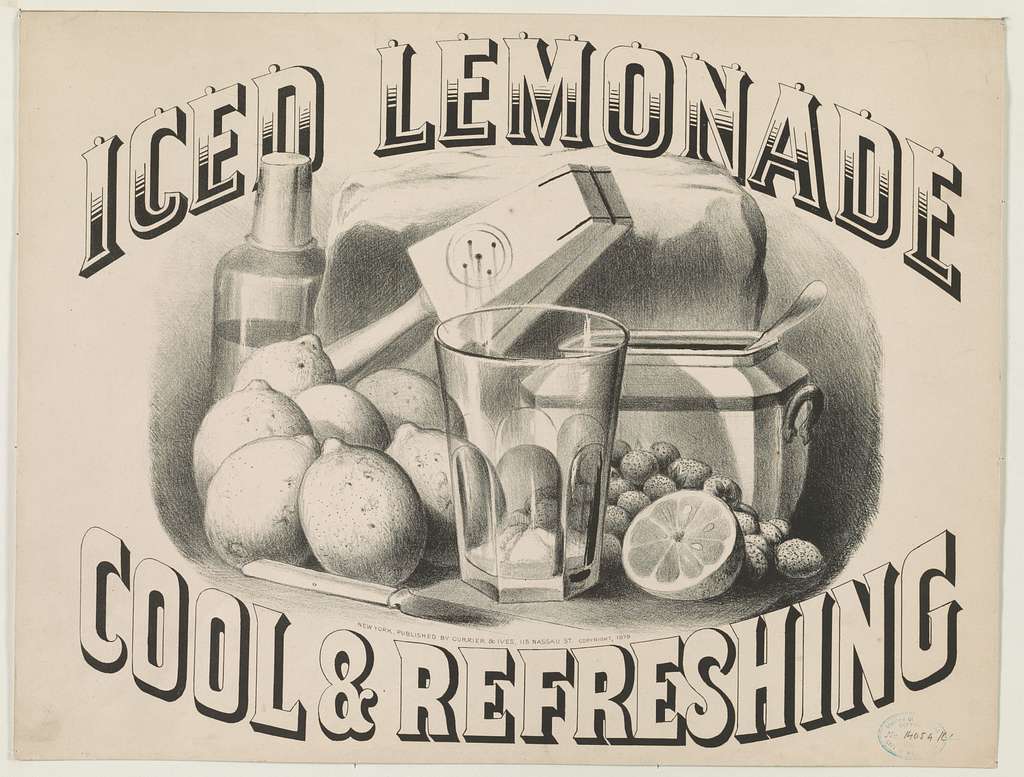
Officer goes viral after response to ‘Mrs. Anonymous’ complaint over lemonade stand
“Thank you to “Mrs. Anonymous” for calling to complain about a kids’ lemonade stand. We responded and enjoyed a refreshing cup while making some new friends!” pic.twitter.com/WnkLgkyHZM
New update alert! The 2022 update to the Trademark Assignment Dataset is now available online. Find 1.29 million trademark assignments, involving 2.28 million unique trademark properties issued by the USPTO between March 1952 and January 2023: https://t.co/njrDAbSpwBpic.twitter.com/GkAXrHoQ9T