Category Archives: @IntlCodeCouncil

Loading
loading...

International Plumbing Code

The International Plumbing Code (IPC) is developed to harmonize with the full span of ICC’s family of building codes.  The IPC sets minimum regulations for plumbing systems and components to protect life, health and safety of building occupants and the public. The IPC is available for adoption by jurisdictions ranging from states to towns, and is currently adopted on the state or local level in 35 states in the U.S, the District of Columbia, Guam, and Puerto Rico.

CLICK HERE for the 2021 Public Access Edition 
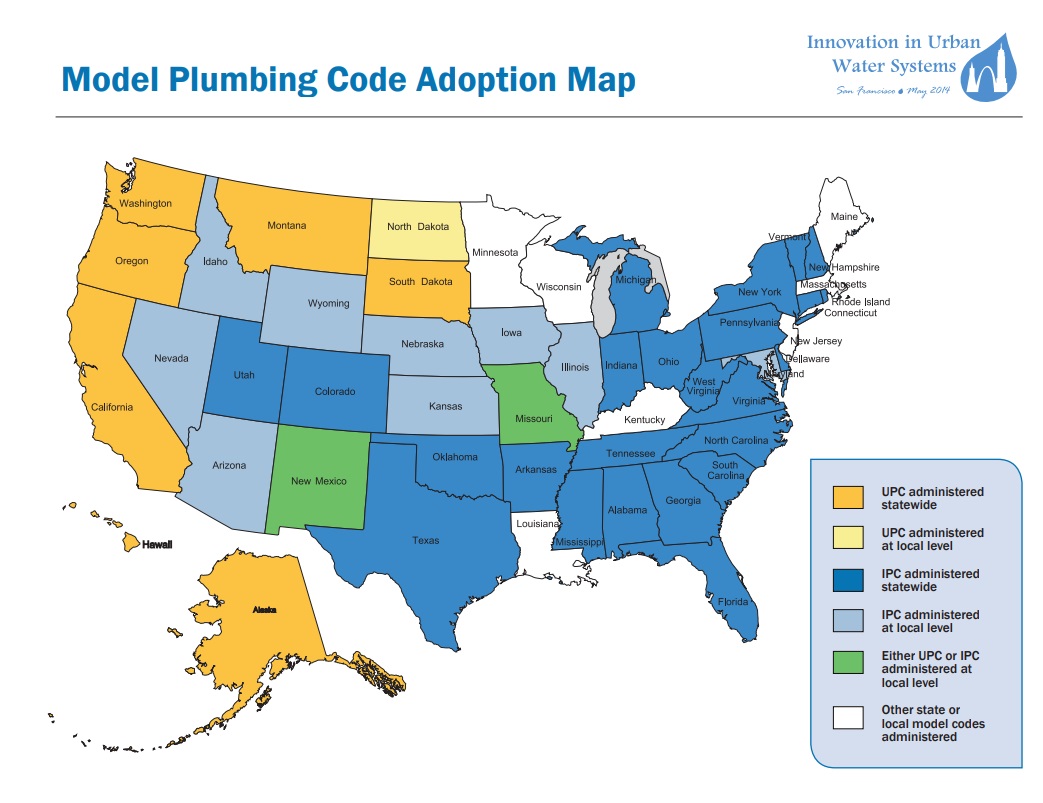
SOURCE: CLICK ON IMAGE | Contact ICC for most recent IPC adoption map


The IPC is developed in the ICC Group A Code development framework and concluded its revision cycle in late 2021 under the circumstances of the pandemic.  The 2023 International Plumbing Code revision cycle will not begin until early 2023 but it is never too soon to understand the issues from previous revision cycles to enlighten approaches to the forthcoming Group A revision cycle.   The complete monograph of the Group A Codes is linked below, with comments on IPC proposals starting on Page 1417 of this 1613 page document:

2021 IPC | Group A Public Comment Monograph

Because transgender issues are on the agenda of many facility managers we direct you to Page 1424 of the rather large document linked above.

As always, we persist in encouraging education industry facility managers (especially those with operations and maintenance data) to participate in the ICC code development process.  You may do so by CLICKING HERE.

Real asset managers for school districts, colleges, universities and technical schools in the Las Vegas region should take advantage of the opportunity to observe the ICC code-development process during the upcoming ICC Annual Conference in Las Vegas, October 20-23 during which time the Group B c Public Comment Hearings will take place.  Even though the IPC has moved farther along the ICC code development process it is still enlightening to observe how it work.   The Group B Hearings are usually webcast — and we will signal the link to the webcast when it becomes available — but the experience of seeing how building codes are determined is enlightening when you can watch it live and on site.

Issue: [16-133]

Category: Plumbing, Water, Mechanical

Colleagues: Eric Albert, Richard Robben, Larry Spielvogel

#StandardsNewMexico


LEARN MORE:

Neutral Public Bathroom Design

International Building Code § 303.4: Places of Religious Worship

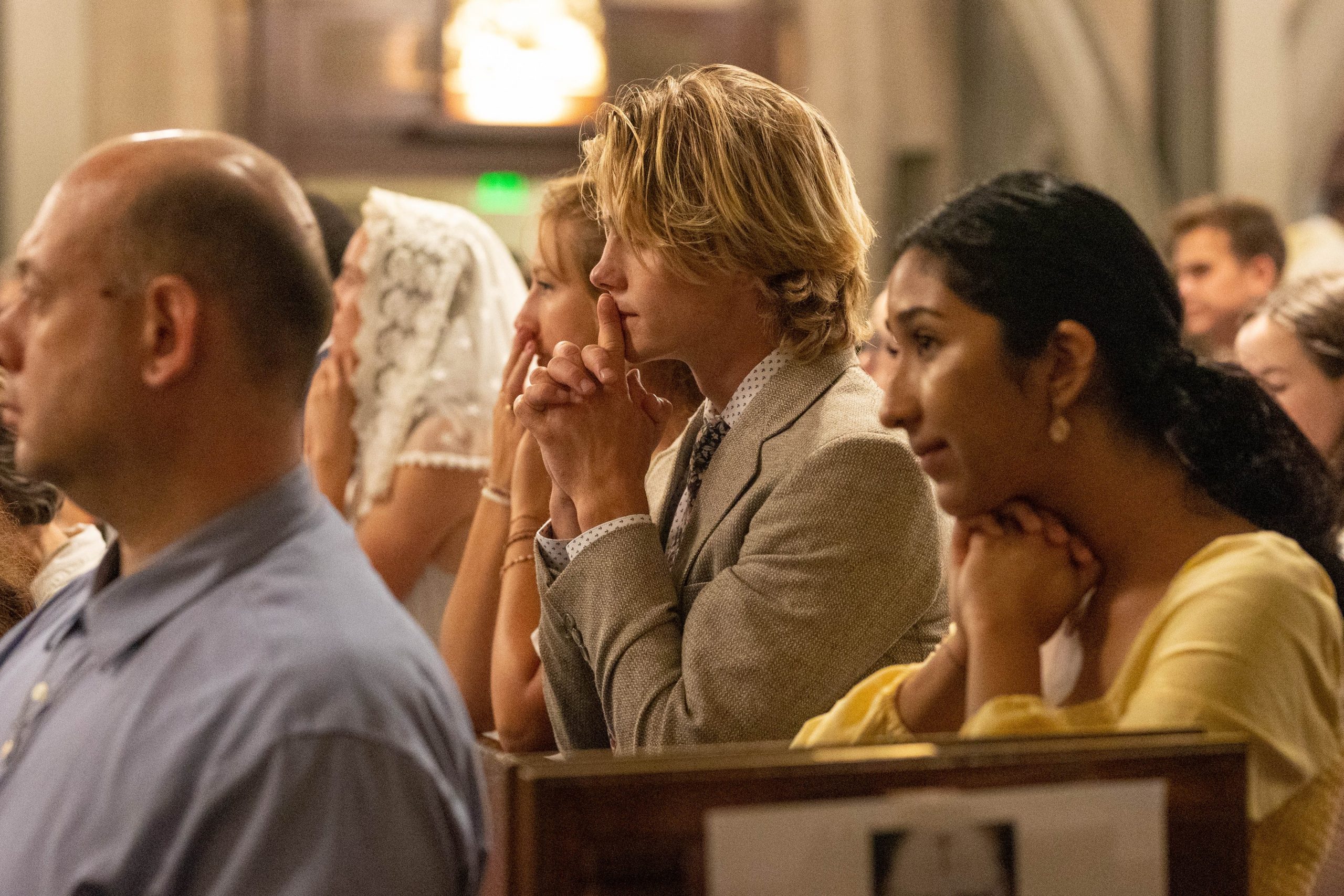
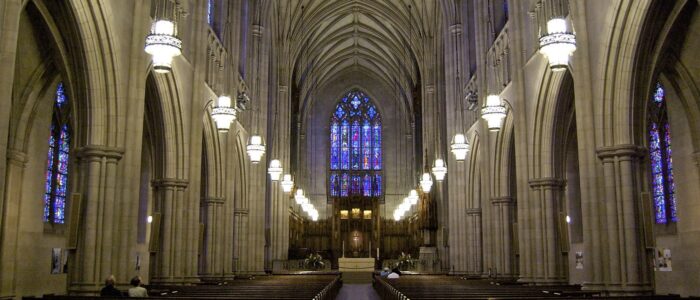
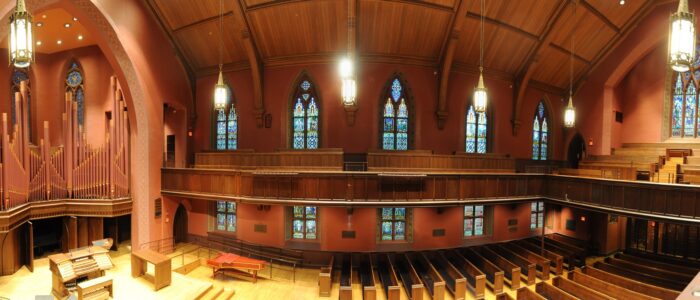
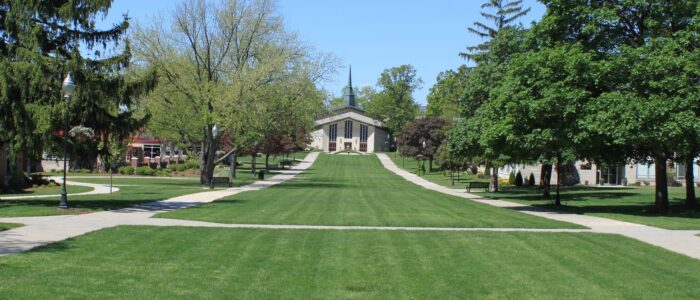
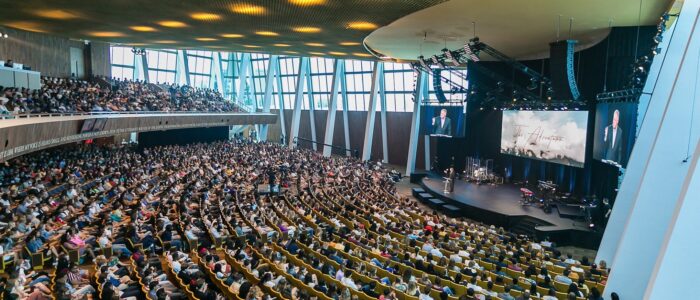
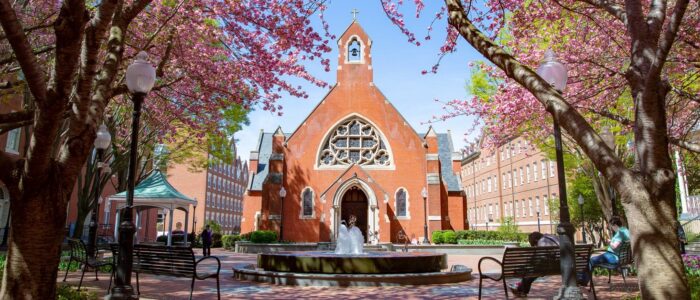
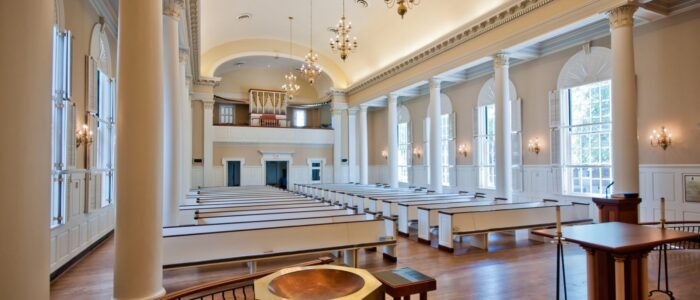
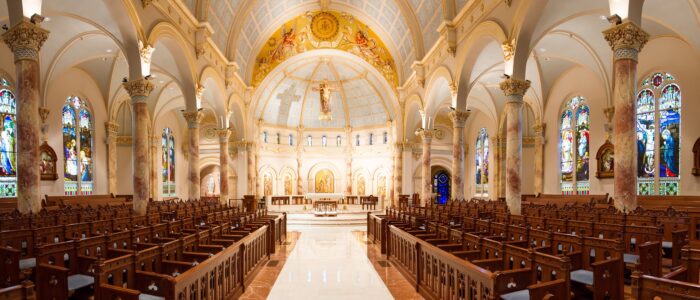
Occupancy classification is a first principle in all International Code Council consensus products.   Chapels and churches associated with educational institutions are grouped with all other “Places of Religious Worship” in Section 303.4 Assembly Group A-3.  You may find the text of this section in the current 2024 edition in the link below:
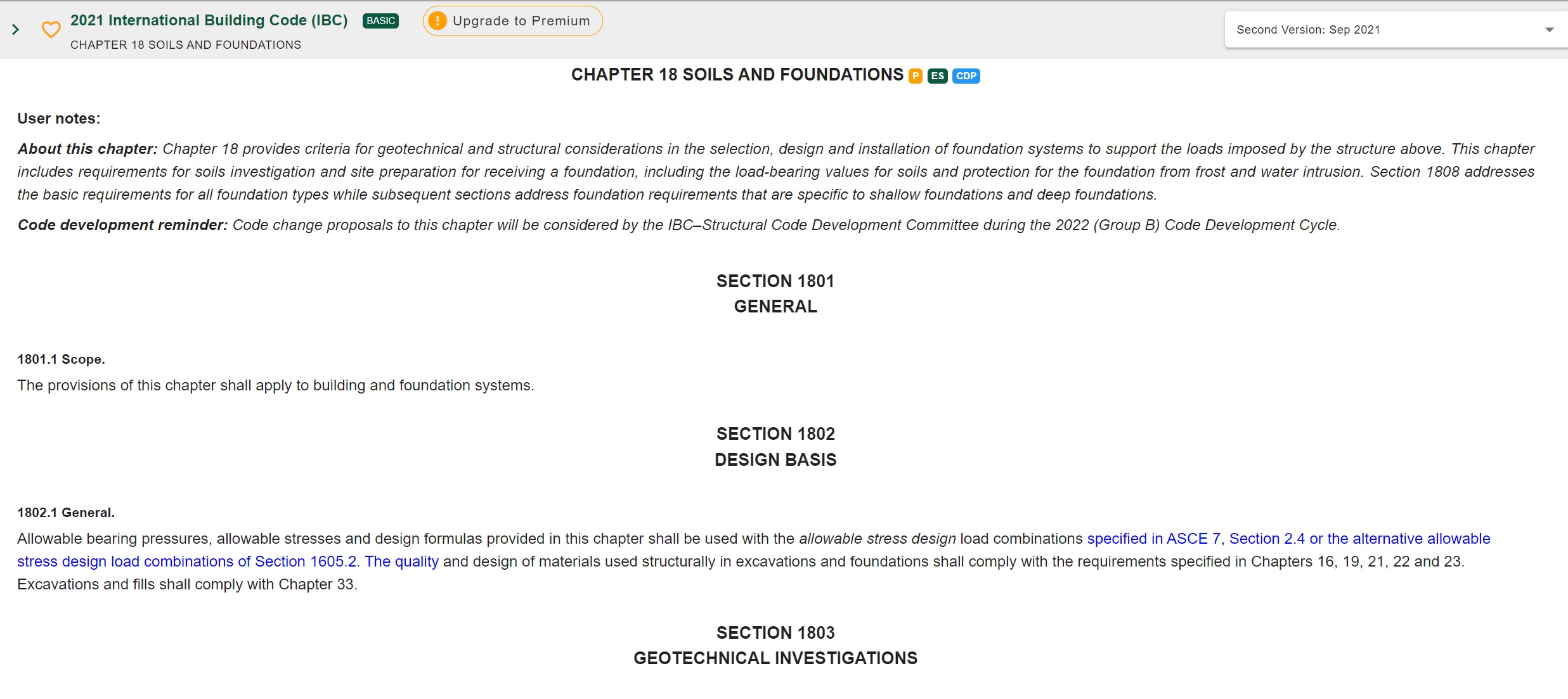
2024 International Building Code | Section 303 | Assembly Group A
For the next few weeks we will sort through issues appearing in the transcript below:

2025 Group B Committee Action Agenda (2630 Pages)

Recent incidents in the tragic city of Minneapolis inspire revisiting the standards of care listed below:

Targeted Violence and Active Shooters: Incidents like mass shootings have increased, with 54% of attacks on U.S. houses of worship involving armed assaults, often motivated by religious or racial hatred (67% of cases). Comprehensive emergency plans and training are critical.

Vandalism and Arson: These are common, with over 400 attacks on U.S. churches since 2020, including property damage and desecration. Surveillance cameras and regular security audits can deter such acts.

Theft: Donation boxes, religious artifacts, and personal belongings are frequent targets. Access control and monitoring valuables reduce risks.

Cybersecurity Threats: Houses of worship are vulnerable to hacking, ransomware, and data breaches, especially as they rely on digital platforms. Implementing cybersecurity best practices is essential.

Internal Threats: Risks from disgruntled employees or volunteers, including theft or fraud, necessitate thorough background checks and clear protocols for handling sensitive information.

Proactive measures like risk assessments, security teams, and collaboration with law enforcement can mitigate these threats while maintaining a welcoming environment


Related:

Why is the State of Minnesota such a hot mess?


IBC Electrical (Outdoor Lighting)

2025 Committee Action Hearings – Group B #1

Proposal for Performance-Based Building Premise Wiring | Chapter 27): Monograph Page 754

Electrical building — World Columbian Exposition, Chicago, Illinois 1892

The International Code Council bibliography of electrical safety practice incorporates titles published by the National Fire Protection Association which reference electrical safety science titles published by the Institute of Electrical and Electronic Engineers.  The relevant section of the International Building Code is therefore relatively short:

2021 International Building Code: Chapter 27 Electrical

Note that Chapter 27 provides more guidance on managing the hazards created when electricity is absent*.  Since the National Electrical Code is informed by a fire safety building premise wiring culture; absence of electricity is not as great a hazard as when building wiring systems are energized.  (“So they say” — Mike Anthony, who thinks quite otherwise.)

2024/2025/2026 ICC CODE DEVELOPMENT SCHEDULE

2025 GROUP B PROPOSED CHANGES TO THE I-CODES | Complete Monograph (2630 pages)

Although we collaborate most closely with the IEEE Education & Healthcare Facilities Committee (four times monthly in Europe and the Americas) we e encourage our colleagues in education communities everywhere to participate directly in the ICC Code Development process.   CLICK HERE to set up an account.

It is enlightening — and a time saver — to unpack the transcripts of previous revisions of codes and standards to see what concepts were presented, what got discussed; what passed and what failed.  We provide links to a few previous posts that track recent action in the ICC suite relevant to electrotechnologies:

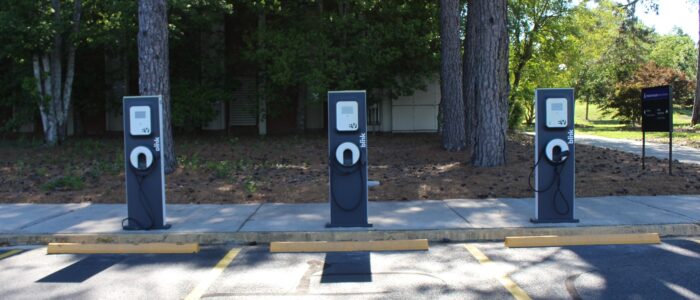
Electric Vehicle Charging

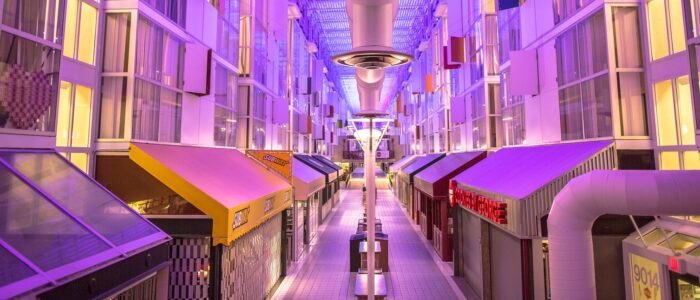
Entertainment Occupancies

K-TAG Matrix for Healthcare Facilities

International Energy Conservation Code

The ICC suite of consensus products are relevant to almost all of our work; everyday.   See our CALENDAR that reflects our Syllabus.  Today we deal with electrical safety concepts because technical committees are meeting from November to January to write the 2023 National Electrical Code.  CLICK HERE to follow the action in more detail.


* The original University of Michigan advocacy enterprise began pounding on National Electrical Code committees to install more power reliability concepts in the 2002 Edition with only modest success.  Standards Michigan has since collaborated with the IEEE Education & Healthcare Facilities Committee to drive “absence-of-power-as-a-hazard” into the National Electrical Code; the 2023 now open for public consultation.


N.B.

Assuming building interior fire safety issues can be managed, one way of getting more electric vehicle charging stations built around campus is to install requirements into the building code — thereby putting the construction cost, operation, maintenance and risk upon real-asset Developers and Owners. Code change submittals for the Group A tranche of titles will be received until January 8, 2024.


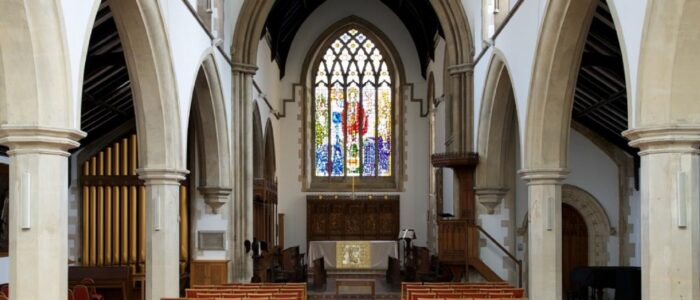
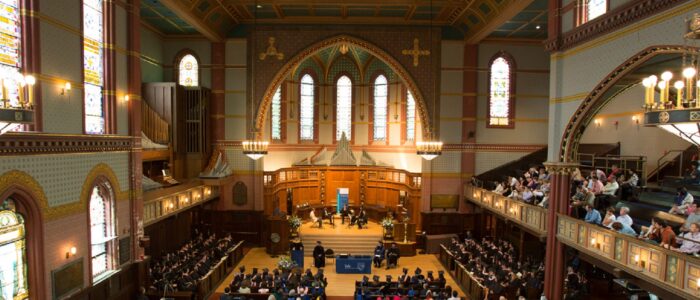
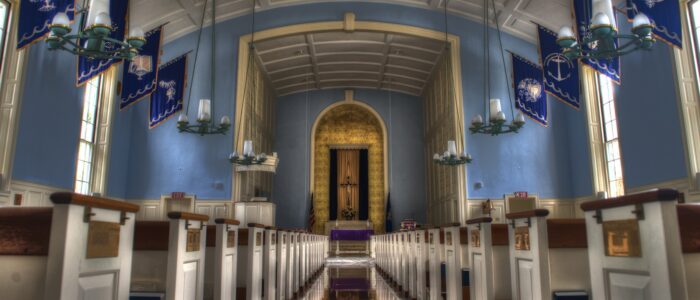
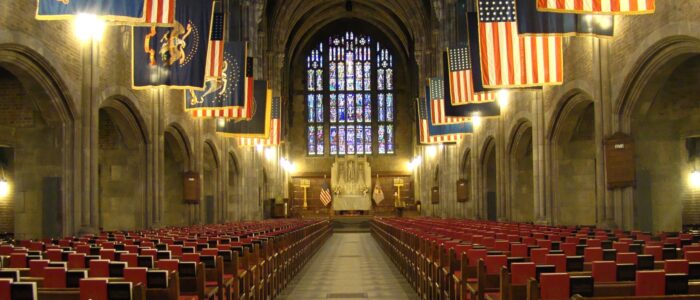
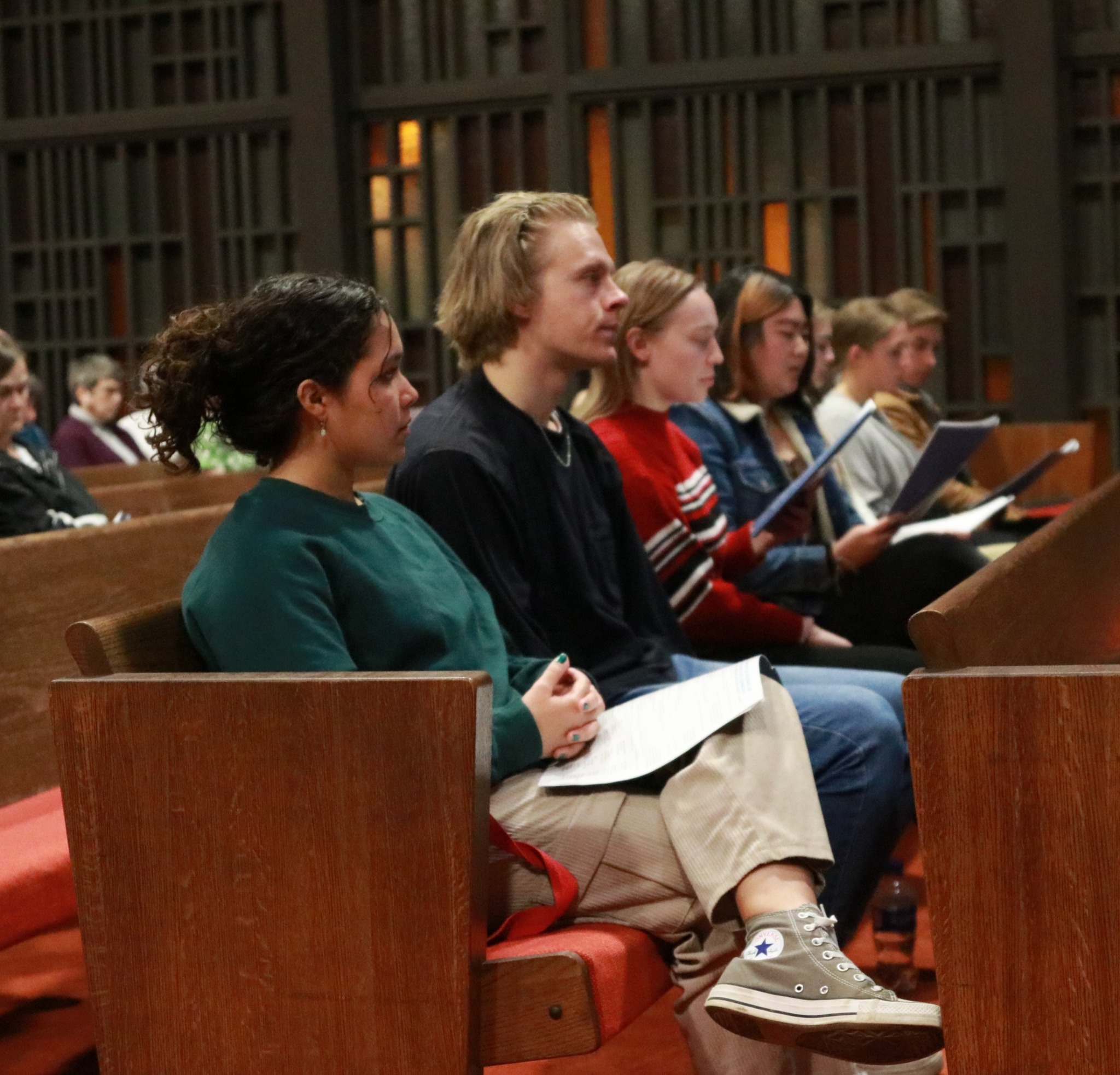
Places of Worship

“The Church is not a gallery for the exhibition of eminent Christians,

but a school for the education of imperfect ones.”

— Henry Ward Beecher

WEBCAST Committee Action Hearings, Group A #2


2024 International Building Code: Chapter 3 Occupancy Classification and Use
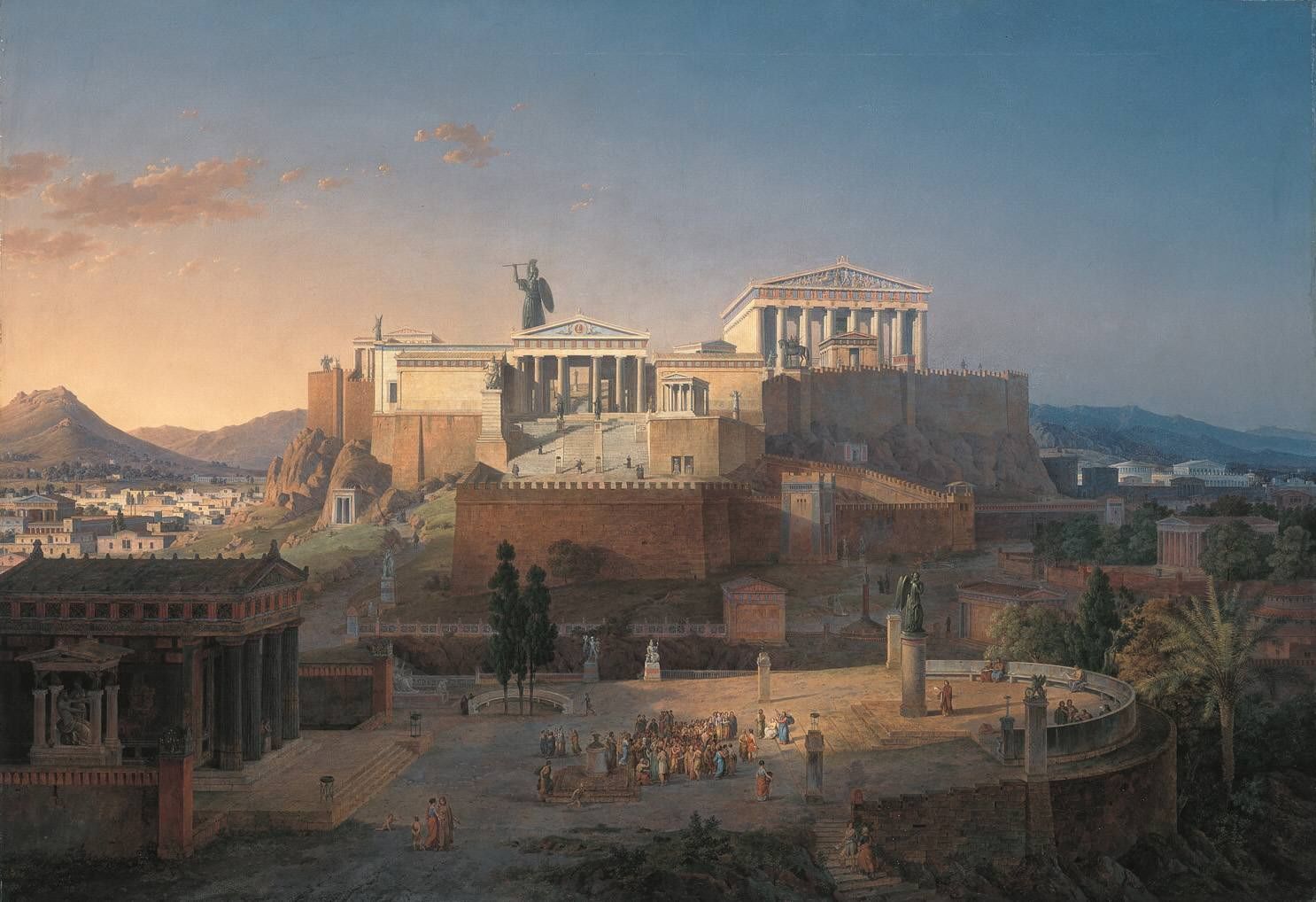
In the International Code Council catalog of best practice literature we find the first principles for safety in places of worship tracking in the following sections of the International Building Code (IBC):

Section 303 Assembly Group A

“303.1.4:  Accessory religious educational rooms and religious auditoriums with occupant loads less than 100 per room or space are not considered separate occupancies.”   This informs how fire protection systems are designed.

Section 305 Educational Group E

“305.2.1: Rooms and spaces within places of worship proving such day care during religious functions shall be classified as part of the primary occupancy.”  This group includes building and structures or portions thereof occupied by more than five children older than 2-1/2 years of age who receive educational, supervision or personal care services for fewer than 24 hours per day.

Section 308 Institutional Group I

“308.5.2: Rooms and spaces within places of religious worship providing [Group I-4 Day Care Facilities] during religious functions shall be classified as part of the primary occupancy.   When [Group I-4 Day Care Facilities] includes buildings and structures occupied by more than five persons of any age who receive custodial care for fewer than 24 hours per day by persons other than parents or guardians, relatives by blood, marriage or adoption, and in a place other than the home of the person cared for.

Tricky stuff — and we haven’t even included conditions under which university-affiliated places of worship may expected to be used as community storm shelters.

"This We'll Defend."

2024/2025/2026 ICC CODE DEVELOPMENT SCHEDULE

Public response to Committee Actions taken in Orlando in April will be received until July 8th.

Because standard development tends to be a backward-looking domain it is enlightening to understand the concepts in play in previous editions.  The complete monograph of proposals for new building safety concepts for places of worship for the current revision cycle is linked below:

 2021/2022 Code Development: Group B

A simple search on the word “worship” will reveal what ideas are in play.  With the Group B Public Comment Hearings now complete ICC administered committees are now curating the results for the Online Governmental Consensus Vote milestone in the ICC process that was completed December 6th.   Status reports are linked below:

2018/2019 Code Development: Group B

Note that a number of proposals that passed the governmental vote are being challenged by a number of stakeholders in a follow-on appeals process:

2019 Group B Appeals

A quick review of the appeals statements reveals some concern over process, administration and technical matters but none of them directly affect how leading practice for places of worship is asserted.

We are happy to get down in the weeds with facility professionals on other technical issues regarding other occupancy classes that are present in educational communities.   See our CALENDAR for next Construction (Ædificare) colloquium open to everyone.

Issue: [17-353]

Category: Chapels

Colleagues: Mike Anthony, Jack Janveja, Richard Robben, Larry Spielvogel


More

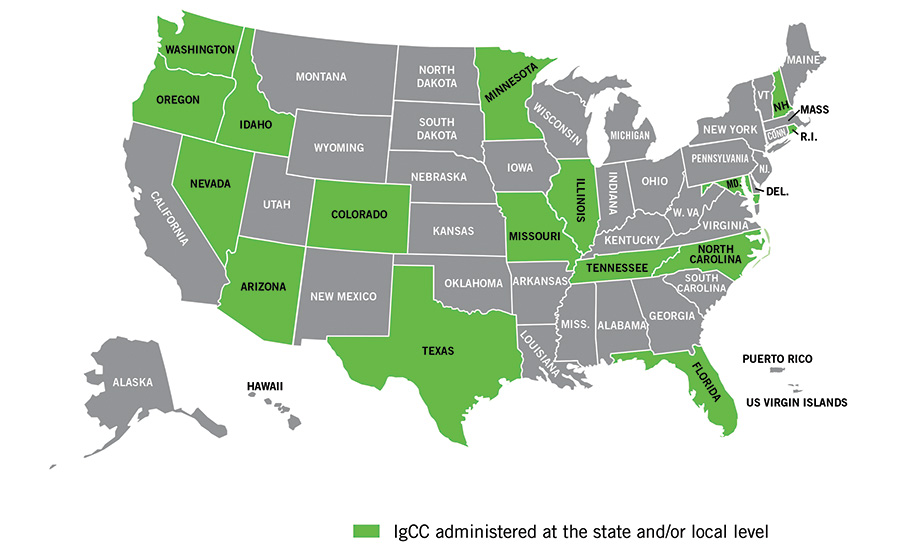
International Green Construction Code


Image Credit: Engineering-News Record

ARCHIVE / IgCC

International Energy Conservation Code

2024 International Energy Conservation Code (IECC) | April, May 2025

2024/2025/2026 ICC CODE DEVELOPMENT SCHEDULE

2024 GROUP A PROPOSED CHANGES TO THE I-CODES

Public Comment Period on the IECC

AIA Michigan Comment on ICC Code Development Process

National Electrical Manufacturers Association

Shouldn’t energy conservation measures be determined by market forces rather than building construction regulations? 

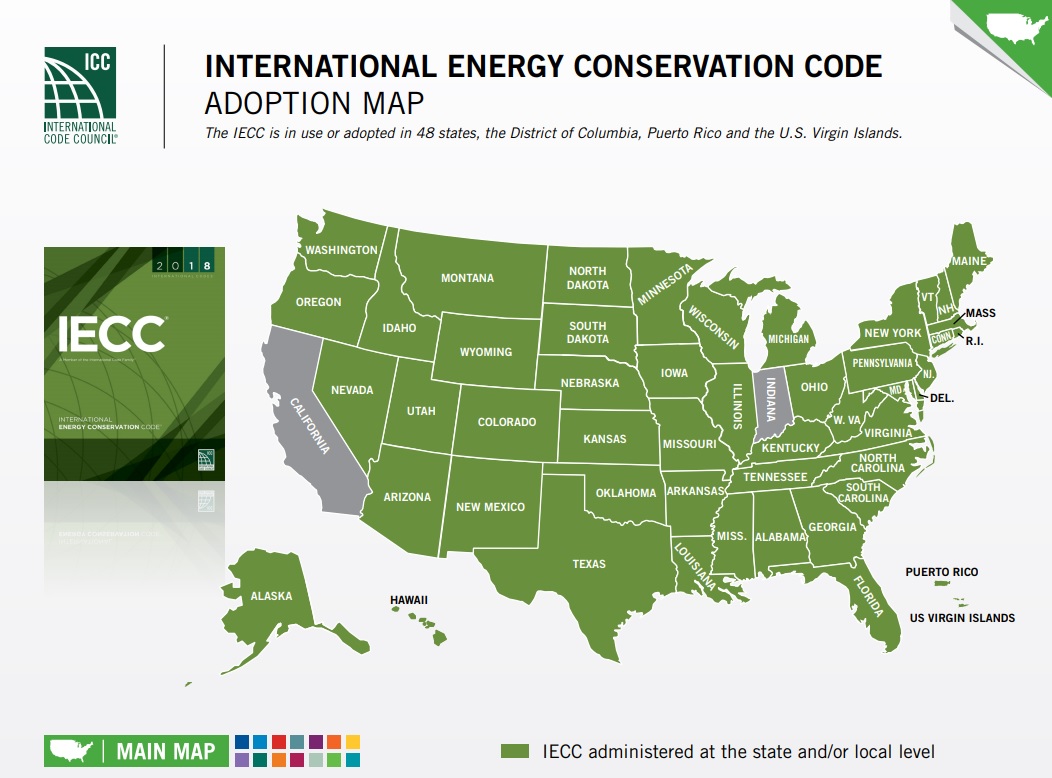
Energy codes in the United States are adopted and enforced at the state level, and the stringency of the energy codes can vary widely from state to state.  For example, as of September 2021, four states (Alabama, Mississippi, South Carolina, and West Virginia) had not adopted statewide energy codes at all, according to the Building Codes Assistance Project. Other states may have adopted energy codes but have not updated them to the latest version, which could be less stringent than more recent versions.

We do not spend too many resources challenging the zietgeist.  Engineers, by nature, seek to do more with less but it is worth reminding our colleagues that energy conservation practices vary widely around the globe and not every nation supports what amounts to an energy police state.

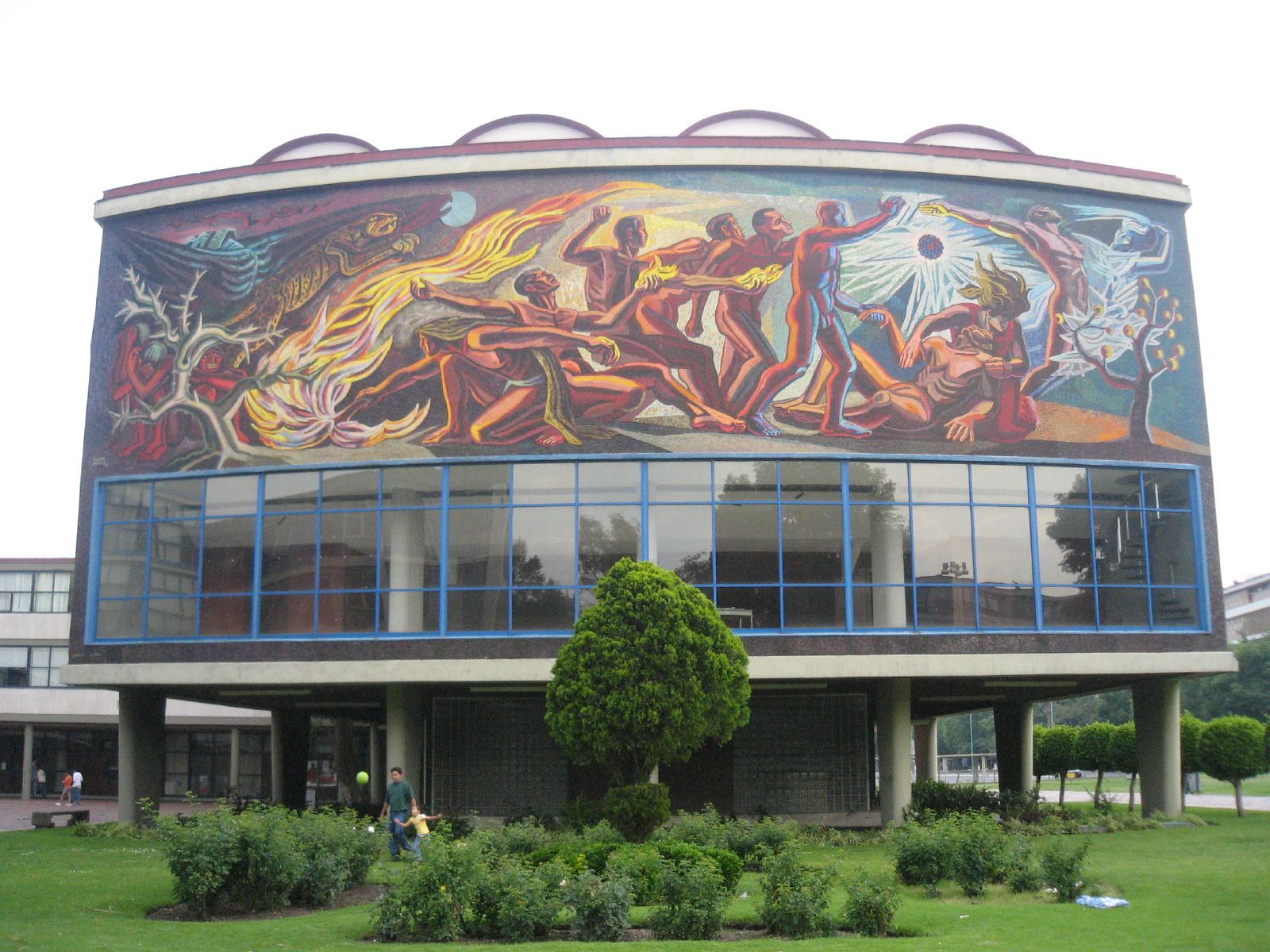
“The Conquest of Energy” / José Chávez Morado / Universidad Nacional Autónoma de México

The International Energy Conservation Code is a model building code developed by the International Code Council for incorporation by reference into state and local energy conservation legislation.  Free access to the current edition is linked below:

2021 International Energy Conservation Code

Sell Sheet: Leading the Way to Energy Efficiency

2024 International Energy Conservation Code Update: Appeals Deadline Extended

Apart from product prescriptive passages IECC is a largely a performance code which draws its inspiration from other energy-related catalogs developed by United States standards developers; notably ASHRAE International.  Several accessory titles supporting the current 2021 edition which address energy efficiency on several fronts including cost, energy usage, use of natural resources and the impact of energy usage on the environment are linked below:

Related Titles

Many of the ideas in play can be tracked in the transcripts linked below:

Complete Monograph: 2022 Group B Proposed Changes

Complete Monograph: 2022 Group B Public Comment Agenda

Note the pre-occupation with products such as insulation, fenestration, power outlets and lighting — reflecting the financial support of energy activists advocating on behalf of manufacturers who tend build the cost of their advocacy in the price of their product.

A commonly overlooked energy conservation measure is reducing standby power consumption, also known as “vampire power.” Many electronic devices, such as televisions, computers, and chargers, consume energy even when they are not actively being used but are still plugged in. This standby power can account for up to 10% of a building’s energy consumption.

While our focus tends to be on the commercial facility docket, we keep an eye on the residential docket because, a)  many colleges and universities own and operate square-footage on the periphery of their campuses that is classified as residential, b) many student rental houses are obviously classified as residential and we want property owners to be able to afford reasonable energy conservation measures for the houses they rent to students.*

From previous posts we explained we summarized our priorities for the Group B cycle and the IECC in particular:

  • Education facilities as storm shelters
  • Laboratory ventilation
  • Classroom lighting
  • Expansion of lighting controls
  • Expansion of receptacle controls
  • Expansion of electrical power system design requirements above beyond National Electrical Code minimums.

We encourage our colleagues in energy enterprises in education communities to participate directly in the ICC Code Development Process.*

2024/2025/2026 ICC CODE DEVELOPMENT SCHEDULE

The IECC is a standing item on our periodic Energy 200, Power, Mechanical and Hello World! colloquia.  See our CALENDAR for the next online meeting; open to everyone.

University of Michigan

Issue: [Various]

Category: Architectural, Facility Asset Management, Space Planning

Colleagues: Mike Anthony, Jim Harvey, Jack Janveja, Richard Robben, Larry Spielvogel


* More:

Consulting-Specifying Engineer (March 5, 2025): Why and how to adopt the IECC for energy-efficient designs

International Property Maintenance Code

In most jurisdictions the standard of care for operation and maintenance of education facilities is discovered and promulgated by a “fabric” of consensus products developed by a kind of “shadow government” created by a network of non-profit publishers; among them the International Code Council.  The ICC has one of the most dynamic catalogs in the construction industry and today we drill into the the International Property Maintenance Code which completed another revision cycle in 2021.   Operation and maintenance of education facilities is the (much larger) part of #TotalCostofOwnership of the real assets of a school district, college or university.  Public access to most recent revision to the IPMC is linked below:

 2021 International Property Maintenance Code

The transcript of public comment on the 2021 revision provides insight into the back-and-forth among the technical committee experts:

2021 IPMC Group A Public Comment Agenda

Note the concern for swimming pools, radon, light, ventilation and occupancy limits.

The ICC Group A tranche of titles will undergo another cyclic revision starting in 2023.  Since so much of the ICC catalog underlies occupancy safety for education, healthcare and nearly all other aspects of the built environment we track the action on a near-daily basis.  You may join any of our daily colloquia, shown on our CALENDAR, or interact directly with the ICC with the link below:

 cdpACCESS

2024/2025/2026 ICC CODE DEVELOPMENT SCHEDULE

The ICC catalog is regarded as the most authoritative for education facility management.  We maintain the IPMC on the standing agenda of our Hammurabi and Interiors colloquia.  See our CALENDAR for the next colloquium; open to everyone.


Meeting Point

Issue: [Various]

Category: Architectural, Facility Asset Management, Space Planning

Colleagues: Mike Anthony, Jack Janveja, Richard Robben, Jerry Schulte

More


Layout mode
Predefined Skins
Custom Colors
Choose your skin color
Patterns Background
Images Background
Standards Michigan
error: Content is protected !!
Skip to content