Category Archives: Water

Loading
loading...

Rain & Lightning

The thunderbolt steers all things.
—Heraclitus, c. 500 BC
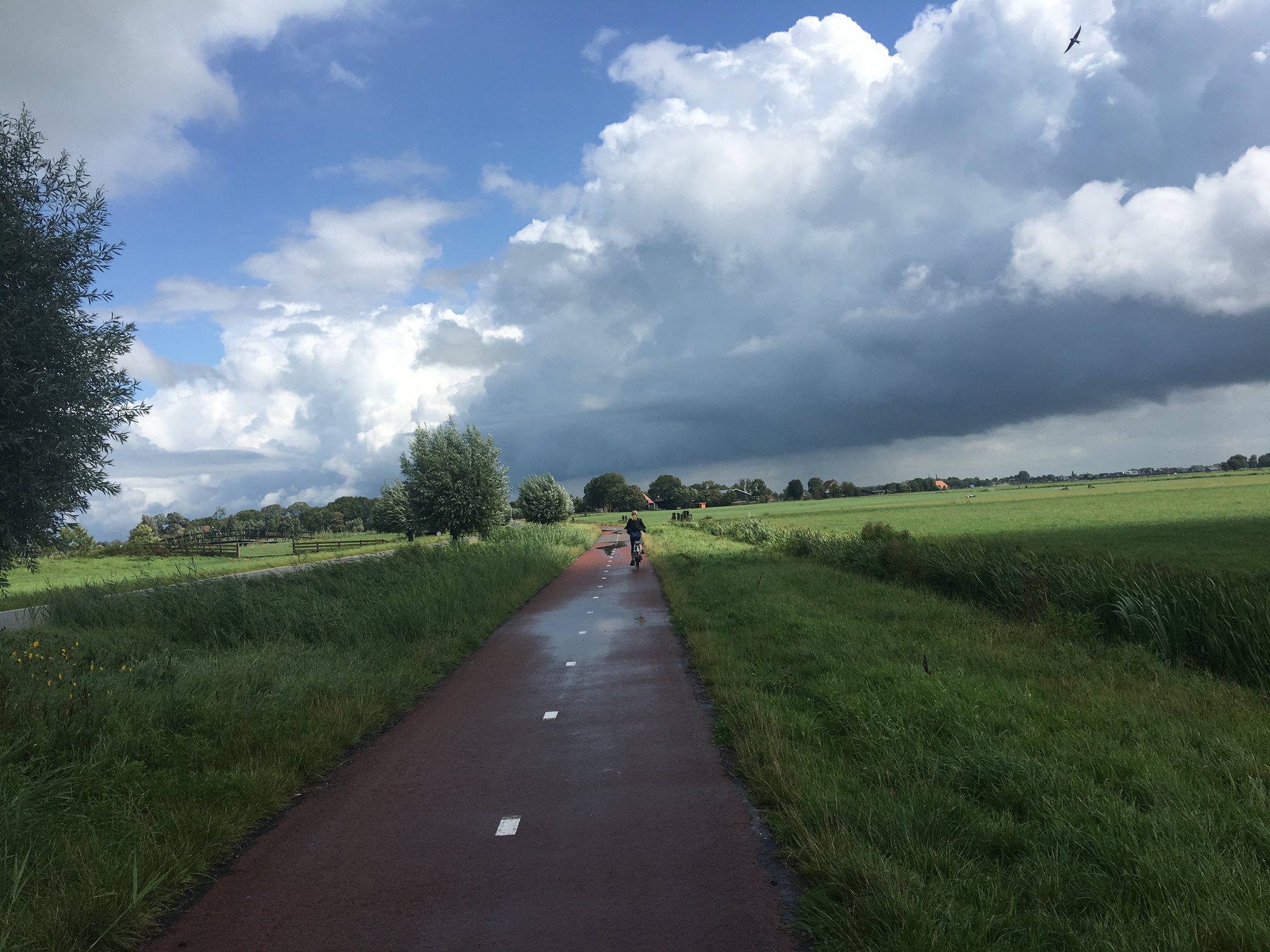
After the rain. Personal photograph taken by Mike Anthony biking with his niece in Wirdum, The Netherlands

Today at 15:00 UTC we examine the technical literature about rainwater management in schools, colleges and universities — underfoot and on the roof.  Lightning protection standards will also be reviewed; given the exposure of outdoor athletic activity and exterior luminaires.

We draw from previous standardization work in titles involving water, roofing systems and flood management — i.e. a cross-cutting view of the relevant standard developer catalogs.   Among them:

American Society of Civil Engineers

American Society of Plumbing Engineers

ASHRAE International

ASTM International

Construction Specifications Institute (Division 7 Thermal and Moisture Protection)

Environmental Protection Agency | Clean Water Act Section 402

Federal Emergency Management Agency

FM Global

Sustainable Sites Initiative

IAPMO Group (Mechanical and Plumbing codes)

Institute of Electrical and Electronic Engineers

Heat Tracing Standards

International Code Council

Chapter 15 Roof Assemblies and Rooftop Structures

Why, When, What and Where Lightning Protection is Required

National Fire Protection Association

National Electrical Code: Article 250.16 Lightning Protection Systems

Lightning Protection

Underwriters Laboratories: Lightning Protection

Underground Stormwater Detention Vaults

United States Department of Agriculture: Storm Rainfall Depth and Distribution

Risk Assessment of Rooftop-Mounted Solar PV Systems

Readings: The “30-30” Rule for Outdoor Athletic Events Lightning Hazard

As always, our daily colloquia are open to everyone.  Use the login credentials at the upper right of our home page.
“Rainbow Connection”

The “lightning effect” seen in carnival tricks typically relies on a scientific principle known as the Lichtenberg figure or Lichtenberg figure. This phenomenon occurs when a high-voltage electrical discharge passes through an insulating material, such as wood or acrylic, leaving behind branching patterns resembling lightning bolts.

The process involves the creation of a temporary electric field within the material, which polarizes its molecules. As the discharge propagates through the material, it causes localized breakdowns, creating branching paths along the way. These branching patterns are the characteristic Lichtenberg figures.

In the carnival trick, a high-voltage generator is used to create an electrical discharge on a piece of insulating material, such as acrylic. When a person touches the material or a conductive object placed on it, the discharge follows the path of least resistance, leaving behind the branching patterns. This effect is often used for entertainment purposes due to its visually striking appearance, resembling miniature lightning bolts frozen in the material. However, it’s crucial to handle such demonstrations with caution due to the potential hazards associated with high-voltage electricity.


Flood Abatement Equipment

Vereenigde Oostindische Compagnie | Dutch East India Company

FM Global is one of several organizations that produce technical and business documents that set the standard of care for risk management in education facilities.   These standards — Property Loss Prevention Data Sheets —  contribute to the reduction in the risk of property loss due to fire, weather conditions, and failure of electrical or mechanical equipment.  They incorporate nearly 200 years of property loss experience, research and engineering results, as well as input from consensus standards committees, equipment manufacturers and others.

In July FM Global updated its standard FM 2510 Flood Abatement Equipment which should interest flood barrier manufacturers, standard authorities, industrial and commercial facilities looking to protect their buildings from riverline flooding conditions.

The following updates were proposed and mostly adopted:

  • Modifications to the opening barrier protocol to include water performance testing at lower depths;
  • Additional tests that apply to open-cellular rubber compounds (i.e., foam-type rubber) which are commonly used as gaskets on flood barriers need to be added to the Standard to sufficiently assess their quality;
  • Addition of adhesive testing. Many barrier designs use adhesives to bond the gasket material to the barrier. Adhesives are not addressed under the current protocol;
    Modify the flood abatement pump section to clarify approval of pump packages vs. wet-end only;
  • Additional requirements for electric drive and submersible flood pumps;
  • Modifications to backwater valve section to be inclusive of all types of “backwater valves” besides the traditional check valve.
  • Additional requirements for waterproofing products for building penetrations. Products in this category include collars, plugs, elastomeric seals, and types of putty.

This standard also contains test requirements for the performance of flood barriers, flood mitigation pumps, backwater valves, and waterproofing products for building penetrations, as well as an evaluation of the components comprising these products to assure reliability in the barrier’s performance.

While there are a number of noteworthy colleges and universities that have grown near rivers and lakes — twenty-five of which are listed HERE — severe weather and system failures present flooding risks to them all.

Another Data Sheet — I-40 Floods — was updated in October.   Both Data Sheets are available for download at the link below:

FM GLOBAL PROPERTY LOSS PREVENTION DATA SHEETS

You will need to set up (free) access credentials.

You may contact FM Global directly: Josephine Mahnken, (781) 255-4813, josephine.mahnken@fmapprovals.com, 1151 Boston-Providence Turnpike, Norwood, MA 02062

Our “door” is open every day at 11 AM Eastern time to discuss any consensus document that sets the standard of care for the emergent #SmartCampus.  Additionally, we dedicate one session per month to Management and Water standards.  See our CALENDAR for the next online teleconference.   Use the login credentials at the upper right of our home page.

Issue: [Various]

Category: Risk Management, Facility Asset Management

Colleagues: Mike Anthony, Jack Janveja, Richard Robben

Property Loss Prevention


Ole Evinrude

This content is accessible to paid subscribers. To view it please enter your password below or send mike@standardsmichigan.com a request for subscription details.

Bed Time Shower Temperature

This content is accessible to paid subscribers. To view it please enter your password below or send mike@standardsmichigan.com a request for subscription details.

Desert Research Institute

This content is accessible to paid subscribers. To view it please enter your password below or send mike@standardsmichigan.com a request for subscription details.

Well Water

This content is accessible to paid subscribers. To view it please enter your password below or send mike@standardsmichigan.com a request for subscription details.

Bedtime Shower

This content is accessible to paid subscribers. To view it please enter your password below or send mike@standardsmichigan.com a request for subscription details.

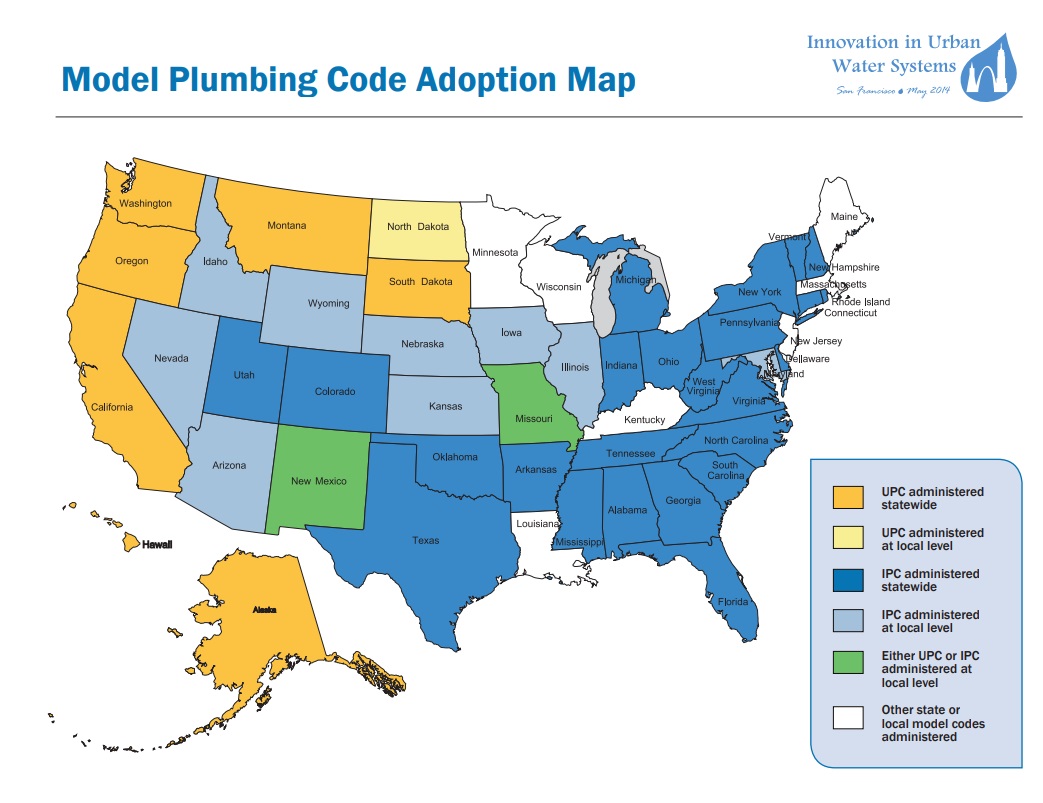
International Plumbing Code

The International Plumbing Code (IPC) is developed to harmonize with the full span of ICC’s family of building codes.  The IPC sets minimum regulations for plumbing systems and components to protect life, health and safety of building occupants and the public. The IPC is available for adoption by jurisdictions ranging from states to towns, and is currently adopted on the state or local level in 35 states in the U.S, the District of Columbia, Guam, and Puerto Rico.

CLICK HERE for the 2021 Public Access Edition 

SOURCE: CLICK ON IMAGE | Contact ICC for most recent IPC adoption map


The IPC is developed in the ICC Group A Code development framework and concluded its revision cycle in late 2021 under the circumstances of the pandemic.  The 2023 International Plumbing Code revision cycle will not begin until early 2023 but it is never too soon to understand the issues from previous revision cycles to enlighten approaches to the forthcoming Group A revision cycle.   The complete monograph of the Group A Codes is linked below, with comments on IPC proposals starting on Page 1417 of this 1613 page document:

2021 IPC | Group A Public Comment Monograph

Because transgender issues are on the agenda of many facility managers we direct you to Page 1424 of the rather large document linked above.

As always, we persist in encouraging education industry facility managers (especially those with operations and maintenance data) to participate in the ICC code development process.  You may do so by CLICKING HERE.

Real asset managers for school districts, colleges, universities and technical schools in the Las Vegas region should take advantage of the opportunity to observe the ICC code-development process during the upcoming ICC Annual Conference in Las Vegas, October 20-23 during which time the Group B c Public Comment Hearings will take place.  Even though the IPC has moved farther along the ICC code development process it is still enlightening to observe how it work.   The Group B Hearings are usually webcast — and we will signal the link to the webcast when it becomes available — but the experience of seeing how building codes are determined is enlightening when you can watch it live and on site.

Issue: [16-133]

Category: Plumbing, Water, Mechanical

Colleagues: Eric Albert, Richard Robben, Larry Spielvogel

#StandardsNewMexico


LEARN MORE:

Neutral Public Bathroom Design

Uniform Plumbing Code

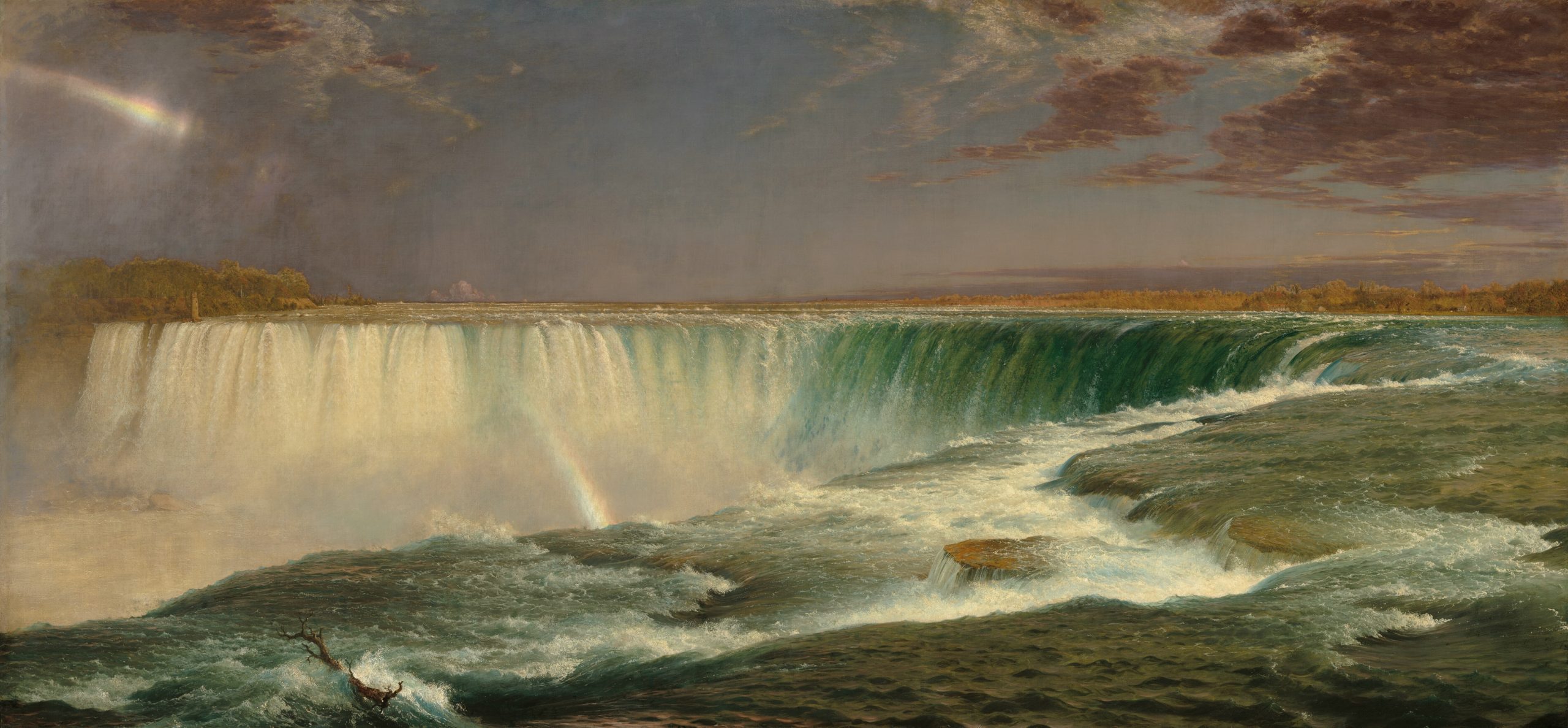
“Niagara” 1857 Frederic Edwin Church

Although the 2024 Revision is substantially complete there are a number of technical and administrative issues to be resolved before the final version is released for public use. Free access to the most recent edition is linked below.

CODE DEVELOPMENT

2027 UPC/UMC CODE DEVELOPMENT TIMELINE

Report on Comments for the 2024 Uniform Plumbing Code

Watersport

Athletic Competition Timing Standards

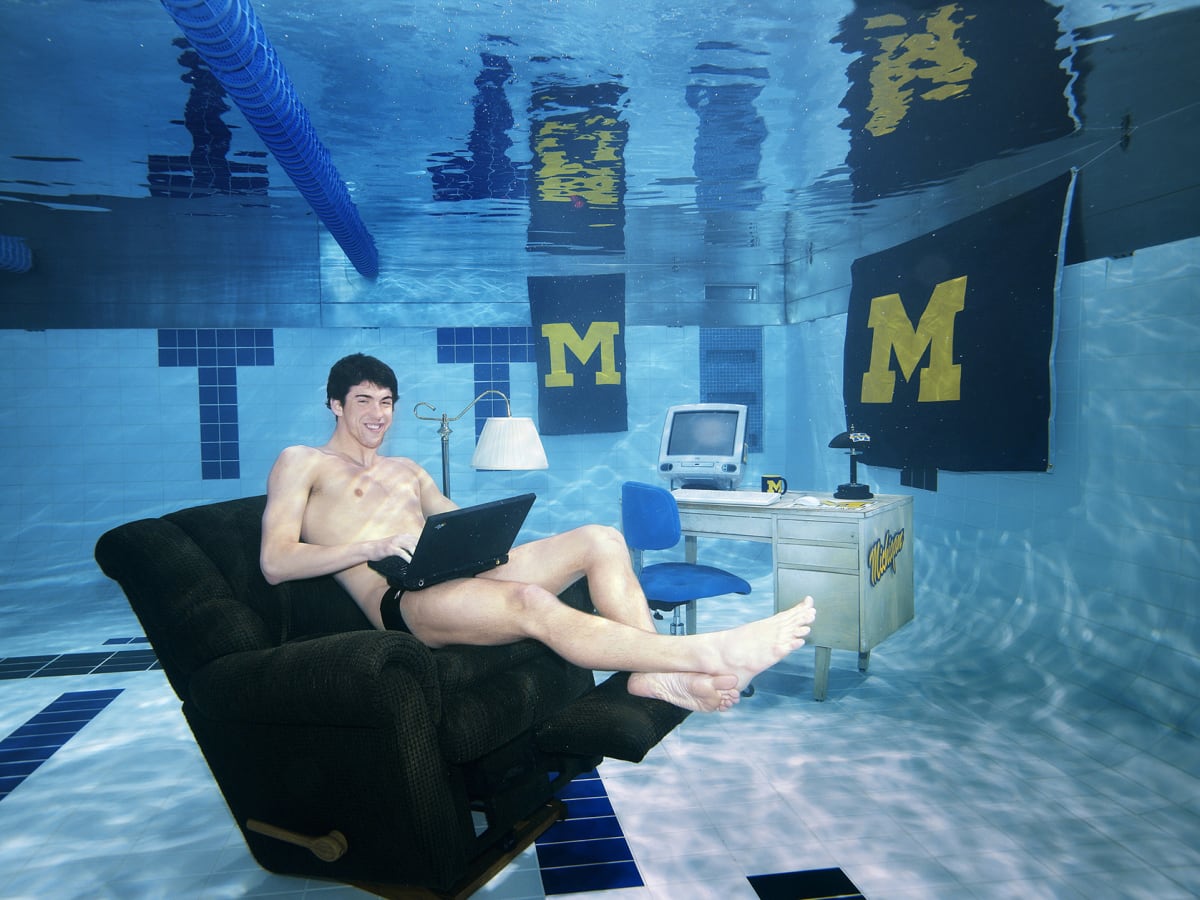
Today we update our understanding of best practice catalogs for outdoor and indoor watersport; primarily swimming and rowing.  Use the login credentials at the upper right of our home page.

Natatoriums 300: Advanced Topics

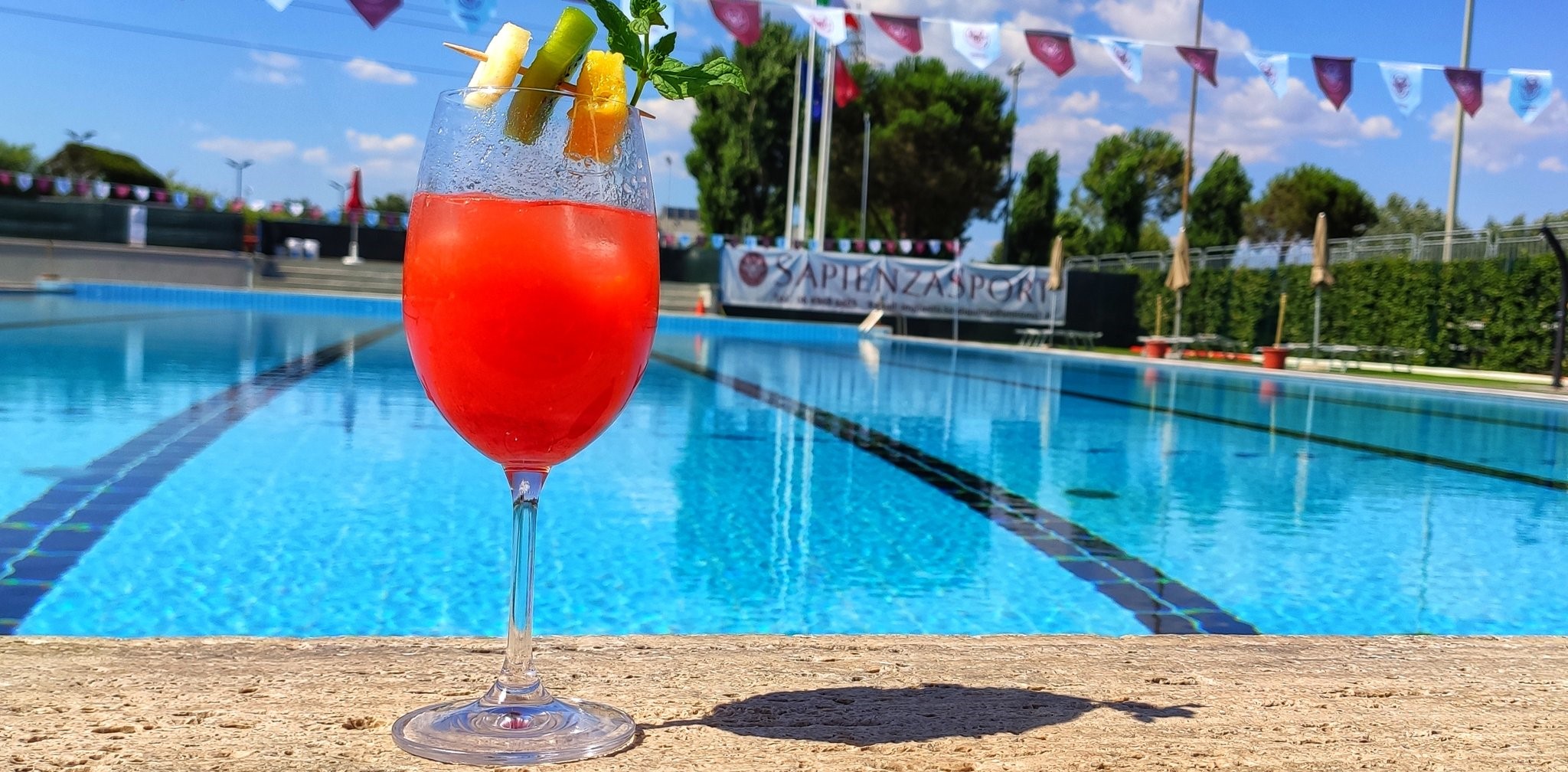
Sapienza – Università di Roma

USA Swimming and the National Collegiate Athletic Association Swimming are two distinct organizations that oversee different aspects of competitive swimming in the United States. USA Swimming governs competitive swimming in the United States across all age groups and skill levels, while NCAA Swimming specifically focuses on collegiate-level swimming and diving competitions within the NCAA framework. Both organizations play crucial roles in the development and promotion of swimming in the United States.

Governing Body:

USA Swimming is the national governing body for the sport of swimming in the United States. It is responsible for overseeing competitive swimming at all levels, from grassroots programs to elite national and international competitions.
NCAA Swimming: NCAA Swimming is part of the National Collegiate Athletic Association (NCAA), which governs intercollegiate sports in the United States. NCAA Swimming specifically deals with collegiate-level swimming competitions among universities and colleges.

Scope:

USA Swimming is responsible for organizing and regulating competitive swimming for all age groups and skill levels, from youth swimmers to Masters swimmers (adults). It oversees swim clubs, hosts competitions, and develops national teams for international events.
NCAA Swimming: NCAA Swimming focuses exclusively on college-level swimming and diving competitions. It sets the rules and guidelines for swimming and diving programs at NCAA member institutions.

Membership:

Individuals, swim clubs, and teams can become members of USA Swimming, allowing them to participate in USA Swimming-sanctioned events, access coaching resources, and benefit from the organization’s development programs.
NCAA Swimming: NCAA Swimming is composed of collegiate athletes who compete for their respective universities and colleges. Athletes are typically student-athletes who represent their schools in NCAA-sanctioned competitions.

Competition Format:

USA Swimming hosts a wide range of competitions, including local, regional, and national meets, as well as Olympic Trials and international events. Swimmers compete as individuals, representing their swim clubs or teams.
NCAA Swimming: NCAA Swimming primarily consists of dual meets, invitational meets, and conference championships at the collegiate level. Swimmers represent their respective universities or colleges, earning points for their teams in dual meets and competing for conference and national titles.

Scholarships:

USA Swimming itself does not offer scholarships. Scholarships for competitive swimmers are typically awarded by colleges and universities based on an athlete’s performance and potential.
NCAA Swimming: NCAA member institutions offer scholarships to talented student-athletes in various sports, including swimming. These scholarships can cover tuition, room, board, and other expenses, making NCAA swimming an avenue for athletes to receive financial support for their education.


Swimming, Water Polo and Diving Lighting

Layout mode
Predefined Skins
Custom Colors
Choose your skin color
Patterns Background
Images Background
Standards Michigan
error: Content is protected !!
Skip to content