Category Archives: Water

Loading
loading...

Electricity and Water Conservation on College and University Campuses

Electricity and Water Conservation on College and University Campuses…

John E. Petersen – Cynthia M. Frantz – Md. Rumi Shammin – Tess M. Yanisch – Evan Tincknell – Noel Myers

Oberlin College

Abstract. Campus Conservation Nationals” (CCN) is a recurring, nation-wide electricity and water-use reduction competition among dormitories on college campuses. We conducted a two year empirical study of the competition’s effects on resource consumption and the relationship between conservation, use of web technology and various psychological measures. Significant reductions in electricity and water use occurred during the two CCN competitions examined (n = 105,000 and 197,000 participating dorm residents respectively). In 2010, overall reductions during the competition were 4% for electricity and 6% for water. The top 10% of dorms achieved 28% and 36% reductions in electricity and water respectively. Participation was larger in 2012 and reductions were slightly smaller (i.e. 3% electricity). The fact that no seasonal pattern in electricity use was evident during non-competition periods suggests that results are attributable to the competition. Post competition resource use data collected in 2012 indicates that conservation behavior was sustained beyond the competition. Surveys were used to assess psychological and behavioral responses (n = 2,900 and 2,600 in 2010 and 2012 respectively). Electricity reductions were significantly correlated with: web visitation, specific conservation behaviors, awareness of the competition, motivation and sense of empowerment. However, participants were significantly more motivated than empowered. Perceived benefits of conservation were skewed towards global and future concerns while perceived barriers tended to be local. Results also suggest that competitions may be useful for “preaching beyond the choir”–engaging those who might lack prior intrinsic or political motivation. Although college life is distinct, certain conclusions related to competitions, self-efficacy, and motivation and social norms likely extend to other residential settings.

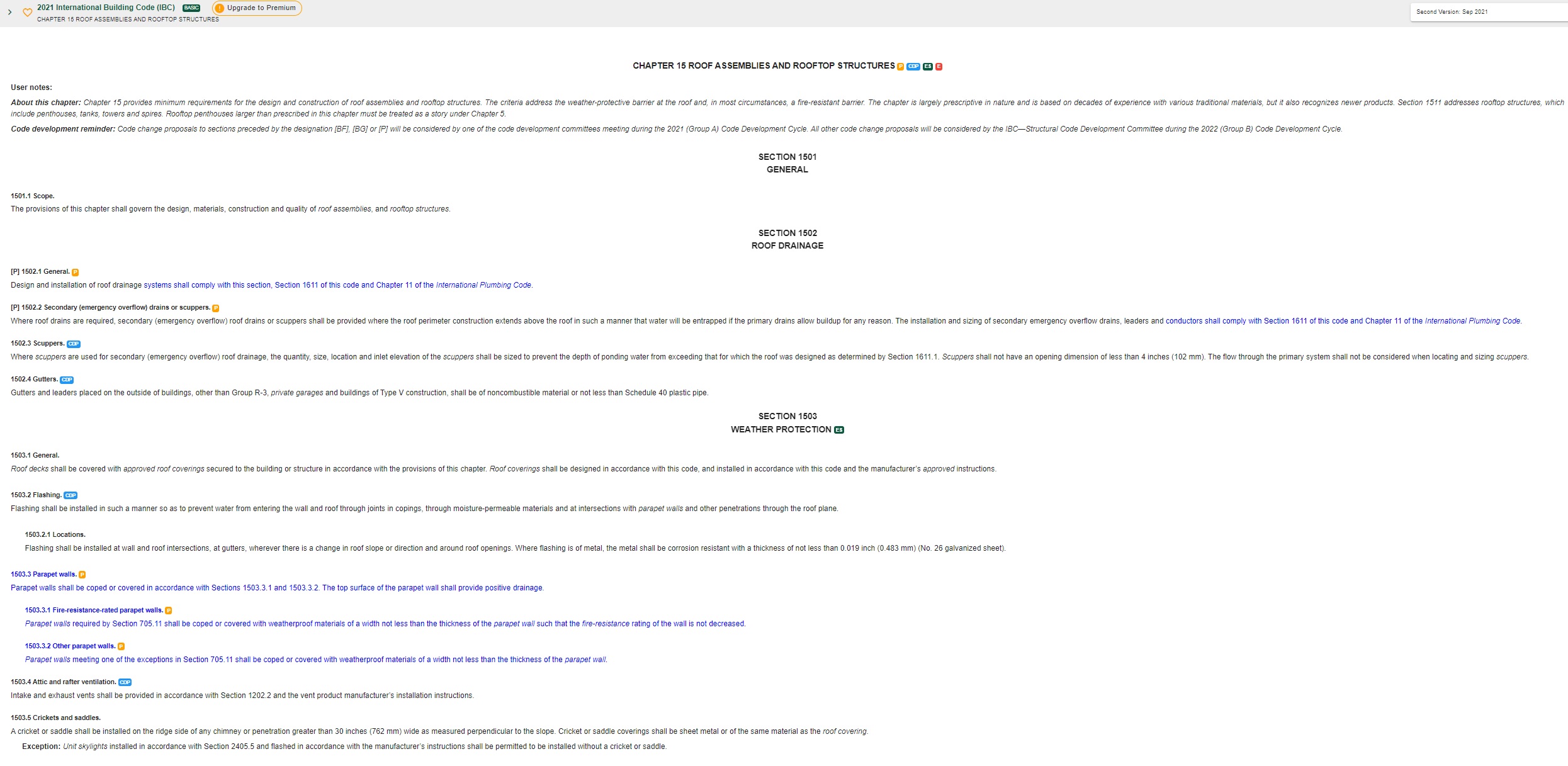
International Plumbing Code

International Mechanical Code Chapter 12: Hydronic Piping


Building Water Demand

Late Night Breakfast | May

Late Night Breakfast (December & May)

No photo description available.

ProPublica: Statement of Financial Position | Capital Master Plan

Creator of Beloved Roger Williams Statue on RWU Campus Dies at Age 87 | Roger Williams University

The greatest crime is not developing your potential. When you do what you do best, you are helping not only yourself, but the world. - Roger Williams

No photo description available.

Severe Weather Preparedness Plan

Flood Abatement Equipment

Vereenigde Oostindische Compagnie | Dutch East India Company

FM Global is one of several organizations that produce technical and business documents that set the standard of care for risk management in education facilities.   These standards — Property Loss Prevention Data Sheets —  contribute to the reduction in the risk of property loss due to fire, weather conditions, and failure of electrical or mechanical equipment.  They incorporate nearly 200 years of property loss experience, research and engineering results, as well as input from consensus standards committees, equipment manufacturers and others.

In July FM Global updated its standard FM 2510 Flood Abatement Equipment which should interest flood barrier manufacturers, standard authorities, industrial and commercial facilities looking to protect their buildings from riverline flooding conditions.

The following updates were proposed and mostly adopted:

  • Modifications to the opening barrier protocol to include water performance testing at lower depths;
  • Additional tests that apply to open-cellular rubber compounds (i.e., foam-type rubber) which are commonly used as gaskets on flood barriers need to be added to the Standard to sufficiently assess their quality;
  • Addition of adhesive testing. Many barrier designs use adhesives to bond the gasket material to the barrier. Adhesives are not addressed under the current protocol;
    Modify the flood abatement pump section to clarify approval of pump packages vs. wet-end only;
  • Additional requirements for electric drive and submersible flood pumps;
  • Modifications to backwater valve section to be inclusive of all types of “backwater valves” besides the traditional check valve.
  • Additional requirements for waterproofing products for building penetrations. Products in this category include collars, plugs, elastomeric seals, and types of putty.

This standard also contains test requirements for the performance of flood barriers, flood mitigation pumps, backwater valves, and waterproofing products for building penetrations, as well as an evaluation of the components comprising these products to assure reliability in the barrier’s performance.

While there are a number of noteworthy colleges and universities that have grown near rivers and lakes — twenty-five of which are listed HERE — severe weather and system failures present flooding risks to them all.

Another Data Sheet — I-40 Floods — was updated in October.   Both Data Sheets are available for download at the link below:

FM GLOBAL PROPERTY LOSS PREVENTION DATA SHEETS

You will need to set up (free) access credentials.

You may contact FM Global directly: Josephine Mahnken, (781) 255-4813, josephine.mahnken@fmapprovals.com, 1151 Boston-Providence Turnpike, Norwood, MA 02062

Our “door” is open every day at 11 AM Eastern time to discuss any consensus document that sets the standard of care for the emergent #SmartCampus.  Additionally, we dedicate one session per month to Management and Water standards.  See our CALENDAR for the next online teleconference.   Use the login credentials at the upper right of our home page.

Issue: [Various]

Category: Risk Management, Facility Asset Management

Colleagues: Mike Anthony, Jack Janveja, Richard Robben

Property Loss Prevention


Well Water

Michigan Central | Water 330 | 2021 Michigan Plumbing Code

Water testing helps ensure that well owners have safe, clean drinking water.

Protect the water quality of your water well

One of the first activities upon waking is interacting with water. Approximately 25% of households in the state of Michigan rely on private well water as their primary drinking water source.  This figure comes from the Michigan Department of Environment, Great Lakes, and Energy (EGLE), which estimates nearly 1.12 million households use private wells out of a total of roughly 4.1–4.6 million households statewide (based on U.S. Census data and population estimates of about 10 million residents, with an average household size of 2.5).

Other sources, such as Michigan State University Extension and the Michigan Water Stewardship Program, report slightly higher figures of 44–45% for overall groundwater reliance (including public systems drawing from aquifers), but the specific share for private household wells aligns with the 25% estimate from EGLE. Rural and southeastern areas of the state have the highest concentrations.

Sunday Brunch

Sunday Brunch Menu | 10:30 – 1:30 AM Heritage Room

Michigan State University Alumni Chapel

Michigan State University | Ingham County

Ice Swimming

January 1st is Polar Bear Plunge Day in the Great Lakes.  February should just be renamed ‘We Survived New Year’s Insanity, Now We Freeze Quietly’ Month’.  It is also popular among the young in other “watery” universities around the world.

2023 St. Clair College Polar Bear Plunge

Polar Plunge at the University of Michigan

Pleasures and Hazards

Pleasures:

  1. Increased adrenaline rush: Cold water swimming can produce a surge of adrenaline in the body, which can make you feel more energized and alert.
  2. Improved mood: Cold water swimming has been associated with an increased release of endorphins, which can elevate your mood and reduce stress levels.
  3. Improved immune function: Cold water swimming has been shown to improve immune function, possibly due to the stress response induced by the cold water.
  4. Sense of accomplishment: Many people find ice swimming to be a challenging and rewarding experience, providing a sense of accomplishment and pride.
  5. Social bonding: Ice swimming can be a social activity, with groups of people coming together to share the experience and support each other.

Hazards:

  1. Hypothermia: Prolonged exposure to cold water can cause hypothermia, which can be life-threatening if left untreated.
  2. Cold shock response: Entering cold water can cause an involuntary gasp reflex, which can lead to drowning if it occurs while the head is underwater.
  3. Heart problems: Cold water swimming can put a strain on the heart and increase the risk of heart attack or stroke in people with underlying cardiovascular disease.
  4. Frostbite: Exposed skin can become frostbitten in cold water, particularly in extremities such as the fingers and toes.
  5. Injury from slipping or falling: Ice swimming can be hazardous if proper safety precautions are not taken, such as wearing appropriate footwear and using a rope or ladder to enter and exit the water.


College Polar Bear Plunges

2023 St. Clair College Polar Bear Plunge

Polar Plunge at the University of Michigan

“Kettle’s On” & Morning Shower

The Morning Coffee

Most people step into morning shower and pour their first drink take as read the water and energy standards that assure safety and reliability.  Today at the usual hour we refresh our understanding of the relatively stable stack of standards that are treated as given.  With links to the Alice Parker invention of home heating.  Use the login credentials at the upper right of our home page.

International Plumbing Code

Uniform Plumbing Code

Boiler & Pressure Vessel Code

Town Gas

Energy Standard for *Sites* and Buildings

Related:

ASSE 1016/1017 mixing valves to prevent scalds, and temperature guidelines balancing burn risks (max ~120°F at fixtures) against Legionella growth (storage ≥140°F).

NSF/ANSI 61/372 for drinking water safety.


Plumbing & Sanitation

“At the Water Trough” 1876 J. Alden Weir

Today we slice horizontally through several vertical catalogs that interact, cross reference and are fairly dynamic in their best practice discovery and promulgation. 

ASME A112.*| ASSE Series 5000 | AWWA| IAPMO | CISPI 301 Series | NSF Ann Arbor Michigan

Plumbing and sanitation systems in educational settlements – especially those with healthcare and research enterprises are intricately linked, ensuring clean water supply, waste removal, and public health. Plumbing systems deliver potable water to dormitories, academic buildings, dining halls, and recreational facilities through a network of pipes, pumps, and valves. (Kitchens).  These systems source water from municipal supplies or campus wells, often treated to meet safety standards (Backflow Prevention). Hot water heaters and pressure regulators maintain consistent supply for showers, sinks, and laboratories.

Sanitation systems, conversely, manage wastewater and sewage. They collect used water from toilets, sinks, and showers, channeling it through drainage pipes to campus treatment facilities or municipal sewer systems. Advanced campuses may employ on-site wastewater treatment plants, using processes like sedimentation and biological treatment to reduce environmental impact. Regular maintenance, including pipe cleaning and septic tank pumping, prevents blockages and contamination.

The interaction requires precise coordination. Plumbing systems must avoid cross-contamination with sanitation lines, using backflow preventers and proper pipe insulation. 

Sanitation systems rely on plumbing’s water flow to transport waste efficiently. On large campuses, high demand during peak hours challenges both systems, necessitating robust infrastructure. Sustainable practices, like low-flow fixtures and greywater recycling, enhance efficiency, reduce costs, and align with campus environmental goals, ensuring a hygienic and functional environment.

Join us today at 11 AM when we sort through the settled science and unsettled standards of care.  Use the login credentials at the upper right of our home page. 

Related:

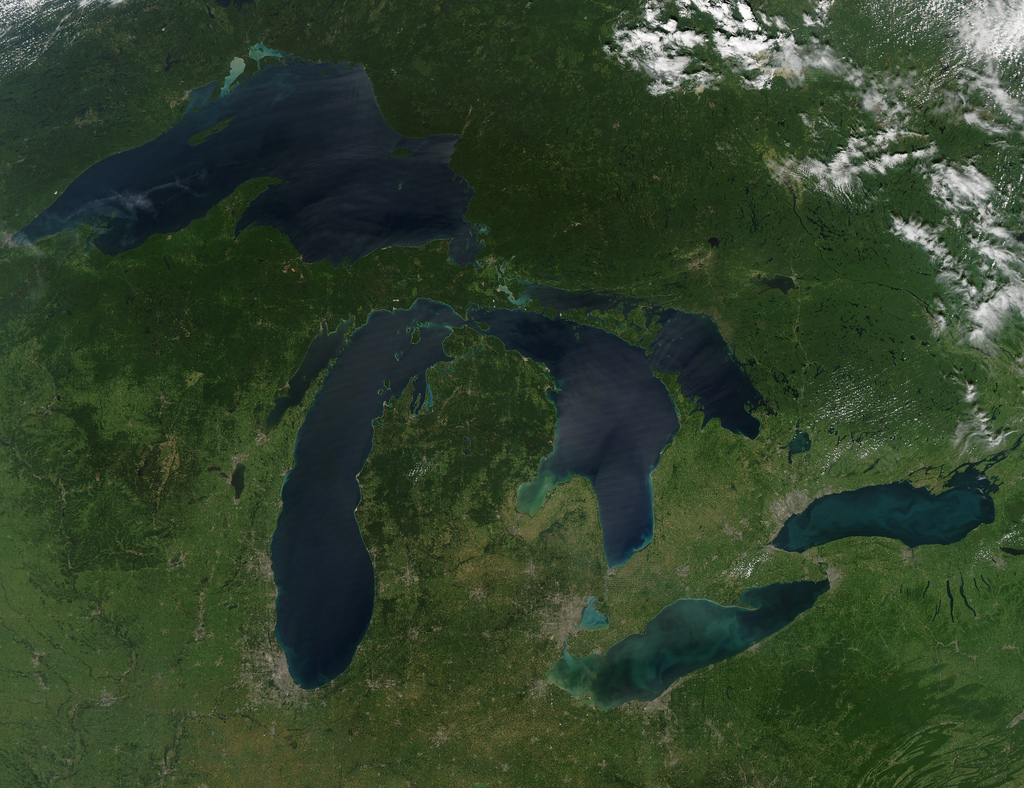
Gallery: Great Lakes

DRINKING, WASTEWATER & STORMWATER SYSTEMS

Physical Security of Water Utilities

Backflow

Water and Sanitation

Hot Water in North America

Estimating Daily Domestic Hot-Water Use in North American Homes

Florida Solar Energy CenterASHRAE Conference Paper

Danny S. Parker | Philip Fairey | James D. Lutz, PE


ABSTRACT. The WVU campus in Morgantown, located in north central WV is identified to have elevated heat flows by low-temperature geothermal play fairway analysis of the Appalachian basin. Along with the elevated subsurface heat flows, WVU also has surface demand necessary to develop a deep direct-use geothermal system in the eastern United States. West Virginia University is currently using a steam-based water heating system. This study focuses on converting the current heating system to a geothermal deep-direct-use district heating system.

A comprehensive evaluation of the current heating system is being conducted to determine the university’s heating energy demand. Energy demand is calculated for the whole campus based on the equipment survey and readings from the steam meters. Based on the steam meter readings, the approximate hot water usage of the whole campus is in the range of 10,000-12,000 GPM (gallons per minute). For buildings where there are no existing data or steam meters available, the energy usage is estimated using e-Quest. The tool e-Quest (Quick Energy Simulation Tool) is available through the U.S. Department of Energy and can provide monthly building energy usage data for comparison purposes.

The study includes an in-depth analysis of existing heating and cooling equipment, such as air handling units (AHUs) and heat exchangers, to determine their compatibility with hot water systems. The potential for retrofitting these systems to enhance energy efficiency, reduce operational costs, and contribute to the university’s sustainability goals is evaluated. This retrofit requires significant infrastructure changes, including installing new pumps, pipes, and heat exchangers. A detailed study for retrofitting was conducted on one of the buildings, which includes air handling units, pumps, valves, and expansion tanks.

The total retrofitting cost was found to be approximately $130,000. A preliminary hot water distribution model using Aspen HYSYS is developed, incorporating key system components like heat pumps and geothermal plate heat exchangers with a hot water distribution temperature of 180℉. Similarly, Aspen HYSYS models are developed to study and compare the normal hot water distribution model.


Florida

Florida’s campus coffee scene picks up influences from Gulf of America nations. Hot options are popular in winter, though iced drinks never fully disappear.

Wild Swimming


INTERVIEW: Student Ellie Ford on founding the University’s first cold water swimming group


“Port Meadow is absolutely beautiful and a wonderful place to swim. We often swim in a different spot from other open water swimming groups in order to create a more relaxed environment – especially for our beginners. We do special beginners swims on Saturdays, to ease new members into the practise slowly and very carefully.

Safety is paramount, so I’ll walk them in to the water and they can immerse themselves as much as they want. We never allow anyone to jump or dive into cold water – the shock can cause a swimmer to gulp for air and subsequently ingest water; it’s always a gentle process.” — Ellie


Sex Difference in Female and Male Ice Swimmers

Ice Swimming

Hot Water on a Cold Day

This content is accessible to paid subscribers. To view it please enter your password below or send mike@standardsmichigan.com a request for subscription details.

Layout mode
Predefined Skins
Custom Colors
Choose your skin color
Patterns Background
Images Background
Standards Michigan
error: Content is protected !!
Skip to content