
Category Archives: Water
- Home
- Archive by category "Water" (Page 3)


Fontaines
Water fountains enhance campus outdoor settings by creating serene, inviting spaces that promote relaxation and social interaction. Their gentle sounds of flowing water reduce stress, mask noise, and foster a calming atmosphere conducive to study or reflection.
Aesthetically, fountains serve as focal points, adding elegance and visual appeal to courtyards or green spaces. They attract students, faculty, and visitors, encouraging gatherings and community engagement. Environmentally, fountains can support local ecosystems by providing water for birds or plants.
Well-maintained, they symbolize a campus’s commitment to beauty and sustainability, enriching the outdoor experience and enhancing the overall campus ambiance.

“At the Water Trough” 1876 J. Alden Weir

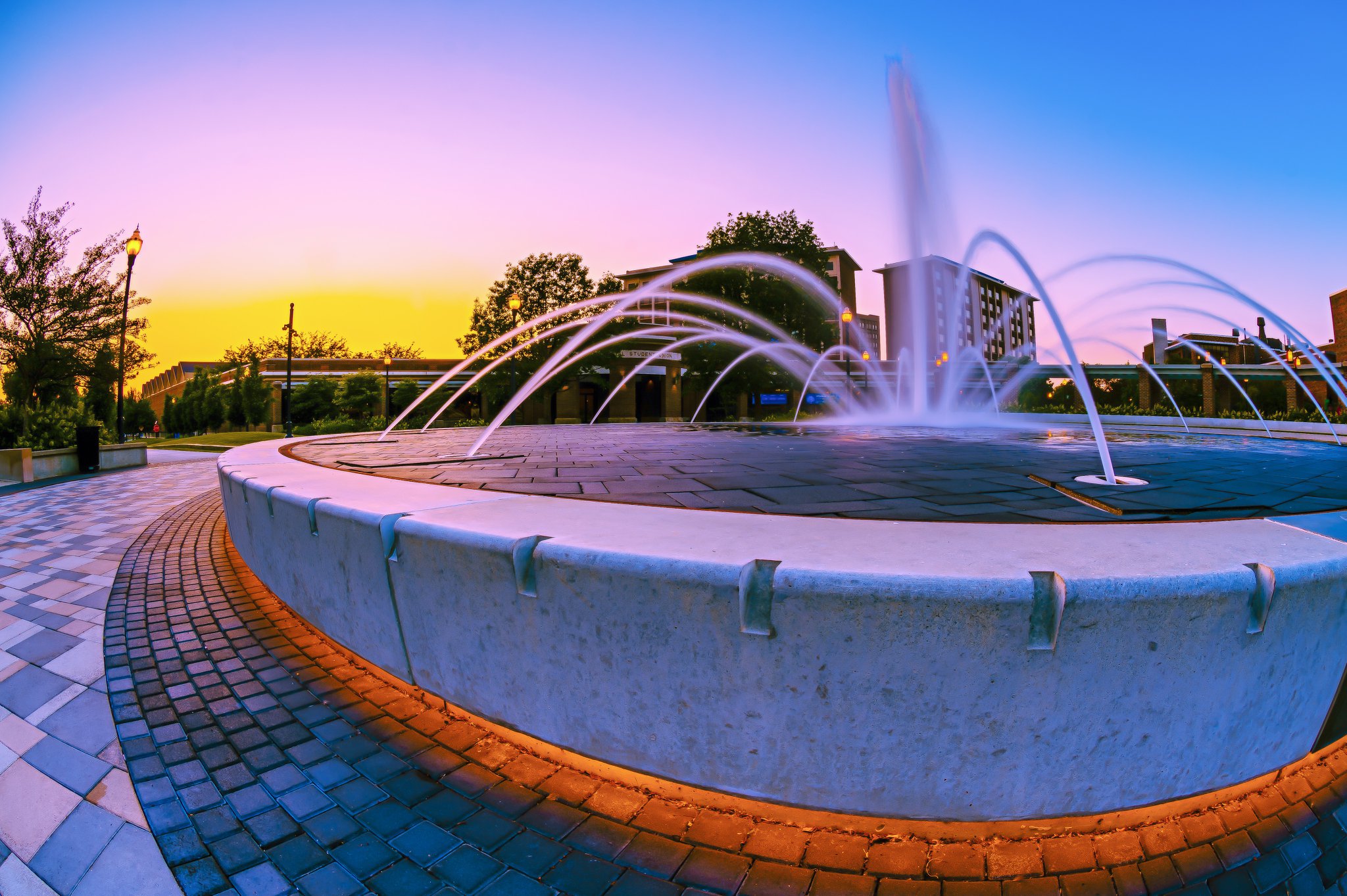
Indiana State University
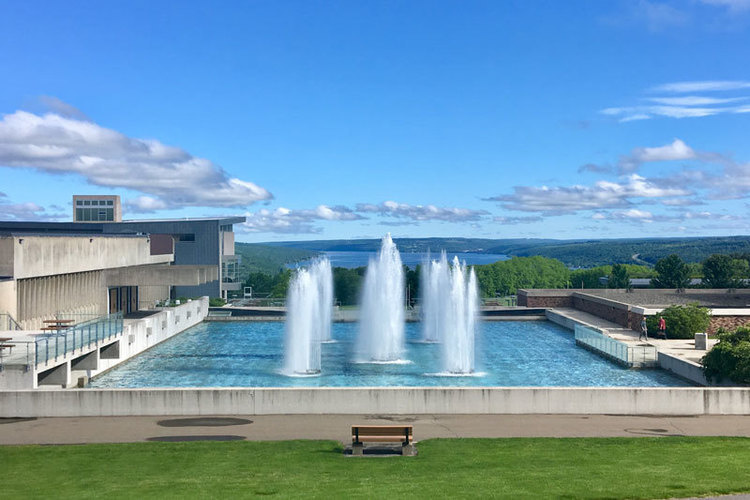
Ithaca College
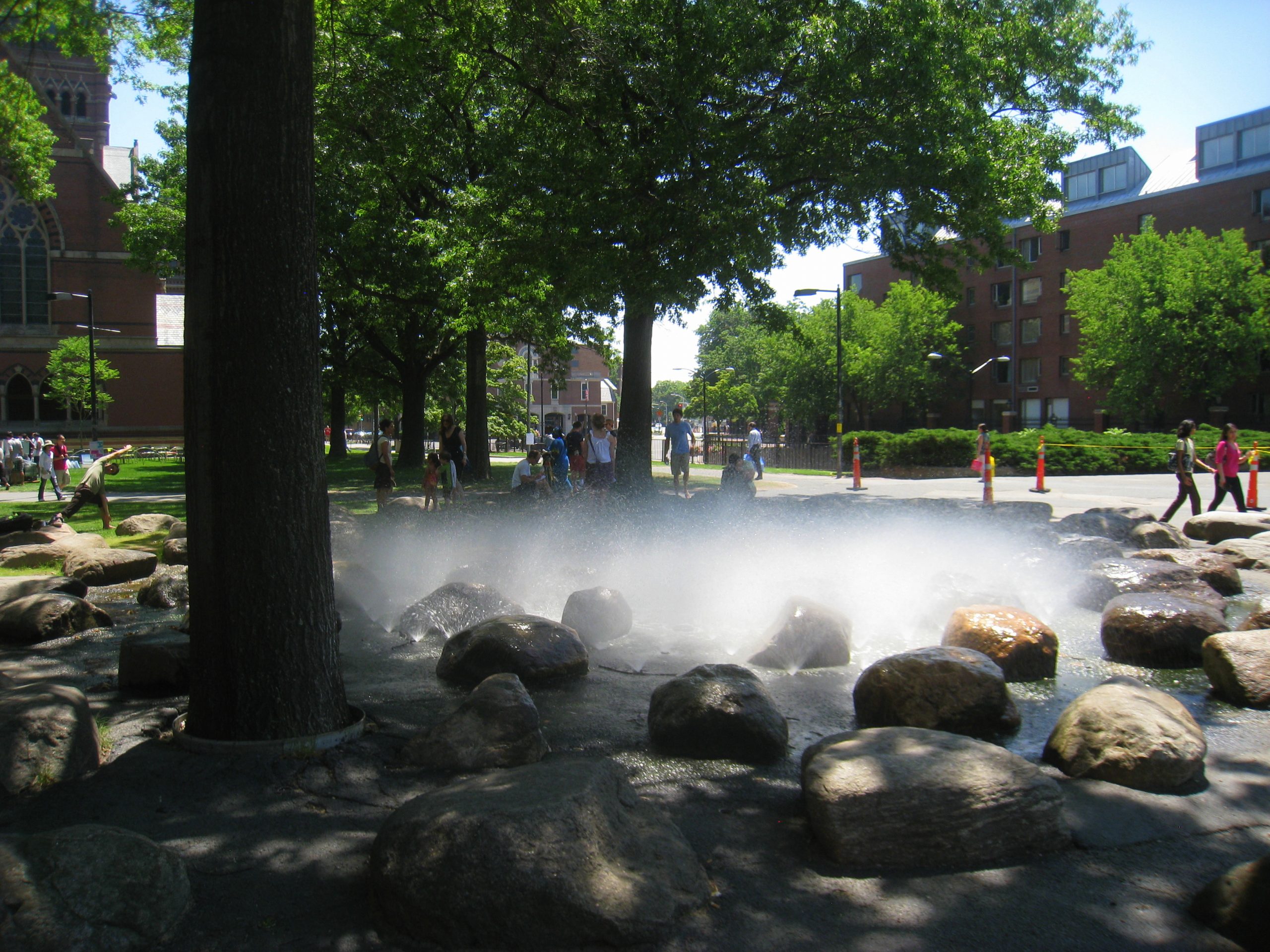
Harvard University
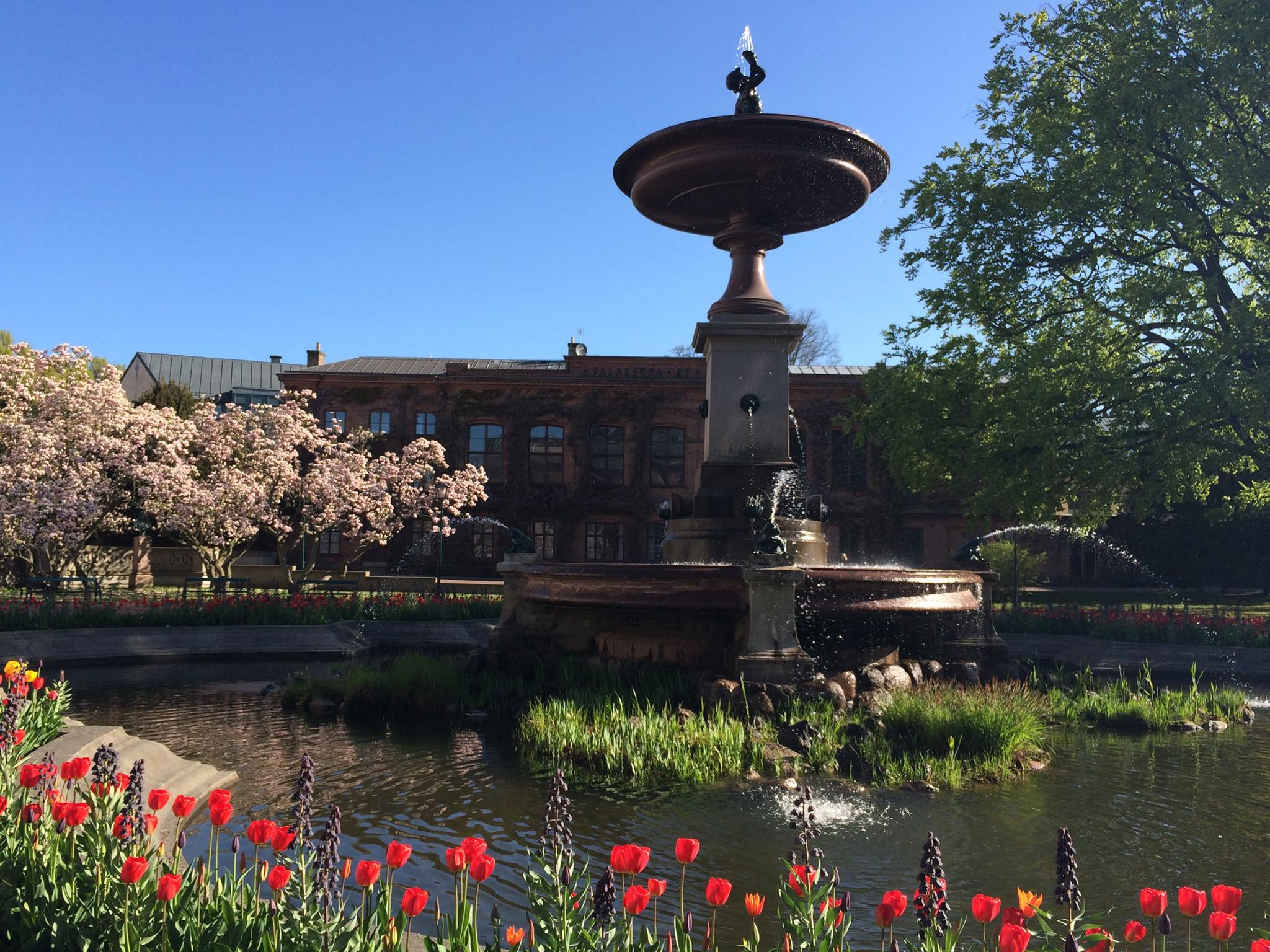
Lunds Universitet
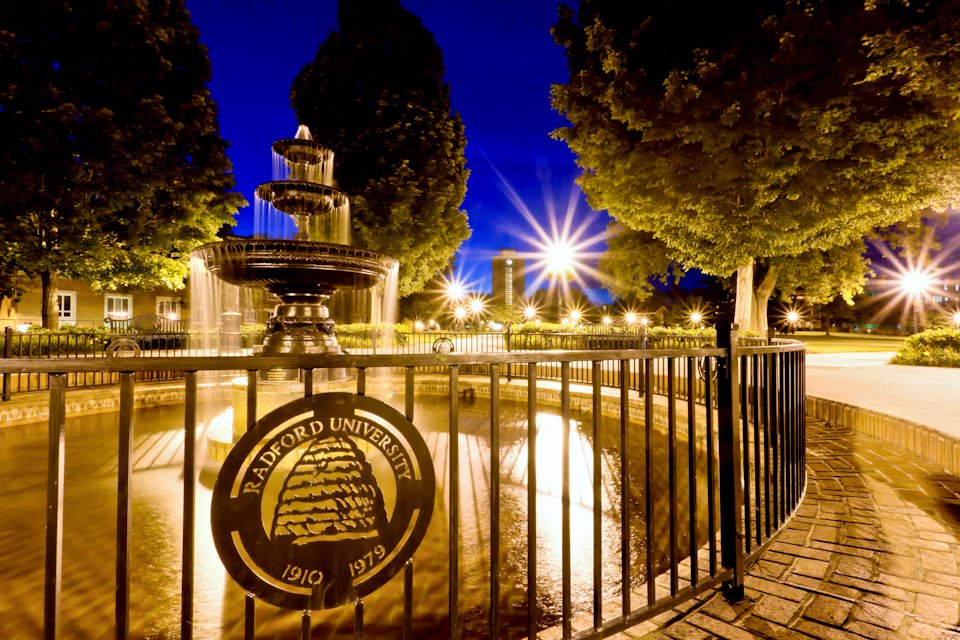

University of Louisville Kentucky
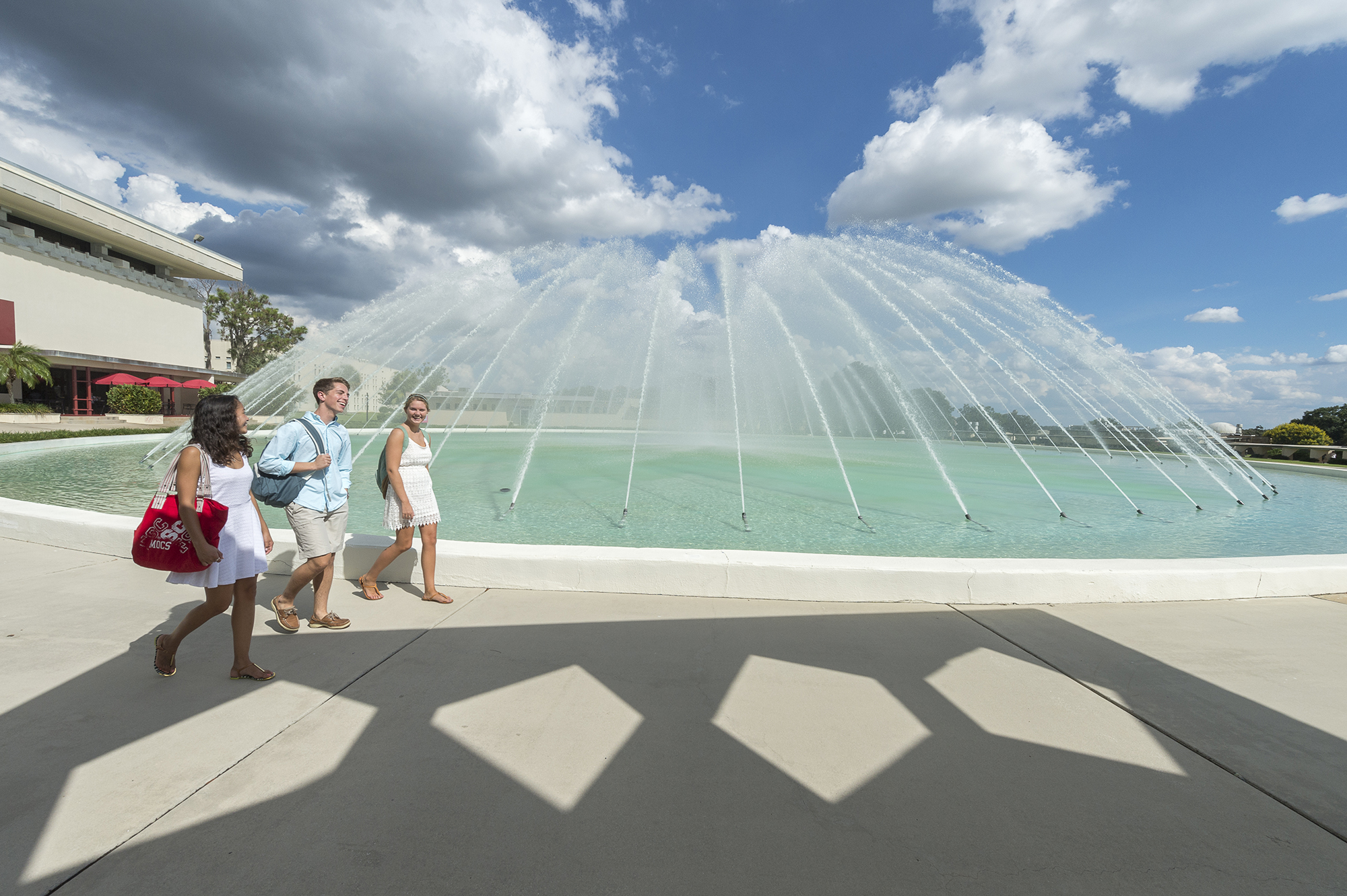
Florida Southern College
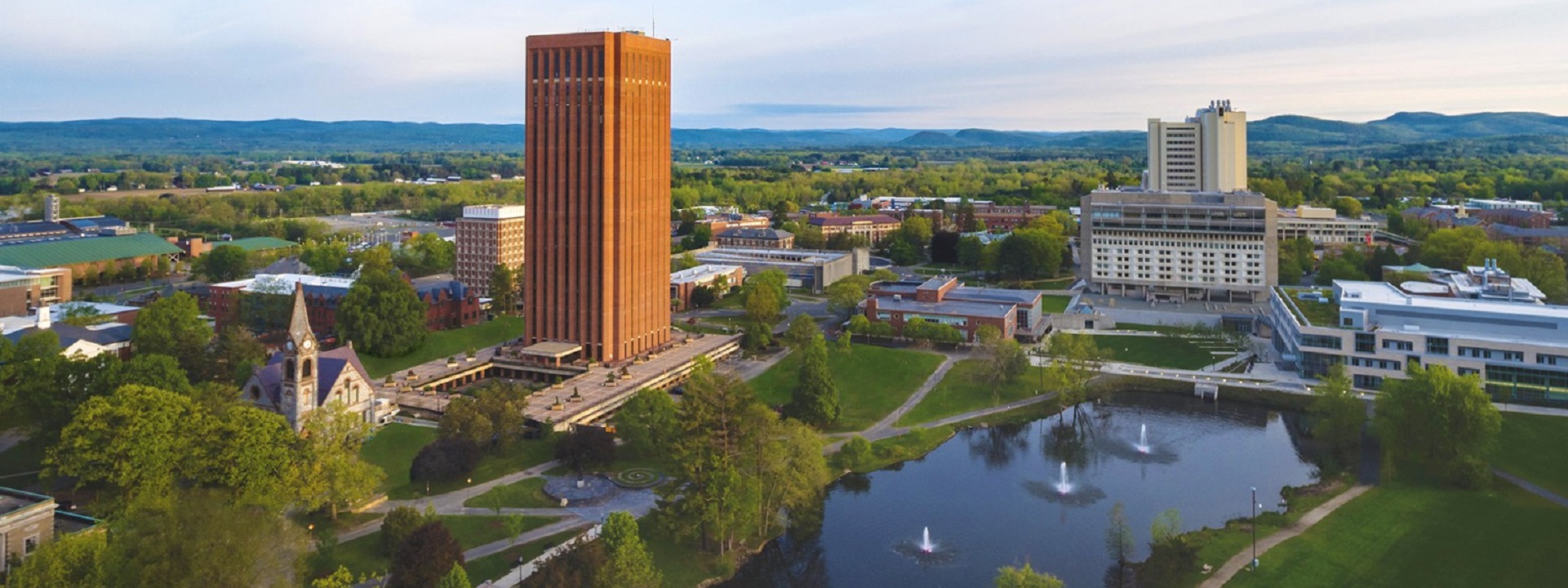
University of Massachusetts Amherst
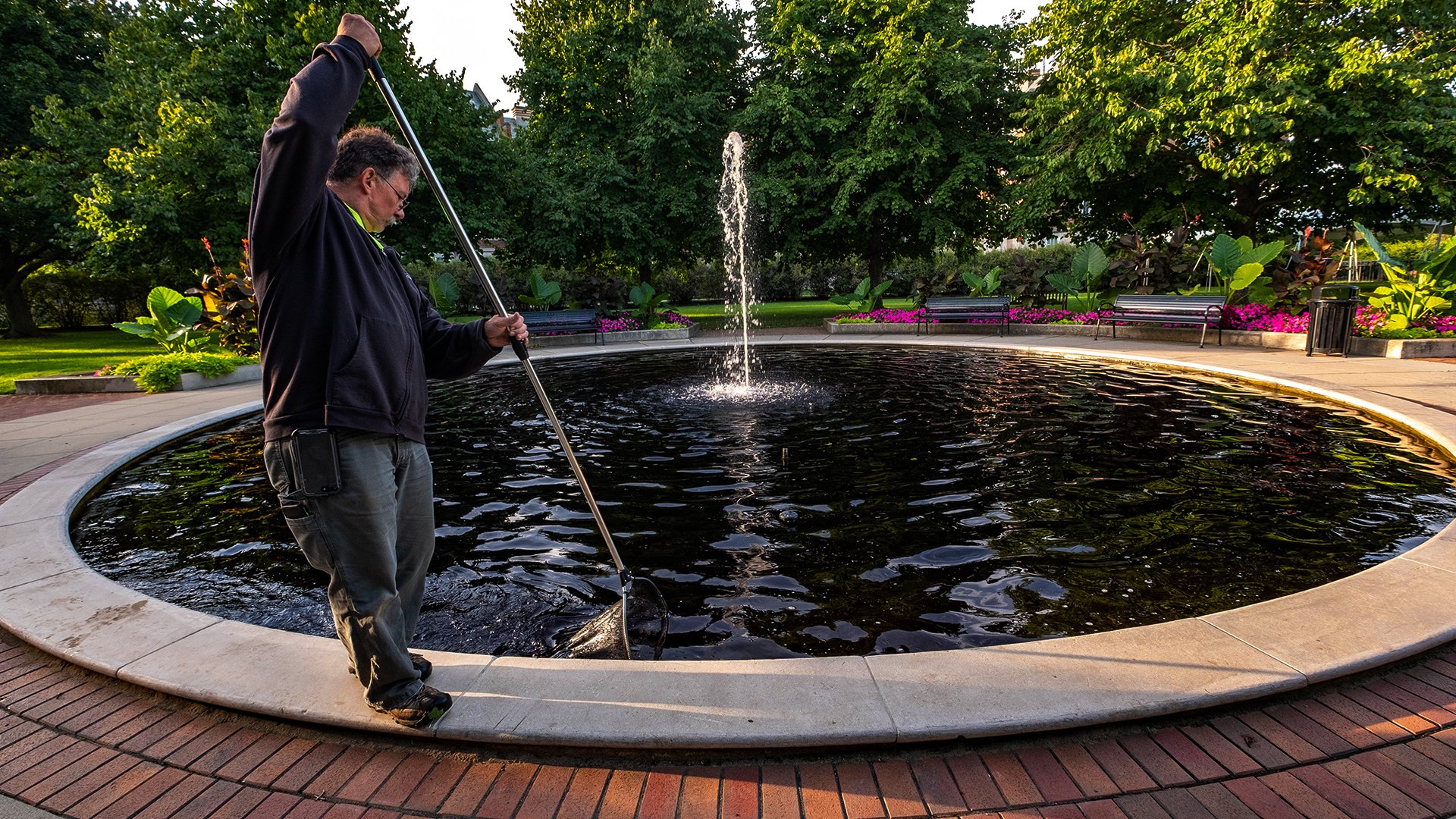
Michigan State University
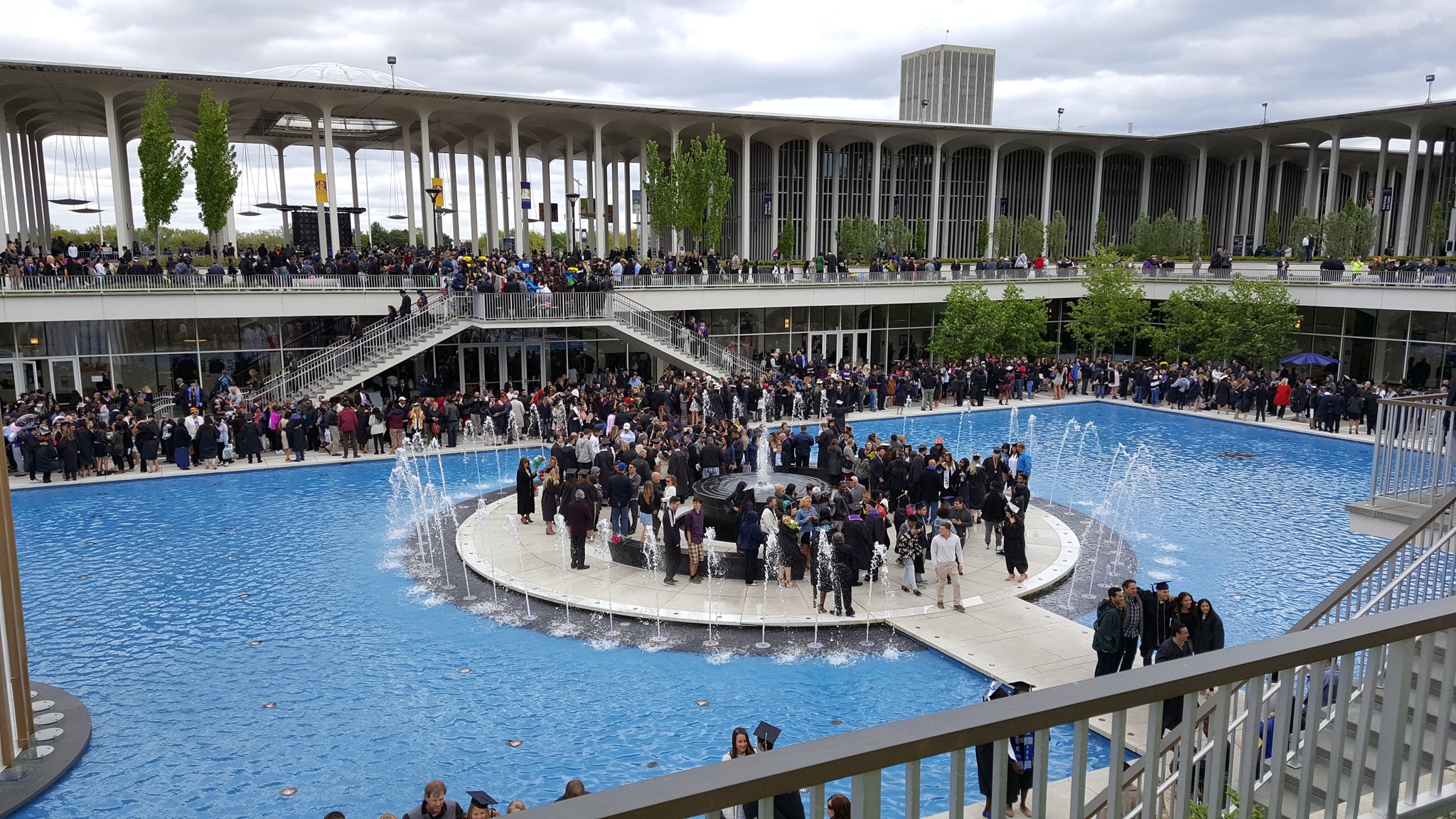
University of Albany
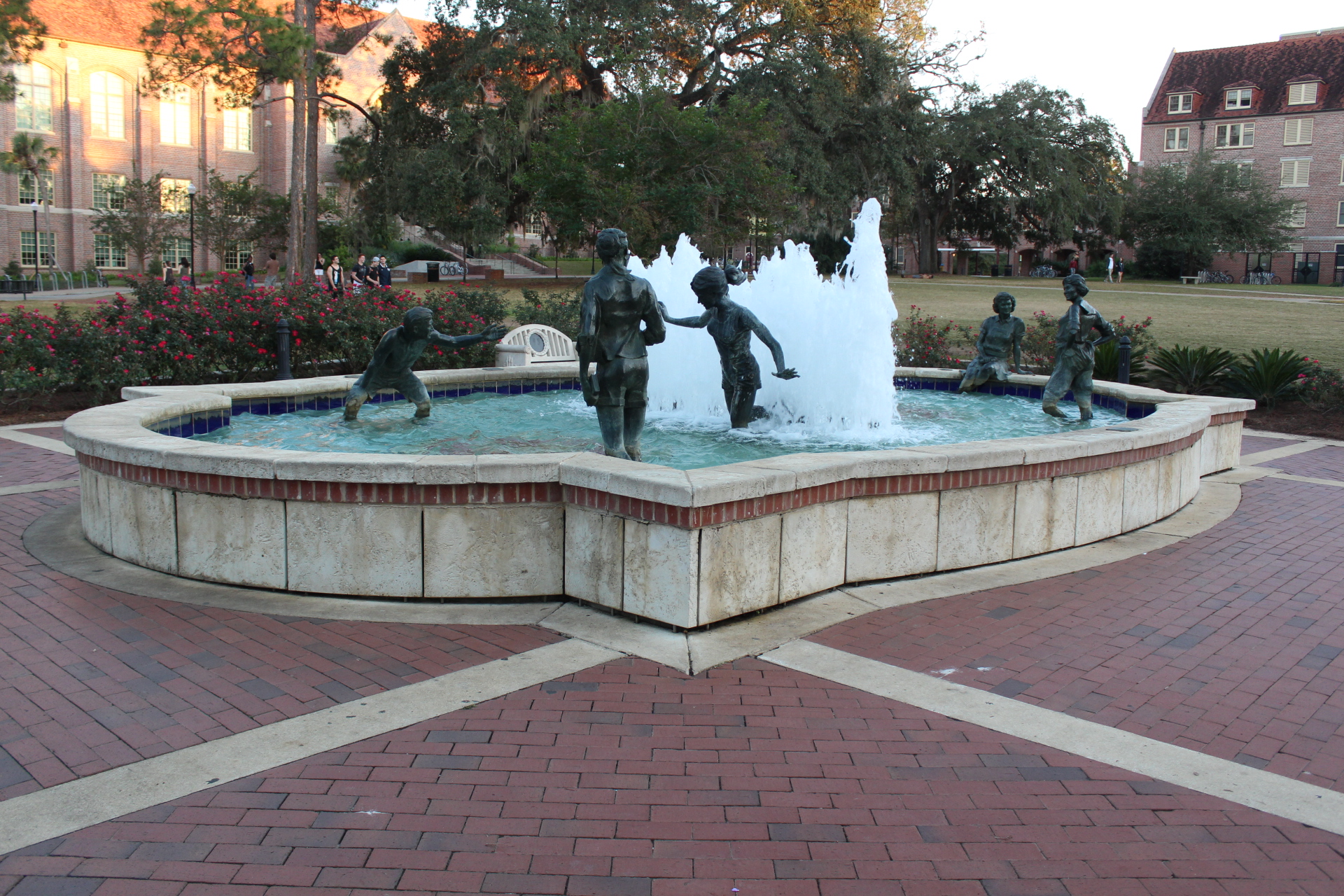
Florida State University
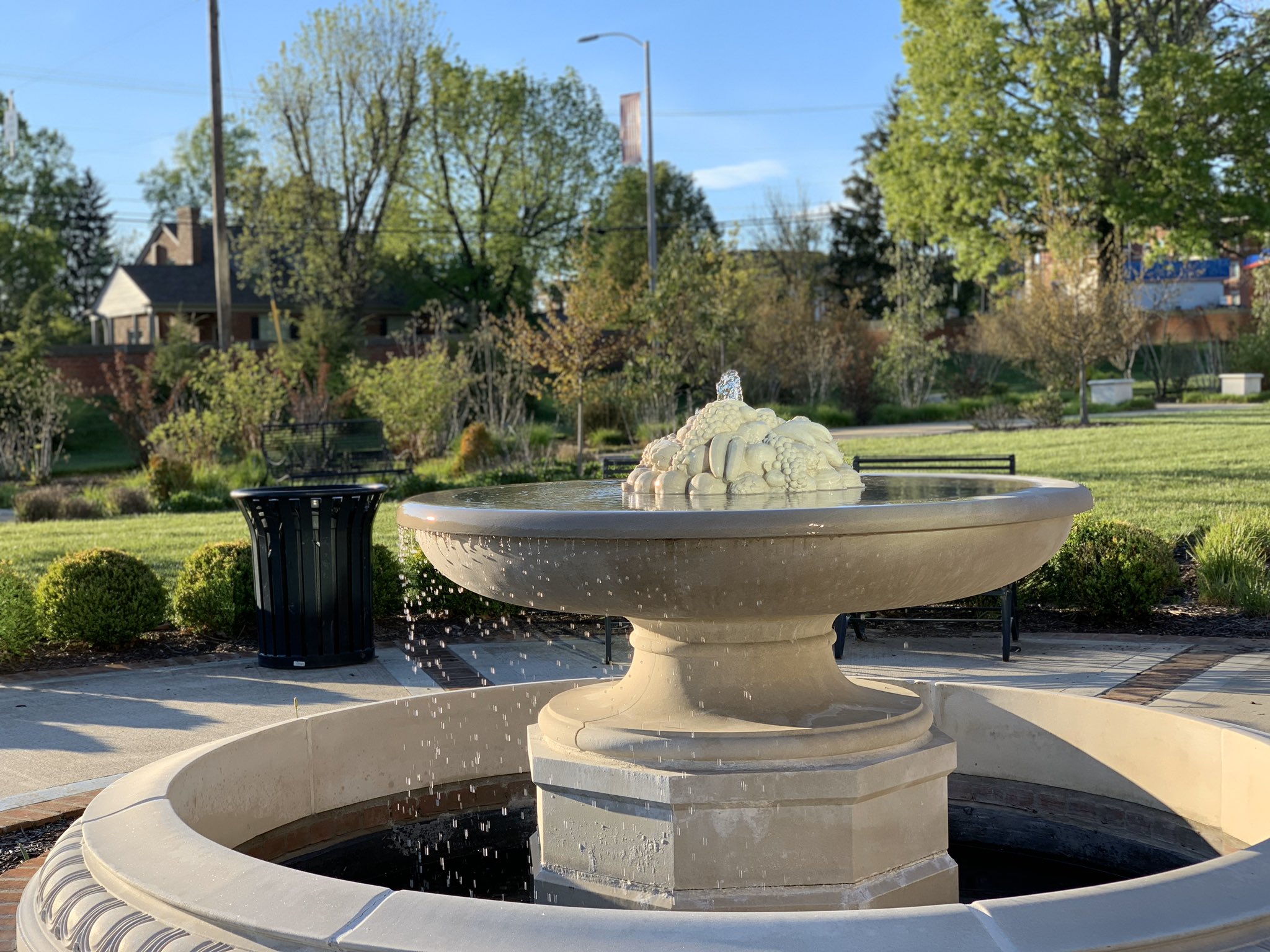
Eastern Kentucky University
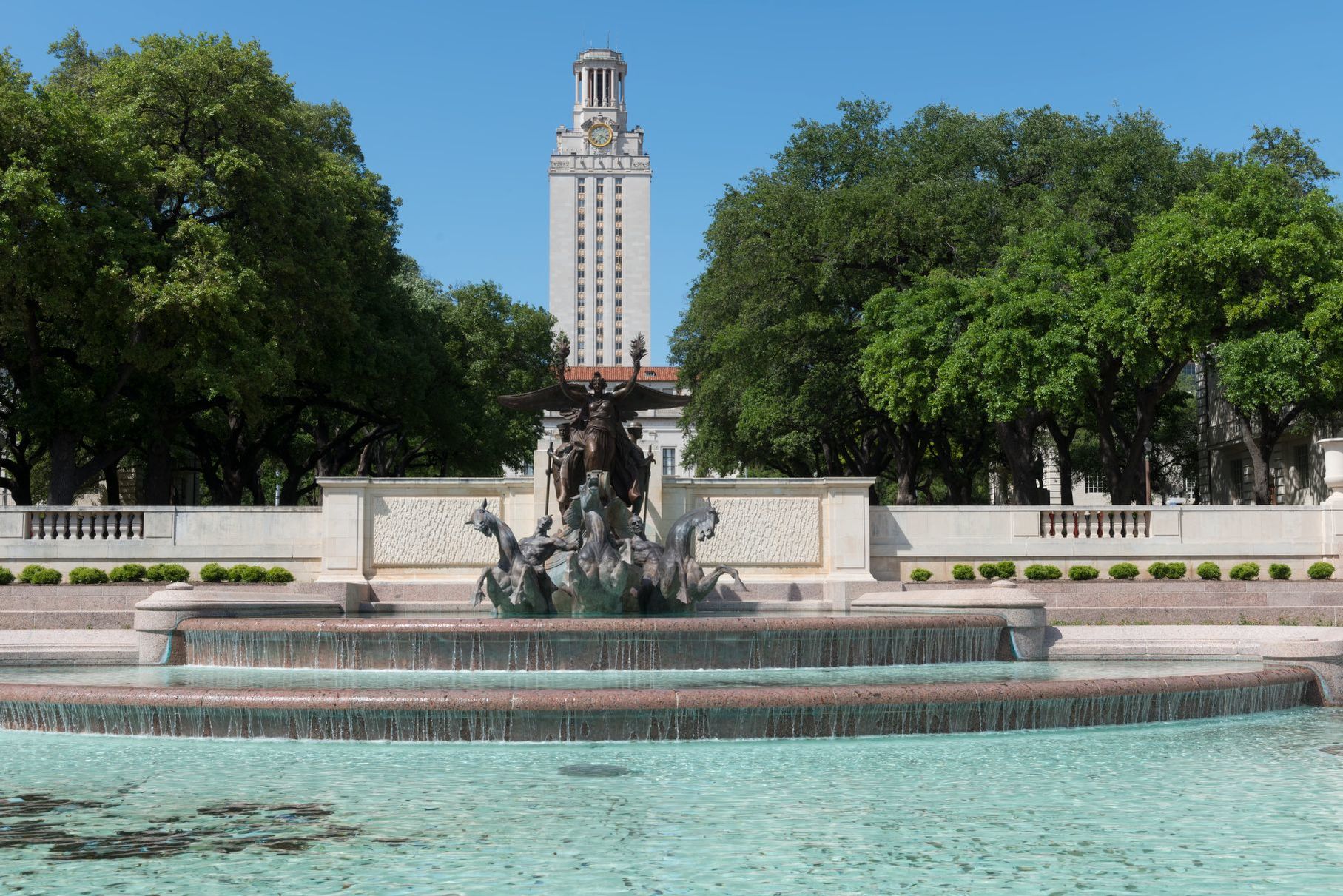
University of Texas Austin
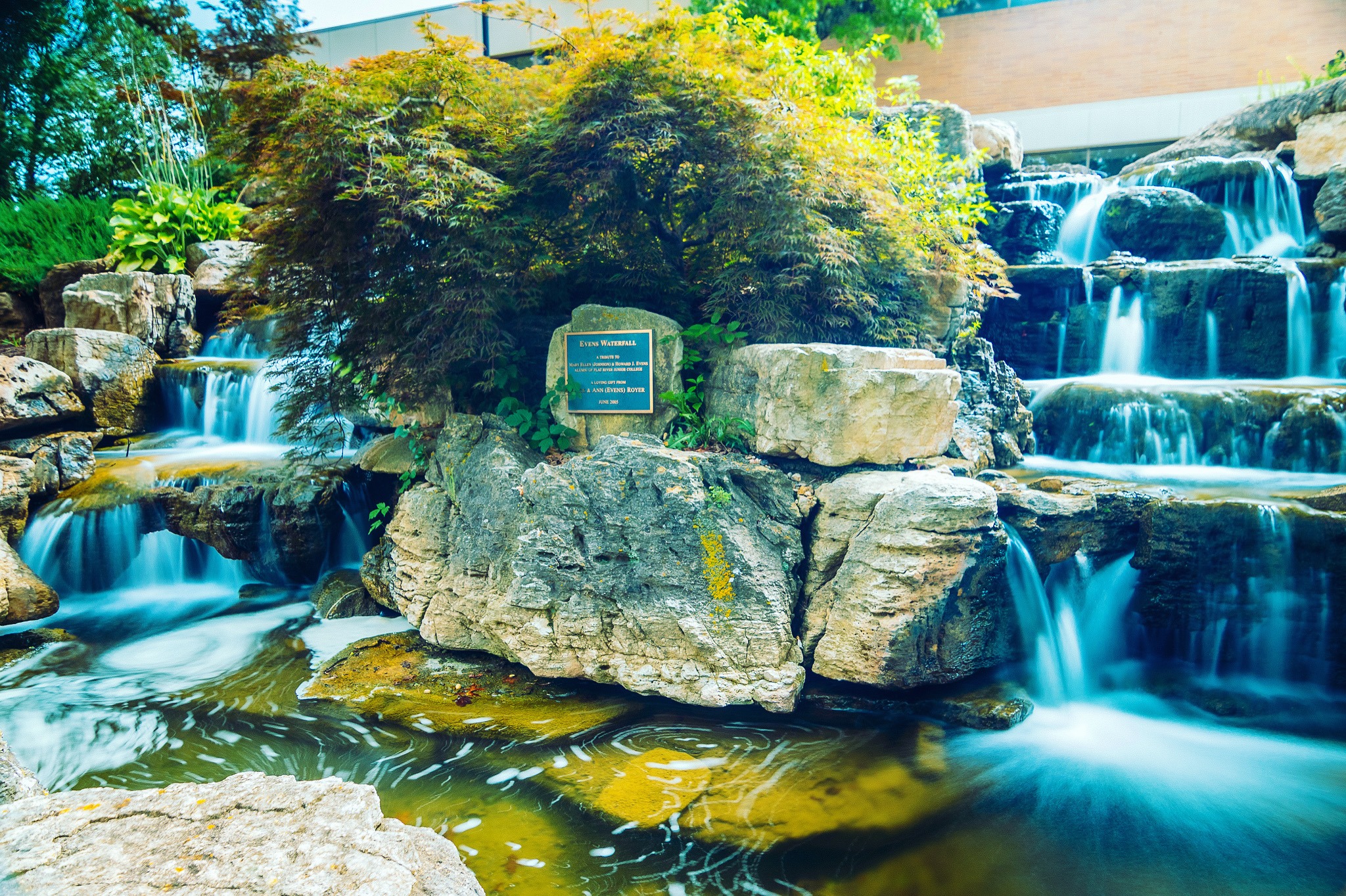
Mineral Area College Missouri

Henry Ford College
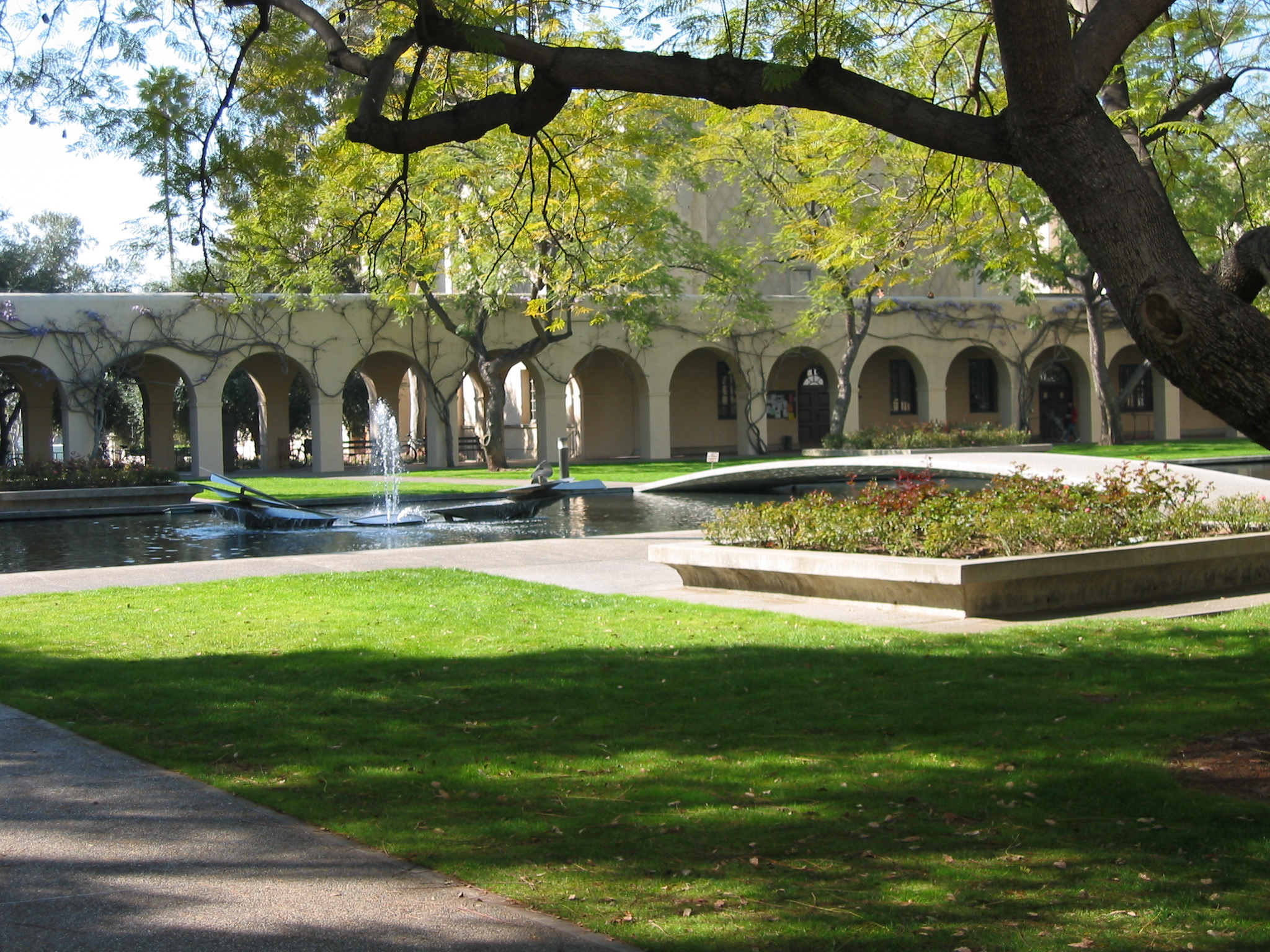
California Institute of Technology
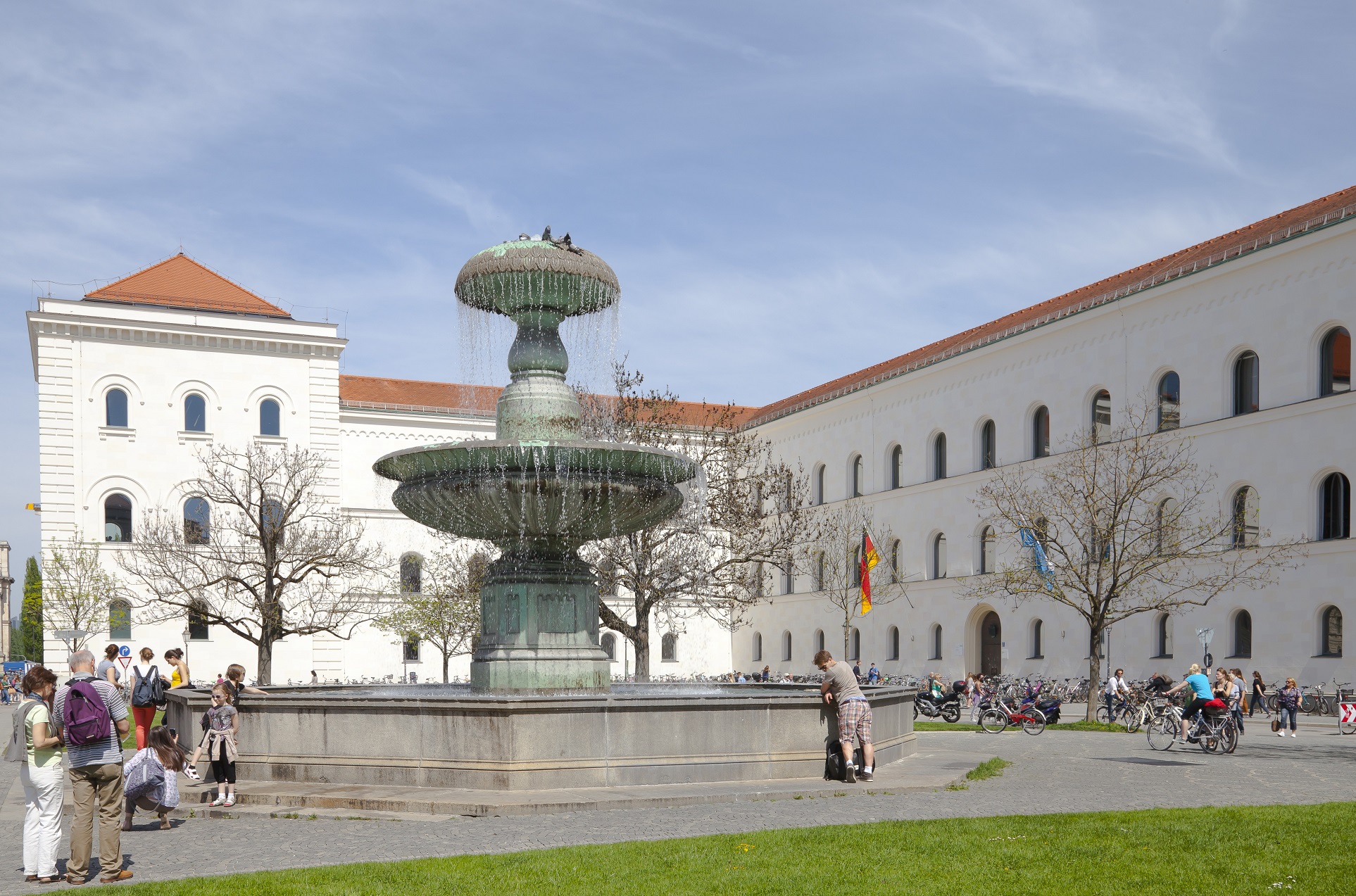
Ludwig-Maximilians-Universität München
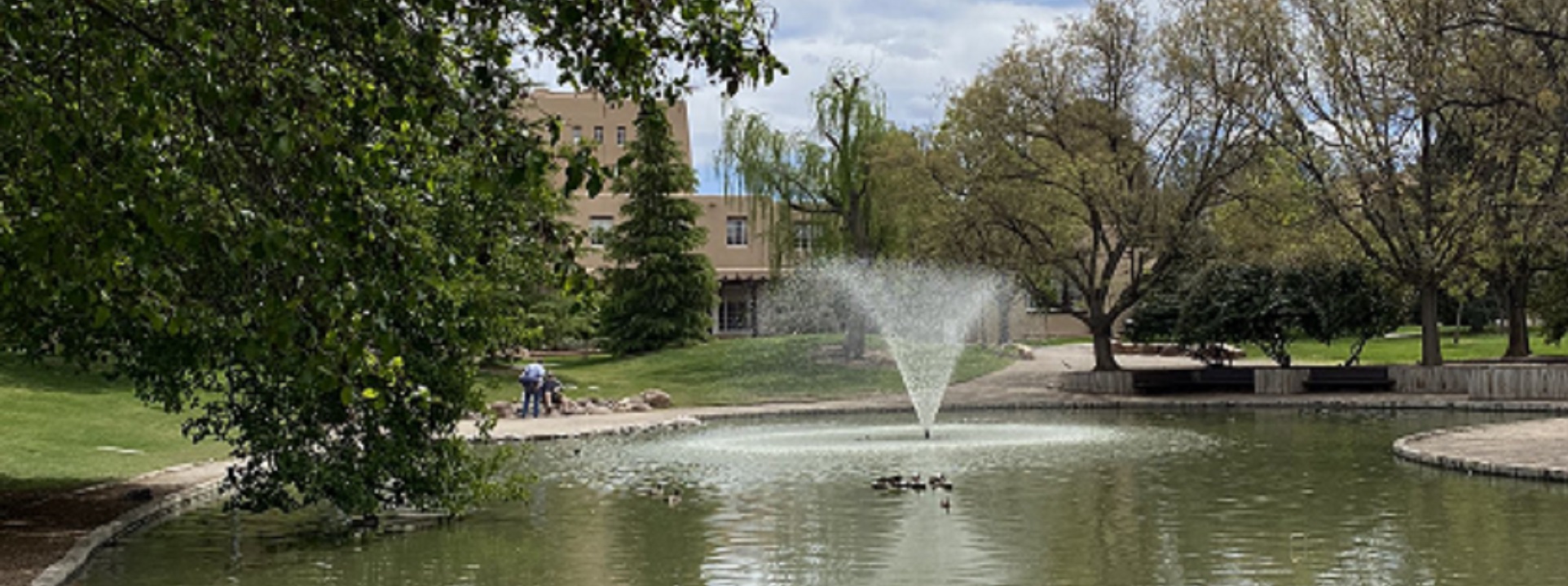
University of New Mexico
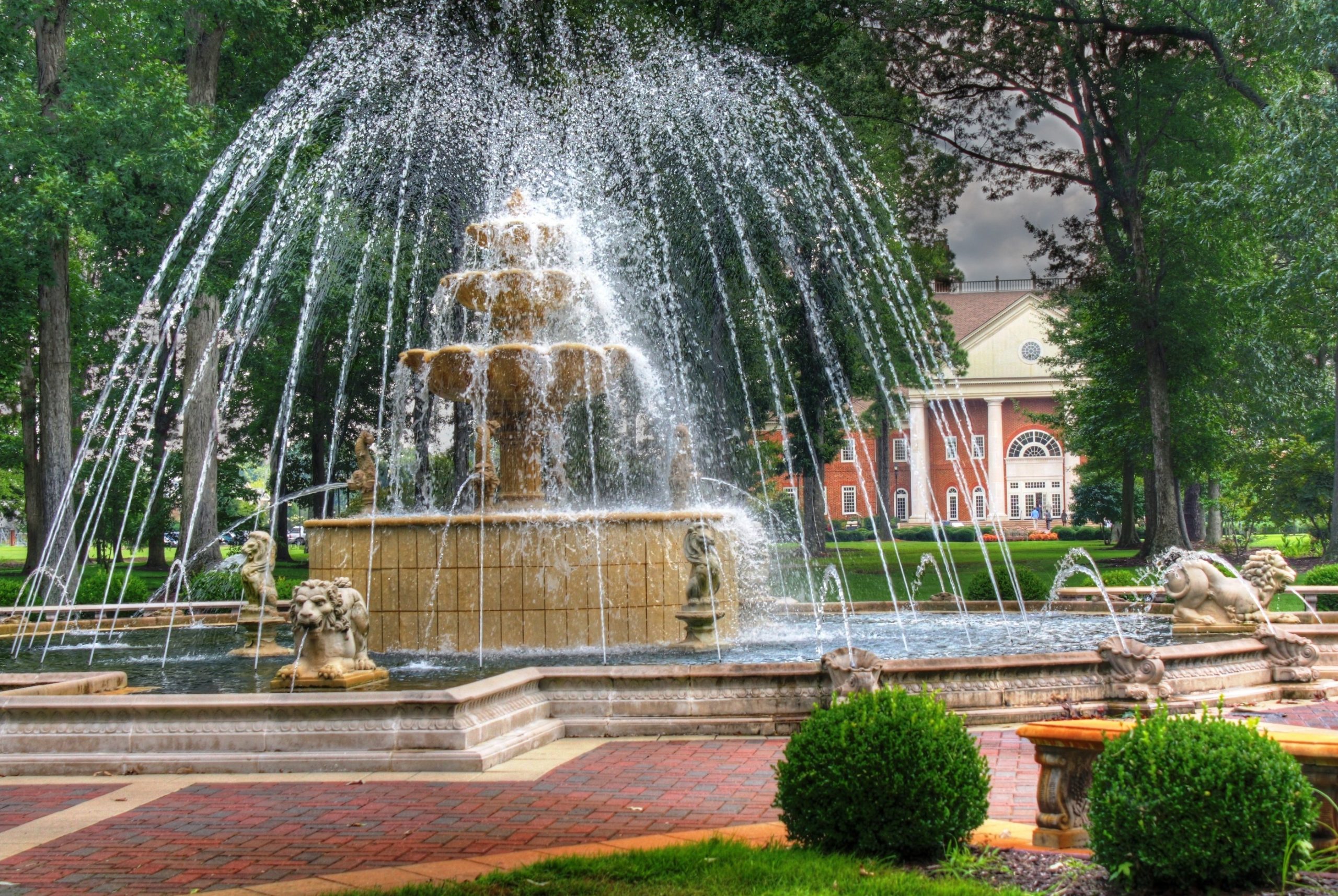
Regent University
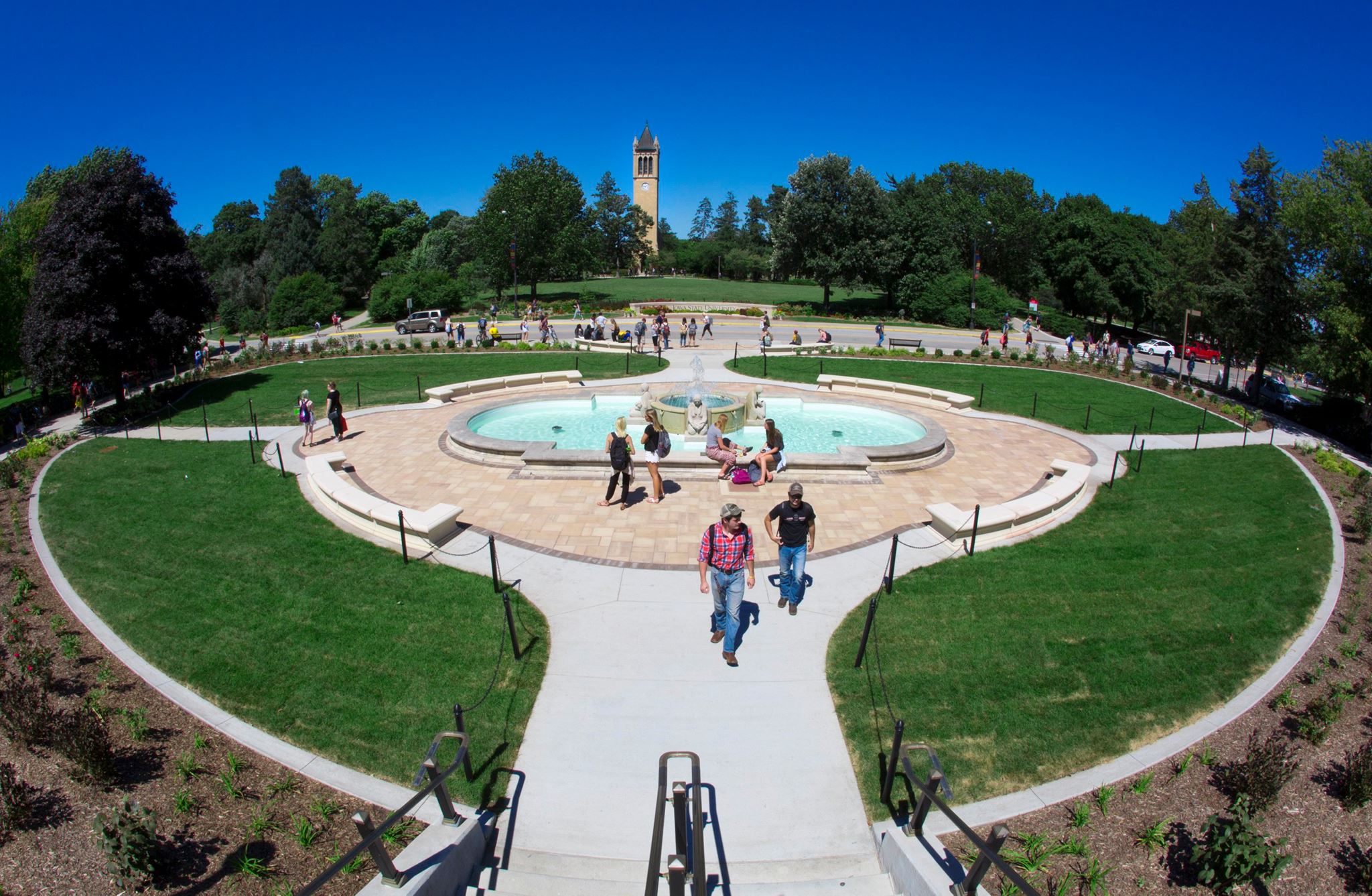
Iowa State University
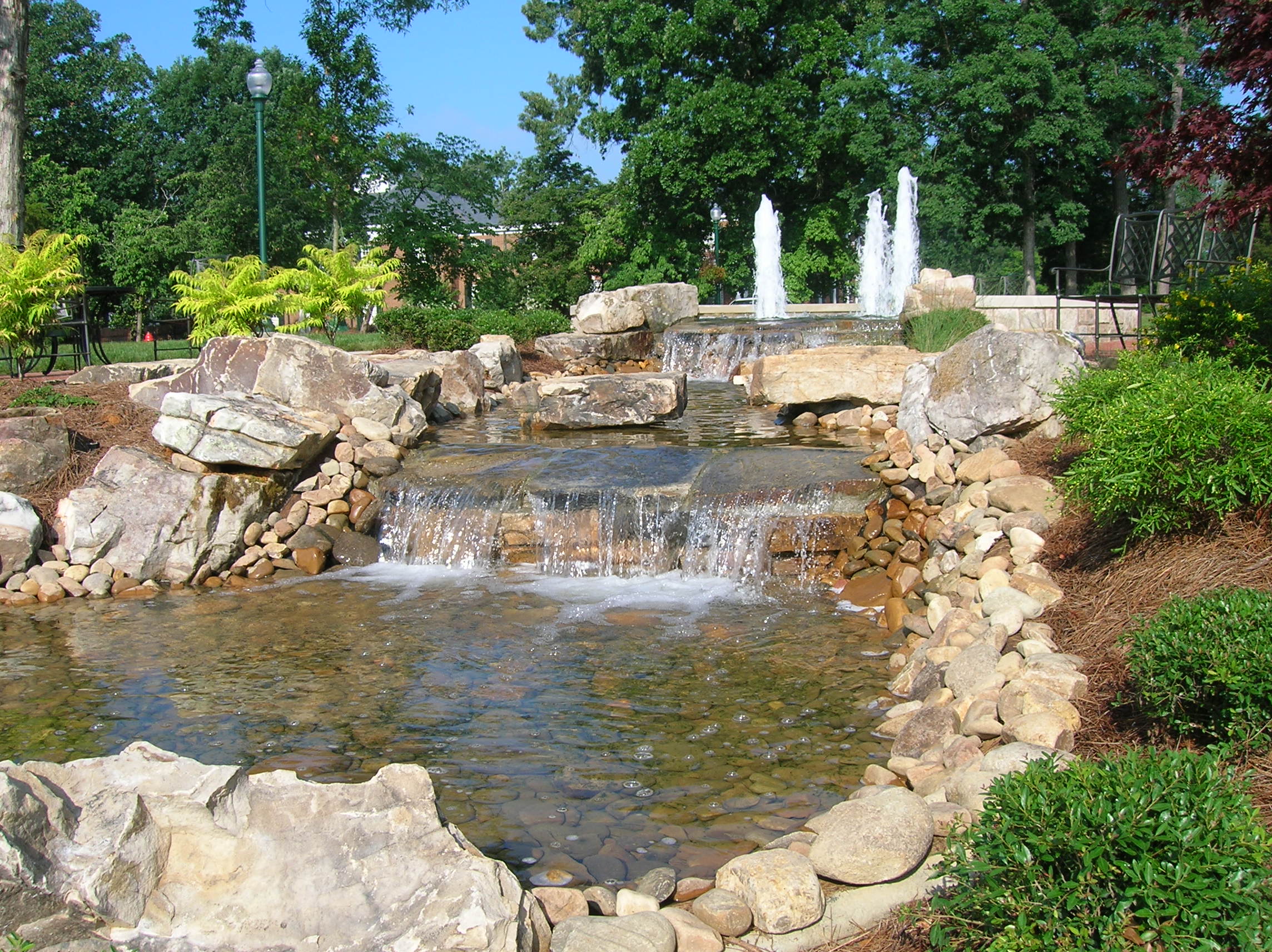
Berry College
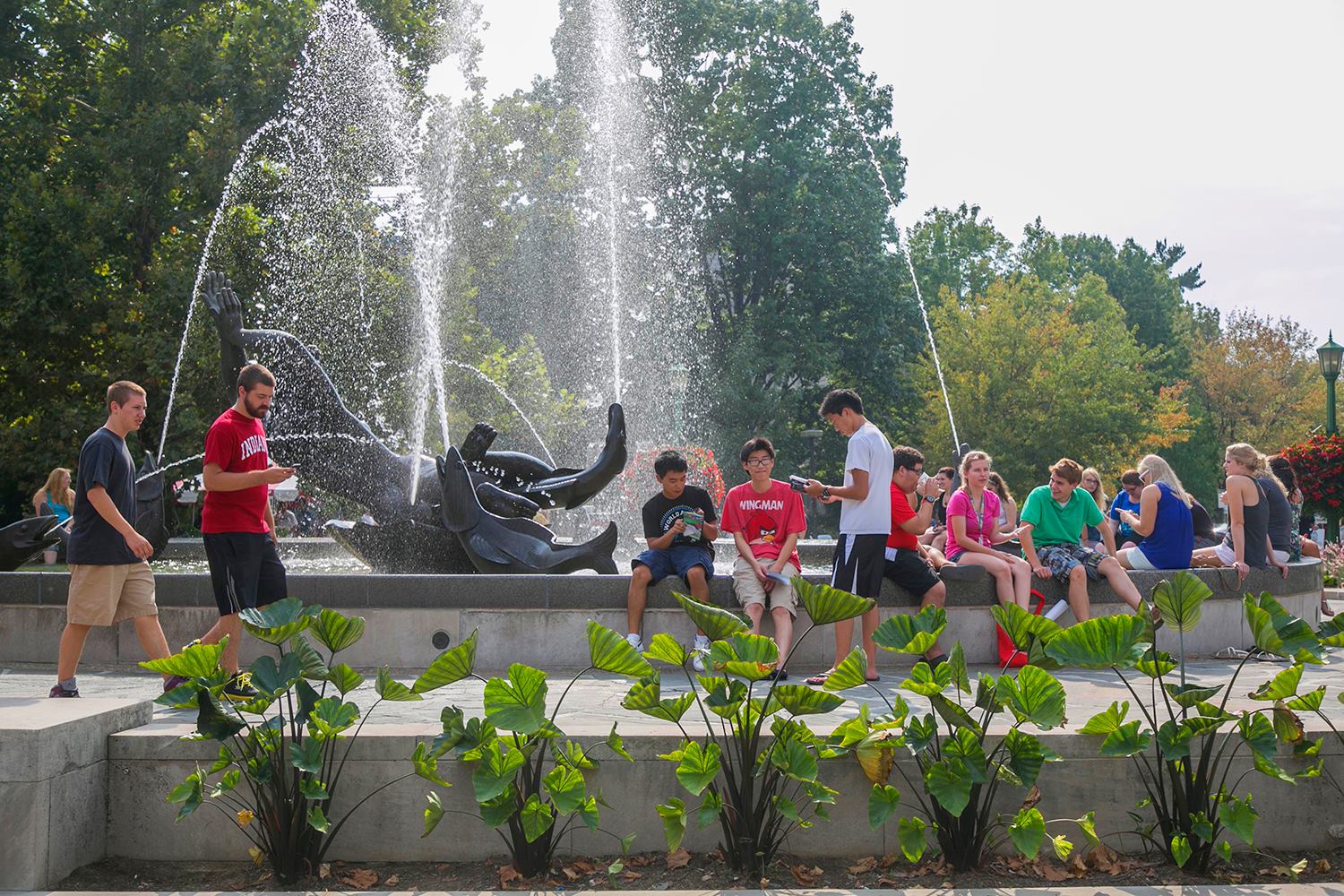
Indiana University
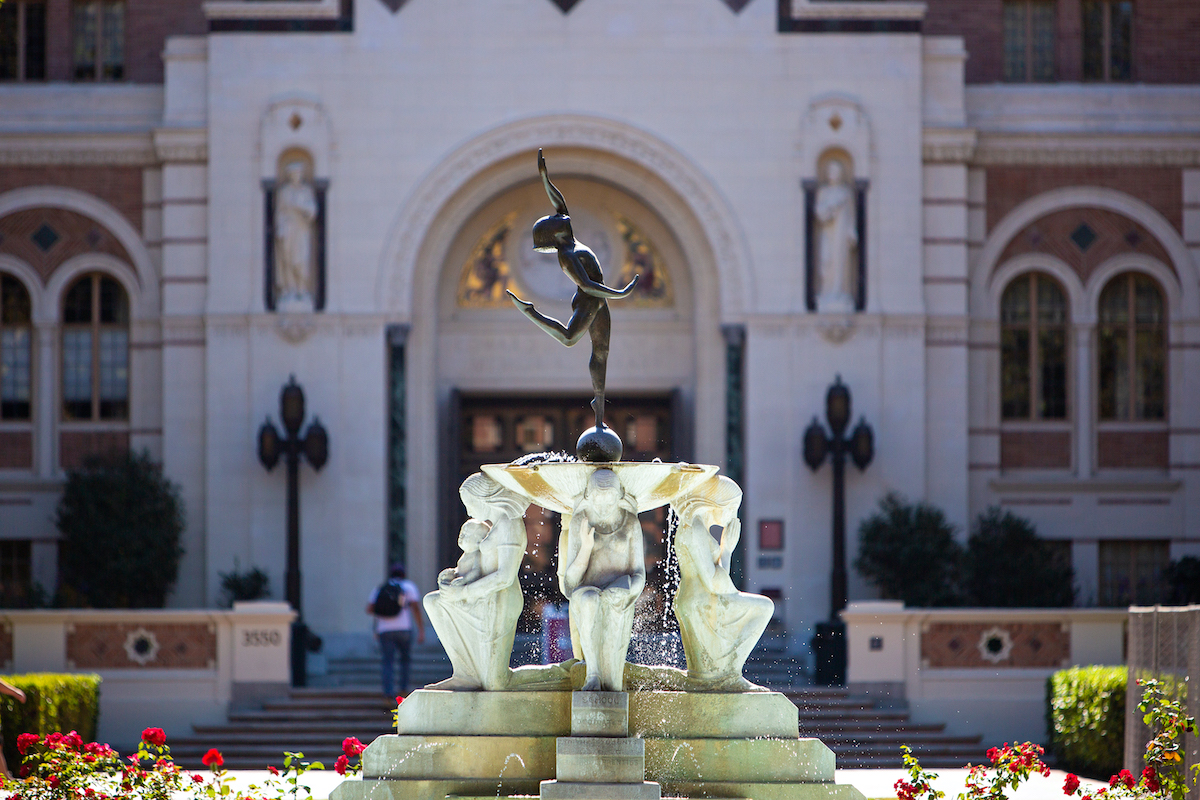
University of Southern California
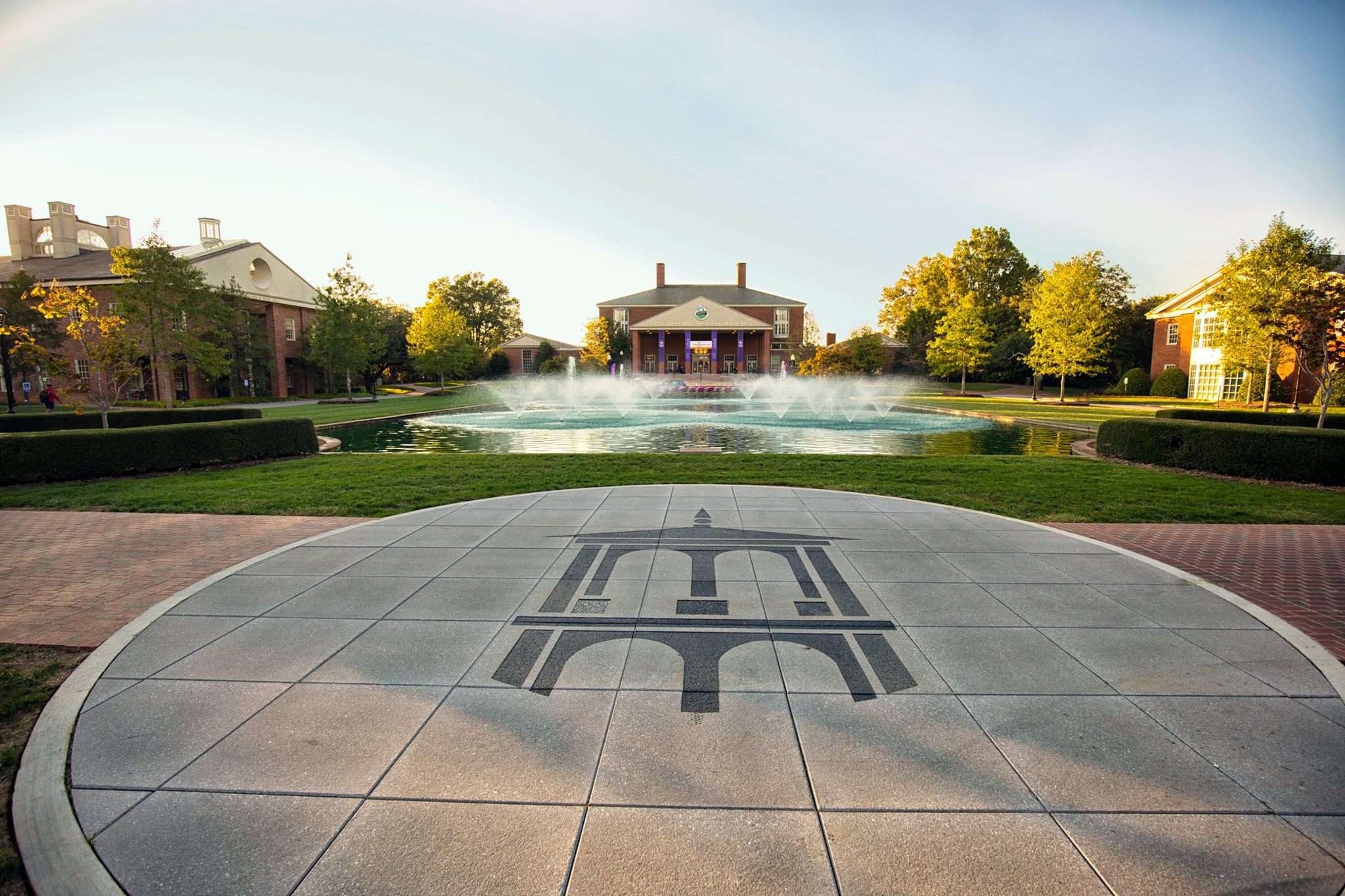
Furman University
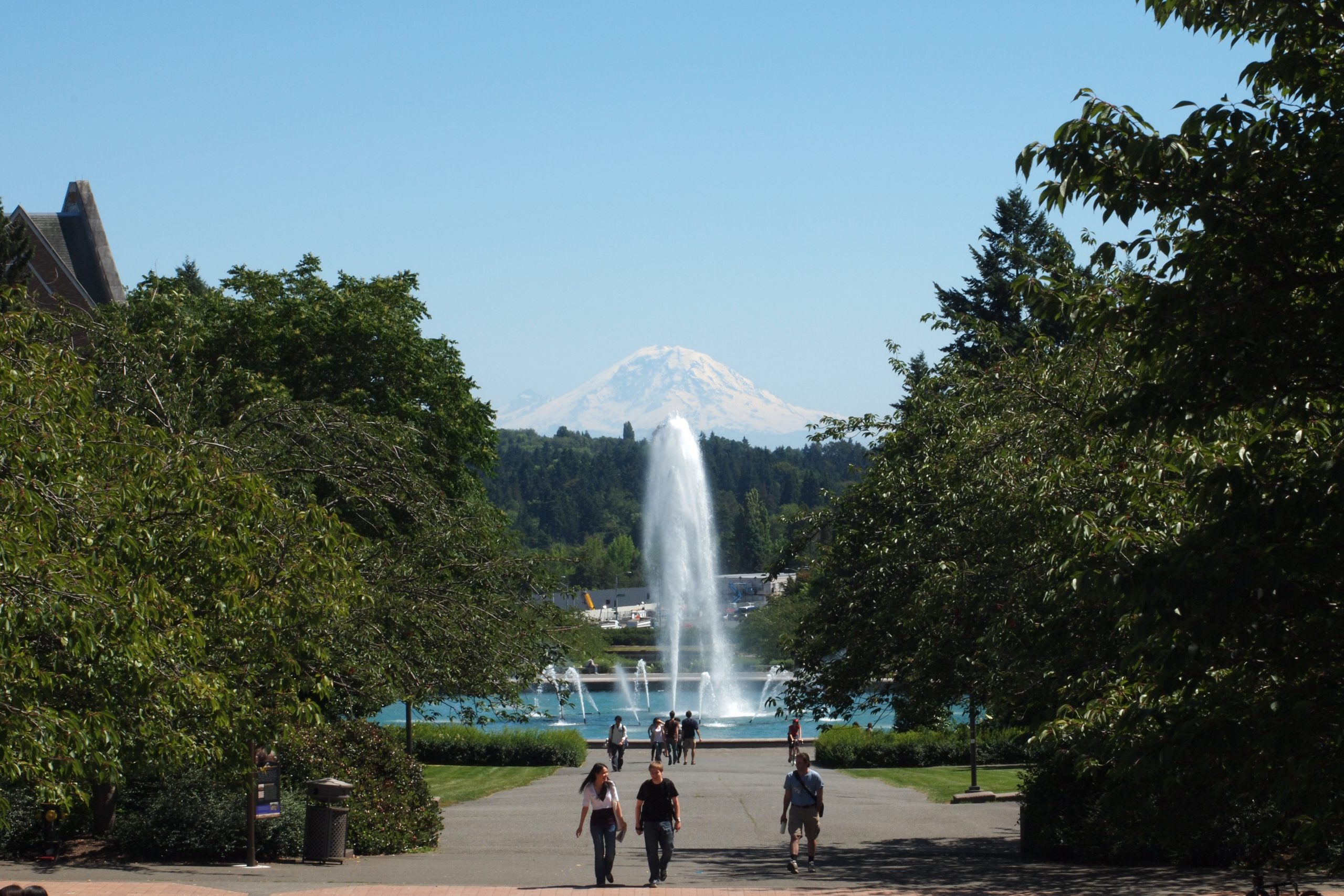
University of Washington
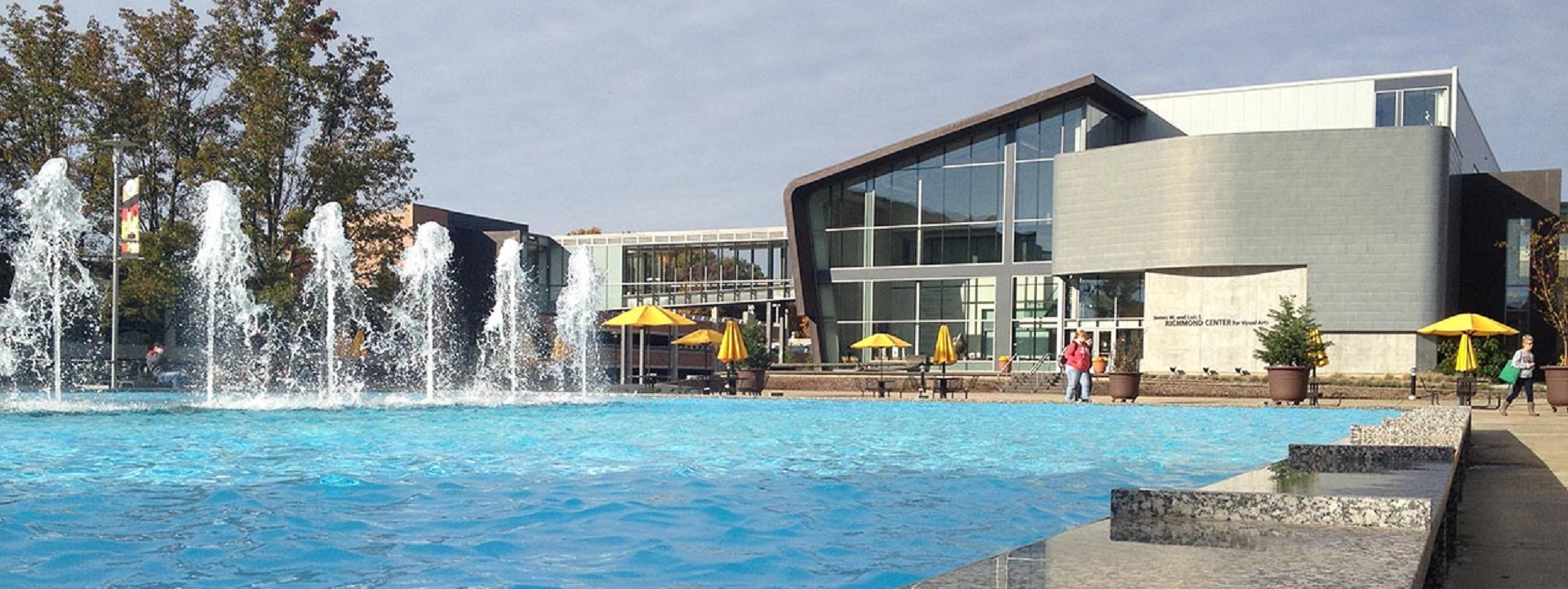
Western Michigan University
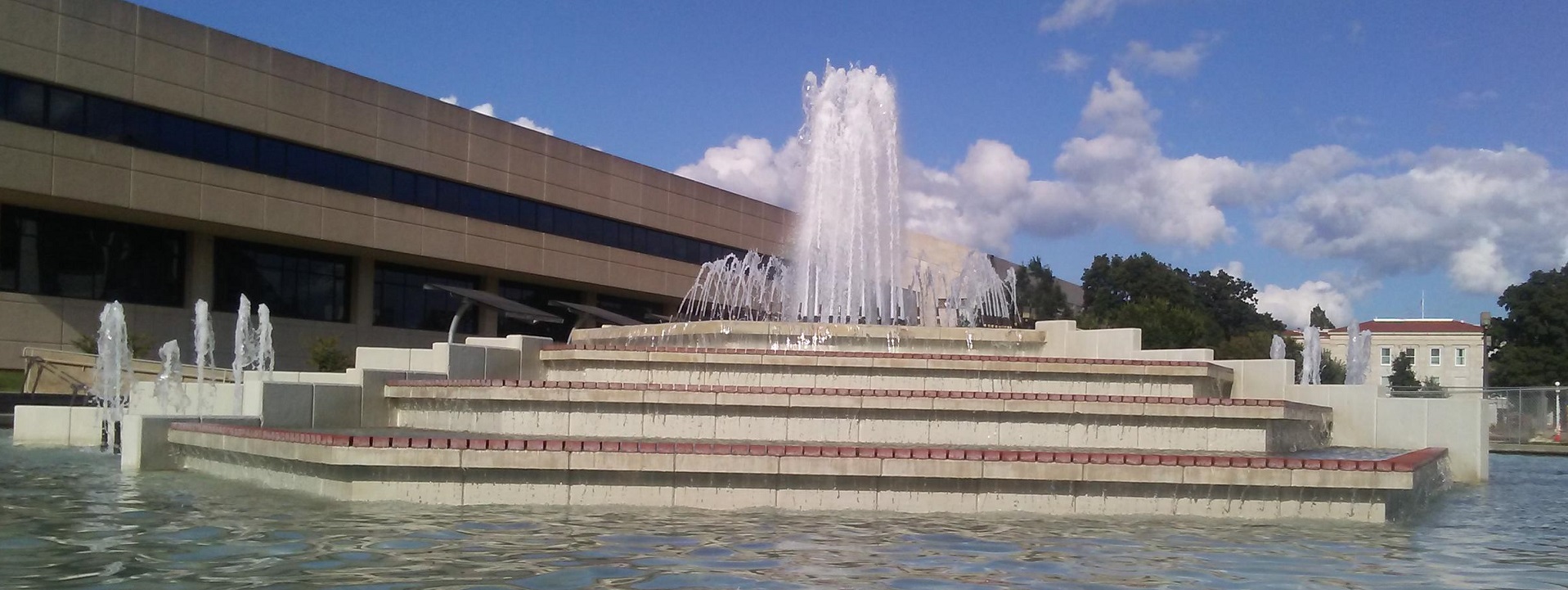
Missouri State University
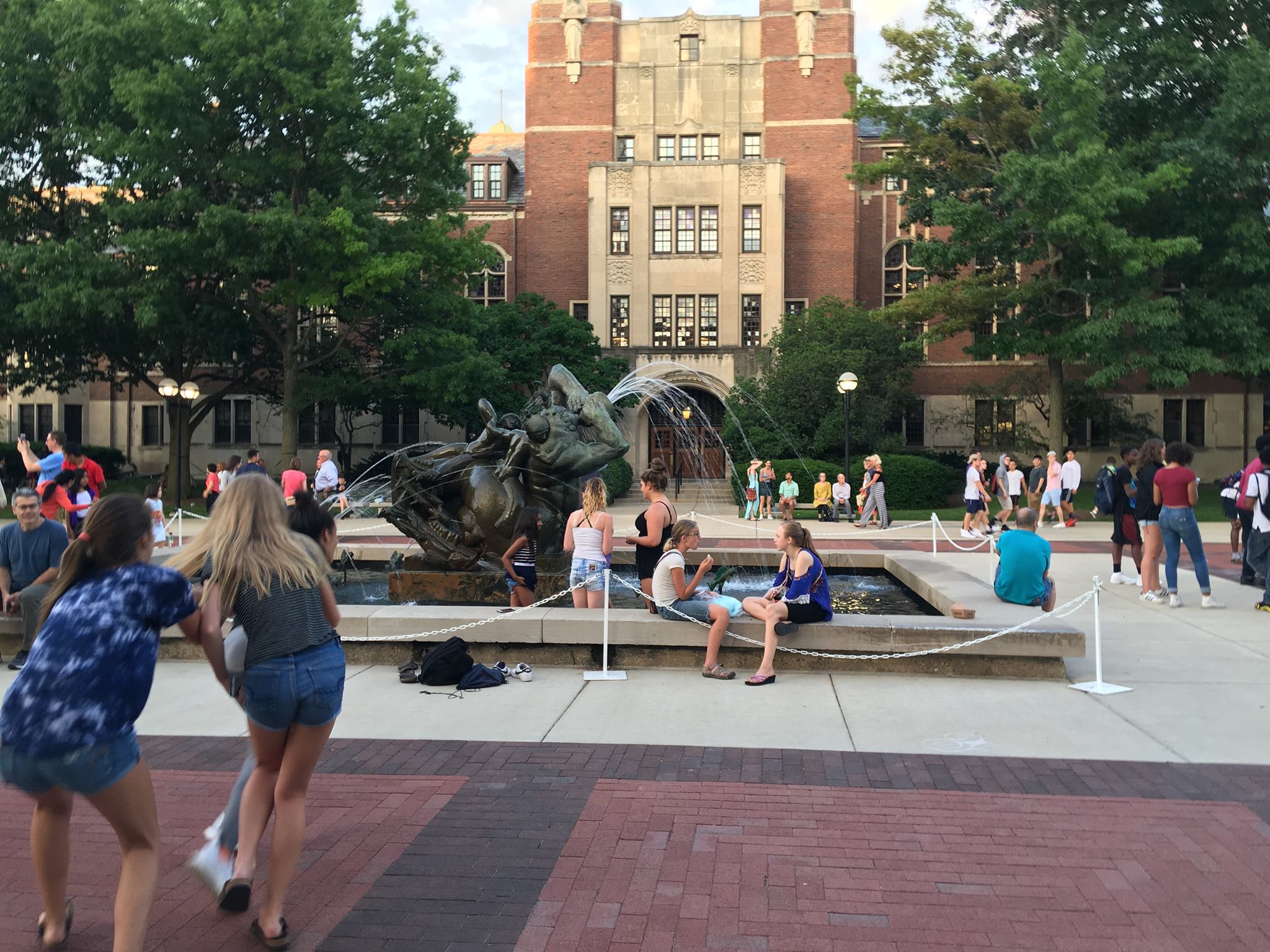
University of Michigan

Boathouses
This content is accessible to paid subscribers. To view it please enter your password below or send mike@standardsmichigan.com a request for subscription details.

All Season Outdoor Swim & Dive
Dive Into an Open-Water Workout. 🏊♂️
Getting comfortable swimming in oceans and lakes often means overcoming fear, said @DanSimonelli, a marathon swimmer based in La Jolla, Calif., and the founder of the Open Water Swim Academy.https://t.co/FzLV02Cum3 via @NYtimes pic.twitter.com/IWNdfgQTsT
— Water Mark 🚰 (@OtayMark) August 4, 2023

Readings: The “30-30” Rule for Outdoor Athletic Events Lightning Hazard
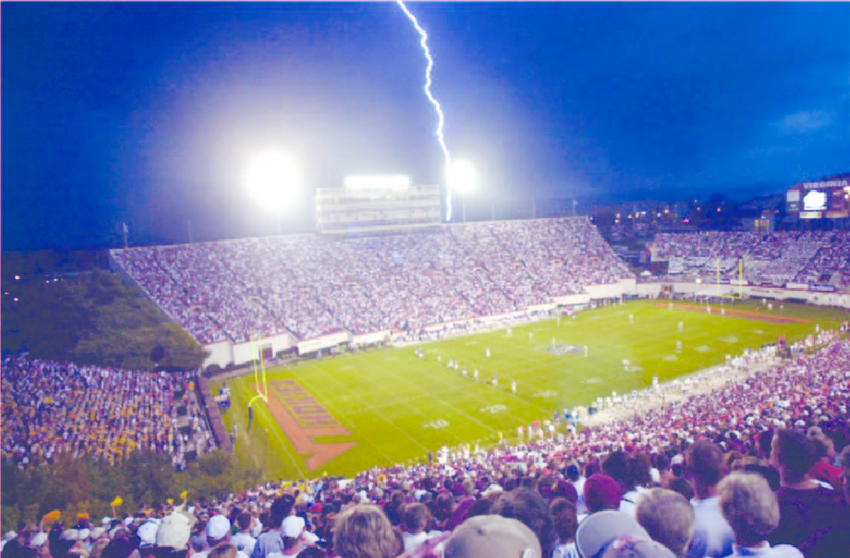
Thunderstorm | Shelter (Building: 30/30 Rule)
The standards for delaying outdoor sports due to lightning are typically set by governing bodies such as sports leagues, associations, or organizations, as well as local weather authorities. These standards may vary depending on the specific sport, location, and level of play. However, some common guidelines for delaying outdoor sports due to lightning include:
- Lightning Detection Systems: Many sports facilities are equipped with lightning detection systems that can track lightning activity in the area. These systems use sensors to detect lightning strikes and provide real-time information on the proximity and severity of the lightning threat. When lightning is detected within a certain radius of the sports facility, it can trigger a delay or suspension of outdoor sports activities.
- Lightning Distance and Time Rules: A common rule of thumb used in outdoor sports is the “30-30” rule, which states that if the time between seeing lightning and hearing thunder is less than 30 seconds, outdoor activities should be suspended, and participants should seek shelter. The idea is that lightning can strike even when it is not raining, and thunder can indicate the proximity of lightning. Once the thunder is heard within 30 seconds of seeing lightning, the delay or suspension should be implemented.
- Local Weather Authority Guidelines: Local weather authorities, such as the National Weather Service in the United States, may issue severe weather warnings that include lightning information. Sports organizations may follow these guidelines and suspend outdoor sports activities when severe weather warnings, including lightning, are issued for the area.
- Sports-Specific Guidelines: Some sports may have specific guidelines for lightning delays or suspensions. For example, golf often follows a “Play Suspended” policy, where play is halted immediately when a siren or horn is sounded, and players are required to leave the course and seek shelter. Other sports may have specific rules regarding how long a delay should last, how players should be informed, and when play can resume.
It’s important to note that safety should always be the top priority when it comes to lightning and outdoor sports. Following established guidelines and seeking shelter when lightning is detected or severe weather warnings are issued can help protect participants from the dangers of lightning strikes.
There are various lightning detection and monitoring devices available on the market that can help you stay safe during thunderstorms. Some of these devices can track the distance of lightning strikes and alert you when lightning is detected within a certain radius of your location. Some devices can also provide real-time updates on lightning strikes in your area, allowing you to make informed decisions about when to seek shelter.
Examples of such devices include personal lightning detectors, lightning alert systems, and weather stations that have lightning detection capabilities. It is important to note that these devices should not be solely relied upon for lightning safety and should be used in conjunction with other safety measures, such as seeking shelter indoors and avoiding open areas during thunderstorms.

Reliability Analysis for Power to Fire Pumps
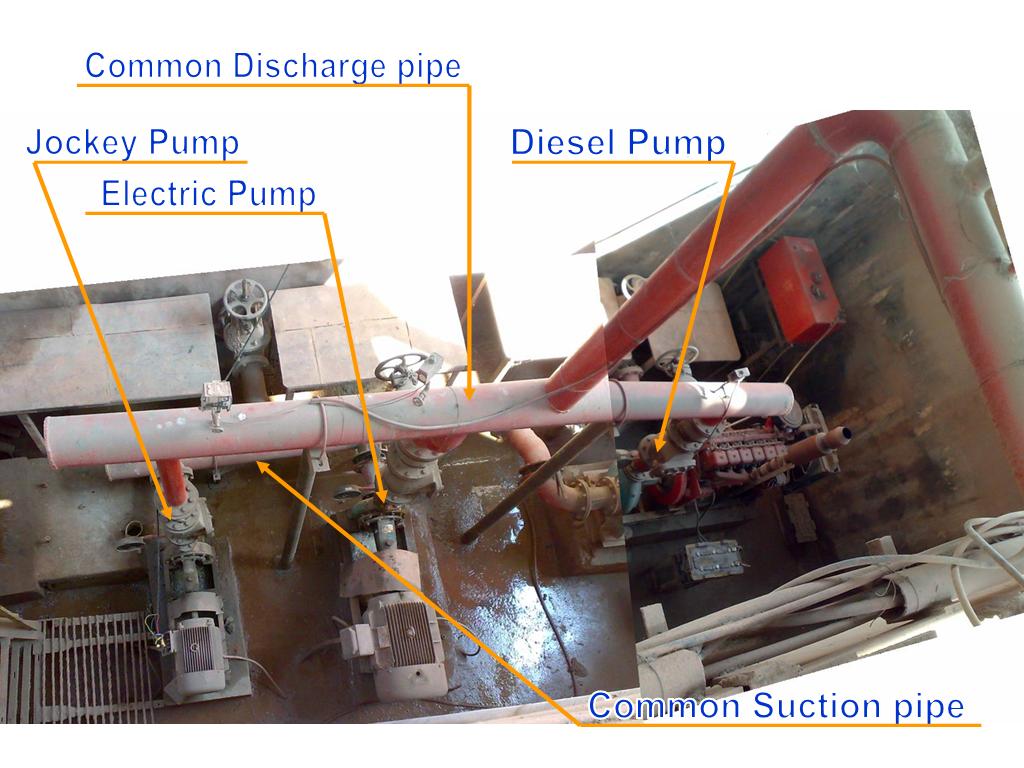

Reliability Analysis for Power to Fire Pump Using Fault Tree and RBD
Robert Schuerger | HP Critical Facilities (Project Lead, Corresponding Author)
Robert Arno | ITT Excelis Information Systems
Neal Dowling | MTechnology
Michael A. Anthony | University of Michigan
Abstract: One of the most common questions in the early stages of designing a new facility is whether the normal utility supply to a fire pump is reliable enough to “tap ahead of the main” or whether the fire pump supply is so unreliable that it must have an emergency power source, typically an on-site generator. Apart from the obligation to meet life safety objectives, it is not uncommon that capital on the order of 100000to1 million is at stake for a fire pump backup source. Until now, that decision has only been answered with intuition – using a combination of utility outage history and anecdotes about what has worked before. There are processes for making the decision about whether a facility needs a second source of power using quantitative analysis. Fault tree analysis and reliability block diagram are two quantitative methods used in reliability engineering for assessing risk. This paper will use a simple one line for the power to a fire pump to show how each of these techniques can be used to calculate the reliability of electric power to a fire pump. This paper will also discuss the strengths and weakness of the two methods. The hope is that these methods will begin tracking in the National Fire Protection Association documents that deal with fire pump power sources and can be used as another tool to inform design engineers and authorities having jurisdiction about public safety and property protection. These methods will enlighten decisions about the relative cost of risk control with quantitative information about the incremental cost of additional 9’s of operational availability.

CLICK HERE to order complete paper

Marina & Boatyard Electrical Safety
Rowing at the 2024 Summer Olympics

“The Biglin Brothers Racing| Thomas Eakins (1872)
Rowing competition in the 2024 Olympics inspires a revisit of NFPA 303: Fire Protection Standard for Marinas and Boatyards. Apart from athletic competition, many colleges, universities and trade schools with academic programs are responsible for safety of facilities located on fresh and saltwater shorelines. Other nations refer to best practice discovered and applied in the United States. Keep in mind that, unlike other nations, the standard of care for electrical safety in the United States is driven primarily by the fire safety community. This happens because public safety leadership falls upon the local Fire Marshall who has a budget that is widely understand and generally supported.
From the NFPA 303 scope statement:
This standard applies to the construction and operation of marinas, boatyards, yacht clubs, boat condominiums, docking facilities associated with residential condominiums, multiple-docking facilities at multiple-family residences, and all associated piers, docks, and floats.
This standard also applies to support facilities and structures used for construction, repair, storage, hauling and launching, or fueling of vessels if fire on a pier would pose an immediate threat to these facilities, or if a fire at a referenced facility would pose an immediate threat to a docking facility.
This standard applies to marinas and facilities servicing small recreational and commercial craft, yachts, and other craft of not more than 300 gross tons.
This standard is not intended to apply to a private, noncommercial docking facility constructed or occupied for the use of the owners or residents of the associated single-family dwelling.
No requirement in this standard is to be construed as reducing applicable building, fire, and electrical codes.
The standard of care for facilities owned by educational institutions is not appreciably different from the standard of care for any other Owner except some consideration should be given to the age and training of most of the occupants — students, of course — who are a generally transient population. Some research projects undertaken on university-owned facilities are also subject to the local adaptions of NFPA 303. The current version of NFPA 303 is linked below:

Boathouse Row / Philadelphia
The 2021 Edition is the current edition and the next edition will be the 2025 revision. Click on the link below to read what new ideas were running through the current edition; mostly electrical that are intended to correlate with National Electrical Code Article 555 and recent electrical safety research*:
Landing Page for the 2028 Edition
NFPA 303 Public Input Report for the 2021 Edition
Public input closing date for the 2025 Edition is June 1, 2023.
You may submit comment directly to NFPA on this and/or any other NFPA consensus product by CLICKING HERE. You will need to set up a (free) account. NFPA 303 document is also on the standing agenda of our 4 times monthly collaboration with the IEEE Education & Healthcare Facilities Committee. See our CALENDAR for the next online colloquium; open to everyone.
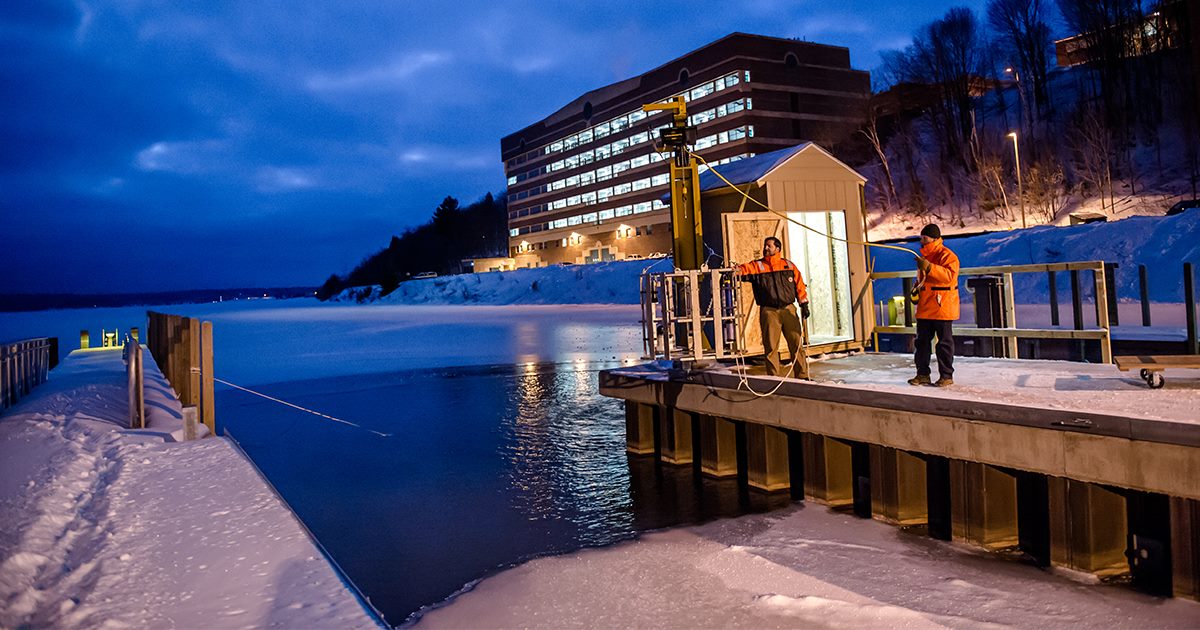
Michigan Technological University
Issue: [16-133]
Category: Electrical, #SmartCampus, Facility Asset Management
Colleagues: Mike Anthony, Jim Harvey
LEARN MORE:
NFPA 70 National Electrical Code (Article 555)
Examining the Risk of Electric Shock Drowning (ESD) As a Function of Water Conductivity


H.R. 3949 Safe Drinking Water in Playgrounds
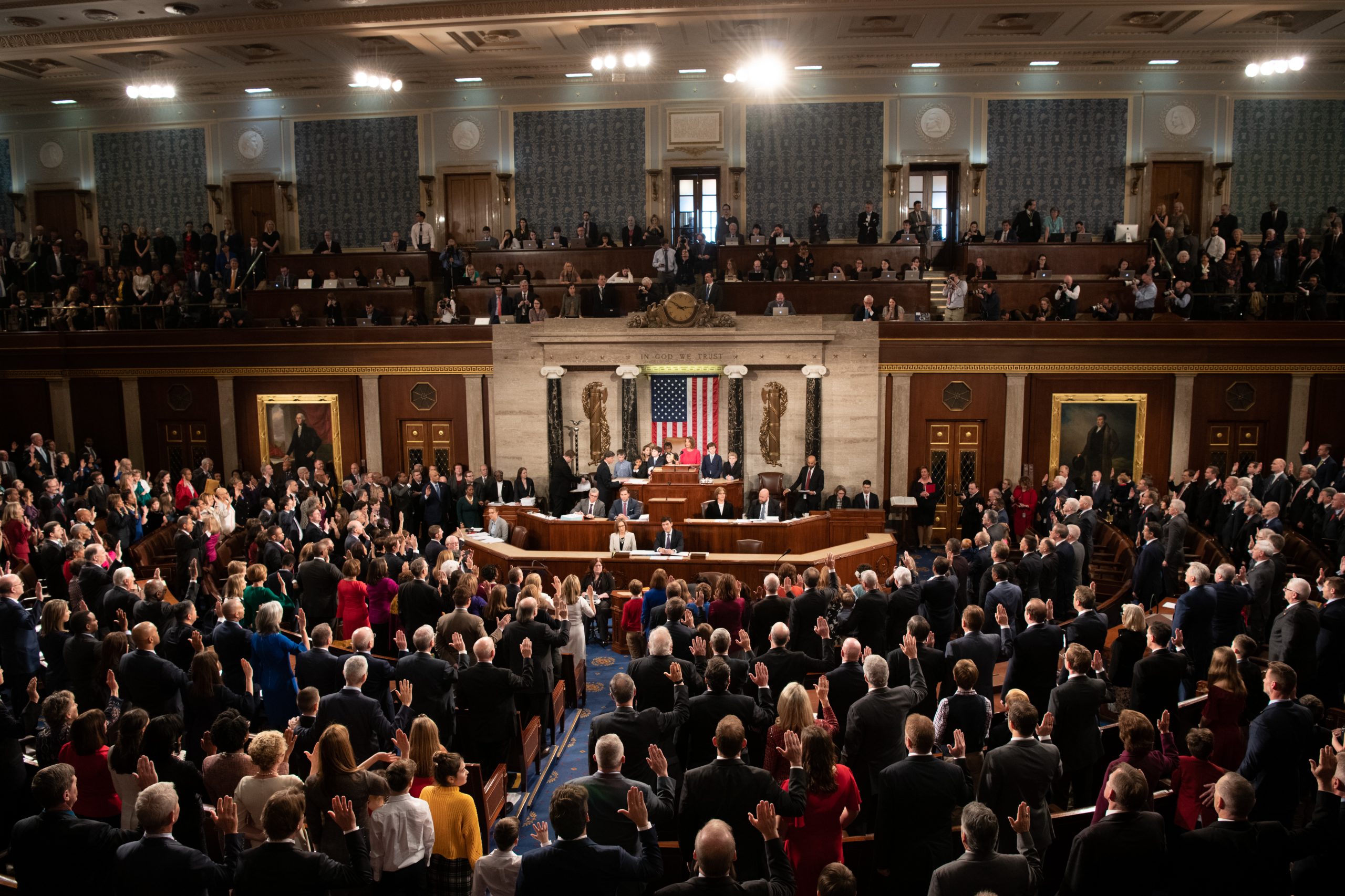
434 lawmakers, including 89 new freshman Members, were sworn in to the 116th Congress on January 3, 2019. Photo by Phi Nguyen.
To amend the Safe Drinking Water Act to provide for drinking water fountain replacement in playgrounds and parks, and for other purposes.

Ogród na dachu biblioteki
“It is impossible to communicate to people who have not experienced it–
the undefinable menace of total rationalism.” Czesław Miłosz

Polish Committee for Standardization
New update alert! The 2022 update to the Trademark Assignment Dataset is now available online. Find 1.29 million trademark assignments, involving 2.28 million unique trademark properties issued by the USPTO between March 1952 and January 2023: https://t.co/njrDAbSpwB pic.twitter.com/GkAXrHoQ9T
— USPTO (@uspto) July 13, 2023
Standards Michigan Group, LLC
2723 South State Street | Suite 150
Ann Arbor, MI 48104 USA
888-746-3670
DIRECTIONS
 |
 |
|
 |
 |
|
 |
 |