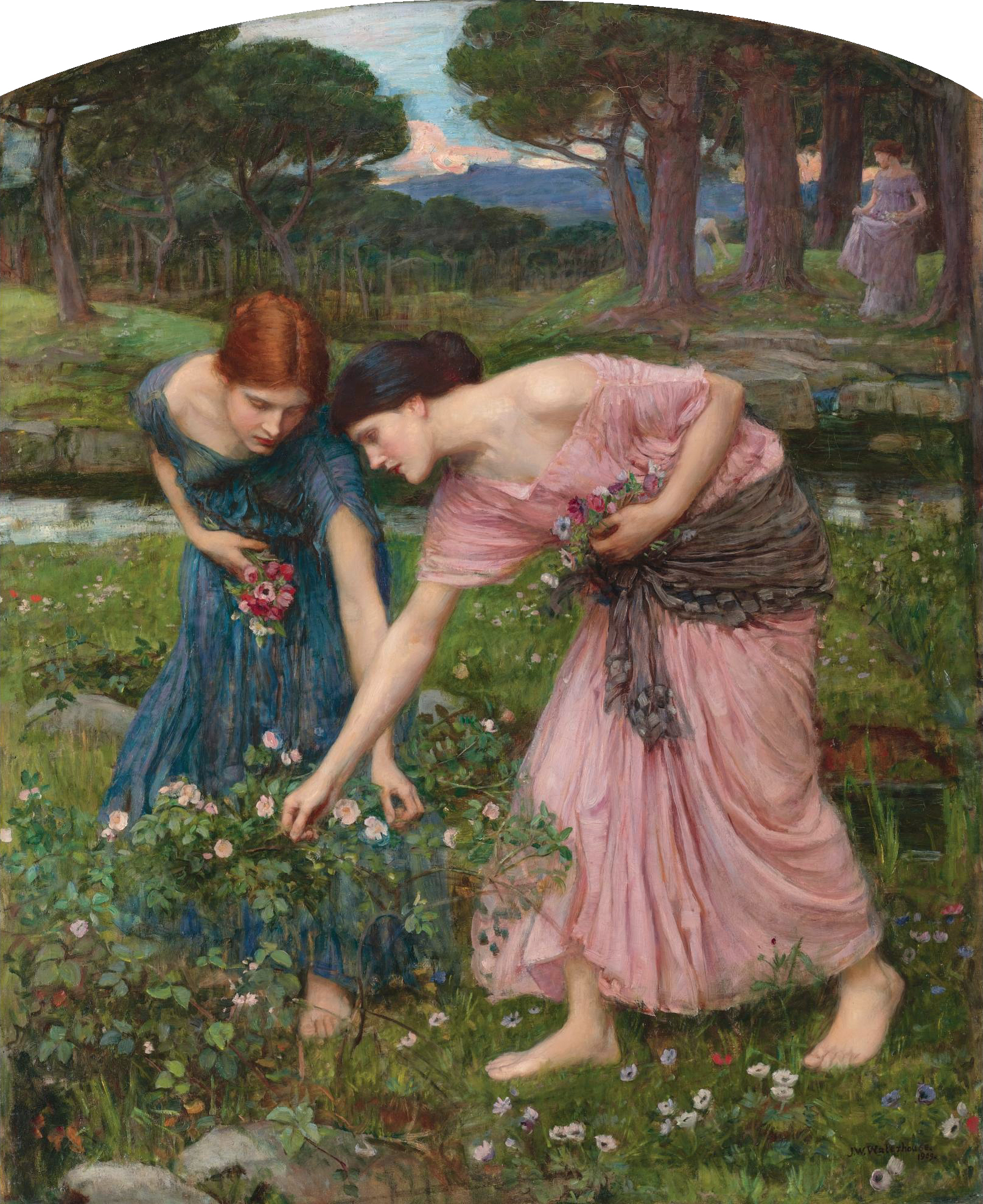
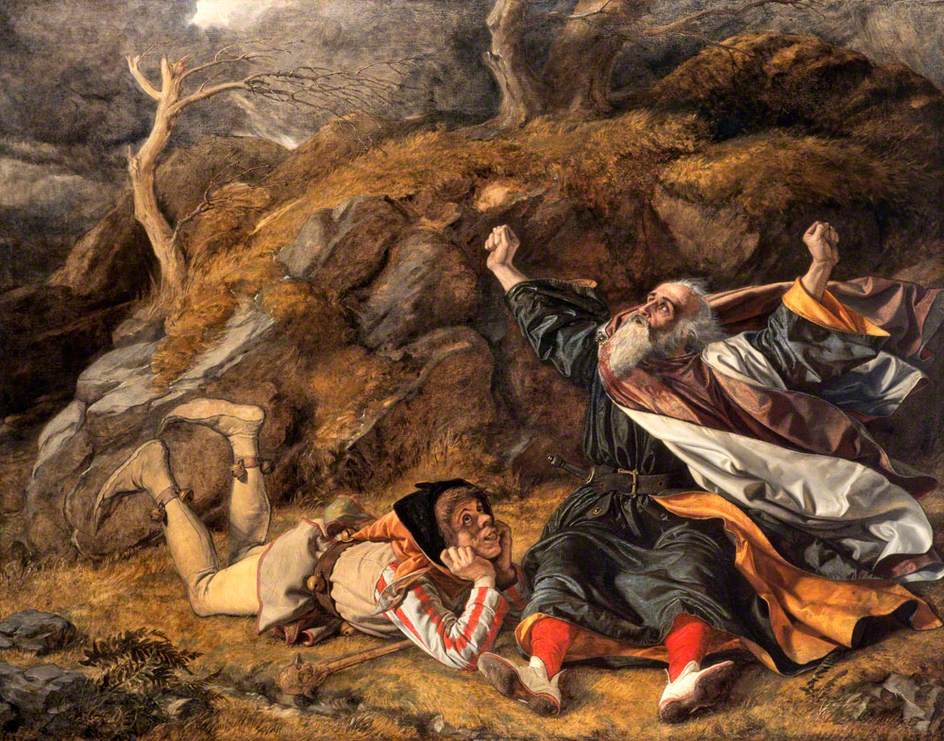
“Gather Ye Rosebuds While Ye May” John Herrick | John William Waterhouse
“The Sound of Noon” on the Charlottesville Campus
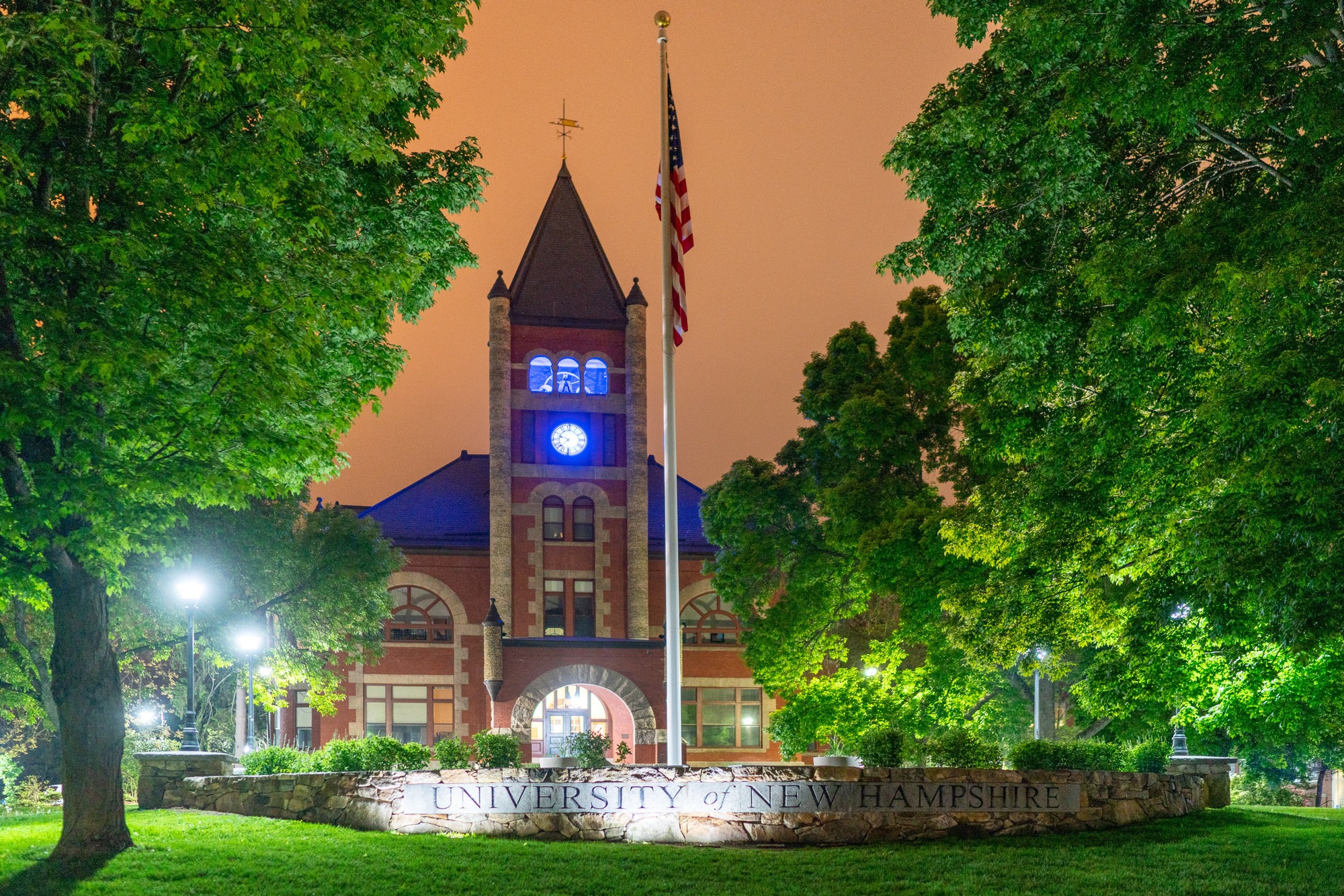
University of New Hampshire
Good luck to all those helping to move their student in to UoB accommodation this weekend! It will be a busy time with lots of students moving in, but there will be lots of support on the day, so just ask!
There’s also lots to do on campus too so come along & have a wander around pic.twitter.com/xZHG3RA2z4
Are they hedge funds with a side hustle in teaching, research and building construction? Are they tricked out memorial gardens for philanthropists? In either case leaders of educational settlements are expected to act in the best interests of both their institution and their donors, and to maintain high standards of transparency, accountability, and ethical conduct when accepting charitable gifts.
University endowments are comprised of money or other financial assets that are donated to academic institutions. Charitable donations are the primary source of funds for endowments. Endowment funds support the teaching, research, and public service missions of colleges and universities.
In the case of endowment funds for academic institutions, the income generated is intended to finance a portion of the operating or capital requirements of the institution. In addition to a general university endowment fund, institutions may also maintain a number of restricted endowments that are intended to fund specific areas within the institution, including professorships, scholarships, and fellowships.
The largest philanthropic gift ever given to a United States college or university is the donation of $9.6 billion made by MacKenzie Scott to various organizations, including several universities, in 2020. Scott, the ex-wife of Amazon founder Jeff Bezos, made the donation as part of her commitment to give away the majority of her wealth to charitable causes. The universities that received donations from Scott include historically black colleges and universities, community colleges, and research universities such as the University of California, San Diego, and Johns Hopkins University. The donation was considered significant not only for its size but also for its focus on supporting organizations that serve underrepresented and marginalized communities.
There are several standards and best practices that are generally followed by universities and colleges when accepting charitable gifts. These standards are designed to ensure that the gift is used effectively and that the interests of both the donor and the institution are protected. Some of the key standards include:
Transparency and accountability: Universities and colleges are expected to be transparent about how gifts are used and to provide regular reports to donors on the impact of their gifts.
Due diligence: Universities and colleges are expected to conduct due diligence on potential donors to ensure that their gifts do not create conflicts of interest or ethical concerns.
Gift acceptance policies: Many universities and colleges have established gift acceptance policies that outline the types of gifts that will be accepted and the procedures for accepting them.
Donor recognition: Universities and colleges are expected to recognize donors in an appropriate and meaningful way, while avoiding actions that could be seen as an endorsement of the donor’s business or political interests.
Ethical fundraising: Universities and colleges are expected to follow ethical fundraising practices, including avoiding pressure tactics or misleading information, and ensuring that donors are aware of any tax implications of their gifts.
Overall, universities and colleges are expected to act in the best interests of both their institution and their donors, and to maintain high standards of transparency, accountability, and ethical conduct when accepting charitable gifts.
Tolkien, author of “The Lord of the Rings” and “The Hobbit,” completed his studies at the University of Birmingham in 1915. He graduated with first-class honors in English Language and Literature. After graduation, Tolkien went on to serve in World War I before embarking on his distinguished career as a writer and academic.
Our researchers have found that banning phones in schools doesn’t improve students’ mental health and wellbeing. However, increased phone and social media use correlated with negative impacts. Addressing use both in and out of school is crucial. Read more: https://t.co/OrMdq735f5pic.twitter.com/hkuuqGnQ8q
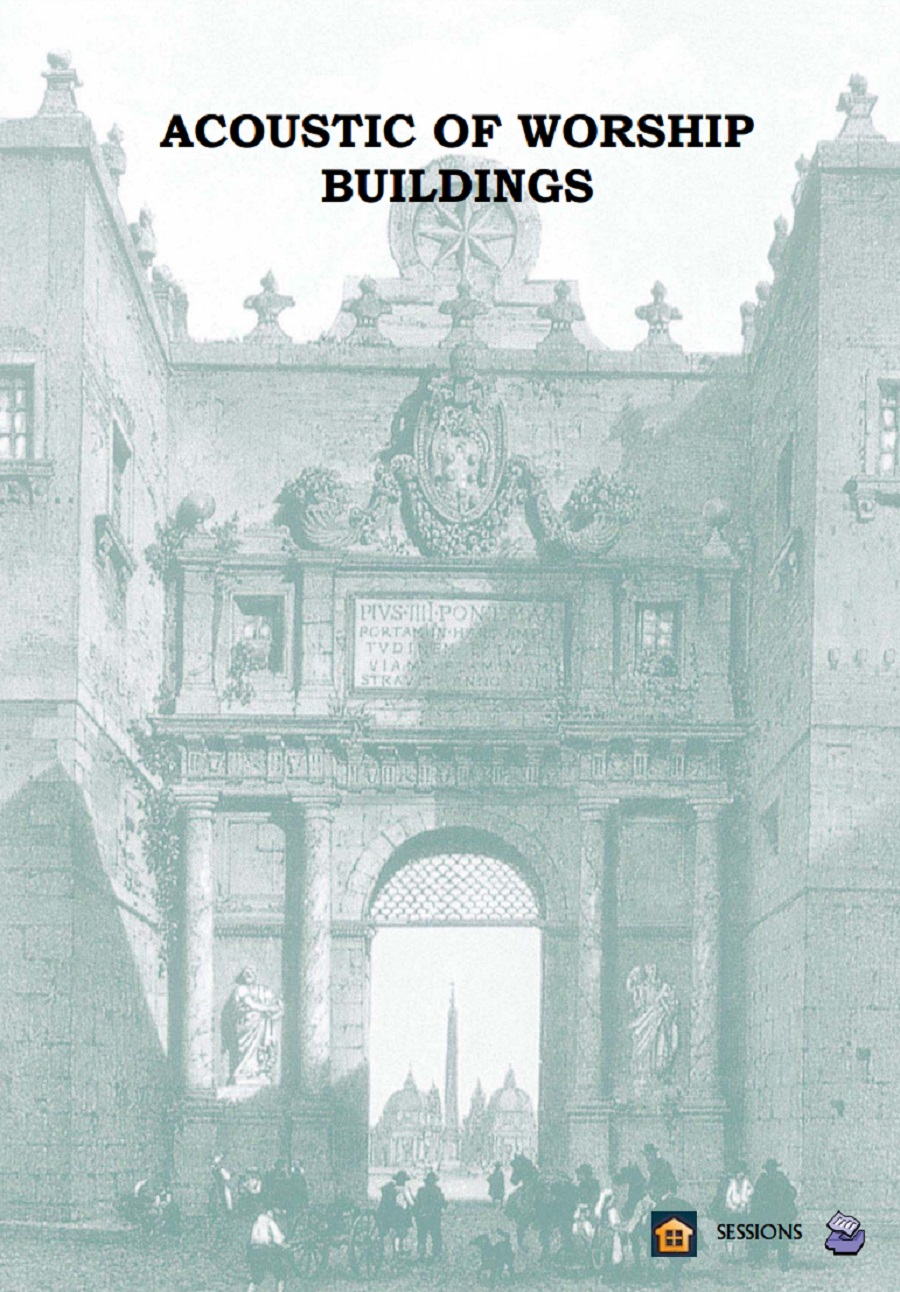
Abstract. Insights into the history and future of western civilization are found by applying information theory to the acoustical communication channel (ACC) of its worship spaces. Properties of the ACC have both influenced and reflected the choice of message coding (e.g., speech or music) at various times. Speech coding is efficient for acoustically dry ACCs, but hopeless for highly time-dispersive ACCs. Music coding is appropriate for time dispersive (reverberant) ACCs. The ACCs of synagogues, early Christian house churches, and many Protestant churches are relatively acoustically “dry” and thus well suited to spoken liturgies.
The spoken liturgy, dominant in synagogues, was carried over to early Christian churches, but became unworkable in Constantinian cathedrals and was largely replaced with a musical liturgy. After a millennium, the cathedral acoustic was altered to suit the doctrinal needs of reformation churches with its renewed emphasis on the spoken word. Worship forms continue to change, and the changes are reflected in the properties of the ACC. The pulpits of electronic churches may be evolving into radio and television performance spaces and naves into worshipers’ living rooms.
This content is accessible to paid subscribers. To view it please enter your password below or send mike@standardsmichigan.com a request for subscription details.
“G.K. Chesterton’s Fence” is a concept often cited in discussions about change, reform, and tradition — in software as well as in “campus traditions”.
It’s derived from a quote by the English writer, G.K. Chesterton, which goes: “In the matter of reforming things, as distinct from deforming them, there is one plain and simple principle; a principle which will probably be called a paradox. There exists in such a case a certain institution or law; let us say, for the sake of simplicity, a fence or gate erected across a road. The more modern type of reformer goes gaily up to it and says, ‘I don’t see the use of this; let us clear it away.’ To which the more intelligent type of reformer will do well to answer: ‘If you don’t see the use of it, I certainly won’t let you clear it away. Go away and think. Then, when you can come back and tell me that you do see the use of it, I may allow you to destroy it.'”
In essence, Chesterton is cautioning against the impulse to dismantle or alter established systems, institutions, or traditions without fully understanding why they were put in place in the first instance. The “fence” represents any existing structure, rule, or tradition, while the act of removing it symbolizes reform or change. Chesterton suggests that before advocating for the removal or alteration of something, one should first understand its purpose and history. This is because such structures often have reasons for their existence, which might not be immediately apparent to those seeking change.
The principle emphasizes the importance of respecting tradition and the wisdom of those who came before, as well as the necessity of informed decision-making when it comes to implementing reforms. It urges individuals to exercise caution and humility, recognizing that existing systems may have evolved to address specific needs or challenges, and that blindly discarding them could lead to unforeseen consequences.
“Every year as Easter approaches, if you are lucky, you might catch the scent of baking bread and fragrant anise wafting in the air in my hometown of Clarksburg, West Virginia. Easter bread, sweet and flavored with anise seed, is a holiday ritual in the Italian-American community here. With roots stretching back to Calabria, making Easter bread is a foodways tradition that now thrives in North Central West Virginia” — Lori Hostuttler, Assistant Director at West Virginia & Regional History Center
Steven P. Carriger Jr, University of Tennessee, Knoxville
Abstract. This dissertation examines yaupon drink, a tea made from yaupon holly along with other ingredients, as a medicine bundle in the Atlantic World. Originally a medicinal drink used by Native Americans across the what is today the American South, over time the tea became a trade good demanded by the Spanish and a medicinal herb sought by European botanists and medical practitioners. Chapter One traces yaupon’s origins across the southeast and bundles the drink into the many cosmic and social connections it held. Chapter Two shows how the Spanish colonial presence offered an alternative to yaupon in Florida, through Christianity and its Sacraments even as the Spanish themselves began to commodify it, demanding it as an item of tribute. Chapter Three looks beyond Spanish Florida into the interior of the southeast as Creek, Cherokee, and Natchez towns negotiated the “Shatter Zone” and shows how towns of the Native Americans preserved or changed how they used yaupon in response to European colonialism. Chapter Four explains how the yaupon became a part of medicine and gardens in early modern Europe and how its leaves negotiated the changes that the Enlightenment brought. Using archaeology and European narrative histories, this dissertation examines yaupon drink within its relational fields, recognizing its affordances and how these help write a small piece of a decolonized history of the tangled relationships among Native Americans and Europeans in Southeast and the larger Atlantic World.
New update alert! The 2022 update to the Trademark Assignment Dataset is now available online. Find 1.29 million trademark assignments, involving 2.28 million unique trademark properties issued by the USPTO between March 1952 and January 2023: https://t.co/njrDAbSpwBpic.twitter.com/GkAXrHoQ9T