Tag Archives: Summer

Loading
loading..

Bucolia 100

I will arise and go now, and go to Innisfree,
And a small cabin build there, of clay and wattles made;
Nine bean-rows will I have there, a hive for the honey-bee,
And live alone in the bee-loud glade.
And I shall have some peace there, for peace comes dropping slow,
Dropping from the veils of the morning to where the cricket sings;
There midnight’s all a glimmer, and noon a purple glow,
And evening full of the linnet’s wings.
I will arise and go now, for always night and day
I hear lake water lapping with low sounds by the shore;
While I stand on the roadway, or on the pavements grey,

I hear it in the deep heart’s core.

— William Butler Yeats

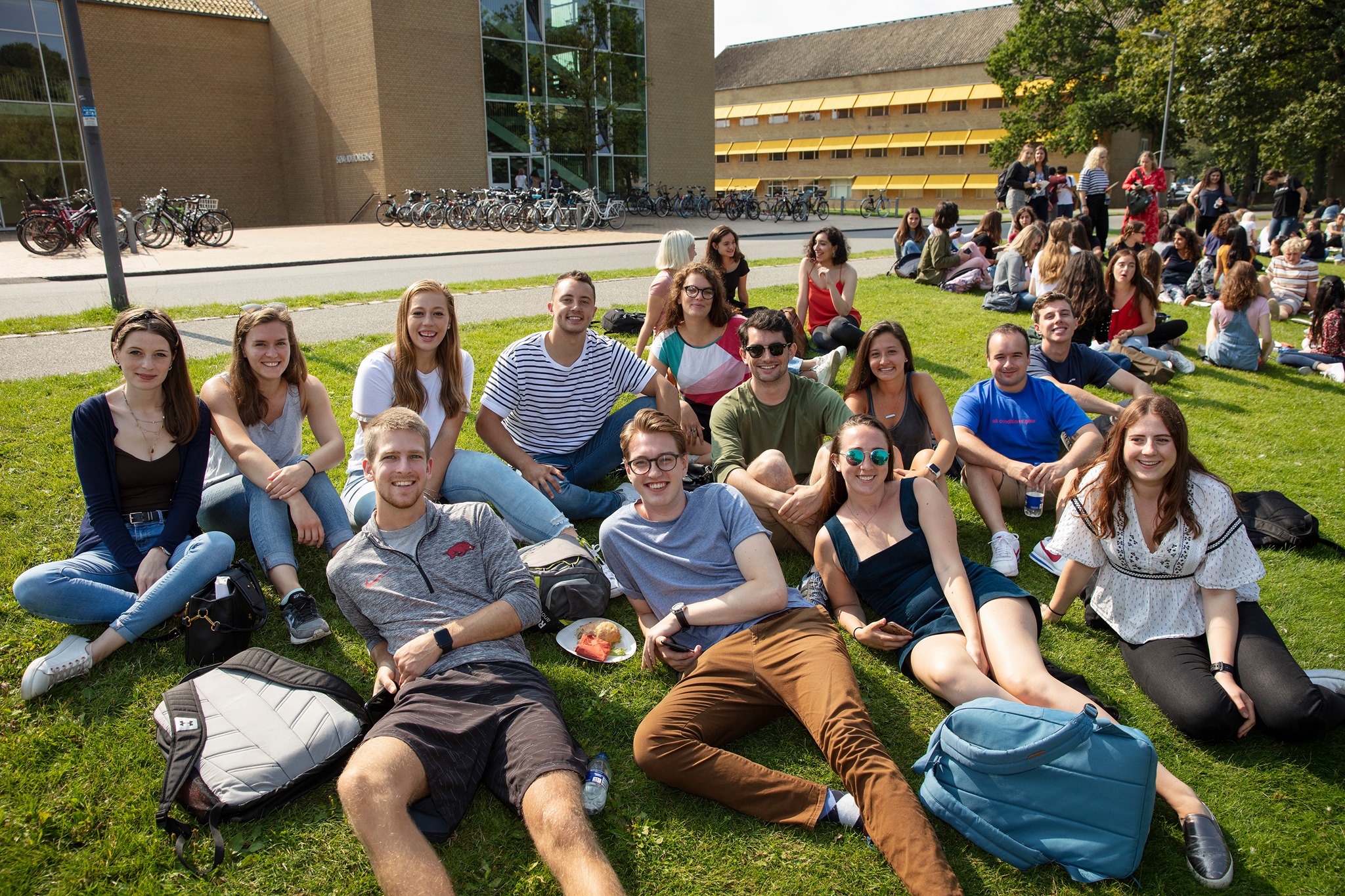
Anglo-americká vysoká škola, z.ú. Czech Republic

Today we walk through literature governing the safety and sustainability of the open space features of education community estates.   Unlike the titles for the building envelope, which are known to most design professionals and contractors, the standards for grounds and landscaping are widely scattered; many of them occupational safety related; created, administered and enforced by units of government.

Bucolia 100.  We present a broad overview of the dominant standards catalogs incorporated by reference into public safety and sustainability legislation.

Bucolia 200.  We drill into technical specifics of the titles in Bucolia 100.

Bucolia 400.  We pick through case studies in landscape, garden, tree and water literature.  We also track titles about the reclamation of building roofs for permeable surfaces and gardens.

During the winter months (Bucolia 200) in the northern hemisphere we include snow and ice management; while covering summer month technologies for southern hemisphere (and vice-versa).  Snowfalls in the southern hemisphere are mainly contained to the highlands and mountain ranges, which are almost exclusively in Victoria and Southern New South Wales, as well as the mountains in Tasmania.   Winter does not pose as much of a cost burden to education facilities in the southern hemisphere as it does in the northern hemisphere.

Arboreta

Landscape standards refer to guidelines or regulations that specify the requirements for the design, installation, and maintenance of outdoor spaces such as parks, gardens, streetscapes, and public spaces. Landscape standards typically cover various aspects of landscape design, including vegetation selection, planting arrangements, irrigation systems, hardscape materials, and lighting.

These standards may be set by government agencies at the federal, state, or local level, or by professional organizations such as the American Society of Landscape Architects (ASLA). Landscape standards aim to ensure that outdoor spaces are safe, functional, and aesthetically pleasing while also promoting sustainability and environmental protection.

Landscape standards may also address issues such as accessibility for people with disabilities, water conservation, stormwater management, and erosion control. They may vary depending on the specific location, climate, and intended use of the outdoor space. Compliance with landscape standards may be required for approval of development projects, public funding, or other permits.

We track the standards catalog of two ANSI-accredited standards developers:

American Hort

Tree Care Industry Association

Additional practice titles applicable to accessory systems:

ASABE/ICC 802 Landscape Irrigation Sprinkler and Emitter Standard 

ASHRAE 90.1 Energy Standard for Sites and Buildings

Golf Course Superintendents Association of America

National Electrical Code: Article 411 Low-Voltage Lighting

Upcode Article 411

National Electrical Code: Article 225: Outside Branch Circuits and Feeders

Illumination Engineering Society (Lighting Library)

IoT Enabled Smart Gardening

Land F/X: Landscape Lighting, Codes, Guidelines and Techniques  

OSHA Landscape and Horticultural Services

Sports Turf Managers Association

As a cross-cutting subjectSports Turf Managers Association ( involving soil and water and sun many other standards developers, and all levels of government, produce best practice literature for today’s topic.  We’ll have a look at what’s moving among those.

To join us use the login credentials at the upper right of our home page.

"It is spring again. The earth is like a child that knows poems by heart." -- Rainer Maria Rilke

Keeping Soil Alive

Marina & Boatyard Electrical Safety

Rowing at the 2024 Summer Olympics

“The Biglin Brothers Racing| Thomas Eakins (1872)

Rowing competition in the 2024 Olympics inspires a  revisit of NFPA 303: Fire Protection Standard for Marinas and Boatyards.  Apart from athletic competition, many colleges, universities and trade schools with academic programs are responsible for safety of facilities located on fresh and saltwater shorelines.  Other nations refer to best practice discovered and applied in the United States.   Keep in mind that, unlike other nations, the standard of care for electrical safety in the United States is driven primarily by the fire safety community.   This happens because public safety leadership falls upon the local Fire Marshall who has a budget that is widely understand and generally supported.

From the NFPA 303 scope statement:

 This standard applies to the construction and operation of marinas, boatyards, yacht clubs, boat condominiums, docking facilities associated with residential condominiums, multiple-docking facilities at multiple-family residences, and all associated piers, docks, and floats.

This standard also applies to support facilities and structures used for construction, repair, storage, hauling and launching, or fueling of vessels if fire on a pier would pose an immediate threat to these facilities, or if a fire at a referenced facility would pose an immediate threat to a docking facility.

This standard applies to marinas and facilities servicing small recreational and commercial craft, yachts, and other craft of not more than 300 gross tons.

This standard is not intended to apply to a private, noncommercial docking facility constructed or occupied for the use of the owners or residents of the associated single-family dwelling.

No requirement in this standard is to be construed as reducing applicable building, fire, and electrical codes.

The standard of care for facilities owned by educational institutions is not appreciably different from the standard of care for any other Owner except some consideration should be given to the age and training of most of the occupants — students, of course — who are a generally transient population.  Some research projects undertaken on university-owned facilities are also subject to the local adaptions of NFPA 303.  The current version of NFPA 303 is linked below:

FREE ACCESS: NFPA 303


Boathouse Row / Philadelphia

The 2021 Edition is the current edition and the next edition will be the 2025 revision.  Click on the link below to read what new ideas were running through the current edition; mostly electrical that are intended to correlate with National Electrical Code Article 555 and recent electrical safety research*:

Landing Page for the 2028 Edition

NFPA 303 Public Input Report for the 2021 Edition

Public input closing date for the 2025 Edition is June 1, 2023.   

You may submit comment directly to NFPA on this and/or any other NFPA consensus product by CLICKING HERE.  You will need to set up a (free) account.   NFPA 303 document is also on the standing agenda of our 4 times monthly collaboration with the IEEE Education & Healthcare Facilities Committee.  See our CALENDAR for the next online colloquium; open to everyone.

Michigan Technological University

Issue: [16-133]

Category: Electrical, #SmartCampus, Facility Asset Management

Colleagues: Mike Anthony,  Jim Harvey


LEARN MORE:

* Marina Risk Reduction

NFPA 70 National Electrical Code (Article 555)

Examining the Risk of Electric Shock Drowning (ESD) As a Function of Water Conductivity

Mocktail Mixology Drinks & Recipes

Standards Nebraska

What Is A Standard Drink?

KRNU 90.3 FM Lincoln Nebraska Student Radio | Click image to start livestream

Lawn & Garden Tools

“Le Parc Moncea” 1848  Gustave Caillebotte

The education industry in the United States is steward to large tranches of land assets; either through the Morrill Land Grant Act or municipal set-asides for public schools.  In terms of square footage, the spaces between buildings far exceeds the square footage of the built environment — and the locus of public interest and environmental regulation.   All of that square footage — usually measured in hundreds and thousands of hectares and acres — requires consideration of the competing interests of many stakeholders.

We display the accomplishments of employees devoted to the landscaping and gardening of educational organizations in a dedicated post:

Gardens and Arboretums

Landscape and garden assets have their own set of construction and maintenance tools, many of which are continually improved by global equipment manufacturers, and fall within the scope of Subcommittee 13 under parent Technical Committee 23 Tractors and machinery for agriculture and forestry administered by the Association Française de Normalisation; the French national member body to the International Organization for Standardization.  

CLICK ON IMAGE

The Outdoor Power Equipment Institute (OPEI) is ANSI’s US Technical Advisory Group administrator and the Global Secretariat for ISO TC/23/SC 13.  The work program for Subcommittee 13 is linked below:

ISO/TC 23/SC 13 / Powered lawn and garden equipment

Note product standards cover many equipment classes and accessories for engine powered lawn movers, snow blowers, gardening machinery and the like.

ANSI encourages relevant stakeholders to participate in discovering standardization solutions in a broad range of technologies and markets with like-minded experts in other national standards bodies.  The full sweep of ANSI’s participation in consensus documents developed by the ISO is described in the link below:

ISO Programs – Overview

We encourage our colleagues in exterior grounds and landscaping units in the education facility industry to participate directly as a User interest in the OPEI standards development process.   OPEI Standards Staff Contacts are listed on the OPEI Standards home page linked below:

Product Safety Standards Listing

"It is spring again. The earth is like a child that knows poems by heart." -- Rainer Maria Rilke

We review the developmental status of consensus products that set the standard of care for equipment used to maintain pathways, lawns and gardens in education communities.   Automation of the maintenance of these spaces is gathering pace; reducing cost and risk.  See our CALENDAR for the next online meeting; open to everyone.

Issue: [18-155]

Category: Facility Asset Management, Grounds and Landscaping, International

Colleagues: Mike Anthony, Christine Fischer, Jack Janveja, Richard Robben


“Mainely” Potato Salad & Wild Blueberry Pie

Standards Maine

Wild Blueberry Pie


LIVE: 91.3 FM Cal Poly Student Radio

“Radio is the perfect medium for communication.
It is instantaneous, and unlike television,
it allows you to use your imagination.”
-Guglielmo Marconi

CLICK IMAGE TO START LIVESTREAM

Radio 400

Ice Cream at the Rock

“The only emperor is the emperor of ice cream”

— Wallace Stevens


Michigan Central

The invention of ice cream, as we know it today, is a product of historical evolution, and there isn’t a single individual credited with its creation. Various cultures and civilizations throughout history have contributed to the development of frozen treats resembling ice cream.

One of the earliest records of frozen desserts can be traced back to ancient China, where people enjoyed a frozen mixture of milk and rice around 200 BC. Similarly, ancient Persians and Arabs had a tradition of mixing fruit juices with snow or ice to create refreshing treats.

In Europe, frozen desserts gained popularity in the 17th and 18th centuries, and it was during this time that the more modern version of ice cream, made with sweetened milk or cream, began to take shape. During this period, ice cream became more widely accessible and enjoyed by the nobility and upper classes.


MSU Extension: Dairy Store

MSU Infrastructure Planning and Facilities

To produce ice cream on a commercial scale, several key pieces of infrastructure and equipment are necessary. The specific requirements may vary depending on the production capacity and the type of ice cream being produced, but the basic infrastructure typically includes:

  1. Manufacturing Facility: A dedicated space or building is needed to house all the production equipment and storage facilities. The facility should comply with local health and safety regulations and be designed to maintain the required temperature and hygiene standards.
  2. Mixing and Blending Equipment: Industrial-scale mixers and blending machines are used to mix ingredients like milk, cream, sugar, stabilizers, emulsifiers, and flavorings. These machines ensure that the mixture is homogenized and consistent.
  3. Pasteurization Equipment: To ensure product safety and extend shelf life, ice cream mix needs to be pasteurized. Pasteurization equipment heats the mixture to a specific temperature and then rapidly cools it to destroy harmful microorganisms.
  4. Homogenizers: Homogenizers help break down fat molecules in the ice cream mix to create a smoother and creamier texture.
  5. Aging Vats: The ice cream mix is aged at a controlled temperature for a specific period, which allows the ingredients to fully blend and improves the ice cream’s texture.
  6. Freezers: Continuous freezers or batch freezers are used to freeze the ice cream mix while incorporating air to create the desired overrun (the amount of air in the final product). Continuous freezers are more commonly used in large-scale production, while batch freezers are suitable for smaller batches.
  7. Hardening and Storage Room: Once the ice cream is frozen, it needs to be hardened at a lower temperature to achieve the desired texture. Storage rooms are used to store finished ice cream at the appropriate temperature until distribution.
  8. Packaging Equipment: Equipment for filling and packaging the ice cream into various containers, such as cartons, tubs, or cones.
  9. Quality Control and Laboratory Facilities: A dedicated area for quality control testing, where ice cream samples are analyzed for consistency, flavor, and other characteristics.
  10. Cleaning and Sanitation Systems: Proper cleaning and sanitation systems are essential to maintain hygiene and prevent contamination.
  11. Utilities: Adequate water supply, electrical power, and refrigeration capacity are critical for ice cream production.

Food Code 2022

Food 500


“Summer Suns Are Glowing”

Ruth 1 | King James Version

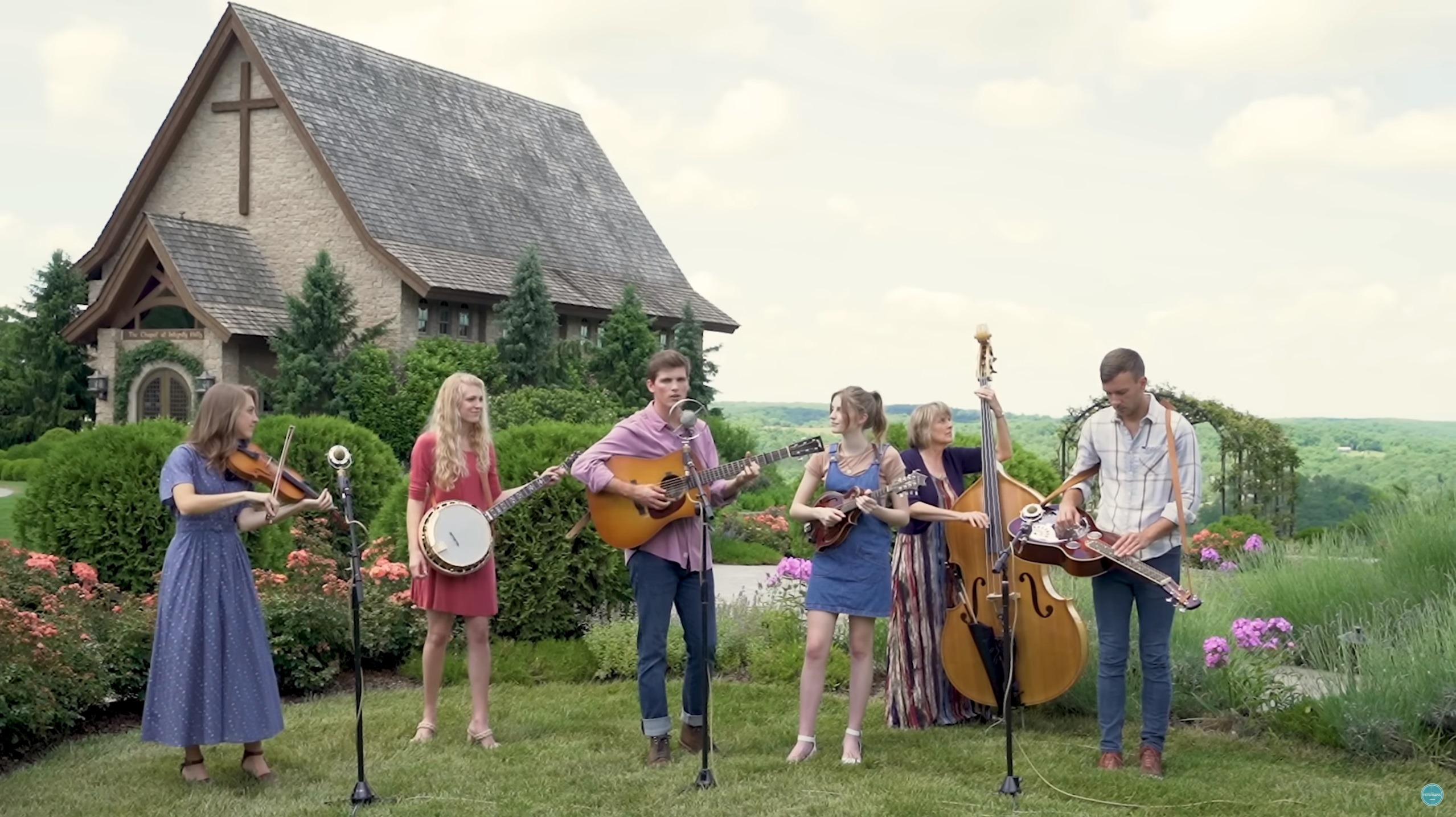
Written by William Walsham How in 1871 for the Church Hymns collection, this Christian standard is a celebration of God’s creation and love, set to the tune “Ruth” by Samuel Smith (1865). How, an Anglican bishop known for his pastoral work, crafted the hymn to reflect the joy of summer, with its vibrant imagery of glowing suns, flowing light, and nature’s voices uniting in praise.

The hymn’s four stanzas emphasize God’s mercy, eternal love, and guidance through life’s challenges, urging steadfast faith even in dark times. Its meaning centers on gratitude for divine providence, the beauty of creation, and trust in God’s presence, with the final stanza affirming hope in eternal light.

Published in over 239 hymnals, it remains a cherished expression of summer’s warmth and spiritual reassurance.

Akua Akyere Memorial Youth Choir


Layout mode
Predefined Skins
Custom Colors
Choose your skin color
Patterns Background
Images Background
Standards Michigan
error: Content is protected !!
Skip to content