The choice of red, white, and blue in national flags often carries historical, cultural, and political significance. Here are some reasons why various nations have chosen these colors:
Historical Connections:
United States: The colors were chosen for their flag in 1777 and have been interpreted to symbolize valor (red), purity (white), and justice (blue). The colors were influenced by the British Union Jack.
France: The Tricolour flag adopted during the French Revolution represents liberty (blue), equality (white), and fraternity (red).
United Kingdom: The Union Jack combines elements from the flags of England (red and white), Scotland (blue and white), and Ireland (red and white).
Cultural and Political Significance:
Russia: The flag’s colors were adopted from the Dutch flag, symbolizing pan-Slavism (red for bravery, blue for faithfulness, and white for honesty).
Netherlands: The Dutch flag’s colors (originally derived from the Prince’s Flag) have historical roots, symbolizing the struggle for independence and liberty.
Czech Republic and Slovakia: Both countries use red, white, and blue to represent their Slavic heritage.
Influence and Inspiration:
Chile, Costa Rica, and Panama: These countries were influenced by the colors and symbolism of other flags (e.g., the French and American flags) during their independence movements.
Australia and New Zealand: Both countries incorporate the Union Jack in their flags, reflecting their colonial history with the United Kingdom.
Symbolism:
Croatia, Serbia, and Slovenia: The colors are traditional pan-Slavic colors, representing freedom and national unity.
Iceland and Norway: The colors reflect their historical and cultural ties to other Scandinavian countries.
The exact reasons can vary, but often the colors reflect a mix of historical alliances, cultural heritage, and political ideals.
The thunderbolt steers all things. —Heraclitus, c. 500 BC
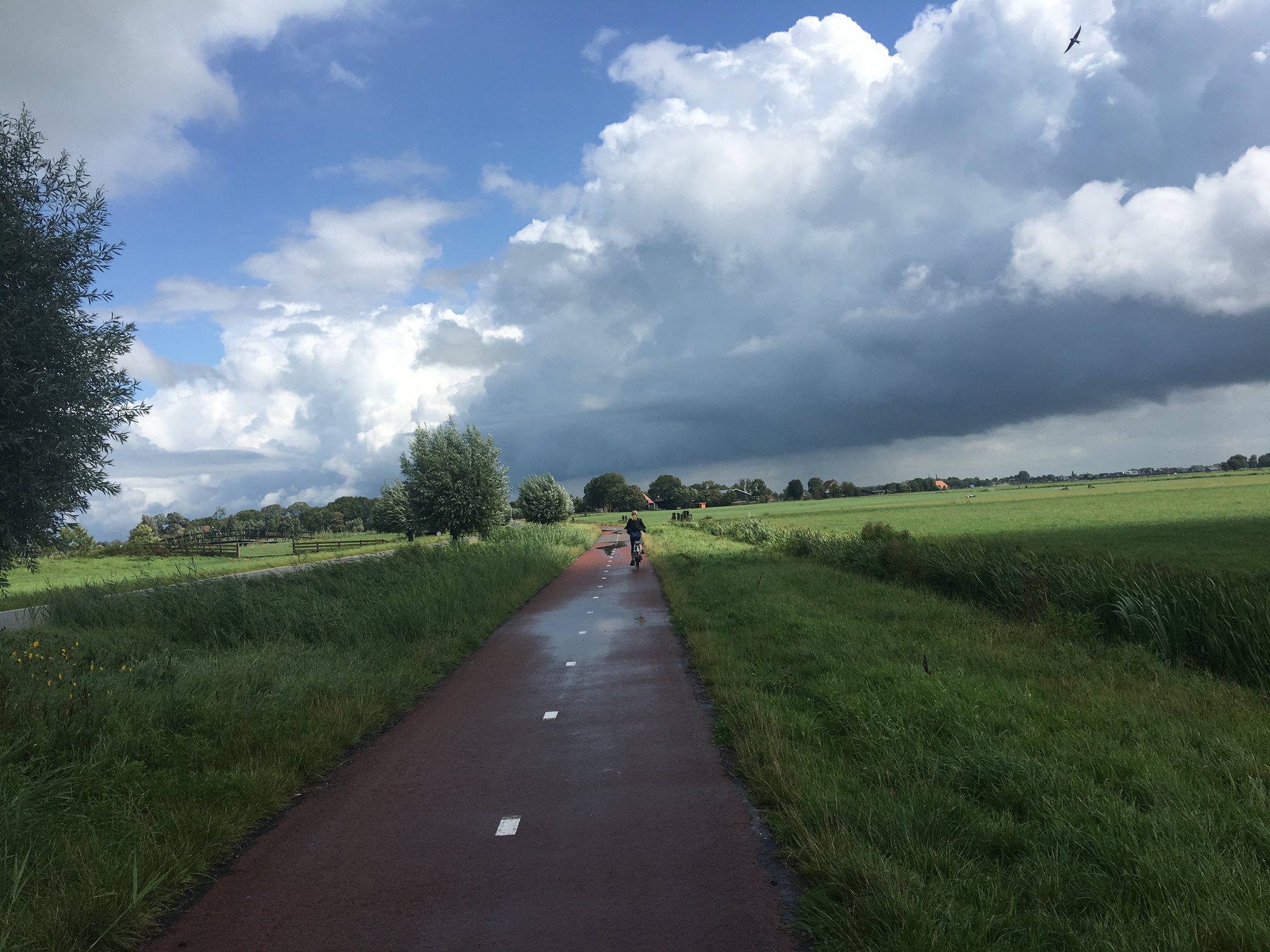
After the rain. Personal photograph taken by Mike Anthony biking with his niece in Wirdum, The Netherlands
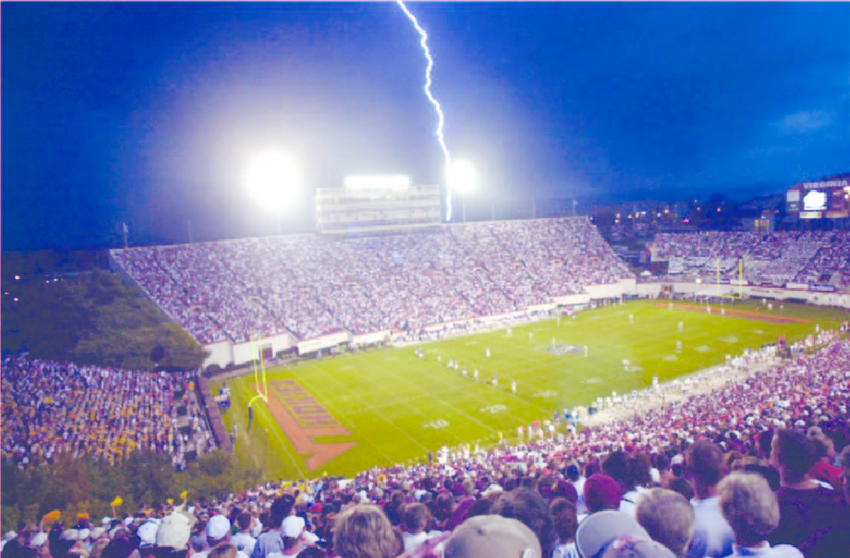
Today at 15:00 UTC we examine the technical literature about rainwater management in schools, colleges and universities — underfoot and on the roof. Lightning protection standards will also be reviewed; given the exposure of outdoor athletic activity and exterior luminaires.
We draw from previous standardization work in titles involving water, roofing systems and flood management — i.e. a cross-cutting view of the relevant standard developer catalogs. Among them:
American Society of Civil Engineers
American Society of Plumbing Engineers
ASHRAE International
ASTM International
Construction Specifications Institute (Division 7 Thermal and Moisture Protection)
As always, our daily colloquia are open to everyone. Use the login credentials at the upper right of our home page.
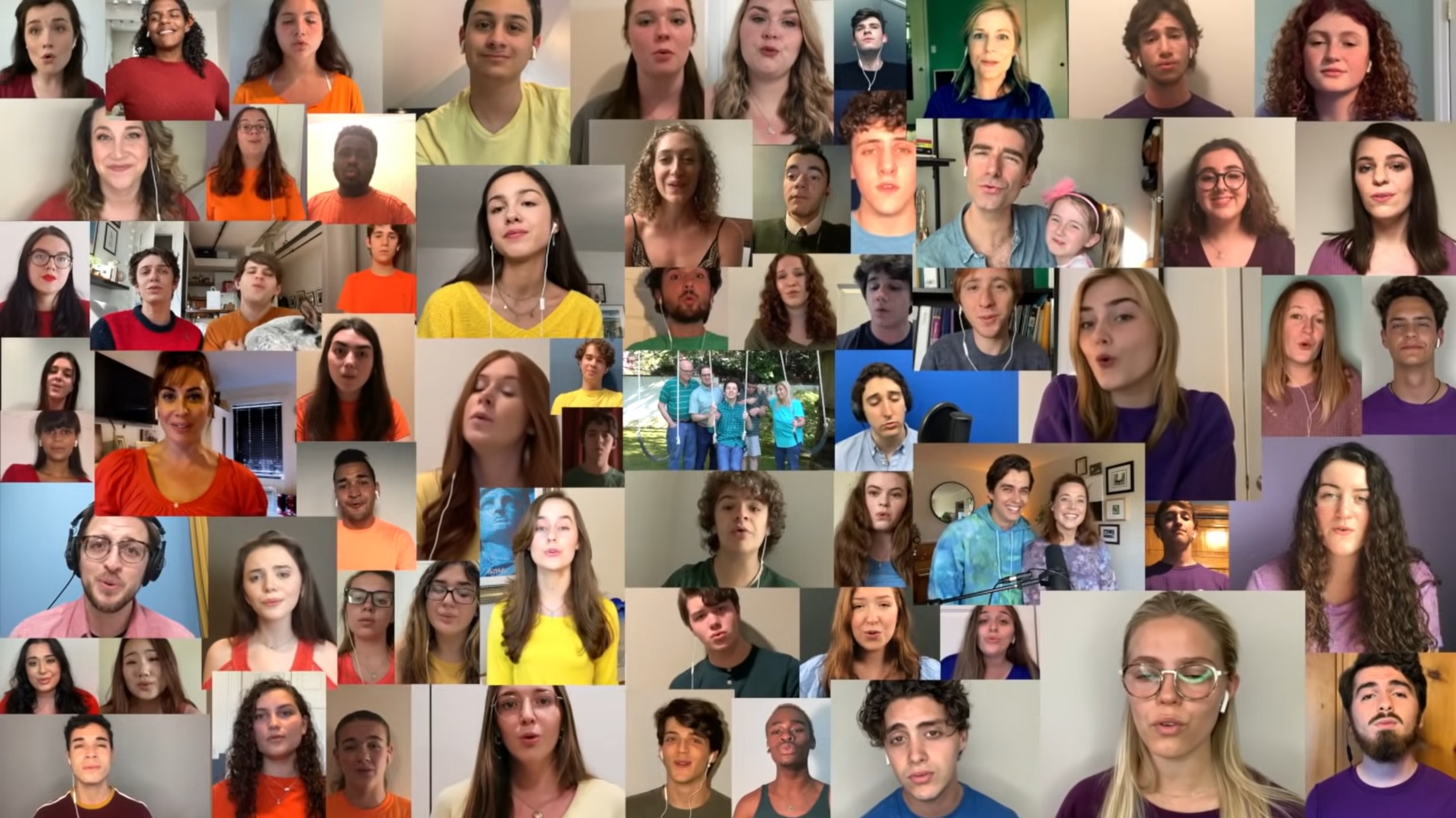
“Rainbow Connection”
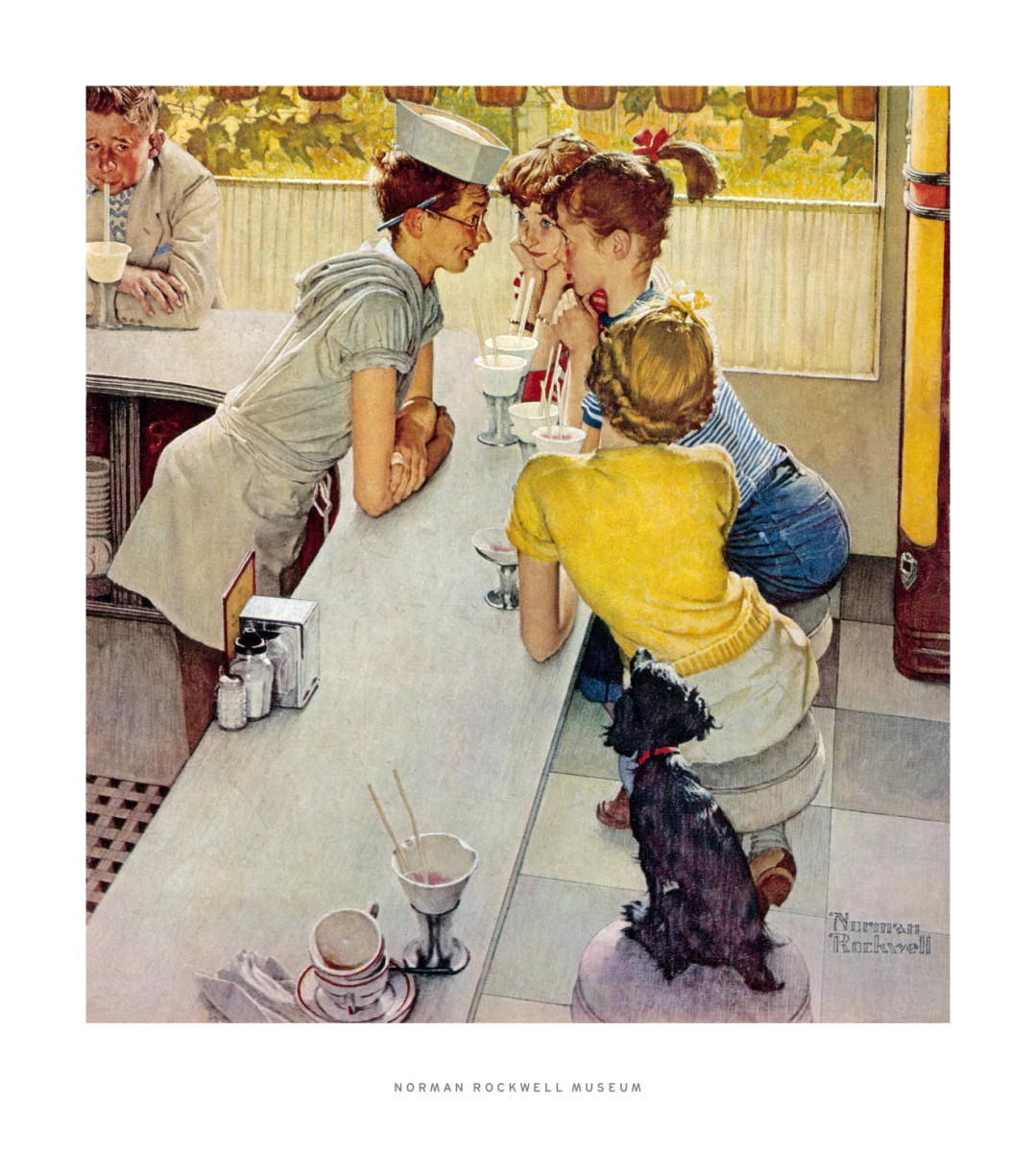
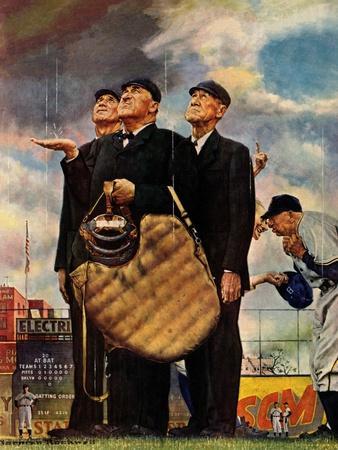
“Tough Call” | Norman Rockwell 1949
The “lightning effect” seen in carnival tricks typically relies on a scientific principle known as the Lichtenberg figure or Lichtenberg figure. This phenomenon occurs when a high-voltage electrical discharge passes through an insulating material, such as wood or acrylic, leaving behind branching patterns resembling lightning bolts.
The process involves the creation of a temporary electric field within the material, which polarizes its molecules. As the discharge propagates through the material, it causes localized breakdowns, creating branching paths along the way. These branching patterns are the characteristic Lichtenberg figures.
In the carnival trick, a high-voltage generator is used to create an electrical discharge on a piece of insulating material, such as acrylic. When a person touches the material or a conductive object placed on it, the discharge follows the path of least resistance, leaving behind the branching patterns. This effect is often used for entertainment purposes due to its visually striking appearance, resembling miniature lightning bolts frozen in the material. However, it’s crucial to handle such demonstrations with caution due to the potential hazards associated with high-voltage electricity.
“Benjamin Franklin Drawing Electricity from the Sky” 1816 Benjamin West
Benjamin Franklin conducted his famous experiment with lightning on June 10, 1752.
He used a kite and a key to demonstrate that lightning was a form of electricity.
This experiment marked an important milestone in understanding the nature of electricity
and laid the foundation for the development of lightning rods and other lightning protection systems.
Seasonal extreme weather patterns in the United States, resulting in damages to education facilities and delays in outdoor athletic events — track meets; lacrosse games, swimming pool closures and the like — inspire a revisit of the relevant standards for the systems that contribute to safety from injury and physical damage to buildings: NFPA 780 Standard for the Installation of Lightning Protection Systems
This document shall cover traditional lightning protection system installation requirements for the following: (1) Ordinary structures (2) Miscellaneous structures and special occupancies (3) Heavy-duty stacks (4) Structures containing flammable vapors, flammable gases, or liquids with flammable vapors (5) Structures housing explosive materials (6) Wind turbines (7) Watercraft (8) Airfield lighting circuits (9) Solar arrays
This document shall address lightning protection of the structure but not the equipment or installation requirements for electric generating, transmission, and distribution systems except as given in Chapter 9 and Chapter 12.
(Electric generating facilities whose primary purpose is to generate electric power are excluded from this standard with regard to generation, transmission, and distribution of power. Most electrical utilities have standards covering the protection of their facilities and equipment. Installations not directly related to those areas and structures housing such installations can be protected against lightning by the provisions of this standard.)
This document shall not cover lightning protection system installation requirements for early streamer emission systems or charge dissipation systems.
“Down conductors” must be at least #2 AWG copper (0 AWG aluminum) for Class I materials in structures less than 75-ft in height
“Down conductors: must be at least 00 AWG copper (0000 AWG aluminum) for Class II Materials in structures greater than 75-ft in height.
Related grounding and bonding requirements appears in Chapters 2 and Chapter 3 of NFPA 70 National Electrical Code. This standard does not establish evacuation criteria.
University of Michigan | Washtenaw County (Photo by Kai Petainen)
The current edition is dated 2023 and, from the transcripts, you can observe concern about solar power and early emission streamer technologies tracking through the committee decision making. Education communities have significant activity in wide-open spaces; hence our attention to technical specifics.
Public input on the 2026 revision is receivable until 1 June 2023.
We always encourage our colleagues to key in their own ideas into the NFPA public input facility (CLICK HERE). We maintain NFPA 780 on our Power colloquia which collaborates with IEEE four times monthly in European and American time zones. See our CALENDAR for the next online meeting; open to everyone.
Lightning flash density – 12 hourly averages over the year (NASA OTD/LIS) This shows that lightning is much more frequent in summer than in winter, and from noon to midnight compared to midnight to noon.
Issue: [14-105]
Category: Electrical, Telecommunication, Public Safety, Risk Management
Colleagues: Mike Anthony, Jim Harvey, Kane Howard
Didn't really plan for all possibilities, did they. 🤓
Churches and chapels are more susceptible to lightning damage due to their height and design. Consider:
Height: Taller structures are more likely to be struck by lightning because they are closer to the cloud base where lightning originates.
Location: If a church or chapel is situated in an area with frequent thunderstorms, it will have a higher likelihood of being struck by lightning.
Construction Materials: The materials used in the construction of the building can affect its vulnerability. Metal structures, for instance, can conduct lightning strikes more readily than non-metallic materials.
Proximity to Other Structures: If the church or chapel is located near other taller structures like trees, utility poles, or buildings, it could increase the chances of lightning seeking a path through these objects before reaching the building.
Lightning Protection Systems: Installing lightning rods and other lightning protection systems can help to divert lightning strikes away from the structure, reducing the risk of damage.
Maintenance: Regular maintenance of lightning protection systems is essential to ensure their effectiveness. Neglecting maintenance could result in increased susceptibility to lightning damage.
Historical Significance: Older buildings might lack modern lightning protection systems, making them more vulnerable to lightning strikes.
The risk can be mitigated by proper design, installation of lightning protection systems, and regular maintenance.
This content is accessible to paid subscribers. To view it please enter your password below or send mike@standardsmichigan.com a request for subscription details.
This content is accessible to paid subscribers. To view it please enter your password below or send mike@standardsmichigan.com a request for subscription details.
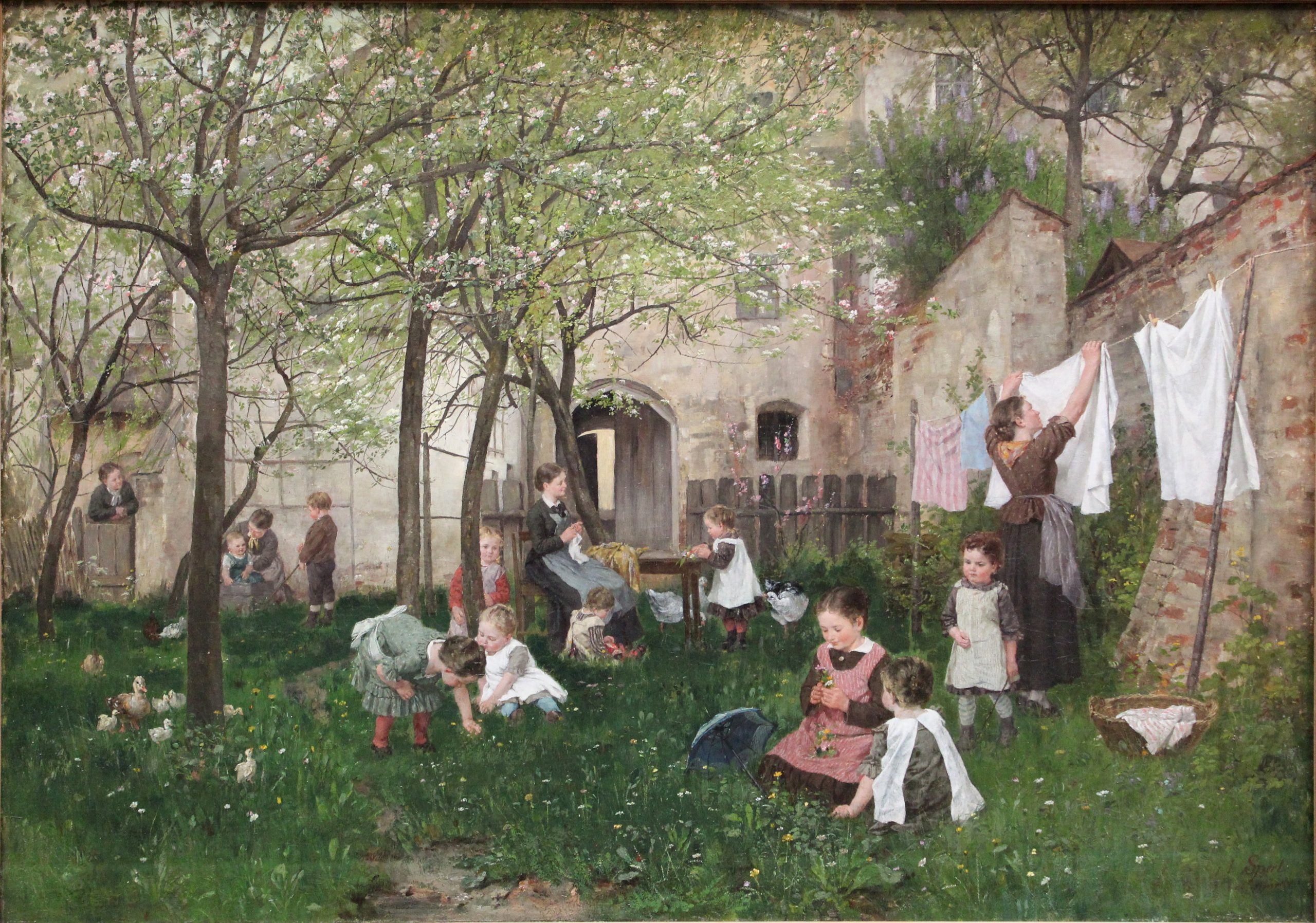
“Do you remember the Shire, Mr. Frodo? It’ll be spring soon. And the orchards will be in blossom. And the birds will be nesting in the hazel thicket. And they’ll be sowing the summer barley in the lower fields… and eating the first of the strawberries with cream. Do you remember the taste of strawberries?” — Sam Gamgee (J.R.R. Tolkien (from ‘The Return of the King’ 1955)
📢 Have you heard? Cal Poly has once again been named a top producer of Fulbright U.S. Scholars! Learn more about the three impressive faculty that are taking their expertise global 🌎
* Why is the Net Position number so elusive in college and university financial statements? Short answer: So goes the nature of non-profit organizations. More.
Duke University Chapel arose from James B. Duke’s conviction that spiritual life should occupy a visible place at the center of a great university. In 1925, while surveying the wooded site of the future West Campus with President William Preston Few, Duke selected its highest point for a chapel—a “great towering church” intended to influence generations of students. His broader philanthropy supplied the financial foundation for Duke University and its new campus; the Chapel itself ultimately cost about $2.2 million.
Designed by the Philadelphia firm of Horace Trumbauer, principally through chief designer Julian Abele, the Chapel is an American interpretation of English Gothic architecture rather than a copy of any particular church. Its 210-foot tower establishes it as the visual and symbolic center of West Campus. The cornerstone was laid in October 1930, construction continued for more than two years and the building was formally dedicated in 1935.
Today the Chapel operates as an interdenominational Christian institution supporting worship, preaching, sacred music and community ministries. Its stewardship is also a substantial facilities undertaking. Duke invested $19.2 million in its 2015–16 restoration, addressing the limestone ceiling and roof while upgrading HVAC, electrical and audiovisual systems and refurbishing stained glass and woodwork—an example of the continuing maintenance required to preserve monumental university architecture for daily use.
Page 522/523: 305.2 Group E, day care facilities for five or fewer children.
Page 624: Group E Security
Page 1440: Storm Shelters
§
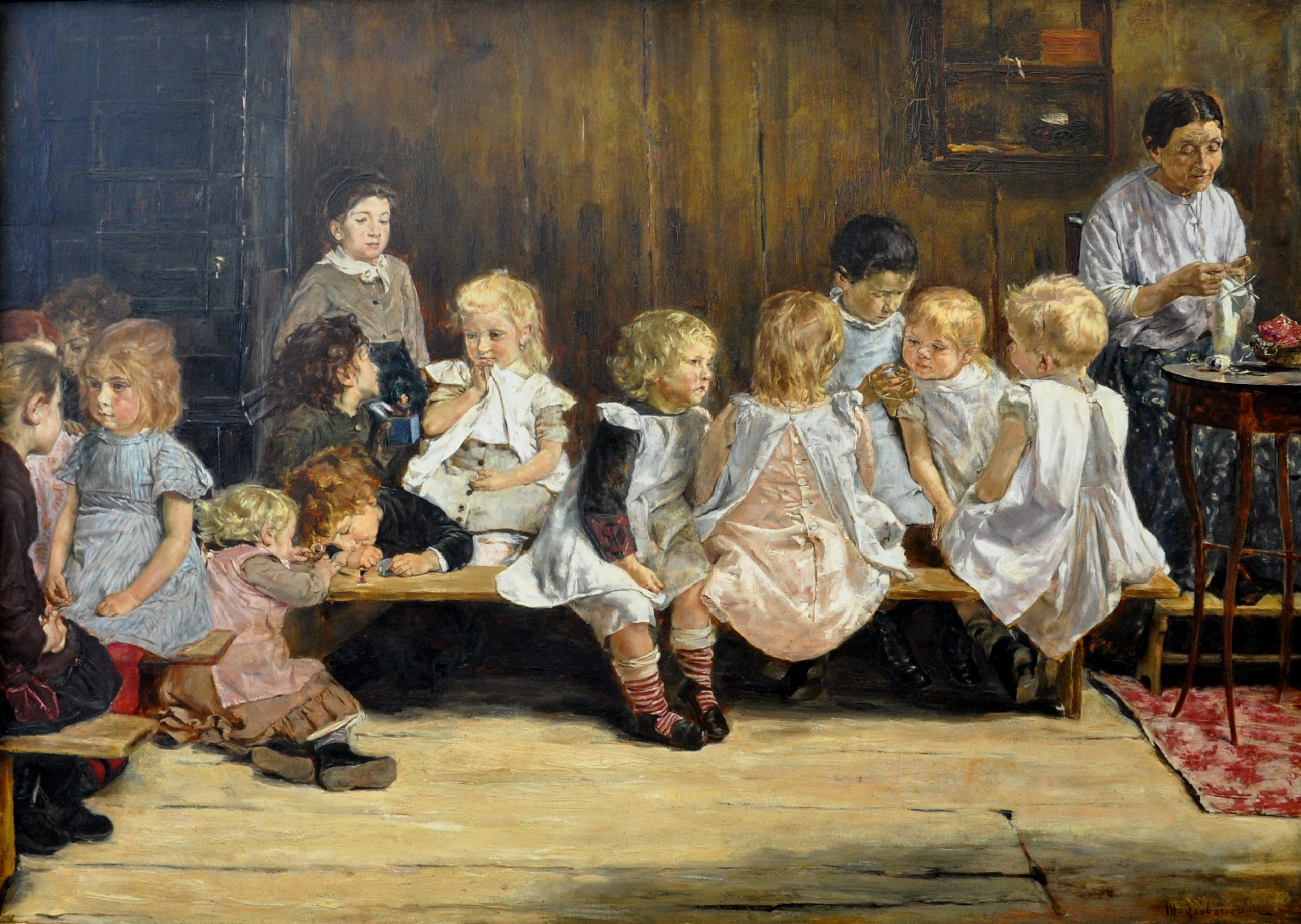
Today at the usual hour we review a selection of global building codes and standards that guide best practice for safety, accessibility, and functionality for day care facilities; with special interest in the possibilities for co-locating square footage into the (typically) lavish unused space in higher education facilities.
Use the login credentials at the upper right of our home page.
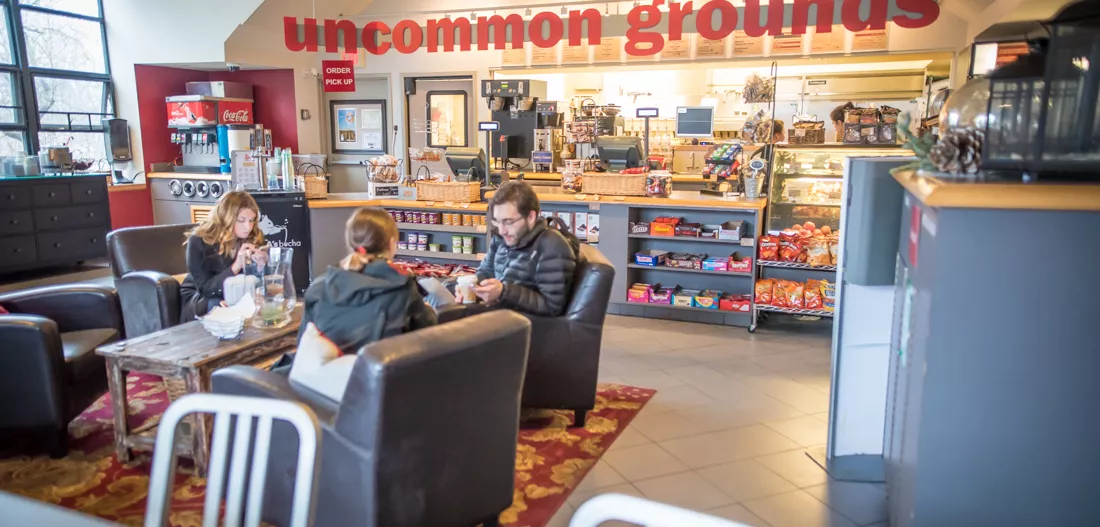
A delicate, floral spring and summer drink featuring the subtle cherry-like aroma and slight saltiness of sakura (cherry blossoms). Made with steeped sakura tea or a flavored base, combined with steamed or frothed milk, and often sweetened or enhanced with syrup or powder for color and flavor. It’s lighter and more tea-forward than a coffee-based latte. Available hot or with ice at the UnCommon Grounds Cafe in the Neuberger Centennial Campus Center
New update alert! The 2022 update to the Trademark Assignment Dataset is now available online. Find 1.29 million trademark assignments, involving 2.28 million unique trademark properties issued by the USPTO between March 1952 and January 2023: https://t.co/njrDAbSpwBpic.twitter.com/GkAXrHoQ9T









_-_Benjamin_Franklin_Drawing_Electricity_from_the_Sky_-_Google_Art_Project.jpg)