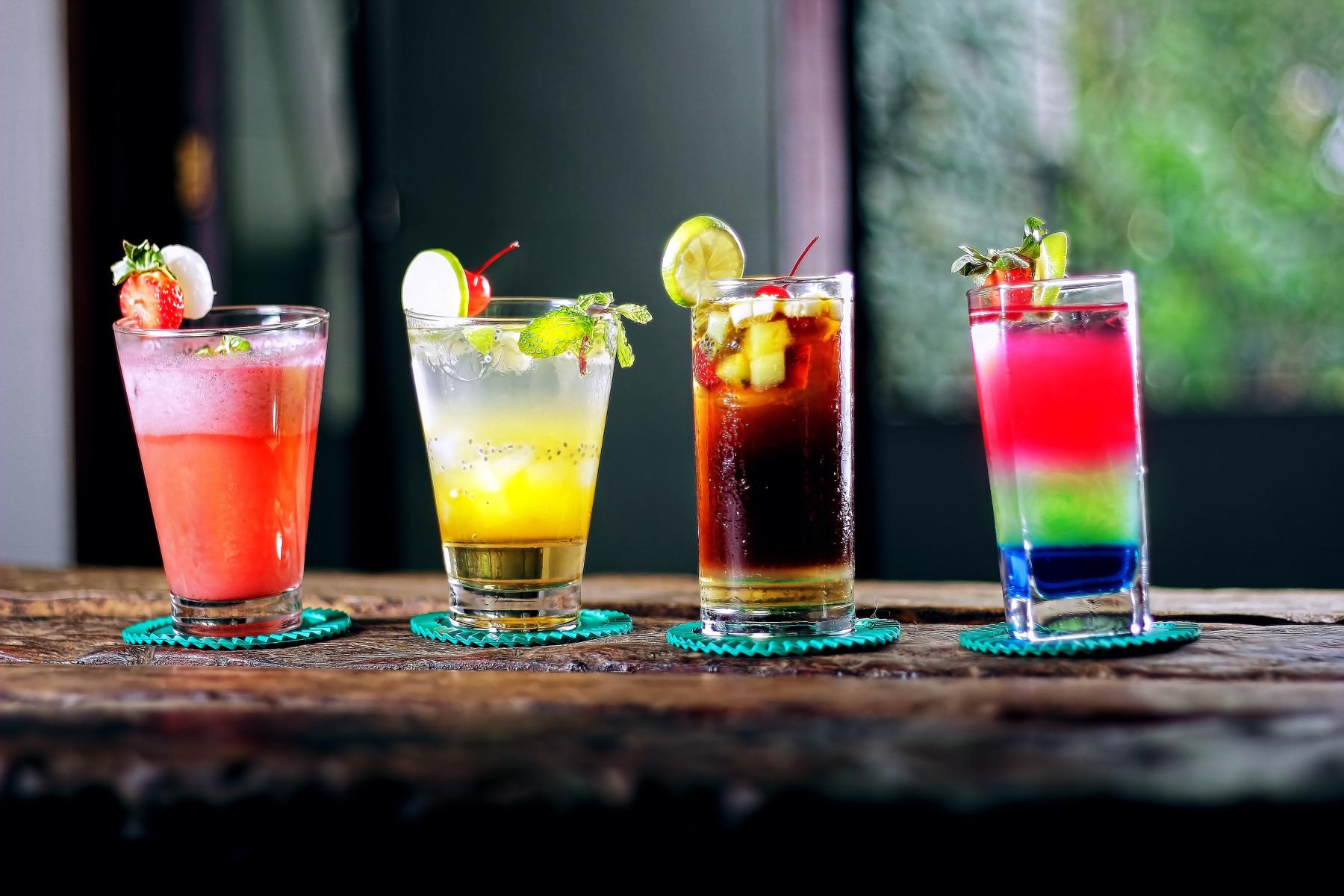
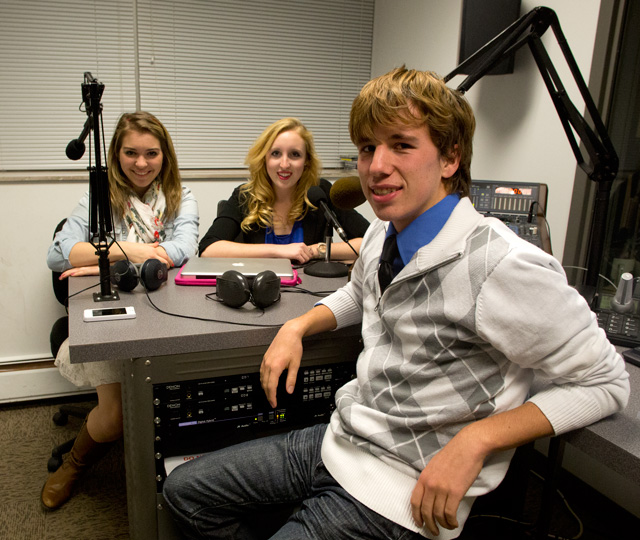
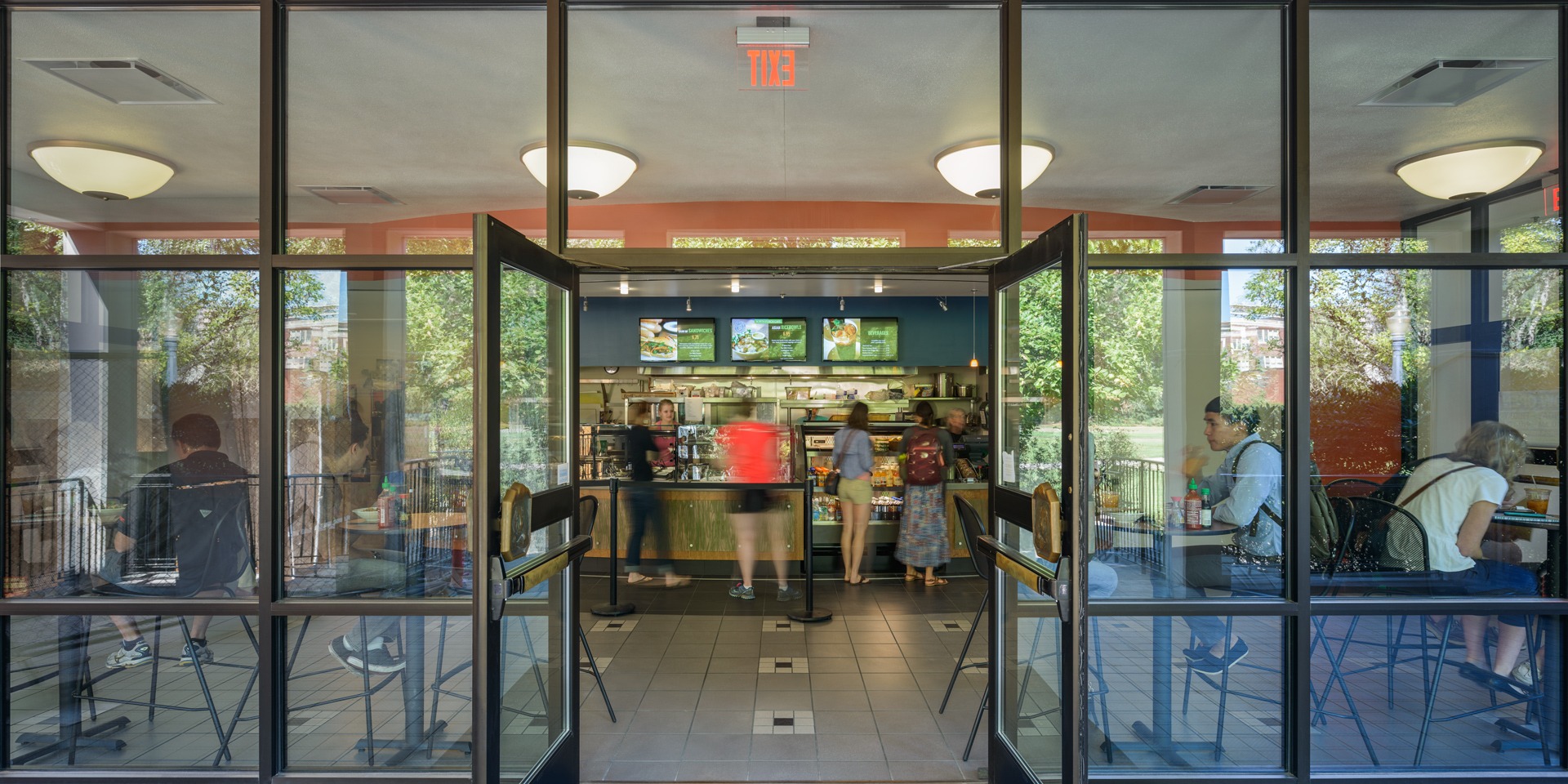
Spoon University was founded in 2013 by Sarah Adler and Mackenzie Barth, two Northwestern University students. Living off-campus, they struggled to cook and navigate local dining options, noticing a lack of food media tailored to college students. They launched a food-focused magazine and website at Northwestern, which quickly grew to over 100 student contributors.
The platform expanded to other campuses, driven by student interest, becoming a crowd-sourced food network for millennials. By 2015, it raised $2 million in funding and now operates chapters at over 200 campuses worldwide, offering recipes, reviews, and food-related content
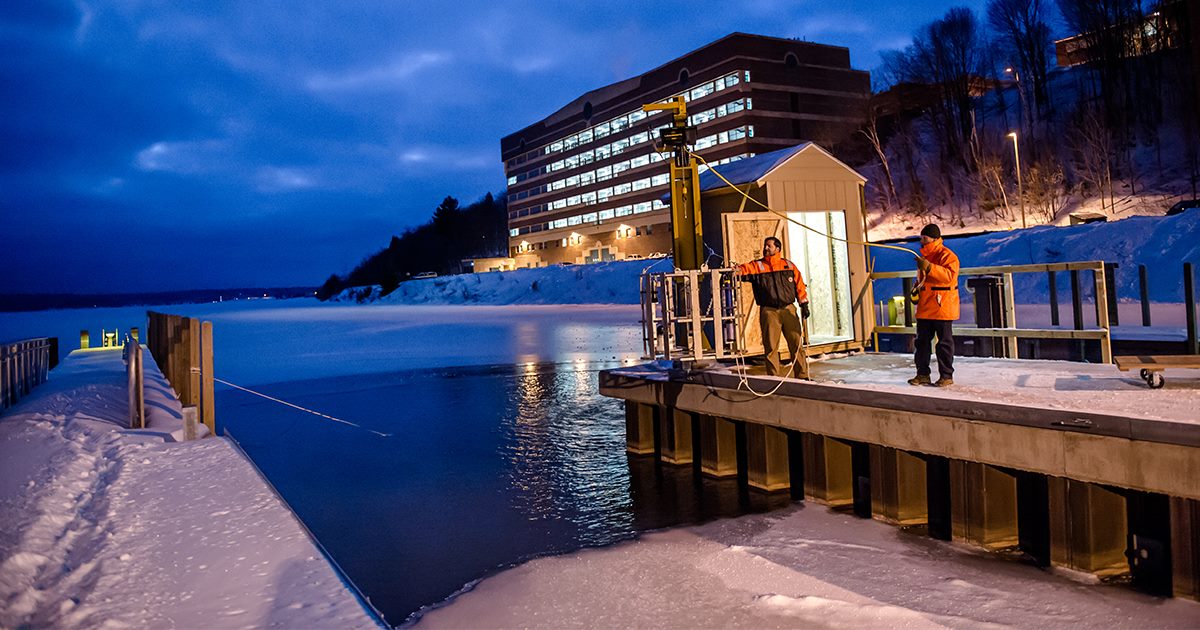
Rowing competition in the 2024 Olympics inspires a revisit of NFPA 303: Fire Protection Standard for Marinas and Boatyards. Apart from athletic competition, many colleges, universities and trade schools with academic programs are responsible for safety of facilities located on fresh and saltwater shorelines. Other nations refer to best practice discovered and applied in the United States. Keep in mind that, unlike other nations, the standard of care for electrical safety in the United States is driven primarily by the fire safety community. This happens because public safety leadership falls upon the local Fire Marshall who has a budget that is widely understand and generally supported.
From the NFPA 303 scope statement:
This standard applies to the construction and operation of marinas, boatyards, yacht clubs, boat condominiums, docking facilities associated with residential condominiums, multiple-docking facilities at multiple-family residences, and all associated piers, docks, and floats.
This standard also applies to support facilities and structures used for construction, repair, storage, hauling and launching, or fueling of vessels if fire on a pier would pose an immediate threat to these facilities, or if a fire at a referenced facility would pose an immediate threat to a docking facility.
This standard applies to marinas and facilities servicing small recreational and commercial craft, yachts, and other craft of not more than 300 gross tons.
This standard is not intended to apply to a private, noncommercial docking facility constructed or occupied for the use of the owners or residents of the associated single-family dwelling.
No requirement in this standard is to be construed as reducing applicable building, fire, and electrical codes.
The standard of care for facilities owned by educational institutions is not appreciably different from the standard of care for any other Owner except some consideration should be given to the age and training of most of the occupants — students, of course — who are a generally transient population. Some research projects undertaken on university-owned facilities are also subject to the local adaptions of NFPA 303. The current version of NFPA 303 is linked below:
The 2021 Edition is the current edition and the next edition will be the 2025 revision. Click on the link below to read what new ideas were running through the current edition; mostly electrical that are intended to correlate with National Electrical Code Article 555 and recent electrical safety research*:
Public input closing date for the 2025 Edition is June 1, 2023.
You may submit comment directly to NFPA on this and/or any other NFPA consensus product by CLICKING HERE. You will need to set up a (free) account. NFPA 303 document is also on the standing agenda of our 4 times monthly collaboration with the IEEE Education & Healthcare Facilities Committee. See our CALENDAR for the next online colloquium; open to everyone.
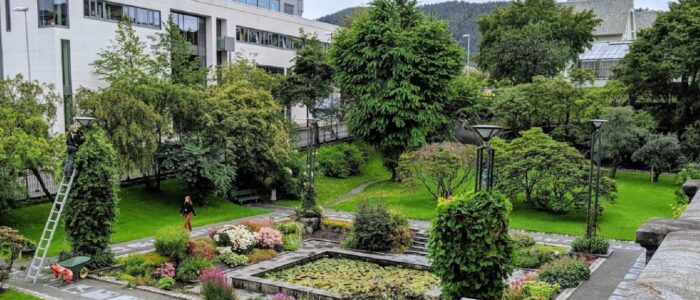
The education industry in the United States is steward to large tranches of land assets; either through the Morrill Land Grant Act or municipal set-asides for public schools. In terms of square footage, the spaces between buildings far exceeds the square footage of the built environment — and the locus of public interest and environmental regulation. All of that square footage — usually measured in hundreds and thousands of hectares and acres — requires consideration of the competing interests of many stakeholders.
We display the accomplishments of employees devoted to the landscaping and gardening of educational organizations in a dedicated post:
Note product standards cover many equipment classes and accessories for engine powered lawn movers, snow blowers, gardening machinery and the like.
ANSI encourages relevant stakeholders to participate in discovering standardization solutions in a broad range of technologies and markets with like-minded experts in other national standards bodies. The full sweep of ANSI’s participation in consensus documents developed by the ISO is described in the link below:
We encourage our colleagues in exterior grounds and landscaping units in the education facility industry to participate directly as a User interest in the OPEI standards development process. OPEI Standards Staff Contacts are listed on the OPEI Standards home page linked below:
We review the developmental status of consensus products that set the standard of care for equipment used to maintain pathways, lawns and gardens in education communities. Automation of the maintenance of these spaces is gathering pace; reducing cost and risk. See our CALENDAR for the next online meeting; open to everyone.
Written by William Walsham How in 1871 for the Church Hymns collection, this Christian standard is a celebration of God’s creation and love, set to the tune “Ruth” by Samuel Smith (1865). How, an Anglican bishop known for his pastoral work, crafted the hymn to reflect the joy of summer, with its vibrant imagery of glowing suns, flowing light, and nature’s voices uniting in praise.
The hymn’s four stanzas emphasize God’s mercy, eternal love, and guidance through life’s challenges, urging steadfast faith even in dark times. Its meaning centers on gratitude for divine providence, the beauty of creation, and trust in God’s presence, with the final stanza affirming hope in eternal light.
Published in over 239 hymnals, it remains a cherished expression of summer’s warmth and spiritual reassurance.
The term “lively arts” is attributed to American writer and poet James Thurber. It was popularized in the mid-20th century as a way to describe various forms of performing arts, such as theater, dance, music, and other creative expressions.
Curtain for the Lviv Theatre of Opera and Ballet
“What art is, in reality, is this missing link, not the links which exist.
It’s not what you see that is art; art is the gap”
— Marcel Duchamp
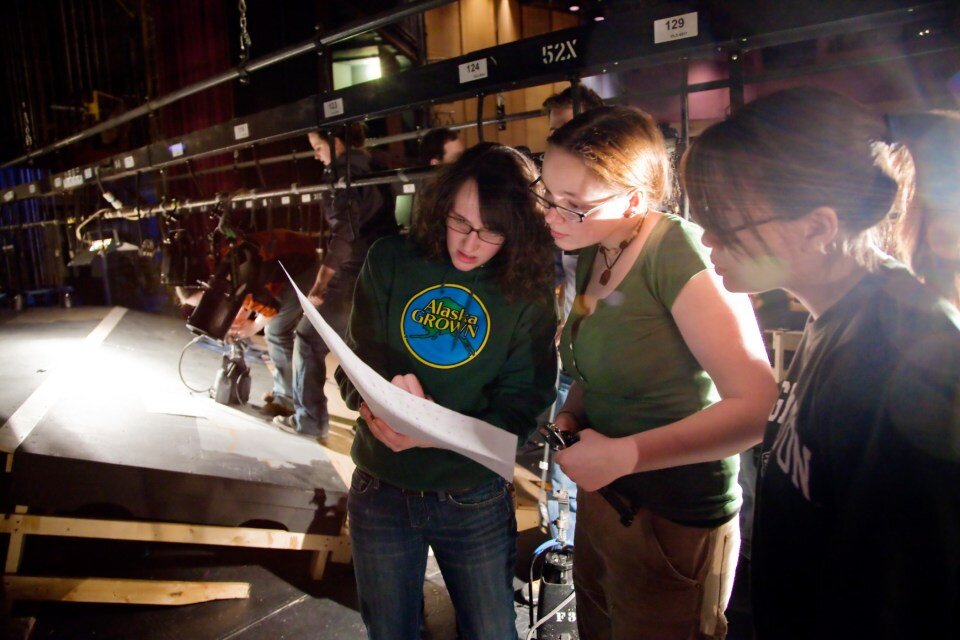
Today we refresh our understanding of the literature that guides the safety and sustainability goals of lively art events in educational settlements. Consortia have evolved quickly in recent years, leading and lagging changes in the content creation and delivery domain. With this evolution a professional discipline has emerged that requires training and certification in the electrotechnologies that contribute to “event safety”; among them:
ASHRAE International
Standard 62.1: This standard establishes minimum ventilation rates and indoor air quality requirements for commercial buildings, including theaters and auditoriums.
Standard 55: This standard specifies thermal comfort conditions for occupants in indoor environments, which can have an impact on air quality.
RP-16-17 Lighting for Theatrical Productions: This standard provides guidance on the design and implementation of lighting systems for theatrical productions. It includes information on the use of color, light direction, and light intensity to create different moods and effects.
RP-30-15 Recommended Practice for the Design of Theatres and Auditoriums: This standard provides guidance on the design of theaters and auditoriums, including lighting systems. It covers topics such as seating layout, stage design, and acoustics, as well as lighting design considerations.
DG-24-19 Design Guide for Color and Illumination: This guide provides information on the use of color in lighting design, including color temperature, color rendering, and color mixing. It is relevant to theater lighting design as well as other applications.
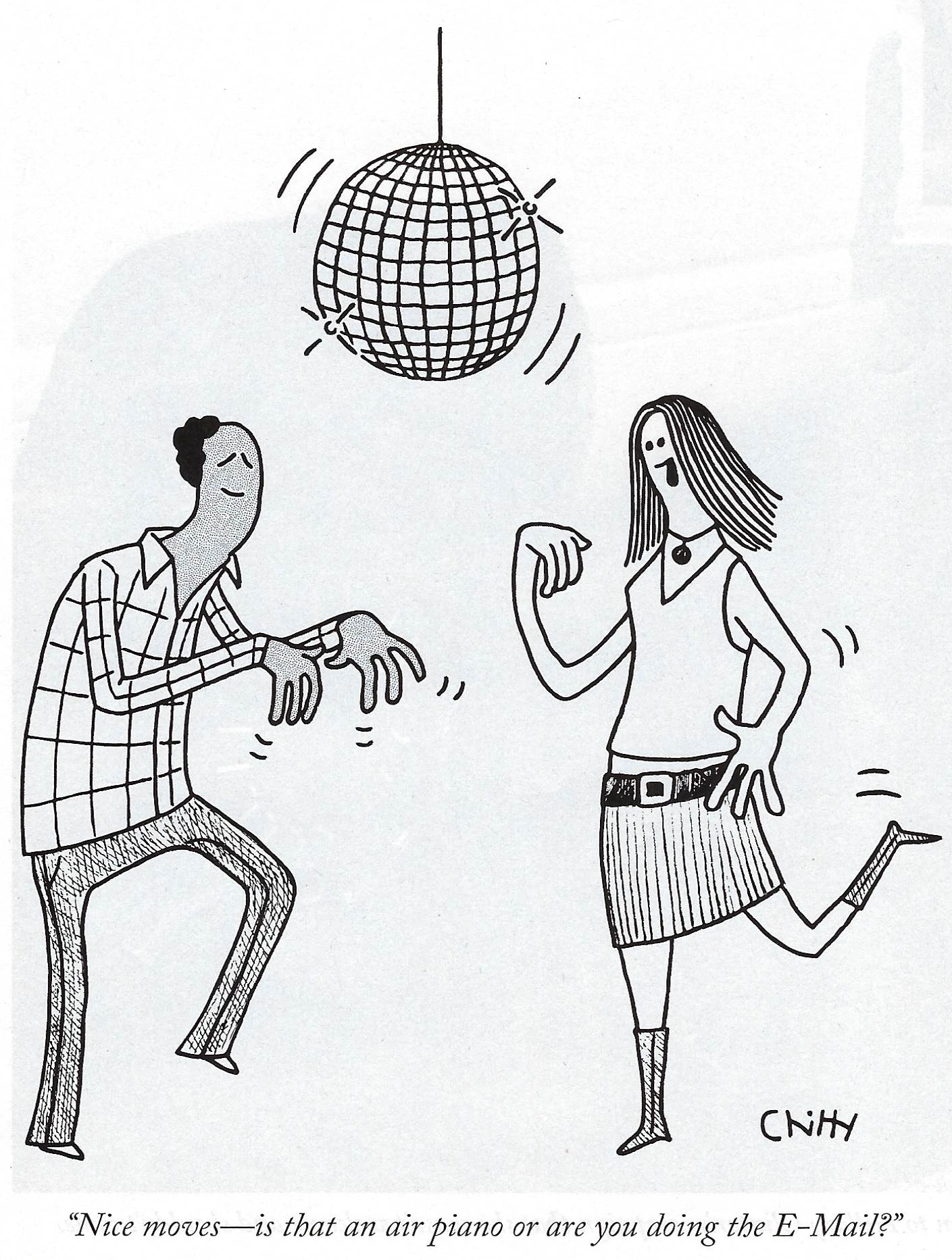
Dance and Athletic Floor Product Standards: ASTM F2118, EN 14904, DIN 18032-2
Incumbent standards-setting organizations such as ASHRAE, ASTM, ICC, IEEE, NFPA have also discovered, integrated and promulgated event safety and sustainability concepts into their catalog of best practice titles; many already incorporated by reference into public safety law. We explore relevant research on crowd management and spectator safety.
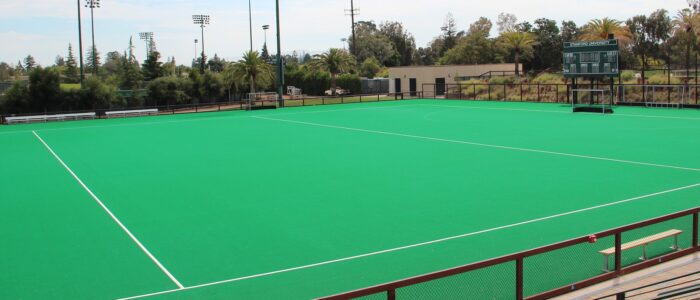
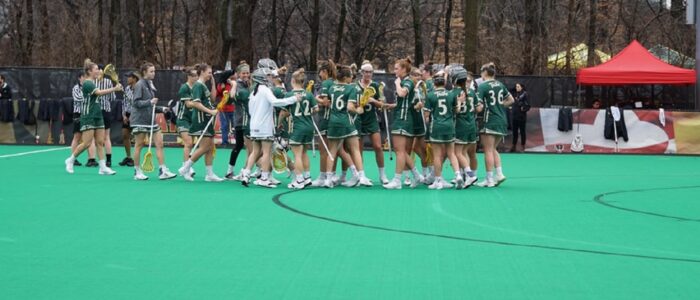
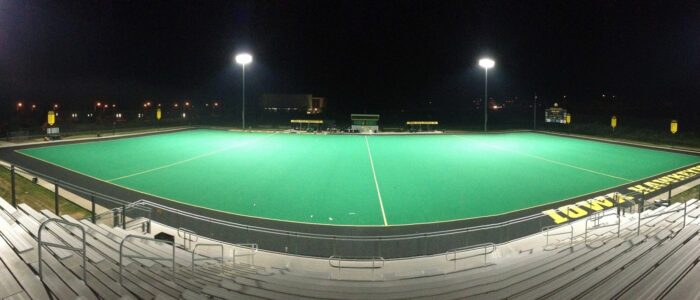
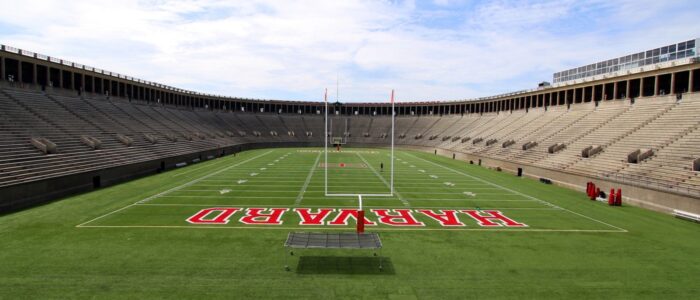
The Synthetic Turf Council is a 501(c)6 non-profit trade association serving the synthetic turf industry. Its vision is to improve the world through synthetic turf. Its mission is to serve as the global forum to promote, develop, grow and advocate for the synthetic turf industry. As a voice in its industry, it promotes the benefits of synthetic turf systems, it provides credentialing services and, for our purpose produces a bibliography of consensus products relevant to the education facility industry:
We do not find any open public consultations at the moment but we keep the Council’s consensus products in on the standing agenda of our Sport teleconferences. See our CALENDAR for the next online meeting.
New update alert! The 2022 update to the Trademark Assignment Dataset is now available online. Find 1.29 million trademark assignments, involving 2.28 million unique trademark properties issued by the USPTO between March 1952 and January 2023: https://t.co/njrDAbSpwBpic.twitter.com/GkAXrHoQ9T