
Texas A&M University System 2024 Financial Reports: Net Position $10.146B (Page 13)

Tag Archives: Summer
- Home
- Posts tagged "Summer" (Page 8)

loading..

Exploration of the Theory of Electric Shock Drowning
Exploration of the Theory of Electric Shock Drowning
Jesse Kotsch – Brandon Prussak – Michael Morse – James Kohl
Abstract: Drowning due to electric shock is theorized to occur when a current that is greater than the “let go” current passes through a body of water and conducts with the human body. Drowning would occur when the skeletal muscles contract and the victim can no longer swim. It is theorized that the likelihood of receiving a deadly shock in a freshwater environment (such as a lake) is higher than the likelihood in a saltwater environment (such as a marina). It is possible that due to the high conductivity of salt water, the current shunts around the individual, while in freshwater, where the conductivity of the water is lower than that of the human; a majority of the current will travel through the individual. The purpose of this research is to either validate or disprove these claims. To address this, we used Finite Element analysis in order to simulate a human swimming in a large body of water in which electric current has leaked from a 120V source. The conductivity of the water was varied from .005 S/m (pure water) up to 4.8 S/m (salt water) and the current density through a cross sectional area of the human was measured. With this research, we hope to educate swimmers on the best action to take if caught in such a situation.

CLICK HERE to order complete paper.


Fruit Smoothie
West Virginia University Financial Statement 2022 | $1.178M
The WVU Extension is a primary outreach division of West Virginia University. With offices in each of the state’s 55 counties, Extension faculty and staff develop and deliver programs in leadership development, rural and community-based economic development, youth development, workforce development, and health education.
Ingredients
3 cups frozen strawberries or other frozen fruit
1 banana
1 cup yogurt (plain or vanilla)
1 handful spinach or kale
2 cups of milk
Directions
Wash fresh produce.
Collect and measure all ingredients before starting recipe.
Add the fruit, yogurt and greens to the blender.
Pour the milk into the blender.
Blend 30 to 45 second until smooth.
Refrigerate leftovers within two hours, and finish within two days.
Nutrition information per serving (recipe makes six one-cup servings):
Calories — 120; fat — 2g; carbohydrates — 21g; fiber — 2g; protein — 5g
Geoffrey Hinton & Joel Hellermark
This conversation was recorded in April 2024 at the Royal Institute of Great Britain in London. An edited version was premiered at Sana AI Summit on May 15 2024 in Stockholm, Sweden.
Geoffrey Hinton has been called “the godfather of AI” and is considered one of the most prominent thought leaders on the emergence of artificial intelligence. He has served as a faculty member at Carnegie-Mellon and a fellow of the Canadian Institute for Advanced Research. He is now Emeritus Professor at the University of Toronto. In 2023, Geoffrey left his position at Google so that he could speak freely about AI’s impact on humankind.
Fun fact: University Park is located right next to Smoothie King! 🥤 pic.twitter.com/Gmrlb2nKPb
— WVU University Apartments (@WvuApartments) September 15, 2023
Students living off campus can purchase Go plans, or any of our Prime and Dining Dollars-only plans that are available to be used at all of our retail or residential dining locations on campus.
Read about all of our plans here! ⬇️https://t.co/TxouPEuFTl pic.twitter.com/8Ga5pKADAk
— WVU Dining (@WVUDining) March 10, 2022

The Eternal Music
“Heard melodies are sweet,
but those unheard are sweeter…”
John Keates (Ode on a Grecian Urn)
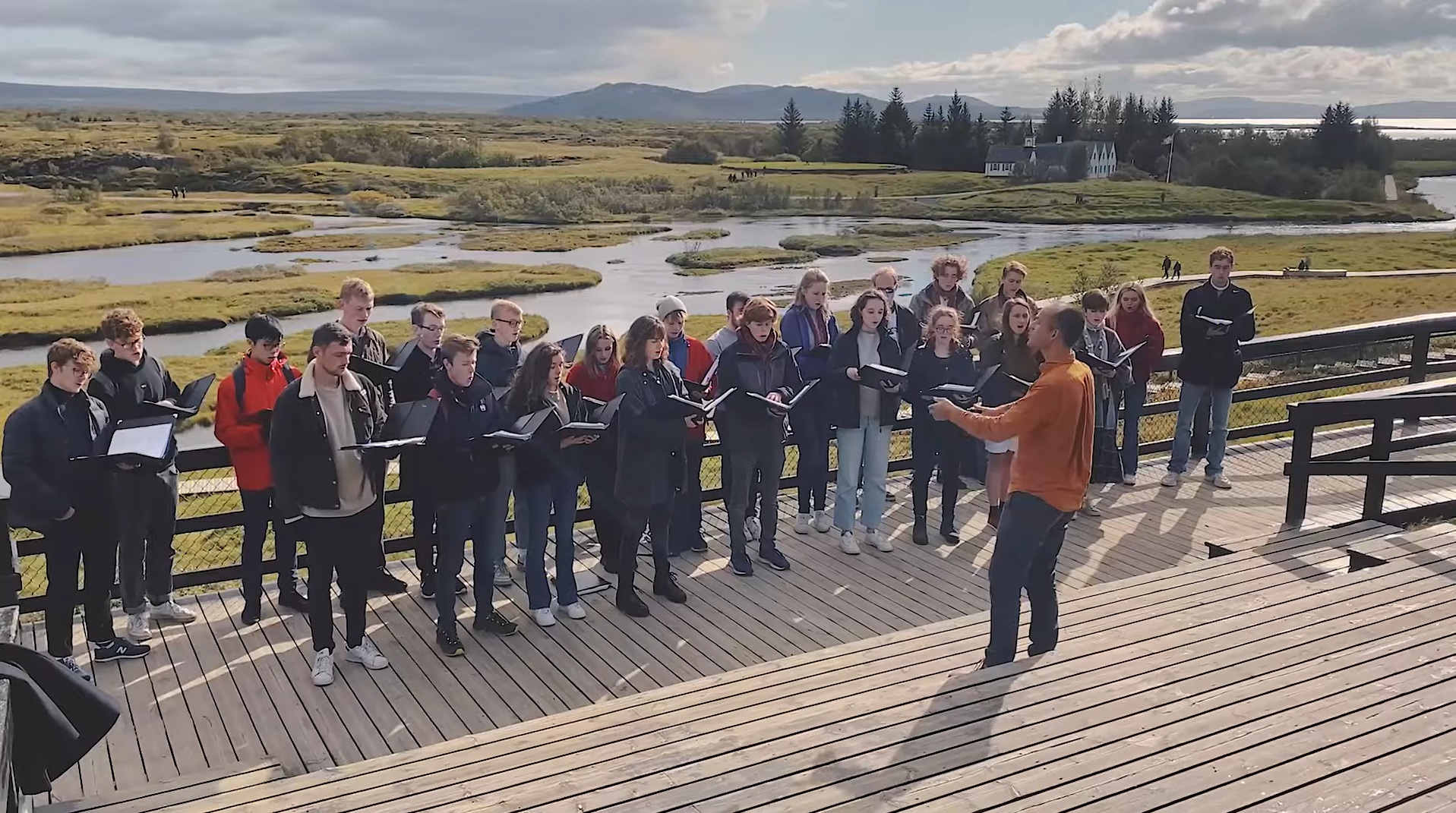
Click image

History of Western Civilization Told Through the Acoustics of its Worship Spaces

Arboreta
#/media/File:Kuznetsov_003.jpg)
“On Holiday (Girl resting on the grass)” 1879 Kuznetsov Nikolai Dmitrievich
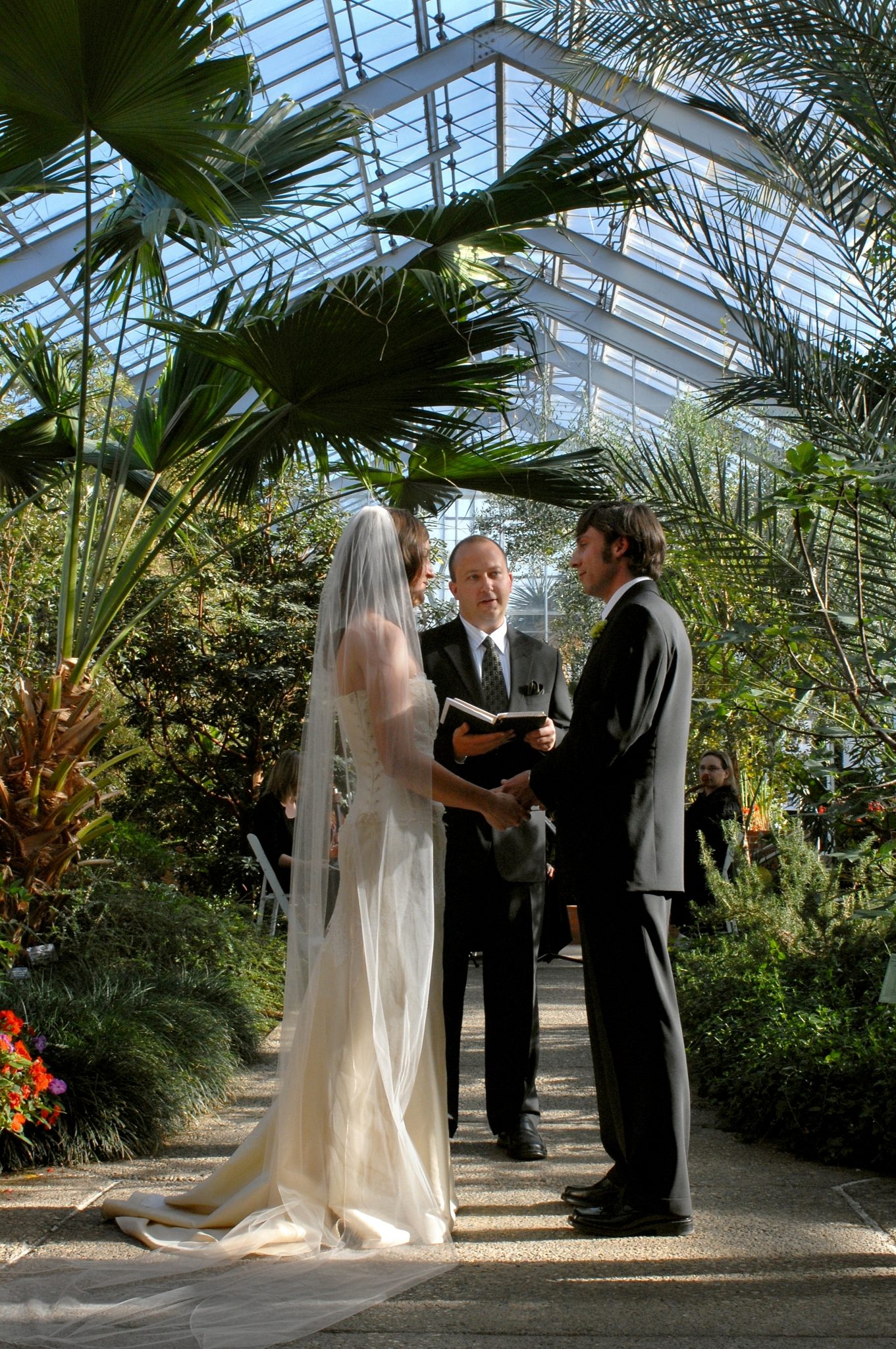
University of Michigan Matthaei Botanical Gardens
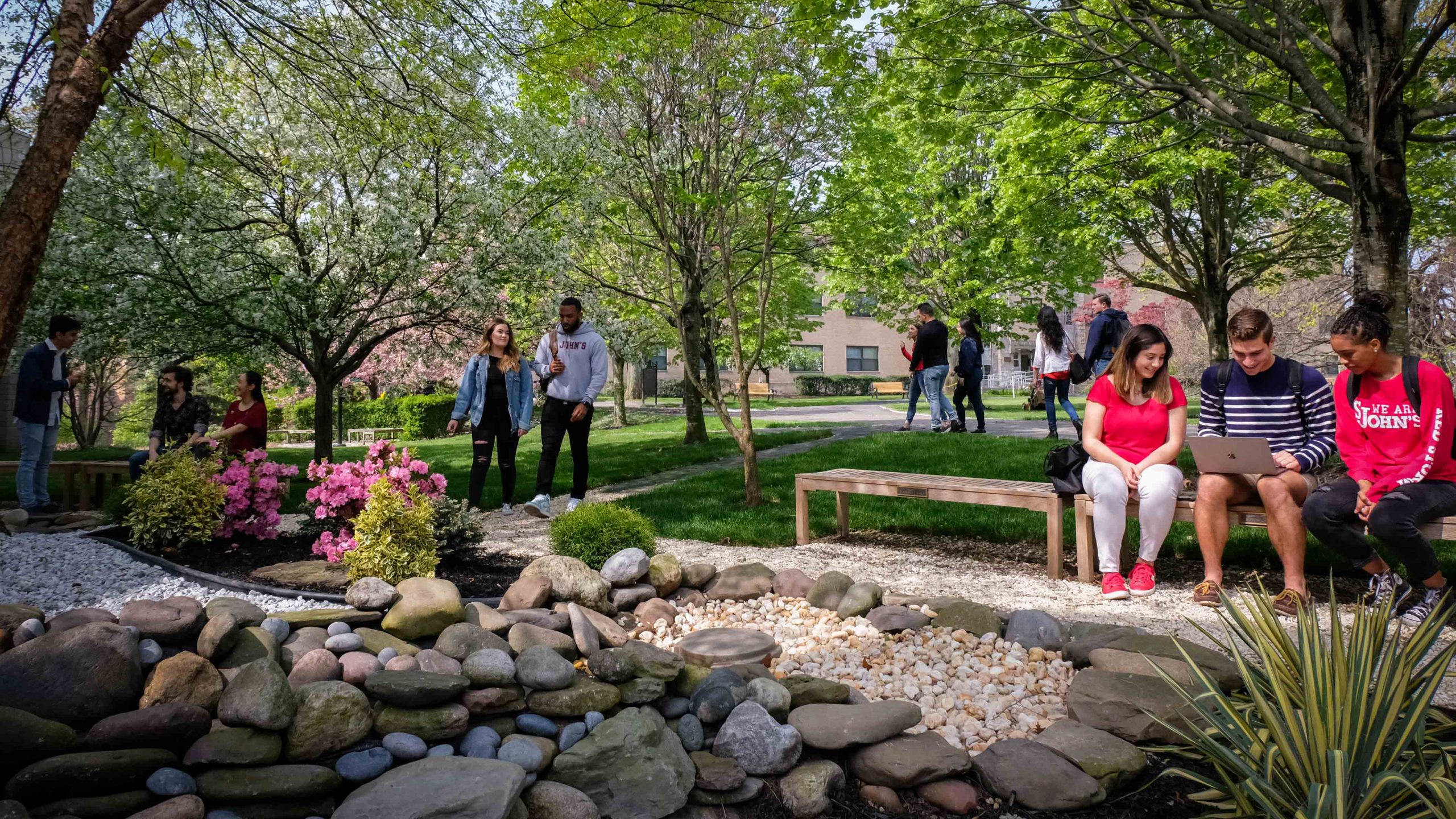
St. John’s University
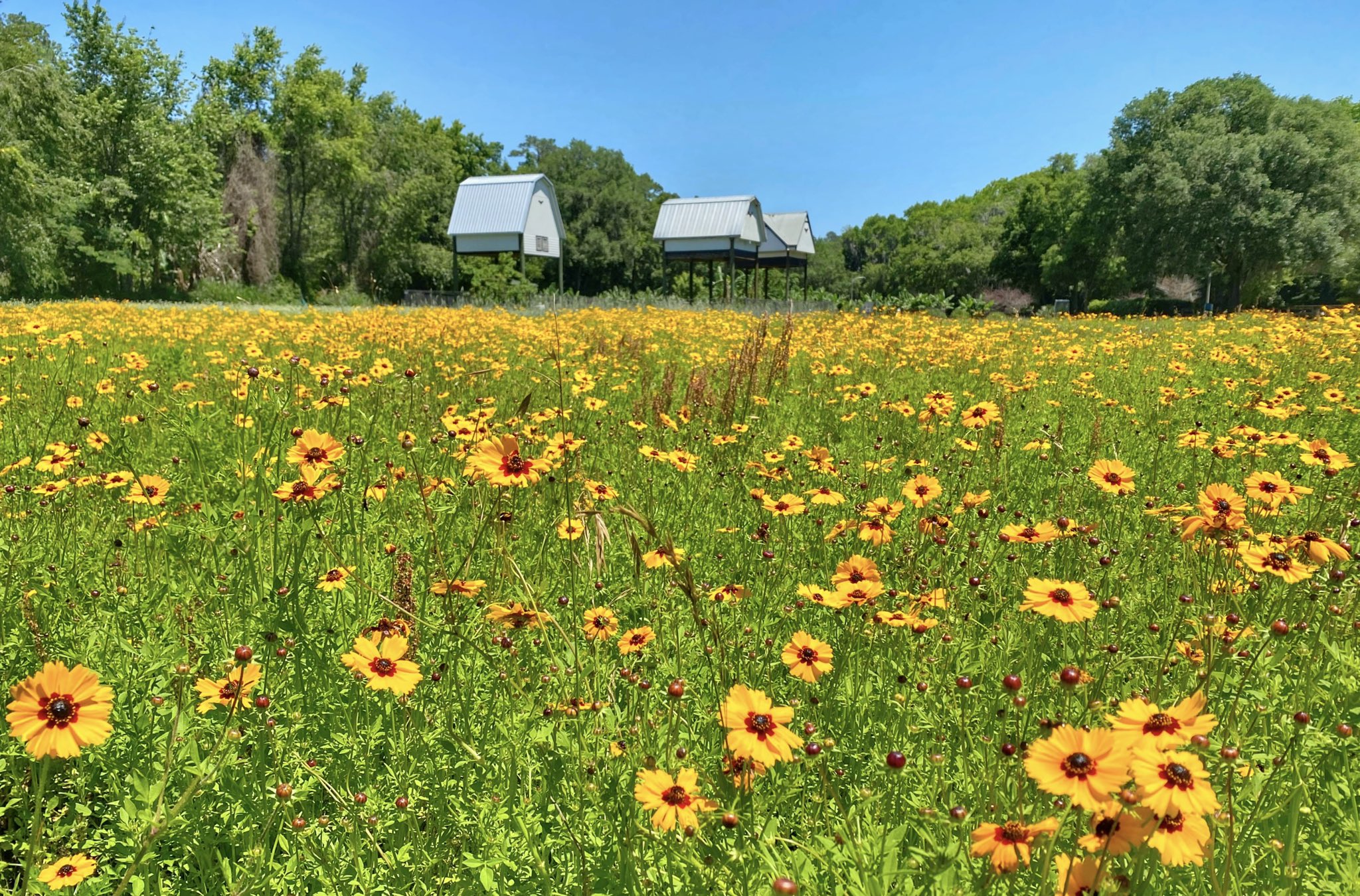
University of Florida

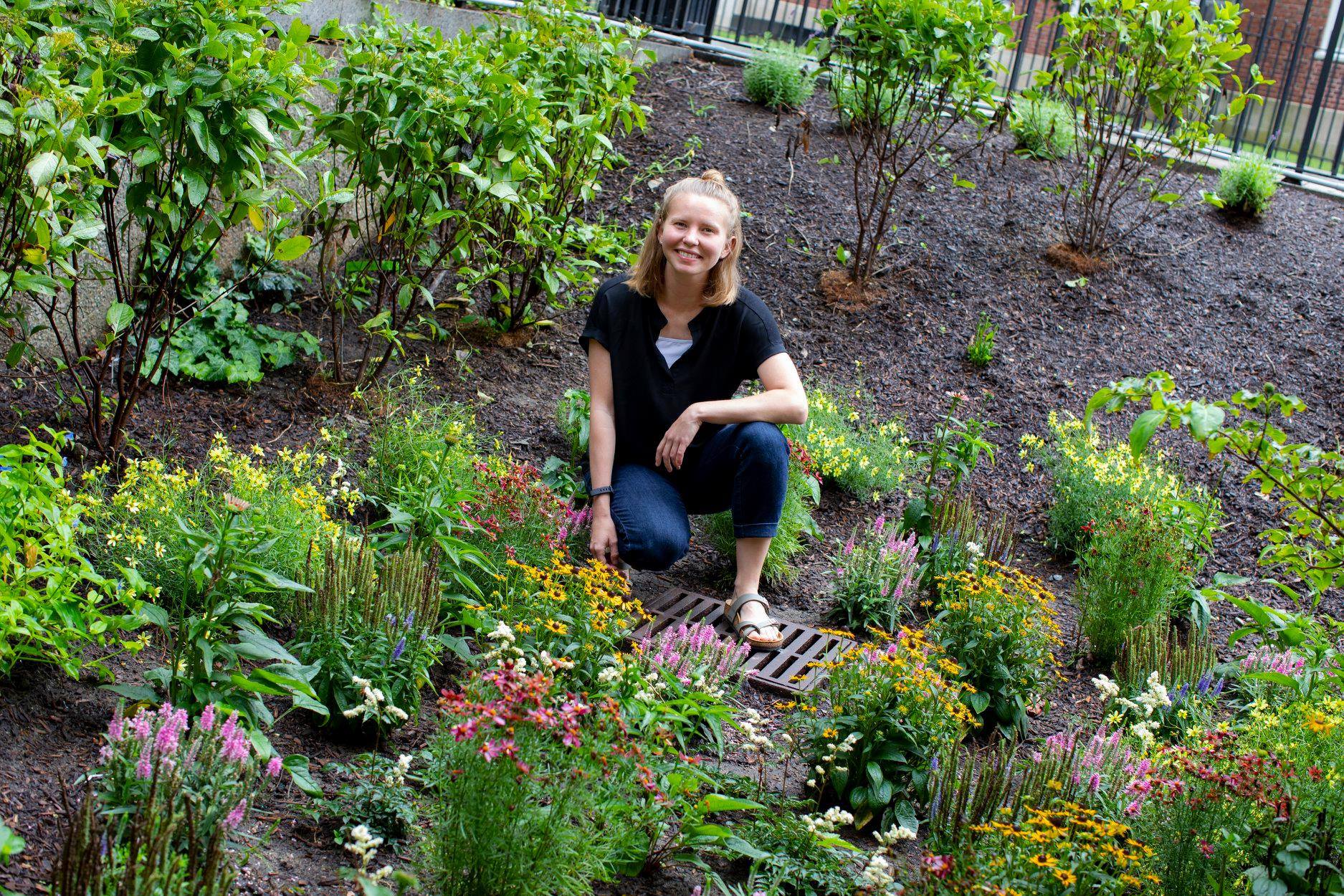
Harvard University
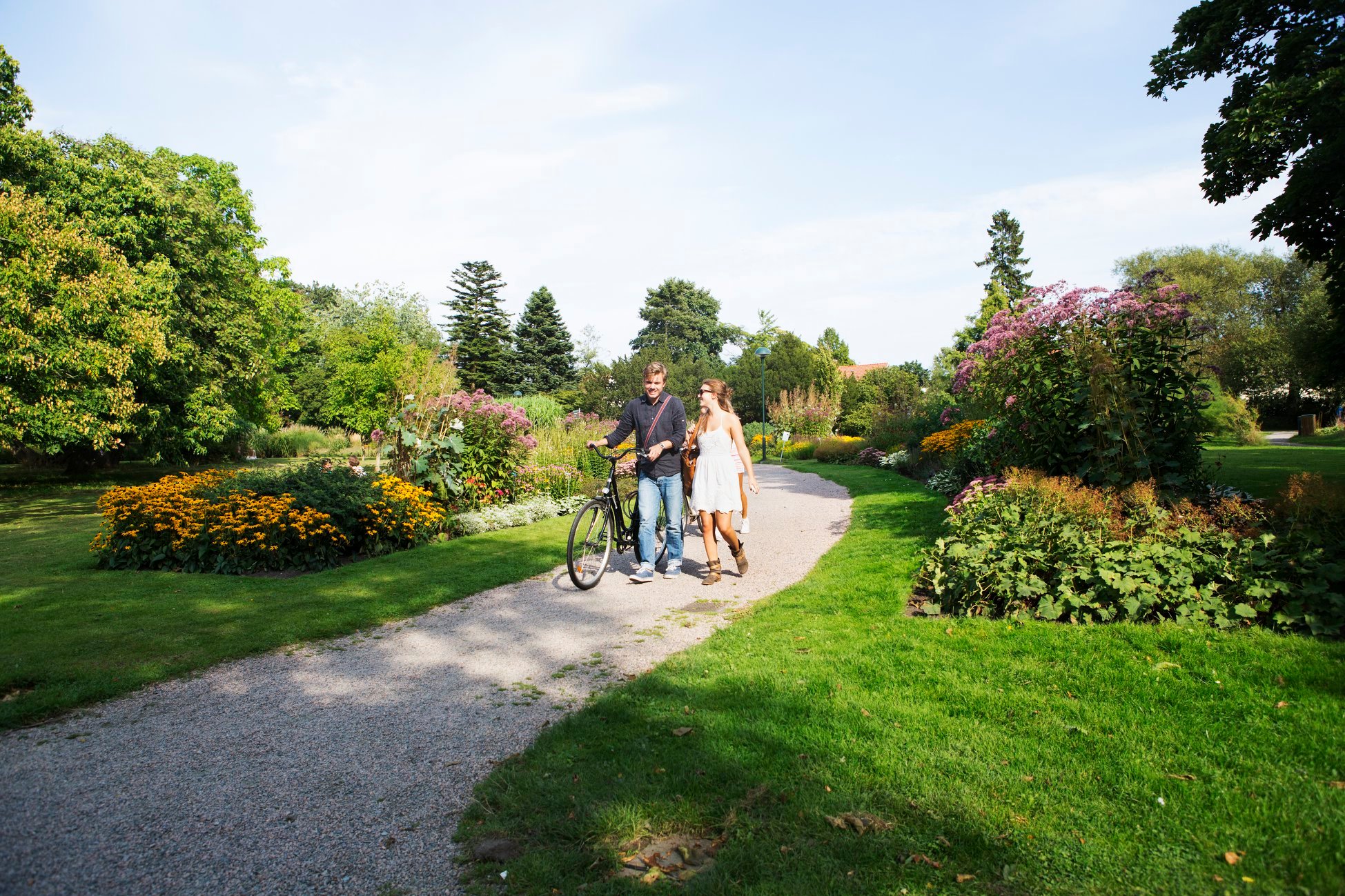
Lunds universitet Scania

Swarthmore College Pennsylvania
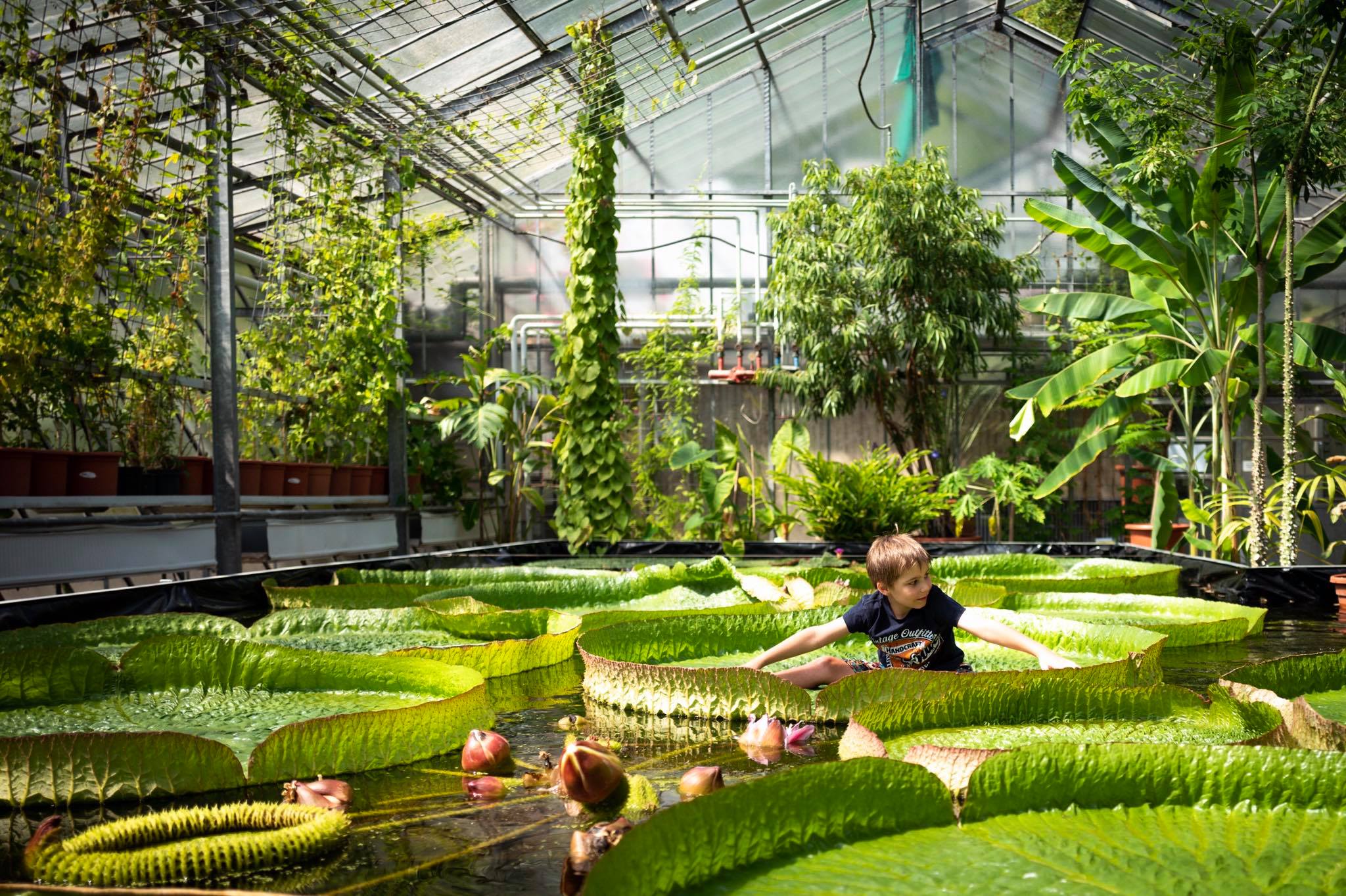
Ruhr-Universität Bochum
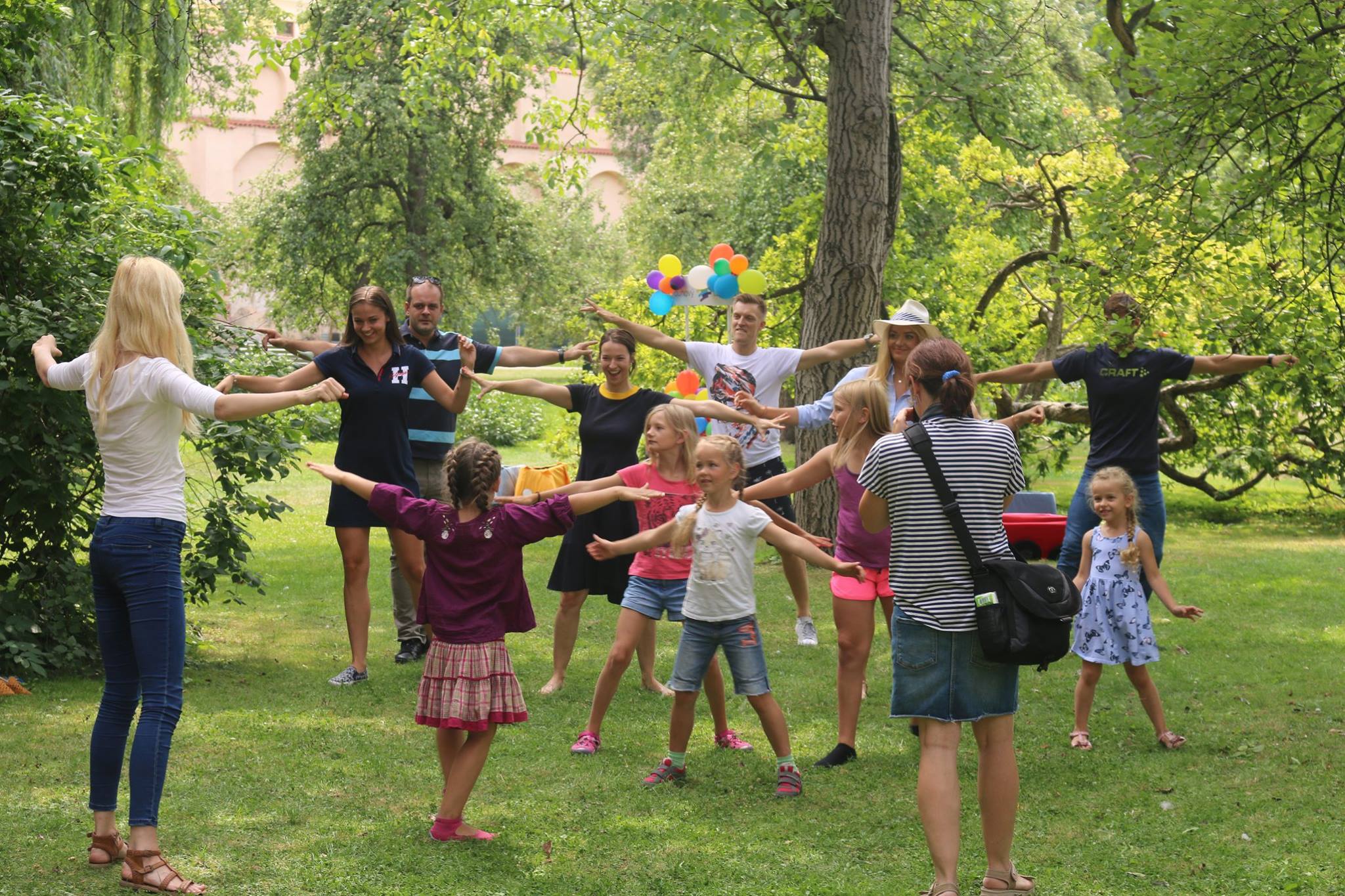
Anglo-americká vysoká škola, z.ú. Czech Republic
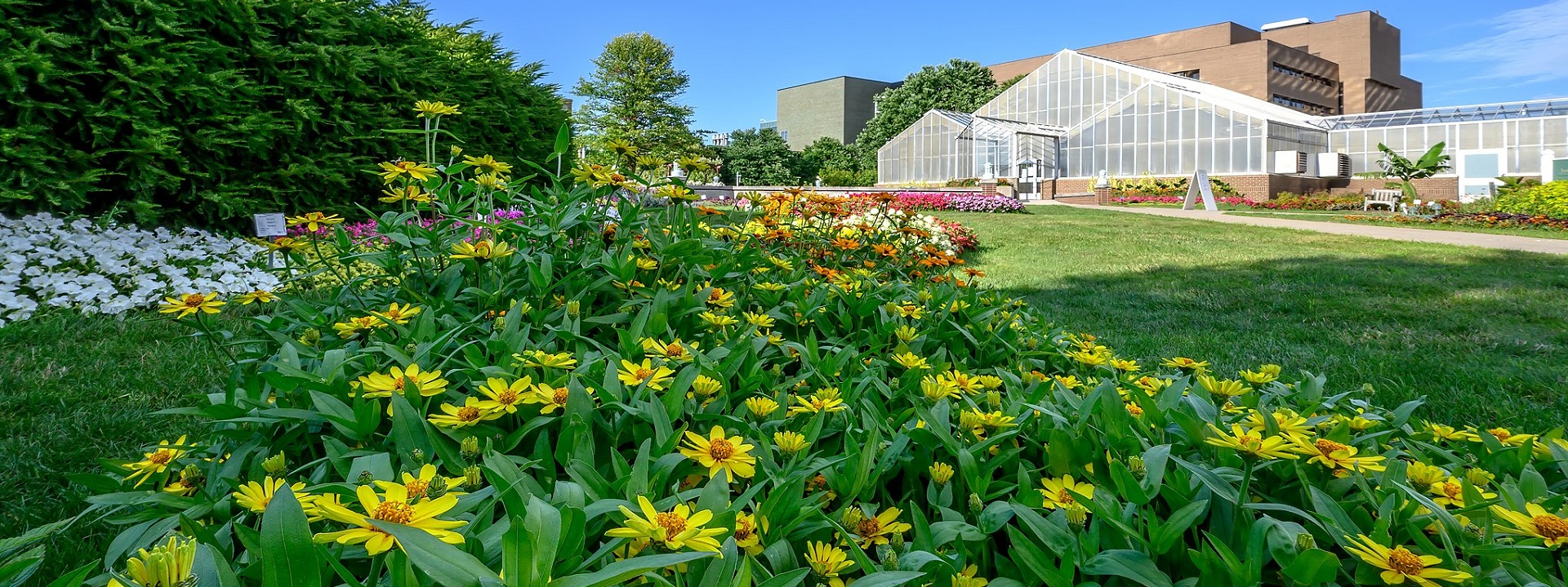
Michigan State University
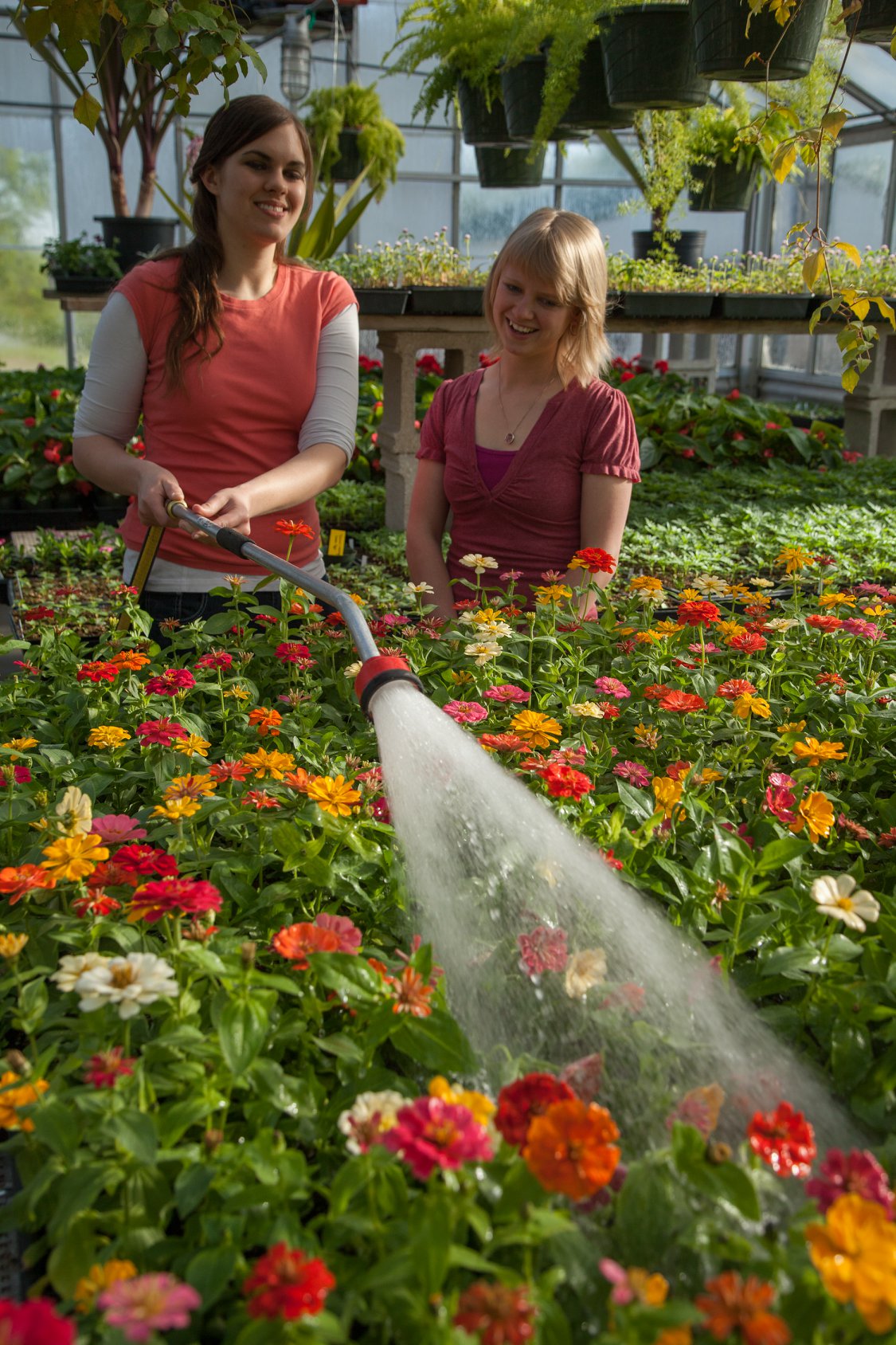
University of the Ozarks
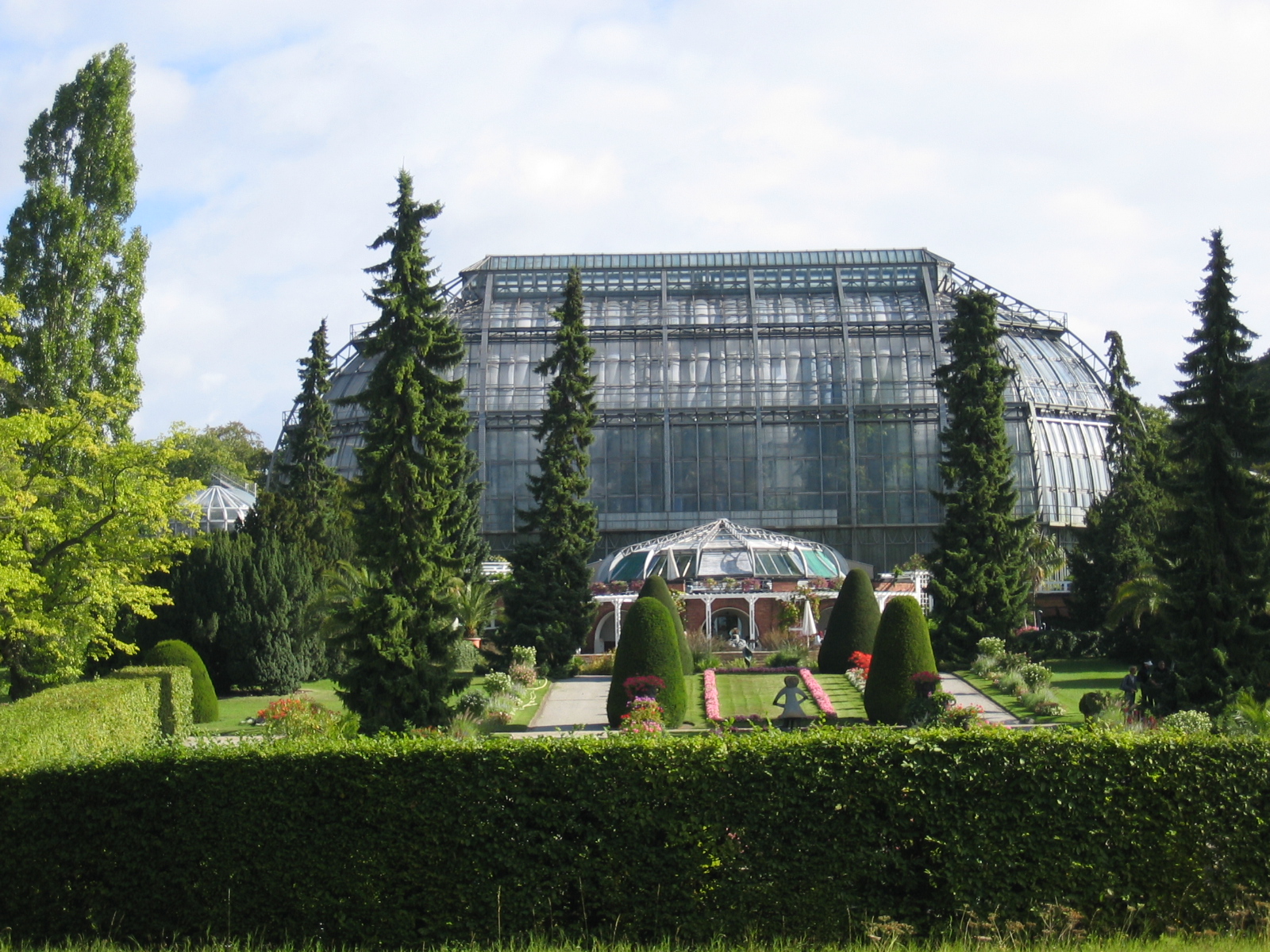
Freie Universität Berlin
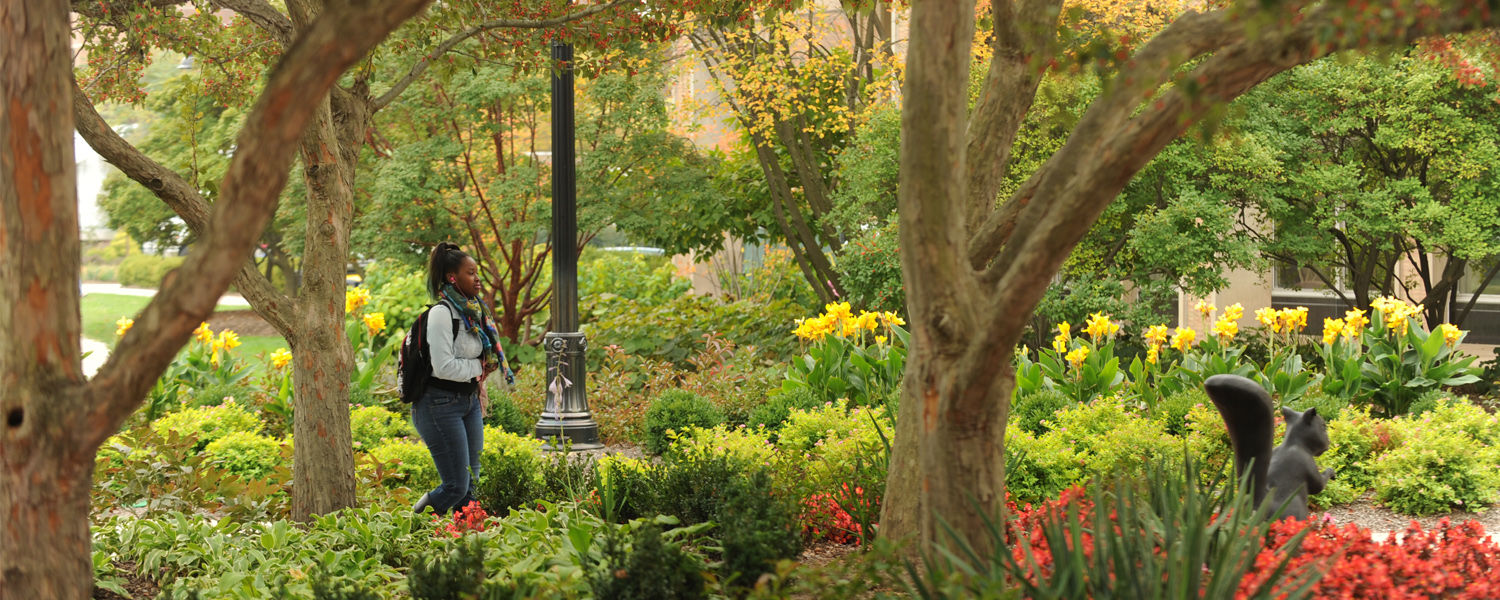
Kent State University
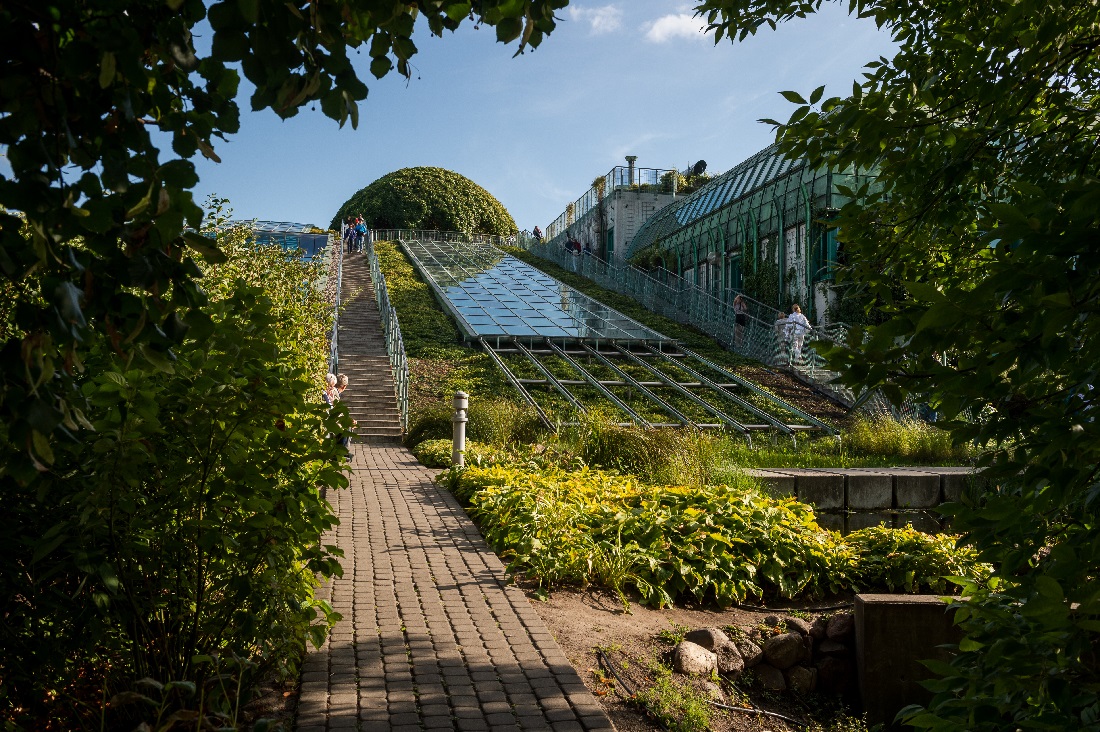
Uniwersytet Warszawski
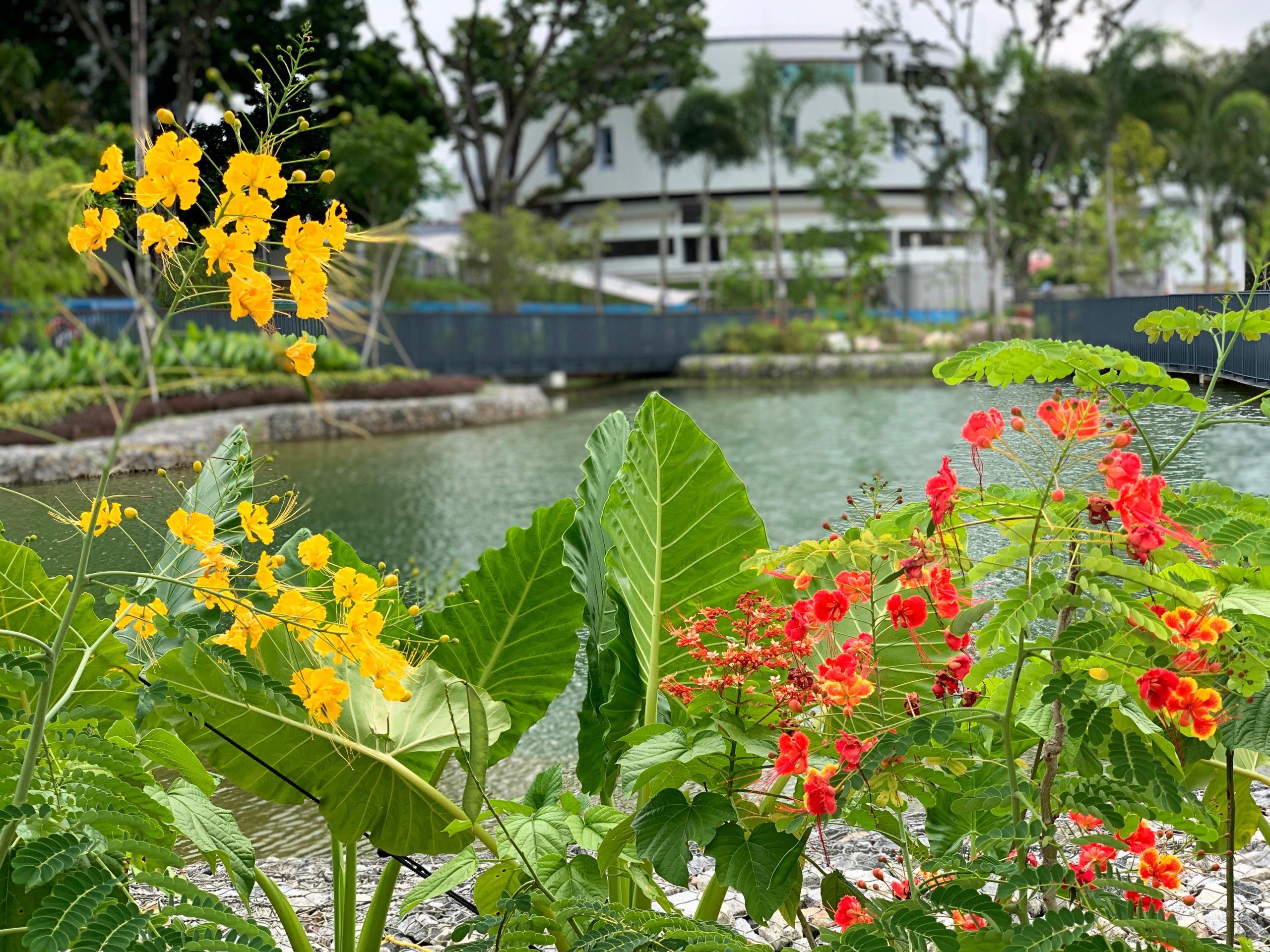
Nanyang Technological University, Singapore
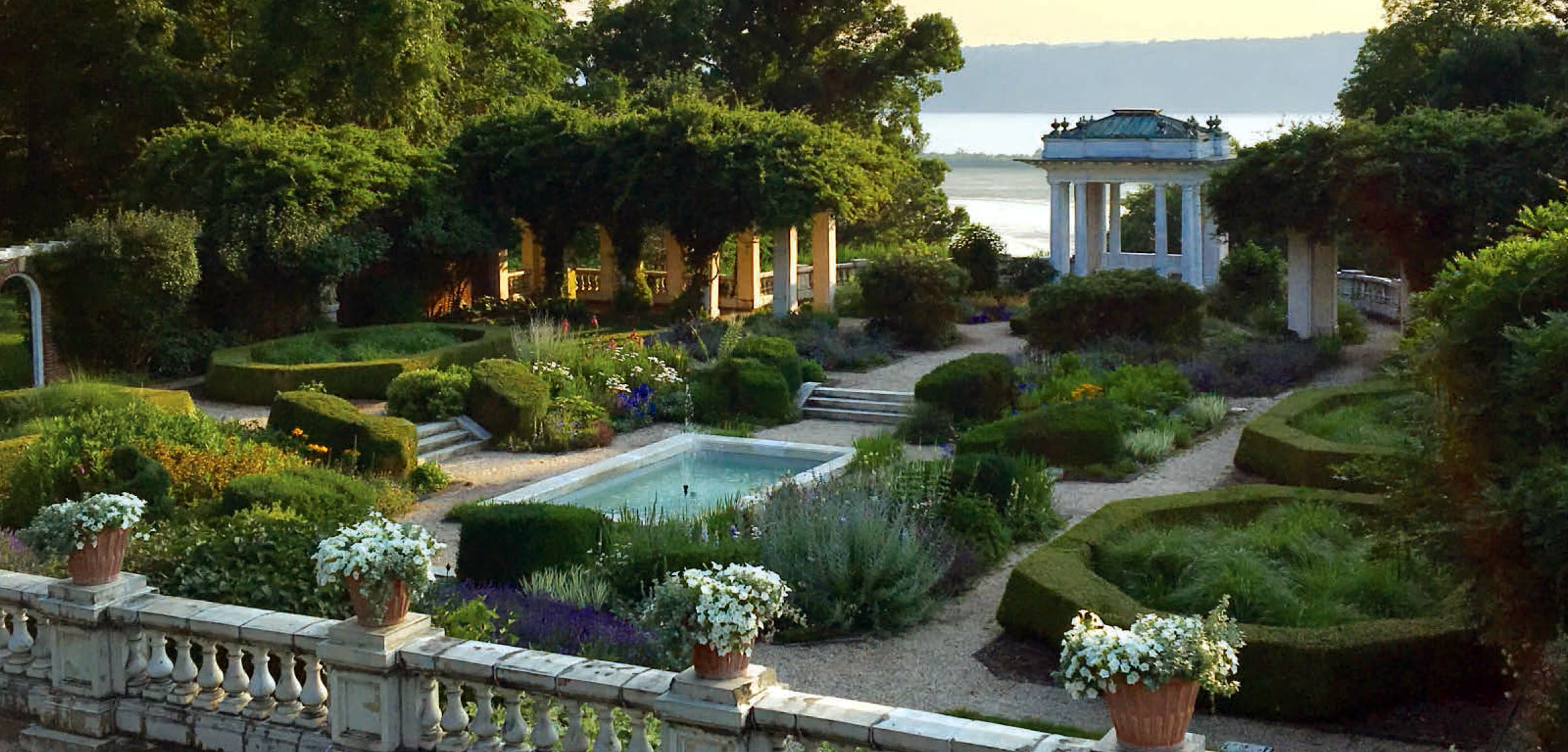
Bard College / New York
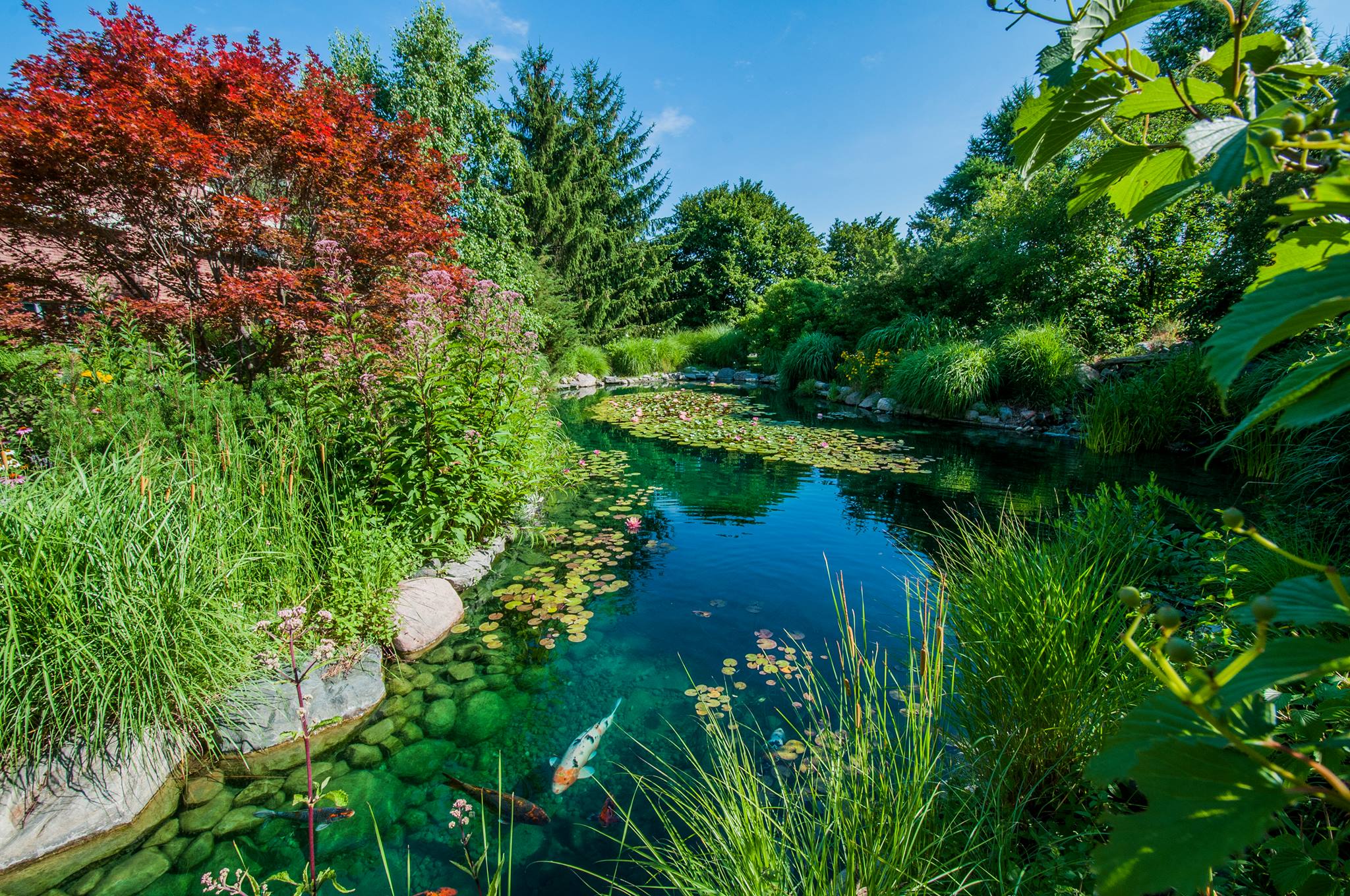
Michigan State University Healing Garden

Japanese Garden | Normandale Community College Minnesota

东北师范大学 | Northeast Normal University | Changchun, Jilin, China
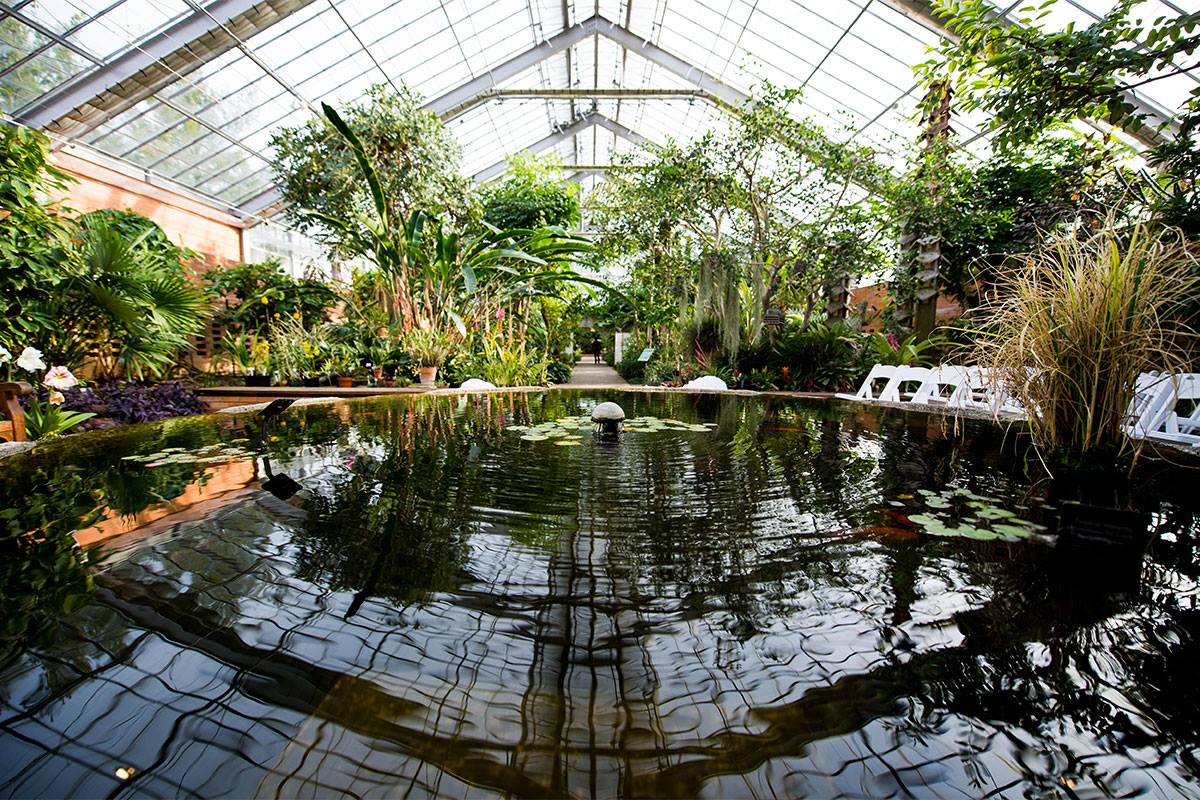
University of Michigan | Matthaei Botanical Gardens
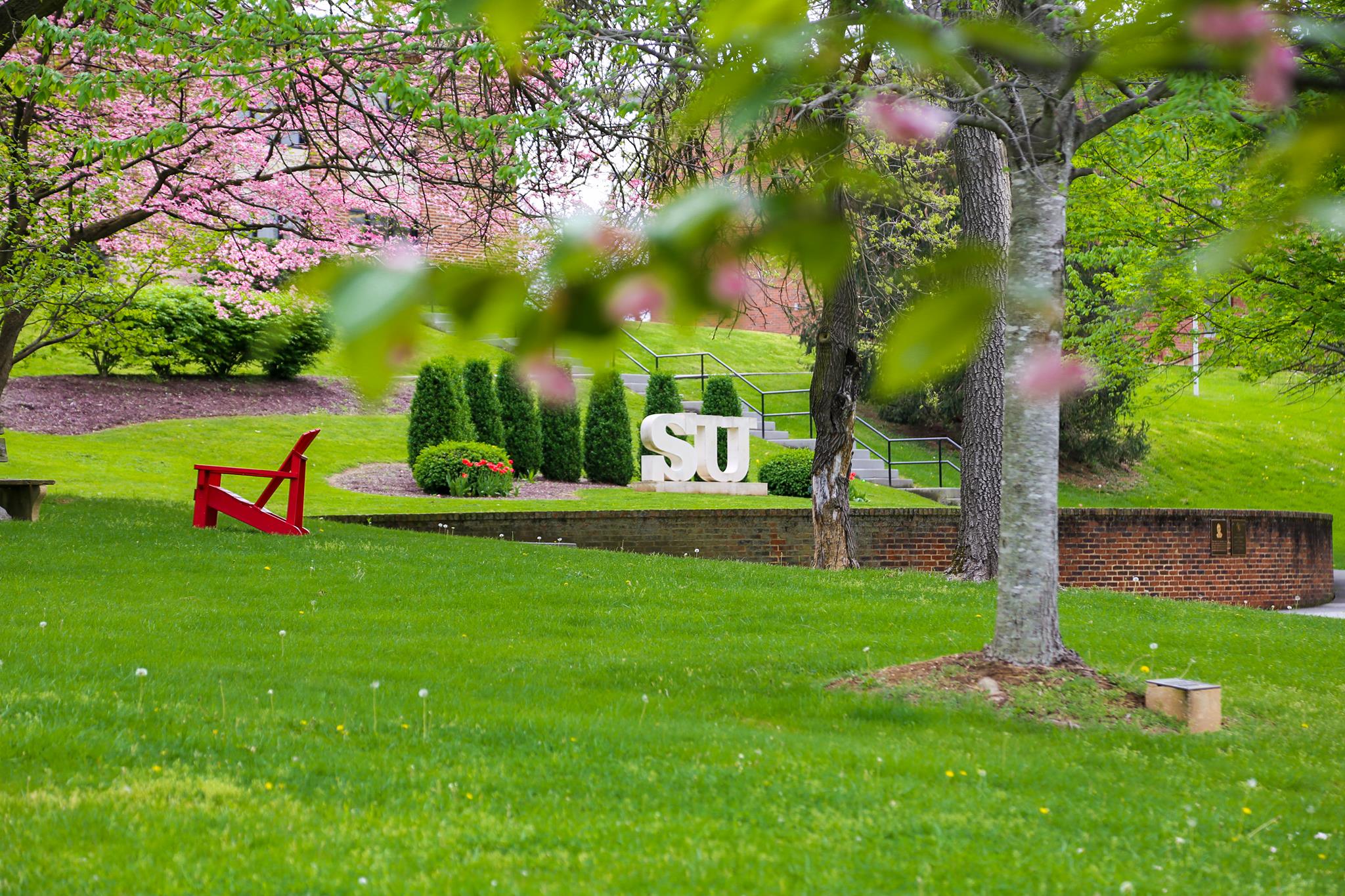
Shenandoah University | Winchester, Virginia
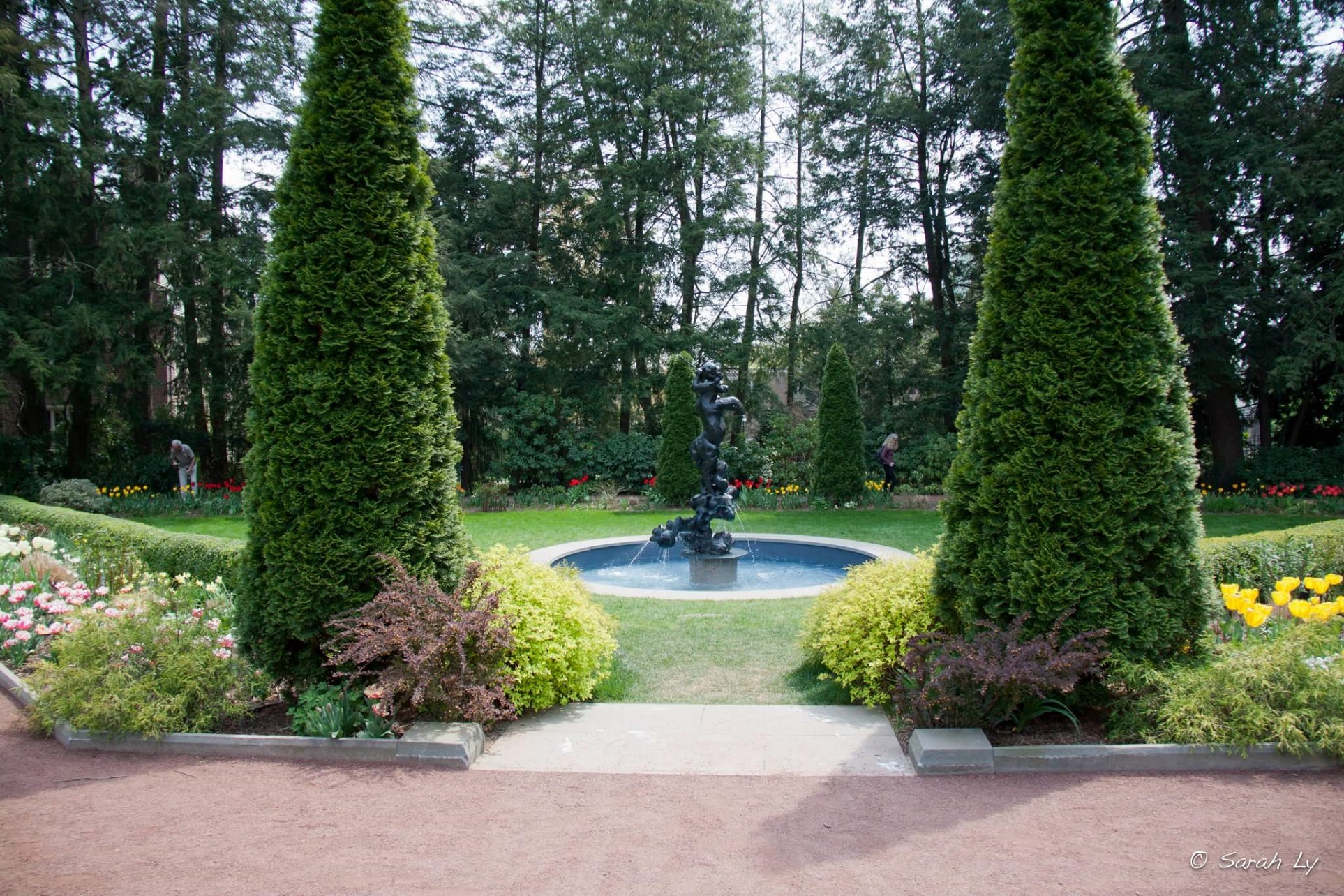
Princeton University Secret Garden | Photo by Sarah Ly
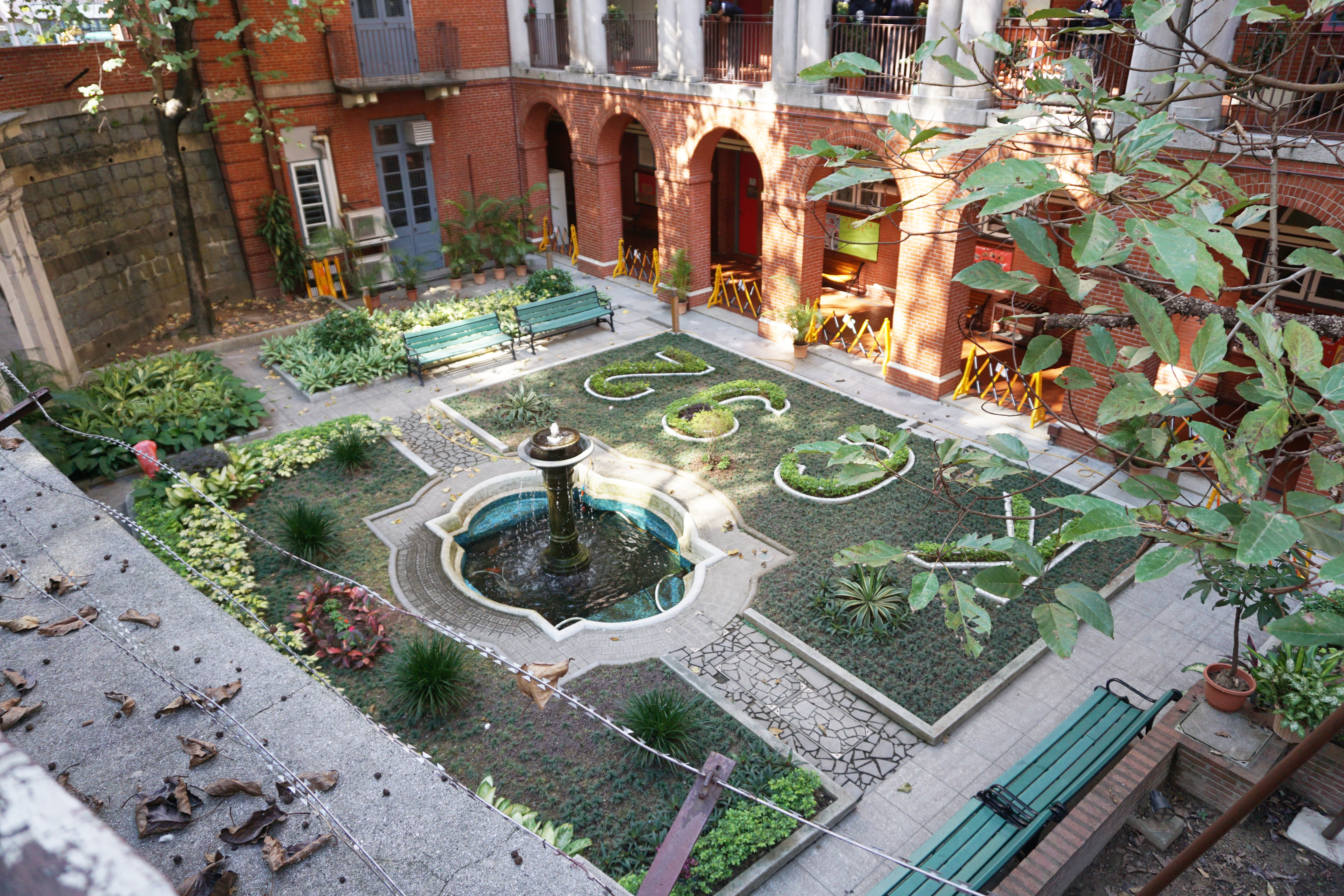
King’s College | London, United Kingdom

École Normale Supérieure | Paris, France
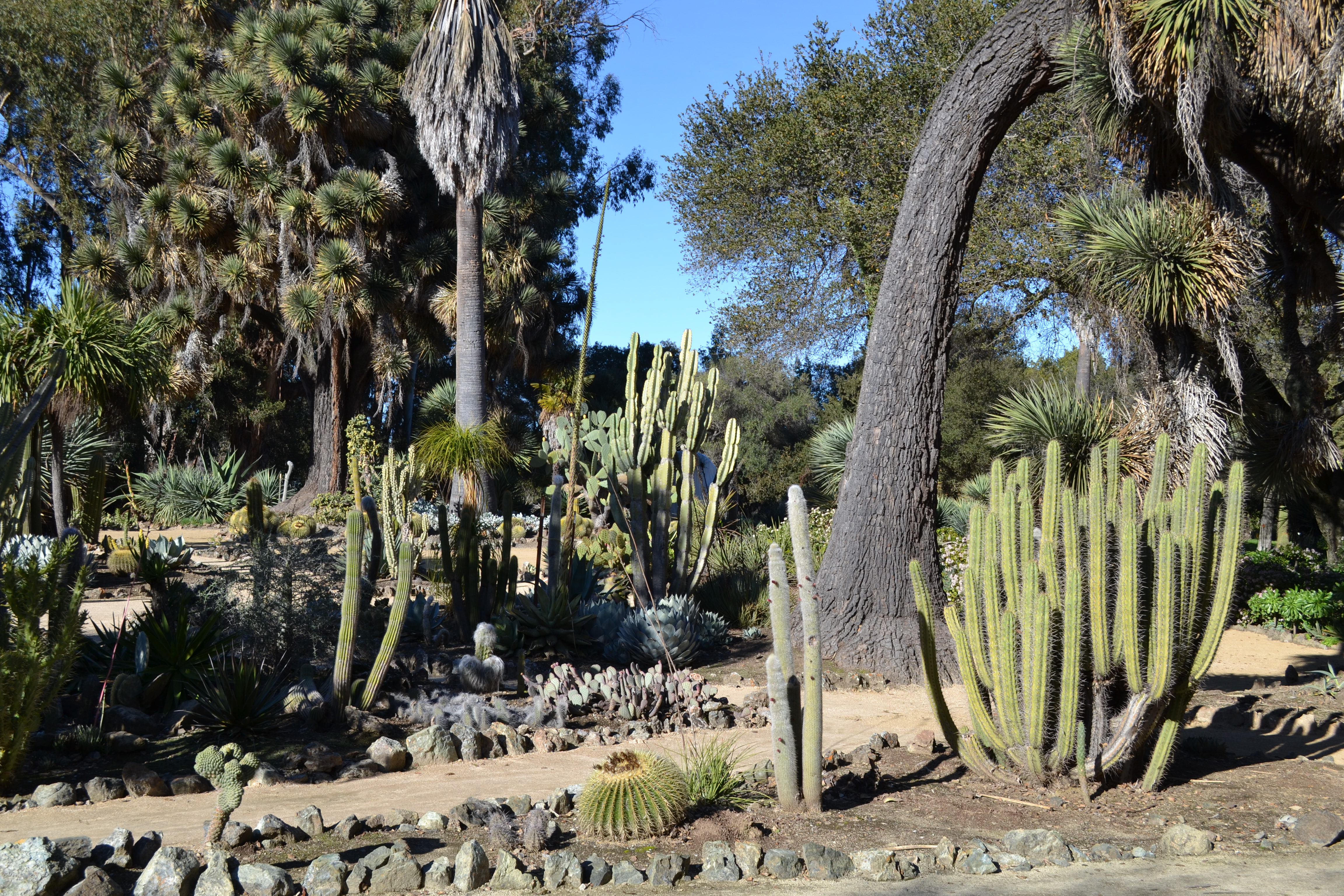
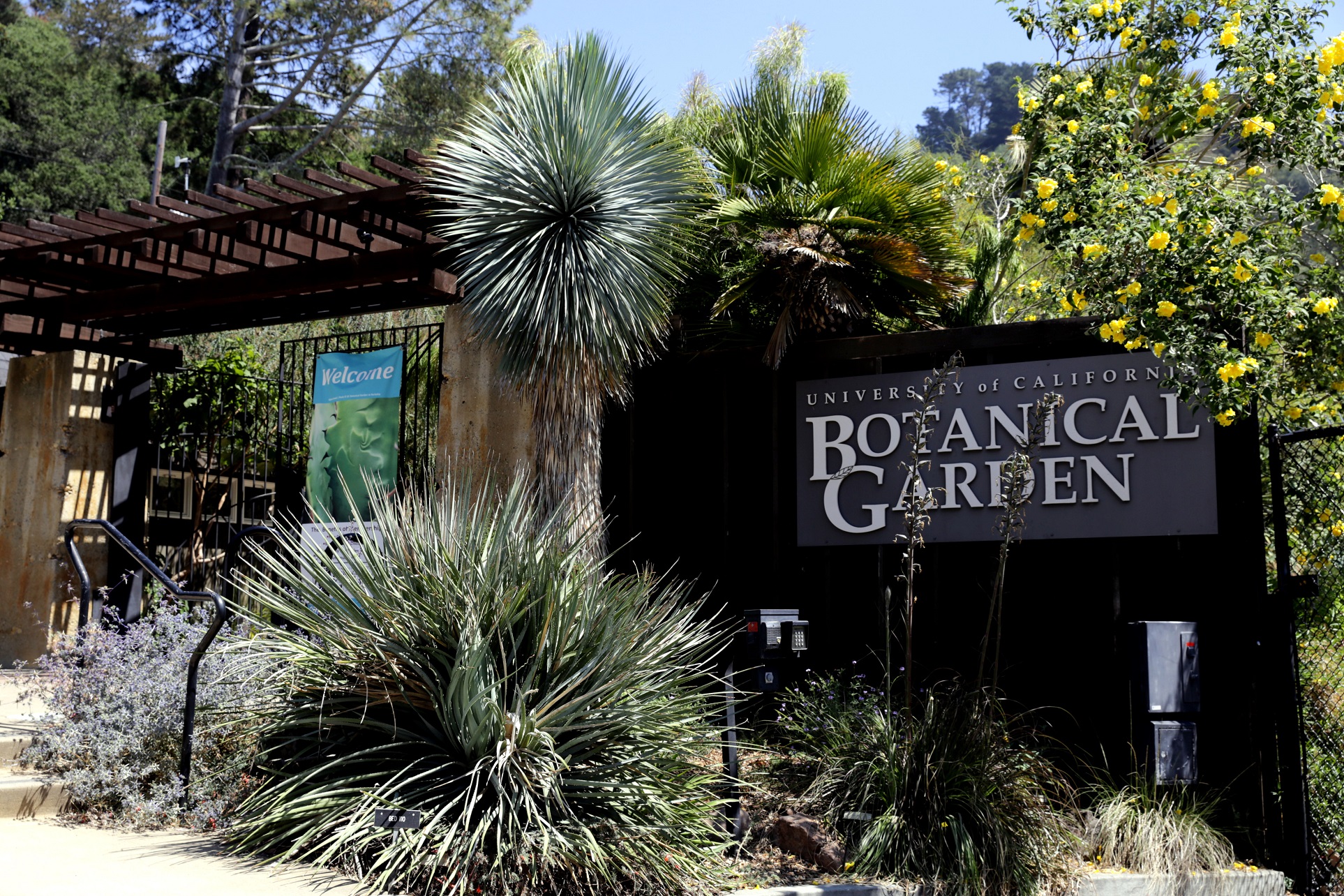
Arizona Cactus Garden | Stanford University
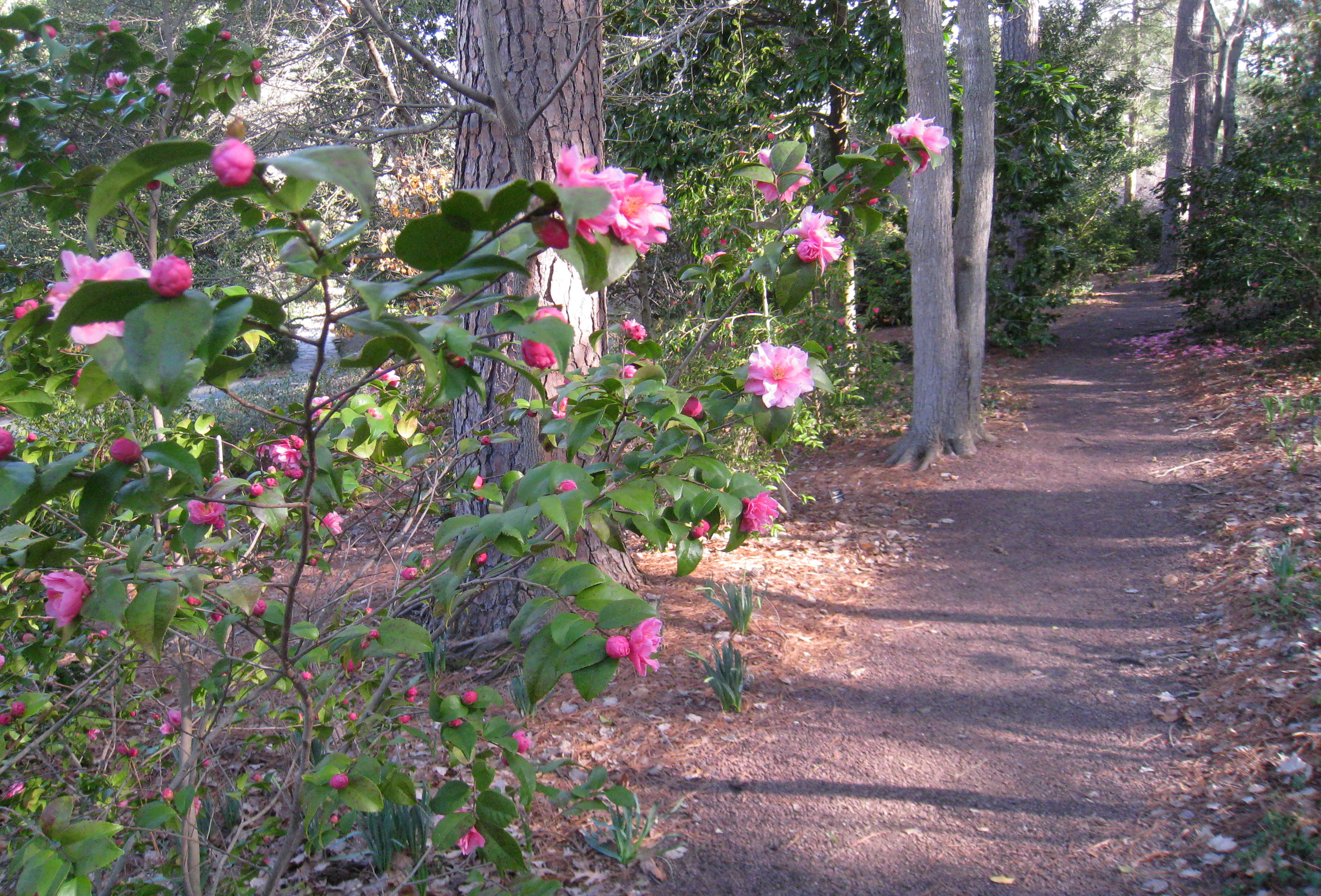
Duke University / North Carolina

Oxford University
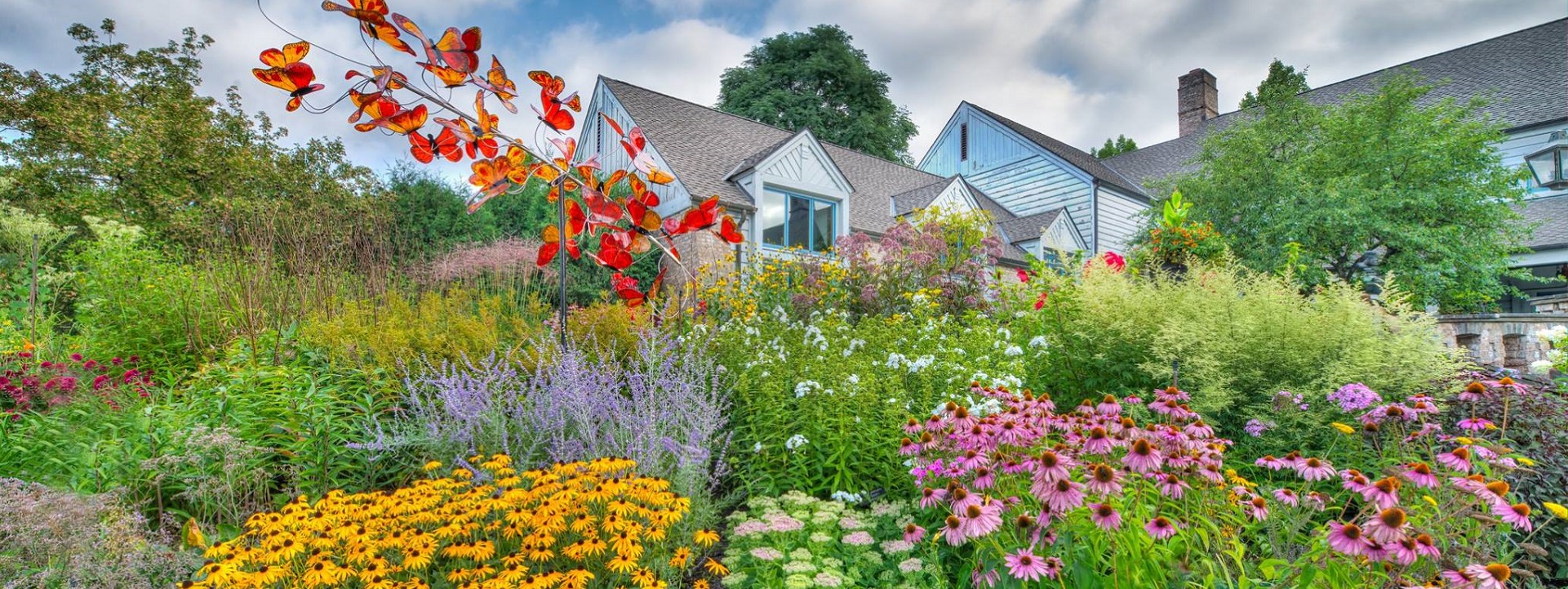
University of Minnesota Landscape Arboretum

University of Helsinki Botanical Garden
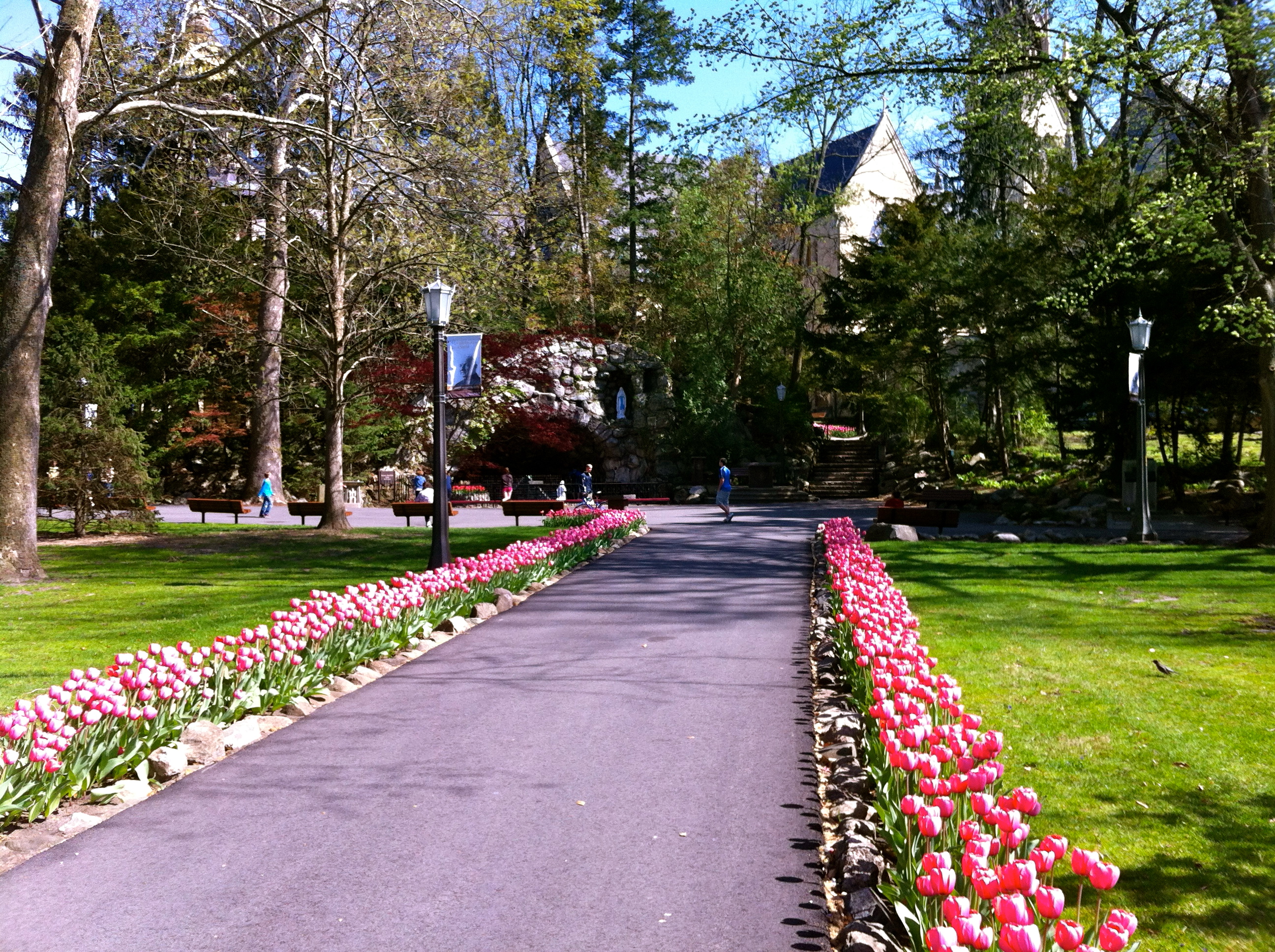
University of Notre Dame / South Bend, Indiana
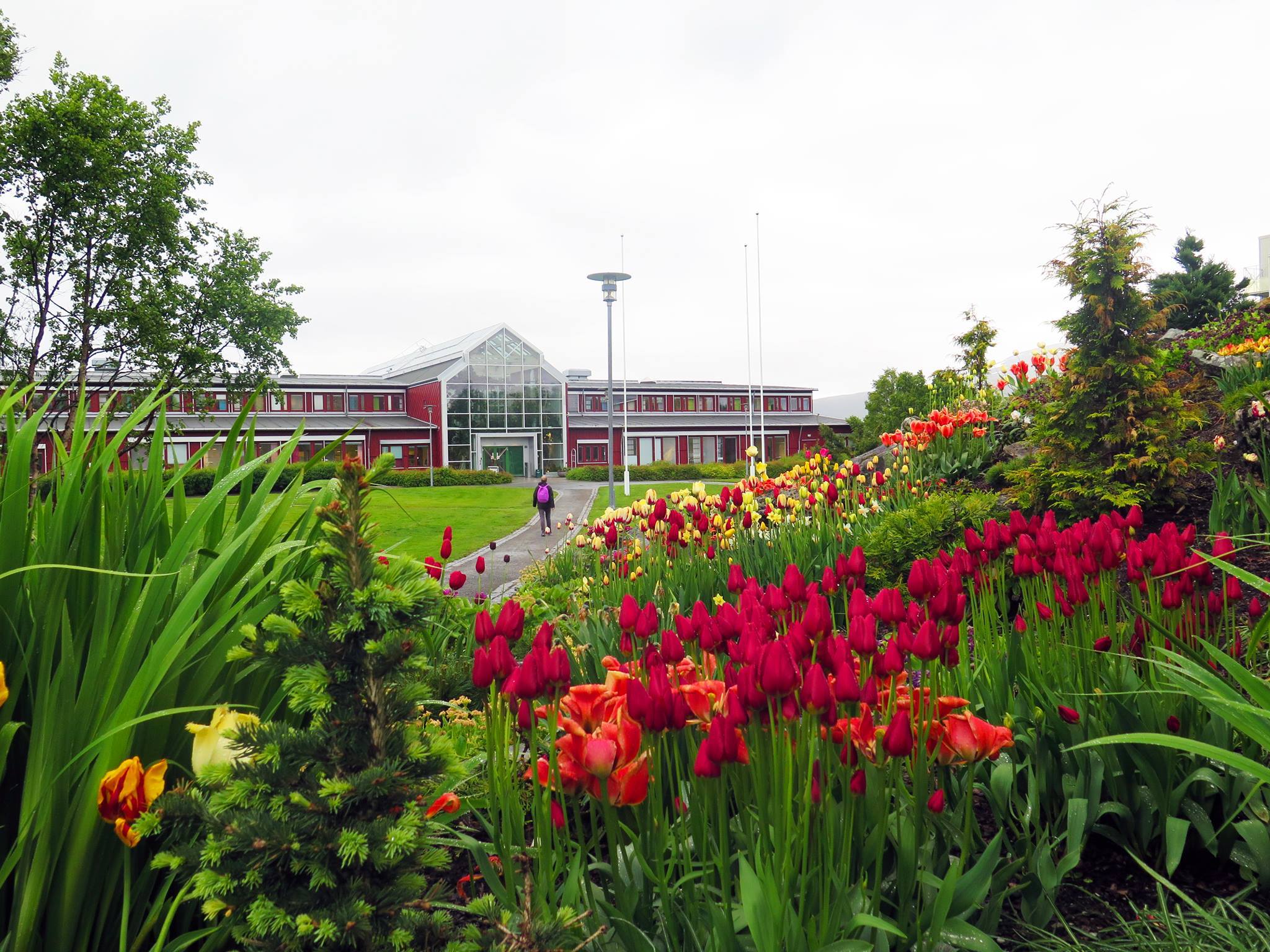
University of Tromsø the Arctic University of Norway
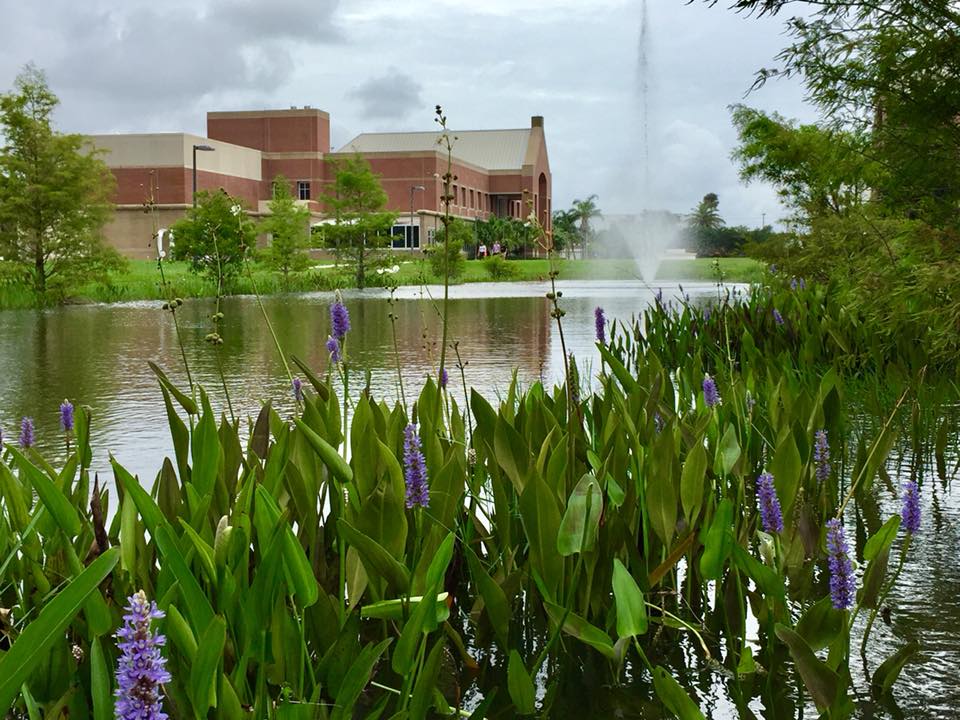
Florida Tech Botanical Garden
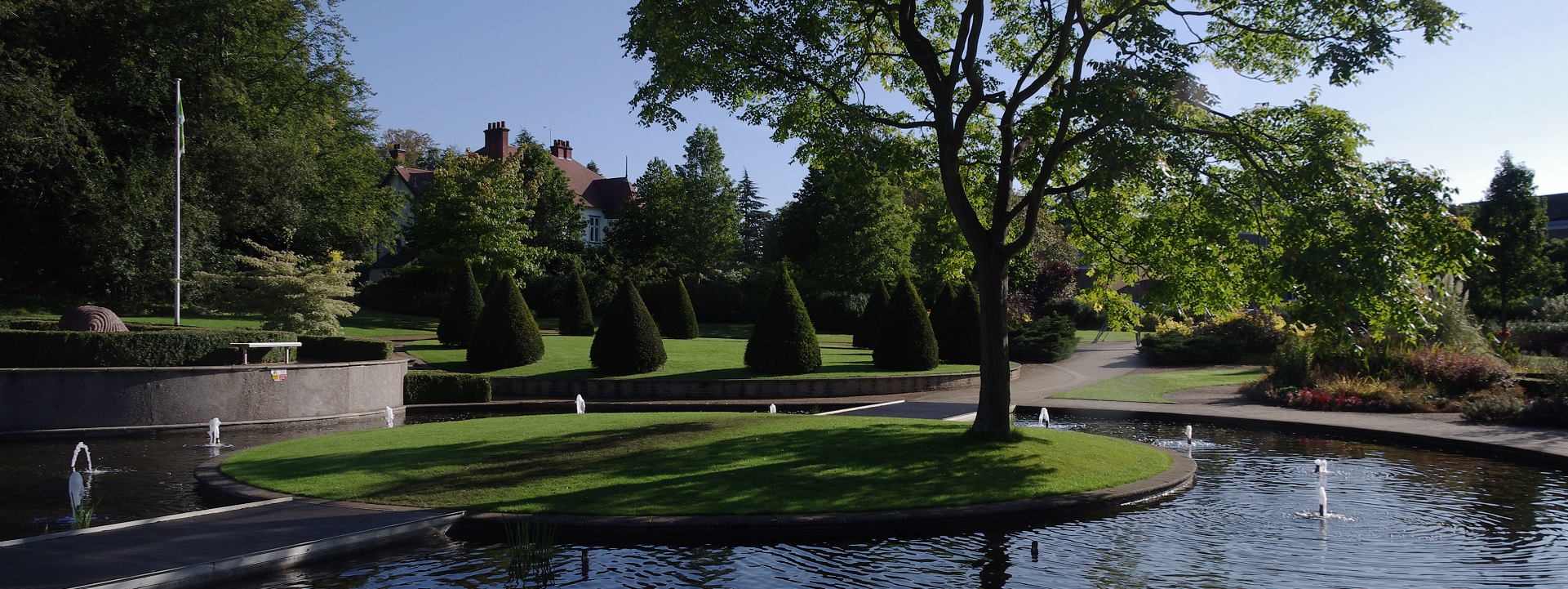
University of Nottingham
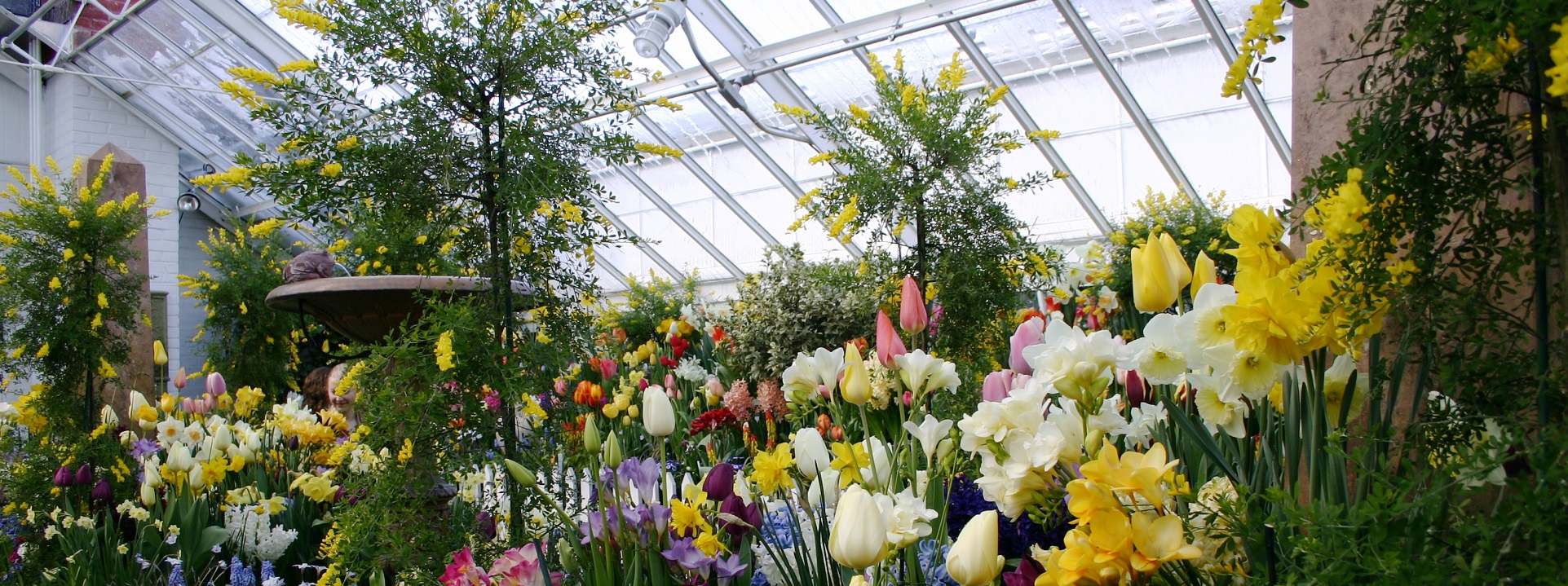
Smith University Botanical Garden
_03.jpg)
Aarhus University | Denmark
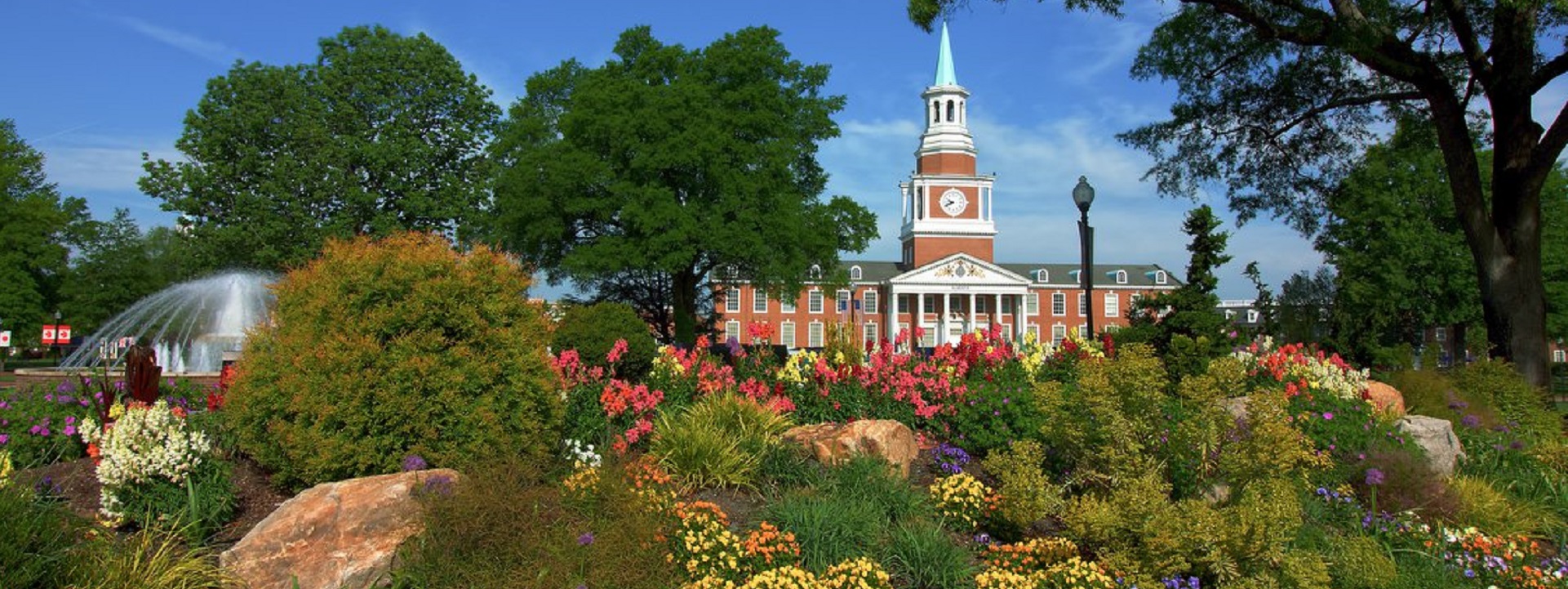
High Point University | North Carolina

Universiteit Stellenbosch | Western Cape, South Africa

Louisiana State University
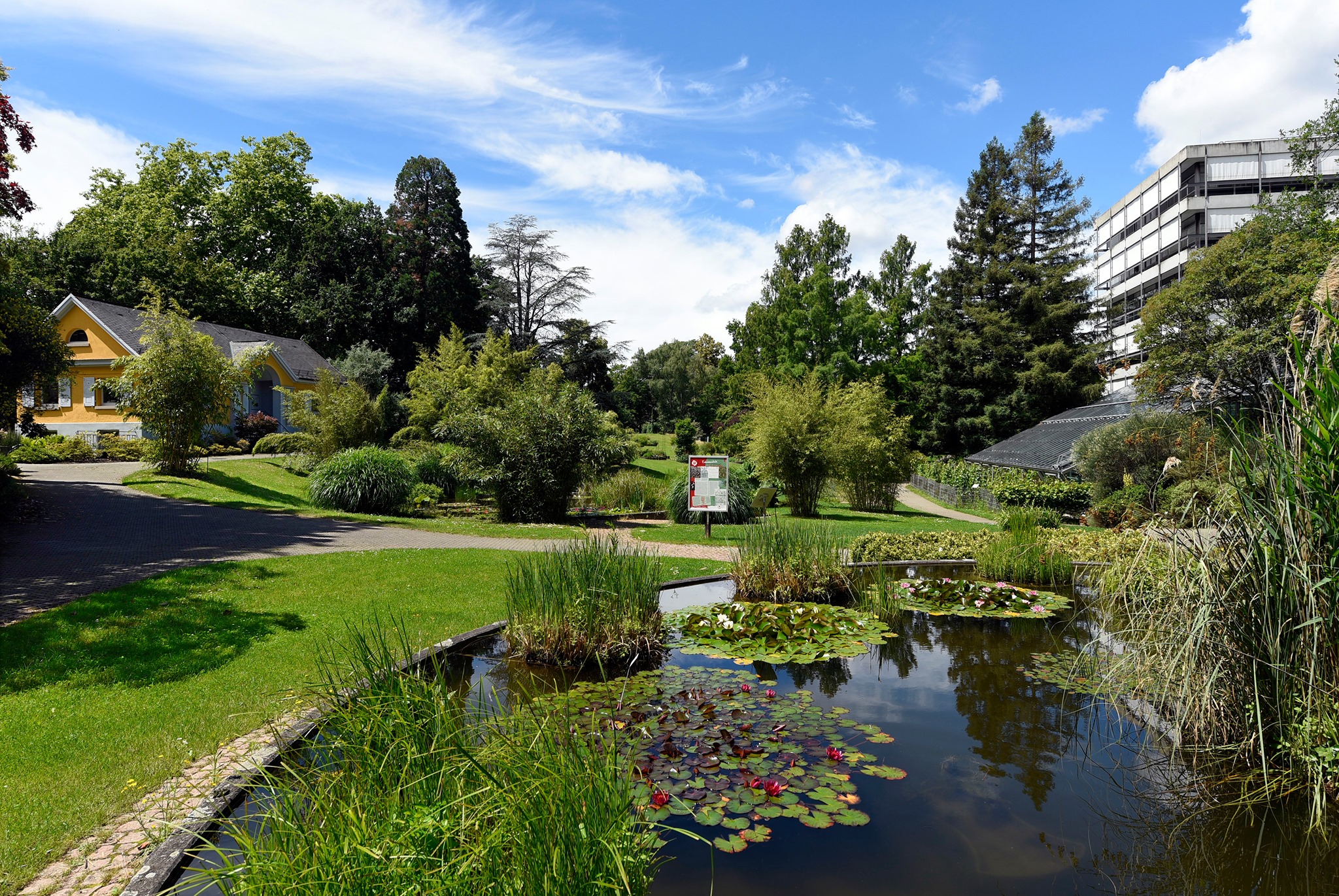
Albert-Ludwigs-Universität Freiburg

Rutgers University
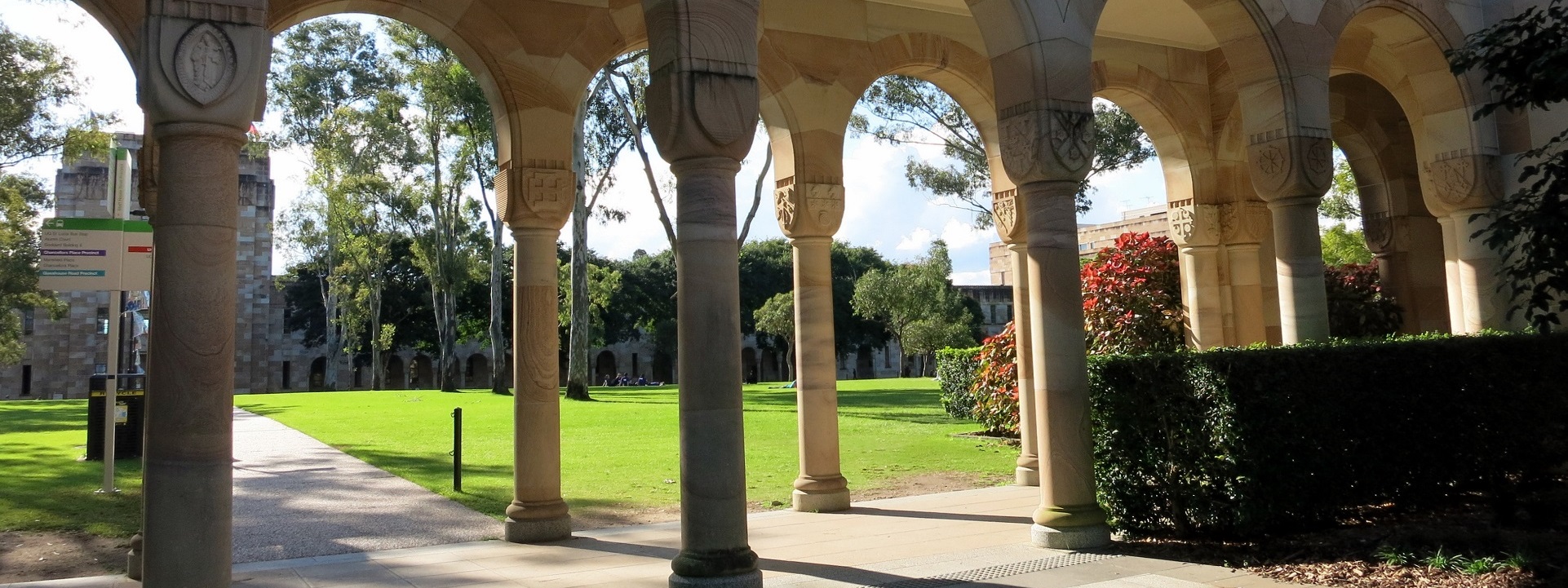
Great Court University of Queensland Australia
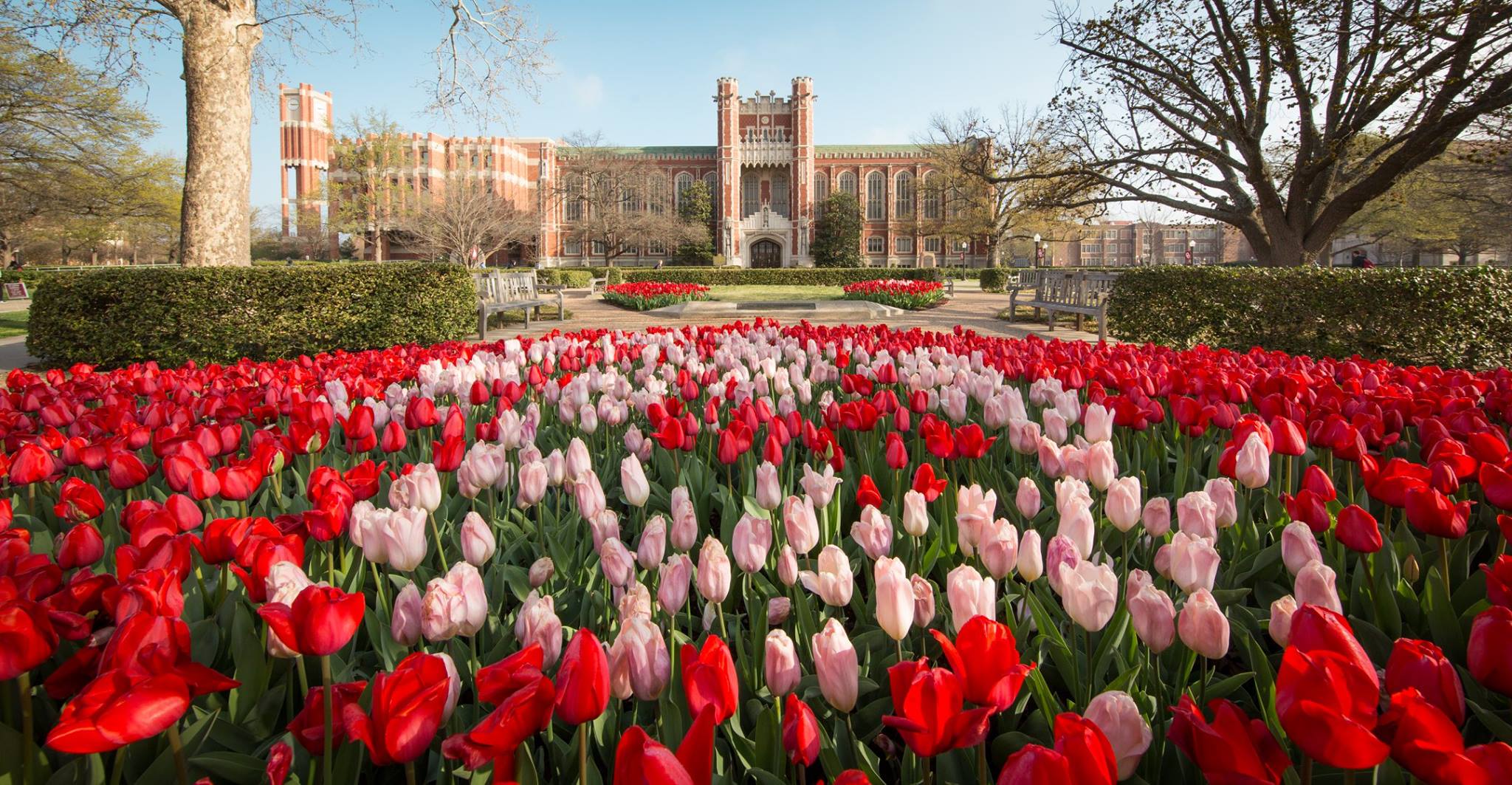
University of Oklahoma
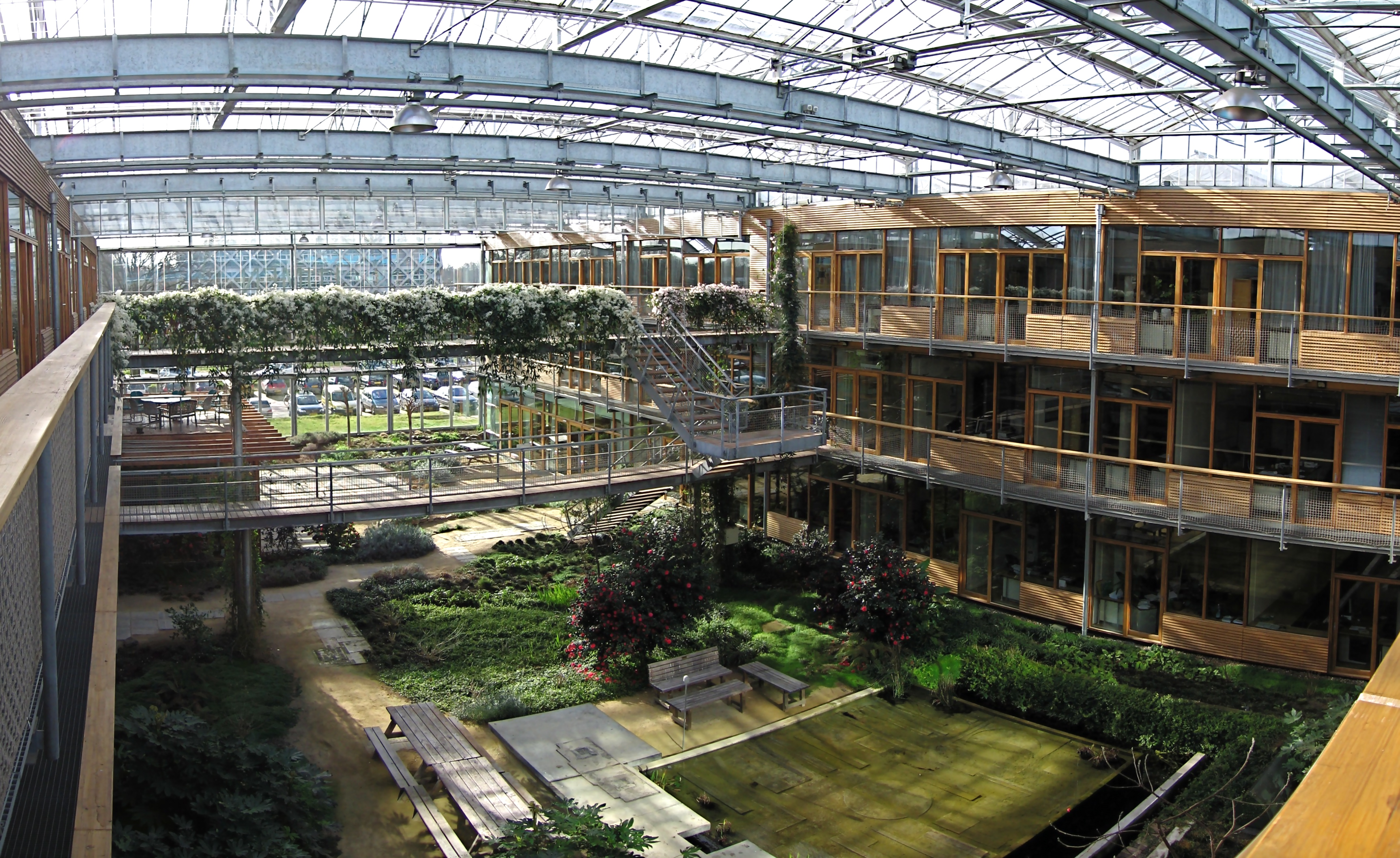
Wageningen University | The Netherlands
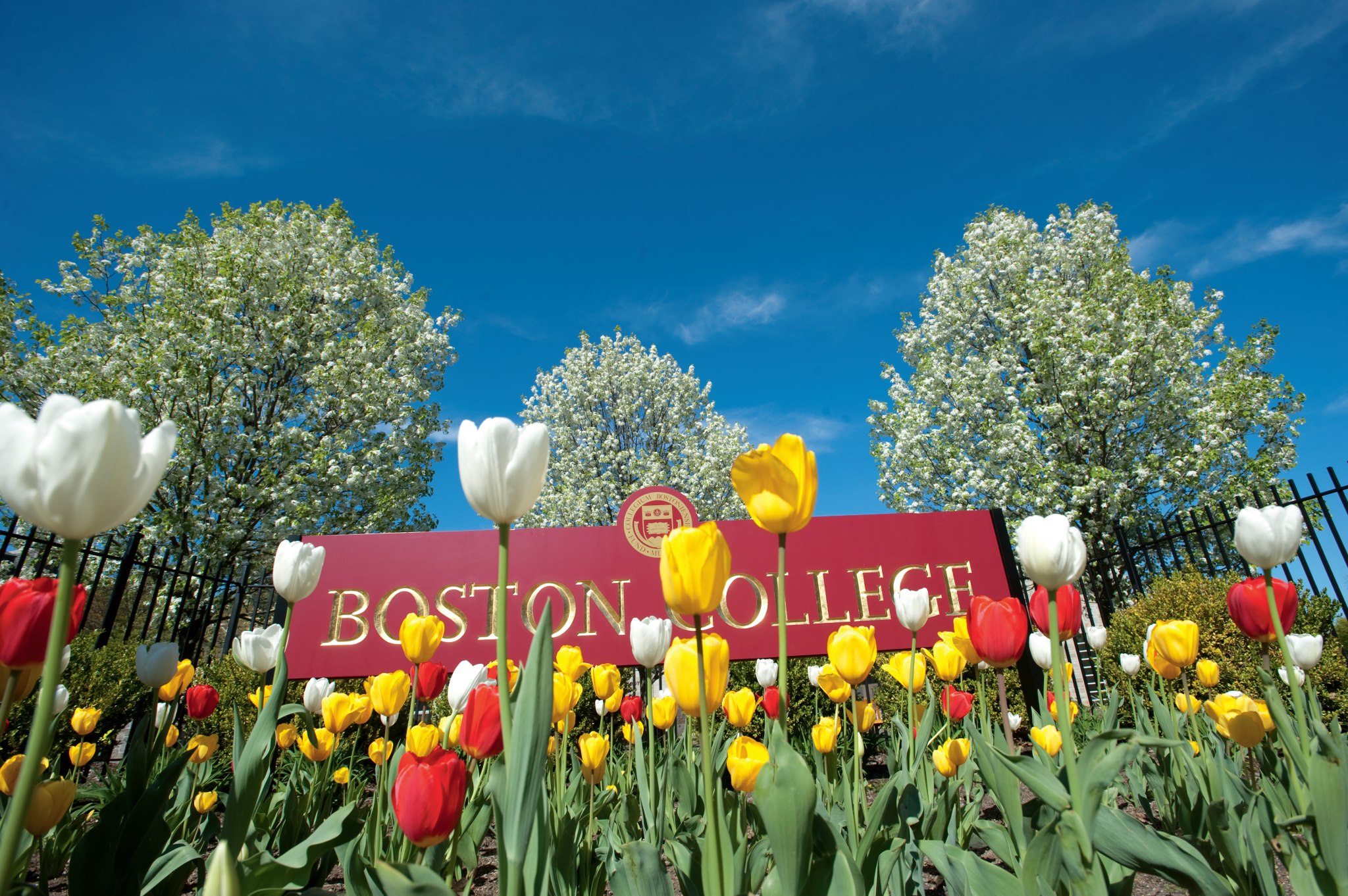
More

Pool, Fountain, Agriculture & Water Infrastructure Electrical Safety
2026 National Electrical Code Workspace
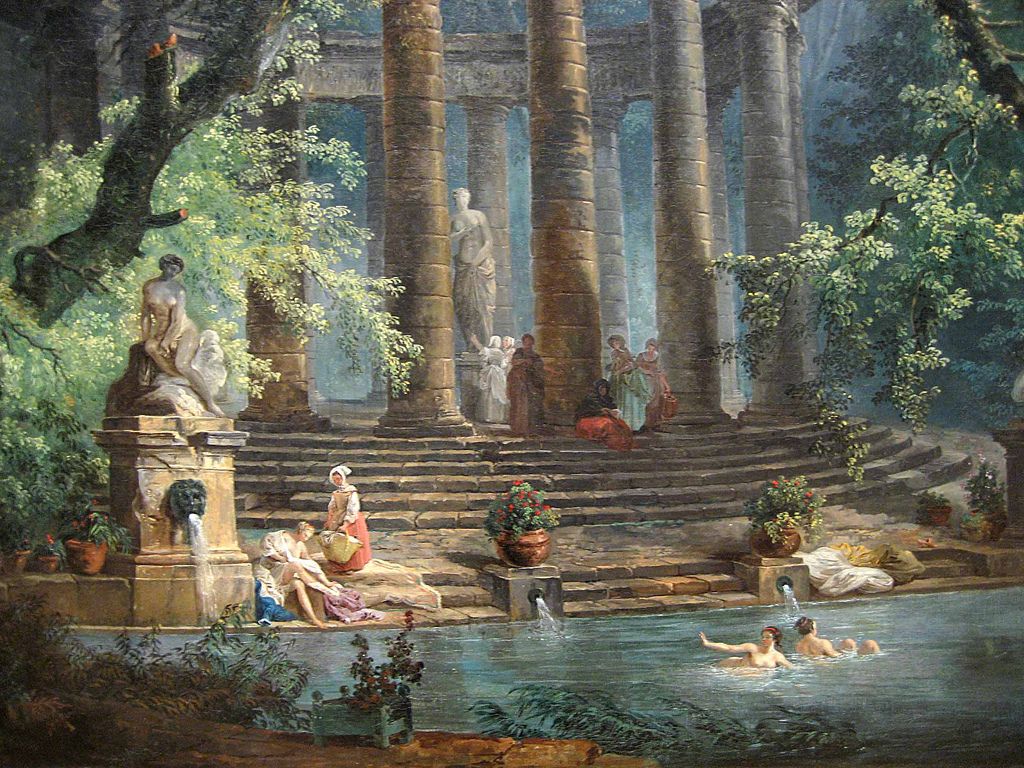
“The Bathing Pool” / Hubert Robert (French, 1733–1808) / Gift of J.P. Morgan
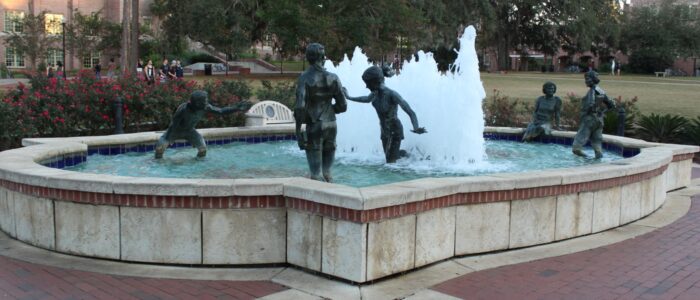
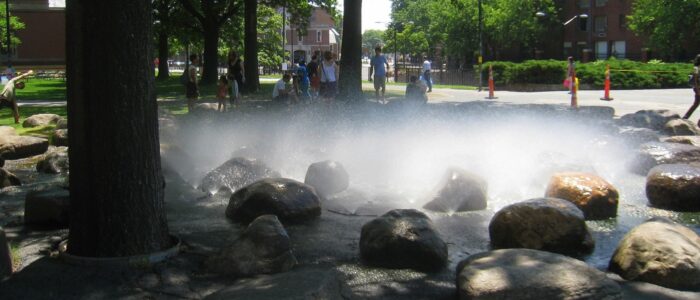
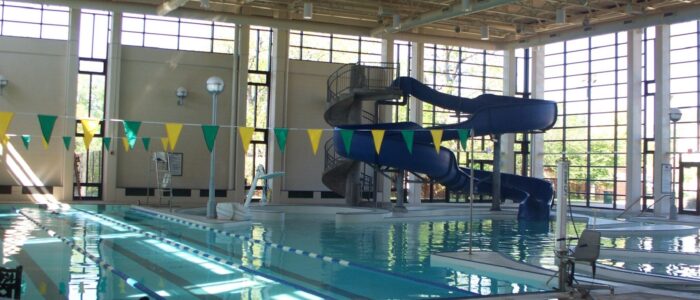
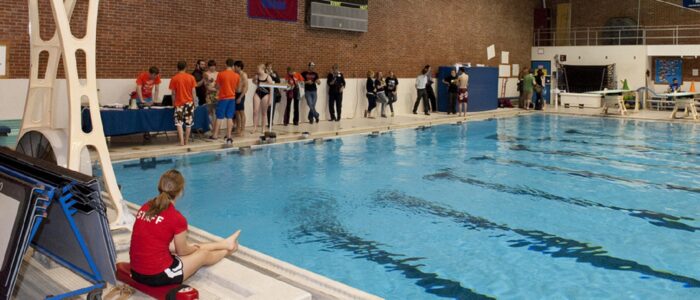
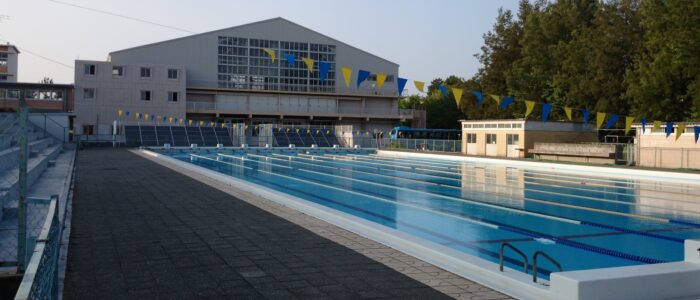
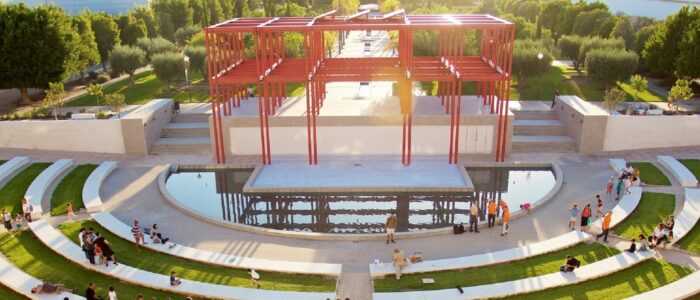
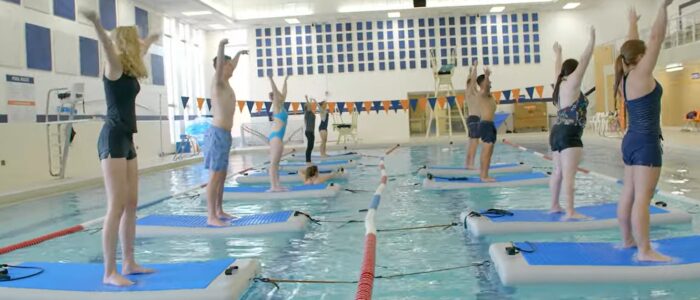
Education communities have significant assets tied up in swimming pools, immersion pools, fountains, hydro-therapy installations (in hospitals and athletic training facilities) and flood control facilities (in congested, non-permeable parts of urban campuses) we have been keeping an eye on leading practice discovery for these installations in the 2020 National Electrical Code.
With electrical safety — i.e. shock protection — as the focus of this post*, the relevant parts of the 2020 NEC reside in Articles 680 and 682 are described below:
Article 680 applies to the construction and installation of electrical wiring for, and equipment in or adjacent all swimming, wading, therapeutic and decorative pools, fountains, hot tubs, spas and hydromassage bathtubs, whether permanently installed or storable, and to metallic auxiliary equipment, such as pumps, filters, and similar equipment. The term body of water used throughout Part I applies to all bodies of water covered in this scope unless otherwise amended.
Article 682 applies to the installation of electrical wiring for, and the equipment in and adjacent to, natural or artificially made bodies of water not covered by other articles in the NEC, such as, but not limited to aeration ponds, fish farm ponds, storm retention basins, treatment ponds and irrigation (channel facilities. Water depths may vary seasonally or be controlled.
When the 2020 NEC is released there will be hundreds (more like thousands) of experts who make their living on each NEC revision fanning out across the globe able and ready to interpret, advise and train. We are not primarily a code training enterprise but we do get down into the weeds of electrical safety technical discussion where leading practice discovery discussion is recorded:
2020 NEC Article 680-682 Public Input | Pages 240 – 501
2020 NEC Articles 680-682 First Draft Report | Page 59 – 152
2020 NEC Articles 680-682 Public Comment Report
2020 NEC Articles 680-682 Second Draft Final Ballot
Transcripts superseded. We refer to the 2026 Workspace linked at the top of this page.
We find interest in corrosion control, water bottle fill stations, water heating technologies, LED illumination as well as the usual editorial, correlation and concepts movement between articles. From these transcripts it should also be plain that grounding and bonding practice, GFCI protection, luminaire location and wiring, corrosion management continue to be of primary interest in electrical safety assurance. Related safety concepts appear in NFPA 70B and NFPA 70E. Anything having to do with water; or the areas around water, are regions of elevated risk.
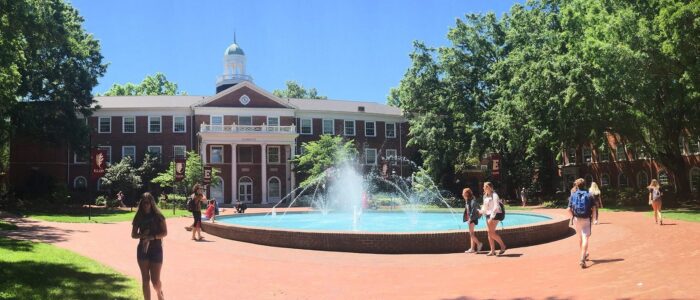
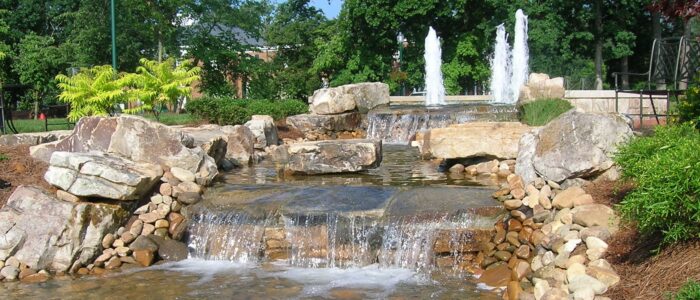
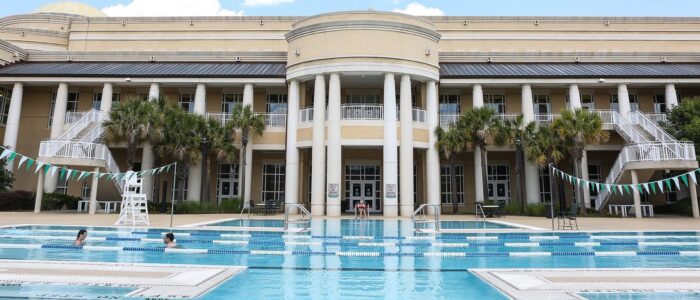
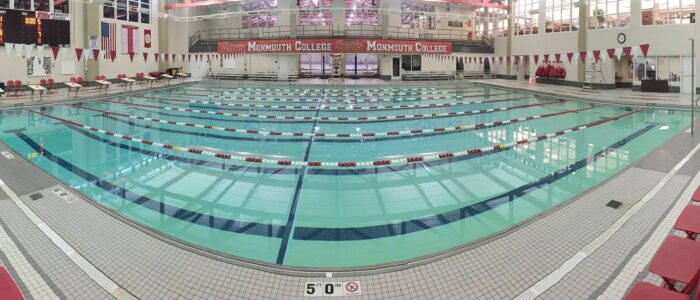
We are happy to discuss electrical safety standards any day at 11 AM Eastern time and host a monthly breakout teleconference dedicated to Electrical Power Safety in education facilities. See our CALENDAR for the next online meeting. We also collaborate closely with the IEEE Education & Healthcare Facilities Committee which meets online four times monthly in European and American time zones.
Issue: [16-102]
Category: Electrical, Risk Management, Water,
Colleagues: Mike Anthony, Jim Harvey, Kane Howard
*We leave the technical specifics of footcandle distribution to another, future post.
LEARN MORE:
2017 NEC changes for electrical safety in swimming pools
2020 NEC Changes (All Articles)

Summer Olympics
This content is accessible to paid subscribers. To view it please enter your password below or send mike@standardsmichigan.com a request for subscription details.

Summer Week 25 | June 16 – June 22

Monday | 16 June | Colloquium 15:00 UTC
Tuesday | 17 June | Colloquium 15:00 UTC
Wednesday | 19 June | Colloquium 15:00 UTC
Thursday | 20 June | Colloquium 15:00 UTC
Friday | 21 June | Colloquium 15:00 UTC
Saturday | 22 June
Sunday | 23 June
New update alert! The 2022 update to the Trademark Assignment Dataset is now available online. Find 1.29 million trademark assignments, involving 2.28 million unique trademark properties issued by the USPTO between March 1952 and January 2023: https://t.co/njrDAbSpwB pic.twitter.com/GkAXrHoQ9T
— USPTO (@uspto) July 13, 2023
Welcome
Standards Michigan Group, LLC
455 East Eisenhower Parkway, Suite 300
Ann Arbor, MI 48108 USA
888-748-3670
DIRECTIONS
 |
 |
|
 |
 |
|
 |
 |
Layout mode
Predefined Skins
Custom Colors
Choose your skin color
Patterns Background
Images Background
error: Content is protected !!
Skip to content