
Tag Archives: D7
- Home
- Posts tagged "D7" (Page 6)

loading..


Lights Out

“If You Can Measure It, You Can Improve It” (Lord Kelvin)
Critical Operations Power Systems
Operational Resilience of Hospital Journal Article Published Inaugural Issue
Consuting-Specifying Engineer | Risk Assessments for Critical Operations Power Systems
Electrical Construction & Maintenance | Critical Operations Power Systems
Facilities Manager | Critical Operations Power Systems: The Generator in Your Backyard
National Electrical Code: Article 110 Requirements for Electrical Installations (Section 110.5 was revised to include aluminum wiring which can cut the cost of running large chunks of campus power by 2/3rds and increase campus power reliability by cutting the cost of backup feeders)
IEEE-TV Education & Healthcare Facilities Committee

Evensong “We Gather Together”
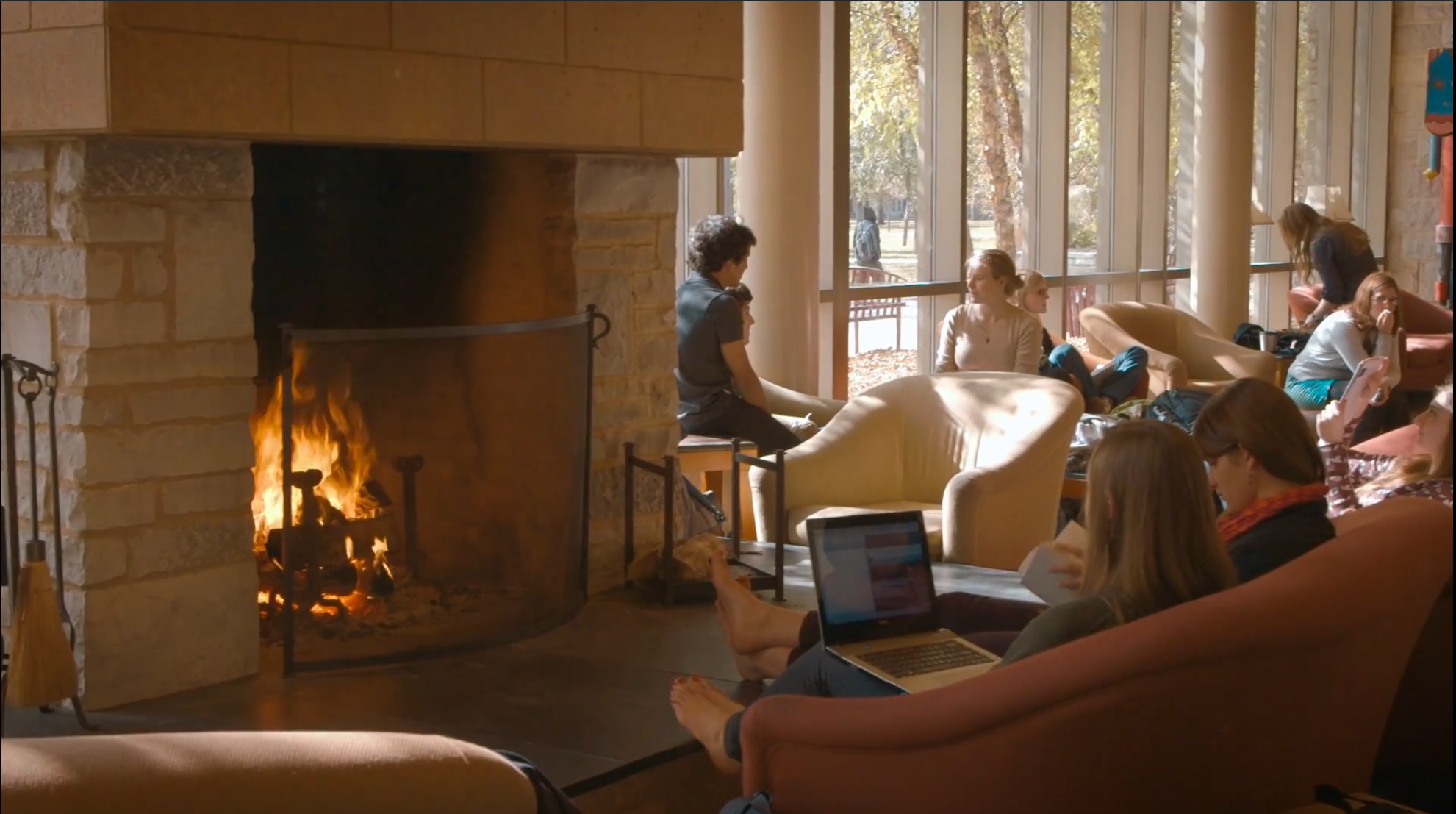
St. Olaf College | Dakota County Minnesota
“We Gather Together” is a hymn of Dutch origin that dates back to the late 16th century. It was written in 1597 to celebrate the Dutch victory over Spanish forces in the Battle of Turnhout, part of the Eighty Years’ War. The hymn’s original Dutch title is “Wilt heden nu treden,” and it was composed by Adrianus Valerius with the music arranged by Eduard Kremser.
The hymn expresses gratitude for deliverance from oppression and has been associated with themes of thanksgiving and communal celebration. It was brought to America by Dutch settlers and became widely popular in the United States, particularly for its use during Thanksgiving services and celebrations.
The English version, commonly sung in the United States and Canada, was translated by Theodore Baker in 1894. Over time, “We Gather Together” has become a beloved hymn in North America, often sung at Thanksgiving gatherings and religious services to express gratitude and unity.

Arboreta
#/media/File:Kuznetsov_003.jpg)
“On Holiday (Girl resting on the grass)” 1879 Kuznetsov Nikolai Dmitrievich

University of Michigan Matthaei Botanical Gardens
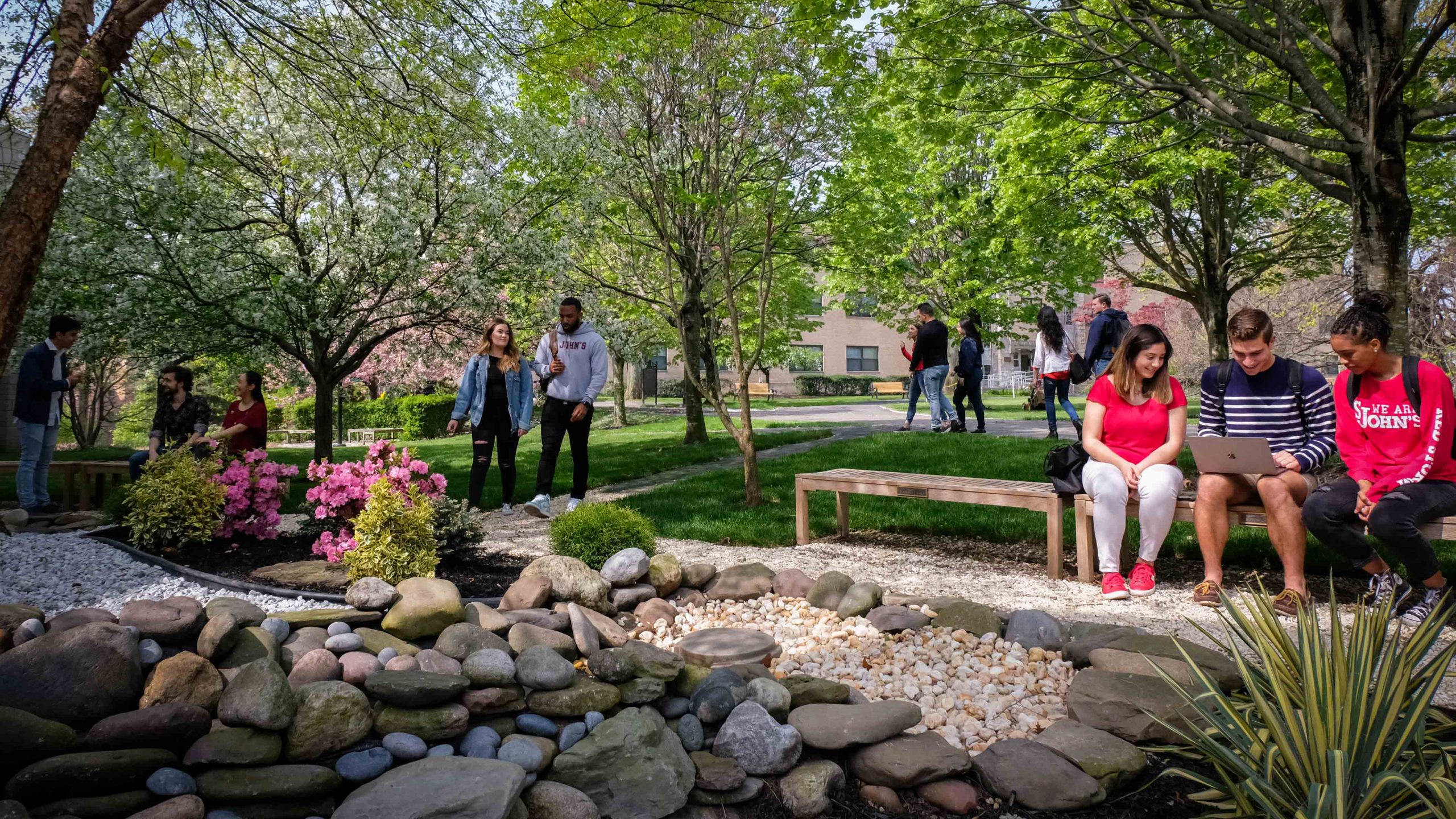
St. John’s University
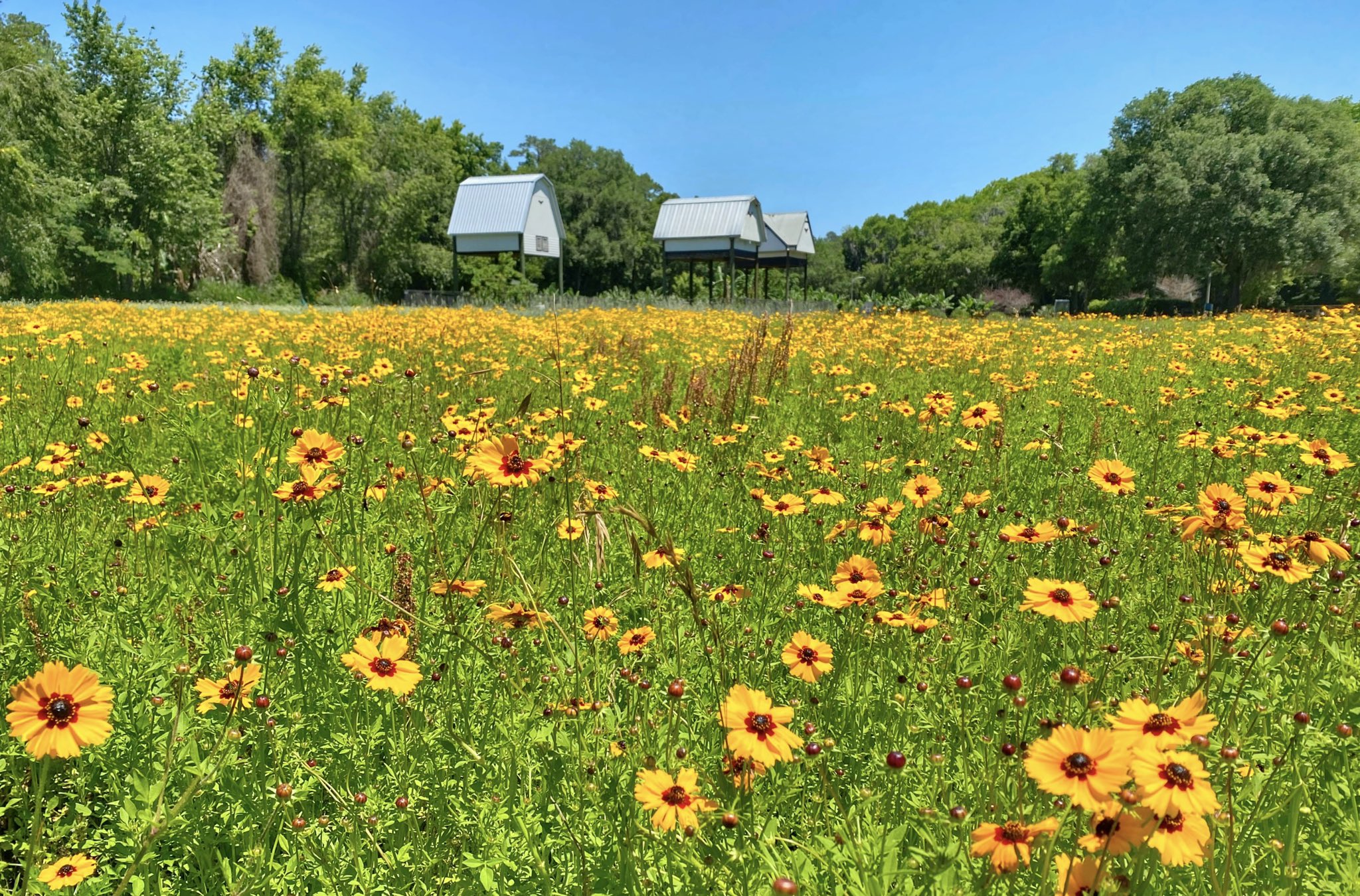
University of Florida

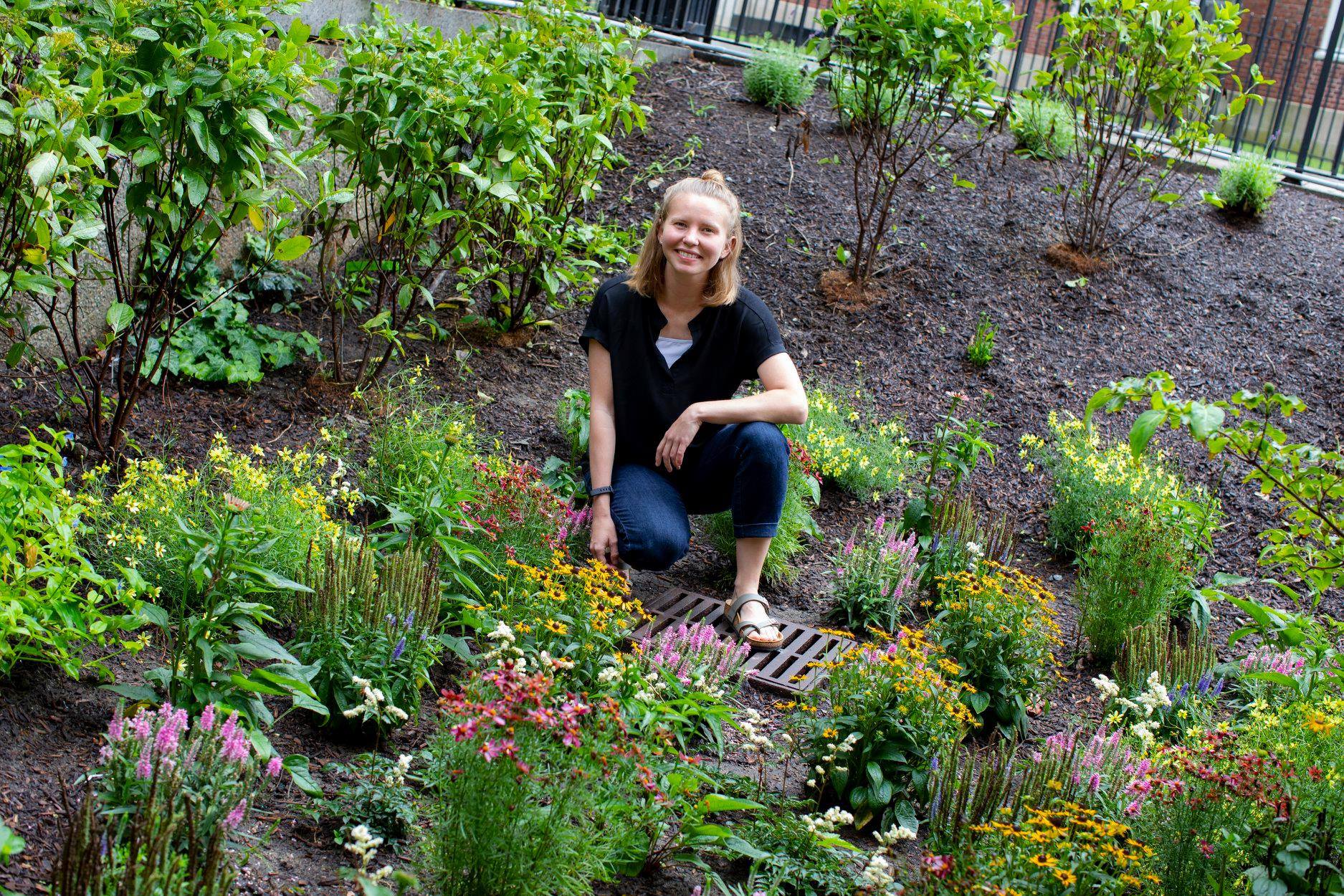
Harvard University

Lunds universitet Scania

Swarthmore College Pennsylvania
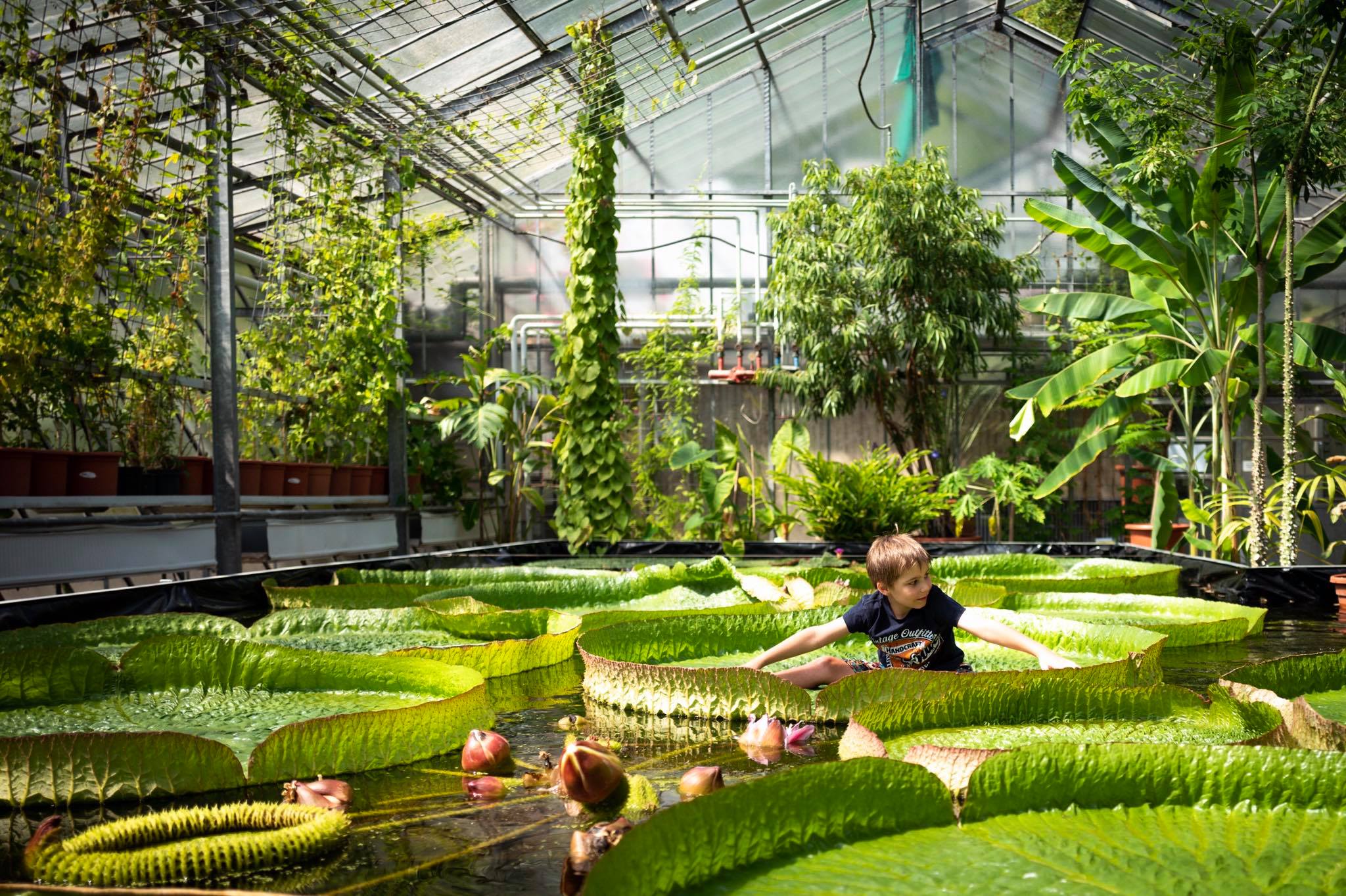
Ruhr-Universität Bochum
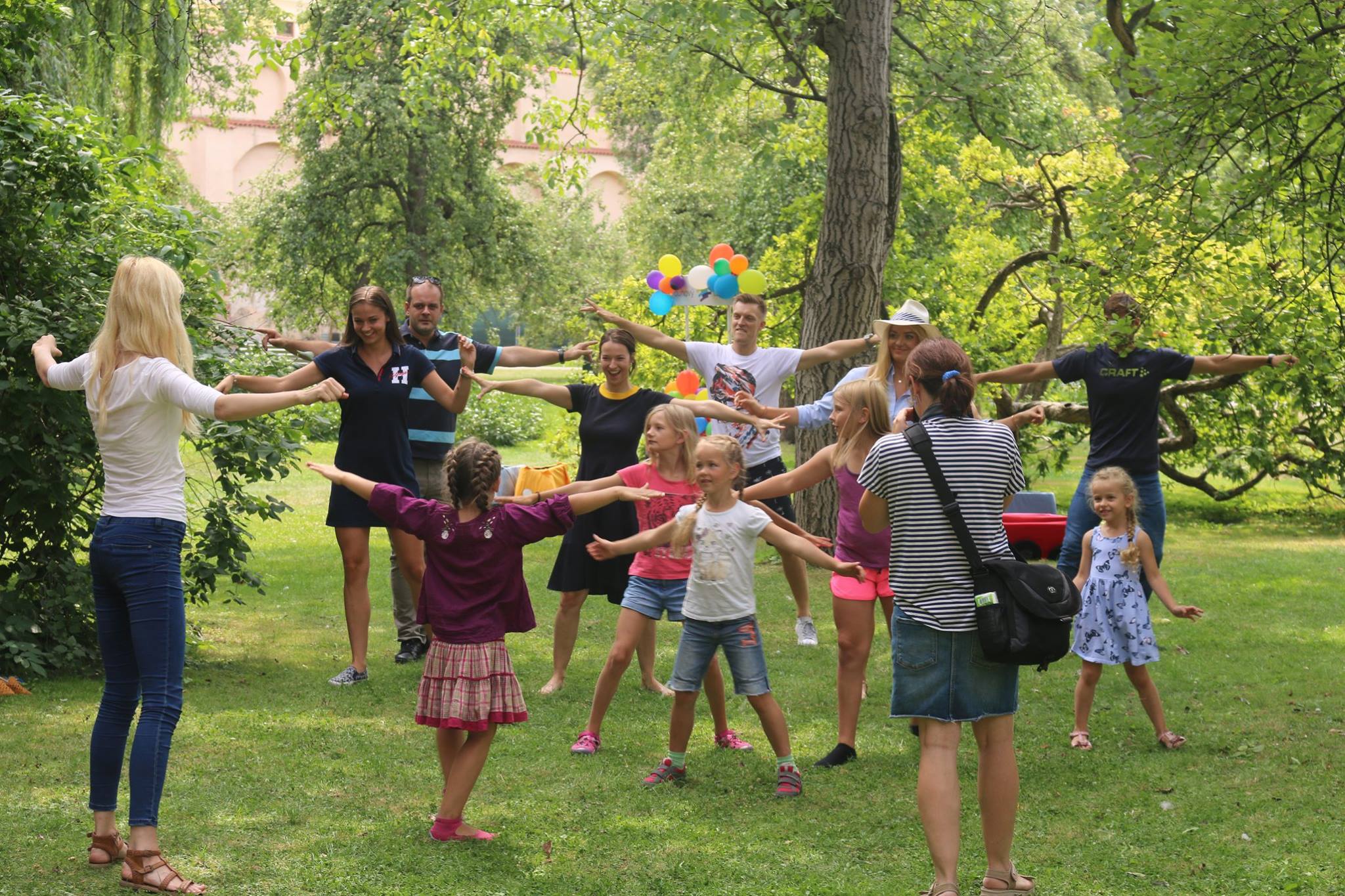
Anglo-americká vysoká škola, z.ú. Czech Republic
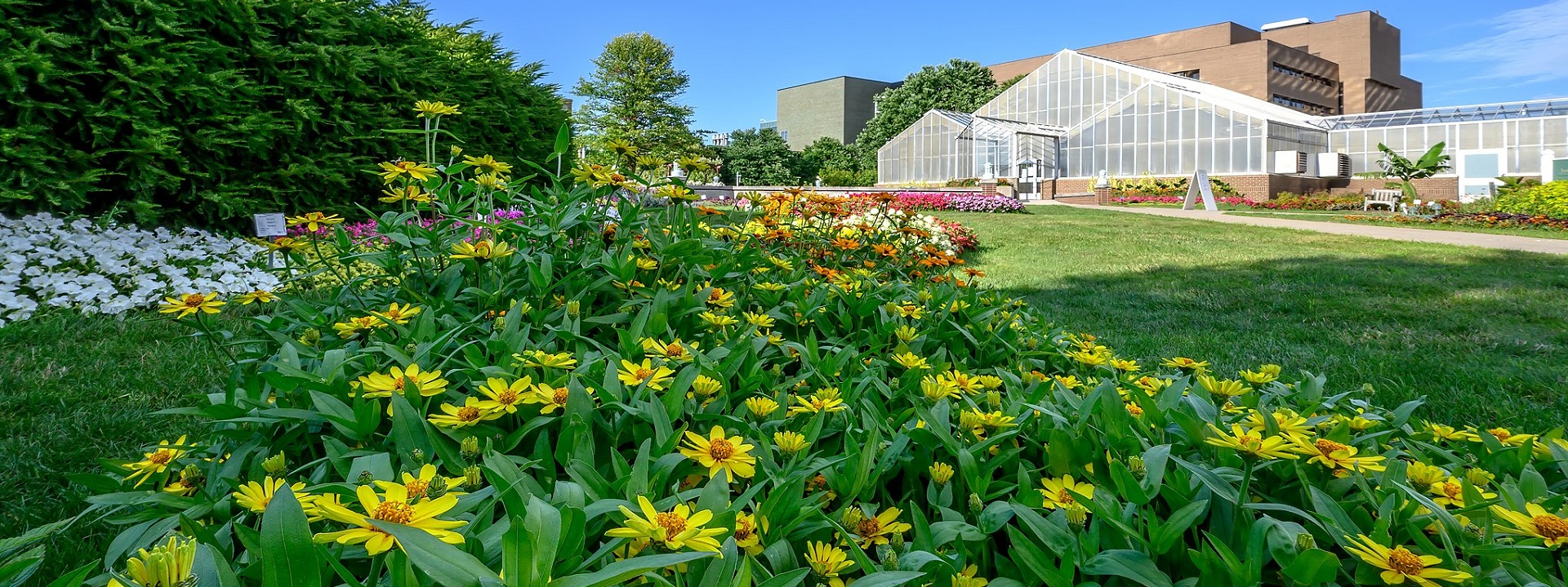
Michigan State University
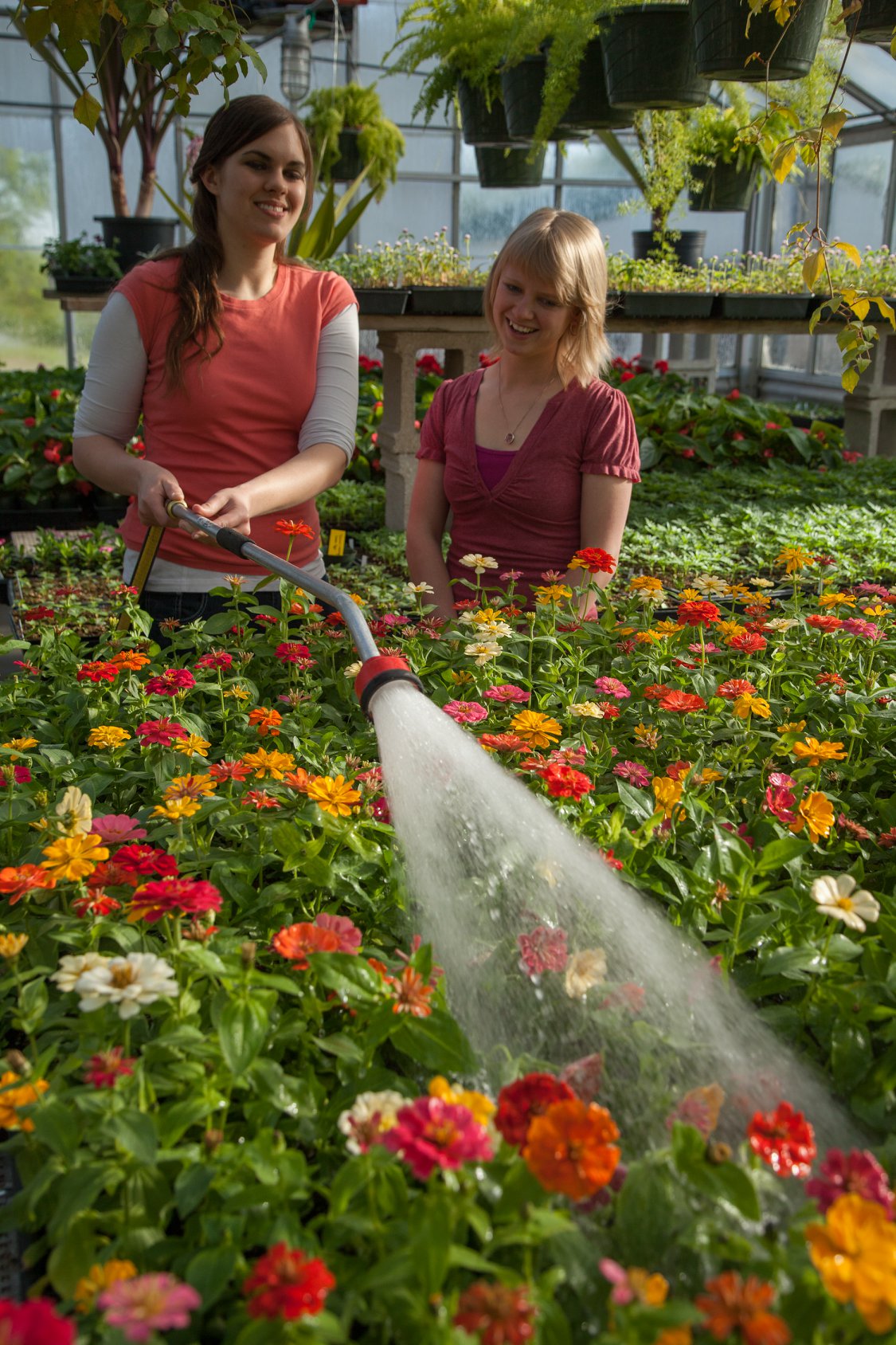
University of the Ozarks
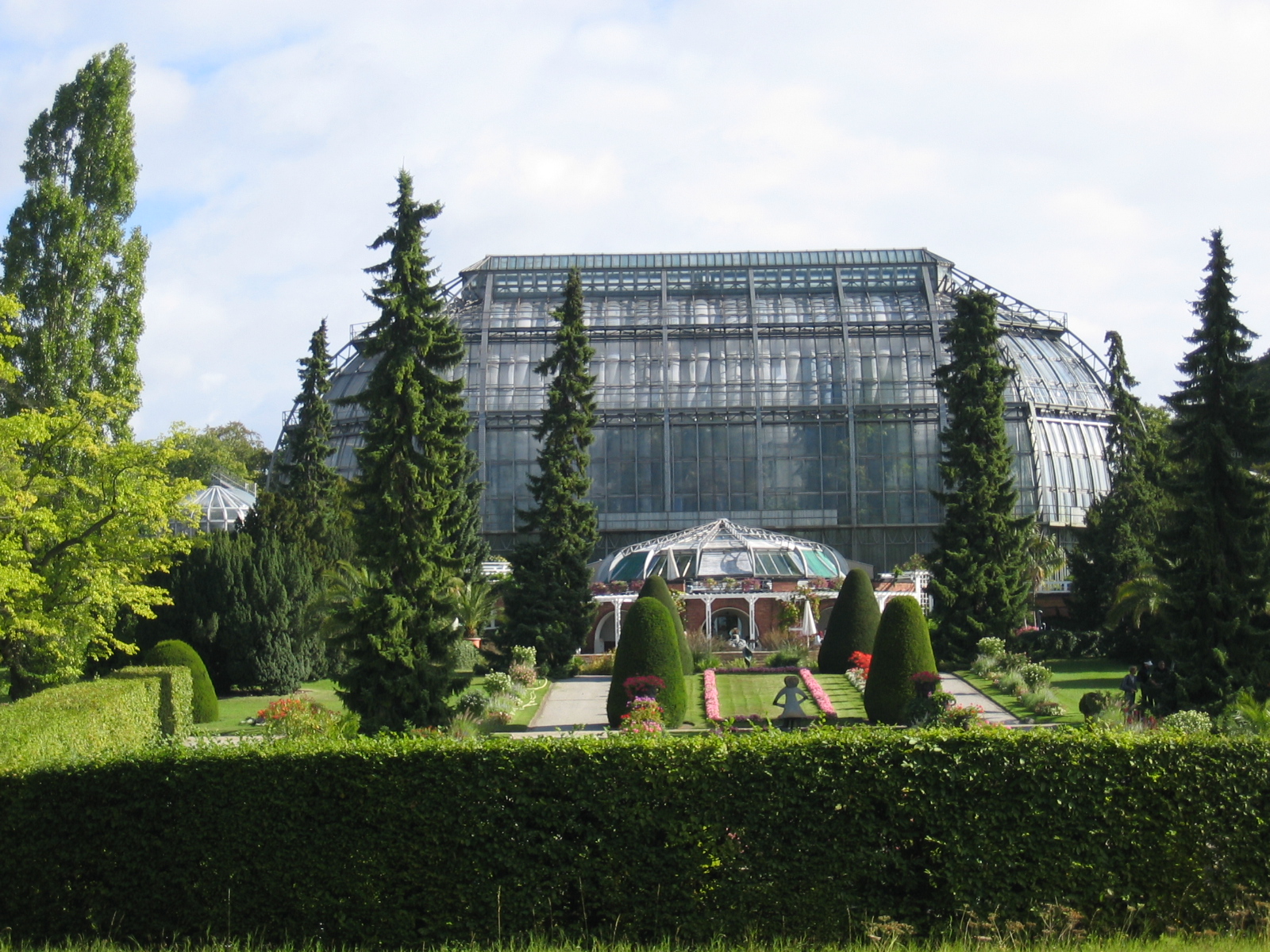
Freie Universität Berlin
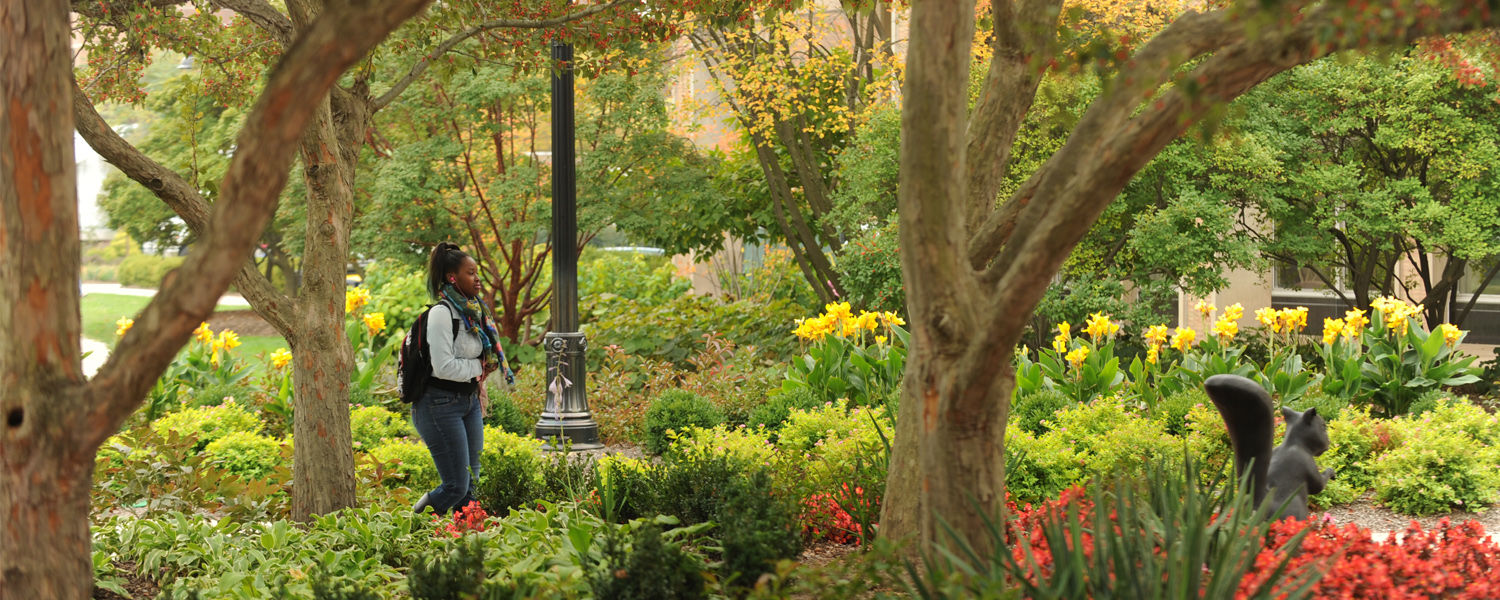
Kent State University

Uniwersytet Warszawski
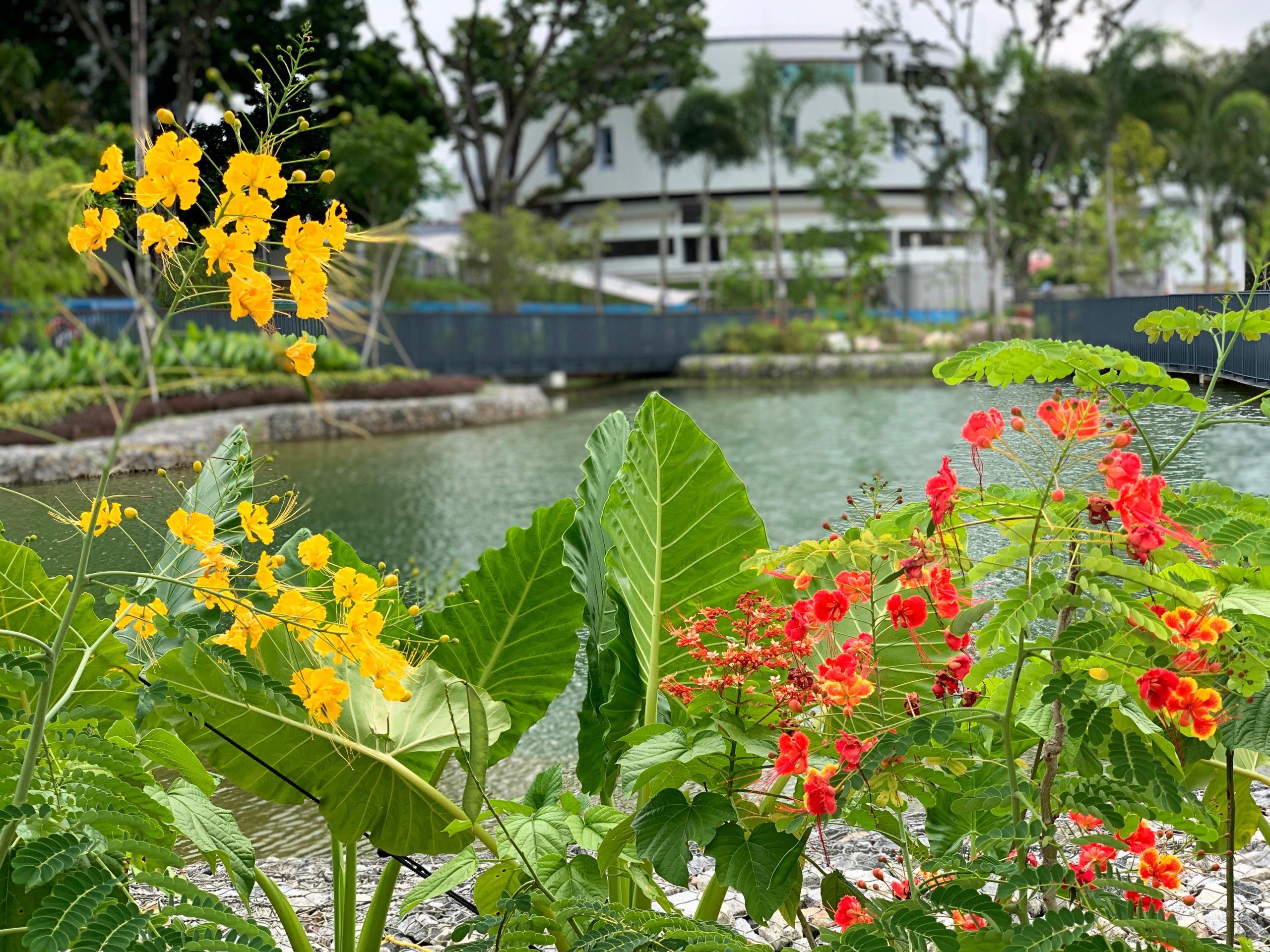
Nanyang Technological University, Singapore

Bard College / New York

Michigan State University Healing Garden

Japanese Garden | Normandale Community College Minnesota

东北师范大学 | Northeast Normal University | Changchun, Jilin, China
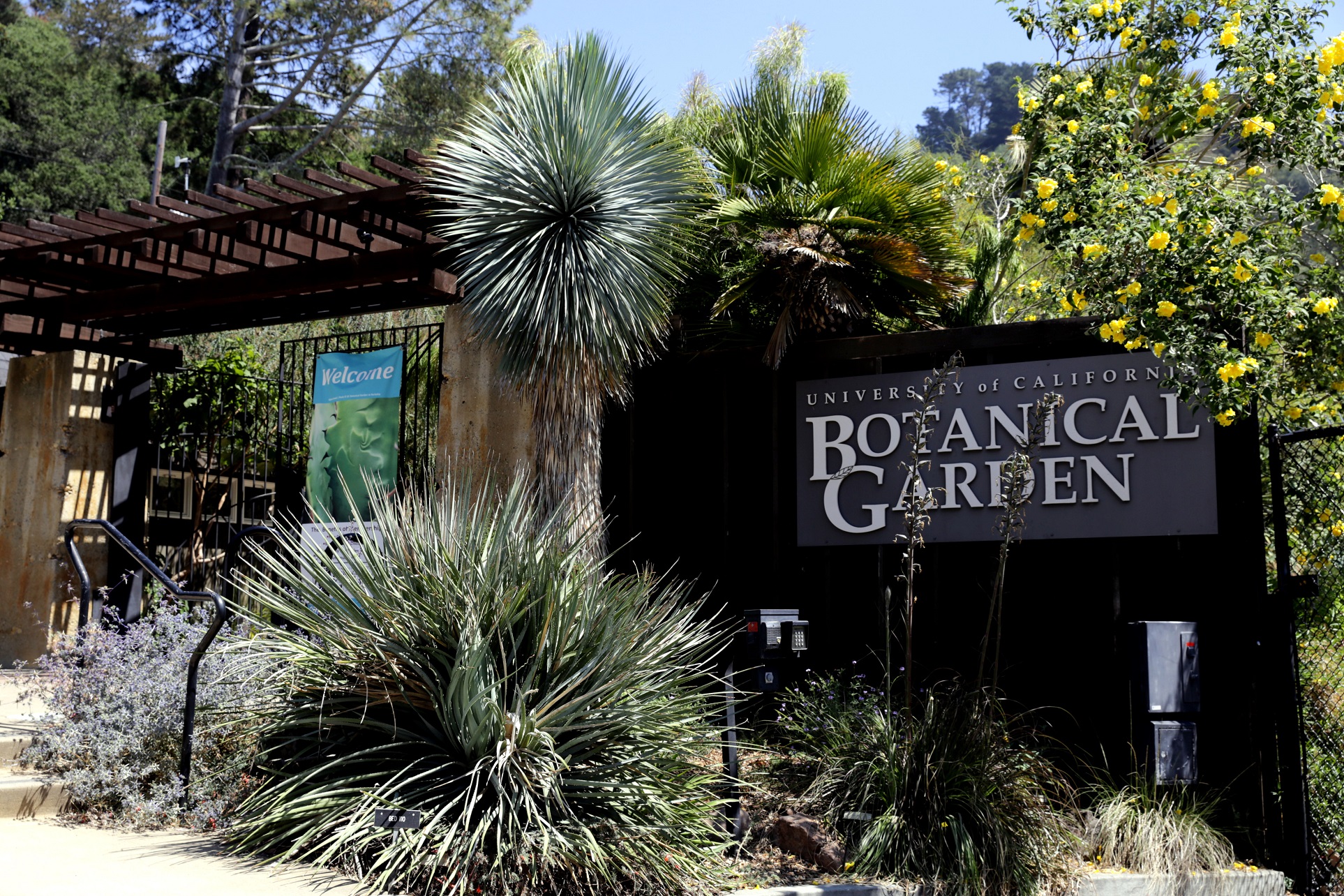

University of Michigan | Matthaei Botanical Gardens
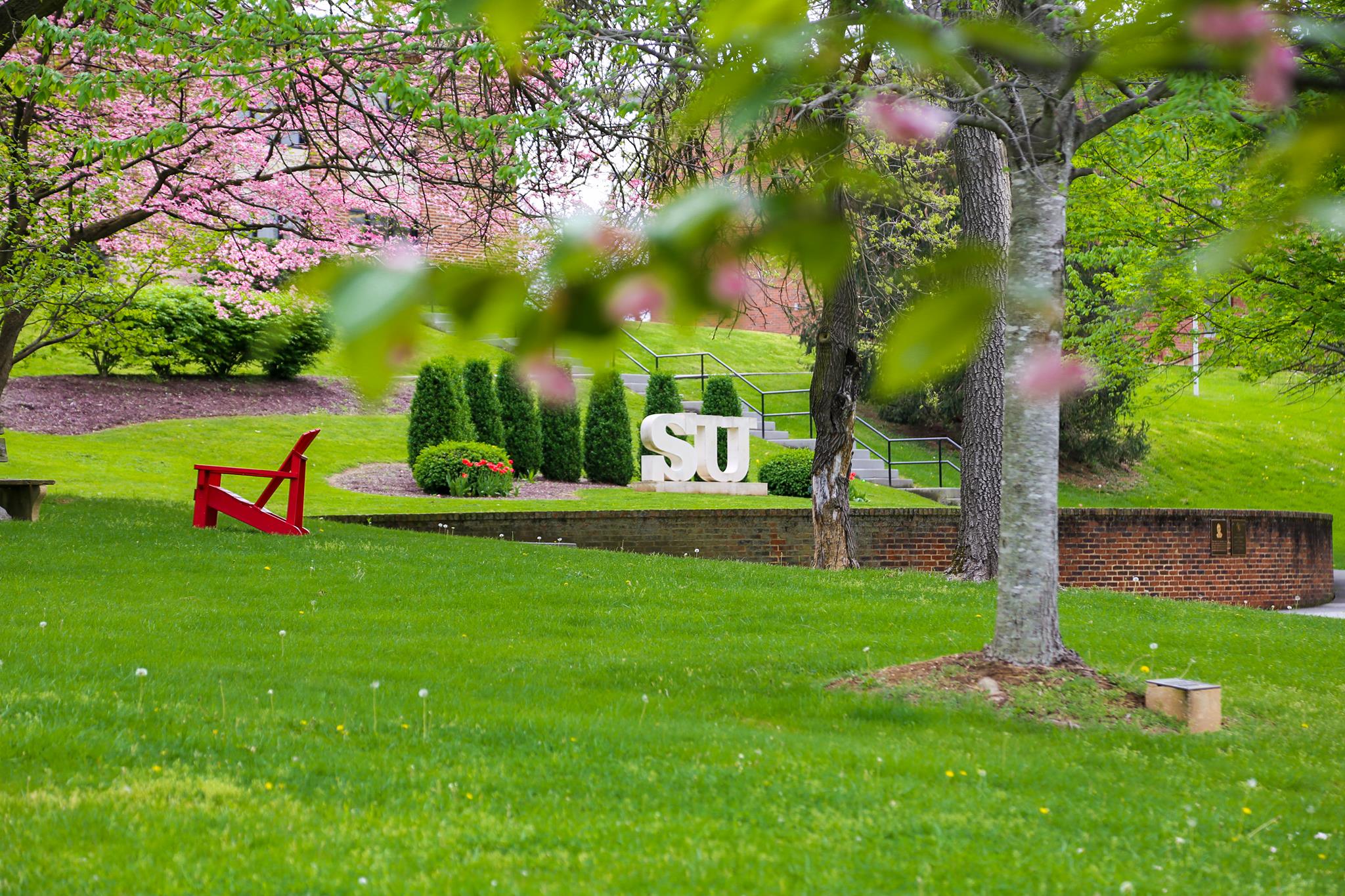
Shenandoah University | Winchester, Virginia
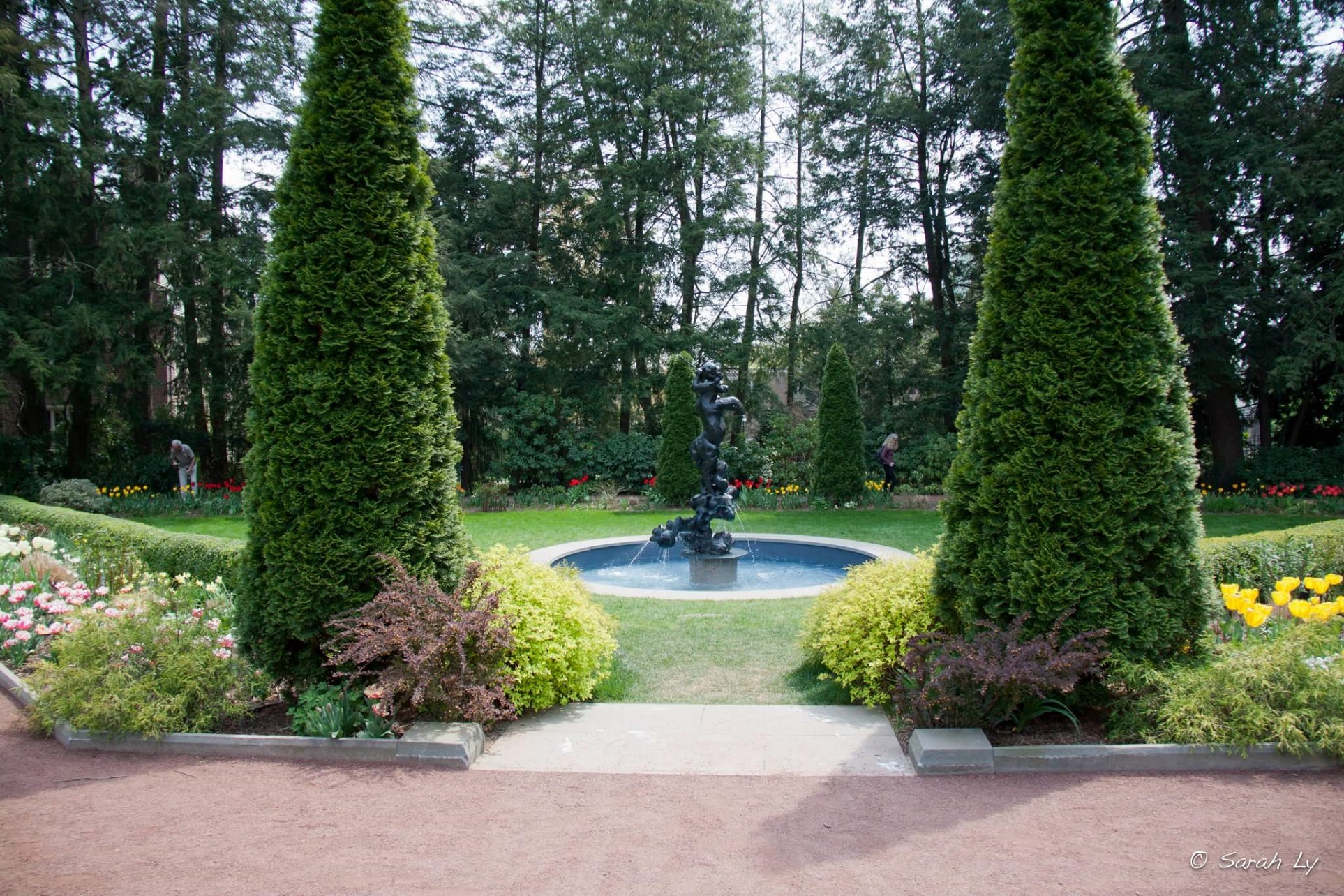
Princeton University Secret Garden | Photo by Sarah Ly
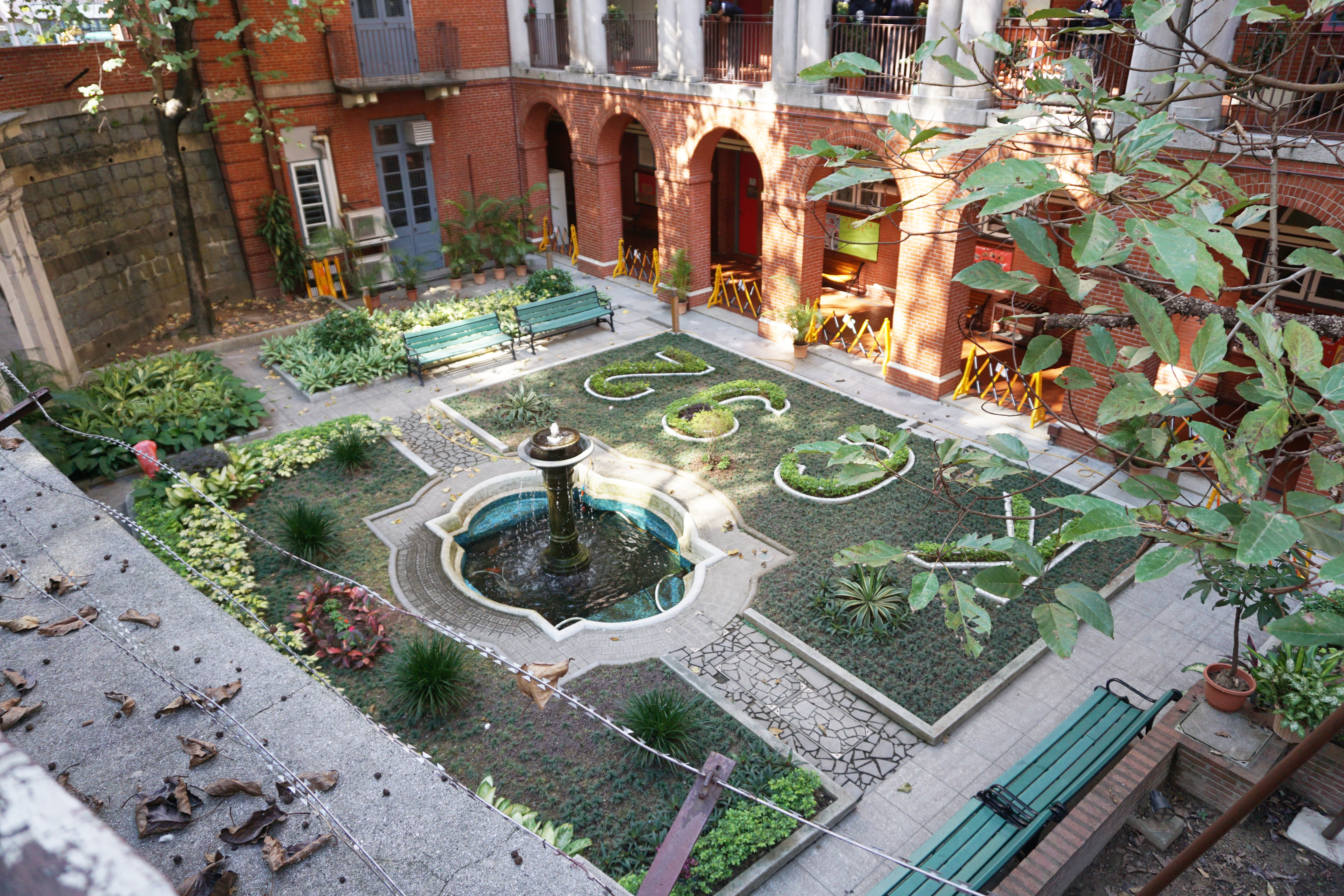
King’s College | London, United Kingdom

École Normale Supérieure | Paris, France
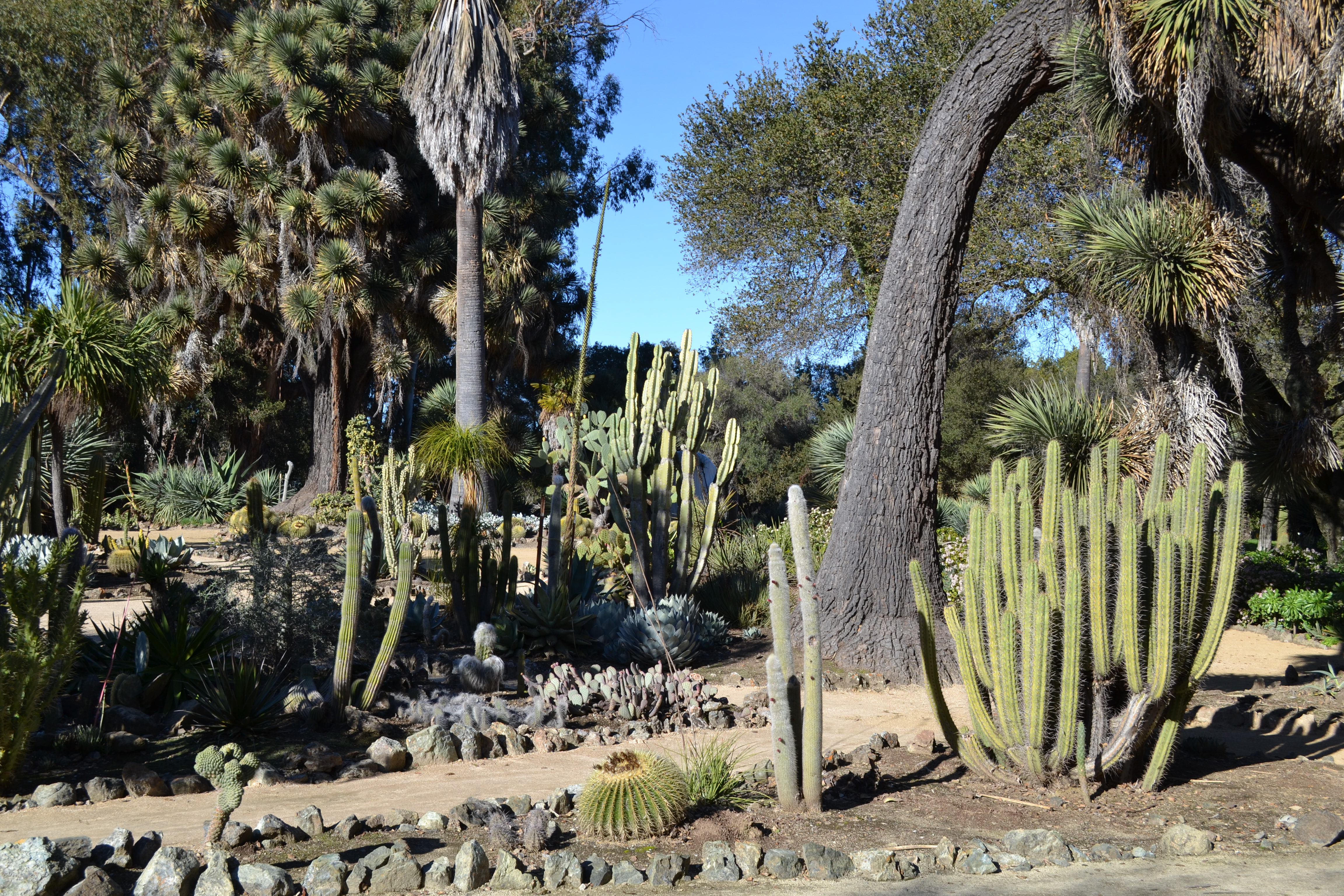
Arizona Cactus Garden | Stanford University
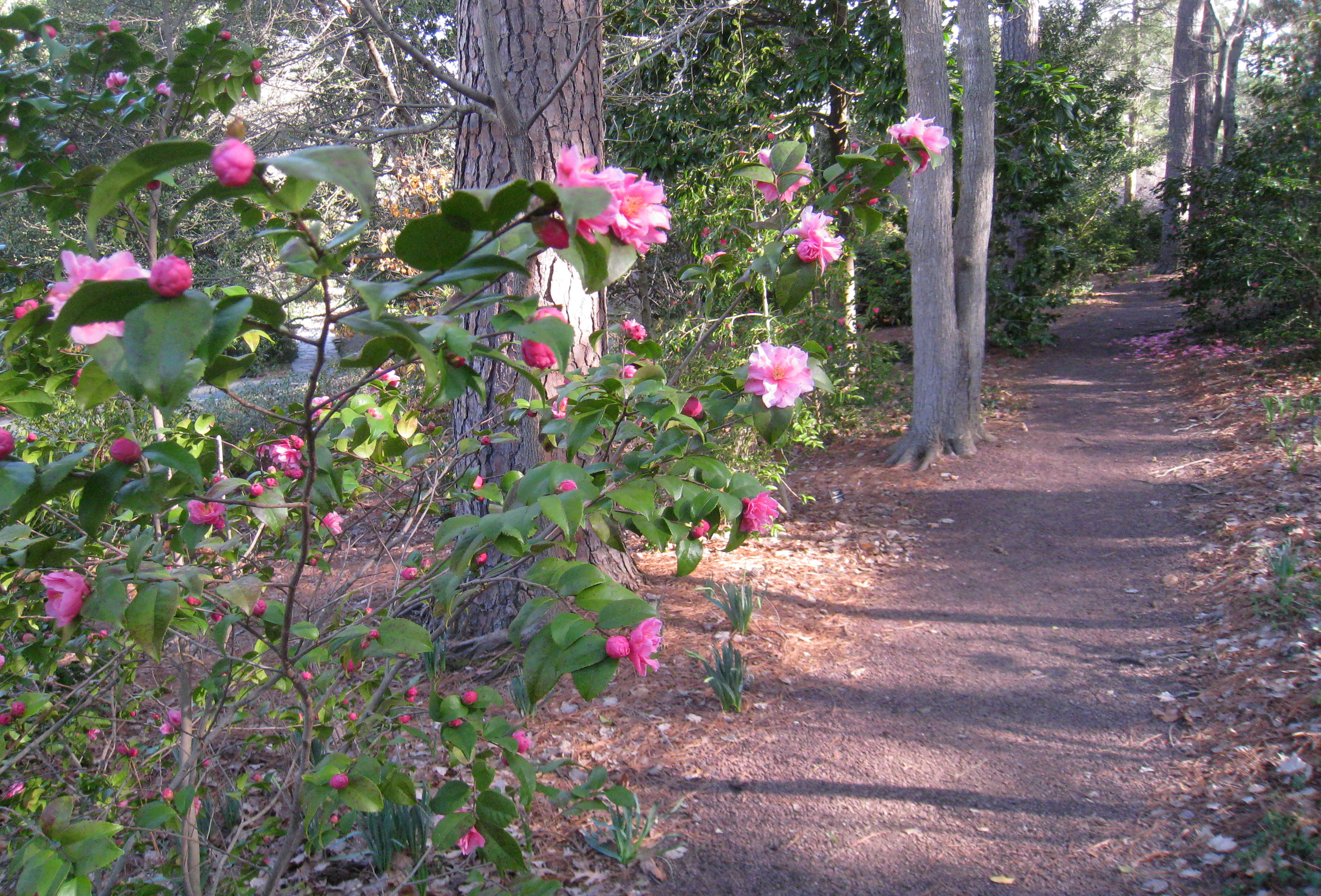
Duke University / North Carolina

Oxford University

University of Minnesota Landscape Arboretum

University of Helsinki Botanical Garden
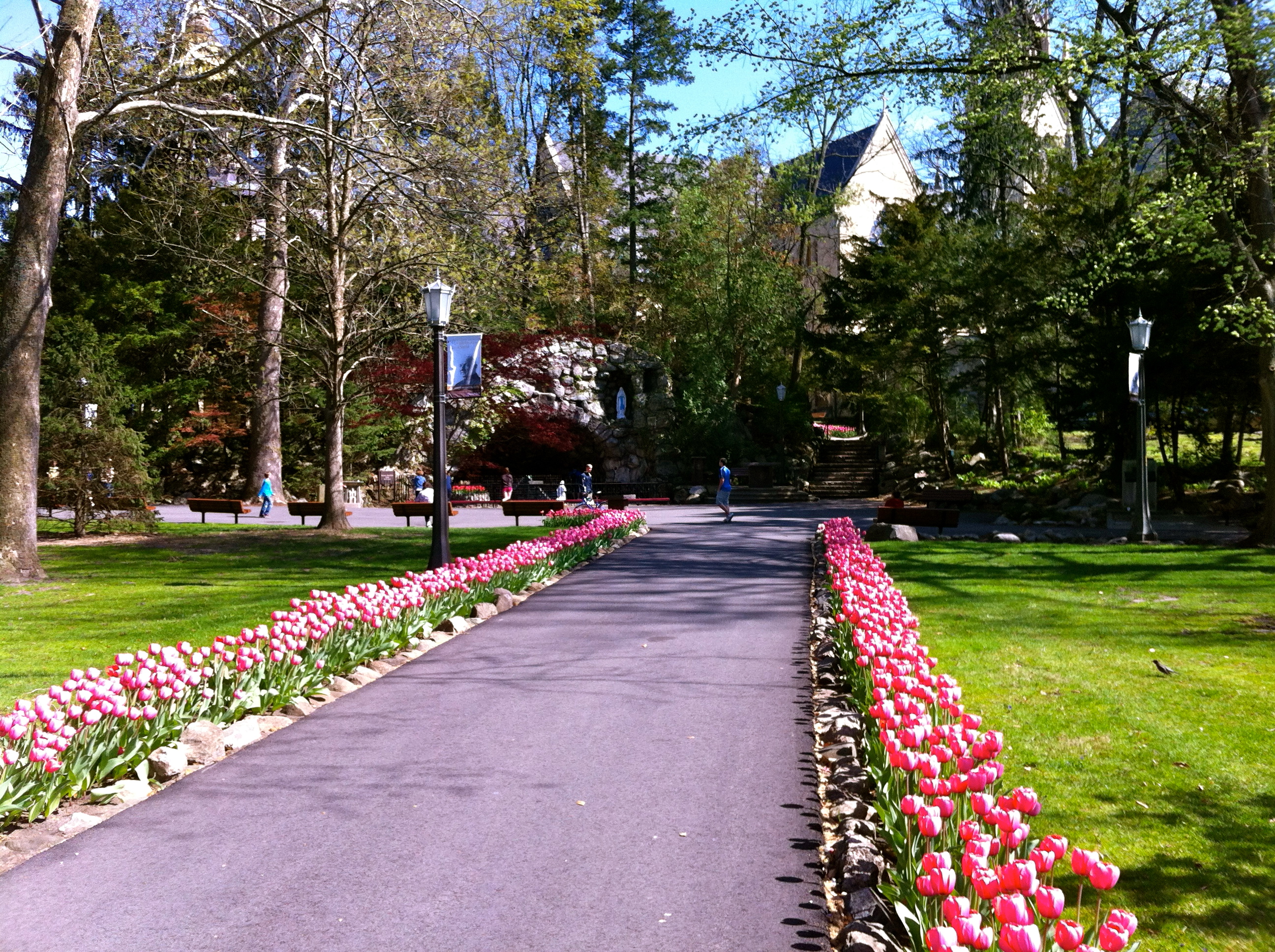
University of Notre Dame / South Bend, Indiana
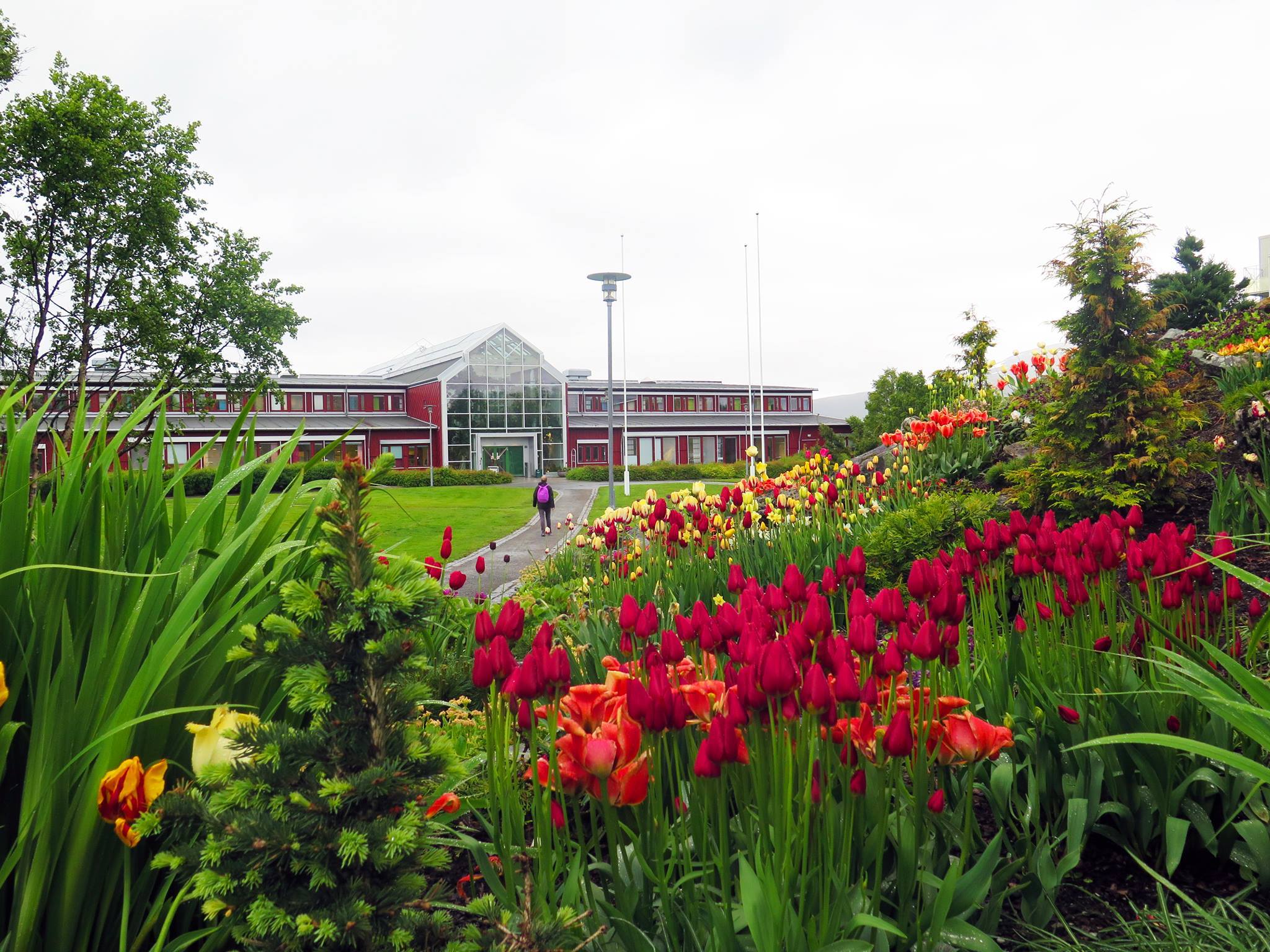
University of Tromsø the Arctic University of Norway
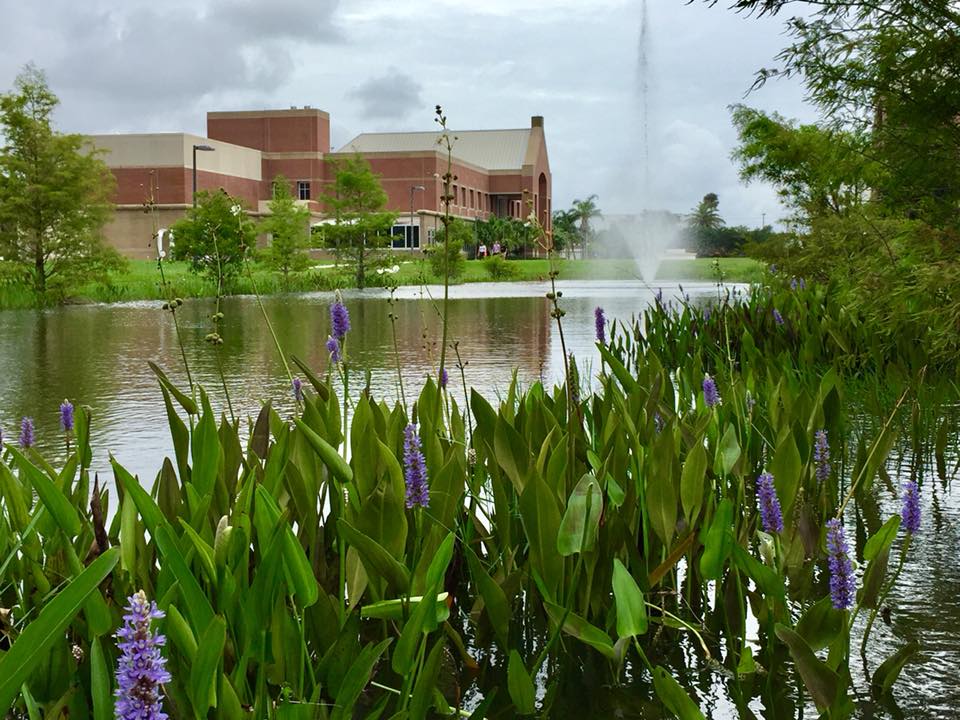
Florida Tech Botanical Garden
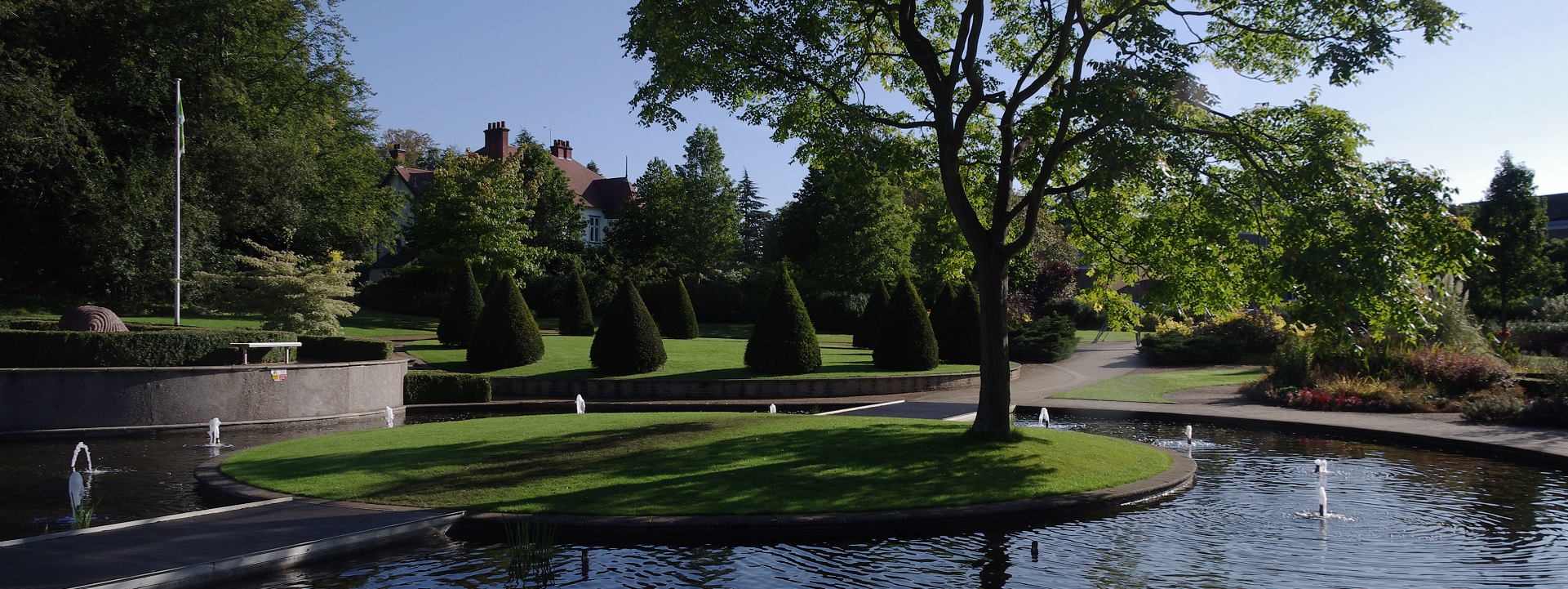
University of Nottingham

Smith University Botanical Garden
_03.jpg)
Aarhus University | Denmark

High Point University | North Carolina

Universiteit Stellenbosch | Western Cape, South Africa

Louisiana State University
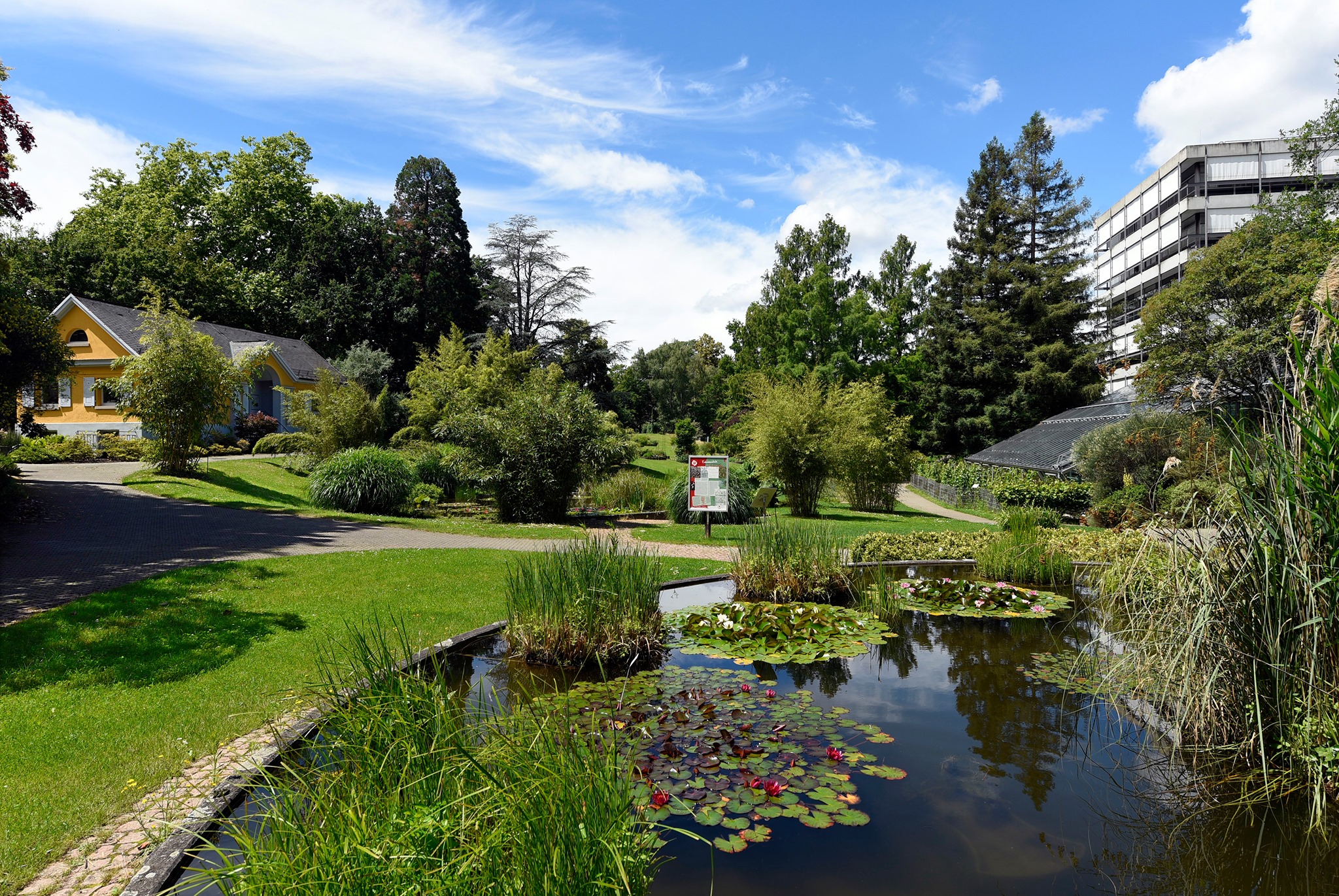
Albert-Ludwigs-Universität Freiburg

Rutgers University
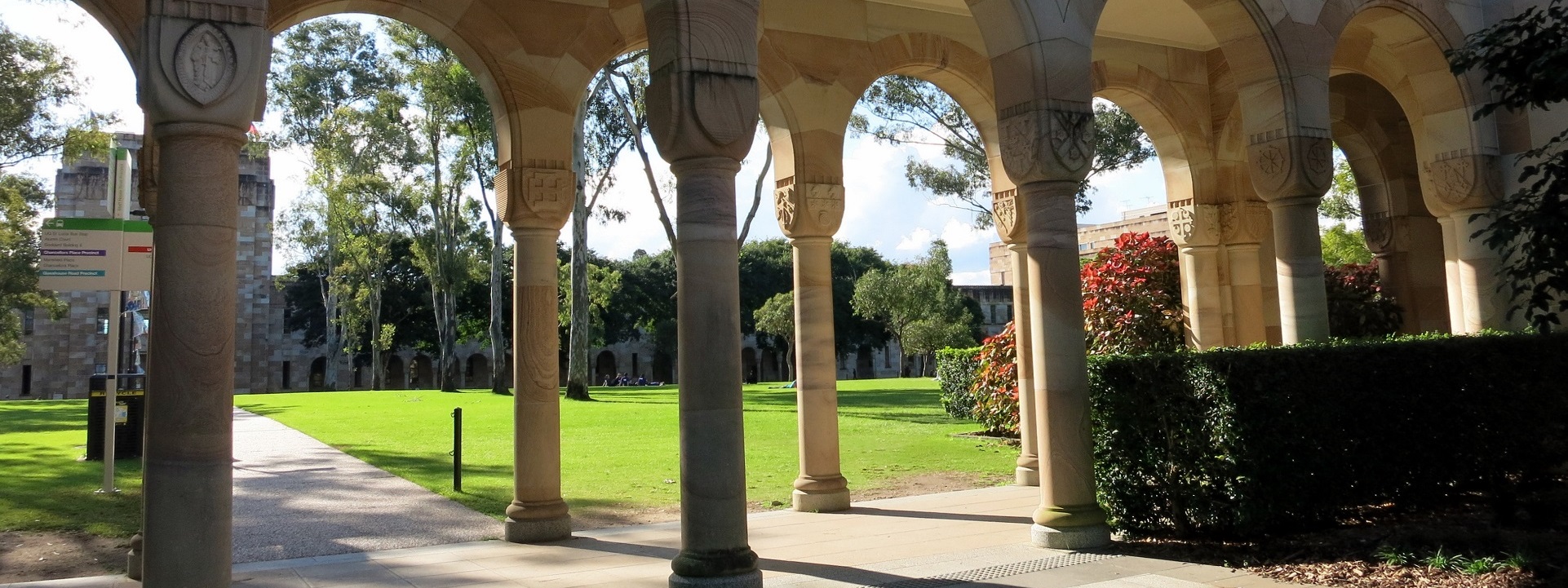
Great Court University of Queensland Australia
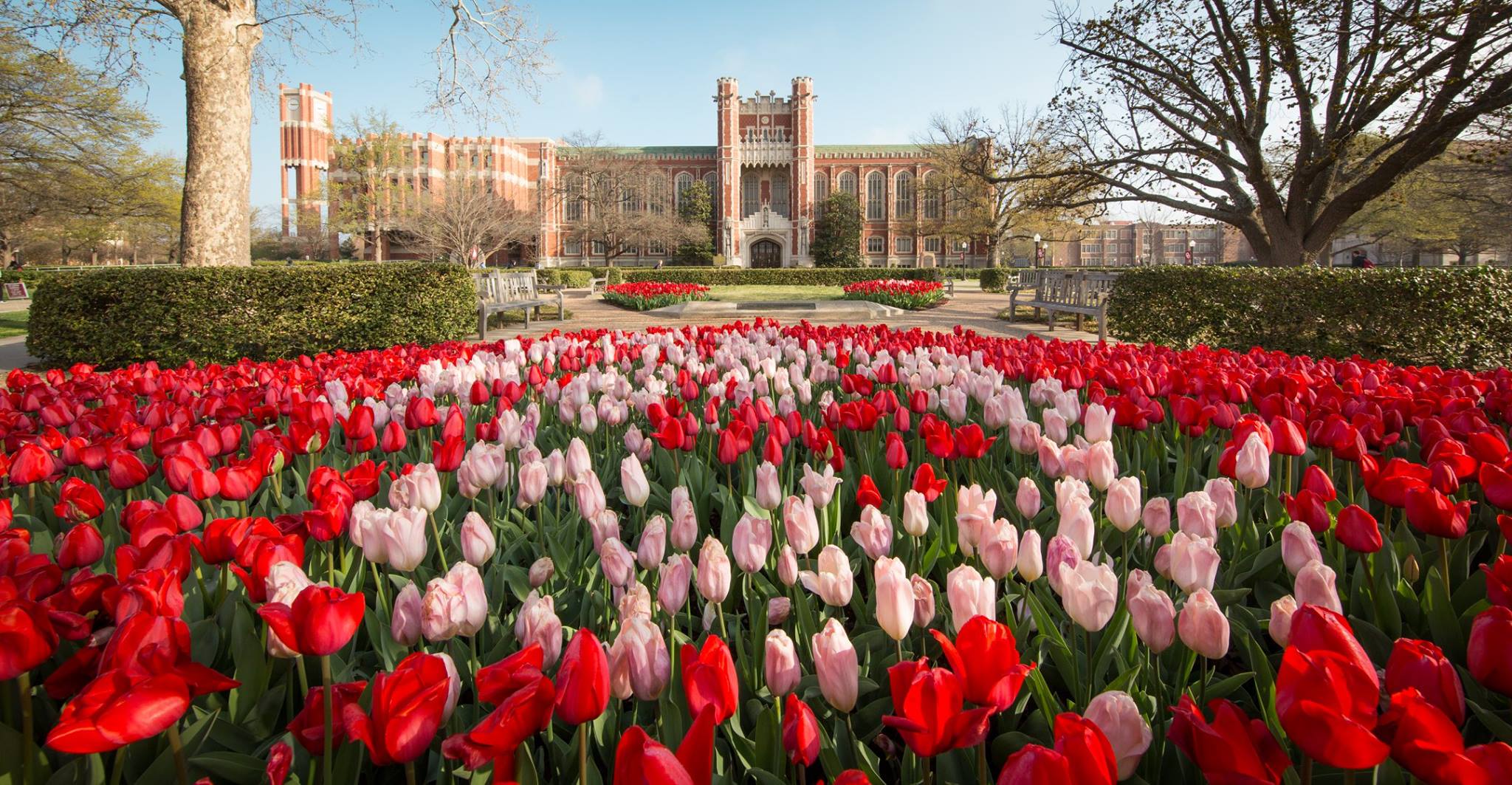
University of Oklahoma
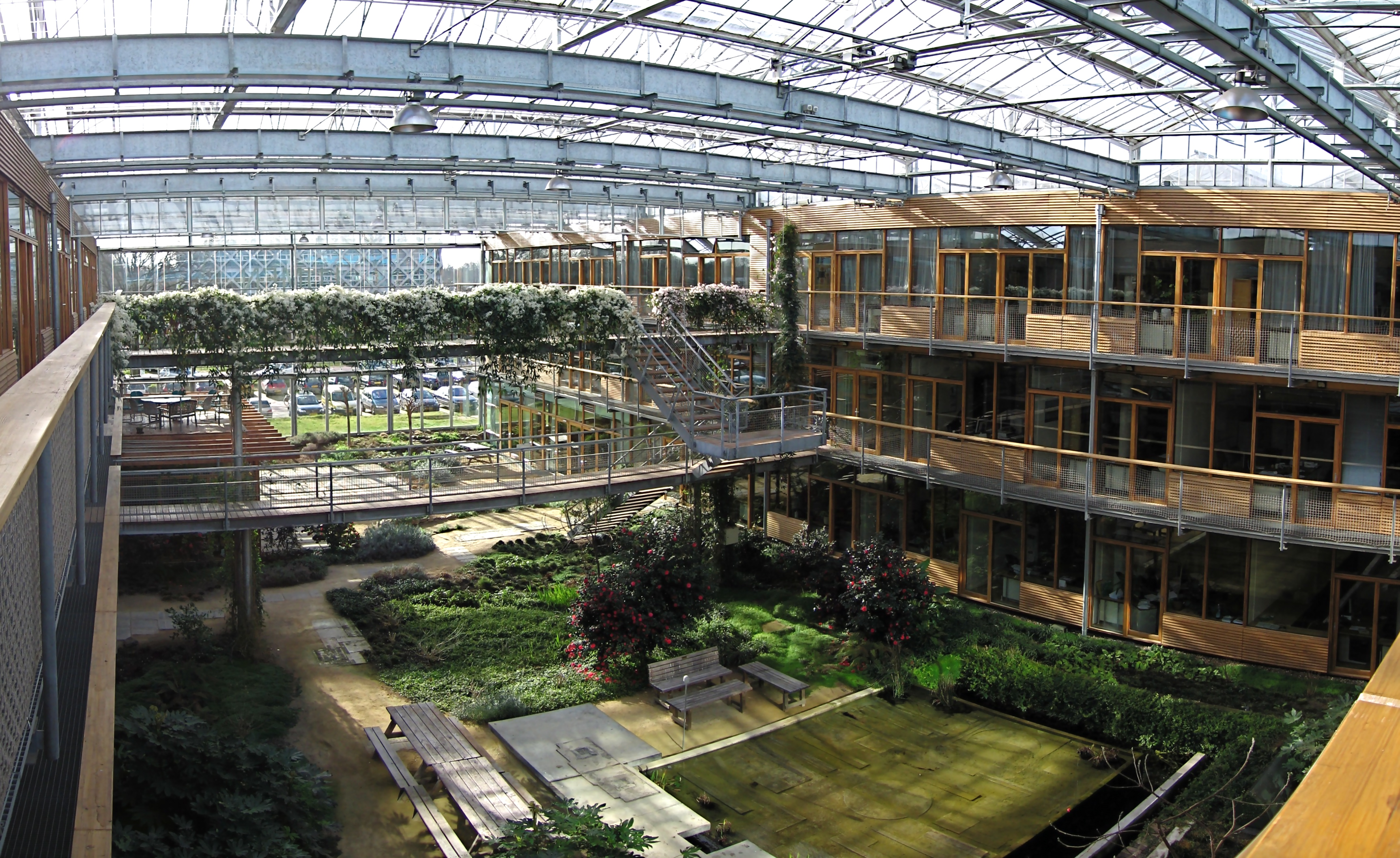
Wageningen University | The Netherlands
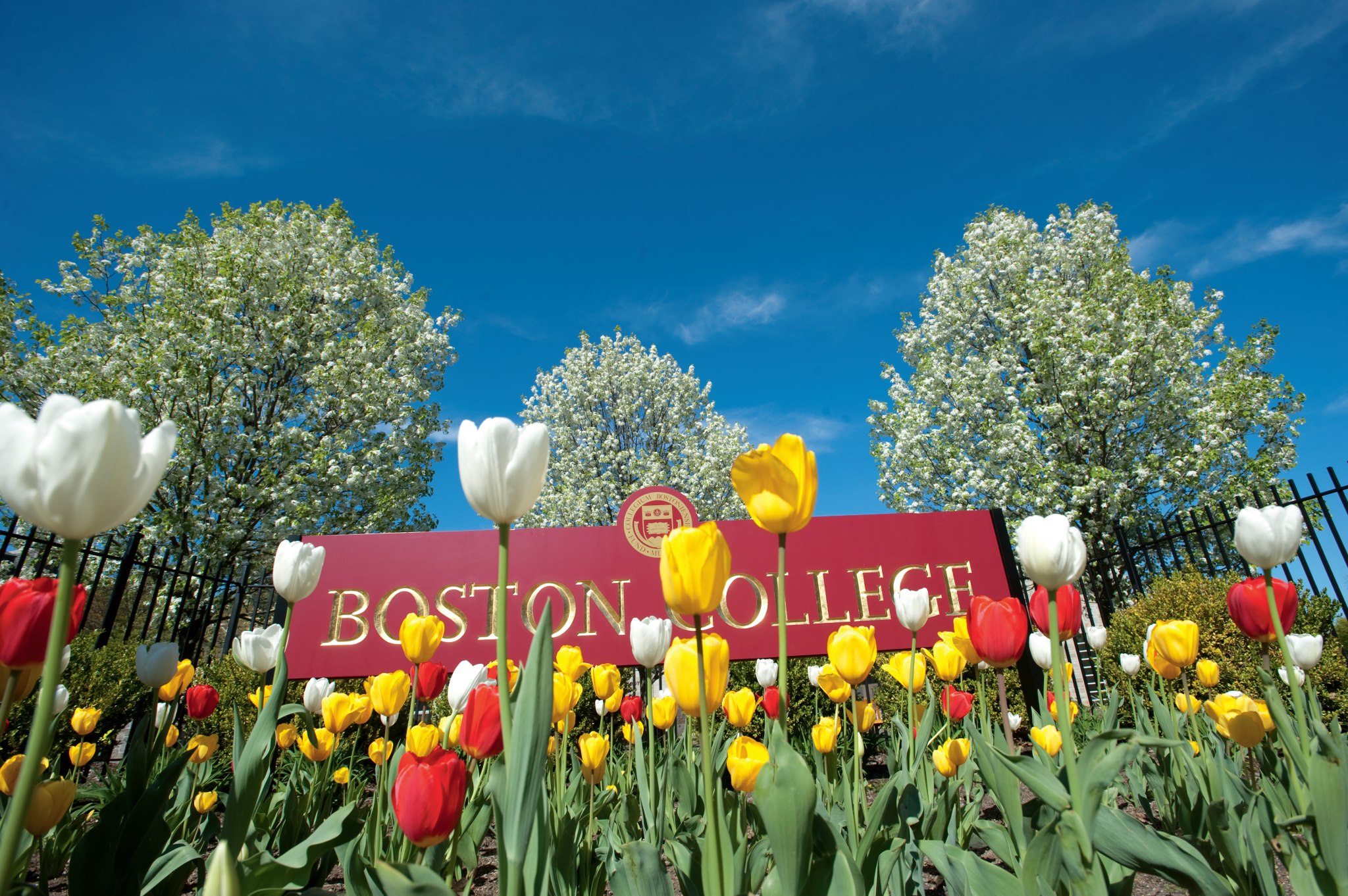
More

Dostojno jest
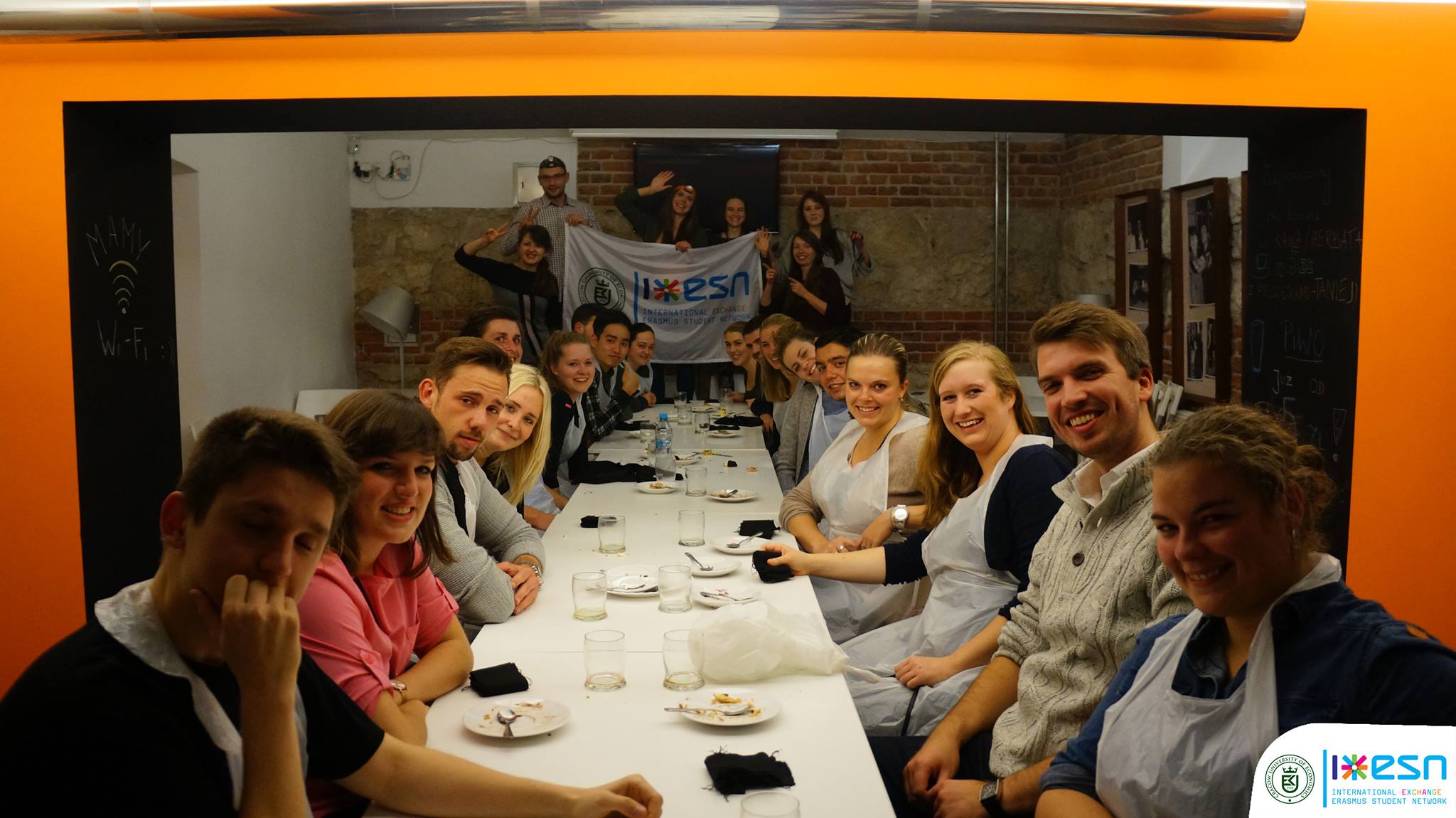
The Cracow University of Economics campus is located in the centre of Krakow in the close neighborhood of the main railway station and bus station Kraków Główny. The University owns 15 buildings where lectures and classes take place, including other facilities like: language centre, library, sport facilities, canteens and cafes, career centre and university clinic.

History of Western Civilization Told Through the Acoustics of its Worship Spaces

Organization of Christian Churches by Social Networks
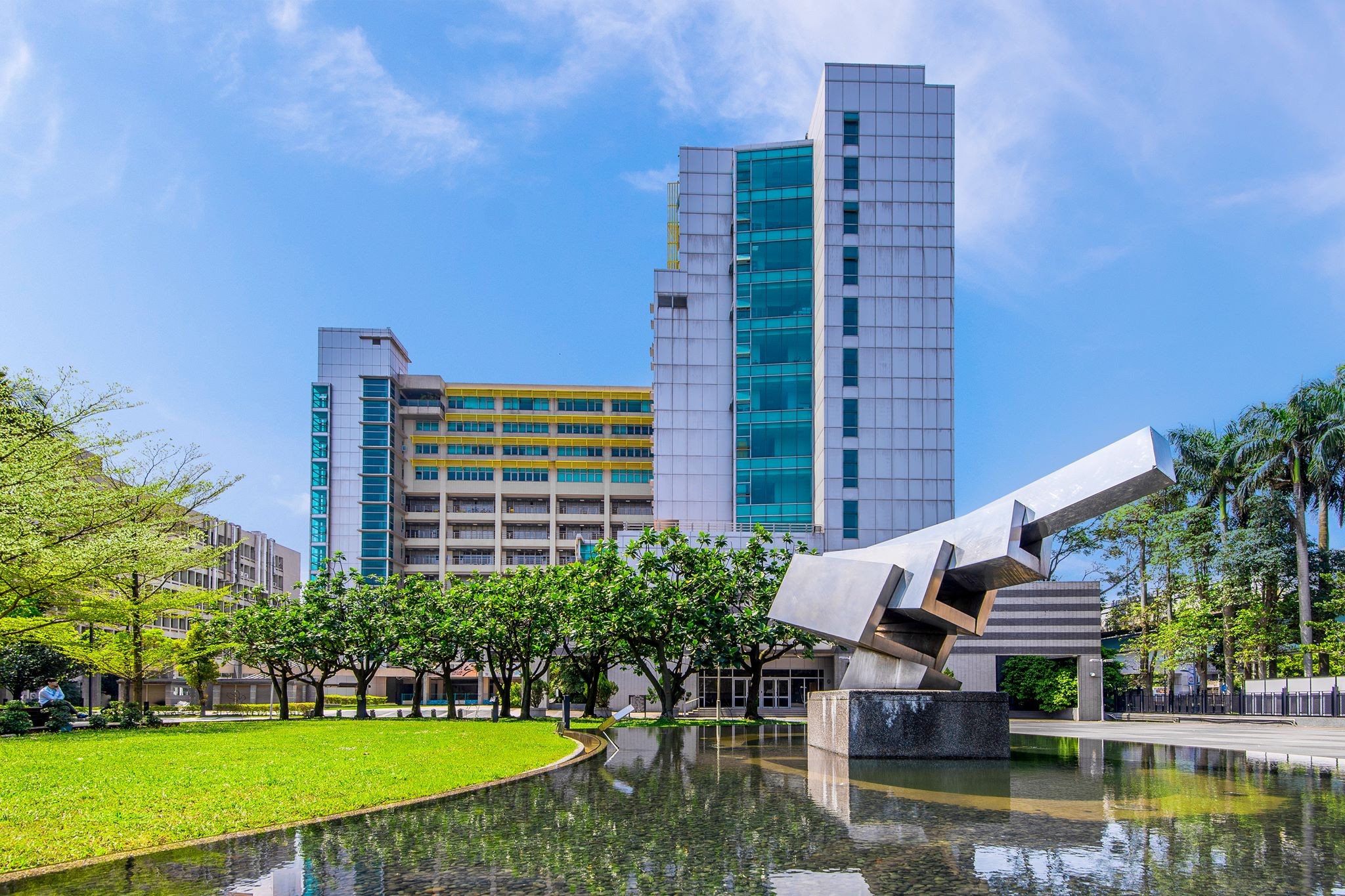
臺科大 國立臺灣科技大學
Yi-Chun Huang – Yun-Shang Chiou
Department of Architecture, National Taiwan University of Science and Technology, Taipei, Taiwan
Abstract: This paper delineates the spatial characteristic of key-Christian church in Taipei metropolitan area from 1930s till 2010s. It compares and analyzes the transformation of spatial configuration corresponding to different sects and time periods. The dataset contains the spatial networks of 13 Christian churches including single and cluster building types of Presbyterian church, Chinese Baptist Convention and Taiwan Lutheran church. Applying measures in social network analysis, it attempts to understand the differences and similarities of spatial networks, especially on the churches of the same sect or same era, and to compare them with the prototype case. In other words, this paper illustrates the transformation of spatial organization of Christian churches in Taipei Taiwan during the past 80 years.


Abiit sed non oblitus | Wisconsin
A message from Stritch President Dr. Dan Scholz
,_Willem_van_Herp_(I)_-_Saint_Francis_with_the_Animals.jpg)
“Saint Francis with the Animals” 17th Century / Lambert de Hondt
A Mass of Thanksgiving will be celebrated Friday, June 2, at 1 p.m. in the Kliebhan Conference Center. Following the Mass, select campus spaces will be open for people to visit from 2-5 p.m.
Please RSVP to communications@stritch.edu if you are planning to join us. pic.twitter.com/IQWmSZ2PGH— Cardinal Stritch University (@stritchu) May 30, 2023

Rooibos Tea

Rooibos tea, also known as red bush tea, is a popular herbal tea that is native to South Africa. It is made from the leaves of the Aspalathus linearis plant, which is found only in the Western Cape region of South Africa.
The plant grows in a microclimate where it is exposed to a combination of hot, dry summers and cold, wet winters, which gives it its distinctive flavor and aroma. It is used in cooking and baking, and can be found in a variety of products, including desserts, skincare products, and even beer.
EU protection for Rooibos tea is good news for South African agriculture


Tea
“Monday morning” as a concept since the modern idea of weekdays, including Monday as the start of the workweek, is a relatively recent development. In ancient times, different cultures had their own systems for organizing time, often based on astronomical or religious cycles rather than the structured workweek we’re familiar with today.
From ancient writings, however, we learn about the start of the week in various contexts. For instance, in Greco-Roman literature, there are numerous references to the beginning of the day and the importance of starting tasks early. Additionally, certain religious texts, such as the Bible, may contain references to the first day of the week, which could be interpreted in a similar context to Monday.

“No matter where you are in the world,
you are at home when tea is served.”
– Earlene Grey
There is an American way for drinking tea, a British way of drinking tea, a Japanese way of drinking tea and so forth and so on. However, the International Organization for Standardization (ISO) section ISO 3103 concludes upon an “international way” of drinking tea. The ISO even created a standard on how to run a standard organization. Their goal for this standard, no matter where you are in the world, is to have one way to play it safe in terms of making tea. To maintain consistent results, the following are recommendations given by the standard:
- The pot should be white porcelain or glazed earthenware and have a partly serrated edge. It should have a lid that fits loosely inside the pot.
- If a large pot is used, it should hold a maximum of 310 ml (±8 ml) and must weigh 200 g (±10 g).
- If a small pot is used, it should hold a maximum of 150 ml (±4 ml) and must weigh 118 g (±10 g).
- 2 grams of tea (measured to ±2% accuracy) per 100 ml boiling water is placed into the pot.
- Freshly boiling water is poured into the pot to within 4-6 mm of the brim.
- The water should be similar to the drinking water where the tea will be consumed
- Brewing time is six minutes.
- The brewed tea is then poured into a white porcelain or glazed earthenware bowl.
- If a large bowl is used, it must have a capacity of 380 ml and weigh 200 g (±20 g)
- If a small bowl is used, it must have a capacity of 200 ml and weigh 105 g (±20 g)
- If the test involves milk, then it can be added before or after pouring the infused tea.
- Milk added after the pouring of tea is best tasted when the liquid is between 65 – 80 °C.
- 5 ml of milk for the large bowl, or 2.5 ml for the small bowl, is used.
If you travel out of the country and are not informed on the countries traditions and practices for drinking tea, according to the ISO, you can’t go wrong by using the above standards. Their standards does not make your way of making tea wrong. It just sets a default and reproducible cup for everyone to make.
More
The International Standard Cup of Tea
NSF International: Drinking Water Quality

There are several universities around the world that specialize in tea research. Some of the most well-known include:
University of North Carolina at Greensboro (USA): The UNCG has a Center for Applied Research in Tea and is dedicated to tea research in the areas of health, culture, and sustainability.
Huazhong Agricultural University (China): Huazhong Agricultural University has a Tea Science Institute that conducts research in the areas of tea breeding, tea processing, tea quality, and tea culture.
University of Shizuoka (Japan): The University of Shizuoka has a Faculty of Agriculture that includes a Department of Tea Science, which conducts research in the areas of tea production, processing, and quality.
University of Darjeeling (India): The University of Darjeeling has a Department of Tea Science and Technology that offers courses in tea science and conducts research in the areas of tea cultivation, processing, and marketing.
University of Colombo (Sri Lanka): The University of Colombo has a Department of Plant Sciences that conducts research in the areas of tea breeding, cultivation, and processing.
Anhui Agricultural University (China): Anhui Agricultural University has a Tea Research Institute that conducts research in the areas of tea breeding, cultivation, processing, and marketing.
Nice cup of tea before bed pic.twitter.com/Wfr16IUGaz
— Rachey (@Rachelle_Hulme) April 2, 2025
New update alert! The 2022 update to the Trademark Assignment Dataset is now available online. Find 1.29 million trademark assignments, involving 2.28 million unique trademark properties issued by the USPTO between March 1952 and January 2023: https://t.co/njrDAbSpwB pic.twitter.com/GkAXrHoQ9T
— USPTO (@uspto) July 13, 2023
Welcome
Standards Michigan Group, LLC
455 East Eisenhower Parkway, Suite 300
Ann Arbor, MI 48108 USA
888-748-3670
DIRECTIONS
 |
 |
|
 |
 |
|
 |
 |
Layout mode
Predefined Skins
Custom Colors
Choose your skin color
Patterns Background
Images Background
error: Content is protected !!
Skip to content