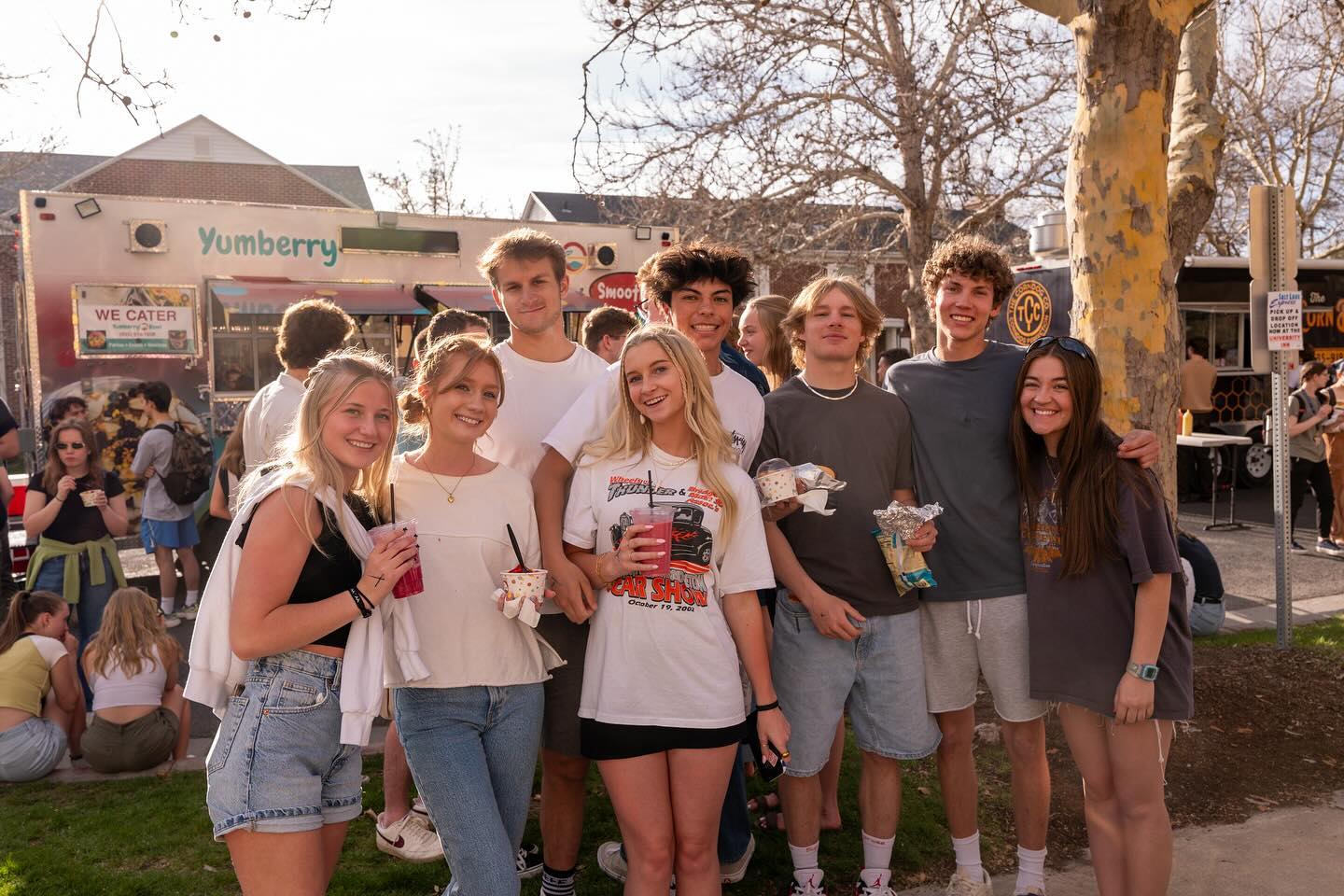
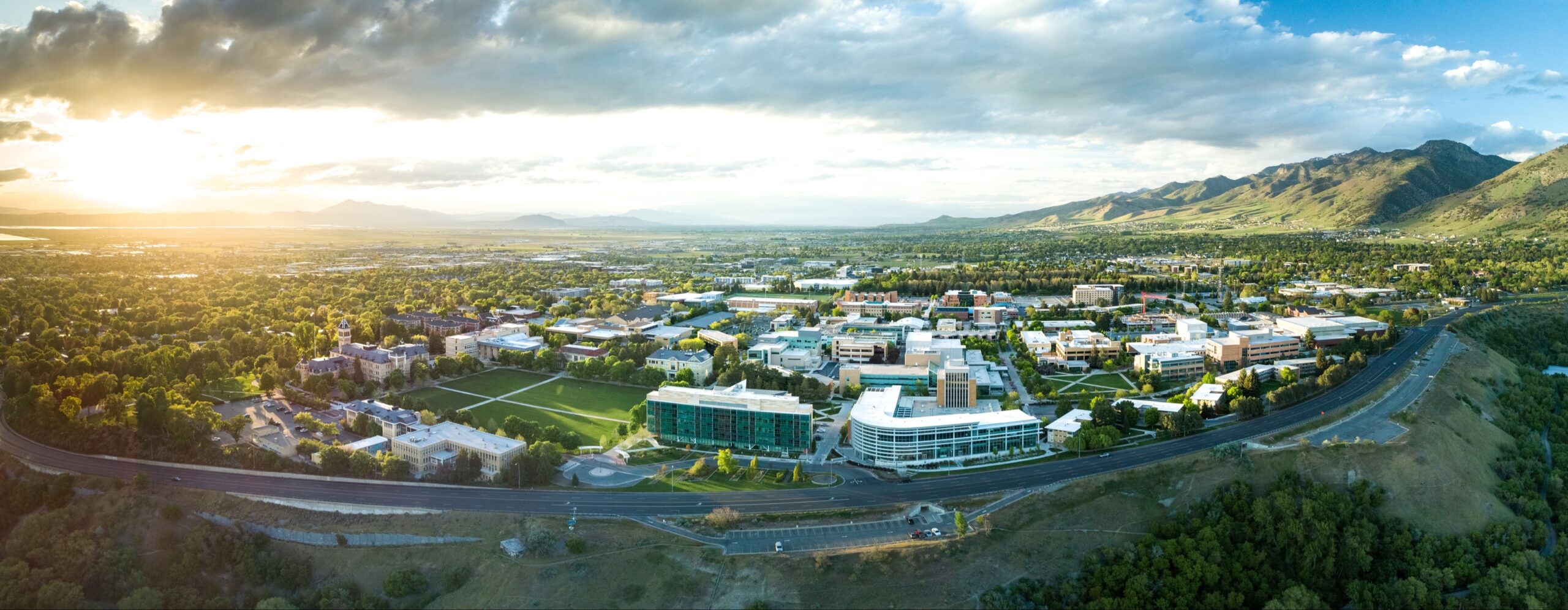
Berry College in Georgia holds the title of the world’s largest contiguous college campus at 27,000 acres (about 42 square miles), far surpassing others like West Point (~16,000 acres).
Founded in 1902 by Martha Berry as the Boys Industrial School (later expanding to include girls and becoming Berry College), it began on 83 acres she inherited from her father.
Through relentless fundraising, donations from philanthropists (including Henry Ford and others), and strategic land purchases—often farms, forests, and rural properties in northwest Georgia—the institution steadily acquired surrounding acreage.
By the 1930s, it owned thousands of acres, emphasizing self-sufficiency, work-study programs, and conservation. This gradual expansion, tied to its mission of education and stewardship, made it the largest by far.
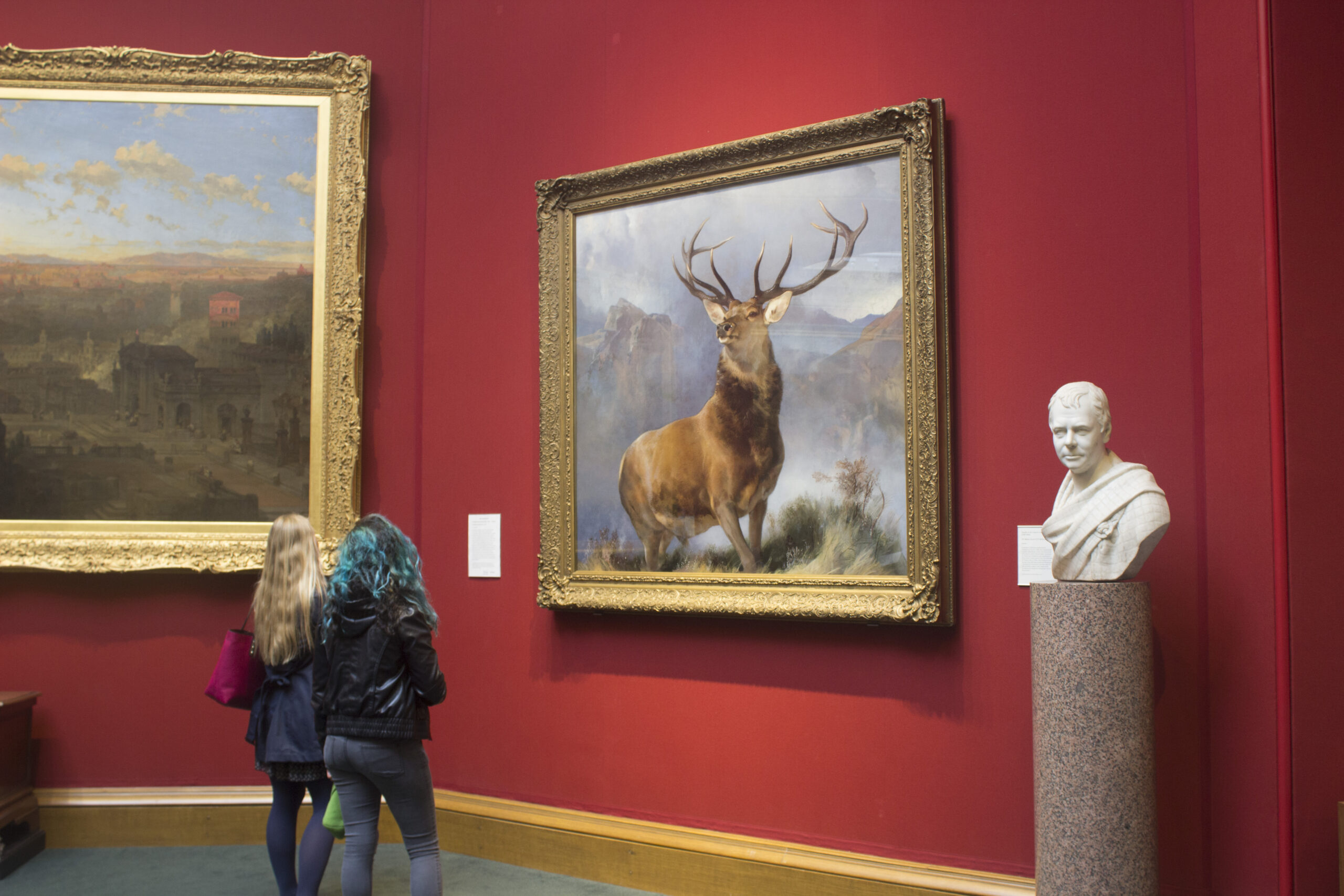
“What art is, in reality, is this missing link, not the links which exist.
It’s not what you see that is art; art is the gap”
— Marcel Duchamp
Today we refresh our understanding of the literature that guides the safety and sustainability goals of lively art and special event setting on the #WiseCampus. Consortia have evolved quickly in recent years, leading and lagging changes in the content creation and delivery domain. With this evolution a professional discipline has emerged that requires training and certification in the electrotechnologies that contribute to “event safety”; among them:
ASHRAE International
Standard 62.1: This standard establishes minimum ventilation rates and indoor air quality requirements for commercial buildings, including theaters and auditoriums.
Standard 55: This standard specifies thermal comfort conditions for occupants in indoor environments, which can have an impact on air quality.
RP-16-17 Lighting for Theatrical Productions: This standard provides guidance on the design and implementation of lighting systems for theatrical productions. It includes information on the use of color, light direction, and light intensity to create different moods and effects.
RP-30-15 Recommended Practice for the Design of Theatres and Auditoriums: This standard provides guidance on the design of theaters and auditoriums, including lighting systems. It covers topics such as seating layout, stage design, and acoustics, as well as lighting design considerations.
DG-24-19 Design Guide for Color and Illumination: This guide provides information on the use of color in lighting design, including color temperature, color rendering, and color mixing. It is relevant to theater lighting design as well as other applications.
Dance and Athletic Floor Product Standards: ASTM F2118, EN 14904, DIN 18032-2
Incumbent standards-setting organizations such as ASHRAE, ASTM, ICC, IEEE, NFPA have also discovered, integrated and promulgated event safety and sustainability concepts into their catalog of best practice titles; many already incorporated by reference into public safety law. We explore relevant research on crowd management and spectator safety.
The circumstances of the pandemic has made “re-rationalization” of education community spaces an urgent priority. Today at 15:00 UTC we pick through the concepts in play. Use the login credentials at the upper right of our home page.
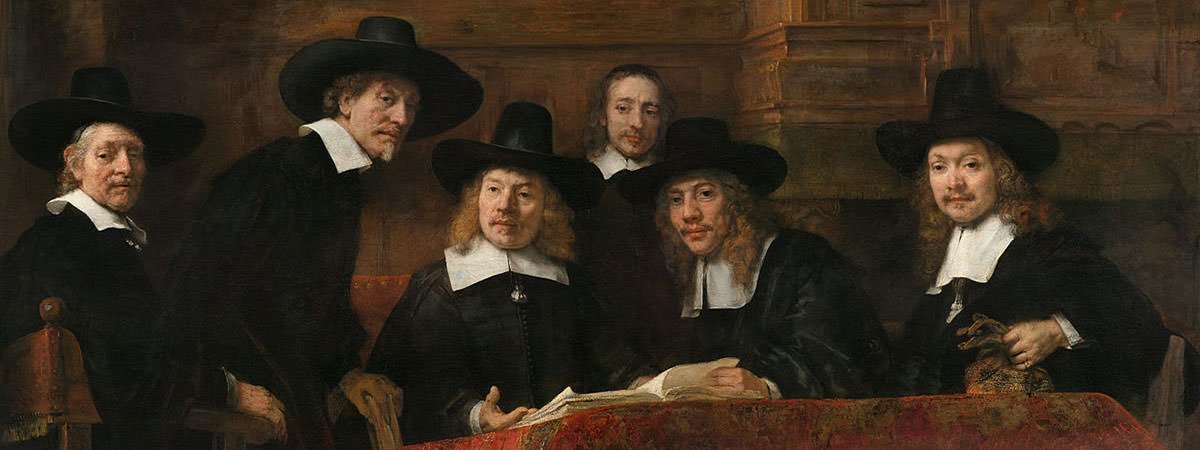
“The Sampling Officials” | “Syndics of the Drapers’ Guild” 1662 Rembrandt
Today we run a status check on public consultations on best practice titles that set the standard of care for risk management in the education facility industry; including university-affiliated healthcare enterprises.
Open to everyone. Use the login credentials at the upper right of our home page. Some of topics we cover are listed below:
Security standards (alarms, signaling, human resources, etc.)
Property loss prevention standards
Third party use of education facilities
Athletic and recreational program risk
OSHA regulations (electrical, fall, confined space risk, etc.)
January 25th Joint Meeting of the Nuclear Regulatory Commission and FERC: Docket No. AD06-6-000. Given the close coupling of electric and natural gas supply with respect to power reliability, the mind boggles at the hostility of the Biden Administration to natural gas anywhere on earth. Natural gas is critical to generation plant black start capabilities and hospitals, among others.
A selection of the presentations:
“Long Term Reliability Assessment” – Presented by Mark Lauby, Senior Vice President and Chief Engineer, NERC
“Grid Reliability Overview & Updates” – Presented by David Ortiz, Director of the Office of Electric Reliability
“Status of Standards and Implementation for Cold Weather Preparedness and Applicability to Nuclear Plants” – Presented by David Huff, Electrical Engineer, Office of Electric Reliability
“Gas-Electric Coordination Since Winter Storm Uri” – Presented by Heather Polzin, Reliability Enforcement Counsel, Office of Enforcement
“Overview of Power Reactor Activities” – Presented by Andrea Kock, Deputy Office Director for Engineering, NRR
“Grid Reliability Updates” – Presented by Jason Paige, Chief, Long-Term Operations and Modernization Branch, Division of Engineering and External Hazards, NRR
In 2025, U.S. data centers saw explosive expansion fueled by AI and hyperscale demand. Grid power demand rose ~22% to ~61.8 GW (up 11.3 GW from 2024). Electricity use built on 2024’s ~183 TWh (>4% national total), with vacancy hitting record lows (~1.6–2.8%) and inventory surging in markets like Atlanta (+969 MW in H1). Under-construction capacity reached historic highs amid power constraints in core hubs.
Source: CBRE, S&P Global, DOE reports (as of Jan 2026)
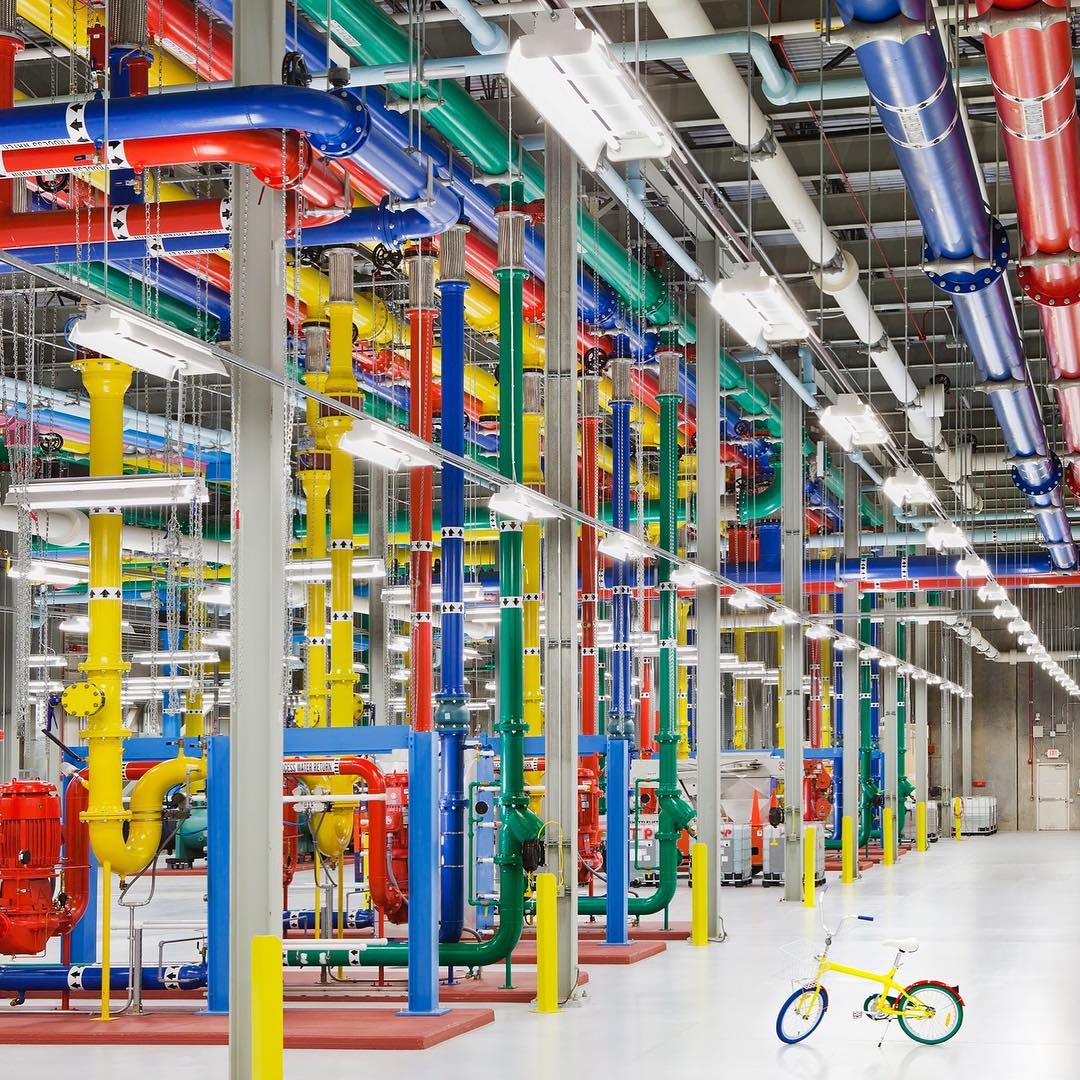
Google Data Center
As of today — January 13, 2026 — NTIA has not published the anticipated report synthesizing these inputs, but it is expected to outline challenges, opportunities, and policy options. For the latest, monitor NTIA’s newsroom or regulations.gov docket NTIA-2024-0001, where over 100 comments have been logged since the RFC’s launch
While no final NTIA report has been released as of January 2026, the RFC and listening session have influenced adjacent policy discussions. For example, a July 2025 White House AI Action Plan referenced streamlined permitting for data centers as part of national AI priorities. Additionally, a January 2025 Executive Order (EO 14141) and subsequent efforts, like the Department of the Air Force’s proposals for AI data centers on military bases, tie into the themes of secure and resilient infrastructure growth. A GAO report from April 2025 also cited the NTIA RFC in discussions of generative AI’s environmental effects, noting potential technical innovations to mitigate issues.
The National Telecommunications and Information Administration requests comments on the challenges surrounding data center growth, resilience and security in the United States amidst a surge of computing power demand due to the development of critical and emerging technologies. This request focuses on identifying opportunities for the U.S. government to improve data centers’ market development, supply chain resilience, and data security. NTIA will rely on these comments, along with other public engagements on this topic, to draft and issue a public report capturing economic and security policy considerations and policy recommendations for fostering safe, secure, and sustainable data center growth.
Written comments must be received on or before November 4, 2024.
There are a few campuses in the USA and UK where chickens are allowed to roam freely, often as part of educational programs or sustainability initiatives.
In the USA, some examples include:
University of California, Davis: The campus has a farm that includes free-range chickens as part of its agricultural programs. Bard College: They have a farm that features free-range chickens, contributing to their sustainable agriculture practices.
In the UK, examples include:
University of Edinburgh: They have had initiatives where chickens roam freely as part of urban farming projects. Kingston University: Their campus has included chickens in community gardening efforts. These programs often emphasize sustainability, education, and the benefits of local food production.
Small scale chicken farming, as in residential and even in educational settlements, are regulated at the local level by municipalities, cities, or counties. Local ordinances vary widely with some common elements including:
Zoning Laws: These laws determine whether residential areas can keep chickens and in what capacity. Some areas may prohibit chickens entirely, while others may allow a limited number.
Permit Requirements: Some localities require residents to obtain a permit to keep chickens.
Coop Specifications: Regulations may include specific requirements for chicken coops, such as size, location, and sanitation standards.
Noise and Nuisance Laws: Rules may be in place to manage noise and odors, ensuring that chickens do not become a nuisance to neighbors.
Health and Safety Codes: These codes can cover the cleanliness of the area where chickens are kept, as well as guidelines for feeding and waste disposal to prevent attracting pests or creating health hazards.
New update alert! The 2022 update to the Trademark Assignment Dataset is now available online. Find 1.29 million trademark assignments, involving 2.28 million unique trademark properties issued by the USPTO between March 1952 and January 2023: https://t.co/njrDAbSpwBpic.twitter.com/GkAXrHoQ9T