
Author Archives: mike@standardsmichigan.com

Loading
loading...

Cultural Resource Properties

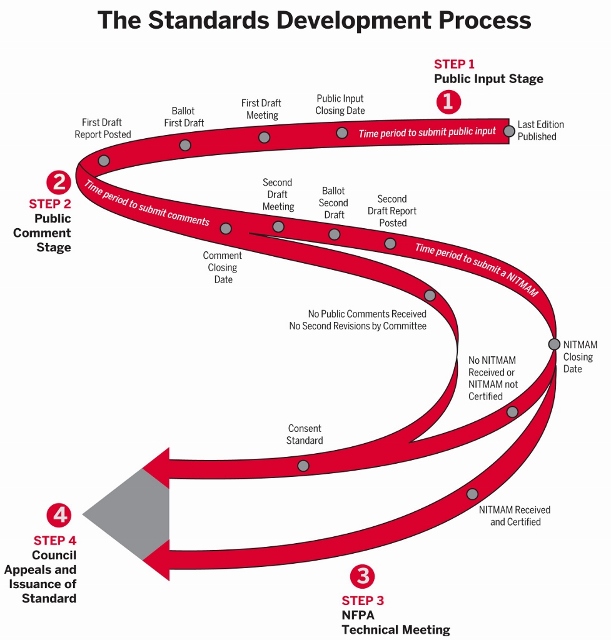
Public Input on the 2029 Edition will be received until January 6, 2027
Comments on the Second Draft of NFPA 909 — Cultural Resource Property Protection — will be received until 3 October 2024

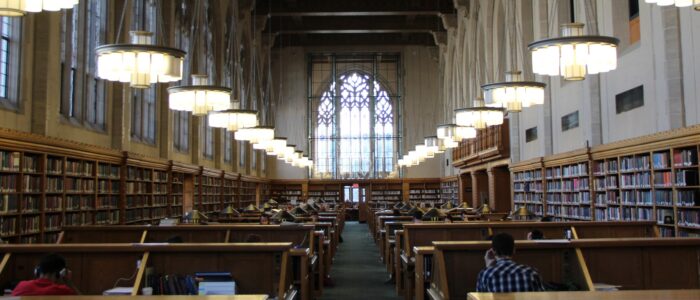
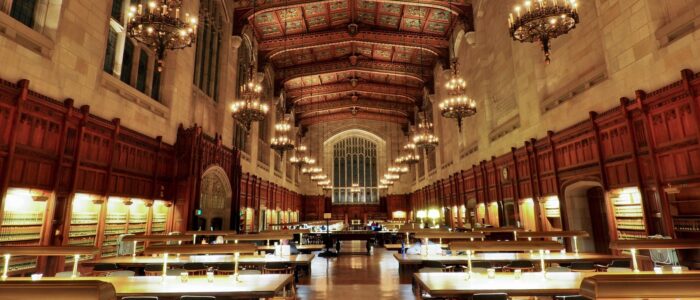
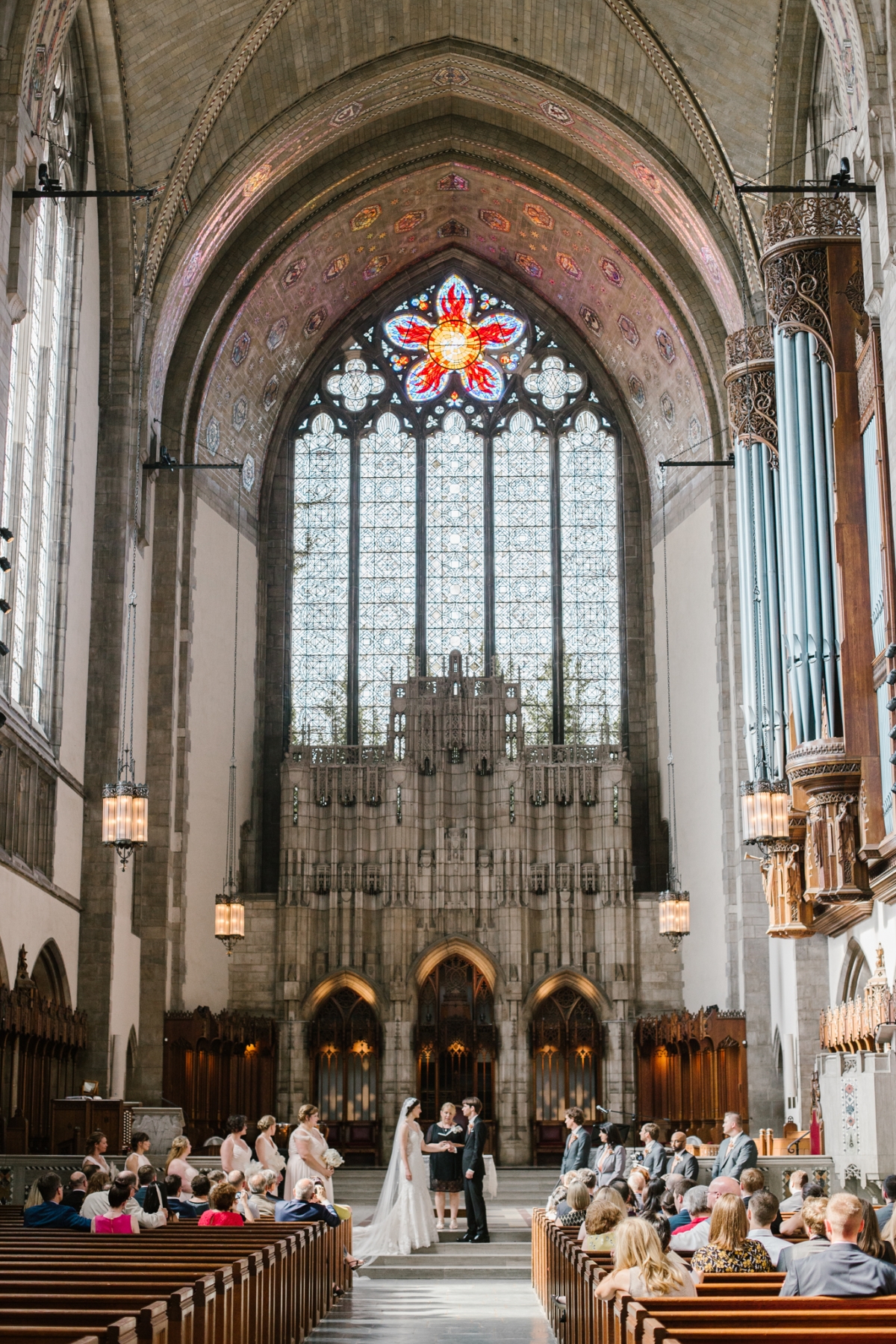
University of Chicago


Books cannot be killed by fire.  People die, but books never die

No man and no force can put thought in a concentration camp forever

— Franklin Roosevelt


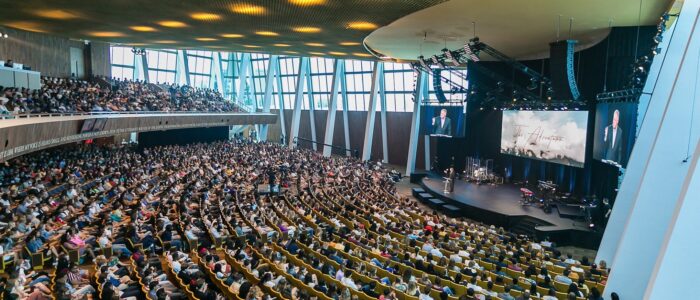
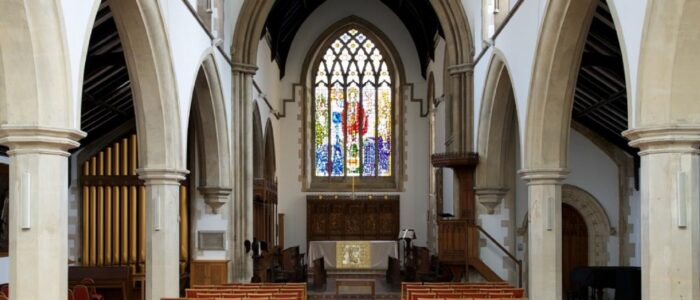
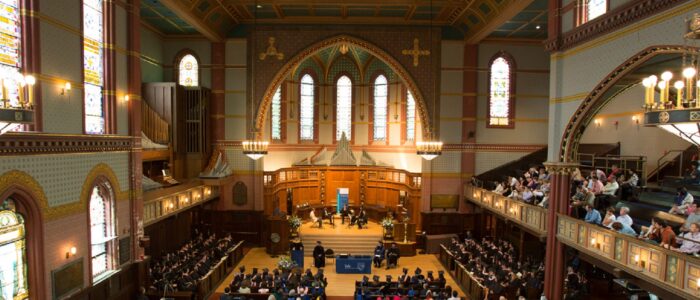
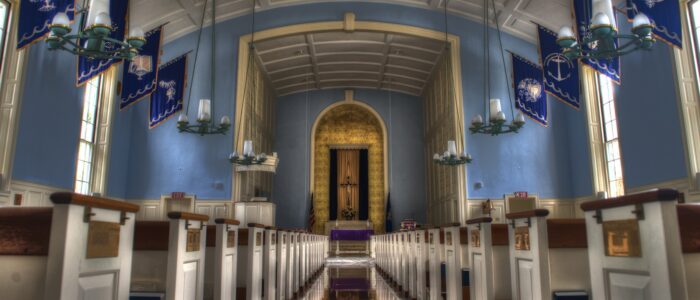
Many education communities build and maintain cultural resource properties whose safety and sustainability objectives are informed by local adaptations of consensus products developed by the International Code Council (ICC) and the National Fire Protection Association (NFPA).   We need to understand the ICC and NFPA product suites as a pair.   For most real assets in the education industry  they move “roughly” in tandem even though they are produced by different organizations for a different set of customers.  Sometimes the out-of-step condition between NFPA and ICC permits subject matter experts on technical committees to make the best possible decisions regarding the safety and sustainability agenda of the interest group they represent; but not always.

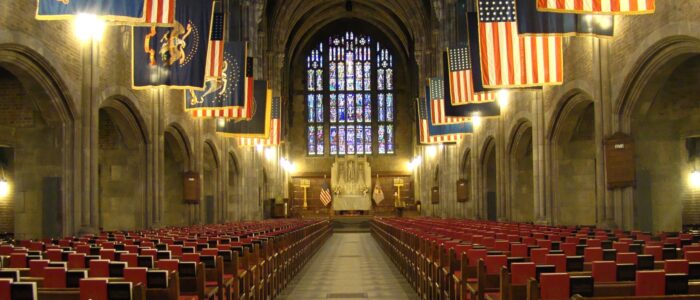
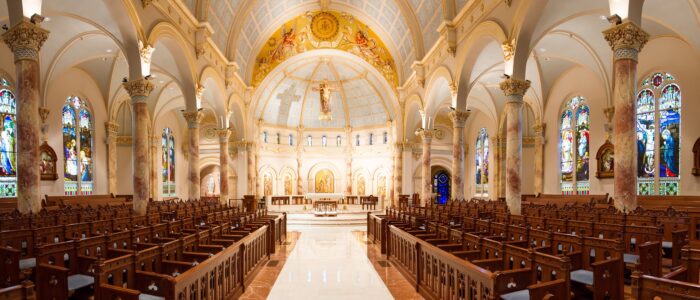
Occupancy classification is always a first consideration and both the NFPA and the ICC have a claim to some part of this occupancy concept*.   In the ICC suite we find code requirements for many “cultural places of worship” tracking in the following sections of the International Building Code (IBC):

Section 303 Assembly Group A-3

Section 305 Educational Group E

Section 308 Institutional Group I

Note that Sections 305 and 308 recognize the accessory and multi-functional nature of occupancy types in the education industry – i.e child care and adult care function can marge and be an accessory to a place of worship.  The general rule in the IBC is that accessory religious educational rooms and religious auditoriums with occupant loads of less than 100 per room or space are not considered separate occupancies.    Other standards developers are guided by this rule.
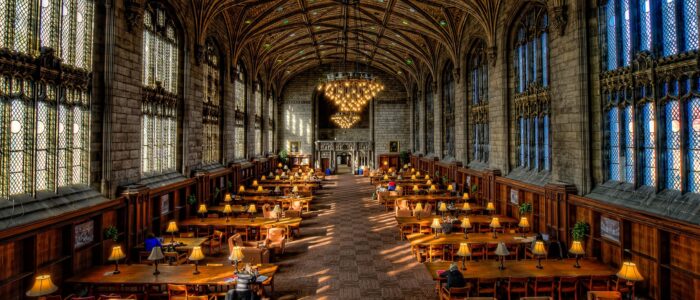
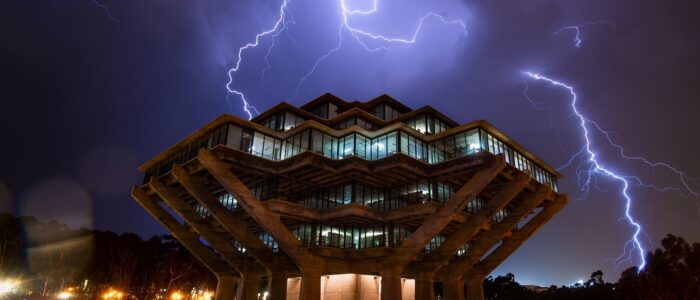
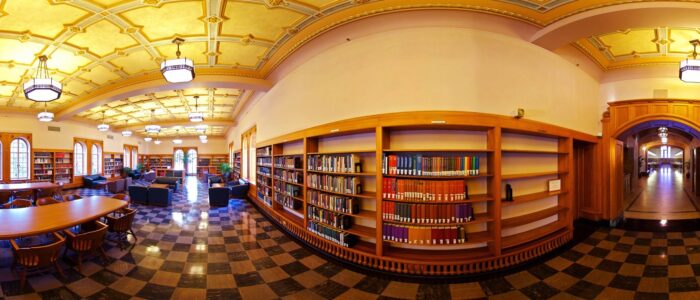
"The only thing you absolutely have to know is the location of the library" - Albert Einstein

Close coupled to the IBC for this occupancy class is NFPA 909 Code for the Protection of Cultural Resource Properties – Museums, Libraries, and Places of Worship.  From the document prospectus:

• This code describes principles and practices of protection for cultural resource properties (including, but not limited to, museums, libraries, and places of worship), their contents, and collections, against conditions or physical situations with the potential to cause damage or loss.

• This code covers ongoing operations and rehabilitation and acknowledges the need to preserve culturally significant and character-defining building features and sensitive, often irreplaceable, collections and to provide continuity of operations.

• Principles and practices for life safety in cultural resource properties are outside the scope of this code. Where this code includes provisions for maintaining means of egress and controlling occupant load, it is to facilitate the evacuation of items of cultural significance, allow access for damage limitation teams in an emergency, and prevent damage to collections through overcrowding or as an unintended consequence of an emergency evacuation.

• Library and museum collections that are privately owned and not open to the public shall not be required to meet the requirements of this code.

"The only thing you absolutely have to know is the location of the library" - Albert Einstein

Since we are hard upon release of the 2021 Edition of NFPA 909 let us take a backward look at the current (2017) version of NFPA 909 Code for the Protection of Cultural Resource Properties – Museums, Libraries, and Places of Worship.  Chapter 14 covers “Museums, Libraries and their Collections”.   Chapter 15 covers “Places of Worship”
Free Access Edition NFPA 909

The 2025 Edition is now open for public input.  Let us pick through proposals for the 2021 Edition to inform our approach to its improvement by referencing the technical committee transcripts linked below:

Public Input Report: January 12, 2023

N.B. We find committee response (accepted in principle) to Standards Michigan proposal to articulate conditions in which places of worship and libraries are used as community disaster relief support facilities.  We consider this a modest “code win”.

Circling back to the ICC suite we find elevated interest in hardening community owned facilities to tornadoes, hurricane and floods and other storm related risk in the structural engineering chapters of the International Building Code.
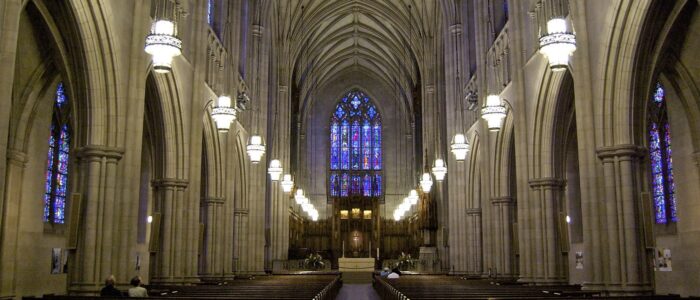
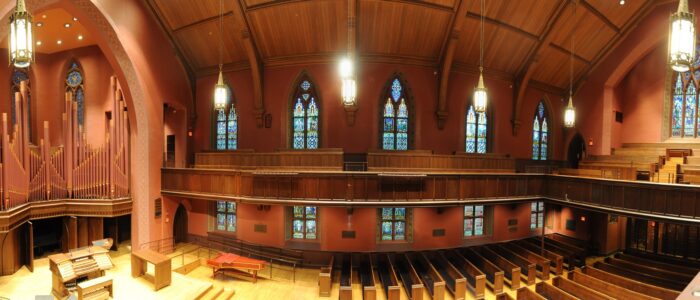
"This We'll Defend."

NFPA 909: Code for the Protection of Cultural Resource Properties – Museums, Libraries, and Places of Worship | 2021 Edition

Leadership and facility managers for enterprises of this type are encouraged to contribute obtain their own (free) NFPA public participation account in order to directly participate in the 2025 revision of NFPA 909 by logging in here: https://www.nfpa.org/login.

Public consultation on the First Draft of the 2025 Edition closes January 4, 2024.

This document is also a standing item on our periodic Prometheus, Lively and Fine Arts teleconference.  See our CALENDAR for the next online meeting; open to everyone.

Issue: [15-258]

Category: Fire Safety, Public Safety

Colleagues: Mike Anthony, Josh Elvove, Joe DeRosier

*See NFPA 101 Life Safety Code

Labeling of Hazardous Art Materials Act

Property Loss Prevention


LEARN MORE:

Guidelines for the Security of Rare Books, Manuscripts, and Other Special Collections, Association of College & Research Libraries, American Library Association, 50 East Huron Street, Chicago, IL 60611-2795.

“A Legal Primer on Managing Museum Collections,” Malaro, Marie, second edition 1998

“Risk and Insurance Management Manual for Libraries,” Mary Breighner and William Payton, edited by Jeanne Drewes, ALA 2005 ISBN 0-8389-8325-1.

Wisconsin Historic Building Code, Madison, WI:Wisconsin Administrative Code.

 

Pax Americana

EXTERIOR SIGNAGE, GRAPHICS & WAYFINDING STANDARDS


CAMPUS PLANNING & LANDSCAPE ARCHITECTURE | December 2024 Revision


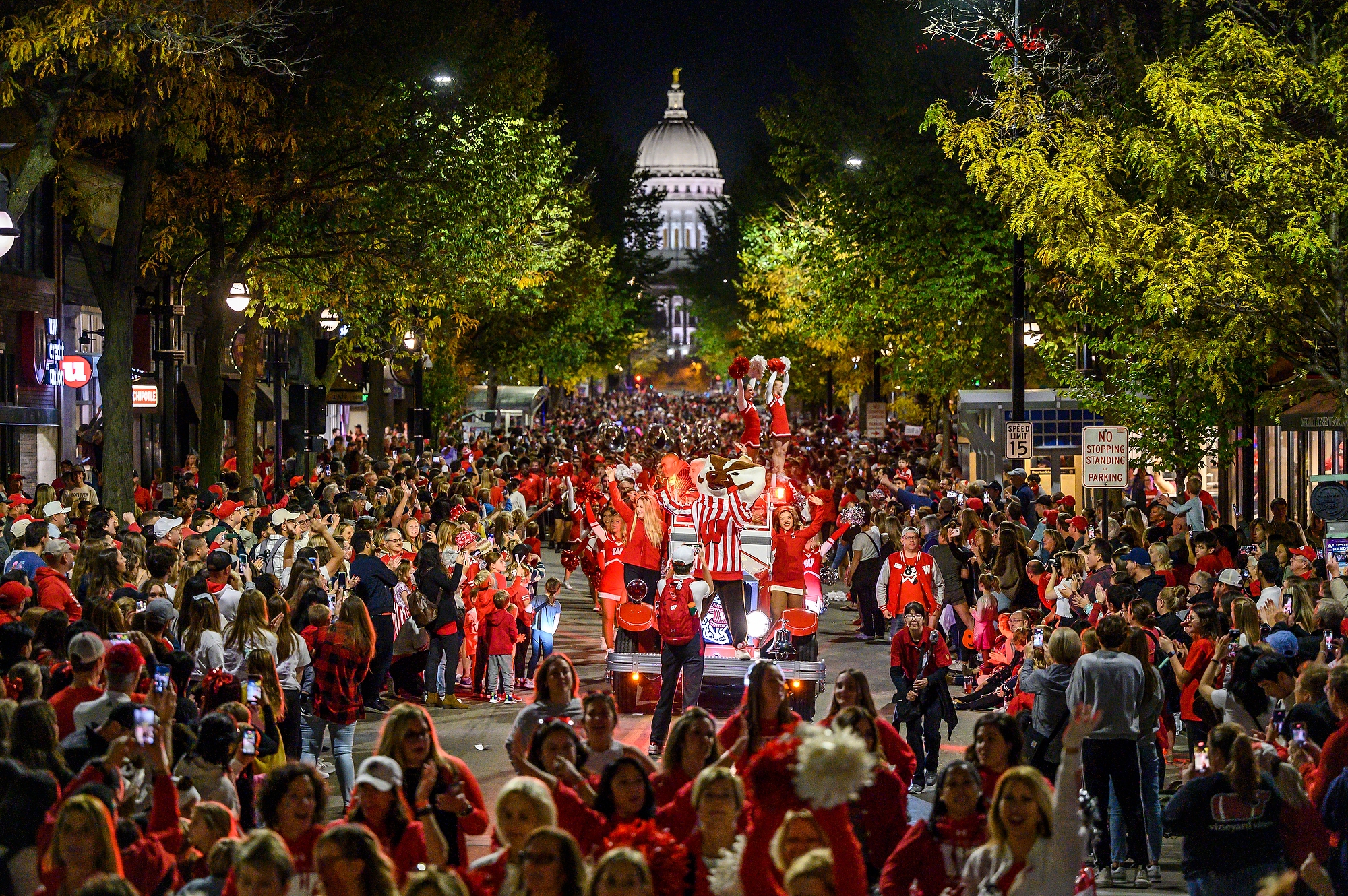
University of Wisconsin | Dane County


American universities are plagued by excessive, cluttered signage — “oversigning” — that creates visual chaos and an unwelcoming aesthetic. This is a direct result of strong social control tendencies in modern campus culture and bureaucracy.

Key causes:

  • Risk aversion & liability: Administrators flood spaces with warning signs, rules, accessibility notices, and compliance statements to minimize lawsuits.
  • Administrative bloat: Expanding offices (DEI, compliance, student life, bias teams) create endless new policies that each demand signage.
  • Behavioral control: Signage increasingly prescribes speech, pronouns, microaggression warnings, approved behaviors, and ideological signals.
  • Bureaucratic inertia: Poor coordination between departments leads to overlapping, redundant, and rarely removed signs.

The outcome is visual overload: too many fonts, colors, rules, and directives. While signage standards try to impose order, the underlying incentives of safetyism, compliance, and norm enforcement continually push toward more signs, not fewer.

Wisconsin


The University Campus As A Designed Work and an Artefact of Cultural Heritage

The University Campus in the United States—As a Designed Work to Produce Knowledge; and as an Artefact of Cultural Heritage

Paul Hardin Kapp
School of Architecture, University of Illinois at Urbana-Champaign, Illinois, United States


ABSTRACT: The university campus in the United States is a unique architectural and landscape architecture typology. Nothing like it existed until Harvard University was established in 1638. Invented during in the 17th century by the American colonists and later developed during the American Industrial Revolution, the American campus is a community devoted to teaching and generating knowledge. It can be urban, suburban, and/or rural in form and its planning directly correlates with a university’s research mission and the pedagogy of the American university system. Its buildings and landscapes are embedded with iconography, which the founding builders used to convey their values to future generations.

This paper presents the history of how this designed work first emerged in American society and then evolved in ways that responded to changes that occurred in America. At the end of the 20th century, universities conserved parts of them as cultural heritage monuments. Originally, the university campus was built to disseminate a classical education, but later, the campus was built for technical and agricultural education. By the beginning of the 20th century, professional education and sport changed its architecture and landscape. The paper briely discusses that while it has inspired how universities are built to teach and generate knowledge throughout the world. It concludes by reairming its value to cultural heritage and that it should be conserved.

Illinois

Wayfinding

Modelling and Simulation Wayfinding in Unfamiliar Campus Environment

Designing digital signage for better wayfinding performance: New visitors’ navigating campus of university

Wayfinding Behavior Detection by Smartphone

Human Behavior During Emergency Evacuation: Cell Transmission Model

Almawhere 2.0: a pervasive system to facilitate indoor wayfinding

Managing egress of crowd during infrastructure disruption

A Fuzzy-Theory-Based Cellular Automata Model for Pedestrian Evacuation From a Multiple-Exit Room

Emergency exit sign detection system for visually impaired people

Evacuating Routes in Indoor-Fire Scenarios with Selection of Safe Exits on Known and Unknown Buildings Using Machine Learning

Exits choice based on cellular automaton model for pedestrians’ evacuation

Computer aided architectural design: Wayfinding complexity analysis

Using space syntax to understand knowledge acquisition and wayfinding in indoor environments

Wayfinding by auditory cues in virtual environments

Computer Vision Method in Means of Egress Obstruction Detection

Map Displays And Landmark Effects On Wayfinding In Unfamiliar Environments

Informing the design of an automated wayfinding system for individuals with cognitive impairments

Virtual Reality to Study Pedestrian Wayfinding: Motivations and an Experiment on Usability

AR-enabled wayfinding kiosk

Research on the terrain cognition in small-scale environment

A comparison study of stationary and mobile eye tracking on EXITs design in a wayfinding system

CityGuide: A Seamless Indoor-Outdoor Wayfinding System for People With Vision Impairments

Poster: Evaluation of Wayfinding Aid Techniques in Multi-Level Virtual Environments

Automatic Optimization of Wayfinding Design

Implementing game artificial intelligence to decision making of agents in emergency egress

Navigating MazeMap: Indoor human mobility, spatio-logical ties and future potential

Energy conservation from retrofit ‘exit‘ sign in public premises


British High Schoolers Try American Fried Chicken, Biscuits & Sausage Gravy

Biscuits and sausage gravy is firmly rooted in Southern American cuisine, which has a rich history influenced by African, Native American, European, and other culinary traditions. The combination of biscuits and sausage gravy reflects the availability of ingredients in the South, where biscuits (similar to a type of British scone) and pork products were common.

The concept of biscuits, similar to what Americans call biscuits, has British origins. Early settlers brought this baking technique with them to the American colonies. However, the American biscuit evolved over time to become lighter and fluffier compared to the denser British biscuit.

Kitchens 300

American Highschoolers try REAL British food for the first time!

Late Night Breakfast | May

Late Night Breakfast (December & May)

No photo description available.

ProPublica: Statement of Financial Position | Capital Master Plan

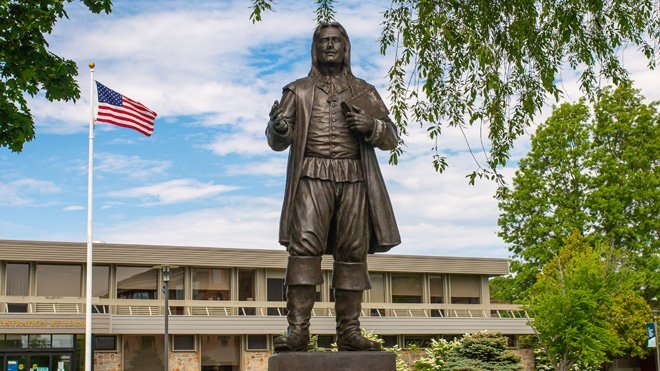
Creator of Beloved Roger Williams Statue on RWU Campus Dies at Age 87 | Roger Williams University

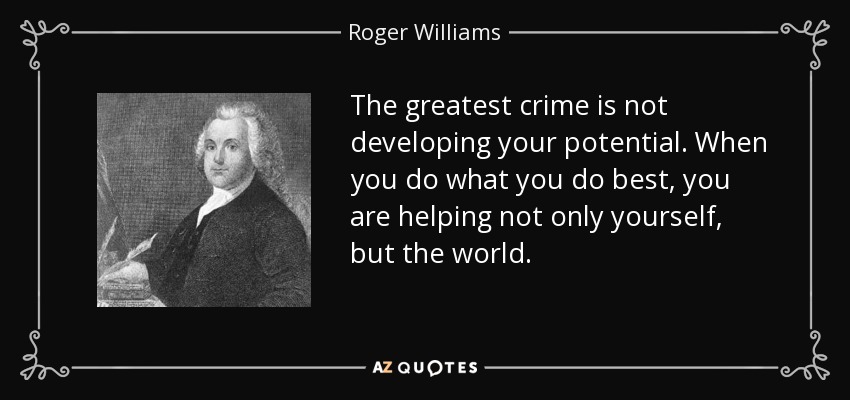
The greatest crime is not developing your potential. When you do what you do best, you are helping not only yourself, but the world. - Roger Williams

No photo description available.

Severe Weather Preparedness Plan

POLI SCI 425 (Summer) “Political Psychology of Polarization

This content is accessible to paid subscribers. To view it please enter your password below or send mike@standardsmichigan.com a request for subscription details.

Baked Potato Strips

Recipe Guide

Maine Major Capital School Construction Programs | Maine Farm Safety Programs

Maine Extension Homemakers Newsletter, January-February-March 2025


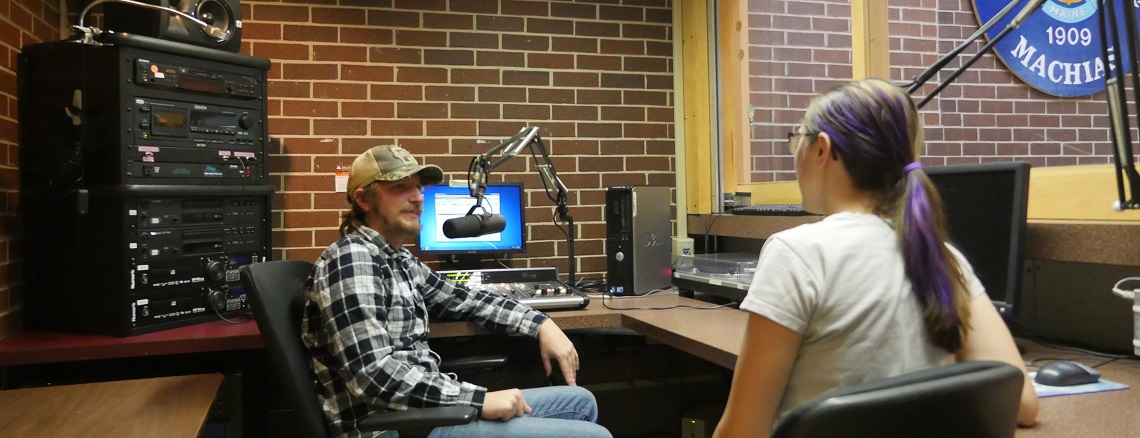
Radio Machias WUUM 91.1 MHz FM

Maine


Sarah Lawrence College

This content is accessible to paid subscribers. To view it please enter your password below or send mike@standardsmichigan.com a request for subscription details.

Layout mode
Predefined Skins
Custom Colors
Choose your skin color
Patterns Background
Images Background
Standards Michigan
error: Content is protected !!
Skip to content