
Student Publications
- Home Page 33



Fashion Technology
Art presents a different way of looking at things than science;
one which preserves the mystery of things without undoing the mystery.

You can always be thinner, look better. https://t.co/Rlibaw8U8v pic.twitter.com/oSif9CNDbz
— 𝒩𝒶𝓉𝒶𝓁𝒾𝒶 (@classicspilled) November 23, 2025
Everyone would basically be 50% happier if everyone dressed a little better. Clothes are everywhere. Everyone doesn’t have to be a clothes hound, but if the girls looked pretty and the guys looked nice, people would be happier and even more optimistic about the future. pic.twitter.com/iQcNPL1cMl
— O.W. Root (@NecktieSalvage) July 17, 2024

Helpppp! Got a black tie wedding next month 💒 and narrowed the dresses down to four!! But which one?! pic.twitter.com/f4XZmXeJx4
— Miss Gauld (@miss_gauld) April 5, 2024

Speaking of storms…Photo of an apple orchard in Ireland after a storm.
by Tony Egan pic.twitter.com/EFWQzCtUkz— Edward Elderman (@edwereddie) October 10, 2024

Animals 300
Office of Laboratory Animal Welfare
Guide for the Care and Use of Laboratory Animals
Kids raised right….
— Carissa (@njoyzgrl81) April 6, 2024

“The Peaceable Kingdom” 1833 Edward Hicks
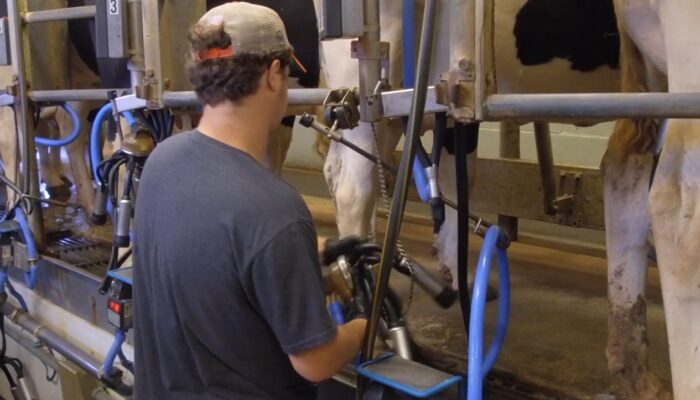
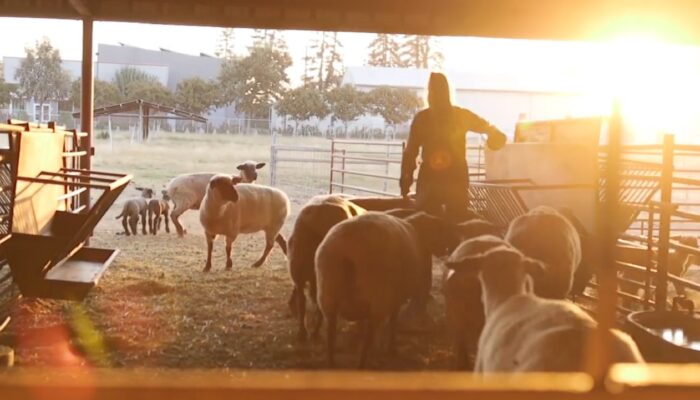
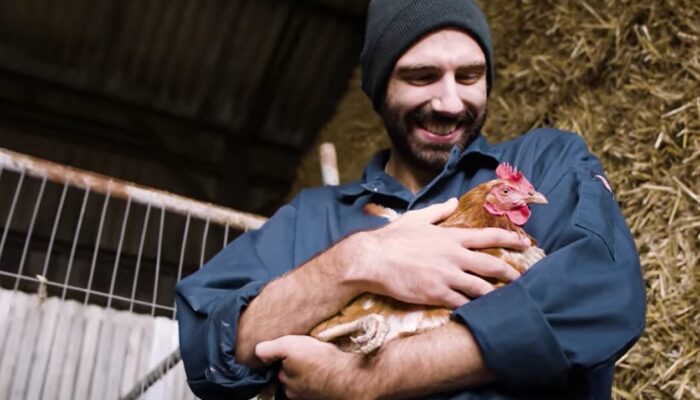
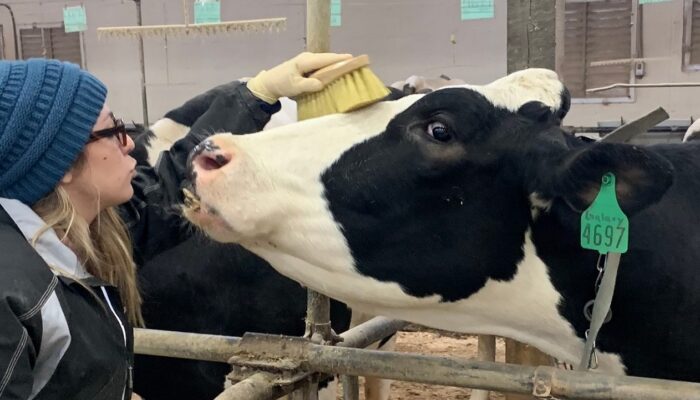
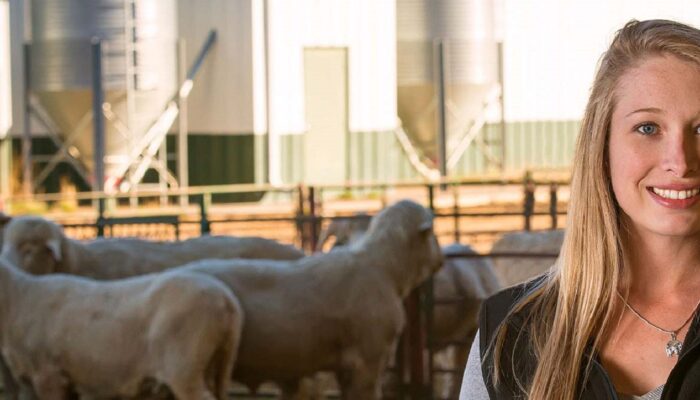
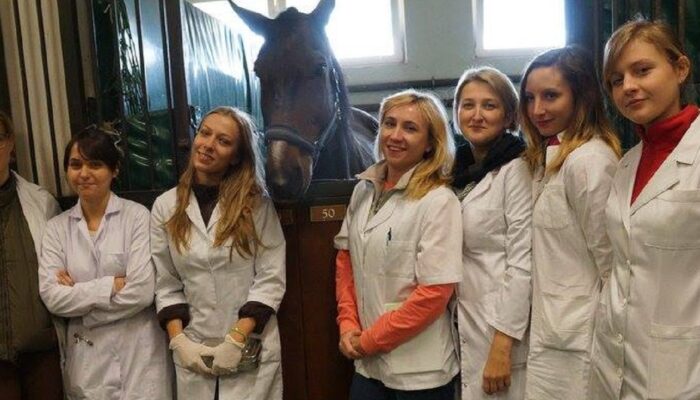
Today we scan the status of literature that informs the safety and sustainability of the built environment for animals large and small. Animals are found in education communities as pets. sporting partners, agricultural research and teaching settings, as medical research subjects and clinical care facilities. ANSI-Accredited standards developers with a footprint in this domain are listed below:
American Society of Agricultural and Biological Engineers
ASHRAE International
Institute of Electrical and Electronic Engineers
Animal Kingdom: A Large and Diverse Dataset for Animal Behavior Understanding
International Code Council
National Fire Protection Association
Underwriters Laboratories
Government agencies at all levels borrow from best practice recommendations in the catalog of the foregoing standards developers. Conversely, those same standards developers borrow from the best practice recommendations from the same government agencies.
Use the login credentials at the upper right of our home page.
More
National Research Council: Guide for the Care and Use of Laboratory Animals
National Library of Medicine: Regulation of Animal Research
Most education communities use the foregoing regulations upon which to build their own standards. For example:


Higher Education Laboratories
Update: October 25, 2025
2024 GROUP A PROPOSED CHANGES TO THE I-CODES: Complete Monograph (2658 pages)
Note the following changes in the transcript above:
Section 702 (Rated Construction), FS44-24 Installer Qualifications (typical marketmaking), Section 3801 (Materials exceeding the Maximum Allowable Quantity), F59-24 (Battery Containment Areas), F81-24 (Health Care Facility Plugs), F112-24 (Lithium Ion Battery Labs), F197-24 (Market making, laboratory oven protection study), F235-24 (Hazardous Materials Classifications & quantity limits).


Safety and sustainability concepts for research and healthcare delivery cut across many disciplines and standards suites and provides significant revenue for most research universities. The International Code Council provides free access to current editions of its catalog of titles incorporated by reference into public safety law. CLICK HERE for an interactive edition of Chapter 38 of the 2021 International Fire Code.
During today’s colloquium we will examine consultations for the next edition in the link below:
2021 International Fire Code Chapter 38 Higher Education Laboratories
We encourage our colleagues to participate directly in the ICC Code Development process. The next revision of the International Fire Code will be undertaken accordingly to next ICC Code Development schedule; the timetable linked below:
2024/2025/2026 ICC CODE DEVELOPMENT SCHEDULE
We encourage directly employed front-line staff of a school district, college or university that does not operate in a conformance/compliance capacity — for example, a facility manager of an academic unit — to join a committee. Not the Fire Marshall. Not the Occupational Safety Inspector. Persons with job titles listed below:
- Fire Safety System Designer
- Fire Alarm Technician (Shop Foreman)
- Building Commissioner
- Electrical, Mechanical Engineer
- Occupational Safety Engineer
These subject matter experts generally have a user-interest point of view.
Contact Kimberly Paarlberg (kpaarlberg@iccsafe.org) for information about how to do so.
A warm welcome to our new master’s student, Prabhakar Bijalwan! Prabhakar enjoys performing new #Autocatalytic #Transamination #Metathesis reactions in our lab! #WasteReduction #Sustainability @UniFAU
Check out our first autocatalytic transamination: https://t.co/ZaA9TD787T pic.twitter.com/RLqrfxD4CR
— Svetlana Tsogoeva (@Tsogoeva_Group) April 3, 2024
Related:
2021 International Mechanical Code
2021 International Plumbing Code
2021 International Energy Conservation Code
Issue 16-69
Category: Fire Safety, Facility Asset Management
Colleagues: Joe DeRosier, Josh Elvove, Mark Schaufele

Border Collie Optimization

Abstract: In recent times, several metaheuristic algorithms have been proposed for solving real world optimization problems. In this paper, a new metaheuristic algorithm, called the Border Collie Optimization is introduced. The algorithm is developed by mimicking the sheep herding styles of Border Collie dogs. The Border Collie’s unique herding style from the front as well as from the sides is adopted successfully in this paper. In this algorithm, the entire population is divided into two parts viz., dogs and sheep. This is done to equally focus on both exploration and exploitation of the search space. The Border Collie utilizes a predatory move called eyeing.
This technique of the dogs is utilized to prevent the algorithm from getting stuck into local optima. A sensitivity analysis of the proposed algorithm has been carried out using the Sobol’s sensitivity indices with the Sobol g-function for tuning of parameters. The proposed algorithm is applied on thirty-five benchmark functions. The proposed algorithm provides very competitive results, when compared with seven state-of-the-art algorithms like Ant Colony optimization, Differential algorithm, Genetic algorithm, Grey-wolf optimizer, Harris Hawk optimization, Particle Swarm optimization and Whale optimization algorithm. The performance of the proposed algorithm is analytically and visually tested by different methods to judge its supremacy. Finally, the statistical significance of the proposed algorithm is established by comparing it with other algorithms by employing Kruskal-Wallis test and Friedman test.
Empirical Analysis of Risk for Sports Facilities
Neel Prajapati, et. al
Department of Computer Science & Math | Fairleigh Dickinson University
Abstract: In today’s digital landscape, organizations depend on intricate information systems to manage sensitive data, maintain operations, and ensure business continuity. As these systems become more complex, the need for effective risk management strategies grows. Improving facilities, student satisfaction, event attendance, and sustainability are great successes in operational policies, procedures, and event management. Additionally, the sports building serves a diverse community, including students, faculty, staff, and external guests, supporting daily recreation, varsity athletics, and large-scale events. Therefore, this study presents a focused risk management approach based on the NIST Cybersecurity Framework (CSF 2.0) for athletics centers in sports facilities, such as indoor game spaces, fitness centers, and outdoor game spaces, at academic institutions. Thus, this study aims to evaluate asset management practices and identify physical and logical vulnerabilities by conducting in-depth interviews with students, coaches, and other supporting staff, and by gathering firsthand insights into operational workflows, physical security measures, and system-level safeguards. These qualitative findings, combined with realistic frameworks, form the foundation of analysis. In conclusion, sports operations and this study underscore the institution’s commitment to technical reliability, risk awareness, and corresponding mitigation, as well as 24/7 assistant services.
Back in the FDU groove! ❤️💙
📸 Millien Maharjan pic.twitter.com/jMtmUFgyRV
— Fairleigh Dickinson University (@FDUWhatsNew) January 24, 2026

Sports Equipment & Surfaces
Student Membership | @ASTMStudentFans

“The National Game” 1889 Arthur Streeton
Sport is the bloom and glow of a perfect health.
—Ralph Waldo Emerson
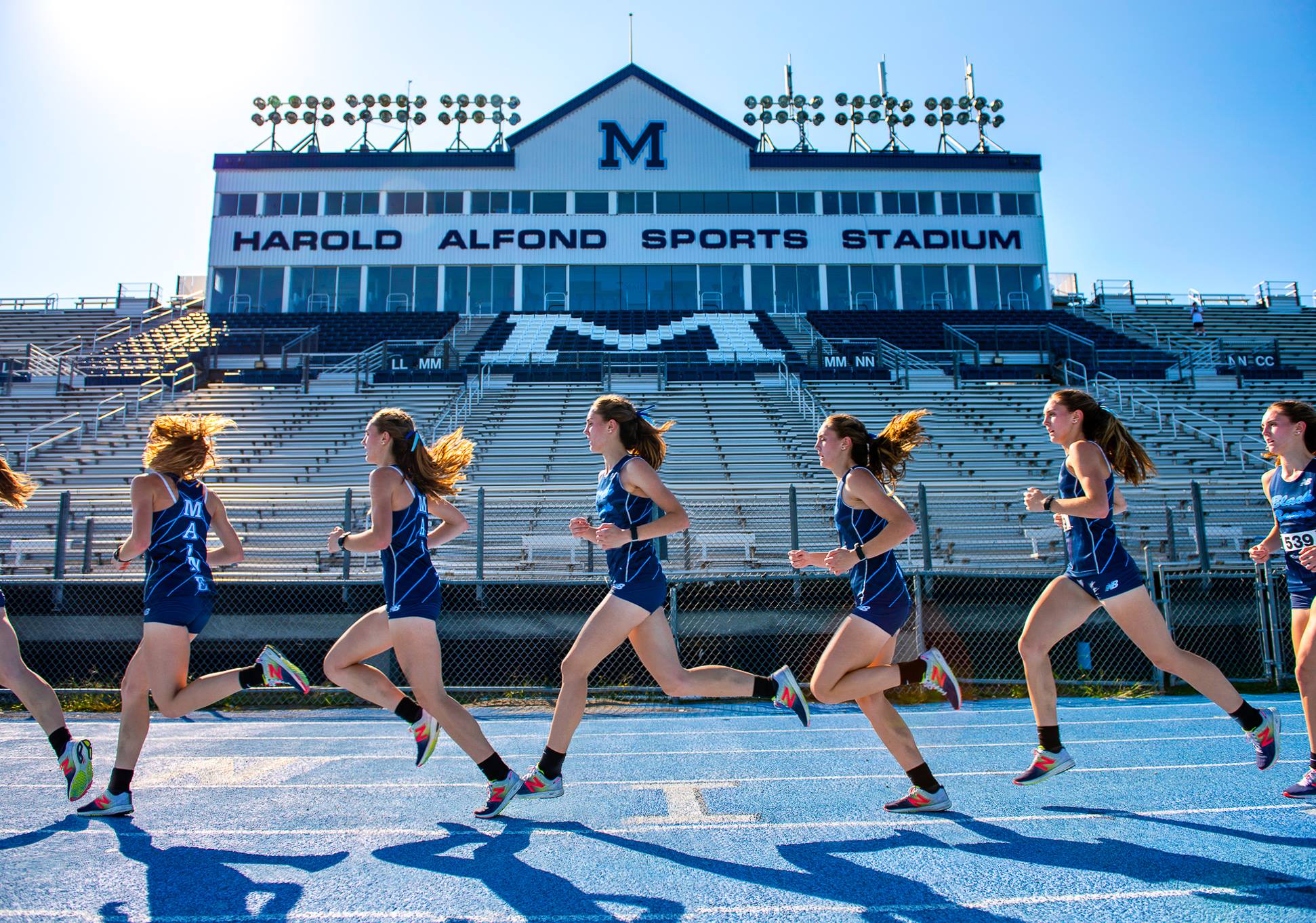
Sport programs, facilities and equipment support one of the most visible and emotionally engaging enterprises in the education communities. These programs are central to the brand identity of the community and last, but not least, physical activity keeps our young people healthy in body and mind.
ASTM International is one of the first names among the 300-odd ANSI accredited standards setting organizations whose due processes discover and promulgate the standard of care for the design, construction, operations and maintenance of the facilities that support these enterprises. The parent committee is linked below:
ASTM Committee F08 on Sports Equipment, Playing Surfaces, and Facilities
To join the meeting today contact Joe Koury, Staff Manager for Committee F08, jkoury@astm.org
§
While ASTM bibliography is largely product-oriented, there are many titles that set the standard of care for sport enterprises and the accessories to these enterprises. To identify a few:
ASTM F1774 Standard Specification for Climbing and Mountaineering Carabiners
ASTM F2060-00(2011) Standard Guide for Maintaining Cool Season Turfgrasses on Athletic Fields
ASTM F1703-13 Standard Guide for Skating and Ice Hockey Playing Facilities
ASTM F1953-10 Standard Guide for Construction and Maintenance of Grass Tennis Courts
ASTM F1081-09(2015) Standard Specification for Competition Wrestling Mats
ASTM F2950-14 Standard Safety and Performance Specification for Soccer Goals
When the General Requirements of an athletic facility construction project indicates: “Conform to all applicable standards” then, in the case of an sport facility, the ASTM title is likely the document that defines the standard of care from a product standpoint. Interoperability of the products in a sport setting are quite another matter.
At the international level, we track action in ISO/TC 83 Sports and other recreational facilities and equipment administered globally by the Deutsches Institut für Normung e.V. ASTM International is ANSI’s Technical Advisory Group for this committee.
University of Maine
The ASTM standards development process depends heavily on face-to-face meetings — typically two times per year – in different parts of the United States. The benefit of this arrangement lies in the quality of discussion among subject matter experts that results produced from face-to-face discussion. The price to pay for this quality, however, lies in the cost of attendance for the user-interest in the education industry. Relatively few subject matter experts directly employed by a school district, college or university who are charged with lowering #TotalCostofOwnership can attend the meetings. Many of the subject matter experts who are in attendance at the ASTM meetings from the education industry tend to be faculty who are retained by manufacturers, insurance, testing laboratories, conformity and compliance interests. (See our discussion of Incumbent Interests)
That much said, ASTM welcomes subject matter experts on its technical committees (Click here) We encourage participation by end users from the education industry — many of them in the middle of athletic facility management organization charts. The parent committee meets twice a year; after which we usually find public review redlines developed during those meetings to hit our radar. The link to the schedule of face-to-face meetings appears below:
Note that the August 2020 cancelled but the November 2020 meeting still appears on the schedule. It is likely that much of the committee work will be done online.
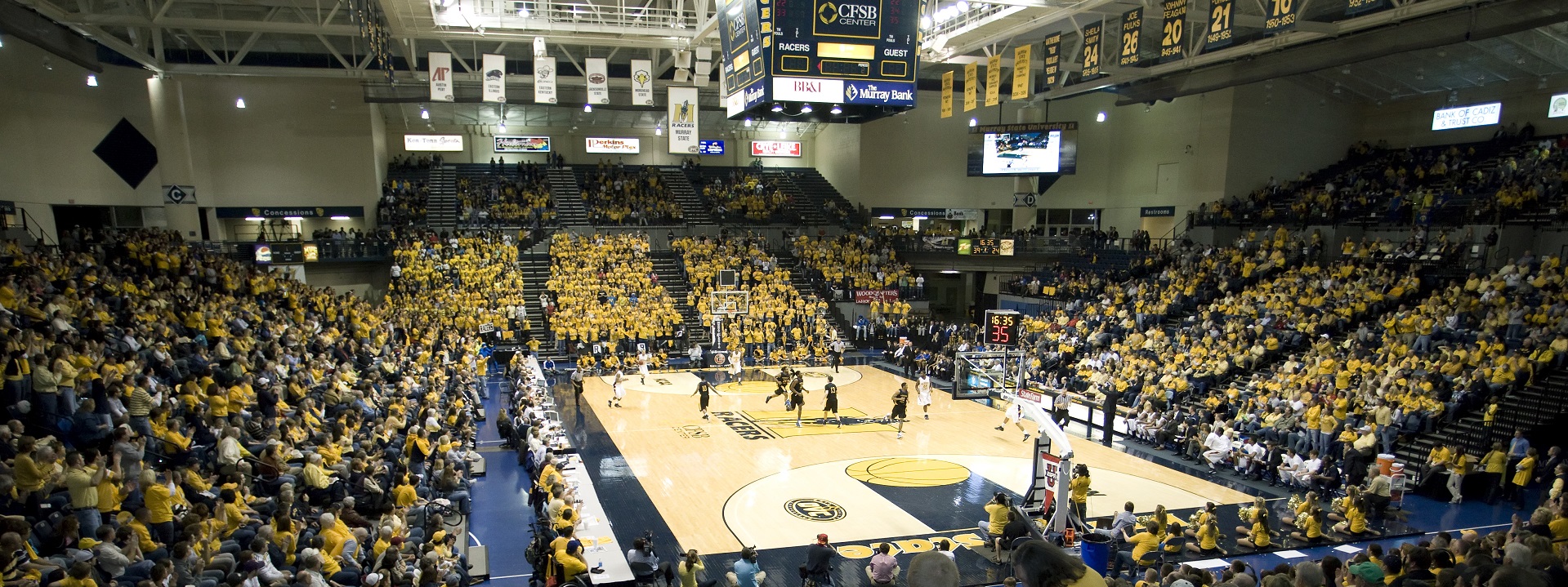
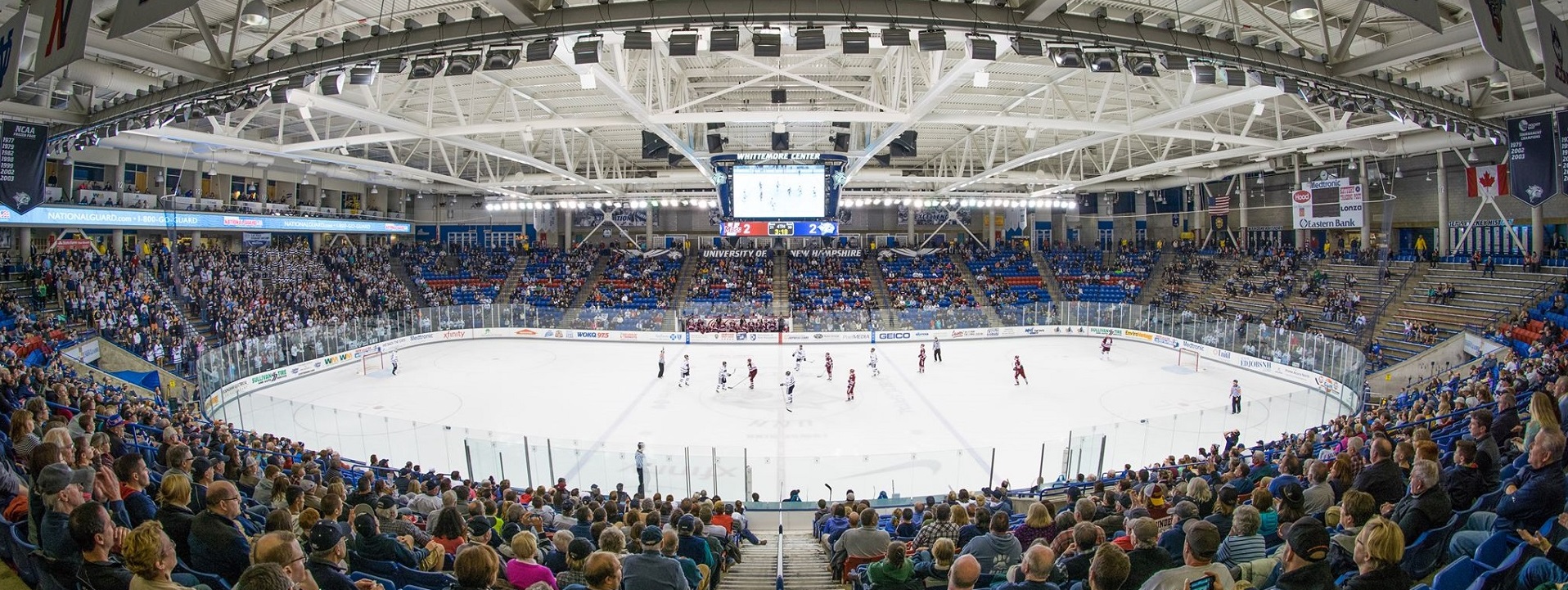
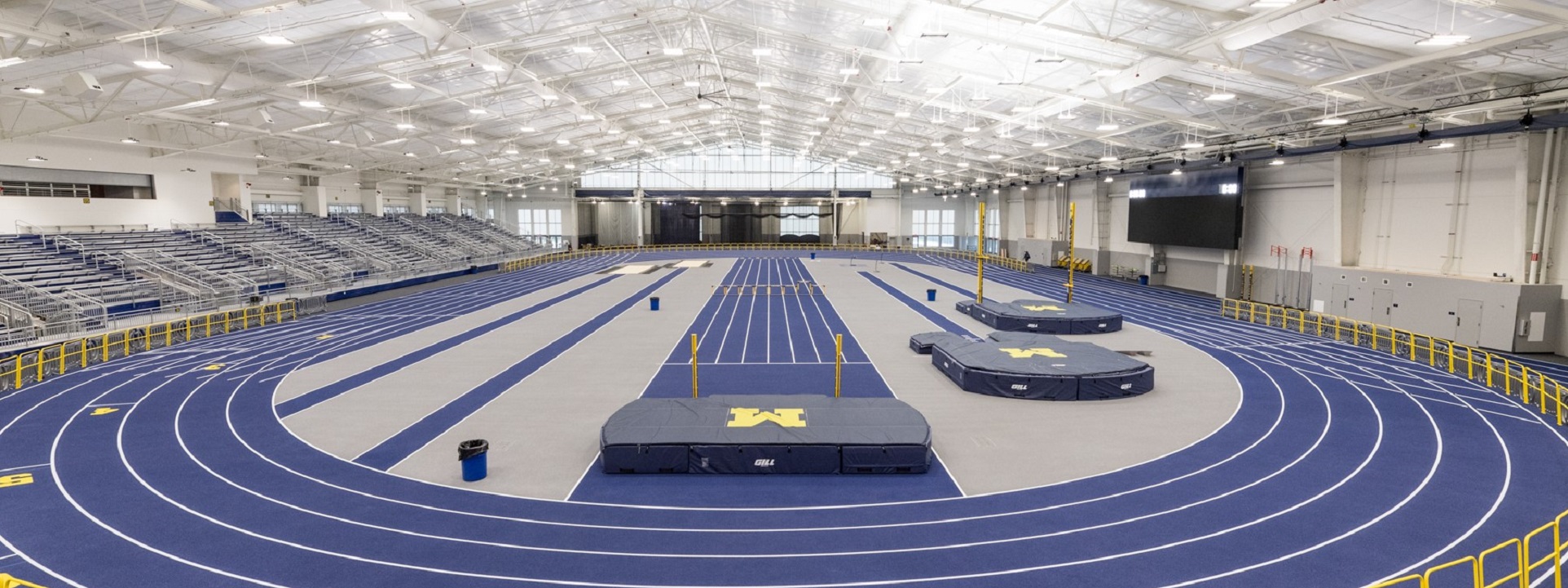
We are required to review draft ASTM consensus products with some care — owing to copyright restrictions — so we do it interactively online during teleconferences devoted to Sport. See our CALENDAR for the next online meeting; open to everyone.
Issue: [7-7] [10-32] [13-165] [20-156]
Category: Sport, Management, Risk Management
Contact: Mike Anthony, Jack Janveja, George Reiher, Richard Robben
Harvard upgrades stadium field | ASTM develops turf safety standards http://t.co/pObQduSg0Khttp://t.co/wRoCPDeVbZ pic.twitter.com/7gLp9tO3B1
— Standards Michigan (@StandardsMich) April 22, 2015

In loco parentis
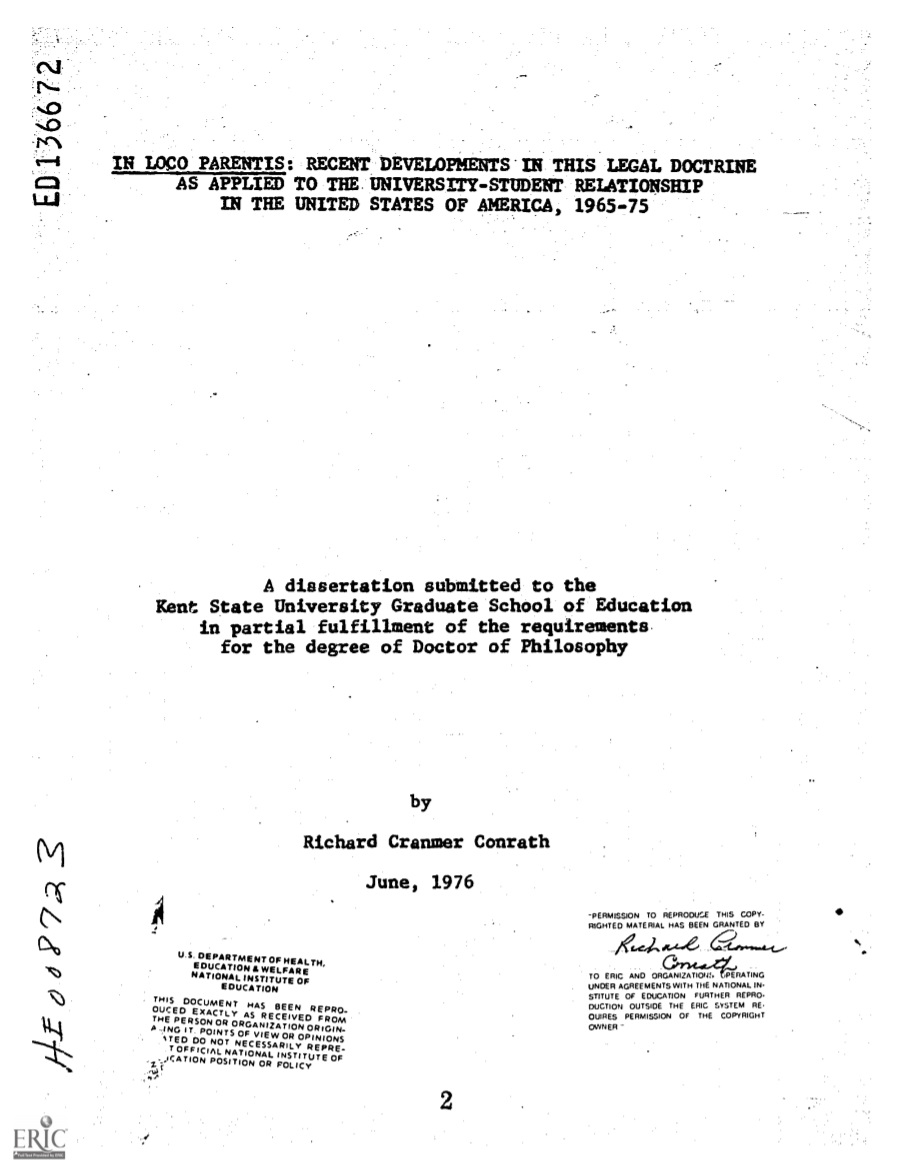
CLICK IMAGE
Photo of the Week: The George H. Deuble Foundation Student Lounge is a popular destination for students @KentStateStark https://t.co/YWuD7kSl60 pic.twitter.com/tGAawUbiot
— Kent State (@KentState) February 24, 2023

$1.45B “The Swamp” Stadium

The University of Florida’s Ben Hill Griffin Stadium is getting a $1.45 billion makeover — and the transformation is set to be complete just in time for the iconic venue’s 100th birthday. A Manhattan Construction Company and AECOM Hunt partnership has been named construction… pic.twitter.com/P2us7Dlleo
— NextMetropolis (@NextMetropolis) June 17, 2026

Power-Limited Circuits
Today at the usual hour we review best practice literature for the design, construction and operation of Power-Limited Circuits in healthcare facilities. With our previous tenure on Code Panel 15 of the National Electrical Code (which covers healthcare facilities, primarily) and our recent appointment by IEEE to Code Panel 3 (which covers power limited circuits in all occupancy classes) we set ourselves up to respond to the proposals that will shape the 2029 NEC. Use the login credentials at the upper right of our home page.
vbvbvbvbvb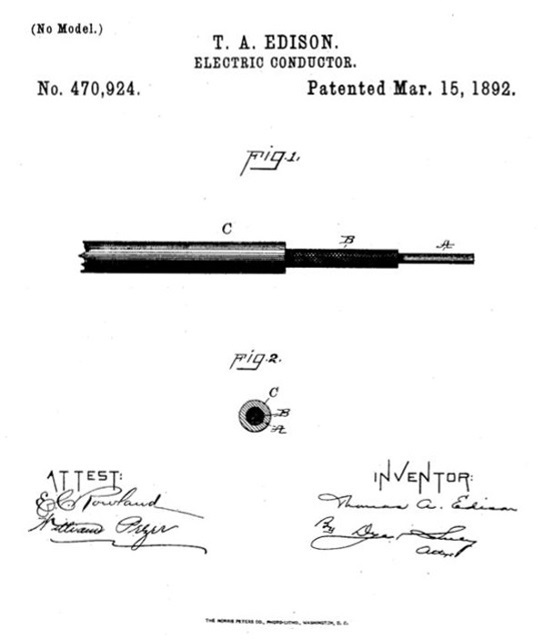
If one imagines that three-phase hospital power distribution systems as “arteries” then power limited circuits can be imagined as the “capillaries” that drive hundreds of end use clinical equipment and devices. The analogy captures the hierarchical, physiological structure of hospital electrical systems—much like the human circulatory system—where power flows from high-capacity trunks to precision, low-risk endpoints.
Three-Phase Systems: The Arteries and Veins
Three-phase hospital power distribution systems function as the arteries and veins: they are the robust, high-volume “vascular” network. Incoming utility power (or on-site generators) arrives as three-phase medium voltage, stepped down through transformers and switchgear into the Essential Electrical System (EES). This backbone—normal power, life-safety, critical, and equipment branches—delivers bulk kilowatts across the facility to major loads: HVAC, lighting, elevators, imaging suites, and operating-room receptacles. Like arteries, these feeders carry large currents over long distances with minimal loss; like veins, they return current safely while maintaining redundancy and selective coordination to keep the “body” (hospital) alive during outages.
Power-Limited Circuits: The Capillaries
Power-limited circuits (NEC Article 725/724 Class 2 and Class 3) are the capillaries. They are the countless, tiny, energy-restricted final branches that directly “perfuse” end-use clinical devices. These circuits are deliberately power-limited—typically ≤30 V and ≤100 VA—to prevent fire, shock, or interference in patient-care spaces. They supply nurse-call systems, bedside monitors, infusion-pump controls, alarm signaling, data links, and low-voltage sensors. Just as capillaries exchange oxygen and nutrients cell-by-cell without flooding tissue, power-limited circuits deliver only the precise, safe wattage needed by sensitive electronics while isolating them from the high-energy main distribution. Their thin insulation, separation rules, and inherent current-limiting transformers mirror the delicate walls of capillaries.
New update alert! The 2022 update to the Trademark Assignment Dataset is now available online. Find 1.29 million trademark assignments, involving 2.28 million unique trademark properties issued by the USPTO between March 1952 and January 2023: https://t.co/njrDAbSpwB pic.twitter.com/GkAXrHoQ9T
— USPTO (@uspto) July 13, 2023
Standards Michigan Group, LLC
455 East Eisenhower Parkway, Suite 300
Ann Arbor, MI 48108 USA
888-748-3670
DIRECTIONS
 |
 |
|
 |
 |
|
 |
 |