Category Archives: Food/Kitchen/Farm/Agriculture

Loading
loading...

Nourriture d’automne

“When you reap your harvest in your field and forget a sheaf…
leave it for the stranger, the fatherless, and the widow…
When you gather the grapes of your vineyard, do not glean it afterward;
it shall be for the stranger, the fatherless, and the widow.”

University of Vermont | Chittenden County

Today we break down the catalog for food safety in education communities; with primary attention to consultations from private standard developing organizations and federal agencies charged with food safety.  We do so with sensitivity to animals and plants and sustainability of the global food supply chain.   Many schools are the communal cafeterias for the communities that own and operate them and run at commercial scale.

We prepare responses to public consultations released by standards developing organizations which, in many cases, have significant conformance enterprises.  Core titles are published by the ANSI accredited organizations listed below:

3-A Sanitary Standards

Catalog

ASHRAE International

The ASHRAE catalog is the most cross-cutting and fastest moving catalog in the land.   If you claim ownership of the United States energy domain you pretty much capture everything related campus safety and sustainability.  Best to deal with it on a day-by-day basis as we usually do according to daily topics shown on our CALENDAR.

Association for Packaging and Processing Technologies

American Society of Agricultural and Biological Engineers

Institute of Electrical and Electronic Engineers

National Electrical Safety Code   (Our particular interest lies in the safety and reliability of off-campus agricultural and research facilities that receive power from regulated utilities)

Rural Electric Power Conference

Kitchen Safety and Security System for Children

TupperwareEarth: Bringing Intelligent User Assistance to the “Internet of Kitchen Things”

Designing an IoT based Kitchen Monitoring and Automation System for Gas and Fire Detection

Re-Inventing the Food Supply Chain with IoT: A Data-Driven Solution to Reduce Food Loss

International Code Council

Commercial Kitchens

International Building Code Assembly Group A-2

International Building Code Group U Section 312 Agricultural Buildings

International Building Code Moderate Hazard Factory Industrial Group F-1 (Food Processing)

Who Gets Rich From School Lunch

National Fire Protection Association

Kitchen Wiring

National Electrical Code Article 210 (Branch Circuits)

National Electrical Code Article 547 (Agricultural Buildings)

Standard for the Installation of Air-Conditioning and Ventilating Systems

Public Input Report for the 2024 Revision

Standard for Ventilation Control and Fire Protection of Commercial Cooking Operations

Public Input Report for the 2024 Revision

NSF International

Food Equipment

Commercial Warewashing Equipment

Commercial Refrigerators and Freezers

Commercial Cooking, Rethermalization and Powered Hot Food Holding and Transport Equipment

Commercial Powered Food Preparation Equipment


US Federal Government:

US Department of Agriculture

Food & Drug Administration (HACCP)

Emotional Overfeeding:  Indulgent Feeding Style and Children’s Weight Status in Preschool

State Governments:

Lorem ipsum @StandardsState

Global:

International Organization for Standardization

International Electrotechnical Commission

Codex Alimentarius

Food safety and sustainability standards populate are of the largest domains we track so if we need a break0-out session, let’s do it.  Use the login credentials at the upper right of our home page.

University of Kentucky College of Agriculture, Food and Environment

Agenda / Farm & Table


More

Standards supporting vertical farming

STANDARDS SUPPORT SOPHISTICATED FARMING METHODS THAT BRING PRODUCE TO YOUR TABLE

US Food & Drug Administration: Food Facility Registration Statistics (as  of January 11, 2021)

National Grange of the Order of Patrons of Husbandry

The U.S. Land-Grant University System: An Overview

American Society of Agricultural and Biological Engineers Standards Development

The origin of the Land grant act of 1862 

International Electrotechnical Commission: Keeping food safe from farm to plate

 Codex Alimentarius

Council for the Advancement of Standards in Higher Education: Dining Services Programs

Science and Our Food Supply: A Teacher’s Guide for High School Classrooms

Food Code 2022

Turkey Research

In the pursuit of Knowledge,
every day something is added.
In the practice of the Way,
every day something is dropped.

Less and less do you need to force things,
until finally you arrive at non-action.
When nothing is done,
nothing is left undone.
— Lao Tzu


United States Department of Agriculture | Turkey Standards Country Report

Standards Pennsylvania

Food Safety

Overdoor, France, ca. 1825; | Smithsonian Design Museum

Education communities have significant food safety responsibilities.  Risk gets pushed around global food service counterparties; a drama in itself and one that requires coverage in a separate blog post.*

Since 2013 we have been following the development of food safety standards; among them ANSI/NSF 2: Food Equipment one of a constellation of NSF food safety titles whose provisions cover bakery, cafeteria, kitchen, and pantry units and other food handling and processing equipment such as tables and components, counters, hoods, shelves, and sinks.  The purpose of this Standard is to establish minimum food protection and sanitation requirements for the materials, design, fabrication, construction, and performance of food handling and processing equipment.

It is a relatively stable standard; developed to support conformance revenue for products.  A new landing page seems to have emerged in recent months:

Food and Beverage

https://www.nsf.org/testing/food


You may be enlightened by the concepts running through this standard as can be seen on a past, pre-pandemic agenda:

NSF 2 Food Safety 2019 Meeting Packet – Final Draft

NSF 2 Food Safety 2019 Meeting Summary – August 21-22 Ann Arbor NSF Headquarters

NSF 2 Food Equipment Fabrication Agenda – FEF – TG – 2021-01-12

Not trivial agendas with concepts that cut across several disciplines involving product manufacture, installation, operation and maintenance.  We find a very strong influence of organizations such as Aramark and Sodexo.   More on that in a separate post.

Ranchview High School Cafeteria / Irving, Texas

This committee – along with several other joint committees –meets frequently online.  If you wish to participate, and receive access to documents that explain the scope and scale of NSF food safety standards, please contact Allan Rose, (734) 827-3817, arose@nsf.org.   NSF International welcomes guests/observers to nearly all of its standards-setting technical committees.   We expect another online meeting hosted by this committee any day now.

Keep in mind that all NSF International titles are on the standing agenda of our Nourriture (Food) colloquia; open to everyone.  See our CALENDAR for the next meeting.

University of Indiana

Issue: [13-113] [15-126]

Category: Facility Asset Management, Healthcare, Residence Hall, Athletics

Colleagues: Mike Anthony, Tracey Artley, Keith Koster, Richard Robben

*See “Food Safety Risk Management: Evidence-Informed Policies and Decisions, Considering Multiple Factors, Food and Agriculture Organization of the United Nations”


LEARN MORE:

ANSI Blog | Changes to NSF 2 Food Safety Equipment Standard

NSF International Food Safety 2018 Meeting Summary – 2018-08-22 – Final Draft

2017 Food Code | US Food & Drug Administration

Hygiene Requirements For The Design Of Meat And Poultry Processing Equipment

ARCHIVE: NSF 2 Food Safety

Towards Crafting Beer with Artificial Intelligence

Beer was discovered accidentally as a result of grains being left in water and undergoing fermentation. The process of making beer involves converting the starches in grains (such as barley or wheat) into sugars, which are then fermented by yeast to produce alcohol.  It was often consumed as a safer alternative to water, which could be contaminated with disease-causing pathogens. 

Beer was also used in religious ceremonies and was considered a valuable commodity for trade.  Over time, beer-making techniques spread throughout the world, and different regions developed their own unique styles of beer; now supported by artificial intelligence algorithms that analyze chemical compounds to identify specific flavor and aroma profiles for more nuanced flavors.

Towards Crafting Beer with Artificial Intelligence

Marc Bravin, et al

Lucerne University of Applied Sciences and Arts, Rotkreuz, Switzerland


Abstract:  The art of brewing beer has a long tradition that dates back to the very dawn of civilization. While the brewing process has been automated to a great extent, the creation of new beer recipes remains the result of creativity and human expertise with only minor support from software to validate chemical constraints. We collected a dataset of 157,000 publicly available recipes from all over the world and created a transformer-based model to support the creative process in brewing by suggesting new beer recipe templates. As a proof of concept, we crafted the IPA “Deeper” along a recipe generated by our model. Over 100 international newspapers and radio stations have reported on the first AI-crafted beer from Switzerland over the past few months. For the first time, this paper reveals the underlying pipeline architecture of eight transformer networks trained end-to-end that made this remarkable success possible.

CLICK HERE for complete paper

There are several international organizations and agreements that set standards for beer production and labeling:

Food Safety Management

Codex Alimentarius

Bruin Café

“Europe today has little desire to reproduce itself,
fight for itself or even take its own side in a argument.
By the end of the lifespans of most people currently alive,
Europe will not be Europe and the peoples of Europe
will have lost the only place in the world we had to call home”

– Douglas Murry (“The Strange Death of Europe”)

Nederland

Large European universities such as Rijksuniversiteit Groningen are integrated into the fabric of the surrounding city. There are several ways in which this integration takes place:

Physical location: Many European universities are located in the heart of the city, often in historic buildings that have been repurposed for educational use. This central location means that the university is easily accessible to students and the general public, and that it is often surrounded by other cultural institutions, such as museums, theaters, and libraries.

Student life: The presence of a large student population can have a significant impact on the city’s culture and economy. Many European cities have developed a vibrant student culture, with cafes, bars, and other venues catering to the needs and interests of young people. This can help to create a sense of community between the university and the city, and can also bring economic benefits to local businesses.

Facilities Organization

Research and innovation: Large European universities are often at the forefront of research and innovation, and they can be important drivers of economic growth in the surrounding region. Many universities work closely with local businesses and industries, and they may also collaborate with other universities and research institutions in the area.

Cultural exchange: Universities can be important centers of cultural exchange, both for international students and for local residents. Many European universities offer language classes and other cultural programs that are open to the public, and they may also host lectures, concerts, and other events that are designed to promote cross-cultural understanding.

Overall, the integration of large European universities into the city is a complex and multifaceted process that can have a significant impact on the social, cultural, and economic life of the surrounding region.

Sinterklaas Koffie


The origin of brown cafés can be traced back to the 17th century, during the Dutch Golden Age. At that time, the Netherlands was a prosperous and influential trading nation, and Amsterdam was a bustling city with a thriving port. Sailors, merchants, and locals needed places to socialize, relax, and conduct business, leading to the emergence of taverns and pubs.

The term “brown café” is believed to have originated from the brownish stains that formed on the walls and ceilings due to tobacco smoke, candle soot, and other atmospheric elements. These stains gave the cafés a distinct, cozy ambiance and a sense of history.

Brown cafés became an integral part of Dutch culture, serving as communal gathering spots for people of all walks of life. They were places where locals would meet friends, engage in conversations, enjoy a drink, and sometimes play board games like chess or backgammon. Over time, brown cafés became associated with an authentic, unpretentious, and relaxed atmosphere, attracting both locals and tourists.

The unique charm of brown cafés lies in their preserved historical interiors, with old wooden furniture, dim lighting, and a wide selection of local beers and spirits. Many brown cafés still retain their original character, transporting visitors back in time and providing a cozy retreat from the hustle and bustle of modern life.

While the concept of brown cafés originated in the Netherlands, similar types of establishments can also be found in other European countries, such as Belgium and parts of Germany. However, the term “brown café” is primarily associated with the Dutch tradition of cozy, atmospheric, and convivial drinking establishments.


Nederland

Smart Grid Blockchains

Energy Academy

Media stúdzjes

Promovendus maakt recyclebaar rubber


International Fire Code

2024 International Fire Code | Free Access

Crosswalk: NFPA Fire Code and ICC International Fire Code

2024 GROUP A PROPOSED CHANGES TO THE I-CODES based on Committee Action Hearings October 2024

2024 GROUP A PROPOSED CHANGES TO THE I-CODES

2024/2025/2026 ICC CODE DEVELOPMENT SCHEDULE

ICC BCAC | Comments to be presented at October Hearings

Noteworthy Proposals:

IFC 1010.27 Locking arrangements, PDF page 252

IFC 1020.2 Corridor Fire Resistance Ratings. PDF page 356

IFC 915 More Carbon Monoxide Detection Systems, PDF page 1156

IBC 917 Mass notification for Group E occupancies, PDF page 1176

IFC 5701 More Process Hazard Analysis, PDF page 1571

The transcript (Complete Monograph) of Committee Actions should be available by September 5th.

Committee Action Hearings on Proposed Changes: October 23-31 Long Beach, California

“A Square with Imaginary Buildings” | Hendrik van Steenwijck (1614)

LIVE: I-Code Group B Public Comment Hearings

Higher Education Laboratories

“Waking Effectiveness of Alarms for Adults Who Are Hard of Hearing” 2007  Victoria University, Australia

Health Facilities: Navigating IBC and NFPA differences


Posted February 14, 2023

Free access to the latest edition of the IFC is linked below:

2021 International Fire Code

Following the ICC Group A revision cycle public consultation on the 2024 International Fire Code will begin.  The ICC will announce the development schedule sometime in 2022.

We limit our resources simply tracking the proposals that run through Group E (Educational) and Group I (Institutional) occupancies in the Group A suite with closer attention to the state they are adopted whole cloth or with local exceptions.  In many cases, IFC adoption by state and local authorities is delayed by one or more previous code revisions.  This delay in adoption may be necessary in order for jurisdictions to evaluate the impact of changes upon the region under their authority.

Public safety budgets historically support the local and state fire marshal and his or her staff.   The revenue stream of many trade associations originates from membership, conference attendance, training and certification enterprises that service the public sector stakeholder.   Manufacturer sponsorship of trade association conferences is noteworthy.

Unless there is an idea, or proposed regulation that has run off the rails (either in terms of rigor or cost increase) — we place fire safety in the middle of our ranking of priorities.  With gathering pace, we find many fires safety goals being met with electrotechnologies where we place our highest priority.

Click on image for more information. The map is updated by expert agencies frequently so we recommend a web search for an update.

Significant code changes rarely happen within a 3-year cycle so it is wise to follow ideas as they travel through the agendas of technical committees through several cycles as administered by the Fire Code Action Committee.

The ICC posts the transcripts of public proposals, technical committee responses to public proposals, public response to the technical committee response and the final balloting in a fair and reasonable fashion as can be seen in the transcripts linked below:

2021 International Fire Code Proposed Changes

2021 International Fire Code Public Comment Agenda 

A search on the terms “classroom” or “school” in any of the documents above offers granular insight into the trend of current thinking.   We find fire extinguishers placement a perennial concern across several standards suites.   You will note the careful consideration of proposals for use of the mass notification systems, now integrated into fire alarm systems and their deployment in active shooter situations.

The transcripts reveal detailed understanding and subtlety.

“The Country School” | Winslow Homer

There are many issues affecting the safety and sustainability of the education facility industry.  We add value to the industry because of our cross-cutting perspective on the hundreds of “silos”created by the competition (and sometimes cooperation) among accredited, consortia and open-source standards developers.  We have the door open every day at 11 AM Eastern time to enlighten understanding of them all.  We also host a breakout teleconference every month to drill into the specifics of standards action on fire safety for the real assets of school districts, colleges and universities.  See our CALENDAR for the next online meeting.

Finally, we persist in encouraging education industry facility managers (especially those with operations and maintenance data) to participate in the ICC code development process.  You may do so by CLICKING HERE.

The ICC Group B Code Meetings will be hosted soon and open to the public:   

International Code Council 2022 Group B Public Comment Agenda (September 14-21 Kentucky International Convention Center)

The Group B tranche is largely focused on energy, structural, residential and existing building concepts but all of the titles cross-reference the IFC in some way so it is wise to follow how the concepts re-arrange and cross-reference themselves with each cycle.


Issue: [16-169]

Category: Architectural, Facility Asset Management, Space Planning

Colleagues: Mike Anthony,  Casey Grant, Joshua Evolve, Marcelo Hirschler


More

2021/2022 ICC CODE DEVELOPMENT SCHEDULE

FINAL ACTION RESULTS ON THE 2018 PROPOSED CHANGES TO THE INTERNATIONAL CODES – GROUP A

2018 GROUP A PROPOSED CHANGES TO THE I-CODES COLUMBUS COMMITTEE ACTION HEARINGS

2018 GROUP A PUBLIC COMMENT AGENDA | INTERNATIONAL BUILDING CODE

2018 GROUP A PUBLIC COMMENT AGENDA | INTERNATIONAL FIRE CODE

2018 REPORT OF THE COMMITTEE ACTION HEARINGS ON THE 2018 EDITIONS OF THE GROUP A INTERNATIONAL CODES


A melange of wine research

United States Food & Drug Administration | Distilled Spirits

https://www.facebook.com/groups/1089237785165822/permalink/1515826392506957/

Bagel & Lox

Culture and Cuisine Recipe of the Week

Hamburg’s Master Plan for Education for Sustainable Development 2030

“With this weekly post we want to introduce you into the culinary range of the English speaking world. Each week we present you an iconic dish and give you information around its origin, preparation and eating habits. This week we are visiting the Big Apple – New York. Bagels can be regarded as a true American melting-pot meal.”  — von Nadja Wostiera (Language graduate and blog author)

Standards Michigan: Food/Kitchen/Farm/Agriculture

EAT

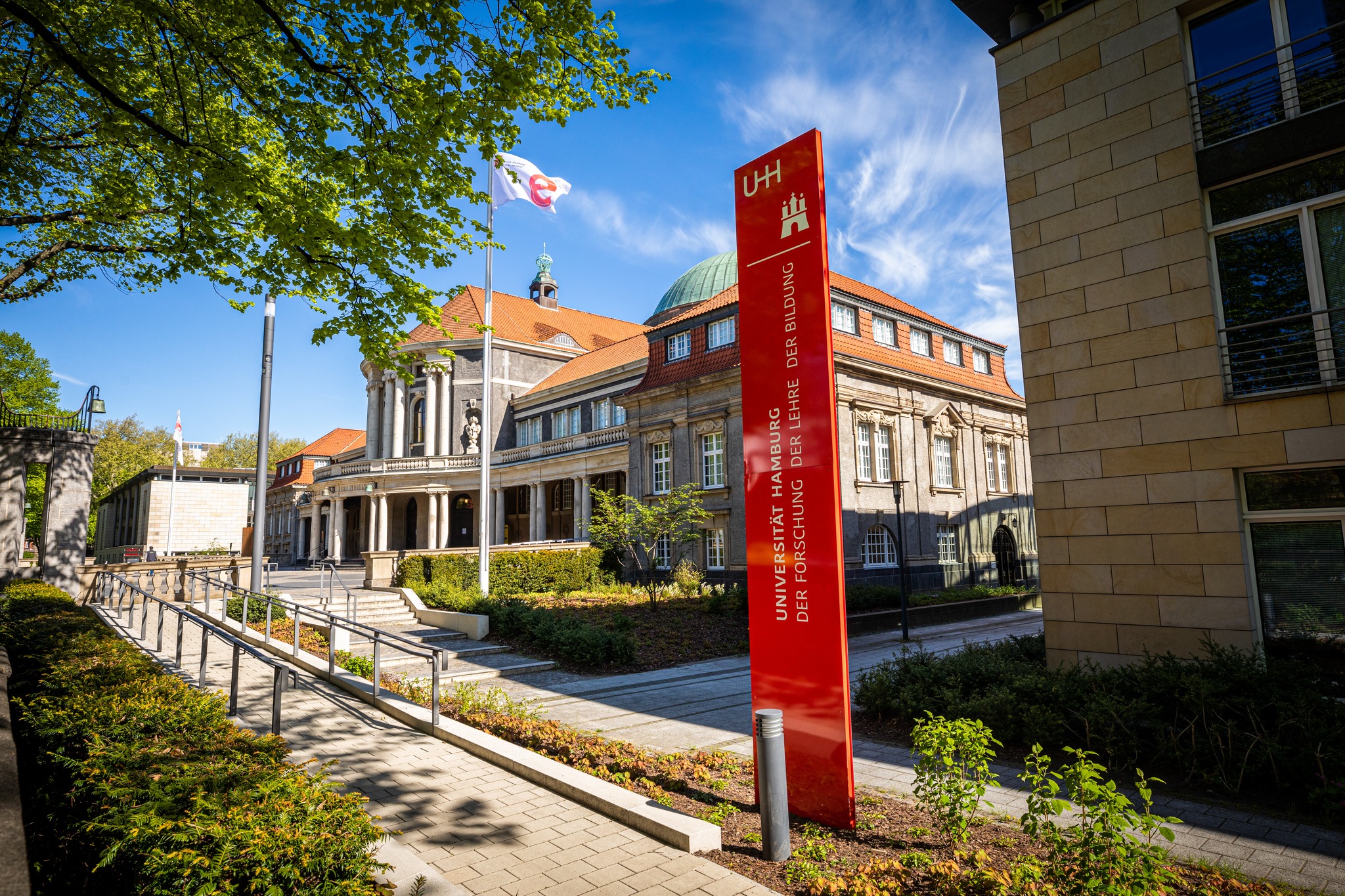
Universität Hamburg

Evensong “Peace”

Layout mode
Predefined Skins
Custom Colors
Choose your skin color
Patterns Background
Images Background
error: Content is protected !!
Skip to content