Newman University hosts its Heritage Month in February to celebrates the English heritage of the university’s namesake, St. John Henry Newman. It typically takes place in the Dugan-Gorges Conference Center following the St. Newman Mass and features meticulously prepared finger foods, English breakfast or Earl Grey tea, and elegant tea sets, fostering a sense of community among students, alumni, faculty, and staff.
Why and How High Tea Originated as a Working-Class Custom: High tea, despite its modern association with elegance and afternoon tea, began as a practical, working-class custom in 19th-century Britain. Its origins lie in the Industrial Revolution, when factory workers, miners, and laborers, typically from the lower classes, returned home after long, physically demanding shifts. Unlike the leisurely afternoon tea enjoyed by the upper classes, high tea was a hearty, substantial meal served around 5–7 p.m., designed to sustain workers after a grueling day.
Why It Was Working-Class:Timing and Necessity: Workers couldn’t afford mid-afternoon breaks for tea, as their schedules revolved around factory or manual labor. High tea was served after work hours, replacing or supplementing dinner with affordable, filling foods like meat pies, bread, cheese, and tea, which provided energy and comfort.
Economic Constraints: The working class lacked the resources for the delicate sandwiches and pastries of upper-class afternoon tea. High tea used simple, inexpensive ingredients, reflecting the economic realities of laborers.
Cultural Context: Tea was a cheap, widely available beverage by the 19th century, thanks to Britain’s colonial trade. It became a staple for workers, offering warmth and stimulation, while the meal addressed their hunger.
How It Developed: High tea was served at a high dining table (unlike the low tables of aristocratic tea settings), where families gathered for a practical meal. The term “high” referred to the table height, distinguishing it from the refined “low tea” of the elite.
Food and Function:
The meal included robust dishes like stews, cold meats, or potatoes, paired with strong tea. It was less about social ritual and more about nourishment, often the main meal of the day for working families.
Social Evolution:
As tea became a British cultural staple, high tea spread across classes, but its working-class roots remained evident in its heartier fare and evening timing, contrasting with the lighter, earlier afternoon tea of the wealthy.
By the late 19th century, high tea’s association with the working class faded as middle and upper classes adopted and refined it, leading to its modern, more elegant connotations.
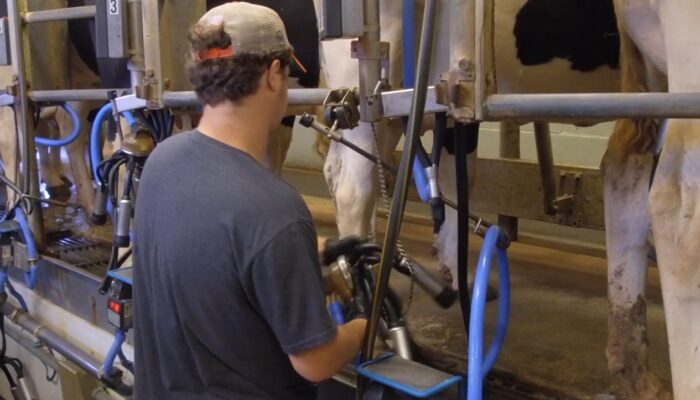
Many land grant colleges and universities are stewards of agricultural facilities that require reliable electrical power that is safe and sustainable for livestock well off the core campus distribution grid. Today we examine the 2026 National Electrical Code safe electric service rules with an eye toward the close date of April 6th for public input on the 2029 NEC.
Many land grant colleges and universities are stewards of agricultural facilities that require reliable electrical power that is safe and sustainable for livestock and animal habitat for sporting.
The premise wiring rules for hazardous university owned buildings have been relatively stable. Electrical professionals are guided by:
Farm Load Calculations of Part V of Article 220,
Corrosion mitigation with appropriate specification of power chain wiring
Stray voltage and the equipotential plane
Interactivity with regulated utility power sources.
Public response to the First Draft of the 2026 National Electrical Code will be received until August 28, 2024. We coordinate our approach to the entire NFPA electrical suite with the IEEE Education & Healthcare Facilities Committee which meets 4 times monthly. We typically refer to previous transcripts of technical committee actions to inform any changes (improvements) that we propose, if any.
We maintain this issue on the standing agenda of our Power and Nourriture (Food) colloquia. Feel free to join us with the login credentials at the upper right of our home page.
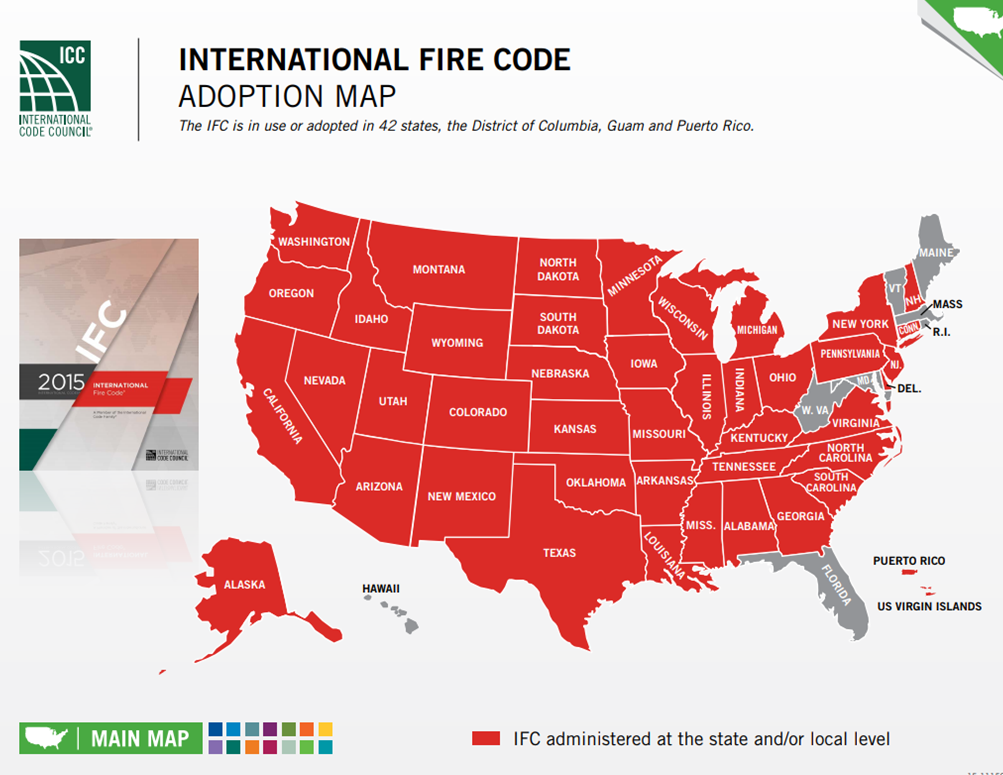
Following the ICC Group A revision cycle public consultation on the 2024 International Fire Code will begin. The ICC will announce the development schedule sometime in 2022.
We limit our resources simply tracking the proposals that run through Group E (Educational) and Group I (Institutional) occupancies in the Group A suite with closer attention to the state they are adopted whole cloth or with local exceptions. In many cases, IFC adoption by state and local authorities is delayed by one or more previous code revisions. This delay in adoption may be necessary in order for jurisdictions to evaluate the impact of changes upon the region under their authority.
Public safety budgets historically support the local and state fire marshal and his or her staff. The revenue stream of many trade associations originates from membership, conference attendance, training and certification enterprises that service the public sector stakeholder. Manufacturer sponsorship of trade association conferences is noteworthy.
Unless there is an idea, or proposed regulation that has run off the rails (either in terms of rigor or cost increase) — we place fire safety in the middle of our ranking of priorities. With gathering pace, we find many fires safety goals being met with electrotechnologies where we place our highest priority.
Click on image for more information. The map is updated by expert agencies frequently so we recommend a web search for an update.
Significant code changes rarely happen within a 3-year cycle so it is wise to follow ideas as they travel through the agendas of technical committees through several cycles as administered by the Fire Code Action Committee.
The ICC posts the transcripts of public proposals, technical committee responses to public proposals, public response to the technical committee response and the final balloting in a fair and reasonable fashion as can be seen in the transcripts linked below:
A search on the terms “classroom” or “school” in any of the documents above offers granular insight into the trend of current thinking. We find fire extinguishers placement a perennial concern across several standards suites. You will note the careful consideration of proposals for use of the mass notification systems, now integrated into fire alarm systems and their deployment in active shooter situations.
The transcripts reveal detailed understanding and subtlety.
“The Country School” | Winslow Homer
There are many issues affecting the safety and sustainability of the education facility industry. We add value to the industry because of our cross-cutting perspective on the hundreds of “silos”created by the competition (and sometimes cooperation) among accredited, consortia and open-source standards developers. We have the door open every day at 11 AM Eastern time to enlighten understanding of them all. We also host a breakout teleconference every month to drill into the specifics of standards action on fire safety for the real assets of school districts, colleges and universities. See our CALENDAR for the next online meeting.
Finally, we persist in encouraging education industry facility managers (especially those with operations and maintenance data) to participate in the ICC code development process. You may do so by CLICKING HERE.
The ICC Group B Code Meetings will be hosted soon and open to the public:
The Group B tranche is largely focused on energy, structural, residential and existing building concepts but all of the titles cross-reference the IFC in some way so it is wise to follow how the concepts re-arrange and cross-reference themselves with each cycle.
Issue: [16-169]
Category: Architectural, Facility Asset Management, Space Planning
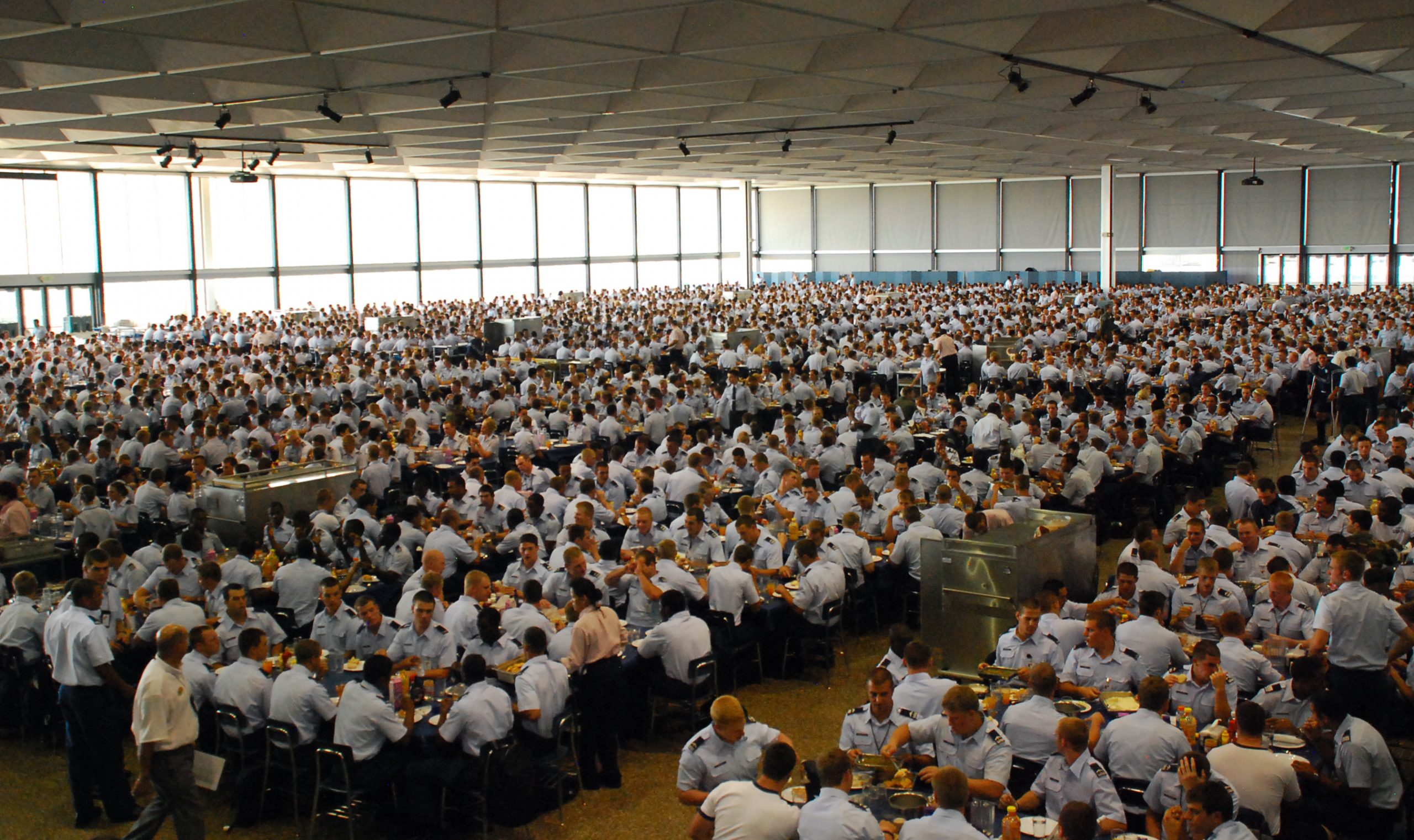
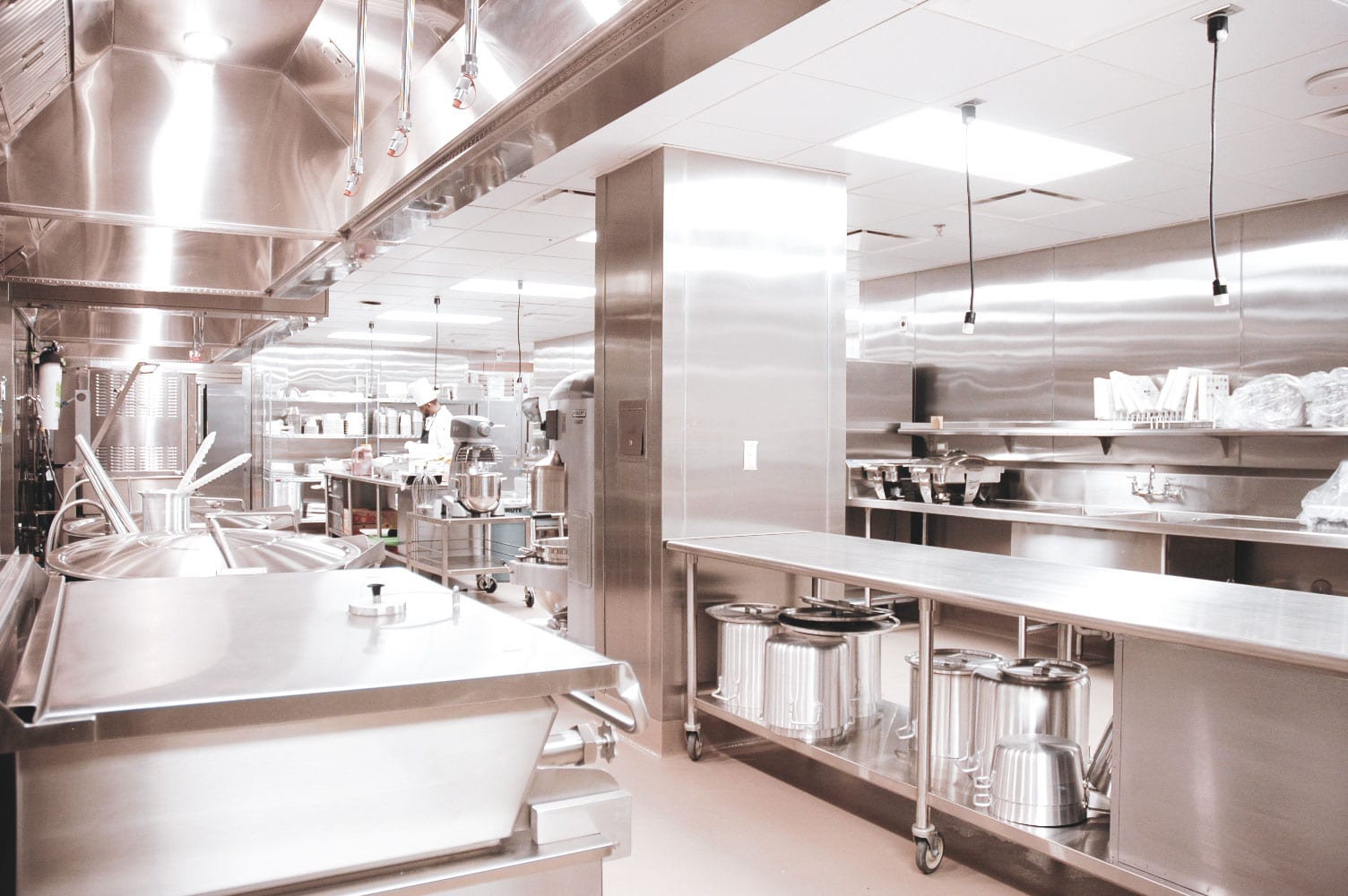
Commercial kitchens in school cafeterias and college dormitories are designed to meet strict health and safety standards, accommodate high-volume food production, and provide nutritious meals to students in an efficient and organized manner. Some common features:
Industrial-grade cooking equipment: This may include commercial ovens, grills, ranges, fryers, steamers, and other specialized cooking equipment designed for high-volume cooking.
Food preparation areas: These may include spacious prep tables, cutting boards, sinks, and other food preparation stations for washing, chopping, and assembling ingredients.
Walk-in refrigerators and freezers: These are used for storing large quantities of perishable food items at appropriate temperatures to maintain freshness and safety.
Food storage facilities: These may include shelves, racks, and cabinets for storing dry goods, canned goods, and other non-perishable food items.
Dishwashing area: This may include commercial dishwashers capable of handling a large number of dishes and utensils efficiently.
Serving stations: These may include counters, warming stations, and other facilities for serving food to students.
Ventilation and exhaust systems: These are essential for maintaining a clean and safe kitchen environment by properly removing smoke, steam, and odors generated during cooking.
Safety features: These may include fire suppression systems, emergency exits, and other safety measures to ensure compliance with local health and safety regulations.
Owing to the complexity of the domain, starting 2023 we will break down the standards for education community safety and sustainability into two separate colloquia:
Kitchens 100 will deal primarily safety — fire, shock hazard, sanitation, floors, etc.
Kitchens 300 will deal with sustainability criteria in large commercial kitchens common in school cafeterias, dormitories, sports venues and hospitals.
Williams P. Clements Jr. University Hospital
Owing to the complexity of the domain, starting 2023 we will break down the standards for education community safety and sustainability into two separate colloquia:
Kitchens 100 will deal primarily safety — fire, shock hazard, sanitation, floors, etc.
Kitchens 300 will deal with sustainability criteria in large commercial kitchens common in school cafeterias, dormitories, sports venues and hospitals.
New update alert! The 2022 update to the Trademark Assignment Dataset is now available online. Find 1.29 million trademark assignments, involving 2.28 million unique trademark properties issued by the USPTO between March 1952 and January 2023: https://t.co/njrDAbSpwBpic.twitter.com/GkAXrHoQ9T










_Mauritshuis_171.jpg)