


“Radio is the perfect medium for communication.
It is instantaneous, and unlike television,
it allows you to use your imagination.”
-Guglielmo Marconi
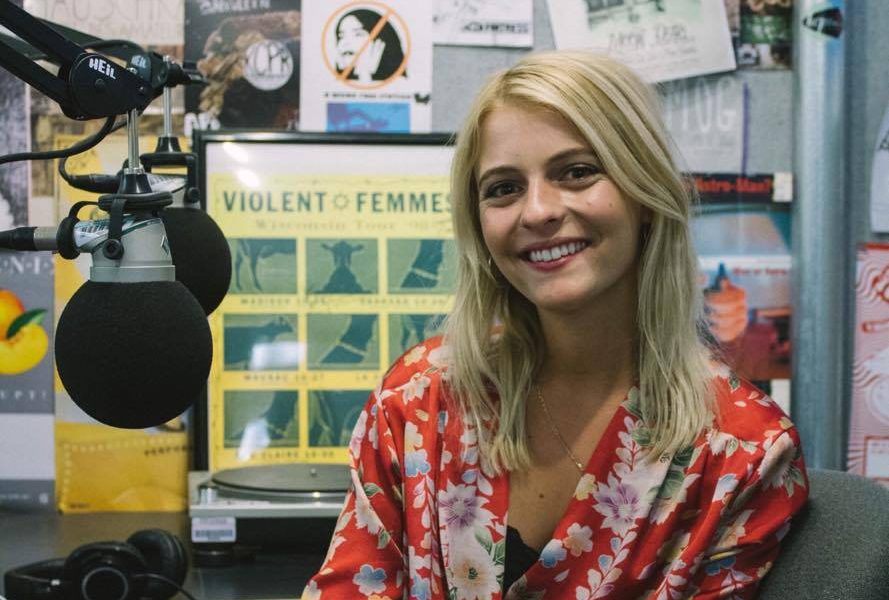
CLICK IMAGE TO START LIVESTREAM
KANM Student Radio, founded in 1973 at Texas A&M University, began as Student Government Radio, broadcasting via cable on 107.5 FM in partnership with Mid-West Video Corporation. Initially airing from 4 p.m. to 2 a.m. weekdays, it offered diverse genres like hard rock and country. Despite early financial struggles, accumulating $5,783.64 in debt by 1977, KANM grew its influence through the 1970s and 1980s, facing technical issues like outages in 1978 and 1979.
It became independent in the 1980s, moving to the Pavilion complex in 1983 with equipment donations. KANM pioneered online streaming in 1998, transitioning to online-only by the mid-2010s. In 2024, it secured a low-power FM permit (KAGZ-LP 95.5 FM), marking a return to airwaves. Now located in the Memorial Student Center, KANM remains student-run, promoting non-commercial music and hosting events like the bi-annual “Save the Music” concert.

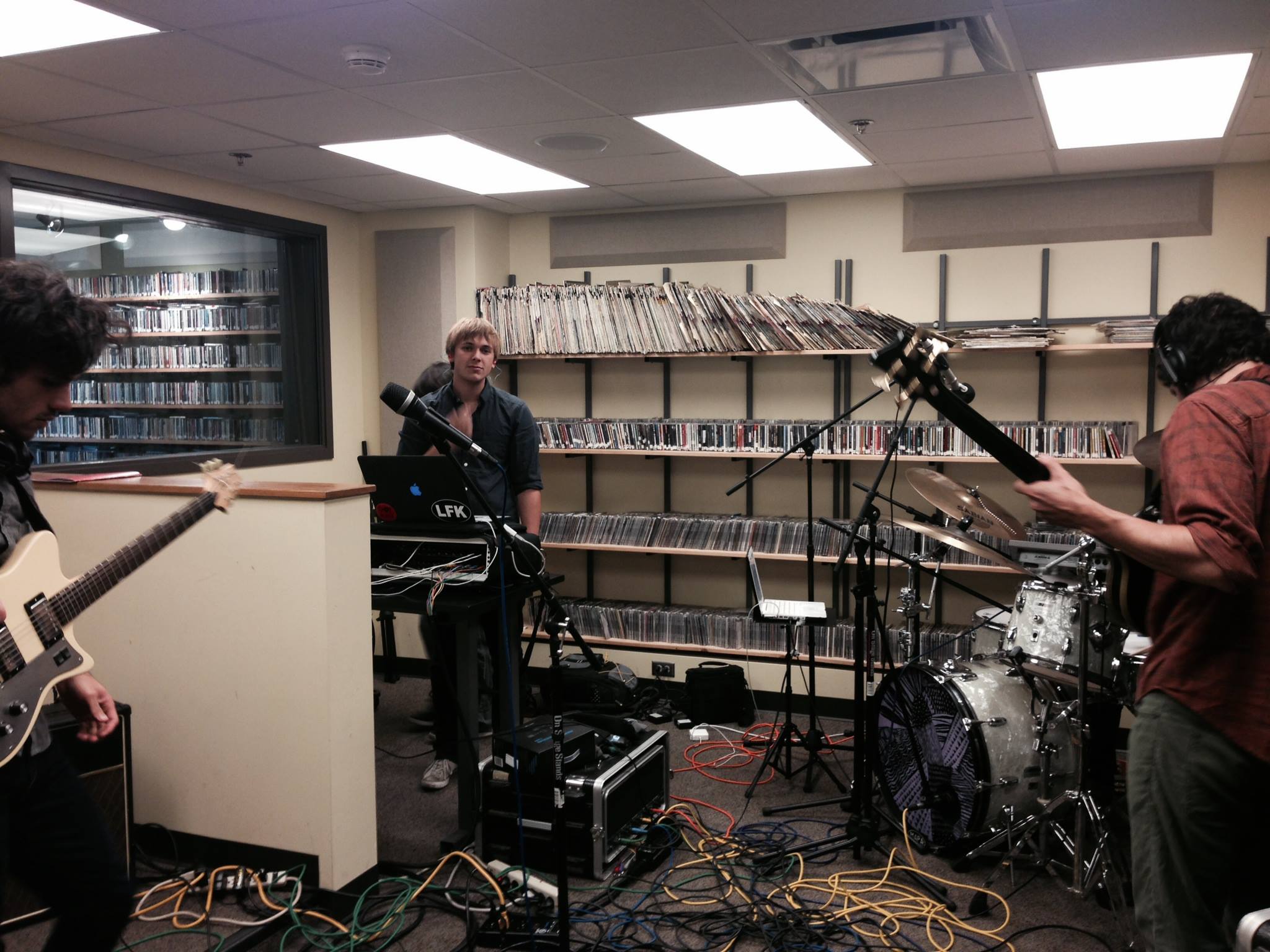
Howdy! I am so stoked to announce that we recently got to work with The Highway 6 Band, a sick group based out of College Station, to produce a KANM Library Session!!
Here’s a quick clip of the band performing their original song “Me or the Road” 🔊 pic.twitter.com/0lWpzZhFDU— KANM Student Radio (@KANMRadio) March 24, 2023
“Music is the art which is most nigh to tears and memory”
— Oscar Wilde (‘The Critic as Artist’ 1891)
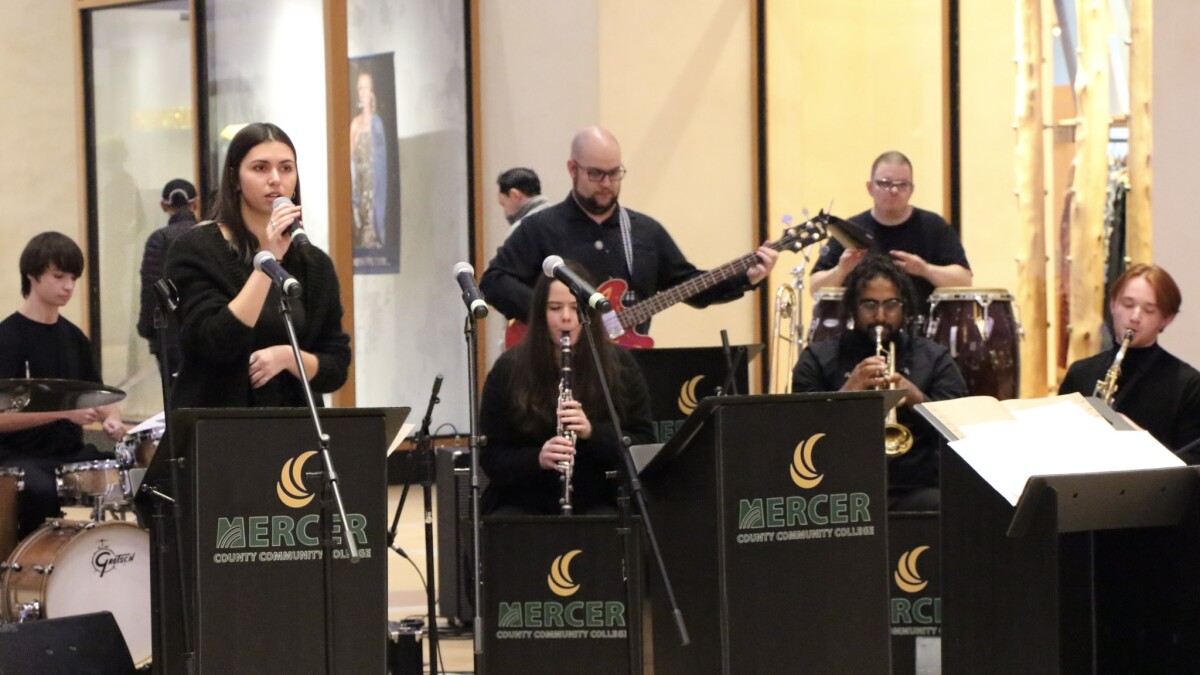
CLICK IMAGE to start Livestream
Campus Tour | Standards New Jersey
It’s not too late to register for Fall Semester 2021! Our later starting courses begin October 26th and run through December 15th.
📝: https://t.co/EqkGnavSXl pic.twitter.com/2YLJ6dKxUo
— Mercer County Community College (@MercerCollege) October 12, 2021
Click image to start livestream
What a view. What a place. pic.twitter.com/AOzAvxmYok
— University of Kansas (@UnivOfKansas) August 23, 2023
Talk about a perfect night to 🏈 kick off 🏈 football season. pic.twitter.com/ElqIbEjTKP
— University of Kansas (@UnivOfKansas) September 2, 2023

KU’s School of Business received a $50 million commitment from an anonymous donor — the largest donation in the school’s history. The transformative gift supports the school’s ongoing commitment to research and its student success initiatives.https://t.co/ZaohgKnVZ6
— University of Kansas (@UnivOfKansas) September 8, 2023
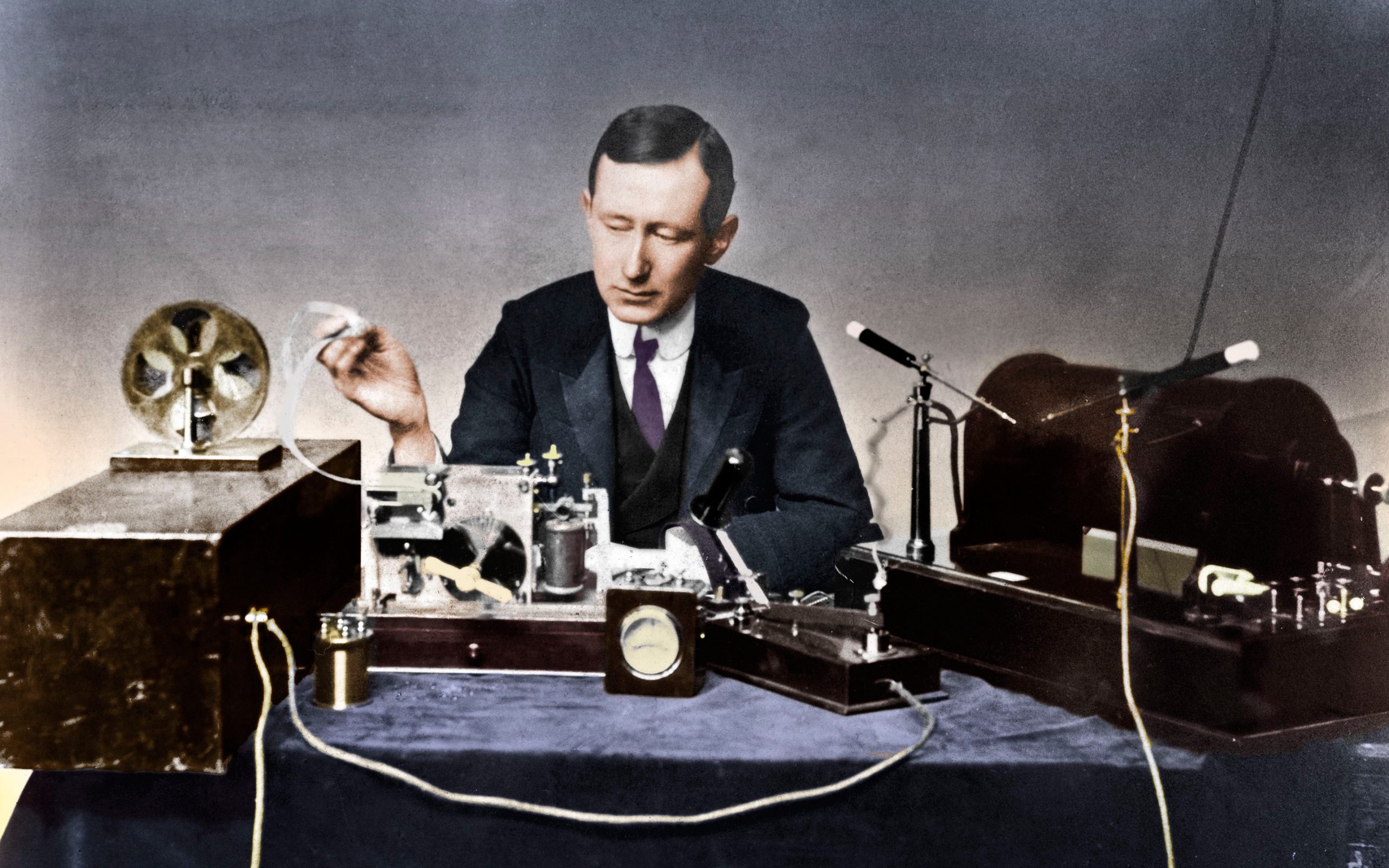
“The wireless age has brought us closer together,
yet we must work to ensure that it does not divide us.”
— Guglielmo Marconi
When the electric grid and the internet are down and there is no cell service, radio can still work to help communities stabilize. Starting 2024 we will break down our coverage of the radio frequency technology standards used in educational settlements into into two categories:
Radio 300: Security and maintenance radio. These usually use a single radio channel and operate in a half-duplex mode: only one user on the channel can transmit at a time, so users in a user group must take turns talking. The radio is normally in receive mode so the user can hear all other transmissions on the channel. When the user wants to talk he presses a “push-to-talk” button, which turns off the receiver and turns on the transmitter; when he releases the button the receiver is activated again. Multiple channels are provided so separate user groups can communicate in the same area without interfering with each other.
Note that a core title in this domain — NFPA 1802 Standard on Two-Way, Portable RF Voice Communications Devices for Use by Emergency Services Personnel in the Hazard Zone — is part of an NFPA catalog reorganization. Best practice content will be rolled into NFPA 1300 Standard on Fire and Emergency Service Use of Thermal Imagers, Two-Way Portable RF Voice Communication Devices, Ground Ladders, and Fire Hose, and Fire Hose Appliances.
As of this posting APCO International has no public consultations on any titles in its public safety radio standards catalog.
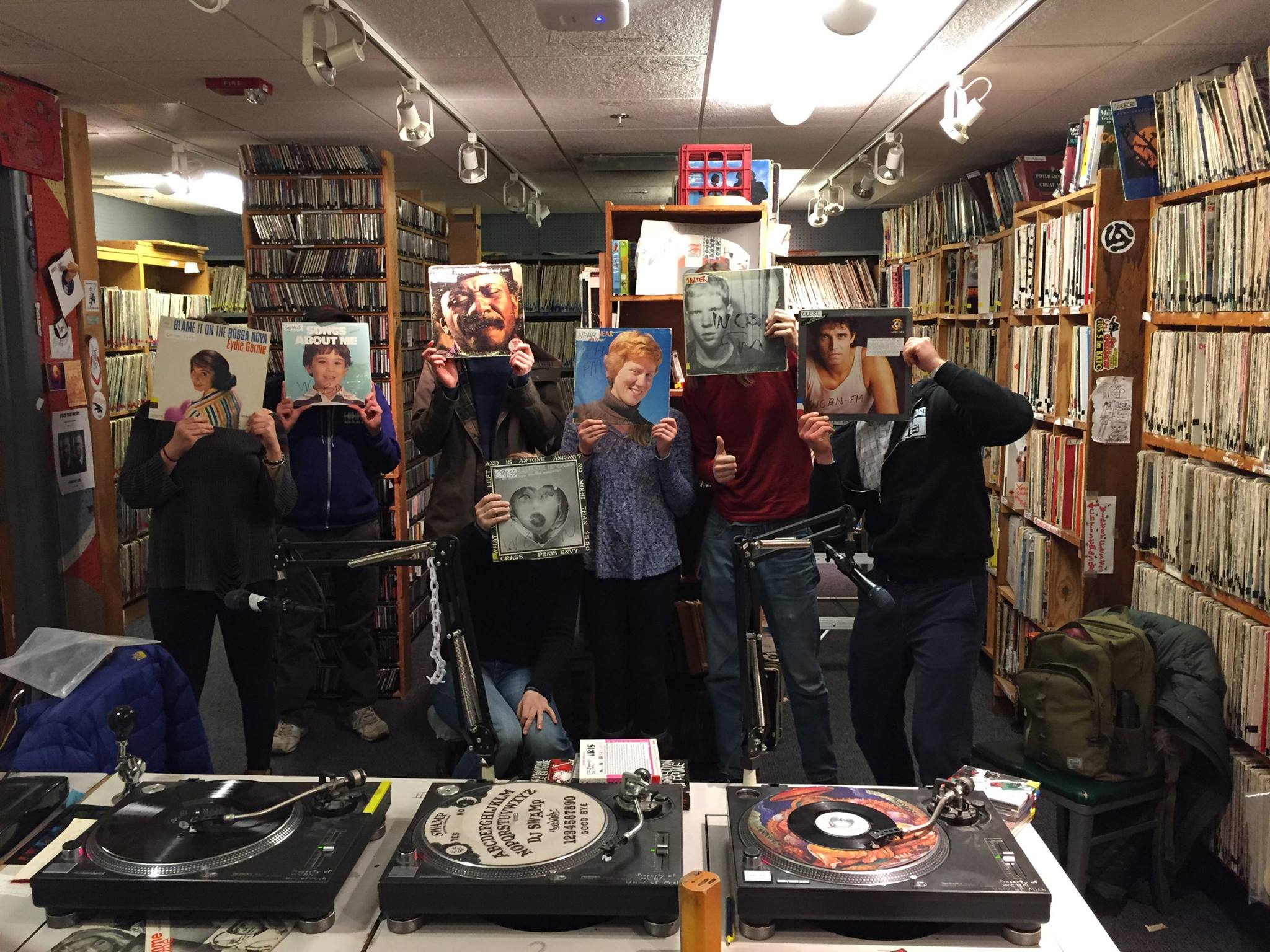
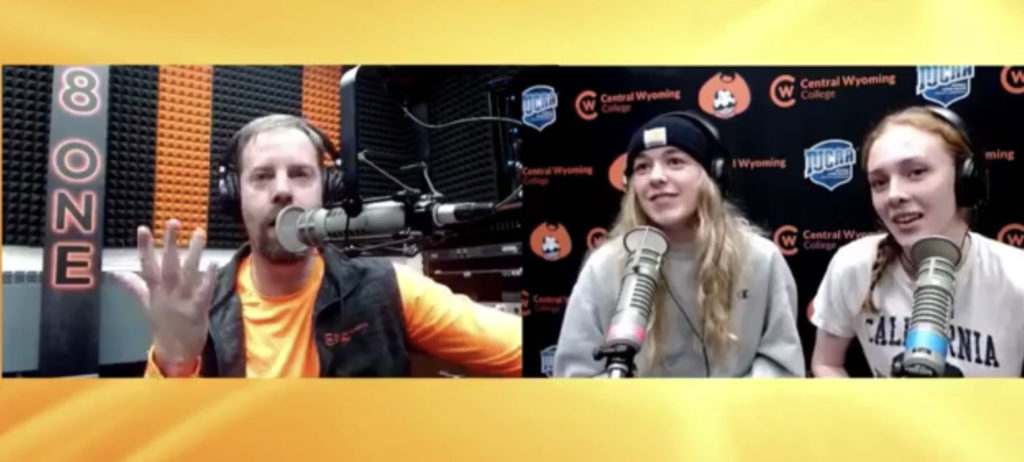
Radio 400: Student radio. College radio stations are typically considered to be public radio radio stations in the way that they are funded by donation and grants. The term “Public radio” generally refers to classical music, jazz, and news. A more accurate term is community radio, as most staff are volunteers, although many radio stations limit staff to current or recent students instead of anyone from the local community. There has been a fair amount of drama over student-run radio station history; a topic we steer away from.
The Low Power FM radio service was created by the Commission in January 2000. LPFM stations are authorized for noncommercial educational broadcasting only (no commercial operation) and operate with an effective radiated power (ERP) of 100 watts (0.1 kilowatts) or less, with maximum facilities of 100 watts ERP at 30 meters (100 feet) antenna height above average terrain. The approximate service range of a 100 watt LPFM station is 5.6 kilometers (3.5 miles radius). LPFM stations are not protected from interference that may be received from other classes of FM stations.

We follow — but do not respond — to consultations on titles covering the use of radio frequencies for the Internet of Things. At the moment, most of that evolution happens at the consumer product level; though it is wise to contemplate the use of the electromagnetic spectrum during widespread and extended loss of broadband services.
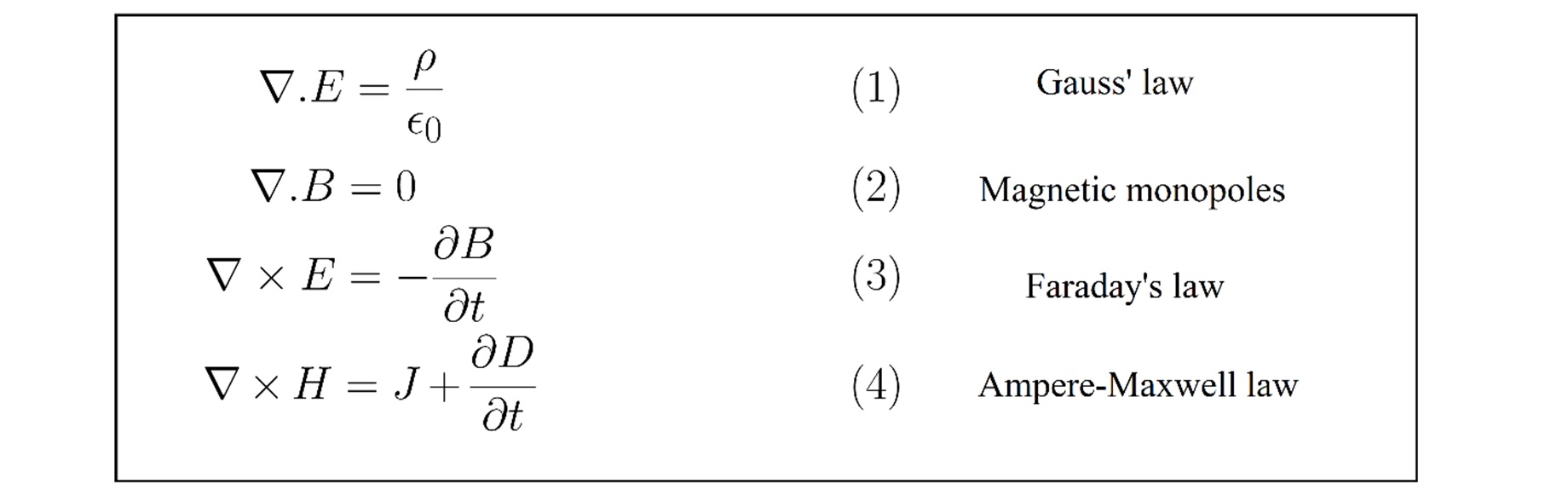
Maxwell equations: Four lines that provide a complete description of light, electricity and magnetism
We do not include policy specifics regarding the migration of National Public Radio beyond cultural content into political news; though we acknowledge that the growth of publicly financed radio domiciled in education communities is a consideration in the technology of content preparation informed by the Public Broadcasting Act of 1967.
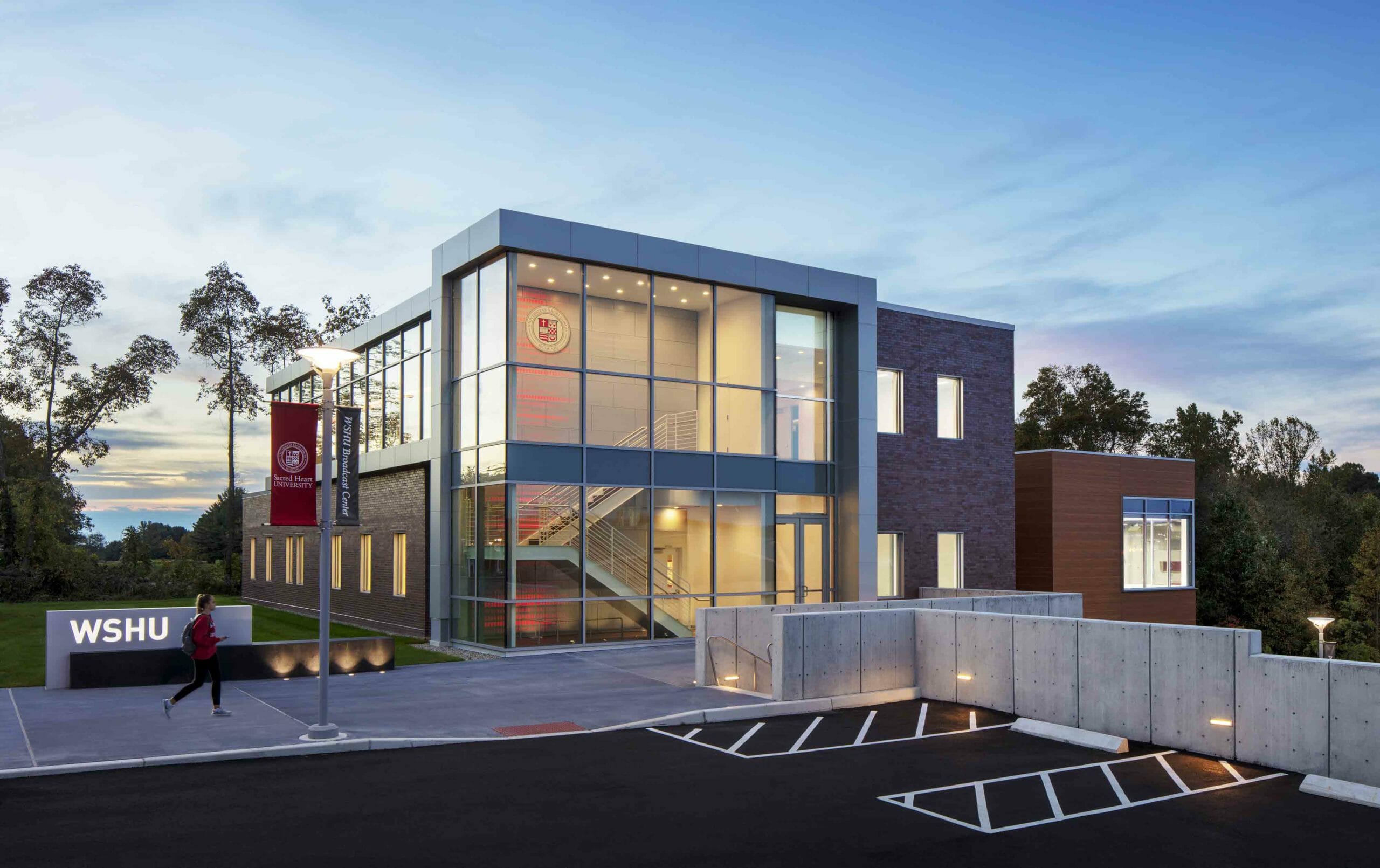
We drill into technical specifics of the following:
Radio technology is regulated by the Federal Communications Commission with no ANSI-accredited standards setting organizations involved in leading practice discovery and promulgation. Again, we do not cover creative and content issues. Join us today at 11 AM/ET using the login credentials at the upper right of our home page.
More
International Telecommunications Union: News Magazine No.1 2022
International Special Committee on Radio Interference
Campus Safety Radio JVCKENWOOD CAMPUS SAFETY 5 TIPS TO LOWER COSTS
The frequency differences between public safety radio and public broadcasting radio are mainly due to their distinct purposes and requirements.
NFPA 1930 is in a custom cycle due to the Emergency Response and Responder Safety Document Consolidation Plan (consolidation plan) as approved by the NFPA Standards Council. As part of the consolidation plan, NFPA 1930 is combining Standards NFPA 1801, NFPA 1802, NFPA 1932, NFPA 1937, and NFPA 1962.
Firefighter radio communication faces several special technical challenges due to the nature of the environment they operate in and the criticality of their tasks. Here are some of the key challenges:
National Institute of Standards & Technology
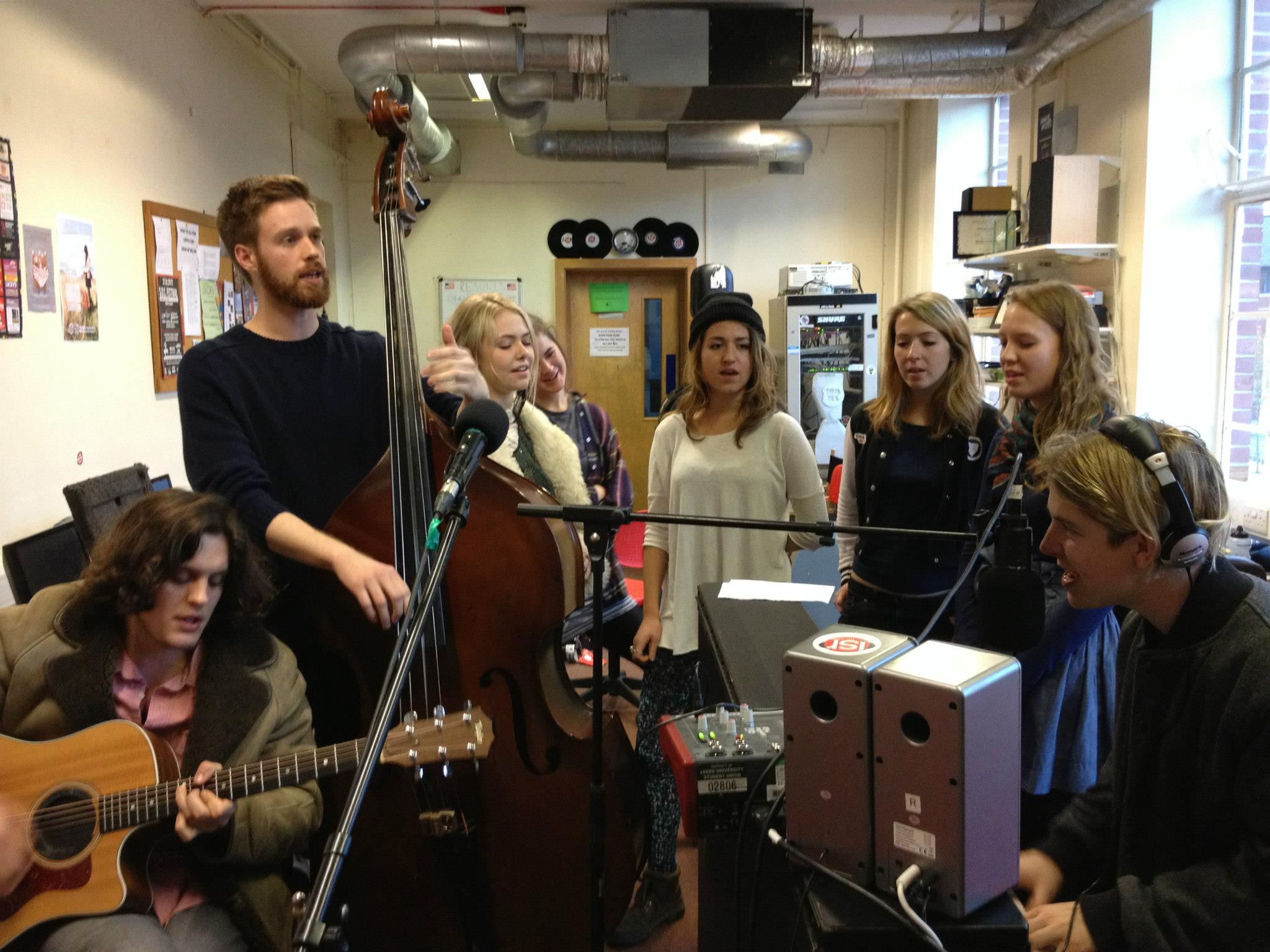
Welcome to Leeds Student Radio | By Students, For Students
@ThisIsLSR @IEEECampus https://t.co/ZW3efm7L8nhttps://t.co/aUy9sWf2rw pic.twitter.com/TZsf362CJH— Standards Michigan (@StandardsMich) May 6, 2023

🛍️ BUY YOURS NOW 🛍️
Follow the link below! ⬇️👇🛍️https://t.co/Kq056Bzd8K
There are three ways that you can join this amazing network of 50+ stations…
• Station Membership 🎙️📻
• Individual Membership 🤝
• Alumni Membership 👋🎓#SRA #SRAAwards #SRACon pic.twitter.com/du2C2zkRqH— Student Radio Association (@SRA) August 3, 2023
New update alert! The 2022 update to the Trademark Assignment Dataset is now available online. Find 1.29 million trademark assignments, involving 2.28 million unique trademark properties issued by the USPTO between March 1952 and January 2023: https://t.co/njrDAbSpwB pic.twitter.com/GkAXrHoQ9T
— USPTO (@uspto) July 13, 2023
Standards Michigan Group, LLC
2723 South State Street | Suite 150
Ann Arbor, MI 48104 USA
888-746-3670
 |
 |
|
 |
 |
|
 |
 |