
Category Archives: Radio
- Home
- Archive by category "Radio" (Page 4)


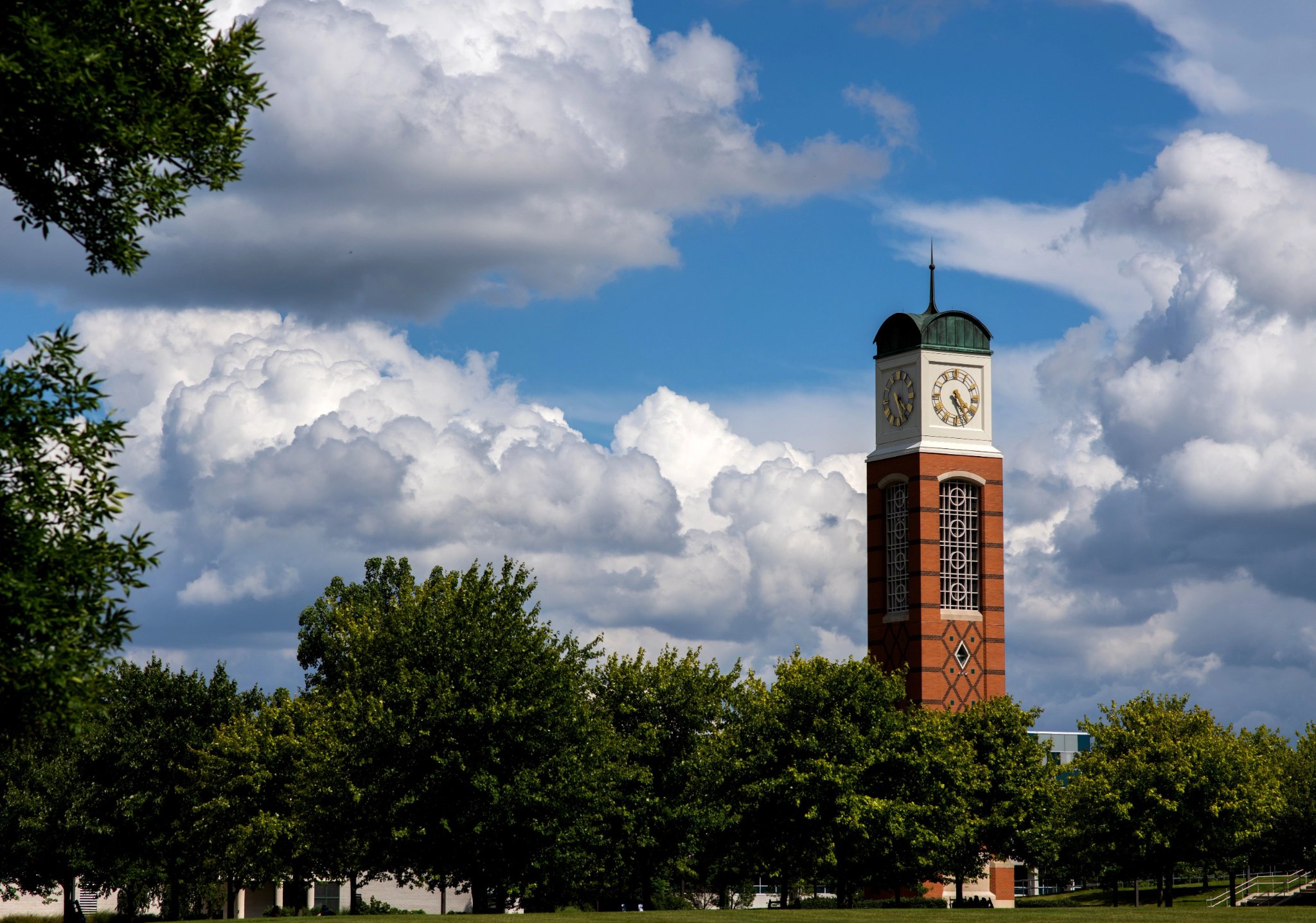

LIVE: WDBM-FM Student Radio 89 MHz
Michigan Upper Peninsula | Michigan West | Michigan East

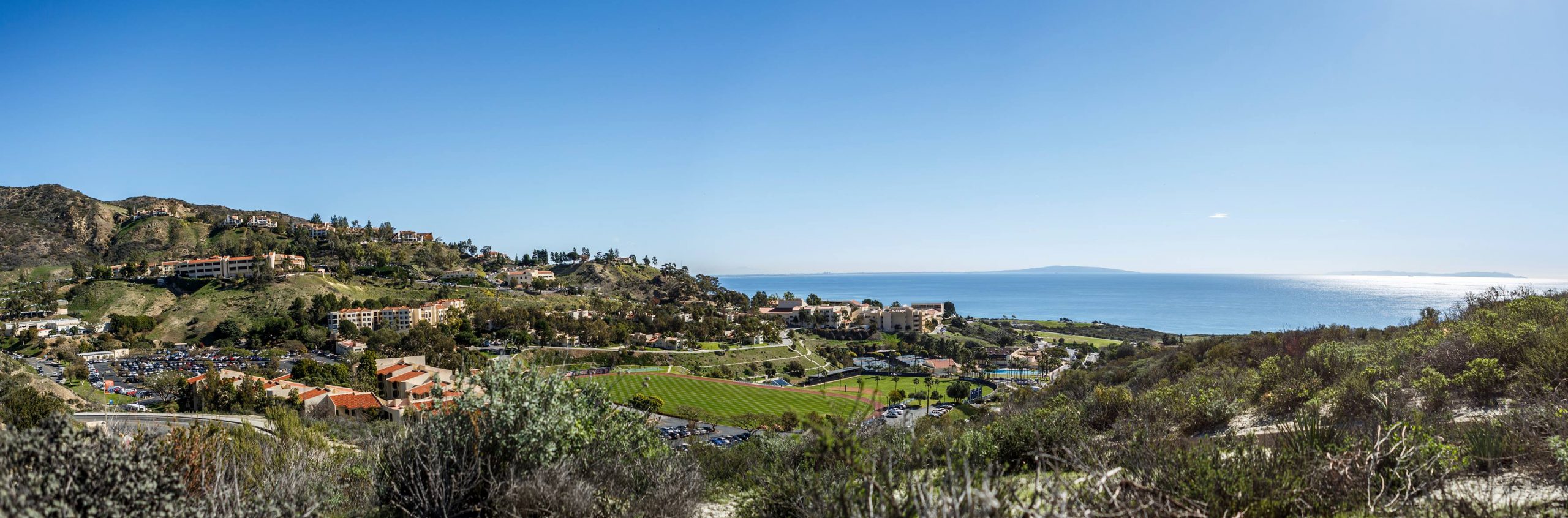
Michigan State University Infrastructure Planning & Facilities




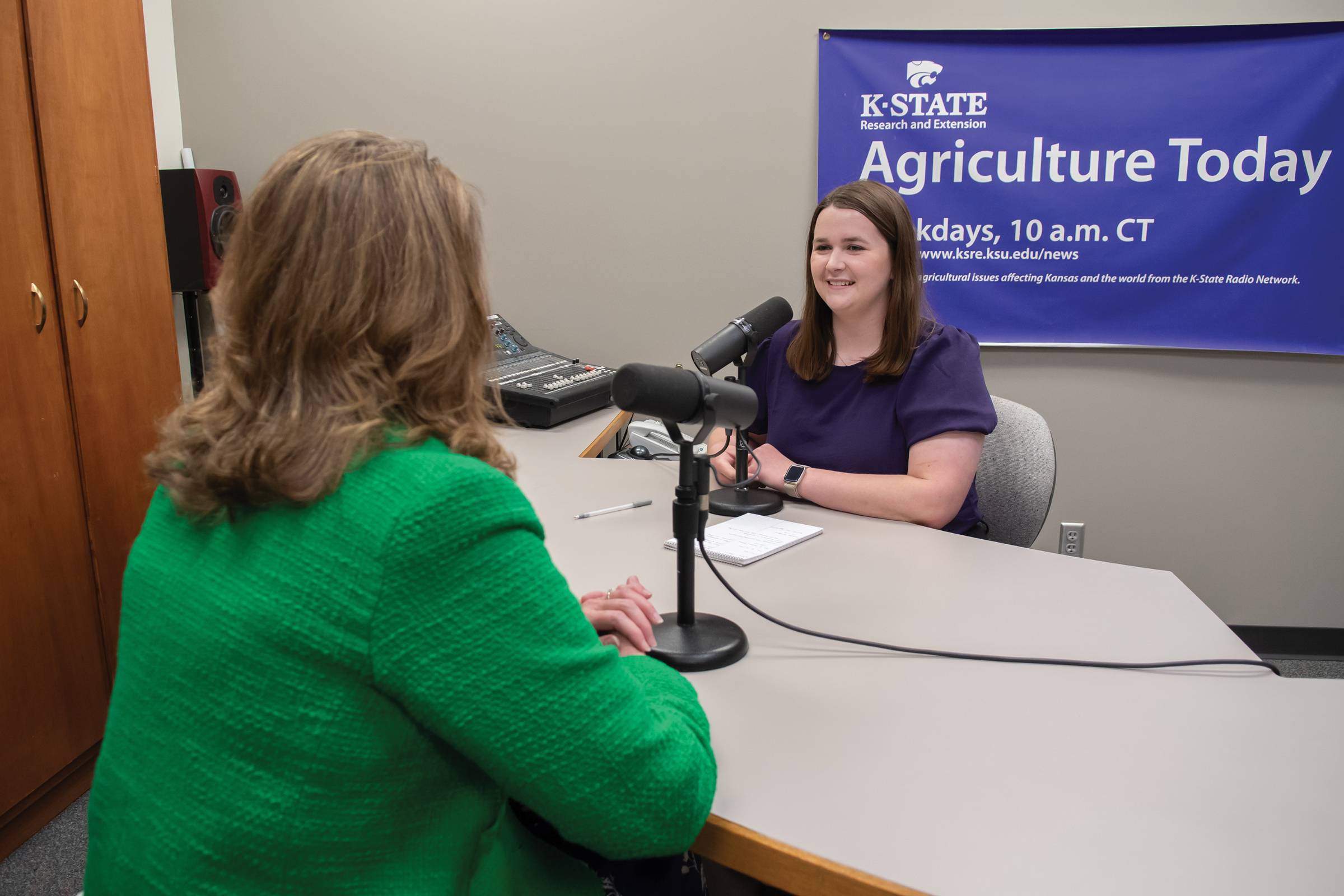
Agriculture Radio

Standards Kansas
We’re just around the corner from construction for the Ag Innovation Initiative, beginning the week of April 9th. Mark your calendars for Demo Day with the Deans on April 15th from 11 – 1 at the corner of Mid-Campus Drive and Claflin Rd.@KSU_Foundation pic.twitter.com/lpslWu8OwQ
— K-State College of Agriculture (@kstateag) March 25, 2024
Interested in becoming an Ag Ambassador? Applications for new members are open now and will close on October 4. To become an Ag Ambassador, you need to participate in the selection process on October 14 and 17. 🔗Apply here: https://t.co/RSZghreLpA pic.twitter.com/PY2RuBP0Xo
— K-State College of Agriculture (@kstateag) September 4, 2024

Kansas State University
Related:
National Electrical Code 2026: Article 640 Audio Signal Processing, Amplification, and Reproduction Equipment
Drive Time Bias By Omission
This content is accessible to paid subscribers. To view it please enter your password below or send mike@standardsmichigan.com a request for subscription details.
Marathonradio steunt studenten
This content is accessible to paid subscribers. To view it please enter your password below or send mike@standardsmichigan.com a request for subscription details.

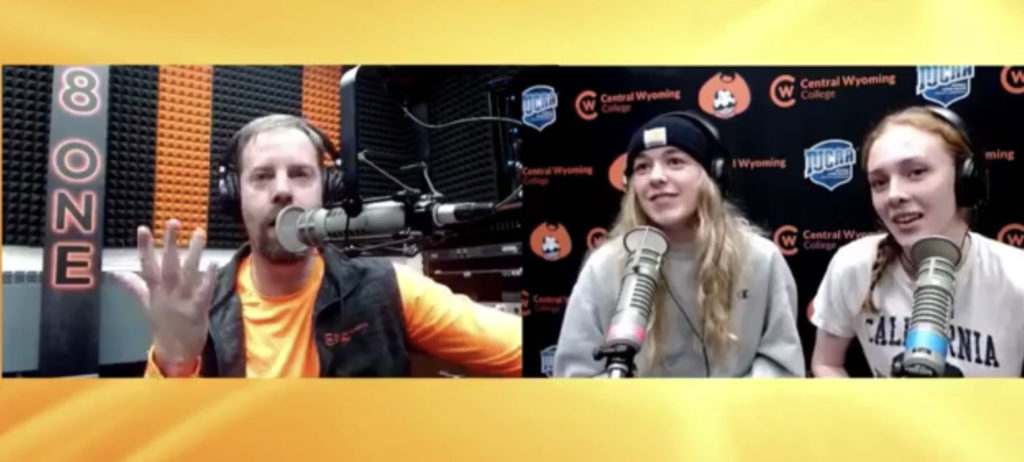

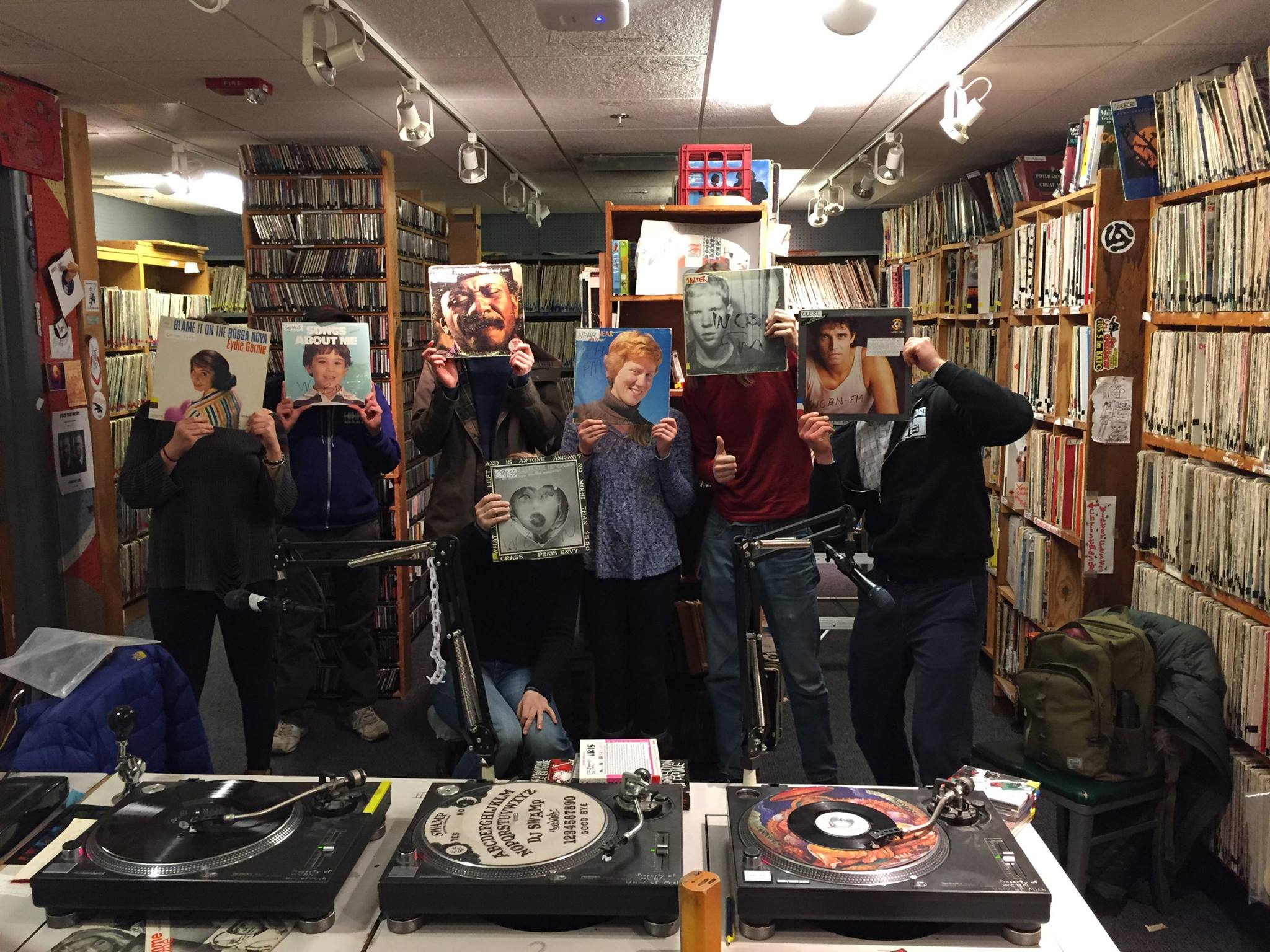
KANM Student Radio
KANM Student Radio, founded in 1973 at Texas A&M University, began as Student Government Radio, broadcasting via cable on 107.5 FM in partnership with Mid-West Video Corporation. Initially airing from 4 p.m. to 2 a.m. weekdays, it offered diverse genres like hard rock and country. Despite early financial struggles, accumulating $5,783.64 in debt by 1977, KANM grew its influence through the 1970s and 1980s, facing technical issues like outages in 1978 and 1979.
It became independent in the 1980s, moving to the Pavilion complex in 1983 with equipment donations. KANM pioneered online streaming in 1998, transitioning to online-only by the mid-2010s. In 2024, it secured a low-power FM permit (KAGZ-LP 95.5 FM), marking a return to airwaves. Now located in the Memorial Student Center, KANM remains student-run, promoting non-commercial music and hosting events like the bi-annual “Save the Music” concert.


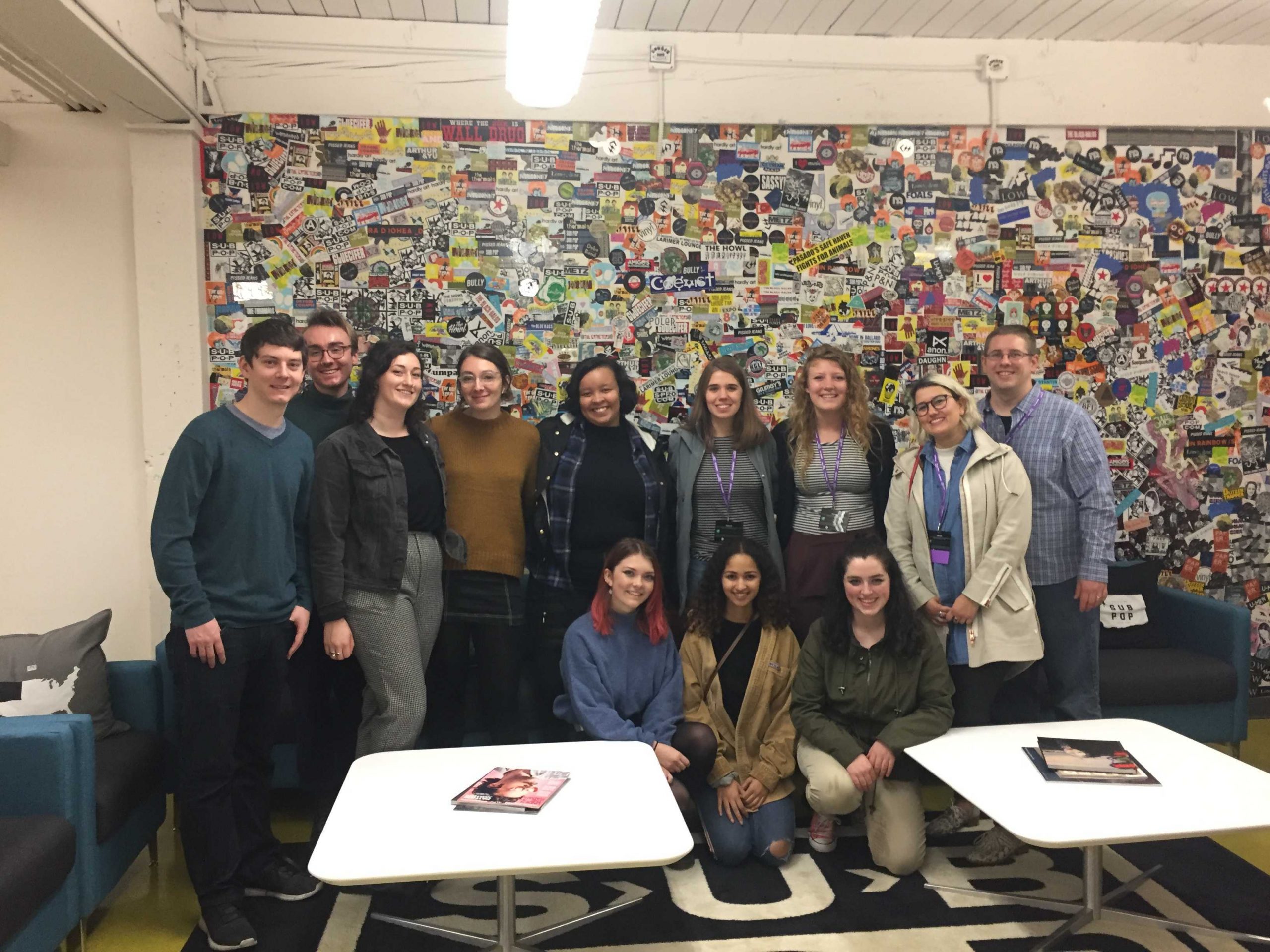
Howdy! I am so stoked to announce that we recently got to work with The Highway 6 Band, a sick group based out of College Station, to produce a KANM Library Session!!
Here’s a quick clip of the band performing their original song “Me or the Road” 🔊 pic.twitter.com/0lWpzZhFDU— KANM Student Radio (@KANMRadio) March 24, 2023
New update alert! The 2022 update to the Trademark Assignment Dataset is now available online. Find 1.29 million trademark assignments, involving 2.28 million unique trademark properties issued by the USPTO between March 1952 and January 2023: https://t.co/njrDAbSpwB pic.twitter.com/GkAXrHoQ9T
— USPTO (@uspto) July 13, 2023
Standards Michigan Group, LLC
455 East Eisenhower Parkway, Suite 300
Ann Arbor, MI 48108 USA
888-748-3670
DIRECTIONS
 |
 |
|
 |
 |
|
 |
 |