


Financial Position $1.417B (Page 16) | Campus Master Plan 2025-2035 | Revenue Bonds

Traditional Hanukkah foods (Spoon University) are often fried or cooked in oil, symbolizing the miracle of the oil that lasted eight days in the rededication of the Second Temple in Jerusalem.
Latkes (Potato Pancakes): Grated potatoes mixed with onions, eggs, and flour, then fried until crispy. They are often served with applesauce or sour cream.
Sufganiyot (Jelly-filled Doughnuts): Deep-fried doughnuts filled with jelly or custard and dusted with powdered sugar. They represent the oil that miraculously burned for eight days.
Brisket: Slow-cooked beef brisket is a popular main course for Hanukkah dinners.
Applesauce: Often served as a topping for latkes or as a side dish.
Matzo Ball Soup: While traditionally associated with Passover, some families also serve matzo ball soup during Hanukkah. It consists of light, fluffy dumplings made from matzo meal in a chicken broth.
Kugel: A baked casserole dish that can be sweet or savory, made with noodles, potatoes, or other ingredients.
Chocolate Gelt: Chocolate coins wrapped in gold or silver foil, often used in the game of dreidel.
Dreidel Cookies: Cookies shaped like the spinning top used in the traditional Hanukkah game of dreidel.
Cheese: In reference to the story of Judith, who is said to have fed cheese to an enemy general to make him thirsty and then gave him wine to make him drunk.
time to lock in, Knights 🔒
Good luck on finals! 🫶 pic.twitter.com/RdAT9Ug2e0
— UCF (@UCF) December 2, 2024
Randall Thompson’s “Frostiana” is a choral cycle based on the poems of Robert Frost. The cycle consists of settings for mixed chorus and piano, and it was premiered in 1959. “Frostiana” was commissioned to celebrate the bicentennial of the town of Amherst, Massachusetts, and it features seven of Frost’s poems set to music by Thompson.
“Stopping by Woods on a Snowy Evening” is one of the poems included in the “Frostiana” cycle. The composition captures the reflective and contemplative mood of Frost’s poem, where the narrator pauses to admire the beauty of a snowy evening in a quiet forest. Randall Thompson’s musical setting adds another layer to Frost’s words, enhancing the emotional impact of the poem.
Thompson’s approach in “Frostiana” is characterized by its accessibility and tonal clarity. His settings aim to convey the meaning and atmosphere of Frost’s poetry through the expressive power of choral music. The entire “Frostiana” cycle is a celebration of both Thompson’s skill as a composer and Frost’s enduring contribution to American literature.
“Stopping by Woods on a Snowy Evening”
By Robert FrostThis is one of my favourite English poems. It is vivid, melancholic, and wistful. The imagery and the final lines have stuck with me for years.
And miles to go before I sleep… pic.twitter.com/2ANM3CeTjQ
— Learn English with Alex (@AlexEngVid) November 25, 2023
Nederland | Koninklijk Nederlands Normalisatie Instituut | NEN 1010 (IEC 60364)

Tomorrow Sinterklaas will arrive in the Netherlands from his home in Spain, bringing presents and special treats for children. Learn more about the celebrations to welcome his arrival in #Amsterdam and this amazing Dutch holiday: https://t.co/Guioc6M5Zi pic.twitter.com/6HYoMrPNnO
— I amsterdam (@Iamsterdam) November 16, 2019
Readings:
The Heritage Foundation: Interview with Dutch Scholars on Marriage
Sufganiyot (plural), sufganiyah (singular); are a type of deep-fried doughnut that is traditionally eaten by Jewish people during Hanukkah, along with other fried foods, to commemorate the miracle of the oil in the Temple. They are typically round and filled with jelly or other sweet fillings, and they are often dusted with powdered sugar. Sufganiyot are deep-fried until they are golden brown and have a light, fluffy texture.
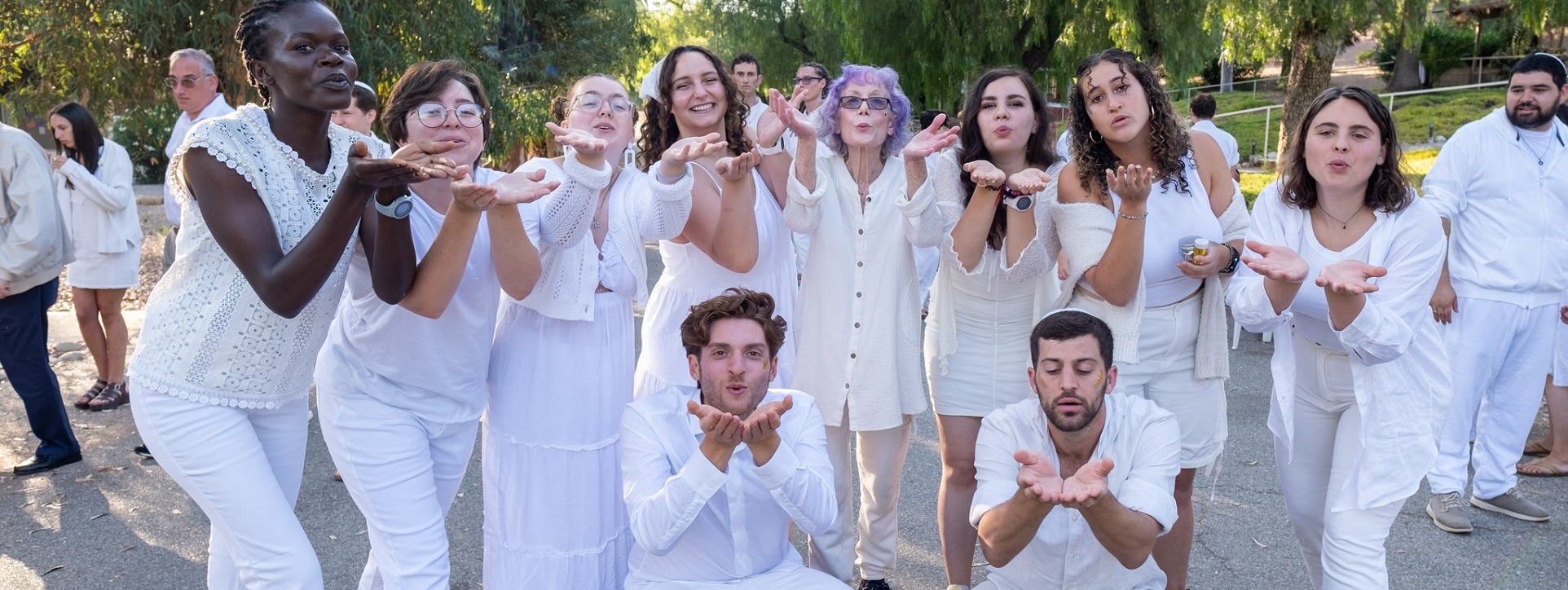
✨ Wishing you a very happy Hannukah from all of us at AJU! May your holiday be filled with peace, joy, and light. Hanukkah Sameach! 🕎 pic.twitter.com/i1nxcmwPVf
— American Jewish University (@AmericanJewishU) December 25, 2024
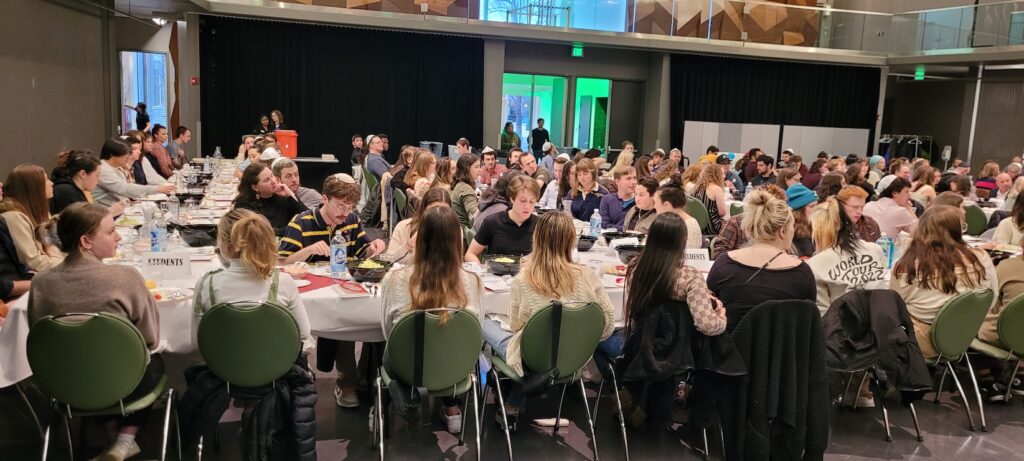
The practice of eating fried foods during Hanukkah is a symbolic way of celebrating the miracle of the oil, where a small amount of oil miraculously lasted for eight days in the rededication of the Temple in Jerusalem.
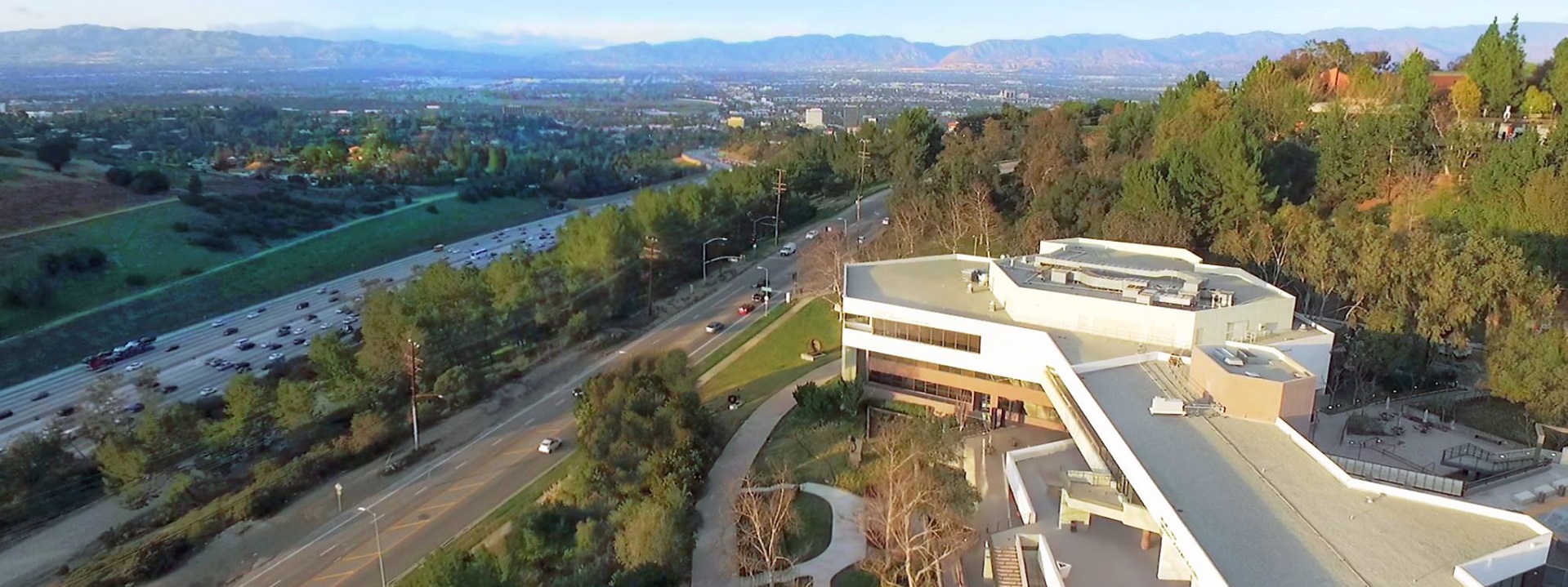
American Jewish University | Los Angeles, California
Standards Scotland | University Home
Haggis is Scotland’s ancestral meal — a savory pudding made from sheep’s pluck (heart, liver, and lungs), minced with onion, oatmeal, suet, spices, and stock, traditionally encased in a sheep’s stomach (now often artificial) and boiled. It is typically served with “neeps and tatties” (mashed turnips and potatoes). Usually “observed” on Hogmanay (Scots New Year) it symbolizes resourcefulness, using humble offal for a nourishing meal, and national pride.

If you’re staying on or near campus during the winter break, we have pulled together this useful list of available services to help you during this time. 📅🎄https://t.co/tMMjugUsJa pic.twitter.com/N68nWnqoxK
— University of Stirling (@StirUni) December 18, 2025
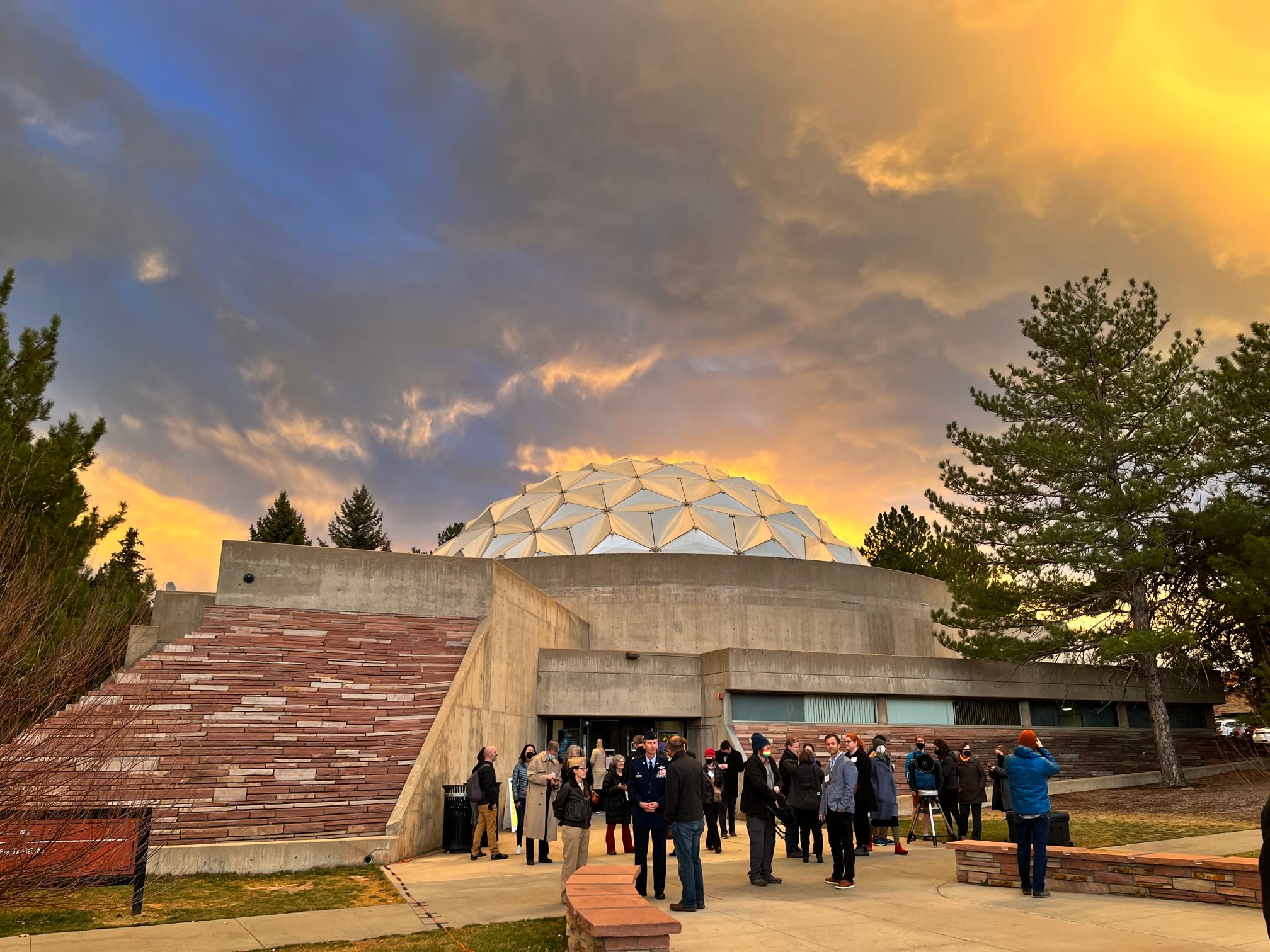
The largest planetarium on a U.S. college or university campus is the Fiske Planetarium at the University of Colorado Boulder. The Fiske Planetarium features a 65-foot diameter dome and has undergone significant technological upgrades, making it one of the most advanced planetariums in the country. It offers a variety of shows, including live demonstrations and immersive experiences that simulate different cosmic phenomena and environments (CU Connections).
New update alert! The 2022 update to the Trademark Assignment Dataset is now available online. Find 1.29 million trademark assignments, involving 2.28 million unique trademark properties issued by the USPTO between March 1952 and January 2023: https://t.co/njrDAbSpwB pic.twitter.com/GkAXrHoQ9T
— USPTO (@uspto) July 13, 2023
Standards Michigan Group, LLC
455 East Eisenhower Parkway, Suite 300
Ann Arbor, MI 48108 USA
888-748-3670
 |
 |
|
 |
 |
|
 |
 |