
Tag Archives: michc

Loading
loading..

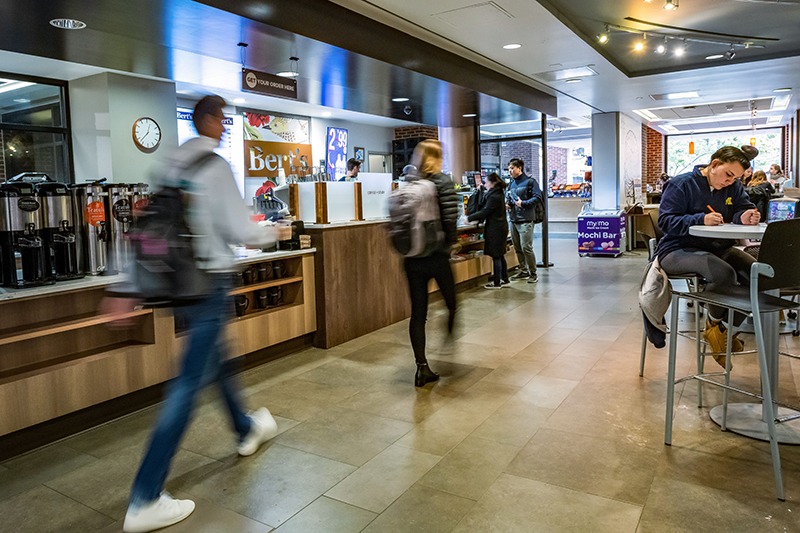
The Common Cup

Michigan Central Summer Fall | Michigan Central Winter Spring

Home

Open every day since 2007: offering locally sourced coffee, teas, baked goods, and a welcoming space for studying or events.  Across Linden Street from First Presbyterian Church of Ann Arbor, Angell Elementary School and footsteps away from Chi Omega and seven other sororities and fraternity houses on the oddly-shaped lot bounded by South University. Washtenaw and Hill Streets.


A post shared by The Common Cup (@thecommoncupcoffee)

Glen Paulsen Architect

The University Lutheran Chapel in Ann Arbor, Michigan was designed by architect Glen Paulsen in 1959; a local Ann Arbor architect known for his modernist work and close ties to the University of Michigan community. The chapel is one of his most celebrated designs and is widely regarded as an outstanding example of mid-20th-century ecclesiastical architecture in the Midwest. The dramatic hyperbolic-paraboloid roof and the integration of natural light through colored glass strips are signature elements of the building.
His work often emphasized clean lines, structural expression (e.g., exposed concrete and steel), and integration with natural surroundings, influenced by his time with Eero Saarinen and his teaching roles at the University of Michigan and Cranbrook Academy of Art. While the University Lutheran Chapel (1959) in Ann Arbor exemplifies his ecclesiastical modernism with its hyperbolic-paraboloid roof, below is a curated list of his other key projects, drawn from biographical records, architectural archives, and historical surveys.  In the fullness of time his private practice from 1958 to 1969 morphed into TMP (Tarapata-MacMahon-Paulsen, 1969–1977).

Glen Paulsen Architect

The University Lutheran Chapel in Ann Arbor, Michigan was designed by architect Glen Paulsen in 1959; a local Ann Arbor architect known for his modernist work and close ties to the University of Michigan community. The chapel is one of his most celebrated designs and is widely regarded as an outstanding example of mid-20th-century ecclesiastical architecture in the Midwest. The dramatic hyperbolic-paraboloid roof and the integration of natural light through colored glass strips are signature elements of the building.


His work often emphasized clean lines, structural expression (e.g., exposed concrete and steel), and integration with natural surroundings, influenced by his time with Eero Saarinen and his teaching roles at the University of Michigan and Cranbrook Academy of Art. While the University Lutheran Chapel (1959) in Ann Arbor exemplifies his ecclesiastical modernism with its hyperbolic-paraboloid roof, below is a curated list of his other key projects, drawn from biographical records, architectural archives, and historical surveys.  In the fullness of time his private practice from 1958 to 1969 morphed into TMP (Tarapata-MacMahon-Paulsen, 1969–1977).


Standards Michigan Coffee | Standards Michigan Chapels

Sunday Brunch

Michigan Central


Sunday Brunch

Kitchens 300


MSU Infrastructure Planning & Facilities

“From College Town to Chinatown” | The Chronicle of Higher Education, December 2018 This article directly addresses how the boom in Asian international students (heavily Chinese) has turned numerous U.S. college towns into “quasi-Chinatowns,” with examples of economic benefits from Asian-owned businesses but also vulnerabilities when enrollment drops. It covers the nationwide trend across multiple universities.

Homophily Michigan

Azure

This content is accessible to paid subscribers. To view it please enter your password below or send mike@standardsmichigan.com a request for subscription details.

Morgan Wallen

Crowd Safety | Outdoor Event Electrotechnologies


Abiit sed non oblitus | Concordia

Change is good: Highlighting 10 years of improvements on the CUAA campus

The Common Cup

University Lutheran Chapel

“Whatever It Is, I’m Against It”


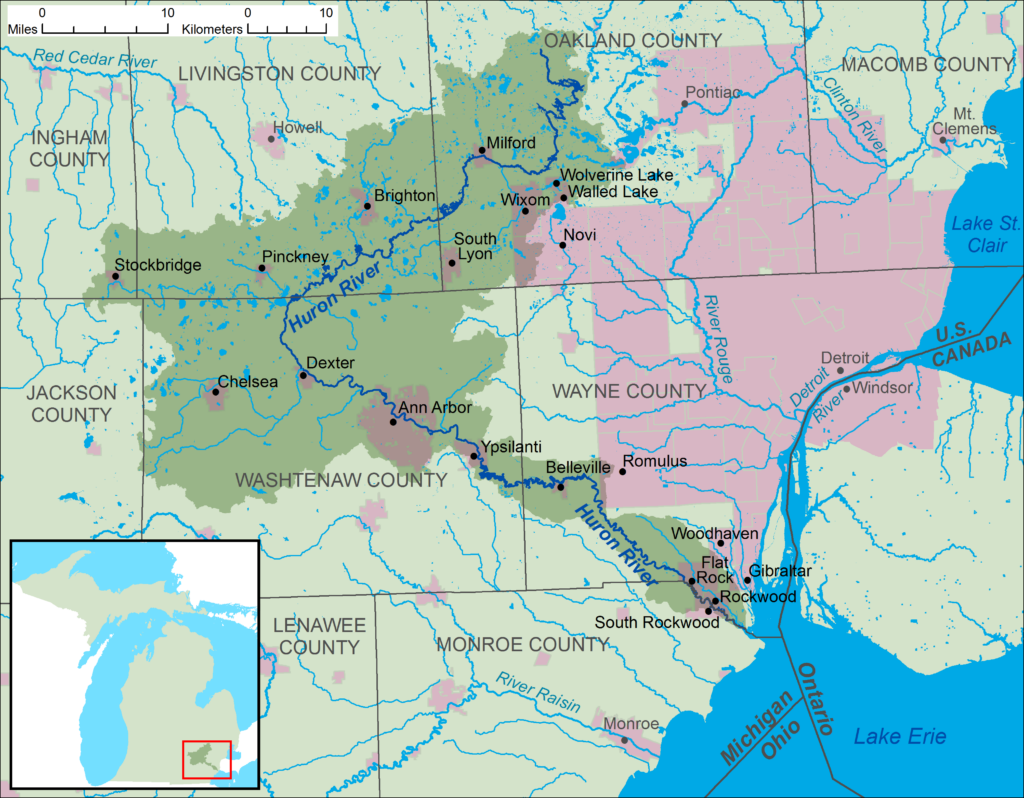
Map of the Huron River watershed, Michigan | Wikpedia

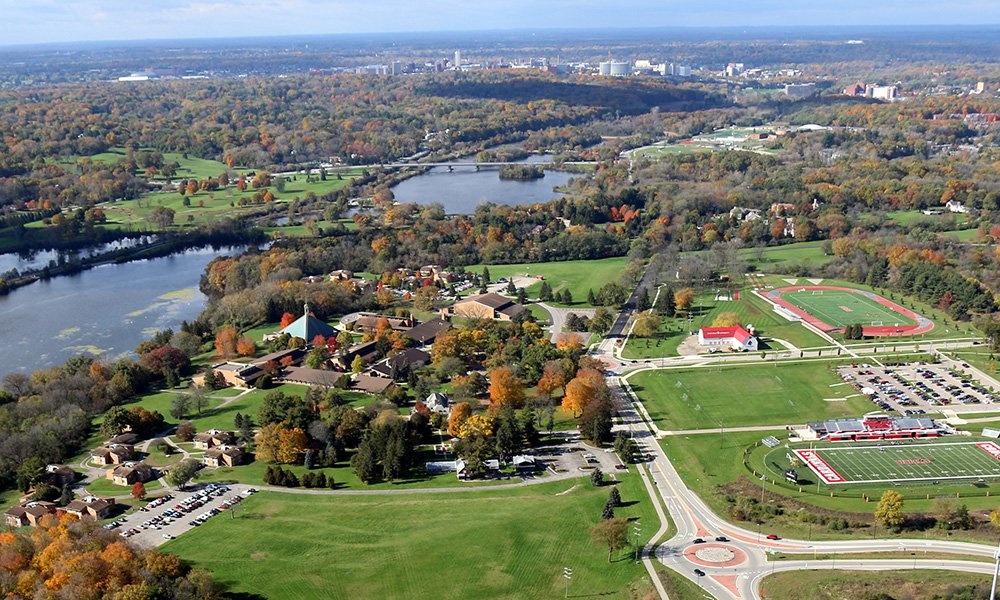
The Board of Regents acquisition of the 140-acre Geddes Road landmass of the former Concordia University later this month will give it shoreline on a major Southeastern Michigan river system and, 104 miles downstream the Huron River Water Trail, direct access to Lake Erie.


Relata:

Abiit sed non oblitus | Lenawee County Michigan

Abiit sed non oblitus | Houghton County Michigan


Honey Fruit Spread

EAST LANSING WEATHER


“I arise in the morning torn between a desire to improve the world

and a desire to enjoy the world.” — E.B. White


Michigan Central | Michigan Fresh

A fruit platter with dip in the middle.

Coffee

The Strange Coffee Habits of Famous Philosophers (Voltaire, Kant, Kierkegaard)

MSU Union

Cheesy Hamburger Skillet

Michigan Central

C

CLICK HERE FOR RECIPE

MSU’s Extension’s Beef Production program supports Michigan’s beef industry through research, education, and outreach to enhance producer profitability, sustainability, and quality of life. It focuses on key areas like nutrition, genetics, grazing management, health, reproduction, and economics. Notable efforts include advancing grass-fed beef systems, feedlot management, and beef x dairy crossbreeding.

Conducted at facilities such as the Lake City and Upper Peninsula Research Farms, the program offers workshops, resources (e.g., pricing tools, disease prevention guides), and youth education via 4-H market beef projects and family recipes.

Michigan Brisket

This content is accessible to paid subscribers. To view it please enter your password below or send mike@standardsmichigan.com a request for subscription details.

Leinweber Center for Engineering and Digital Innovation

This content is accessible to paid subscribers. To view it please enter your password below or send mike@standardsmichigan.com a request for subscription details.

Well Water

Michigan Central | Water 330 | 2021 Michigan Plumbing Code

Water testing helps ensure that well owners have safe, clean drinking water.

Protect the water quality of your water well

One of the first activities upon waking is interacting with water. Approximately 25% of households in the state of Michigan rely on private well water as their primary drinking water source.  This figure comes from the Michigan Department of Environment, Great Lakes, and Energy (EGLE), which estimates nearly 1.12 million households use private wells out of a total of roughly 4.1–4.6 million households statewide (based on U.S. Census data and population estimates of about 10 million residents, with an average household size of 2.5).

Other sources, such as Michigan State University Extension and the Michigan Water Stewardship Program, report slightly higher figures of 44–45% for overall groundwater reliance (including public systems drawing from aquifers), but the specific share for private household wells aligns with the 25% estimate from EGLE. Rural and southeastern areas of the state have the highest concentrations.

“Pythagoreans Celebrate the Sunrise” (1869) by Fyodor Bronnikov

The University operates its own public water utility, supplied by 18 potable water wells located within the campus footprint. The wells draw from the Saginaw Formation aquifer at depths ranging from approximately 285 to 435 feet. The university maintains wellhead protection areas, groundwater monitoring, and comprehensive water-quality testing as part of its continuing commitment to safe and reliable drinking water.  (Reference: AWWA Groundwater Resources & Standards)

Sunday Brunch

Sunday Brunch Menu | 10:30 – 1:30 AM Heritage Room

Michigan State University Alumni Chapel

Michigan State University | Ingham County

Layout mode
Predefined Skins
Custom Colors
Choose your skin color
Patterns Background
Images Background
Standards Michigan
error: Content is protected !!
Skip to content