More
Pacific University Art & Design
Pacific University Facilities Management



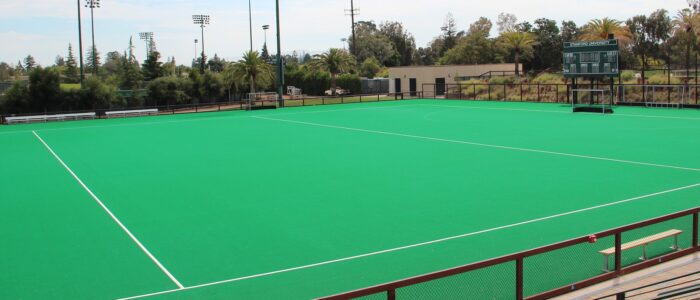
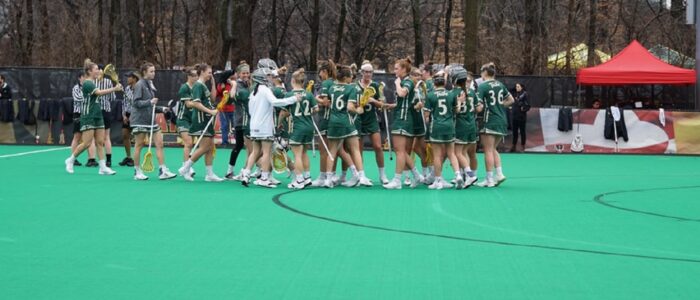
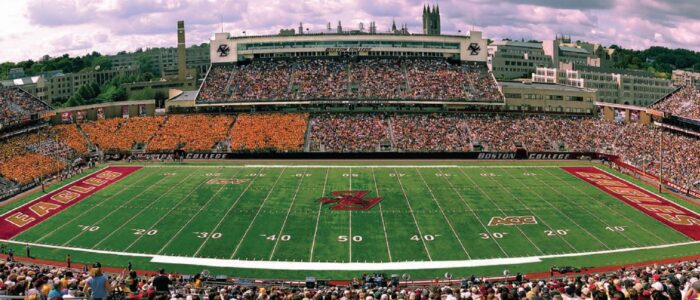
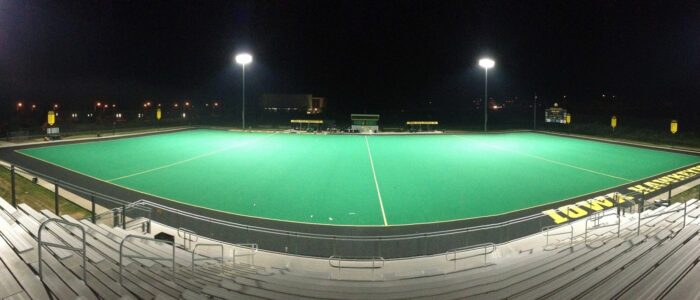
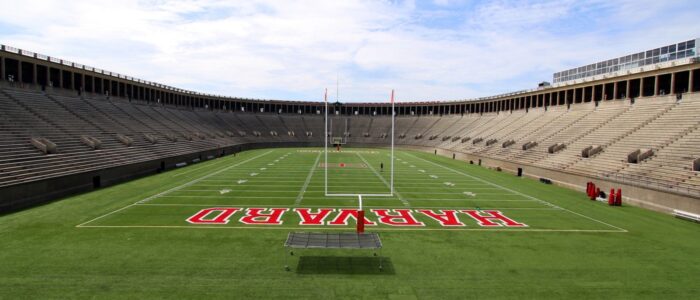
The Synthetic Turf Council is a 501(c)6 non-profit trade association serving the synthetic turf industry. Its vision is to improve the world through synthetic turf. Its mission is to serve as the global forum to promote, develop, grow and advocate for the synthetic turf industry. As a voice in its industry, it promotes the benefits of synthetic turf systems, it provides credentialing services and, for our purpose produces a bibliography of consensus products relevant to the education facility industry:
Synthetic Turf Council Technical Guidelines
You may communicate directly with the Council at the link below:
Synthetic Turf Council Contact Information
We do not find any open public consultations at the moment but we keep the Council’s consensus products in on the standing agenda of our Sport teleconferences. See our CALENDAR for the next online meeting.
LEARN MORE:
White Papers & Technical Presentations
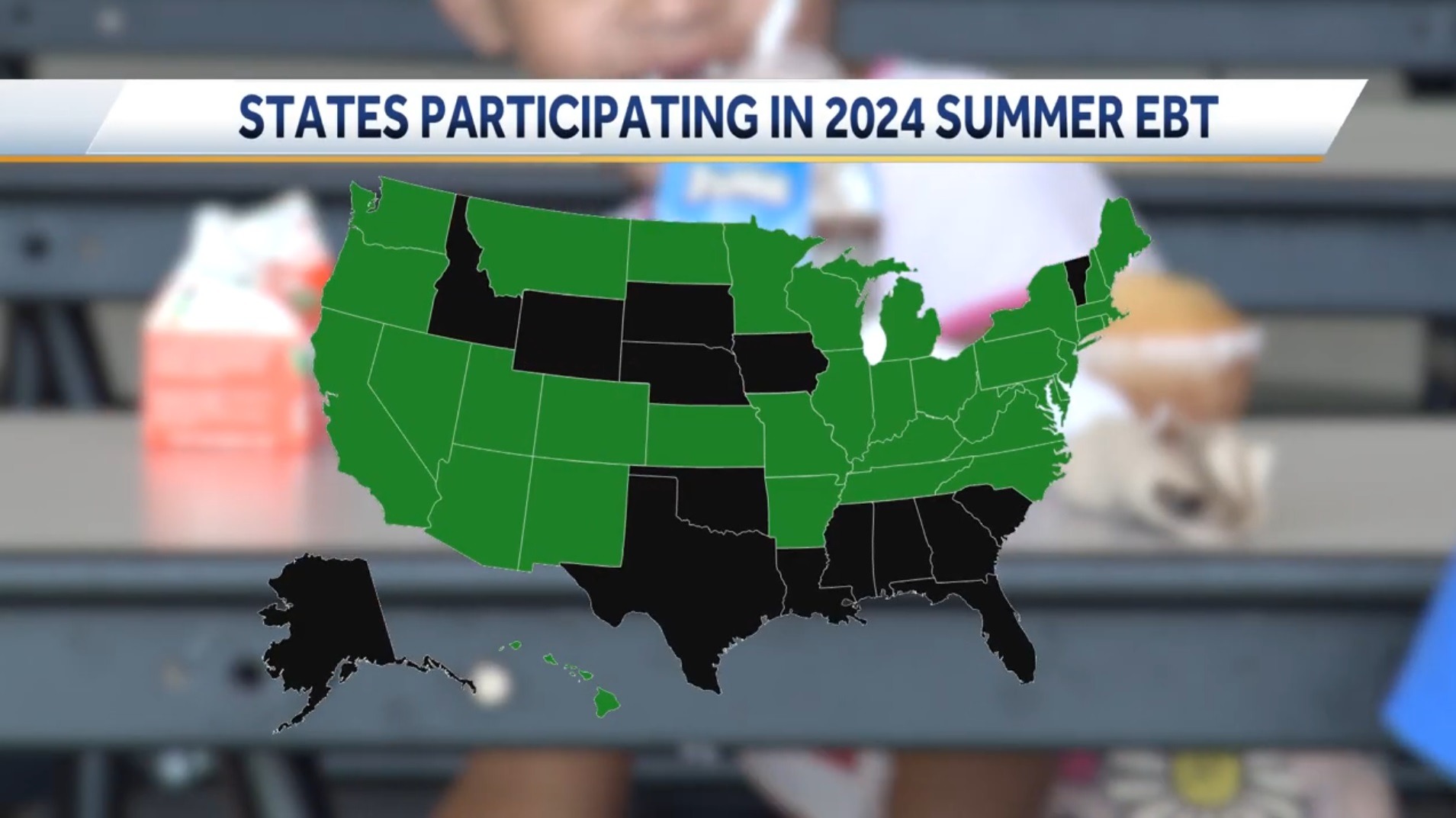
Summer Meals for Kids Site Finder
Ann Arbor Public Schools | Student Summer Food Service Program
|
Readings
“The Negro Family: The Case For National Action” 1965 Daniel Patrick Moynihan
“Black Rednecks and White Liberals” by Thomas Sowell
“Please Stop Helping Us: How Liberals Make It Harder for Blacks to Succeed” by Jason L. Riley
“Losing the Race: Self-Sabotage in Black America” by John McWhorter
Related:
This content is accessible to paid subscribers. To view it please enter your password below or send mike@standardsmichigan.com a request for subscription details.
“And therefore, I said, Glaucon, musical training is a more potent instrument than any other, because rhythm and harmony find their way into the inward places of the soul, on which they mightily fasten, imparting grace, and making the soul of him who is rightly educated graceful…”
— Plato, The Republic, Book III, 401d–402a
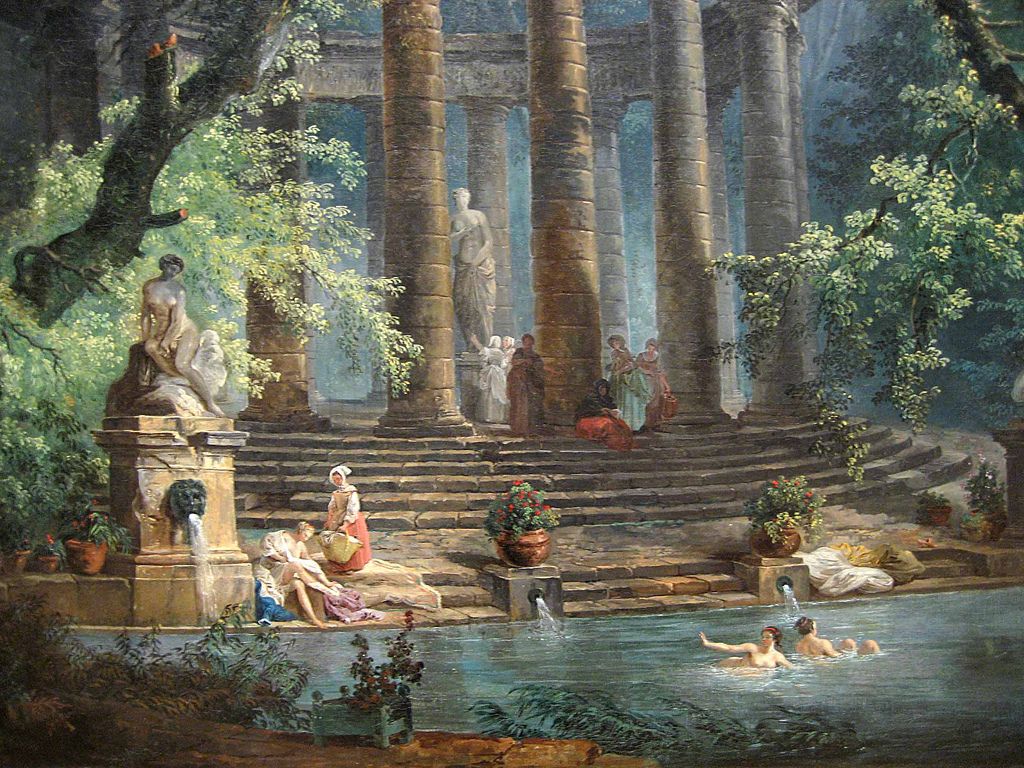
“The Bathing Pool” / Hubert Robert (French, 1733–1808) / Gift of J.P. Morgan
2024 Uniform Swimming Pool, Spa and Hot Tub Code
The IAPMO code development process is one of the best in the land. Its Read-Only Access — needed for light research — is also the best in the land; unlike other ANSI accredited standards developers (who shall be un-named). The current edition is dated 2024, with the 2027 revision accepted public input until March 3, 2025 according the schedule linked below:
2027 USPSHTC Code Development Calendar
Related:
Financials and Endowment 2024: Investments returned 8.9 percent 2024; endowment $24.6 billion
Named after its major donor — co-founder of Analog Devices — this Frank Gehry designed holds the top spot for highest absolute cost per square foot of any US university research — just shy of $500 million in today’s dollars.
The project replaced a “temporary” structure from World War II known for fostering innovation, particularly through the MIT Radiation Laboratory. The new center was intended to continue this legacy by housing the Computer Science and Artificial Intelligence Laboratory (CSAIL), the Laboratory for Information and Decision Systems (LIDS), and the Department of Linguistics and Philosophy, while promoting interdisciplinary collaboration through its innovative design.
Bird’s-eye view of campus from the Stata Center. #aroundMIT pic.twitter.com/so7euTqtX5
— Massachusetts Institute of Technology (MIT) (@MIT) May 23, 2017
The donations were driven by MIT’s goal to consolidate its computer science, electrical engineering, and artificial intelligence departments into a state-of-the-art facility to encourage the exchange of ideas and technology. The project, completed in 2004, faced challenges, including cost overruns and a subsequent lawsuit against Gehry and contractor Skanska USA for alleged design and construction flaws, such as leaks and drainage issues. This lawsuit was amicably resolved in 2010. Despite these issues, the Stata Center remains a landmark of MIT’s campus, celebrated for its bold architecture and role in fostering innovation.

Inside MIT CSAIL’s Stata Center. pic.twitter.com/XSvA9CgSdy
— MIT CSAIL (@MIT_CSAIL) April 11, 2024
Other major contributors:
The Society for College and University Planning: Ann Arbor, Michigan

University of Michigan 1855
Site and survey standards play a crucial role in the planning, development, and management of large college campuses. They are wildly interdependent with the politics of the host community. Some considerations:
In summary, site and survey standards are essential for the effective planning, development, and management of large college campuses in the US. By ensuring optimal land use, promoting safety and accessibility, planning infrastructure, addressing environmental concerns, ensuring regulatory compliance, and enhancing aesthetics, these standards contribute to the overall success and sustainability of the campus environment.
Core standards for college campus land use typically encompass a range of factors including zoning, building placement, infrastructure, environmental considerations, accessibility, and aesthetics. While specific standards may vary depending on the institution and its location, here are some common core standards:
These core standards provide a framework for the effective planning, development, and management of college campus land use, supporting the institution’s educational mission, fostering a vibrant campus community, and enhancing the overall quality of campus life.
Join us today at 16:00 UTC when we update our understanding of titles in the various applicable standards catalogs that affect the safety and sustainability of these “cities-within-cities”
Related:
2025 Committee Action Hearings – Group B #1
Proposal for Performance-Based Building Premise Wiring | Chapter 27): Monograph Page 754

Electrical building — World Columbian Exposition, Chicago, Illinois 1892
The International Code Council bibliography of electrical safety practice incorporates titles published by the National Fire Protection Association which reference electrical safety science titles published by the Institute of Electrical and Electronic Engineers. The relevant section of the International Building Code is therefore relatively short:
2021 International Building Code: Chapter 27 Electrical
Note that Chapter 27 provides more guidance on managing the hazards created when electricity is absent*. Since the National Electrical Code is informed by a fire safety building premise wiring culture; absence of electricity is not as great a hazard as when building wiring systems are energized. (“So they say” — Mike Anthony, who thinks quite otherwise.)
2024/2025/2026 ICC CODE DEVELOPMENT SCHEDULE
2025 GROUP B PROPOSED CHANGES TO THE I-CODES | Complete Monograph (2630 pages)
Although we collaborate most closely with the IEEE Education & Healthcare Facilities Committee (four times monthly in Europe and the Americas) we e encourage our colleagues in education communities everywhere to participate directly in the ICC Code Development process. CLICK HERE to set up an account.

It is enlightening — and a time saver — to unpack the transcripts of previous revisions of codes and standards to see what concepts were presented, what got discussed; what passed and what failed. We provide links to a few previous posts that track recent action in the ICC suite relevant to electrotechnologies:
The ICC suite of consensus products are relevant to almost all of our work; everyday. See our CALENDAR that reflects our Syllabus. Today we deal with electrical safety concepts because technical committees are meeting from November to January to write the 2023 National Electrical Code. CLICK HERE to follow the action in more detail.
* The original University of Michigan advocacy enterprise began pounding on National Electrical Code committees to install more power reliability concepts in the 2002 Edition with only modest success. Standards Michigan has since collaborated with the IEEE Education & Healthcare Facilities Committee to drive “absence-of-power-as-a-hazard” into the National Electrical Code; the 2023 now open for public consultation.
N.B.
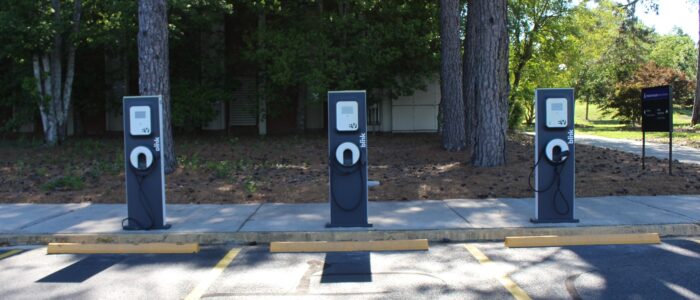
Assuming building interior fire safety issues can be managed, one way of getting more electric vehicle charging stations built around campus is to install requirements into the building code — thereby putting the construction cost, operation, maintenance and risk upon real-asset Developers and Owners. Code change submittals for the Group A tranche of titles will be received until January 8, 2024.
.jpg)
Illustration from 1913 showing Pythagoras teaching a class of women. Pythagoras believed that women should be taught philosophy as well as men and many prominent members of his school were women.
We follow the catalog of best practice titles developed by a joint committee of the International Organization for Standardization and the International Electrotechnical Commission that should interest educational institutions with an interest in capturing revenue from students outside their home country (which is nearly every educational organization as far as we can see, save for secondary school districts).
ISO/IEC JTC 1/SC 36 Information technology for learning, education and training is charged with standardization in the field of information technologies for learning, education, and training to support individuals, groups, or organizations, and to enable interoperability and reusability of resources and tool. Excluded from this scope are: •standards or technical reports that define educational standards (competencies), cultural conventions, learning objectives, or specific learning content. Work done by other ISO or IEC TCs, SCs, or WGs with respect to their component, specialty, or domain. Instead, when appropriate, normative or informative references to other standards shall be included. Examples include documents on special topics such as multimedia, web content, cultural adaptation, and security. The landing page for all ISO/IEC JTC 1 is linked below.
ISO/IEC JTC 001/SC 36 “Information technology for learning, education and training”

The Korean Agency for Technology and Standards is the Global Secretariat. INCITS is ANSI’s US Technical Advisory Group administrator. CLICK HERE for a list of committees.
We maintain the work products of this committee on the standing agenda of our Global, ICT and Acoustics colloquia. See our CALENDAR for the next online meeting; open to everyone.
Issue: [13-100]
Contact: Mike Anthony, Christine Fischer, Paul Green
Category: Academic, Finance, Global, ICT
LEARN MORE:
New update alert! The 2022 update to the Trademark Assignment Dataset is now available online. Find 1.29 million trademark assignments, involving 2.28 million unique trademark properties issued by the USPTO between March 1952 and January 2023: https://t.co/njrDAbSpwB pic.twitter.com/GkAXrHoQ9T
— USPTO (@uspto) July 13, 2023
Standards Michigan Group, LLC
2723 South State Street | Suite 150
Ann Arbor, MI 48104 USA
888-746-3670
 |
 |
|
 |
 |
|
 |
 |