



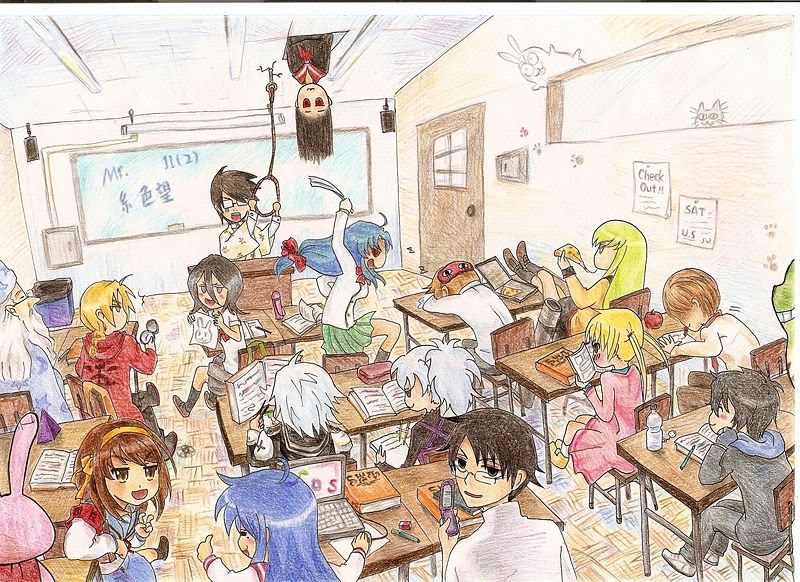
Donegan Acoustics
The larger part of using the global standardization system to make the real assets of educational settlements safer, simpler, lower-cost and longer-lasting is to make every effort to use those spaces and occupancies effectively. Today we examine a few case studies and explore possibilites mapped in safety and sustainability catalogs of standards developers whose titles become the basis for government regulation. Use the login credentials at the upper right of our home page at the usual hour.
The topic is necessarily cross-cutting and technologically interdisciplinary so we draw from the syllabi of colloquia we previously covered.
Case Study: Center Grove Community School Corporation Security
Related:
Here are 10 current trends in the construction of K-12 education facilities in the United States, based on recent industry insights and developments. These trends reflect a focus on safety, sustainability, technology, and evolving educational needs, drawn from sources like architectural firms, construction reports, and educational design analyses.
First Draft Meeting Minutes | January 13, 2026
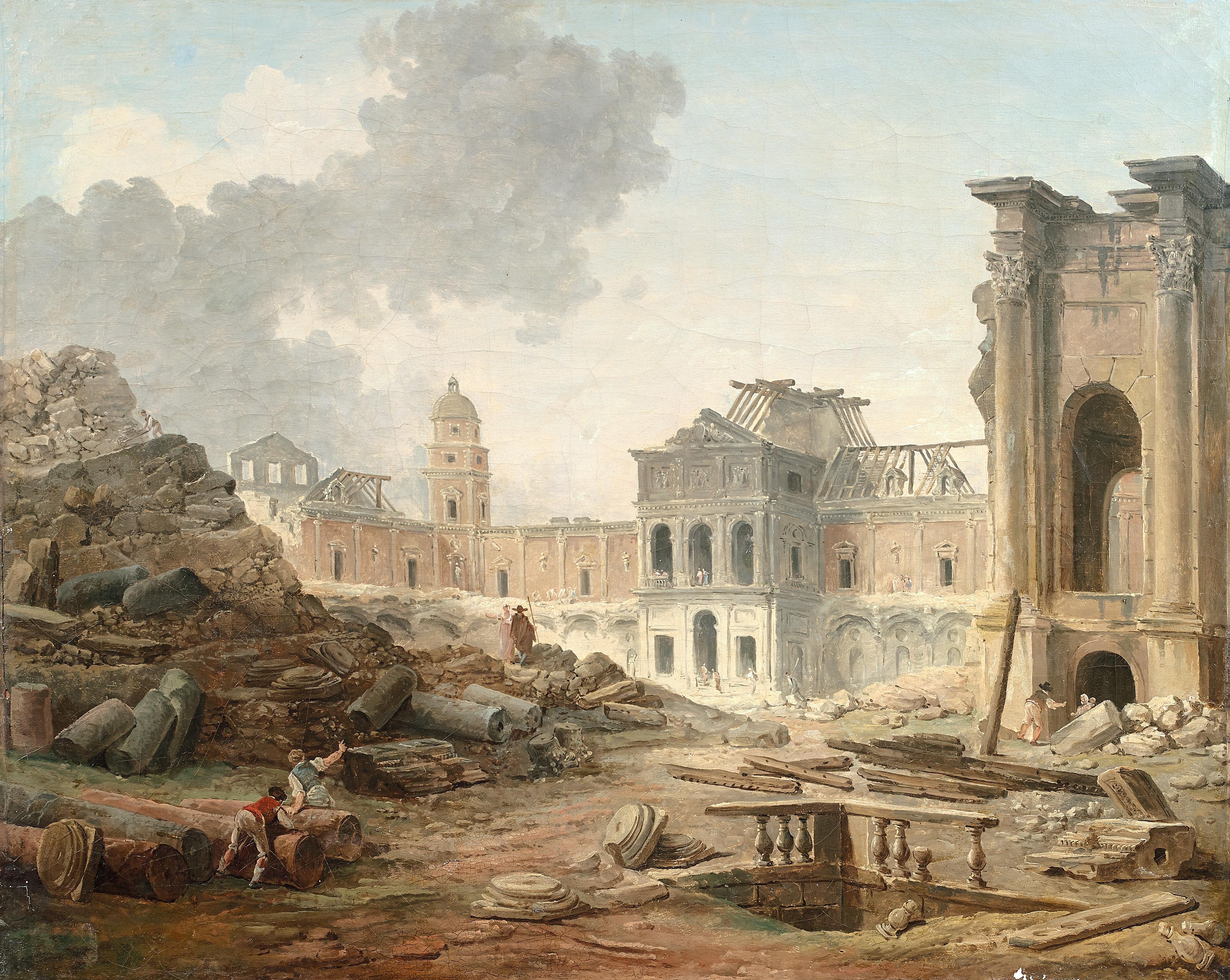
Château de Meudon

We have advocated education community risk management concepts since 2007; primarily in NFPA Standard 1300 — Standard on Community Risk Assessment and Community Risk Reduction Plan Development (formerly NFPA 1600). The content of this title is close-coupled with FEMA’s National Incident Management System.
Recently the National Fire Protection Association Standards Council moved to consolidate its community risk management titles as described below.
“NFPA 1660 is in a custom cycle due to the Emergency Response and Responder Safety Document Consolidation Plan (consolidation plan) as approved by the NFPA Standards Council. As part of the consolidation plan, NFPA 1660 (combining Standards NFPA 1600, NFPA 1616, and NFPA 1620) is open for public input with a closing date of November 13, 2020.”
Thus, NFPA 1600 is being sunsetted as a separate consensus product, its substance rolled into the new NFPA 1660. CLICK HERE for the new landing page for NFPA 1660.
Two links below provide a sense of the back-and-forth in the technical committee meetings:
1600_F2018_EMB_AAA_FD_PIResponses
Discussion about school and university security are noteworthy.
As described on its title page, this product will be reconfigured as NFPA 1660 Standard on Community Risk Assessment, Pre-Incident Planning, Mass Evacuation, Sheltering, and Re-entry Programs. The title suggests that NFPA 1660 is being developed to meet market need for conformance and teaching tools. You may track movement in the concepts in the links below; many of them administrative:
Emergency Management and Business Continuity
Mass Evacuation and Sheltering
NFPA 1660 will likely require one or two more revision cycles to stabilize
Public consultation on the Second Draft (NITMAM) closes September 9th. You may submit public input directly to NFPA by CLICKING HERE. We will have hosted several Security colloquia ahead of this deadline during which we will drill into technical and policy specifics.
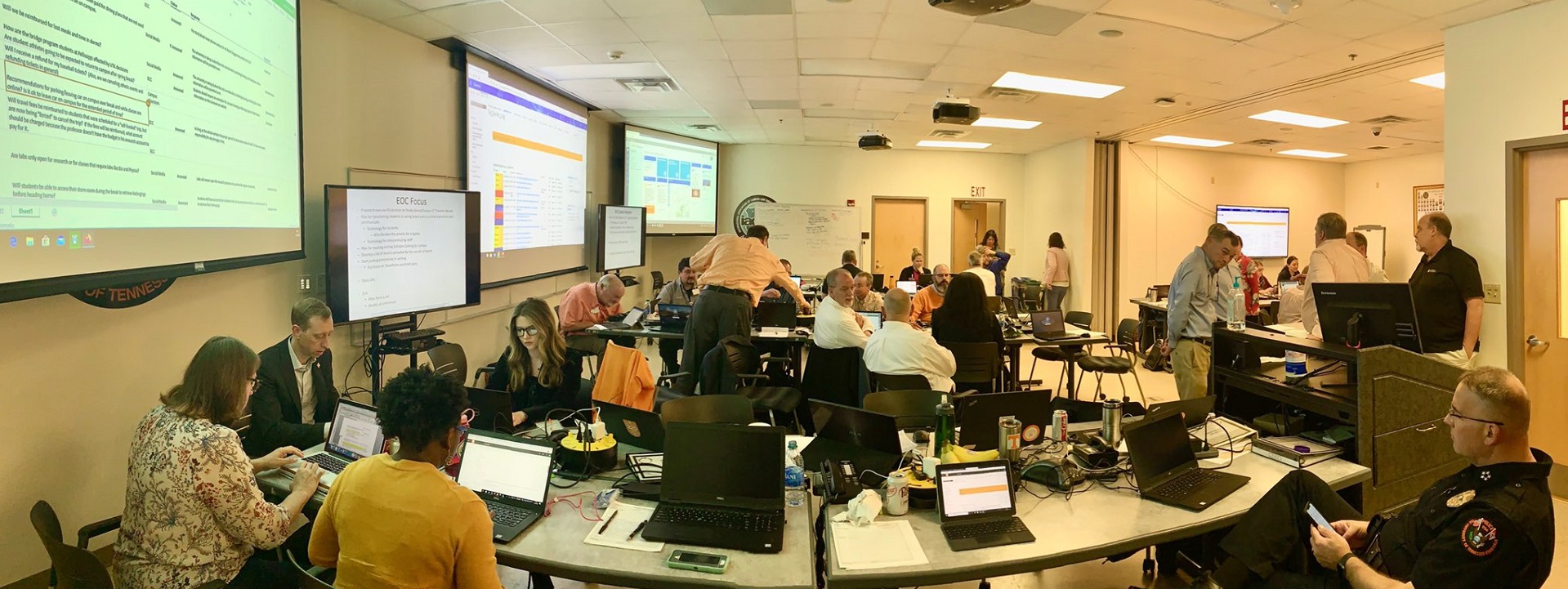
University of Tennessee
We maintain this title on our periodic Security, Disaster and Risk colloquia during which time our thoughts on the economic burden of the expanding constellation of risk management standards will be known. Thoughts that we are reluctant to write. See our CALENDAR for the next online meeting; open to everyone.
Issue: [13-58] and [18-151]
Category: Security, Risk
Colleagues: Mike Anthony, Robert G. Arno, Jim Harvey, Richard Robben
MORE >> Disaster Resiliency and NFPA Codes and Standards
The recent undetected introduction and rapid spread of foot and mouth disease in the United Kingdom highlights the importance of the integration of effective biosecurity practices in every livestock operation within the US. Showing and exhibiting animals presents a risk for the spread of foreign or domestic infectious disease.
Infectious diseases such as respiratory disease, contagious mastitis and bovine viral diarrhea, can present signs within a relatively short time frame, whereas Johne’s disease may not show signs for years after exposure. Taking the precautions listed below before, during and after fairs can help decrease the exposure to infectious disease.
Standards Michigan: Animal Care Standards
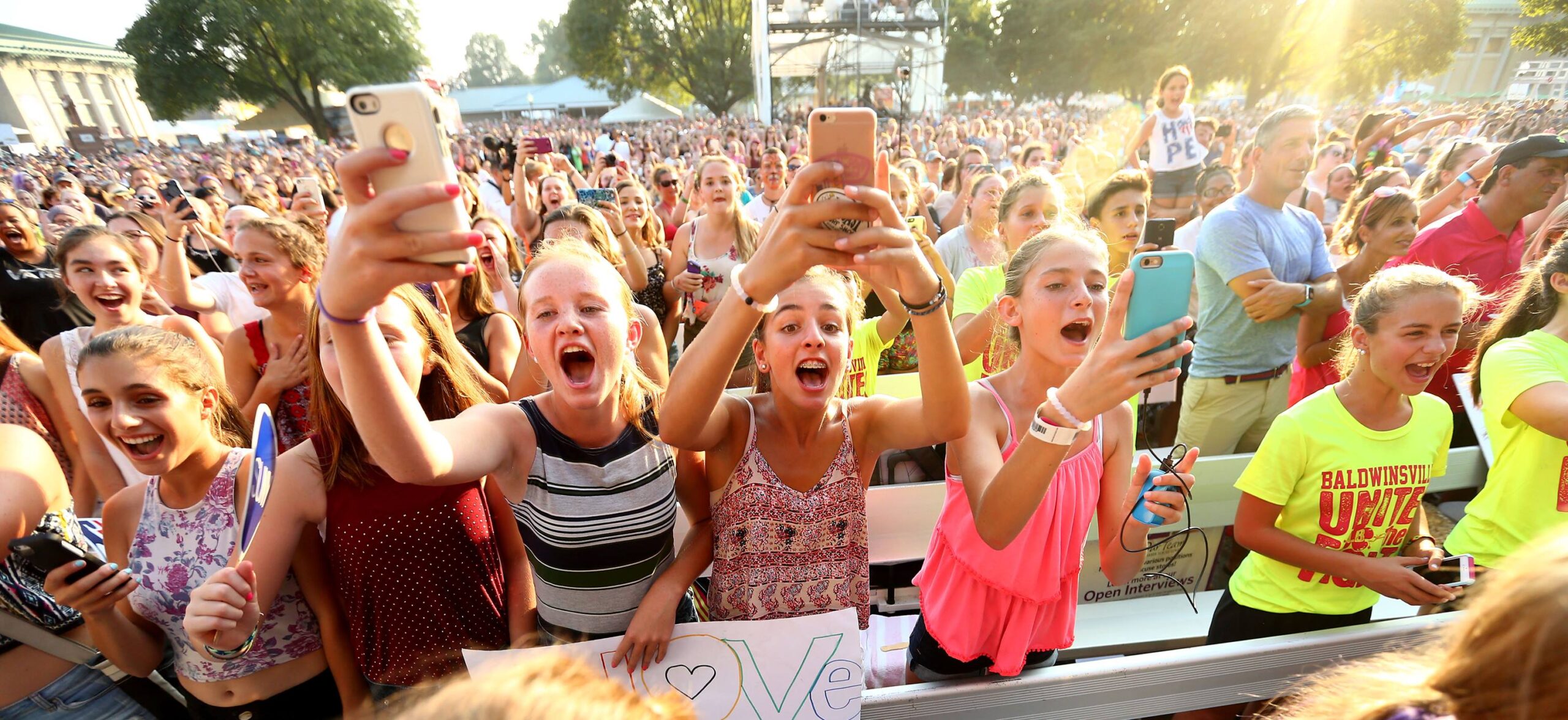
The Great New York State Fair | Onondaga County
The thunderbolt steers all things.
—Heraclitus, c. 500 BC
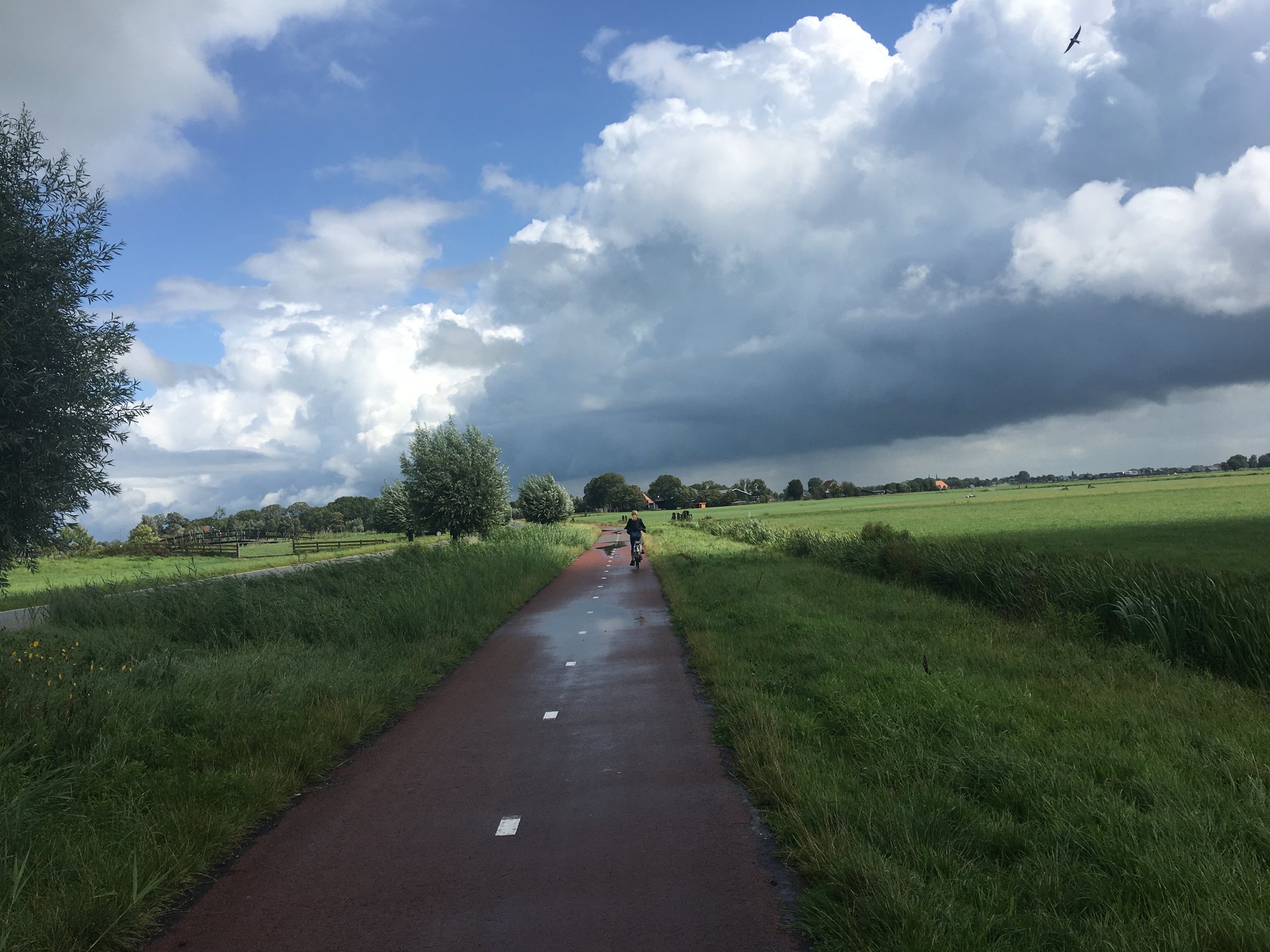
After the rain. Personal photograph taken by Mike Anthony biking with his niece in Wirdum, The Netherlands
Today at 15:00 UTC we examine the technical literature about rainwater management in schools, colleges and universities — underfoot and on the roof. Lightning protection standards will also be reviewed; given the exposure of outdoor athletic activity and exterior luminaires.
We draw from previous standardization work in titles involving water, roofing systems and flood management — i.e. a cross-cutting view of the relevant standard developer catalogs. Among them:
American Society of Civil Engineers
American Society of Plumbing Engineers
ASHRAE International
ASTM International
Construction Specifications Institute (Division 7 Thermal and Moisture Protection)
Environmental Protection Agency | Clean Water Act Section 402
Federal Emergency Management Agency
FM Global
Water Cycle Equation:
Precipitation = Runoff + Infiltration + Evapotranspiration + ΔStoragehttps://t.co/DdIA3UWUxy
Georgia Southern University Civil Engineering & Constructionhttps://t.co/rVhv4tyuBt@GeorgiaSouthern pic.twitter.com/9yo5NZrJQH— Standards Michigan (@StandardsMich) September 10, 2020
IAPMO Group (Mechanical and Plumbing codes)
Institute of Electrical and Electronic Engineers
Heat Tracing Standards
Notice of New Standard Product IEEE 1692-2023
IEEE Guide for the Protection of Communication Installations from Lightning Effectshttps://t.co/y8ZdmtBDRV pic.twitter.com/JG30sFEJlr
— IEEE Standards Association | IEEE SA (@IEEESA) September 2, 2024
International Code Council
Chapter 15 Roof Assemblies and Rooftop Structures
Why, When, What and Where Lightning Protection is Required
National Fire Protection Association
National Electrical Code: Article 250.16 Lightning Protection Systems
Lightning Protection
Underwriters Laboratories: Lightning Protection
Underground Stormwater Detention Vaults
United States Department of Agriculture: Storm Rainfall Depth and Distribution
Readings: The “30-30” Rule for Outdoor Athletic Events Lightning Hazard
As always, our daily colloquia are open to everyone. Use the login credentials at the upper right of our home page.
“Rainbow Connection”
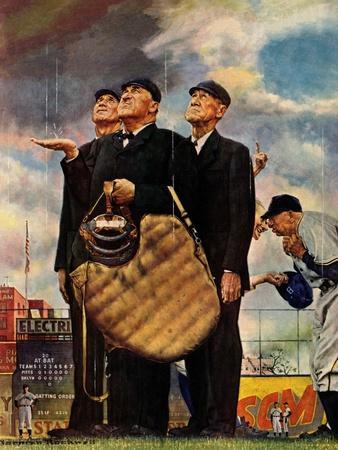
“Tough Call” | Norman Rockwell 1949
The “lightning effect” seen in carnival tricks typically relies on a scientific principle known as the Lichtenberg figure or Lichtenberg figure. This phenomenon occurs when a high-voltage electrical discharge passes through an insulating material, such as wood or acrylic, leaving behind branching patterns resembling lightning bolts.
The process involves the creation of a temporary electric field within the material, which polarizes its molecules. As the discharge propagates through the material, it causes localized breakdowns, creating branching paths along the way. These branching patterns are the characteristic Lichtenberg figures.
In the carnival trick, a high-voltage generator is used to create an electrical discharge on a piece of insulating material, such as acrylic. When a person touches the material or a conductive object placed on it, the discharge follows the path of least resistance, leaving behind the branching patterns. This effect is often used for entertainment purposes due to its visually striking appearance, resembling miniature lightning bolts frozen in the material. However, it’s crucial to handle such demonstrations with caution due to the potential hazards associated with high-voltage electricity.
How you know we haven’t had rain for awhile… pic.twitter.com/5zb84HeDUR
— Allison farms (@Allisonfarms) August 5, 2024

Vereenigde Oostindische Compagnie | Dutch East India Company
FM Global is one of several organizations that produce technical and business documents that set the standard of care for risk management in education facilities. These standards — Property Loss Prevention Data Sheets — contribute to the reduction in the risk of property loss due to fire, weather conditions, and failure of electrical or mechanical equipment. They incorporate nearly 200 years of property loss experience, research and engineering results, as well as input from consensus standards committees, equipment manufacturers and others.
In July FM Global updated its standard FM 2510 Flood Abatement Equipment which should interest flood barrier manufacturers, standard authorities, industrial and commercial facilities looking to protect their buildings from riverline flooding conditions.
The following updates were proposed and mostly adopted:
This standard also contains test requirements for the performance of flood barriers, flood mitigation pumps, backwater valves, and waterproofing products for building penetrations, as well as an evaluation of the components comprising these products to assure reliability in the barrier’s performance.
While there are a number of noteworthy colleges and universities that have grown near rivers and lakes — twenty-five of which are listed HERE — severe weather and system failures present flooding risks to them all.
Another Data Sheet — I-40 Floods — was updated in October. Both Data Sheets are available for download at the link below:
FM GLOBAL PROPERTY LOSS PREVENTION DATA SHEETS
You will need to set up (free) access credentials.
You may contact FM Global directly: Josephine Mahnken, (781) 255-4813, josephine.mahnken@fmapprovals.com, 1151 Boston-Providence Turnpike, Norwood, MA 02062
Our “door” is open every day at 11 AM Eastern time to discuss any consensus document that sets the standard of care for the emergent #SmartCampus. Additionally, we dedicate one session per month to Management and Water standards. See our CALENDAR for the next online teleconference. Use the login credentials at the upper right of our home page.
Issue: [Various]
Category: Risk Management, Facility Asset Management
Colleagues: Mike Anthony, Jack Janveja, Richard Robben

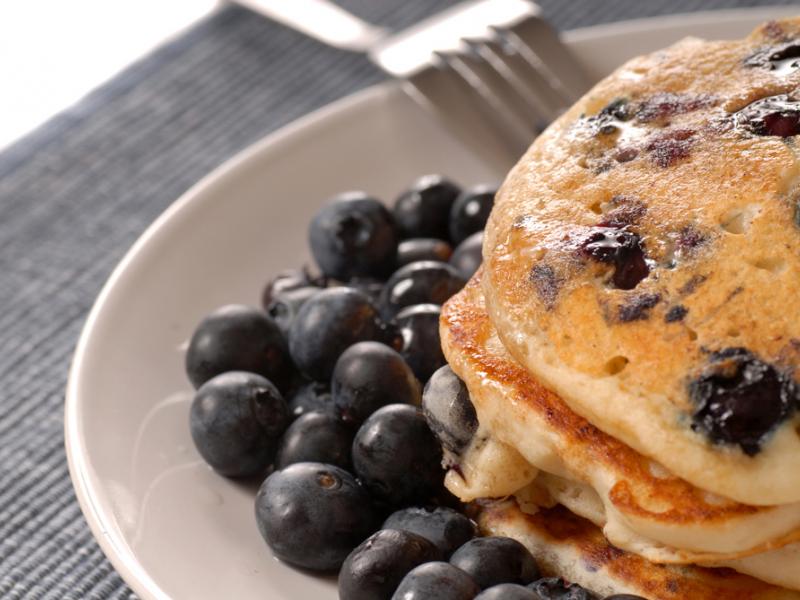
Happy #NationalFarmersDay! Thank you to the hard working Illinois farmers and ranchers who work to feed a hungry world.
Extension connects with ag workers every day to help solve problems by talking through options, collaborating on research, and exploring new technologies. pic.twitter.com/UiBAu9bD9a— Illinois Extension (@ILextension) October 12, 2022
Chemist Isabel Bevier pioneered innovations in home economics

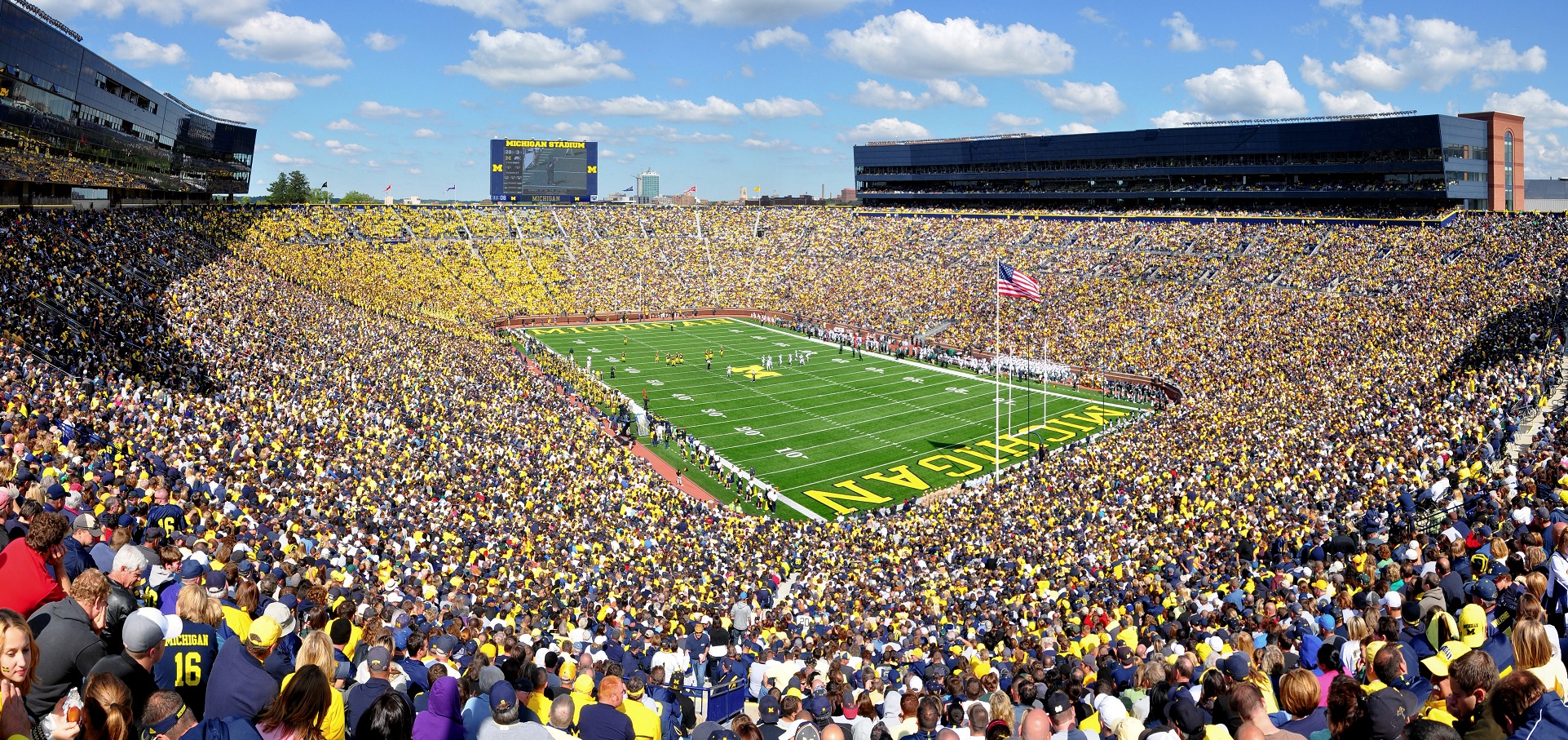
Building, operating, and maintaining athletic scoreboards requires a range of technologies, including hardware and software components. These are central features in nearly every athletic event, governing the state of play and attendee response.
Scoreboard Hardware: A range of hardware components, including display panels, control consoles, sound systems, and wiring, is necessary to build an athletic scoreboard. While there are no universal standards for LED displays in athletic scoreboards, but there is a common vocabulary used by manufacturers and installers follow to ensure quality, performance, and safety:
Power Reliability. Event timing and attendee emergency egress systems rest upon best practice found in Chapter 2 and Chapter 7 of NFPA 70 National Electrical Code and NFPA 110 Standard for Emergency and Standby Power Systems.
Lightning Protection. CLICK HERE for our coverage of the “30-30 Rule”
Operation and Maintenance Safety. Because so many scoreboards are occupiable the Chapter 3 Occupancy Classification and Chapter 10 (Means of Egress) of the International Building Code applies. Many are several stories high requiring attention to stairway construction details.
Control Software: Software that enables the scoreboard operator to input game data and control the scoreboard display is essential.
Mass Notification: Egress and Evacuation requirements are asserted in NFPA 72 – National Fire Alarm and Signaling Code.
Audio Standards: lorem ipsum
Wireless Communications: Many modern athletic scoreboards use wireless communication systems to connect the scoreboard control console to the scoreboard display. This allows for greater flexibility in installation and reduces the need for cabling.
LED Technology: LED technology has revolutionized athletic scoreboards in recent years. LED displays offer superior brightness, color accuracy, and energy efficiency compared to traditional scoreboards but must conform to local night-sky regulations.
Power Management Systems: Athletic scoreboards require significant amounts of power to operate, and efficient power management systems are necessary to ensure reliable and continuous operation. Maintaining temperatures — heating and cooling within specification — is a priority for maximum operable life.
Maintenance and Diagnostic Tools: To maintain and troubleshoot athletic scoreboards, specialized tools and software are necessary. This may include diagnostic software, specialized cables, and other testing equipment.
Overall, the technologies required to build, operate, and maintain athletic scoreboards are diverse and constantly evolving. A range of specialized hardware and software components, as well as skilled technicians, are necessary to ensure that athletic scoreboards remain functional and reliable.
Join us today at 11 AM/ET (15:00 UTC) when we review best practice literature. Open to everyone. Use the login credentials at the upper right of our home page. This topic is also tracked by experts in the IEEE Education & Healthcare Facilities Committee which meets online 4 times monthly in Central European and American time zones and is also open to everyone.
Relata: (US-Based Manufacturers)
New update alert! The 2022 update to the Trademark Assignment Dataset is now available online. Find 1.29 million trademark assignments, involving 2.28 million unique trademark properties issued by the USPTO between March 1952 and January 2023: https://t.co/njrDAbSpwB pic.twitter.com/GkAXrHoQ9T
— USPTO (@uspto) July 13, 2023
Standards Michigan Group, LLC
455 East Eisenhower Parkway, Suite 300
Ann Arbor, MI 48108 USA
888-748-3670
 |
 |
|
 |
 |
|
 |
 |