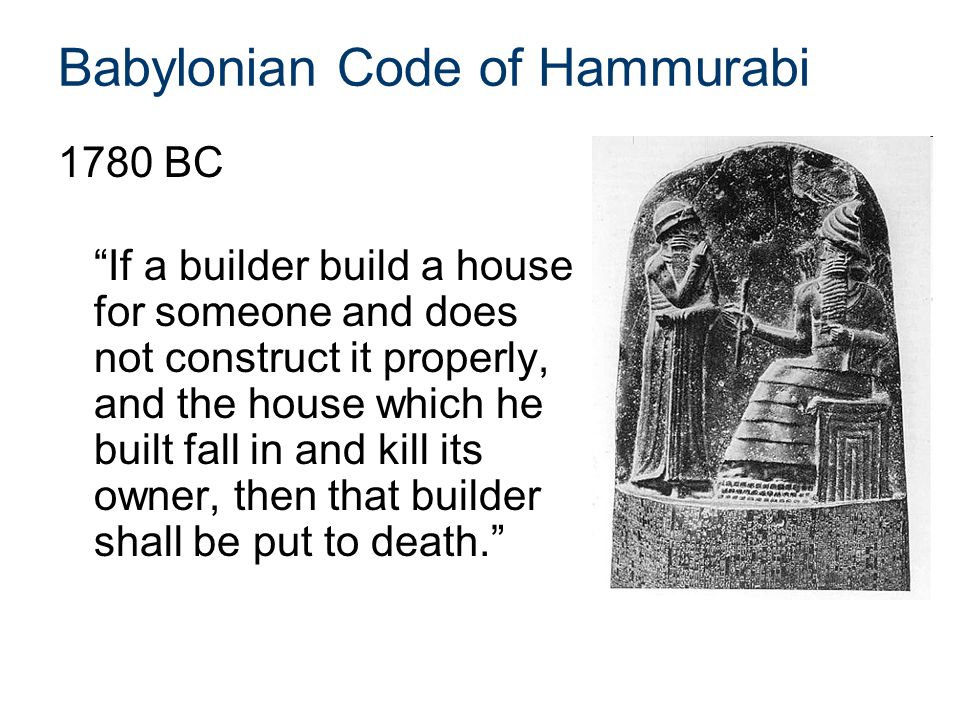
Emerging Transportation Technology

Loading
loading...

Emerging Transportation Technology

August 5, 2025
mike@standardsmichigan.com
No Comments

“Little Children on a Bicycle” mural on Armenian Street, George Town, Penang by Lithuanian artist Ernest Zacharevic as part of the George Town Festival 2012


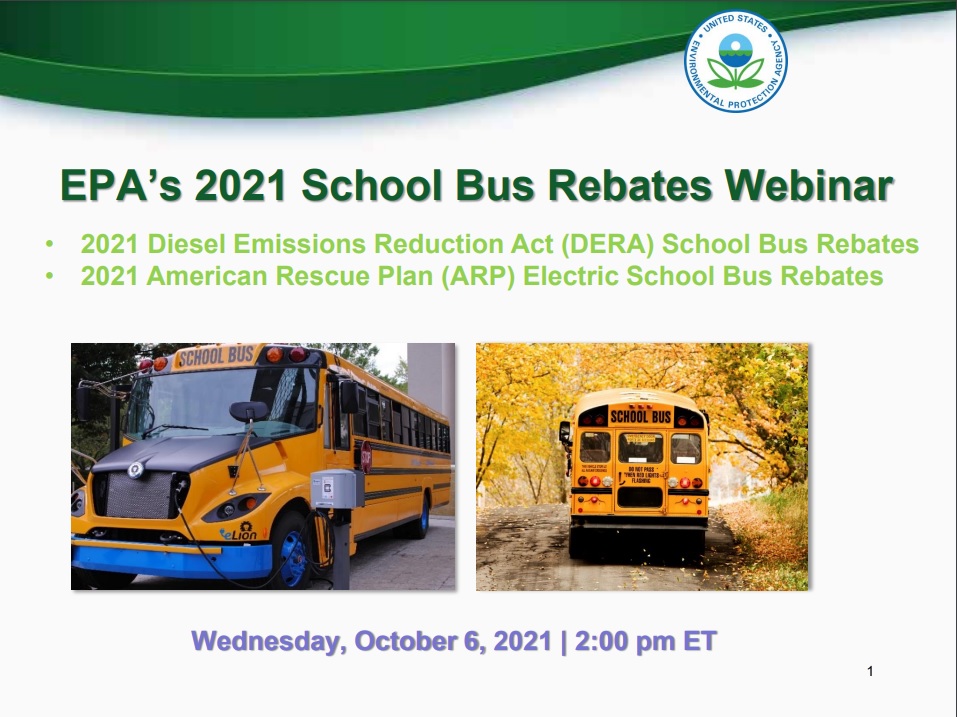
The school bus system is the largest mass transportation system in the United States*

and has eluded the “gales of creative destruction”**  found in other industries.


In April the US Department of Transportation (DOT) created the Non-Traditional and Emerging Transportation Technology (NETT) Council to identify and resolve jurisdictional and regulatory gaps associated with non-traditional and emerging transportation projects pending before DOT, including with respect to safety oversight, environmental review, and funding issues. The Office of the Secretary of Transportation invites comments on projects, issues, or topics that DOT should consider through the NETT Council, including regulatory models and other alternative approaches for non-traditional and emerging transportation technologies.

The Federal Register Notice is linked below:

DEPARTMENT OF TRANSPORTATION / Office of the Secretary / Docket No. DOT–OST–2019–0165

Comments directly to the DOT are due January 10, 2020.

Apart from inter- and intra- campus travel issues, there are three reasons for Standards Michigan interest in the DOT inquiry:

  • According to DOT statistics the American school bus system is the largest public transportation operation in the United States; with nearly 500,000 vehicles moving 26 million children to school every day.
  • A great deal of federal funding is allocated to transportation research.
  • Academic programs in engineering and urban planning must include an understanding of public and private transportation issues.   

For the education facility industry, Standards Michigan prefers privately developed consensus products; preferably by accredited or open-source standard developers with robust outreach toward the user-interest.   The American National Standards Institute — the not-for-profit organization that supports the voluntary standards and conformity assessment system — is planning to develop a response to the Request for Information, and strongly encourages its members and constituents to either respond directly to the RFI or to contribute to the ANSI’s response.

Contributions to ANSI’s response are due December 20th.

We place this commenting opportunity on the agenda of our monthly Transportation & Parking teleconference.  See our CALENDAR for the next online meeting; open to everyone.
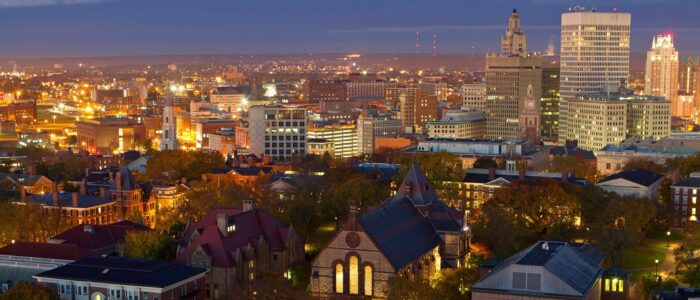
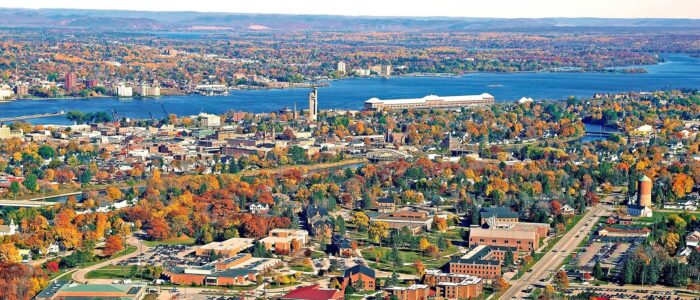
The St. Mary's River is a binational "Area of Concern" under the Great Lakes Water Quality Agreement

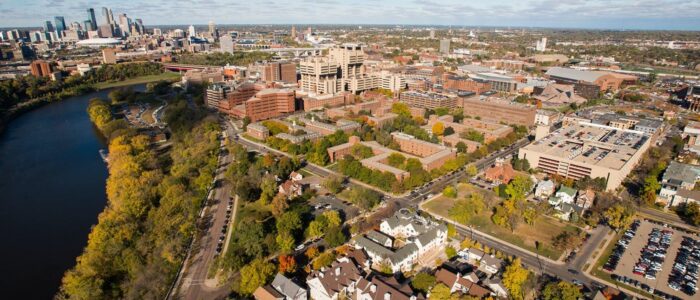
Campuses are “cities-within-cities” and perfect study units for cities of the future

Issue: [19-152]

Category: Transportation & Parking

Colleagues: Mike Anthony, Paul Green. Richard Robben

* America’s Largest Transit System

** Joseph Schumpeter: Schöpferische Zerstörung


LEARN MORE:

Bureau of Transportation Statistics
The Yellow School Bus Industry

ANSI Announcement / November 27, 2019

Filles du Roi

August 4, 2025
mike@standardsmichigan.com
,
No Comments

This content is accessible to paid subscribers. To view it please enter your password below or send mike@standardsmichigan.com a request for subscription details.

Military Weddings

August 4, 2025
mike@standardsmichigan.com
,
No Comments

This content is accessible to paid subscribers. To view it please enter your password below or send mike@standardsmichigan.com a request for subscription details.

McEwan Hall

August 4, 2025
mike@standardsmichigan.com

No Comments

This content is accessible to paid subscribers. To view it please enter your password below or send mike@standardsmichigan.com a request for subscription details.

Writing Headlines

August 4, 2025
mike@standardsmichigan.com
,
No Comments

This content is accessible to paid subscribers. To view it please enter your password below or send mike@standardsmichigan.com a request for subscription details.

General Conditions of the Construction Contract

August 4, 2025
mike@standardsmichigan.com
No Comments

International Code Council: Current Code Development Cycle 2024-2026

International Building Code: Chapter 1 Scope and Administration

There are five key components needed to address in each construction contract as a protection against litigation in an industry that is rich in possibilities.
  • Scope of the project. …
  • Total cost and payment requirements. …
  • Project timeline. …
  • Lien law protection. …
  • Dispute resolution.

Today at the usual hour we examine a few representative contracts:

List of all current AIA Contract Documents

University of Michigan Standard General Conditions

Wayne State University Supplementary Conditions of Construction

Princeton University: General Terms & Conditions for Construction Contracts

Universities Wisconsin: General Conditions of the Contract for Construction

The cost of compliance with general conditions in a typical construction project can vary widely depending on factors like project size, complexity, location, and specific requirements. General conditions refer to the indirect costs that support the project—things like project management, temporary facilities, safety measures, and administrative expenses—not the direct costs of labor, materials, or equipment tied to physical construction.

In percentage terms, general conditions typically account for 5% to 15% of the total project cost, with most projects falling in the 5% to 10% range for standard residential or commercial builds. Smaller projects might see percentages closer to or exceeding 10% because fixed costs (like a site trailer or a project manager’s time) don’t scale down as much as direct costs. Larger, more complex projects—like industrial or infrastructure work—might trend toward the lower end (5% or less) since direct costs dominate, diluting the relative impact of general conditions. For example, a $300,000 residential project might allocate $15,000 to $30,000 (5% to 10%) for general conditions, while a $10 million commercial project could see $500,000 or less (5%) if efficiencies kick in.

Related:

Methods of Building Measurement

Global Consistency in Presenting Construction & Life Cycle Costs

Higher Education Estates Management Report 2023

Modular Classrooms

Planning, Design & Construction Team

Architecture and Aesthetic Education

How Blockchain Will Change Construction

Carnegie Classifications

Design Age Institute

“Mainely” Potato Salad & Wild Blueberry Pie

August 2, 2025
mike@standardsmichigan.com
, , ,
No Comments

Standards Maine

Wild Blueberry Pie


School Bus Safety Standards

August 1, 2025
mike@standardsmichigan.com
No Comments

This content is accessible to paid subscribers. To view it please enter your password below or send mike@standardsmichigan.com a request for subscription details.

Bibliography: America’s Harvard Problem

August 1, 2025
mike@standardsmichigan.com
No Comments
By the Numbers. The University of Michigan has a larger reported total workforce (53,000–55,000) compared to Harvard (26,000–30,000).   Harvard endowment began in 1638 and is $56 billion.  The University of Michigan endowment began in 1826 and is $21 billion.

U.S. Department of Education Initiates Records Request from Harvard University After Discovering Inaccurate Foreign Financial Disclosures


Foreign Donations to Harvard University

There is substantial public information available on foreign donations (gifts and contracts) to Harvard University, primarily through mandatory disclosures under Section 117 of the Higher Education Act. This U.S. federal law requires universities receiving federal financial aid to report foreign-source gifts and contracts valued at $250,000 or more annually to the U.S. Department of Education (ED). The data is publicly accessible, though the original searchable portal was decommissioned in 2024, and it’s now provided via downloadable spreadsheets.

Official U.S. Department of Education Resources

The primary source for comprehensive, official data on foreign gifts and contracts (including those to Harvard) is the ED’s Section 117 Foreign Gift and Contract Data page. It includes spreadsheets with self-reported data from institutions, covering historical and recent reports (e.g., updates as recent as October 2024 and beyond).

Additional ED announcements and reports often reference Harvard, such as:

Harvard has faced scrutiny, investigations, and demands for records from the ED (including in 2020 and renewed in 2025), with reports of underreporting or incomplete disclosures in the past.

Key Findings from Reports and Analyses

Harvard is one of the largest recipients of foreign funding among U.S. universities. Highlights from Department of Education data and media analyses include:

  • Since January 2020, Harvard received over $151 million from foreign governments alone (e.g., significant amounts from the United Arab Emirates, Egypt, Saudi Arabia, Qatar, and Bangladesh).
  • Historical totals: Over $1 billion from foreign sources between 2013–2019, and continued large inflows (e.g., $218 million since January 2022 in one period).
  • Top contributing countries often include England (largest overall, mostly individual gifts), China, Hong Kong, Switzerland, Qatar, Saudi Arabia, and others.
  • Concerns have focused on potential influence from countries like China, Qatar, and Saudi Arabia, amid national security discussions.

Reliable Reporting from The Harvard Crimson

The Harvard Crimson (Harvard’s student newspaper) frequently analyzes ED data:

Other Reliable Sources

Note that while the ED data is the authoritative source, it relies on university self-reporting, and there have been ongoing debates about completeness (e.g., contracts for executive education or publications may be included). For the most up-to-date raw data, check the ED spreadsheets directly, as figures can be updated retroactively. If you’re looking for specifics on a country (e.g., Qatar or China) or time period, feel free to ask for more targeted details!


CASE IQ: Harvard University


Layout mode
Predefined Skins
Custom Colors
Choose your skin color
Patterns Background
Images Background
Standards Michigan
error: Content is protected !!
Skip to content